
Home首頁首页 · Memoirs回憶錄回忆录 · 李翊民(偉傑)回憶錄
Part 6 of 10第 6 部分,共 10 部分
陸軍官校的四年軍官養成教育Four Years of Officer Education at the Republic of China Military Academy
原 PDF 有 224 個字因字型缺字而無法顯示,本頁已依上下文補上,或有出入。
Contents目錄目录 (49)
- 懷舊篇-101
- 懷舊篇-102
- 懷舊篇-103
- 懷舊篇-104
- 懷舊篇-105
- 懷舊篇-106
- 懷舊篇-107
- 懷舊篇-108
- 懷舊篇-109
- 懷舊篇-110
- 懷舊篇-111
- 懷舊篇-112
- 懷舊篇-113
- 懷舊篇-114
- 懷舊篇-115
- 懷舊篇-116
- 懷舊篇-117
- 懷舊篇-118
- 懷舊篇-119
- 懷舊篇-120
- 懷舊篇-121
- 懷舊篇-122
- 懷舊篇-123
- 懷舊篇-124
- 懷舊篇-125
- 懷舊篇-126
- 懷舊篇-127
- 懷舊篇-128
- 懷舊篇-129
- 懷舊篇-130
- 懷舊篇-131
- 懷舊篇-132
- 懷舊篇-133
- 懷舊篇-134
- 懷舊篇-135
- 懷舊篇-136
- 懷舊篇-137
- 懷舊篇-138
- 懷舊篇-139
- 懷舊篇-140
- 懷舊篇-141
- 懷舊篇-142
- 懷舊篇-143
- 懷舊篇-144
- 懷舊篇-145
- 懷舊篇-146
- 懷舊篇-147
- 懷舊篇-148
- 懷舊篇-149
懷舊篇-101
不知不覺地我的懷舊篇今天破百了,這段日子非常感謝好友們的支持鼓勵及同學們的留言指正補充,共同回味當年的生活點滴,也算是一種樂趣吧! 我們入伍的第一天晚上全連在連集合場成講話隊型蓆地而坐,進行肝胆相照活動,每個人逐一自我介紹,之後連長命各校入伍生按陸、海、空、政戰學校順序出列唱各校校歌,三軍官校預備班及幼校生唱了三年,聯招進來的雖然不會唱但夾雜在人群中動動嘴也都不成問題,輪到政校入伍生出埸時看得出他們略顯緊張的表情,發音後開始唱〈看!陽明山前革命的幹部,氣壯河山,聽!復興基地反攻的怒吼,聲破長空,我們是革命的政工,我們是反攻的先鋒,三民主義的真理⋯⋯〉愈唱聲音愈小,不到一半便中斷了,此時其他學校的入伍生傳出笑聲,連長問說"怎麼校歌都不會唱"其實政校生全是高中畢業參加聯招入學的,到北投復興崗報到後只停留一週便南下赴陸官校入伍,校歌雖然有教唱但多半只會唱前面幾句(約三分之一),本次唱校歌事件對政校同學來說有失公平,因為起跑點差太遠了,後來的各項訓練也突顯了聯招生較為不利的一面。 入伍生團結訓時成績前十名的入伍生將上台接受頒獎,我因此也將目標鎖定進入前十名,凡野外戰鬥教練各項術科動作力求完美,經常請教連上士官學校畢業的同學指導缺失,學科隨堂測驗也勤背準則認真作答,每次測驗成績公佈結果我和同班左側鄰兵海官的王姓同學都不相上下,他可算是最大的競爭對手,訓練後期同學們除了看自己成績外便是関注我倆的勝負,有時好友先看到成績後會跑來向我報喜説"你分數比王〇〇高",總之入伍訓練的三個月我太過於執著結訓成績以致感受到一些壓力,現在回想起來我當年的作法到底是否正確?或許不要將得失看得太重較能過得更快樂些。
懷舊篇-102
當年我們聯合入伍的目的就是要各軍種互相瞭解交流,在唱軍歌方面我們同時學唱海、空軍的軍歌,陸軍的軍歌我最喜愛的除了我之前提及的「老兵」外,還有「無敵兵團」〈翻過了高山渡過了河 我們齊唱反攻歌 無敵的兵團向前進 武裝的弟兄多又多⋯〉。海軍好聼的除了「海軍軍歌」外,另一首「我們是一群弟兄」也非常好聽〈不管南北西東,我們是一群弟兄,歷春夏秋冬,喜海闊天空,同舟共濟,萬里破長空,衣同食同,住同作息同,甘苦同,生死同,為中華民族奮鬥效忠,一群弟兄似虎如龍,海洋上大江中,一往如前立大功,也談戀愛也吐私衷,不管南北西東,我們是一群弟兄〉。空軍除了「空軍軍歌」〈凌雲御風去,報國把志伸,遨遊崑崙山峰俯瞰太平洋濱⋯⋯〉外另一首葉逸凡作詞、劉雪庵作曲的「壯志凌霄」也非常好聽〈壯志凌霄、壯志凌霄、好男兒報國今朝,翱翔鐡翼山河動,掃蕩雲煙日月搖,我們要智勇充沛、德性高超、經文經武、飛虎騰蛟、努力發奮為雄,勿忘艱難締造,擔負起天下興亡萬里長空永保〉,其中多處要重複唱一遍。入伍訓三個月學到或聼到友軍許多好聽的軍歌也算是一大收穫。
懷舊篇-103
我們各班除了由四年級生擔任實習班長外每班尚指定一名入伍生為內務班長,我奉命任第一班內務班長,除了要教導班上聨招入伍同學摺棉被蚊帳外還要負責全班內務的整齊線,每個人在棉被前就位我從側面告知他們移動棉被向前或向後以達到所有棉被及蚊帳在一條缐上,床下的臉盆及裏面的嗽口杯牙刷牙膏都要看齊,鞋子也一樣,開訓初期通常聯招生動作較為生疏,著裝速度慢經常集合遅到被罰蛙跳入列或是伏地挺身、交互蹲跳,嚴重遲到者有時被罰匍伏前進入列,連上第七班有一名海官聯招生外號「緊張大師」幾乎每次集合不是遲到便是著裝錯誤(鋼盔戴反、鞋子穿反、扣子扣錯⋯等)因為我是第一班,講話隊型集合時他第七班正好面對我,看到他怪異的著裝及緊張兮兮的表情好像搞笑軍教片中的那種糊塗蛋,此時值星官便大喊"陳〇出列"當場糾正錯誤。 連長見許多同學出列入列動作拖泥帶水且未轉直角,某日早點名時便突然命我示範出入列動作,我按標準動作完成後連長指示爾後都耍比照,另外有一次各班帶開練習踢正步(準備十月份華僑參觀時表演),連長至各班巡視操練狀況,後來全連集合時連長又命我出列單獨在全連面前踢正步示範,並要求踢腿高度、力道、膝蓋打直、腳背下壓⋯等都要按此標準。 另外某次連長見我們臥倒動作多半先雙膝跪地再慢呑呑地雙手撑地趴下,很不滿意便命某班實習班長李國勝學長出列示範,當連長喊臥倒口令後只見李班長身體魚躍似地飛撲向前 就像打橄欖球的擒抱動作,很帥氣地趴在兩公尺外的水泥地上,我們入伍生全都看呆了,連長立馬很滿意的說"這才是標準的臥倒動作"。部隊解散後我發現李班長雙手手肘都磨破皮了(當時穿著短袖),雖然李班長做了標準的示範可後來我發覺還是沒人能達到那種標準,事隔47年之後的今年五月我們同學在新店38期學長開的蘇〇餐廳聚餐,李學長應邀出席,我跟他提到當年飛撲臥倒劇情他仍然記得,他說當年就是豁出去了,學長的兢業精神實在令人敬佩。
懷舊篇-104
當年很辛苦的便是在南台灣的酷暑烈日下接受野外訓練,因訓練場地距離營房甚遠,午餐後僅有短暫休息便要全付武裝集合出發,從南營區東側門沿黃埔湖東岸道路往怒潮亭(三行三進)、拔子藍山(單兵戰鬥及地形地物利用)、612高地(班攻擊)⋯等教練場地前進,每個人頭頂鋼盔右肩掛著布槍腰繋S腰帶、左側掛刺刀、右臀部掛軍用水壺(裝滿水)、前面掛偽裝網(捲成一團)、背後插把圓鍬或十字鎬、綁著一條繩子的木質圖板掛在背後、左手腕拎著木頭小板凳、光是齊步走就已經鏗鏗鏘鏘各種裝備撞擊聲不斷,偏偏帶隊的値星官經常不滿步伐不整齊而下令改為跑步,這下可真是交響樂團大合奏,待到達教練場個個腿都軟了,草綠野戰服也汗濕了,一套衣服耍穿好幾天才集體換洗,因此大夥的褲管上都有一層白色的痕跡(鹽份),我在小時候曾經洗完澡後用痱子粉塗抹身體,之後便沒再用過,而此刻大夥都長了痱子癢得難受,長官體恤我們在一般的操練(草皮運動、踢正步、刺槍術⋯等)採取統一著裝,也只有入伍生團特有的戴草綠野戰帽穿公發白色內衣褲(褲子是綁繩子而非鬆緊帶、俗稱黃埔大內褲)腰繫S帆布帶、腳穿大皮鞋或黑球鞋扮像,活動範圍遍及校區,的確涼快多了可其缺點就是不夠雅觀,還好當年三軍官校尚未招收女生而政校女生亦未參加聯合入伍。
懷舊篇-105
上野外戰鬥教練課之前首先耍做好個人偽裝,摘一些小樹枝插在鋼盔上及背後(可由鄰兵幫忙,如留言版),某位同學非常誇張地背後插了許多大樹枝弄得像是孔雀開屏一般,還向我們炫耀他的創意,結果當場被班長打槍。 有段順口溜形容軍中打野外是〈頭插兩根草 道路兩邊跑 流了一身汗 回去洗個澡〉,説到洗澡,本應是一件愉快享受的過程,但是對我們入伍生而言卻是一場緊張刺激的戰鬥,每個人都洗過多次三分鐘的戰鬥澡,每天洗澡時間的長短決定權完全掌握在值星官手中,從5分鐘到15分鐘任他挑選,我們為求多些時間洗澡在每次用完晚餐帶隊回營房時唱軍歌及答數都特別大聲讓値星官龍心大悅立馬宣佈"今天同學們表現很好等下洗澡時間加五分鐘",真是皆大歡喜的結局,我們的浴室有一間是以紅花樹圍籬的洗臉台附有水池,仍然以臉盆取水沖澡,陸官、空官及政校生均穿著內褲洗(我們預備班三年均如此)唯獨海官入伍生全身赤裸(不知別連的海官生是否如此),最為開放,完全不在乎我們詫異的眼光,有一次値星官發覺洗澡秩序不好立馬吹哨命全體到紅花樹外的道路集合,我們三個學校還有穿著內褲可海官生個個上演裸奔,站在隊伍中個個以臉盆遮住重要部位,有點像搞笑軍教片的情景,令我們忍不住爆笑,正巧此時有兩位女性員工(雇員或是福利社)騎自行車從隊伍前經過,只見她倆低著頭拼命加速通過,此事件不久即傳遍整個入伍生團引為笑談。 我們晚餐時因為天氣熱吃得不多,但是晚上還耍操練正步及刺槍消耗不少體力,經常就寢熄燈之後肚子餓的咕咕叫無法入睡,睡我右側第二班的王凌雲(陸官預五連畢業)也有同感,正巧在餐廳他也坐我旁邊,我倆便想到一個方法,每天晚餐時各拿一個饅頭(剩下多的便拿去養豬埸)藏在草綠小帽中待出餐廳覆帽時連饅頭一起戴在頭上,此時饅頭夾在小帽及腦袋中間的空隙中(入伍生伙食團的饅頭較小,若是以往預備班的大饅頭就肯定露饀了)回到寢室後很小心地爬到上舖將它藏在床頭的鋼盔下面,床頭的水壷也事先裝好水,只待熄燈後值星官查完舖我倆便取出饅頭及水壺愉快地享用,覺得那真是人間美味,只可惜好景不常,我倆的小確幸只有一週左右便告夭折,不知咋地値星官某日突然用手電筒發現正在床上宵夜的我倆,後果便是禁假一次挖大水溝中的爛泥巴用洗臉盆運走丟棄,最慘的是再也不能享用美味的宵夜饅頭了。
懷舊篇-106
我們的兵器課程其中有一項是手榴彈實彈投擲,之前要在操埸不斷演練務求安全,正式投擲處位於官校後山的手榴彈投擲埸,所使用的是美造像芭樂形狀外表有許多小方格的實彈,教官與投彈入伍生同在散兵掩體內,投彈者先將彈體握在右手掌壓住撃發卡片再以左手食指拉開彈體頂部的保險插銷,接著右手拉向後方再全力向前投出,彈體離手後金屬卡片立即彈開撞針同時撃發點火,4·5秒後彈體爆炸,因此在構築個人散兵坑時通常要在底部角落鑿一避彈坑,一旦發現手榴彈落入散兵坑時要立馬將它踢入避彈坑內以減少傷害。 我們每位同學都按照要領完成投彈,可輪到第九班海官的陳〇同學時(我之前提到的緊張大師),他右手握彈左手抜插銷的動作都沒錯,但當教官下令投彈後他老兄卻將左手的保險插銷丟出去右手仍握著手榴彈蹲下,幸好教官及時發現命他完成投彈動作,可校部械彈部門發出多少手榴彈就必須回收多少保險插銷,事後本連還動員全排兵力到前面的草叢中翻找那枚誤丟出去的插銷,費了許久才終於尋獲,真是精彩的手榴彈投擲記。
懷舊篇-107
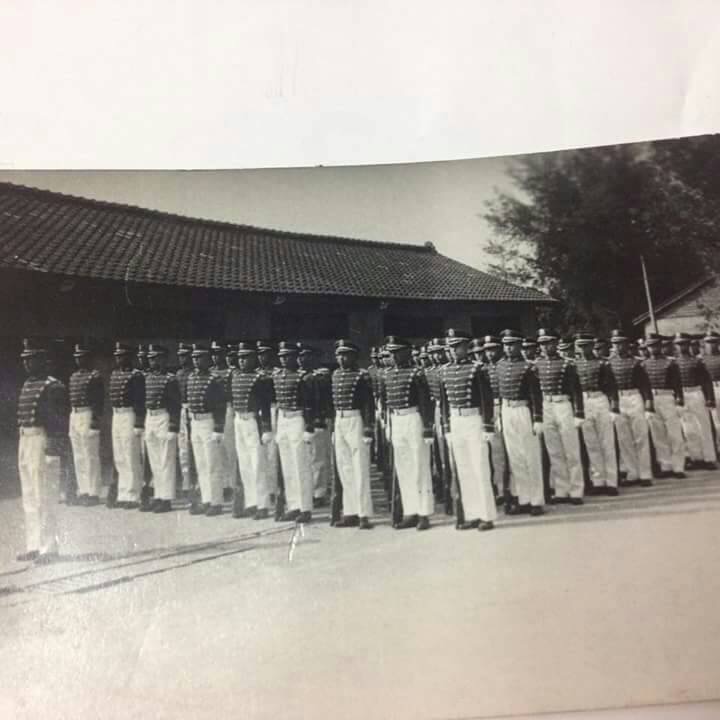
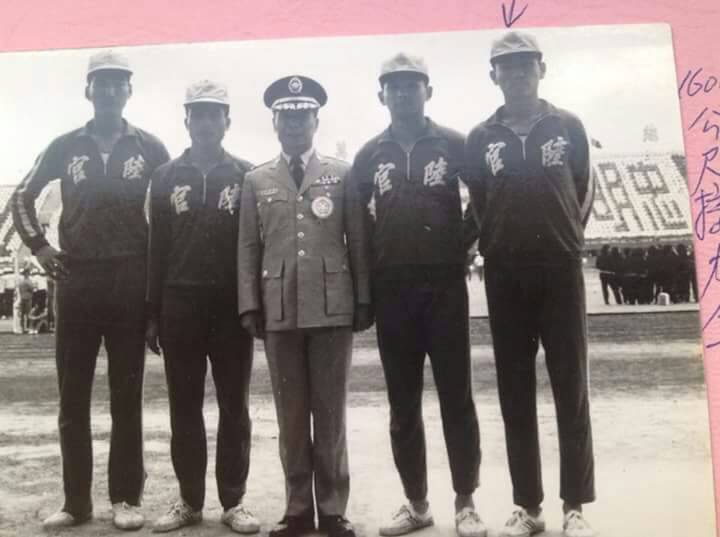
我們除了正常的操課外其餘的時間(第八節課及晚間)均全力練習踢正步及刺槍術,正步是要在歸國華僑來校參觀時表演分列式而刺槍術是為期末全入伍生團刺槍術比賽而苦練。校方特別為我們準備了許多庫存的閲兵服,袖子上的年級識別從一年級到四年級都有,每人按自己的尺碼找到合適的上衣及褲子、帽子,分到四年級衣服的同學突然覺得很爽常対其他同學開玩笑地說"見到學長為何不敬禮",大夥也紛紛在營房附近拍照留念,編分列隊型時學長將正步較為標準的同學編在第一班(稱為排面班)我有幸納入(照片右四),不僅感覺是一種榮耀而且在分列過程中不會吸入塵土(煠渣跑道會踢得塵土飛揚)。 我們僅有的體育活動便是帶隊到校部大操場做草皮運動, 隨著教官的口令在草地上模仿各種動物的爬行,如象行、龜行、猴行、蜈蚣行(許多同學後者握住前者腳踝成一長串)⋯等,雖然不是挺有趣但也算是我們最喜愛的課程了(比起全付武裝打野外、基本教練、坐小木凳上軍事課、踢正步、練刺槍⋯等)也是唯一上課時可以放聲嘻笑的課目。
懷舊篇-108
我們入十五連的副連長係資深軍官,身材威武、聲音宏亮,對刺槍術極為純熟,受命全力操練本連刺槍術並以奪得全入伍生團冠軍為目標,因此只要一有空閒便集合練習,不但要求刺出的槍枝在同一高度,收槍及迴旋、退後快跑等均要求整齊劃一,有一點差錯便反覆重作,當別連都已經熄燈就寢了,副連長還壓低嗓子指揮我們操練,幾乎每個人的雙手掌都磨起了水泡,用針刺破塗抹藥膏後繼續操練,正式比賽時本連同學個個氣刀體一致,士氣高昂,完全展現苦練成果終於奪得冠軍,真是台上十分鐘台下十年功,辛苦的汗水總算沒有白流。 三個月的集訓期滿,結訓前晚全連在集合場惜別晚會,以小型康樂的方式進行,晚會結束前我出列發表我們三個月來的受訓感言,除了感謝連上長官及實習班長的教晦照顧外並代表陸官學生祝福海、空官及政校同學相約四年後在復興崗再聚(聨合畢業),感覺大夥都有些離情依依。結訓典禮時宣布成績前十名的同學上台領獎,我的鄰兵海官王同學名列第七名,我未在前十名內,心中不免有些失落,連上某位學長安慰我說這是為了軍種平衡的安排要我勿太在意,後來我想開了心中反而豁然開朗。
懷舊篇-109
在結束入伍生團懹舊前特補充報告當年我們在餐廳用餐的狀況,部隊到達餐廳外後先派兩位同學打開紗門部隊成一路進入餐廳,在跨進門的同時以右手摘下草綠小帽並大聲喊出"脫帽",就座位時臀部僅能坐30公分寛長凳的一半,腰桿挺直、收緊下顎、兩眼平視前方、雙手向後伸直掌心向外手背貼在長凳後緣,凡下巴伸出者或未達雙下巴或三下巴者便會被罰用下巴夾一根筷子或一支香蕉,當見到對面同學夾香蕉的怪異景象還耍以門牙緊咬下唇忍住不笑,某位同學因為忍不住噗哧笑了一聲立馬被罰站在長凳上高喊十次"我不再隨便笑"。飯桶及湯桶都置於中央走道,添飯及盛湯時要以雙手將碗端在胸口高度雙臂夾緊,像機器人一般走路轉直角,排隊等候時兩眼只能看前面同學的後腦勺,某位同學東張西望的結果被罰站在凳上不斷高喊"眼睛不可亂瞄",輪到添飯時不得彎腰而要以高跪姿式,桌上的菜肴不得剩下,某次有一桌剩下許多苦瓜,班長命令他們吃完,有位同學表情怪異難以下嚥,結果他也被請上木凳高喊"革命軍人要吃苦瓜",像如此的例子不勝枚舉,我們當初覺得如此出人洋相似乎在故意整人,可後來在電視上看到日本許多企業經常訓練員工在大馬路旁對著路人高喊一些口號,甚至國內部份企業也比照實施,其實那就是在磨鍊胆量,對於一些胆小害羞者極為有效,學長經常對我們説"合理的管教是訓練、不合理的管教是磨鍊"還真有幾分道理啊。
懷舊篇-110
完成了三個多月入伍生團的集訓,海、空軍官校及政校生也將分別返回左營、岡山及北投的校區,他們在南營區集合後整隊往校部大門行進,我又再次有機會聽到「海軍軍歌」、「我們是一群弟兄」、「空軍軍歌」、「壯志凌霄」等四首好聽的軍歌,在部隊齊步行進方面,空軍官校歩伐最為沈穩,身體重心略為向後抬頭挺胸,帶隊官不必經常叫喊"一二、一二",尤其大間隔隊型(各兵加大間隔距離)行進時有如儀隊表演,手臂擺動也很到位,確實壯觀。朝夕相處三個月的伙伴離校後我們陸官41期的同學重新從15個入伍生連編為6個學生連,一至四連納入第一營,五、六連納入第二營,第七連之後的十幾個連全是二、三、四年級學生混合編連,我編入第六連,營房在通往校門口主幹道北面的第一排,為兩層樓瓦頂房舍,面對面的各寢室(一個班住一間)中間有內走廊,環繞寢室四週有一圈外走廊,各棟樓四週均以紅花樹圍籬,內部空地亦有大樹遮蔭,廁所在營房北側,廁所與營房中間有一座露天的水池就是我們洗澡的地方,我們連長是30期學長楊振亞少校、副連長是34期王從龍中尉、實習連長是四年級(38期)梁福德學長(已過世,令人惋惜)、實習輔導長是鄭寧東學長,我編入第一排第二班,實習排長是張廣勲學長、班長是張渝生學長(其他班長都叫他的外號"魚頭"),我們全期上課時編成27個教授班,每班20餘人一間教室位在校區北側圍牆內的塞爾大樓,該大樓本來是為實施「塞爾教學法」(仿效美國)所建,每班約15人課桌在四週老師在中央由學生提問老師作答方式授課,後來恐與國人個性因素效果不佳而改為傳統的教學方式,27個班中有兩個英文及一個數學班,我們在入伍生結訓前曾實施英文及數學測驗,依據成績編班,我納入的第27教授班是英文班,每週有四節英文課是由美籍女老師上課,課本很厚全是原文,上課也禁止說中文,每位同學還取了個洋名字(我叫喬治),記得我班上還有吳燕鳴、鄒志強、劉湘潮⋯等同學,從此開始了我們官校四年的正期生生涯。
懷舊篇-111
我們一年級生整年都被學長稱為入伍生,在校區內入伍生不能走路而是一律跑步,除了全連帶隊進餐廳或是下餐廳回連可以齊步唱軍歌答數,我們第六連鄰楝第七連有一名三年級的亓〇學長及二年級的沈〇〇學長經常在路旁監看只要發現我們用走的便立馬大吼"入伍生跑步"嚇得我們拔腿快跑,有時還會處罰未跑步的入伍生繞操場的大樹跑幾圈,某次全校在司令台前看晚會,同學們坐在寢室帶來的椅子上正想輕鬆一下,旁邊第七連的沈學長突然站起來對著我們全連大吼"入伍生沒坐相,全部鮯我坐三分之一"震驚全場,想必他入伍生時受過不少教訓好不容易熬成二年級學長可要好好整頓一下學弟的規矩,後來我們都視第七連營房前面為危險路段避免通過(繞道而行)。 每天晚餐後帶隊回連上的途中依然要賣力的唱歌答數以博取較多的洗澡時間,露天的水池並不大為防止一百多人擁擠搶水,值星班長將我們圍著水池排成四圏,第一圏先用臉盆搲水淋濕全身後退到最外圍擦肥皂再依序由第二、三、四圏上前,待擦好肥皀後再依序上前取水冲淨,冬天時大夥都很怕洗澡,光著上身圍著水池直打哆嗦,冰得要命的水從頭淋下後每個人身上直冒熱氣簡直就像剛出籠的包子,有同學躲在寢室不出來洗都被班長抓來加入冰水浴。 洗完澡後各班在寢室內晚自習,每人有一張書桌,班長的桌子正對門口,進出寢室都耍向班長敬禮,寢室的清潔由班兵分工,牆上掛有分工表列明地面、窗戶、內務櫃、床頭⋯等部位的負責人,每週實習團部及營部均會來連上檢查清潔,採抽檢方式每個連抽三至五間寢室(均為晚自習時),每當聼到走廊上有皮鞋的腳步聲我們都提心吊膽希望不耍進我們寢室,負責檢查的學長戴著白手套在床頭、門窗、衣櫃各處抹拭,若不合格記下缺點則分工負責人便要遭禁假處分,所有禁假入伍生假日集中在足球場全付武裝托槍在兩端線之間來回行走,稱為「武裝行進」,大夥均俗稱「打鳥」,我曾經嘗過一次「打鳥」的滋味,的確不太好受。
懷舊篇-112
當年實習團部或營部幹部來連上檢查清潔分工時我們都繃緊神經,直到他們從寢室前過門不入才鬆了一口氣,另外每週還會抽檢槍枝及工作器具(圓鍬)的保養狀況,通常在中午下餐廳前團値星官會宣布"各連第X班第X名下餐廳後帶槍及工作器具至團部前受檢"被點名者不僅午休泡湯若是檢查不合格連當週假日也會泡湯,學長對於我們保養槍枝及工作器具要求做到十個字"看起來有油 摸起來沒油",驗槍時打開槍機槍管向前槍口在檢查者眼睛高度從槍口查看槍管內部是否光亮,我們有一小撇步可確保槍管內光亮無比,即先用通條夾機油布通一遍再以乾布除去油漬,最後再以一小段絲襪夾在通條來回擦拭即可,絕不會留下任何纖毛。當年入伍生還有一項苦差事就是每週一次餐廳地面大清洗,每個連派出20餘人,通常由各班輪流,在晚餐後帶臉盆及刷子拖把至餐廳報到,先將所有桌凳抬到外面清空地面再以洗衣粉(當年沒有地板清潔劑)加水刷洗油污,以臉盆至廚房水池來回端水沖靜後再以拖把及乾布擦乾,我們有一快速擦地法即雙手張開伏地握住大塊布或舊衣褲雙腳往前推進,五、六個人併排作業效果不錯,全部清潔完畢桌椅復原約需兩個多小時,若遇校慶及華僑參訪前還要將所有桌腳及凳腳上皮鞋碰撞的黑色痕跡清除,耍加派數倍兵力才行。
懷舊篇-113
我們一批入伍生參加足球校隊選拔結果入選四人,除我之外另有張維群、趙時中、梁謫斌等三名聯招入學生,張君踢中鋒四年級時勇奪校運會軍事五項競賽(射擊、手榴彈投遠、武裝游泳、500公尺障礙、1600公尺武裝跑)冠軍,獎品亞米茄手錶乙只,是所有項目中份量最重的金牌,畢業後任職政戰特遣隊(類似特戰部隊)但是在某此赴谷関勘察地形及渉水狀況時不慎溺斃讓人難以置信,梁君係香港僑生畢業於聖芳濟高中英文程度很好,說話帶有廣東腔,主踢後衞與我交情不錯,某次寒假他未返回香港我特邀他到新店和我們全家一起過年,可惜他讀完四年級上學期寒假返回香港後因家庭因素未再回校報到,至今已經與他失聯40餘年。趙君擔任守門員後來又與我同為田徑校隊隊友。球隊中有位二年級的馬家鳯學長是我讀滬江高一的同班同學也同為該校足球校隊隊友,每天中午午休及放學後都一起踢球,後來我進入預備班而他高中畢業後考入官校40期成了學長,現在我倆又在同一個球隊踢球真是太巧了。 當年經常有輸日香蕉遭到退貨或生產過盛滯銷轉而勞軍,我們連上也分配到十幾籮筐好幾百斤大香蕉放在營房後側一樓的儲藏室中,有幾位同學三不五時便會潛入偷吃,某日學長抓到一名偷吃的同學立馬集合全連同學叫該員出列,學長手拿一串香蕉(約十支)對他說"既然你這麼喜歡吃香蕉今天就讓你吃個痛快"命他將那串香蕉吃光光,只見他吃了三支以後整個人都蔫了,表情極為痛苦,最後學長還是放了他一馬,從此以後便再也沒人敢去偷吃香蕉了,那段時間我們天天吃香蕉有些同學看到香蕉就怕了,其實香蕉是非常好的水果,早年對台灣的經濟發展貢獻甚鉅,許多運動員比賽中途休息時都會吃上一支補充體力,我現在也養成習慣每天下午吃一支香蕉晚上打羽球時感覺體力充沛(不知是否心理因素)。
懷舊篇-114
當年我們學生指揮部的指揮官竇懿倫上校是一位慈祥和藹的長官經常苦口婆心地教晦我們,他走路時雙手習慣張開好像西部牛仔槍手準備抜槍的姿勢,第七連有位三年級的亣學長走路也是如此,我們私下都稱指揮官為「竇波波」,實習團長戴伯特學長、副團長蕭向平學長、處長薛承智學長均動作標準、儀態威武,團部及營部的學長在校內行進時均成後三角形,團長或是營長走在前面、左右後方各一名幹部同行,我們入伍生在迴避的同時也投以崇拜的眼神。我們連上的實習輔導長鄭寜東學長對我們就像兄長一般非常照顧,放寒假時還邀請我們七位同學(我、彭長征、高麗天⋯等)到他新店中央新村附近的家中聚會,弄了一桌子菜,非常愉快。由於連上同學寫信常沒有郵票、信封而郵局又遠在黃埔湖北岸極為不便,鄭學長指示在連中山室設置誠實郵局,於書櫃上方置一小木盒由連上先墊資購買一些郵票、信封、信紙放在盒中,需要的同學自行將錢放入盒中取走物品,我奉命負責定期清點金額並利用午休時到郵局補貨,實施以來反映良好同學們都很誠實未發生金額短少情形。 我們第一排的實習排長張廣勲學長對我們也非常照顧,記得我們要編連分別前夕他集合全排臨別贈言大夥都紅了眼眶,總之我入伍生時期非常幸運,連上學長都很照顧我們,至今仍印象深刻。
懷舊篇-115
升上正期生之後每週英文課的其中兩小時要到錄音教室上課,每人區隔一小空間桌面上鑲有一台大型盤式錄音機,兩個碗口大的轉盤牽動著錄音帶來回錄放我們唸教材的聲音,那玩意如今已列入古董級了可在當時卻令我們感到很新鮮好奇,第一次聽到自己的聲音總覺得怪怪的,白色封面很厚的錄音教材指示我們練習的進度,對發音及讀的能力均有助益。 57年的除夕夜我們入伍生的最主要節目就是把四年級的學長丟入平時洗澡的大水池中,這也是沿襲多年的傳統,學長不會生氣及處分人,我們首先將連上最大尾的實習連長梁福德學長抬到池邊拋入,他爬出後還面帶笑容,不久之後實習團長戴伯特學長穿著全新的羅斯福呢軍便服經過本連前面,被某同學發現立馬大喊"實習團長在這裏"我們十幾名入伍生快速衝出圍捕將團長抬至水池邊丟入,新衣服立馬泡湯,團長亦保持笑容,這也是我們慶祝跨年有趣的回憶,好像後來便沒有這項活動了。 學校的大操場包括閱兵場、足球埸、棒球場、橄欖球場⋯等定期都有勤務連的士官伯伯推著割草機定期割草,既快速又平整美觀,而游泳池南側及校區東面圍牆內的草地則分配我們入伍生以鐮刀割,某週末下午我們十幾位同學奉命將那片草地割完,經過檢查通過便可以自由活動,可我們手中的小鐮刀不夠鋒利,忙了半小時才割了一小片且坑坑凹凹像狗啃似的,有位最會出么蛾子的同學提議每人出資幾元由他負責去找士官伯伯用割草機來作業,大夥全數同意,不久之後割草機到場果然不同,半小時便割的漂漂亮亮,士官伯伯很高興的拿了工資及油銭、我們也提早自由活動、校園也比較美觀可算是三贏的結局。
懷舊篇-116
一年級下學期的329校運會我仍然報名參加400公尺、400及1600公尺接力賽跑等三項,雖然我在預備班時曾獲得400及400接力雙料金牌但升上官校後面對二、三、四年級衆多好手耍想奪牌肯定有難度,400公尺賽前每組八名選手要抽籤分配跑道,一般選手都最喜愛第三跑道,外道選手雖然起跑點在前但是經過兩個彎道後很容易遭內道選手超越,而一、二兩道因經常有人練習煤渣明顯鬆軟使不上力,尤其第一道地勢最低加以比賽前夕下過大雨造成積水泥濘不堪被稱為「死亡之道」,賽前抽籤時曾心想千萬不要抽到第一道,怎奈造化弄人偏讓我抽中,槍響後只見其他跑道選手飛快奔跑,而我卻困在泥濘的跑道奮力追趕,結果預賽便遭到淘汰,心中極為憋屈,回到寢室枯坐晚餐也沒去吃,室友梁克家同學安慰我説此次並非技不如人而是運氣欠佳,只要有實力明年定能奪牌,結果那次校運會以零獎牌坐收和我在預備班一年級時的狀況相同,心想下次定要奪個獎牌雪恥。 我們一年級生的頭髮一律規定剪成三分頭而學長們則可留成小平頭,我們將要放暑假前夕大夥心想馬上就是二年級學長應該不會再剪個三分頭放假回家吧?不料校方下令仍然要理三分頭,消息傳來大夥均怨聲載道,第一連的同學甚至在晚餐時坐在餐廳集體絕食(不動筷子)抗議,這在軍中屬重大事件,監察、保防均介入調查,後來將帶頭的三名同學開除,此事件當年在校內造成不小的轟動,結局是我們仍然頂著三分頭坐火車放暑假回家,深刻體會到「軍令如山」任何人都無法撼動的。
懷舊篇-117
58年暑假之後原本帶我們的38期學長畢業,感謝他們一年來的教導及照顧,我向許多學長索取照片做為紀念保存至今,我們升上二年級脱離入伍生身份,從此在校內可以走路不必隨時跑步,公發外出服的領章「陸軍官校」及「學生」各一枚是鋁質鍍金色字體小欠美觀,當了學長之後同學們多至鳯山街上專賣軍用配件的店家購買銅質字體(楷書)較大的「陸官校」三個字及「學生」領章配掛,只是每次放假前要用擦銅水將它擦得閃亮再掛上衣領,當年有一種廉價小罐的擦銅水有點像米槳效果不好,我們都喜歡買一種大罐較貴上面有一太陽圖案的擦銅水輕輕一擦立馬光亮無比。 連上的實習幹部改由39期學長擔任,分配到本連的學長均為通信兵科的,而學生部隊的實習團長則由張正言學長擔任,儀態、口令、動作均極為標準。 我們全期為著日後各項訓練及下部隊實習需要訂製草綠色大型帆行李袋及黑色007手提箱,由六個連各選派一名同學組成訂購小組,我蒙同學推選為第六連代表,赴高雄廠家洽談訂製事宜及簽訂合約,我們要求帆布材質加厚內裏加襯防水層,背帶及掛鈎完全比照傘兵裝備標準,結果確實堅固耐用,它陪同我們受訓輪調裝載著所有行李一袋搞定,成為軍旅生涯中不可或缺的伙伴。
懷舊篇-118
二年期開學後首先要實施三個月的夏訓,我們第六連奉令與第五連暫時解散平均編入一至四連,我被編入笫一連,39期學長仍將我們視為入伍生一般操練,謝阜生、于未明、陸幼鶴⋯等學長都很嚴格,輪到他們値星時大夥都很慘,陸學長曾經対全連說"不要以為你們升為學長就會對你們較為放鬆,我告訴各位~辦不到~"。夏訓期間全為軍事課程,包括戰鬥教練、兵器課程、實彈射擊⋯等,操課場地不限於學校後山的高地,有時還會遠赴田寮巷、拷潭⋯等地(班、排防禦),記得有次操練火力班攻擊(714高地附近)扛著美造輕機槍就像實心的鋼塊,攻到目標區時已精疲力盡(後來的國造輕機槍便輕多了)。兵器課程中有一項介紹43式75公厘無後座力砲,是聯勤61兵工廠於39年仿製美國M20式75公厘無座力砲,民國43年採用美造勃朗寧(Browning)M1917A式O·3吋重機槍三腳架為砲架故命名為43式,一般裝在吉普車上針對敵戰車及碉堡等發射,由於砲彈殻上有許多小孔部分能量向砲膛後方噴火抵消了後座力故稱為無後座力砲,實彈射擊時每班十名同學僅分配一發砲彈,各班均以猜拳(剪刀、石頭、布)決定由誰上場撃發、猜拳第二名者擔任裝彈手,我非常幸運猜得第一,另一名同學取得裝填手資格也開心不已,可當他耍裝彈時以左手掌按在砲管後膛上方瞬間突然大叫一聲,只見手掌立馬紅腫、因為經過多次發射後的砲管燙得就像烙鐵,手掌按上去就像巴比Q,教官事先有告誡可能是他太興奮而忘了,我採高跪姿式透過瞄準鏡鎖定目標右手中指食指握住旋鈕轉動半圈再以姆指按下旋鈕中央的發射鈕撃發砲彈命中目標,回學校後那名受傷的裝彈手至醫務所包紮治療經過一週才逐漸康復,対他而言真是樂極生悲!
懷舊篇-119
前文報導我們當年操練及實彈射撃的75無後座力砲,其實我們也同時認識另一型106無座力砲,除了口徑較大外其砲管上方還附有一挺同軸50口徑觀測槍,發現目標後先用觀測槍打出曳光彈確定命中目標後立即發射砲彈加以摧毀,可避免浪費砲彈,由於當年沒有該型砲彈供我們實彈射擊僅能實施基本操練。 結束三個月的夏訓後我們分散至各連的同學又回到第六連原本的營房並且開始正常的二年級學科課程,我們英文班原本的美籍女老師Miss Gibson已離職改由30期學長丘衛邦少校接替授課,他進入教室値日生發立正口令敬禮後不能坐下,他要走到每位同學面前檢查服裝儀容,從頭髮、鬍子、軍服、皮帶環、皮鞋甚至手指甲都澈底檢查,感覺不像是上課的老師而是教育班長,當有同學上課遲到在門口喊"報告"時他會瞄一眼然後說出"Ten Push-up",那同學立馬至講台旁做完十個伏地挺身後回到座位,服儀檢查不及格者也是一樣十個伏地挺身,以致後來每當要上他的課都要把皮繃緊些,遇到考試時他強調「榮譽測驗」發完試卷後他便離開不知去向(不在場監考),時間到了他才回來收巻,結果還真的沒人作弊,他的標準造型就是理著和入伍生一樣的三分頭比我們這些學生的小平頭還要短。 某次假日他邀請我們幾位同學到學校附近黃埔七村(官校教職員特定職務官舍)的家中聚會,師母也是官校英文老師,準備了許多點心水果,隔壁的30期徐博生學長(後來曾任烈嶼、小金門指揮官、中正預校校長⋯等職務)也加入聚會言談間讓我們受益頗多。
懷舊篇-120
我們預備班三年及入伍生一年合計四年期間放假外出時都穿著平時出操打野外公發的高統皮鞋,我們稱它為"大皮鞋",經常日曬雨淋及磨損加上大圓頭的外型感覺不夠稱頭,升上正期二年級後全期同學自費集體訂製皮底皮跟的短統皮鞋,我們稱為"小皮鞋"我蒙同學推選為連上代表與另外五名代表(各連一名)赴高雄市選定廠家簽約並派員到校量取各人尺寸,拿到新鞋後大夥都很高興,放假外出時穿著新鞋精神格外抖擻,皮底踩在地面上常會發出嗶啵的爆炸聲,皮跟走起來也會發出叩叩聲,尤其立正靠腿時發出清脆的聲響是大皮鞋無法辧到的,每到放假前夕我們都把它擦得像鏡子般光亮,先用鞋刷或乾棉花塗上鞋油再用濕棉花畫小圓圈像是汽車打蠟般總要花上許久功夫。我們當年也覺得公發的大盤帽不夠帥氣(帽徽是鈻片、帽沿是塑膠皮、布質普通、帽邊太扁)便至鳯山街上的第一製帽廠自購帥氣的大盤帽(帽徽精美地鑲在真皮上再縫合在帽前、帽沿為皮革製、以絨布製成帽體、帽邊內加襯一條粗的海綿圈較為堅挺)要價145元,我們都簡稱它為"么四五"後期學弟買時愈來愈貴,不知現在一頂要價多少?
懷舊篇-121
官校副校長楊敬斌少將與家父同為軍校十七期湖南武崗分校同一總隊(十七期除了成都本校外另有陝西漢中、湖南武崗、江西瑞金、貴州獨山、雲南昆明、廣西桂林、陜西西安、湖北均縣等八個分校25個總隊)同為湖南人,某次對全校學生訓話(形容他們當年訓練的嚴格)說到"我們行軍耍背背包,背包裏面裝棉被,沒有棉被,裝什麼,裝磚頭"因為郷音很重,我因為從小常聽父親老鄕來家中聊天已經習慣那腔調,後來我便經常在寢室及教室模仿副校長訓話"偶面行巜Xㄣ要嗶必包,必包裏面章冂一Y必,密有冂一Y必,章細抹,章捐頭"逗得大夥爆笑,軍校十七期後來在軍中幾乎少有發展,我們熟悉的陸軍蔣仲苓、宋心濂、陳守山、許歷農上將及朱致遠中將均為十六期的。 我們第六連某班一位冉姓同學因為偷取室友的錢被查到,副連長34期學長王從龍中尉在營房東面大樹下的空地集合全連叫出冉同學坐在地上命每個人依序從旁走過朝冉員身上吐囗水,我覺得此舉似有不妥,因為國有國法、家有家規、校有校規,應依法處置較妥,不宜動用私刑,後來那位同學還是受到開除處分,但是被全連吐口水之情景肯定成為他永遠無法抹滅的陰影。
懷舊篇-122
(懷念的經典影片) 如今的電影拜科技之賜利用電腦特效產生震撼的效果,配合三D技術讓觀衆享受一流的聲光,如〈阿凡達〉〈侏羅紀世界〉〈玩命關頭〉〈魔鬼終結者〉〈玩命快遞〉〈不可能的任務〉⋯等,但是缺乏劇情,出了戲院之後不能産生令人感動的回味,而在當年卻有許多影片堪稱影史上經典之作,我利用假日至鳳山或高雄的影院有幸觀賞到,概略介紹如下,首先是〈屋頂上的提琴手 Fiddler on the roof〉強調猶太人為何能像屋頂上的提琴手站在那樣危險的地方拉琴卻不致於失足掉下,就是他們有很堅強的傳統,從摩西傳下來的律法、衣著、吃飯的習慣等,卻不知耶穌已經為他們付上罪的贖價,片中的父親因為女兒不聽他的勸阻執意要和男友交往,無奈之下只有對著蒼天大喊"Tradition(傳統)",相信如今許多有女兒的父親也有同感,中國傳統的父母之命媒妁之言早已過了保存期! 另一部〈春風秋雨Lmitation of life〉描述混血女兒嫌棄她那黑人血統的母親如同仇人般,直至母親過世才澈底悔悟,出殯的場景搭配感傷的主題曲〈Trouble of The world〉讓所有觀衆感動落淚,那也是我首次看電影落淚。另一部〈誰來晚餐Guess who‘s Coming To Dinner)由薛尼鮑迪主演,描寫種族通婚對家庭成員所產生衝擊和影響的美國。 由克拉克蓋博(Clark Gable)、愛娃嘉娜、葛麗絲凱莉(摩納哥王妃)合演的〈紅塵〉演技劇情均具水準,曾轟動一時。 由葛雷哥萊畢克(Gregory Peck)及奧黛麗赫本(Audrey Hepburn)合演的〈羅馬假期〉有著溫馨的愛情故事,片中男主角騎的偉士牌機車更成為當年時尚的代表,學校中一些年輕軍官及體育教官在校區內騎乘經過常會吸引大家羨慕的眼光。 出生在埃及的奧瑪雪瑞夫(0mar Sharif)主演的〈阿拉伯的勞倫斯〉〈齊瓦哥醫生〉以及費雯麗(Vivien Leigh)主演的〈亂世佳人〉也都是影史上不朽之作,以上提及的影片相信大部分三、四年級的好友們當年都看過,或許也都有同樣的感覺。
懷舊篇-123
(懷念的中西歌曲) 從小在家中常聽到雙親合唱〈拷紅〉及〈花好月圓〉等老掉牙的歌曲,50年家中有了收音機之後,母親開始哼唱一些較新的流行歌曲,54年父親找工匠將那台收音機改裝為較為大台的電唱收音機,家中也陸續添購一些喜愛的黑膠唱片,母親喜愛的歌手及代表歌曲計有楊小萍〈今夜雨濛濛〉、包娜娜〈愛你愛在心坎裏〉、陳蘭麗〈月兒像檸檬〉、湯蘭花〈負心的人〉、冉肖玲〈藍色的夢〉、姚蘇蓉〈今天不回家〉、尤雅〈往事只能回味〉、青山〈生命如花籃〉、青山、婉曲〈朗尼路加〉⋯等。至於我從初中二年級接觸西洋歌曲之後便開始喜愛上它,也經常收聼美軍電台播放的歌曲,進入軍校之後便陸續購買喜愛的合唱團體及個人專輯,那段時期喜愛的合唱團有披頭、麵包、空中補給、阿巴、木匠兄妹、比吉斯、雷康尼夫、老鷹、賽門及葛芬柯、五黑寶、四兄弟⋯等,男歌手有保羅安卡、尼爾史達卡、灰狼、強尼荷頓、尼爾揚、約翰丹佛⋯等,女歌手有戴安娜蘿絲、安瑪莉、琳安德森、琳達蘿絲坦、奧莉薇亞紐頓強⋯等。其中我最喜愛的歌曲首推英籍二重唱賽門、葛芬柯的電影「畢業生」主題曲〈The Sound of Silence〉及另一首〈Bridge 0ver Troubled Water〉,其次披頭合唱團的〈Let it be〉不僅歌唱得好,它的曲經由電子琴或鋼琴演奏均百聼不厭,直至今日我仍偏愛西洋老歌,車上總有十餘片CD輪流播放,悠美的歌聲經常能喚起我美好的回憶。
懷舊篇-124
俗話説:少不看水滸 老不看三國。中國文學四大名著中我僅看過水滸傳及三國演義,都是在中學時代,紅樓夢及西遊記至今仍未拜讀甚感慚愧,不過在當年卻有幾本著作令我印象深刻,首先是傑克倫敦(Jack London)1906年出版的「白牙White Fang」,是他1903年成名作「野性的呼喚」的姊妹作,背景是19世紀末的加拿大地區淘金熱,主角是一隻野生的狼狗,牠的血液裡流有荒狼的兇狠無情卻也有狗的溫馴,牠的一生歷經各種遭遇的故事。 另外是鹿橋所寫的「未央歌」,1942年畢業於西南聯大的鹿橋有感於"大學時代対人生觀形成與人格成長的重要性"開始創作「未央歌」1959年在香港出版,描寫抗戰及國共內戰年代裡西南聯大一群學生熱衷於學術辯論、関心社會進而交織發展出一段屬於年輕日子的愛情。 另外一本書「弘一大師傳」描述一名才子李叔同看破紅塵後選擇出家法名「演音」號「弘一」抗戰時期大師認為"吾人吃的是中華之粟、所飲是溫陵之水,身為佛子於此時不能共行國難於萬一,自惴不如一隻狗子"。這種愛國愛教的精神值得人們學習與歌頌,還有我們從小就常唱的歌〈送別〉(長亭外 古道邊 芳草碧連天⋯)是引用美國一首曲子由大師填詞成為畢業季節常出現的歌曲。 另外一部寓言性小説「天地一沙鷗 Jonathan Livingston Seagull」係美國作家李察巴哈所著,謝瑤玲所譯,書中喬納森是一隻特殊的海鷗,他擁有與一般海鷗不同的熱愛飛翔的精神,不願當一隻在沙灘搶食小魚和麵包屑的平凡海鷗,他不認為海鷗飛翔的目的只是為了吃飯而已而是為了能飛得更快,因此他不斷尋找飛得更快的方法而被鷗族認為是異類⋯。 另外傷痕文學泛指中國大陸於文革結束後最先出現的一種文學現象,成為文學思潮主流,文革期間無數知識青年被捲入了上山下鄕運動中,傷痕文學主要描述了知青、知識分子、受迫害官員及普通民眾在那個不堪回首年代悲劇性的遭遇,其中凌耿所著的「天讎」一書詳實寫出了文革初期一名紅衞兵的親身經歷,20年之後的1989年3月(天安門事件前三個月)大陸的搖滾樂之父崔健在香港推出個人第一張專輯〈一無所有〉道盡了大陸億萬貧苦民眾的心聲,轟動一時,不久之後便發生了六四天安門事件。
懷舊篇-125
校部大餐廳每年十月華僑來校參觀及六月份校慶都要全面粉刷停用約十天之久,這段期間各連都在營房外走廊用餐,先派公差 至廚房打菜運回連上每五人圍坐地上有如野餐,不必集合帶隊進餐廳及忍受悶熱,我們都很喜愛此種用餐方式。 59年329校運會我仍報名參加400公尺、400及1600公尺接力,另外同學們説我的耐力不錯建議我參加中距離賽跑,於是也報名800公尺(首次嚐試),比賽結果我獲得400公尺銀牌及800公尺銅牌(金牌得主為專修班學生、銀牌為40期趙世璋學長後來曾任國防部副部長)終於洗刷了一年级時零獎牌的恥辱。 校運會後校長張立夫中將奉令調為總統府二局局長(並不理想)他是自第一任校長 蔣公之後任期最長的校長(54年4月一59年4月),在我們心目中他的氣度、風範、教晦均留下深刻印象,新任校長為官校十期的林初耀中將,完全看不出將軍的氣質,他經常於晨間或假日著運動服在橄欖球埸練習高爾夫球,將一顆顆小白球打得忽近忽遠忽東忽西,可把負責撿球的傳令累得滿身大汗,曾有某位學生在旁觀看時稱新校長為班長的笑話,校長到任不久便下令將校園面貌大改造,將各棟營房四週的紅花樹圍籬及大樹全部砍除,沿校區主幹道北面改種一排大王椰子樹,營房四週空地全部鋪設草皮,每天第八節課及週六下午全連同學帶著臉盆及圓鍬到後山挖草皮裝滿臉盆後扛在肩上帶回,後來找不到草皮(挖光了)便將步槍靶場內的草皮挖回,可憐的靶場頓時變得像是癩痢頭一様惨不忍睹。還有一項政策最令同學們不滿的就是每個星期日上午都要大掃除,八點多才宣布抽中那一營接受檢査,中籤的學生營受檢完環境內務後還要全部著外出服至司令台前集合檢查服裝儀容,之後全連向後轉背對連長,要求連長從背影點名,被點到名字的人立馬蹲下(考驗連長的知兵識兵),等到一百多人都辨認完大夥的腳都蹲麻了,燙得筆挺的外出服褲管也汗濕了,最後校長還要訓話,全部折騰完畢已將近11點了,難得的一個假期也毀了,之後的兩年多每個星期日都是如此相同的戲碼,所以那一段時期每個被林校長帶過的學生幾乎對他都是負面評價,訓練管教嚴格些都應該的,但是不重視部屬的休假基本上就不是一個好長官。
懷舊篇-126
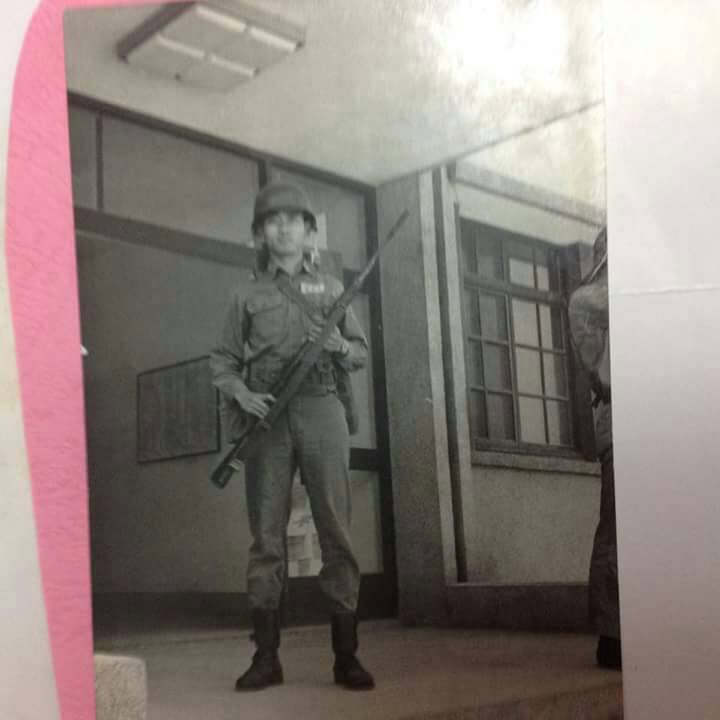
當年我們每天夜間及假日都要輪班擔任營房門口的衛兵,每班一小時全付武裝,這張照片有一個錯誤的地方就是鋼盔帶未扣在下巴,可能是當年年輕耍帥(美國戰爭片勇士們中的大兵都是不扣帶子)拍完照後還是乖乖扣好,否則被學長發現肯定要被處分,每天晚點名時值星官會宣布當晚衛兵名單,我若在名單中則當晚都睡得很警覺,上一班衛兵打開我們寢室的紗門時我便醒來,他走到我床前尚未觸摸蚊帳我已坐起來,經常會把他們嚇一跳,我起床後迅速著裝完畢到大門口完成交接任務,可有的同學睡得很沉要推拉很久才醒,交班者離去後他又継續睡往往延誤了交接時間,被大夥列為黑名單(大約有兩三位)。年度裝備檢查前所有同學的鋼盔要重新噴漆,連長令我們將自己鋼盔原夲油漆刮掉,大夥用刺刀刮可那玩意圓滾滾滑不溜溜還挺費功夫的,我想到若不將原本油漆澈底刮光則重新噴漆後會產生凹凸不平痕跡,我乃先用粗砂紙磨掉表漆後再用細砂紙將它磨得發亮像是儀隊戴的鋼盔一般,受檢時同學們都很驚訝,我看到有些偷懶的同學隨便刮刮整個鋼盔就像是皮未刨乾淨的絲瓜白綠相間,檢查結果自然不及格,最後僅有半數的同學合於標準其他的鋼盔都要再加強,值星官還誇讚我的鋼盔最為標準,經過噴漆之後果然外表平滑美觀。 當年上級要求各連要在營房四週完成自衞戰鬥工事部署,我們毎人分配一個定點自行挖掘一個散兵坑,長寛如一般家庭客廳小茶几深及胸部,坑底要留一台階可供坐著休息之用。用圓鍬挖了一下午總算大致完成,為求完美我特別將坑壁修得四四方方極為平整且有稜有角就像是水泥砌的一樣,坑底台階也極為方正,連長驗收時非常滿意還要其他同學前來參觀,後來連上發佈人令記功乙次(構築個人掩體認真負責圓滿達成任務)同學們都開玩笑說我很適合去當工兵,還真的被他們說中了,後來我果真選了工兵科。
懷舊篇-127
林校長上任後極積推動「消滅不及格運動」即要求所有學生每門科目都要及格,凡不及格者一律補考考到及格為止,某次本期六名同學為求補考過關分別找了六名成績好的同學當槍手代考結果被監考査到,校方下令將12名同學退學,震驚全校,許多老師向校長求情希望能減輕處分給他們一個悔過的機會,但是校長仍堅持原處分,12名年輕人就此斷送了前程,我們全期同學幾乎都覺得校長太狠了,對他甚感不滿。 學生指揮官竇上校離職後由軍校22期的齊其森上校(工兵科)接任,由於他足智多謀怪點子很多,同學們私下稱他為「齊老怪」,某日中午在大餐廳用完餐他先行離開餐廳回指揮部,實習團值星官向所有學生宣布事情,大約五分鐘之後他又折返衝進餐廳大喊"不要再囉囉唆唆了趕快下餐廳回去看少棒比賽電視轉播"。原來當天是嘉義市七虎少棒隊代表我國參加遠東區少棒賽冠軍戰,中午12點開打,原本我們中午按規定一律午休不准看電視的,現有指揮官特許大夥都立馬歡呼,連中山室十來吋的黑白電視前擠滿了人,最後七虎隊奪得冠軍將代表遠東區參加美國威廉波特的世界少棒大賽。由那次可以看出指揮官是一名棒球迷而且還願意和所有學生共同分享精彩的比賽實況。 後來59年12月~60年3月中視播出一部連續劇〈長白山上〉劇中由洪濤飾演的賀家堡堡主賀慶山老謀深算,此後又有同學稱指揮官為"賀慶山"並將學生指揮部的那棟「仁傑樓」改稱為「賀家堡」,當年那部連續劇由王善為作詞、李中和作曲的主題曲〈長白山上〉長白山上的好兒郎,吃苦耐勞不怕冰霜、伐木採参懇大荒呀嘛老山林內打獵忙呀嘛哼唉嘿喲,長白山的東鄰藏猛虎、長白山的北邊兒有惡狼⋯更是家家戶戶人人都會唱上幾句。
懷舊篇-128
當年每週一次的環境內務大檢查每項物品都有統一規定的位置,內務櫃中吊掛及摺疊的衣服要依順序,兩扇拉門取下放在一旁底層兩個抽屜拉出(兩人共用一個櫃子)右半邊內衣褲摺得同樣寬度,左半邊前面放衛生紙,一律用平版式拆掉包裝紙放半包的量不能多也不能少,後面放洗衣粉一律放藍寶紙盒包裝的,其他廠牌也不行,書桌抽屜拉開左側放統一式様的鉛筆盒右側放同様數量的書且最上面一本書要全部一様,每人總統訓詞及訓育專書各四冊(政治教材)也要按順序放在內務櫃上面,床下只能放公發的皮鞋球鞋,所有私人書籍、物品都必須消失不見。所謂上有政策下有對策,二樓寢室的同學乃設法將某片天花板(長條木板)撬開成為密窩,用椅子放在書桌上再站上椅子將室友們多餘的雜物藏在上面蓋好天花板,一樓寢室沒有天花板夾層可藏乃設法到二樓外走廊弄開天花板如法泡製,待檢查完畢再將所有物品復原,畢竟許多生活必須用品是不可或缺的,上述情節每週固定上演一次似乎已經成為一種S0P了。校長經常在訓話時總要強調一句話"我們不能夠不嚴格"來說明他管理手段的正當性,由於他是廣東興寧人鄕音很重,每當同學們心情不好感到煩悶時我便立馬模仿校長說"ㄡˊ免比黏ㄍㄧㄡˋ比嚴給"逗得大夥發笑。 二年級下學期每位同學耍選擇兵科,每人依據興趣填寫志願表,二年級期末考後依據一二年級個人總平均成績核定兵科種類,三年級開始全期原本六個連重新依兵科改編為四個連(學生第一營),步兵250人編入第一第二連(一連中含10名憲兵)工兵56裝甲47運輸10人編入第三連,砲兵96通信23化學4人編入第四連。我選了工兵科分在第三連。
懷舊篇-129
三年級開學後首先接受三個月的夏訓,為讓我們親身體驗部隊生活 ,校方安排我們全期依兵科下部隊實習,我們工兵科56名同學分配至燕巢工兵基地某一接受基訓之工兵營實習,四個連每連分配14名同學,編入各班與服役之士兵共同接受工兵基地架橋、地雷、爆破、渡河、工事構築⋯等課程訓練,晚上一起睡大通舖,炎熱天氣操練的很辛苦偏偏當年的基地生活設施不足,晚上經常沒水洗澡,我們拿著臉盆四處找不到水,只好用消防水池(圓型直徑六米左右內有小魚)的水洗澡,一盆水從頭淋下後感覺略有魚腥味,還會有浮萍留在身上,不禁讓我回想起預備班時期停水我們晚上至黃埔湖洗澡的情景。 三個月的部隊實習結束後回到學校接受學科教育,我們連長是工兵科的董瑞林學長,非常重視同學們的課業成績,每次月考前夕都會開放中山室供同學們看書至深夜, 本連同學也少有考試不及格的。 我們學生第一營營長是官校26期騎兵科的黃中校,同學私下叫他"黃鼠狼"。他要求我們各教授班從南營區到各球場上体育課一律要帶隊行動,經常騎著單車巡視,我們從校史館後方小徑繞行竟也遭到事先埋伏在校史館的他活逮,結果是全班罰站處分,那段日子同學們覺得和營長玩捉迷藏的遊戲還挺刺激的。
懷舊篇-130
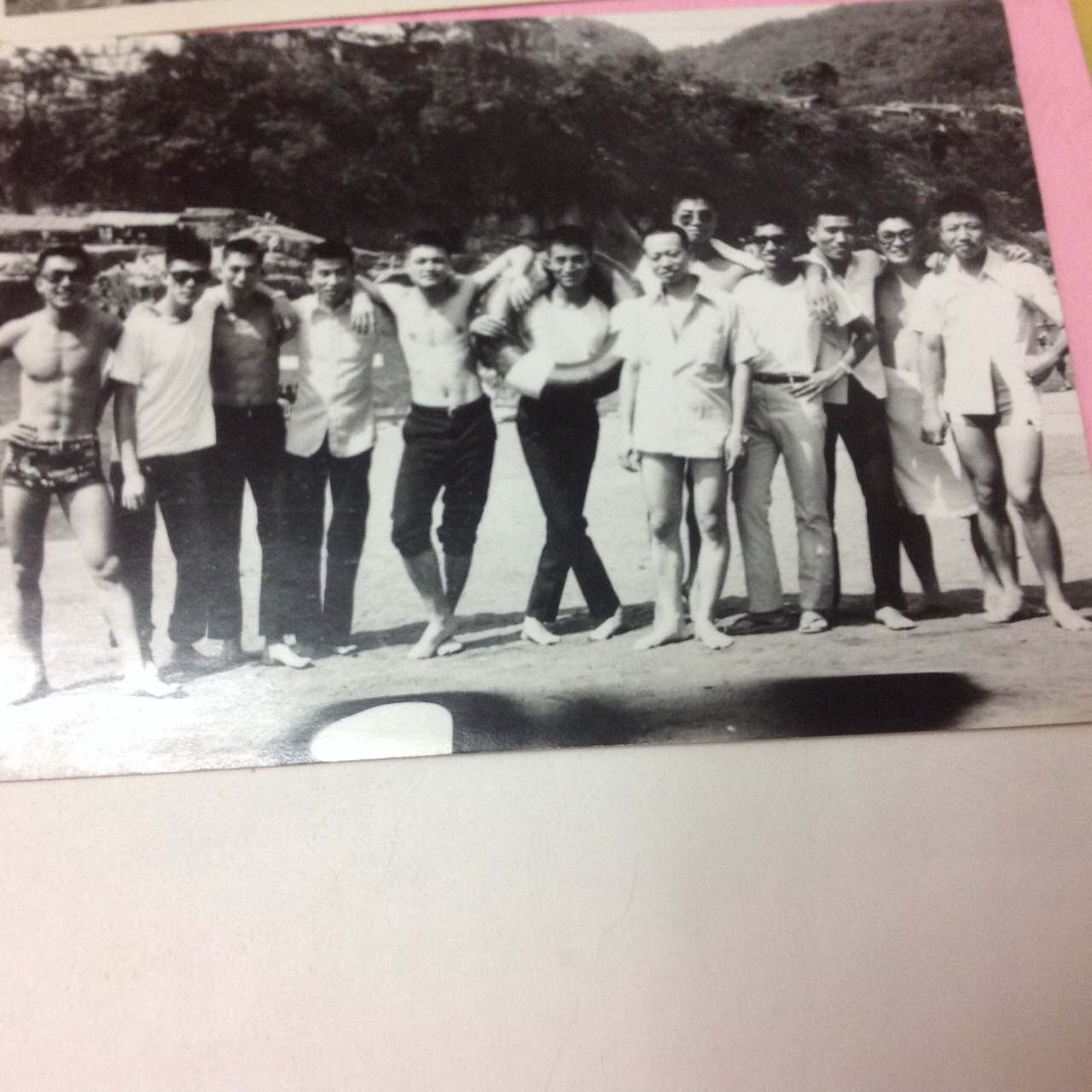
我們南營區各連當年沒有連集合場因此校方撥發材料(鵝卵石、碎石、沙、水泥)命我們自行鋪設混凝土之集合埸,同學們利用課餘時間先量出集合場大小將土方挖除,最下層鋪設鵝卵石(立著排放)再將水泥、沙及碎石按一定比例置於一片大鋼板上加水後由四名同學以方鐵鍬來回攪拌均勻後倒入埸內,先以木製拖版大致推平(需考量瀉水坡度,即中央高四週低)再以泥水工之鐵鏝刀加以磨平,負責攪拌的同學最為辛苦,都選大塊頭同學擔任且不斷輪換休息,在全連動員下終於順利完成新的連集合場,每天早晚點名時站在自己出力鋪設的水泥地上有種特殊的感覺。 我們的連長董瑞林學長待我們有如兄長,放寒假時除了和我們組團包遊覽車赴石門、野柳旅遊外還在當年圓山動物園南面的海軍眷村他的住處舉辦舞會,我們有二十餘名同學參加,他的夫人及小姨均帶動全埸氣氛,非常愉快,後來放暑假時又邀約我們一批同學到碧潭划船游泳(如留言版)留下美好回憶,官校畢業數十年後我們仍不定期與老連長聚會,他後來升至國防管理學院中將院長(位於中和積穂),數年前我參加他的公子婚宴,他身體狀況不佳上台需人摻扶,目睹此景使我感觸萬分。後來我在參加一位工兵老長官王中將嫁女婚宴上與師母鄰座,她仍然如當年一般樂觀開朗,並說她現在最大的精神寄託就是Fb,希望老連長及師母均能健康而快樂的生活著。
懷舊篇-131
官校三年級在南營區的日子除了每週一次的校部環境內務大檢查外基本上算是蠻愉快的,連上中山室的電視節目只有晚點名後的時段可以看,經常播放頑皮豹及大力水手卡通片,很受喜愛,另外許多同學愛看日本的摔角節目,其中豬木馬場當年極受歡迎,許多人熄燈號吹了後還聚在中山室継續看,有時値星官催促離開他們竟然跑到附近的示範部隊再看,連上還設有一間桌球室內有一標準桌球抬,只要有空閒時間我都會和同學切磋球技,幾乎都是正板執拍單面膠,我習慣用圓形拍面,後來刀板選手雙面膠逐漸成為桌壇主力,我國只有蔣澎龍及少數亞洲選手仍然使用正板,攻擊力略顯不足反手多採推擋,後來蔣澎龍便以「鬼之推擋」聞名世界桌壇。 當年我國少棒隊到美國威廉波特參加世界大賽打到決賽,由於本地時間是半夜轉播,我們一票同學集體跑到附近示範部隊看電視轉播,因空間太小他們便把電視機搬到戶外大夥坐在草地上為小將加油,我們的投手是許金木、捕手是小不點凃忠男(後來成為中華成棒隊教練)美國隊投手大塊頭的麥克林登先擊出三分全壘打之後許金木未再失分雙方拼戰九局之後中華隊反以12比3逆轉勝奪得冠軍,回到連上時已經快要吹起床號了,大夥都興奮得忘了疲累。
懷舊篇-132
為了備戰十月底在台北舉行的「國軍軍事基礎院校介壽盃球類錦標賽」共有籃球、排球、足球、橄欖球等四項賽事,我們一個月前便展開集訓,每天下午七、八節課練球(平時只有第八節課練球),十天前改為整個下午練球,指揮官齊上校集合我們所有隊員下達八個字的指令"只要第一 不要第二",至於因練球所缺的課程乃利用晚自習時向同學借筆記抄寫。球隊出發北上那天我們乘坐校方的大巴士及卡車到高雄火車站,一路上不斷唱著軍歌士氣極為高昂,乘坐往台北的平快車到達台北站後再乘軍車抵達位於北市思源路(公舘附近)的國防醫學院選手村,分配床位放好行李後已接近晚餐時間,我們採取向學生餐廳搭伙方式,我們在官校時每桌的菜都事先打好放在桌上我們再整隊進入餐廳,而該院係由每人先排隊在配膳台以自助餐盤領菜後自行找空位坐下食用,當我們在餐廳外集合完畢時餐廳內除配膳公差外尚無人排隊,可當學長下達向右轉口令準備進入餐廳的那一瞬間突聞院內下課鈴聲響起,只見四面八方不斷衝出許多學生湧向餐廳的各扇門一路上大叫大笑,也沒人負責開紗門(我們在校有專人負責開紗門)立馬在配膳台前排成一條大長龍,我們被這突來的景象驚呆了,這種進餐廳的方式還真讓我們大開眼界,我們成一路進餐廳後便排在長龍尾端等待配膳。用完餐後領隊說可以譲我們外出逛逛(附近即是台大商圈)需在九點以前返回晚點名,因為學院生外出需向大門囗衛兵出示長官批示的假條方可放行,我們也比照由領隊批示假條放在身上,可一到門口尚未取出假條衞兵便以手勢放我們出去,詢問擔任衛兵的阿兵哥何故,他說"你們官校生都黑黑的不用看假條"(原來衛兵只負責管制學院生的外出,我們官校球員可以自由外出),後來我們的黑皮膚就成了每晚走出校門的通行標記(學院生皮膚白多了),第二天早餐又上演同樣戲碼,他們學院生雖然衝得很猛但卻吃得很少,每人餐盤上只有一個饅頭,反觀我們這批球員盤中均堆了三、四個饅頭,令他們露出不可置信的表情。 我們足球比賽的場地位於南京東路的市立體育場,由三軍官校、中正理工學院、國防醫學院、陸軍財經學校等六個學校參加,其中空官是我們奪冠的最大對手,凡是空官的賽程我們均在旁觀看他們的戰術及球員特性藉以研擬破敵之策。
懷舊篇-133
在選手村的那段時間我曾經數次利用晚上自由活動時返回新店探視父母及妹妹們,我們對空官那場最重要的比賽(好像是假日)父母及大妹特地從新店坐公路局到公館再轉乘市公車至市立體育埸坐在看台上為我們加油,拼戰90分鐘後力克空官,最終我們以五戰全勝奪得冠軍,其他籃球、排球、橄欖球比賽亦均由本校奪冠,完成指揮官交付的任務,我們乘火車南下至鳯山火車站搭乘校部派的巴士及卡車返回學校,在尚未抵達官校大門前面的黃埔路時便聽到有樂隊吹奏的軍樂聲,車隊右轉至黃埔路後我們都被眼前的景象嚇了一跳,不但有校部的軍樂隊,道路兩旁還有穿著閲兵服的學生儀隊行舉槍禮,接著是學生列隊延伸至大門口全部熱烈鼓掌,指揮官也親自到場迎接,場面讓我們感動得都起了雞皮疙瘩。 我們回校後的第一個週會四個球隊隊長在全校官生面前將冠軍獎盃呈獻給校長,只見校長樂得頻頻點頭。 當年我們在南營區寢室較小安排六人一間,晚點名後常會感覺肚子餓,便用電湯匙或電老鼠(圓形白色陶瓷製比月餅略小凹槽內有電熱管連接電線及插頭通電後置入水中將水煮沸)置入軍用水壺腎形杯中煮開水泡速食麵,不像目前賣場中有上百種的速食麵,當年我們多半只吃生力麵。夏天放假外出時常會在鳯山橋頭的冰店買一大塊冰塊及仙草再買些黃沙糖帶回寢室在全体室友的白鉄皮臉盆中挑一個最顺眼的(幾乎都凹凹凸凸)洗浄後裝入冷開水、冰塊、仙草(切碎)沙糖拌勻後全體室友共享仙草冰,大夥均吃得津津有味非常滿意,若有室友生日也是買個蛋糕及一些水果點心在寢室辦一個小型慶生會,同學們均能如兄弟般的相處也產生了延續數十年的革命情感。
懷舊篇-134
三年級下學期之329校運會我除了參加400及1600公尺接力外個人單項專攻800公尺賽跑,我特別加強體力及最後的衝刺訓練,除了天不亮就到後山長跑外、有空則到健身房重量訓練,晩間利用晚自習時間至田徑場練到九點多才回連上洗澡就寢,連上長官於比賽半個月前每天發給參賽的同學一粒生雞蛋補充營養,我們多半以水煮蛋方式食用。 800公尺決賽要在400公尺的跑道跑完兩圈,說長不長說短也不短,要注意配速,前100公尺每人有固定跑道,過了100公尺則可切入內道(稱作搶道)我緊跟著上屆銀牌的四年級趙世璋學長(我88年在國防部軍務局退伍時的中將局長,後來升至國防部副部長)直到最後50公尺我突然加速衝刺一鼔作氣抵達終點贏得金牌,趙學長第二。不久大會播報成績的小姐宣布我的成績打破校運會800公尺紀錄,同學們紛紛向我道賀,我除了要感謝連長特許我們不參加早點名及晚自習外還有每天加發雞蛋補充體力,更要感謝連上鞠立誠同學志願在每次賽前賽後幫我按摩及全連同學到場加油打氣使我終於圓了金牌夢,多日辛苦練習的汗水總算沒有白流。
懷舊篇-135
329校運會後本校接著主辦陸軍運動會,上次派樂儀隊及學生至大門口迎接四個冠軍校隊返校的齊指揮官在指揮部前廣場集合籃球、排球、足球、橄欖球、棒球、游泳、體操、柔道、射擊、拳擊、田徑⋯等所有校代表隊同學精神講話並頒授各隊一面黃色的大旗上寫斗大的「誓奪冠軍」四個字,下令每次練球及練習時都要將該旗插在(或以旗座)場邊醒目處隨時惕勵選手,各隊隊長接旗時均向指揮官保證必能達成任務,接著便展開長達一個月的集訓,我們足球隊指派一名43期的一年級生負責每天練球時將該面旗子帶來插在球場旁的中線附近隨風飄揚,大夥練球時也特別認真。運動會終了,所有代表隊均不辱使命奪得冠軍,指揮官笑得合不攏嘴。
懷舊篇-136
我們第三連連長董瑞林學長調職之後由同為工兵科的梁致寛學長接任,他同樣重視我們的課業成績,修養很好不易動怒,某次晚點名時他說"我不是一個拿雞毛當令箭的人"此後同學們便給他取了一個「雞毛」的綽號,他的速度弾力都不錯,校運會時還參加軍官組跳遠比賽得到銀牌,後來畢業多年之後同學們娶媳或嫁女喜宴都可見他出席祝賀,也經常參加同學聚餐,2004年319事件及2006年紅衫軍倒扁活動時我都在凱道與他不期而遇多次(他遠從龍潭趕來),相談甚歡,他與董連長都是學生時期帶過我們的好長官,我們期上有的連運氣就差多了,每天過著心驚肉跳的日子,至今仍是一段痛苦的回憶。
懷舊篇-137
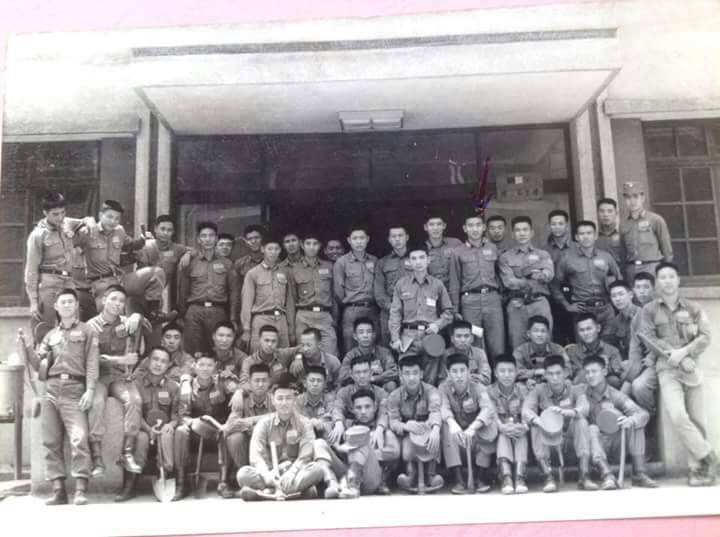
我們工兵科同學某次上野外課(工事構築)收操回到南營區的營房大門口合影留念,其中第二排中央唯一站著左手插腰帶的是39期工兵科的中尉排長董林清學長,因為皮膚很白同學們給他取了個「白皮」的綽號,對紀律的要求一板一眼可私下與同學們像是哥兒們一般很聊得來,第一排單獨坐在最前面拿十字鎬的便是校運會辛苦幫我按摩的鞠立誠同學,最後一排左二腳跨在台階上的是後來任職三軍大學戰略研究所的扶台興將軍,也經常受邀上電視政論性節目,還曾指控府方高層賣官。我在最後一排右七。 結束了三年級的課程後放完暑假便進入官校七年生涯的最後一年成為全校最高年級學長,首先一開學便是夏訓,我們第三第四兩個特科連暫時解散編入步科連實施駕駛訓練及跳傘訓練,駕訓在高雄仁武營區,我編入第二連,連長王上尉要求嚴格,他向全連訓話時説"我有個外號叫高壓電,意思就是惹不得"後來果然經常電我們,檢查頭髮時手中還拿一把尺來量長度。我們駕訓學的是兩噸半的十輪大卡車,助教均為資深上士,每八人一輛車,從原地排擋、前進後退、場地駕駛均很順利,道路駕駛選擇高雄縣郊區人車較少的碎石路實施,路中有許多坑洞需要閃避,我們八個人輪流上駕駛座開車,助教坐在副駕駛座右手握車頂橫桿左手握手煞車全神貫注路況,我們車上七名同學均能順利完成駕駛唯獨某位緊張大師每次輪到他開時我們坐在後面被顛得骨頭都快散了,某次路中有個特大坑洞居然沒有閃避只聽到助教大叫一聲全車人都被弾得老高,助教放在座位下面的臉盆也震得牙膏牙刷肥皂散落四處,那名同學立馬被請下駕駛座。完成兩週的駕訓後我們接著前往屏東的大武營區空特部傘訓基地接受兩週的跳傘訓練。
懷舊篇-138
今年2月14日曽貼文報導跳傘記,唯為求述事連貫性及兼顧部分新加好友特將此情節再貼出,耽誤好友寶貴時間敬請見諒。 我們到達屏東大武營區空特部傘訓基地後立馬接受體能測驗先跑三千公尺接下來伏地挺身、仰臥起坐、交互蹲跳,每個人都盡力做到最大限度,測驗結果全部過関,基本訓練從姿勢開始,教官大聲喊出"姿勢"全體學員立刻雙腿併朧雙膝微彎雙臂夾緊小臂及手掌做出環抱副傘狀低頭並同時大聲喊出"一秒鐘 兩秒鐘 三秒鐘 四秒鐘"(這是跳出機門的標準動作)。另外還有跳台練習五點著陸、擺盪著陸、模擬機艙、傘架訓練⋯等課程,最後便是跳塔訓練,塔台高度34英呎據說是人類最為恐懼的高度,我們沿樓梯逐級而上到最上層扣好掛鈎後比照跳出機門方式跳出並大聲讀秒、檢查傘、注意四周、準備著陸。沿著鋼纜滑行到數十公尺外的土堤才算完成。我因為動作標準教官多次命我上塔示範跳出,某位膽小同學蹲在塔頂邊緣不敢往下跳,教官耍我上塔在他前面跳下給他壯膽,結果他也跟著跳下,地面上的同學們都為他鼓掌。完成基本訓練後我們至傘庫領取主副傘各一具乘車至屏東空軍基地搭乘C-119運輸機(民國75年換裝為C-130)每人背上背著主傘腹前掛著副傘(萬一四秒鐘之後主傘未開要立即以右手拉開副傘拉環)每架飛機約乘坐40人,登機坐定後排長見氣氛凝重便叫馬鈞同學發音唱首軍歌壯膽,他老兄立馬唱出"假如我在戰鬥中犧牲⋯"令大夥忍不住想笑,排長考慮了幾秒還是下令"預備唱",歌詞很短「假如我在戰鬥中犧牲,好朋友好朋友 好朋友~請你將我埋葬」。其實我們會唱的軍歌不下四、五十首,大家都不解馬兄為何偏挑這首,或許他是故意耍寶。飛行途中依教官指令起立將主傘掛鈎掛上頭部上方的鋼鑬向機尾的艙門移動,紅燈亮起時教官下達"擋門"口令,我排第一個跳出者立馬以左右左三大步站到機門口同時將主傘掛鈎推至機尾方向雙手伸開手掌向內按住機門外側,此刻風大的將我左臉的肉都吹到右臉,經過一個大轉彎後抵達潮卅跳傘場機上電鈴響起我身旁坐在地上的教官猛拍我大腿喊出"跳"我便一躍而下身體立刻被強風吹得橫過來,按照訓練時的標準程序讀秒、檢查傘、注意四周、準備著陸。此刻發覺景色美極了,快到達地面時看到許多附近農村的幼童在地面奔跑追逐鎖定的目標,我剛著地完成滾翻後一名幼童即巳很熟練地抓住傘頂拉環完成收傘動作將傘衣交到我手中,我便將事先備好的兩元硬幣給他,他很高興地道謝後立即尋找下一個目標,我們順利地落在草地上的同學回到營區後歸還傘具便可自由活動,可有三位同學因為某同學在機門口僵持了數秒鐘不敢跳下最後被教官一腳踹下耽誤了時間而落在場外水田中,回去還要將傘洗淨晾乾忙上好一陣子。完成五次基本跳傘三次徒手、兩次武裝(含一次夜間)後由空特部頒發一枚証書及傘徽(放假外出時掛在胸前)。這也是我們軍校生涯中一次特別而值得回憶的經驗。
懷舊篇-139
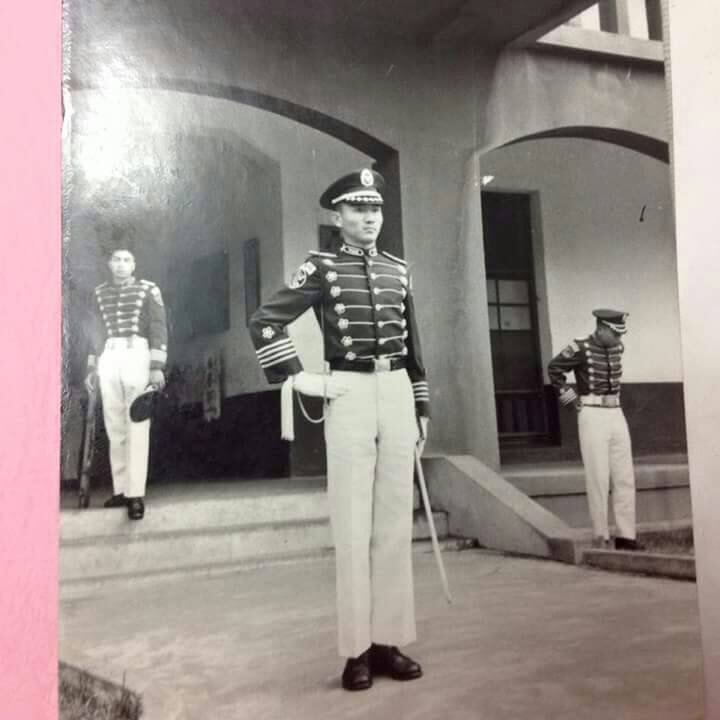
結束跳傘訓練後接著便是突撃訓練及兵科學校見學,我因為奉令留在校內為備戰介壽盃足球賽集訓而無法參加這兩項課程始終引以為憾,本期夏訓完畢後由南營區遷駐北營區恢復原本的四個連,南營區則改由42期學二營(三年級)進駐,我們第三連(工兵、裝甲、運輸共113員)分配住校區東西主幹道北面第二排的清泉樓,是紀念烈士邱清泉上將而命名(黃埔二期畢業,是工兵科的老前輩)。我奉校方指派為本連實習連長,副連長及輔導長為裝甲兵科的張裕積及楊保羅同學,全校學生部隊的實習旅長為段國基同學,下轄四個實習營部,本期第一連派出學一營(四年級)實習營長,第二連派出學二營(三年級)實習營長及四位實習連長,第三連派出學三營(二年級)營長及五位連長,第四連派出學四營(一年級)營長及五位連長。實習連長最主要任務就是平時與全連同學練習踢正步,閱兵分列時在隊伍前面率隊通過司令台發口令指揮部隊,另外則是協助連上長官一般文書業務(實習連部尚有一名實習幹事裝甲科的傅金誠同學)及校方交付任務。 學生指揮官齊上校調離後由同為官校22期的羅本立上校(步兵)接任(他後來升至參謀總長一級上將)要求甚嚴經常一吹起床號便親自開著軍用吉普車殺到各連查看幹部有無賴床,各連隊幹部均不敢懈怠。我們第一營營長也換由之前我們非常嚴格(上課前要檢查服裝儀容)的英文老師丘衛邦中校擔任,他仍然理著一貫的三分頭,我們最怕每週一次的營晚點名,足足聼訓一個多小時被蚊子K慘了,同學私下給他取了一個「丘鈍頭」的綽號,意指過於固執不會變通,後來雖然升至將軍但軍旅生涯遭致不少波折,退休後經常在校友造勢場合見到他,他每次都很關心本期同學們的近況,我也希望老營長能保重身體永遠快樂平安。
懷舊篇-140
我們四年級開學後不久校部便公佈上學年(我們三年級時)全校「消滅不及格運動」成效評比,由我們第三連得第一名(共18個連)並獲頒獎金一萬元,同學們共同決議在校內辦一個聯誼會慶祝,我們實習連部負責主辦,首先商請許多熱心同學完成任務分工,場地選擇黃埔俱樂部二樓,商請學生社團的黃埔大樂隊伴奏、有関場地佈置、點心飲料採購等均分頭進行,來賓則是同學們的女友及曾共同烤肉聯誼的女生們(高雄陸軍第二醫院的護理師及文藻英專的學生),當年沒有手機,聯絡不易,多靠書信往返,長官部份僅由我面邀教務長施震宙少將出席主持(留學德國作風開明,曾任德國顧問團連絡官,裝甲兵科)指揮官羅上校及營長丘中校因生性嚴謹恐不適應此場合故未邀請,另外副連長董林清中尉住黃埔新村也就近邀了一些鄰居女生參加,聯誼會由教務長致詞後並親自開舞,樂隊事先也經過演練伴奏極為到位,整個聯誼會在兩個小時後順利圓滿地結束,同學們送女伴離開也只能送到校門口便道再見,現在回想起來當年我們在相當保守的環境下(禁止跳舞)校長也是傳統守舊思維,居然在校區中辦聯誼會(其實就是舞會)還真是大有風險的,幸好後來相安無事,也許是有少將教務長這把大傘罩住了,可施先生現已不在世了,令人惋惜,他真是永遠令我敬佩的好長官。
懷舊篇-141
民國60年10月24日聯合國第26屆大會於表決「重要問題一代表權」程序案時「中華民國」以四票之差落敗,大會通過第2758號決議:「恢復中華人民共和國的所有權利,承認其政府的代表是中國駐聯合國的唯一合法代表並立刻將蔣介石的代表從其在聯合國與所有附屬組織非法佔有的席位逐出」,那一刻正是台北時間10月25日台灣光復節,竟是如此諷刺。幸好全體國人在政府呼籲"莊敬自強 處變不驚"的號召下先後展開了十大建設、渡過了石油危機、擠身亞洲四小龍、經濟大幅起飛,造成世人公認台灣錢淹腳目的印象,也因此經國先生至今仍被國人公認是対台灣最有貢獻的總統,可惜後來選錯了人以致⋯(民眾的眼睛是雪亮的) 軍事院校介壽盃足球賽本屆改在台大足球場比賽,我們仍住宿於國防醫學院,本校尋求衛冕,對財經學校比賽時該校陣中有路德鑫及李如濤兩位隊員是我在預備班經常一起踢球的同學後來轉入財經學校並加入該校足球隊,多年未見相談甚歡,不過最後我們還是贏了比賽,可是最重要的一場冠亞軍之爭,本隊後衛梁謫斌(本期同學擔任43期二年級生的實習副營長)在以頭頂對方踢來的高球時不慎將球頂入自家球門(烏龍球)導致我們以l:0落敗屆居亞軍,賽後他極為自責不僅當場落淚且在台大球場旁草地臥倒匍伏前進,我們上前勸阻可他堅持爬了數十公尺才遭扶起,旁觀的民眾看得一頭霧水還以為是學長處分學弟。 領取亞軍獎杯後乘火車南下返校,此次不僅沒有樂儀隊的盛大迎接場面而且我們的巴士車是從靠近黃埔五村的東側後門悄悄地進入學校,此時我們才深刻體會到「只要第一 不要第二」這八個字是玩真的,隊中有人說若我們拿了最後一名可能連校門都進不來了,總之那次學生生涯的最後一次足球賽事未能奪冠留下了些許遺憾,後來我被田徑校隊徴召加入該隊訓練為61年在台中舉行的全國大專運動會預作準備。
懷舊篇-142
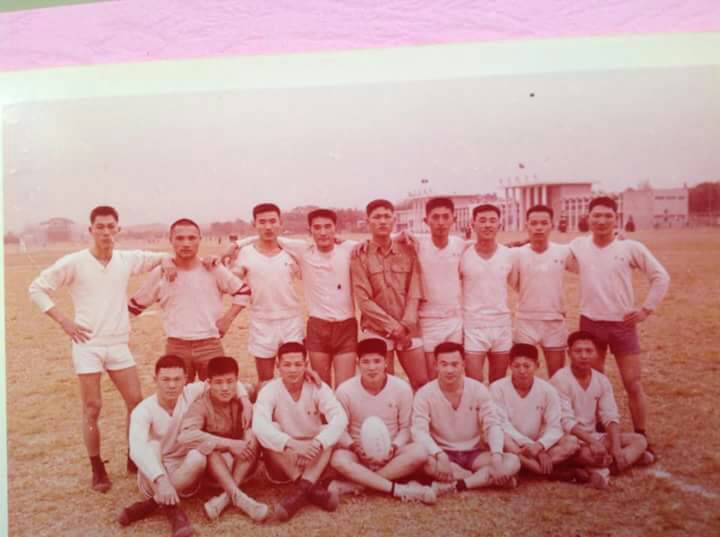
校部當年(我們四年級時)舉辦連際橄欖球賽,以連為單位組隊,我們第三連由一群愛好橄欖球運動的同學們組隊抽空加強練習,某日在球場練習完畢全隊合影留念,16位隊員中目前有後排左一梁達海、左二林文智(橄欖球校隊)、左五蕭福生(籃球校隊)、右一楊穗民等四位同學已經先後辭世,令人惋惜,(我在後排左三),最後比賽的結果已不記得了,可是同學們辛苦練習賣力拼戰的經過永遠難以忘懷。 60年年底時連上的實習幹事向我反映說校部規定每連要向「黃埔報」投一篇〈元旦感言〉的稿,尚未找到志願撰寫者,我得知後只好自己出馬寫了落落長的四張稿紙交件,其實我的文筆實在不怎麼樣,之前只有在讀初中時寫了一篇〈午間拾錦〉投至「文中青年」校刋意外被刊登在封底內頁,內容描述中午同學們在教室中吃便當的各種情景及飯後玩官兵捉強盜遊戲⋯等,當然絶不能提從圍牆缺囗溜至碧潭划船的事。61年元旦當天我寫的感言被採用刋登在「黃埔報」副刊最上頭約五分之一版面,其他尚有三、四篇感言排成方塊狀散佈於副刋中,以上兩次便是我此生向報刊投稿的經驗(都是小報小刋沒啥了不起的)。現在有了Fb可以完全自由發揮每天寫些懷舊事物也不怕被退稿,真是太感謝發明Fb的人了,使我們多年失聯的好友又能在網上見到及交談,當然我也期望能常見到好友們的懷舊篇及好文章。
懷舊篇-143
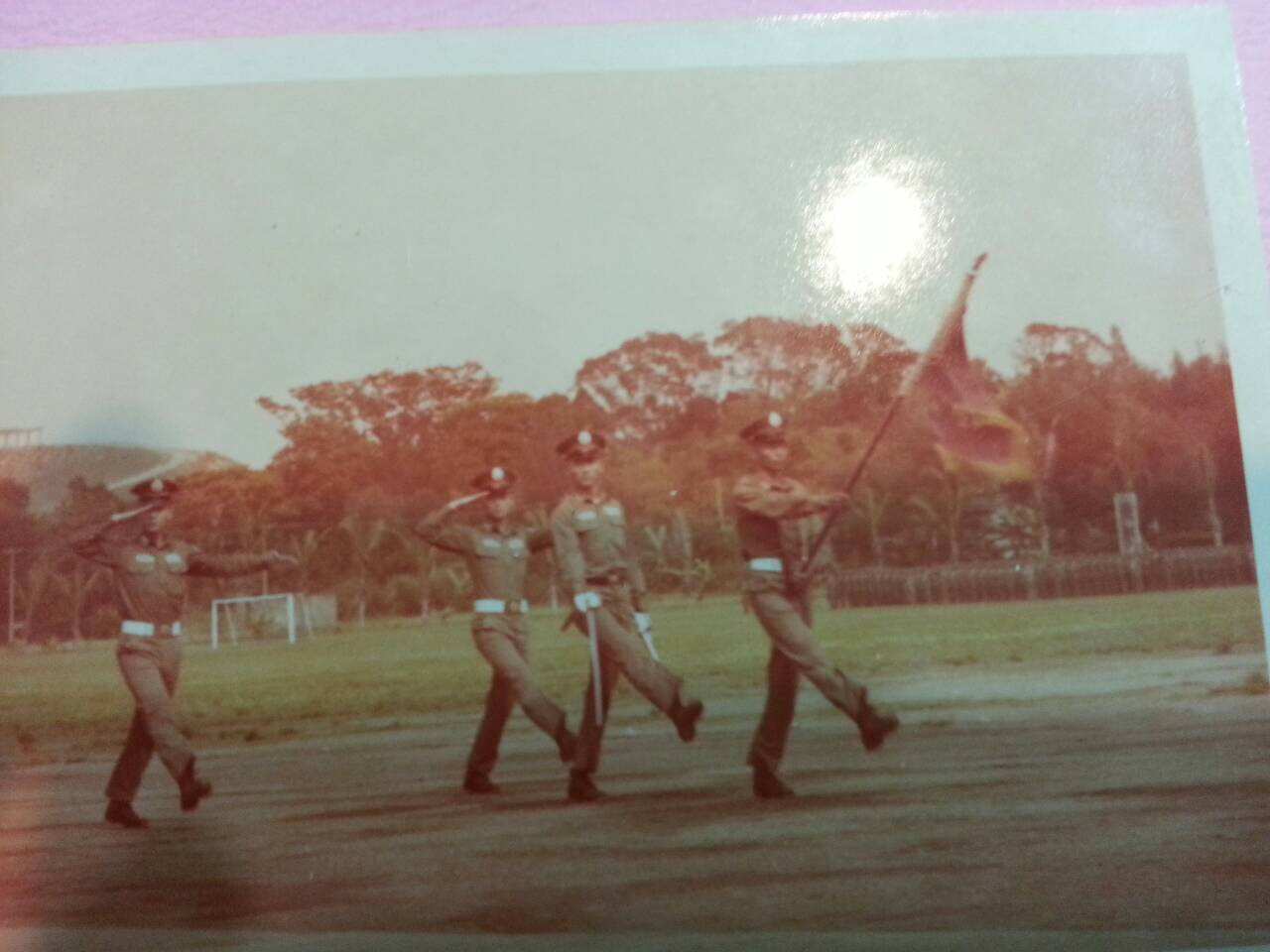
四年級上學期將結束前受命至司令台前參加下學期實習營部及連長甄選(實習旅長仍為段國基同學任期為一年不必更換)數十名同學逐一接受喊口令、操作指揮刀、踼正歩加撇刀禮等測試另依據操行及學業成績於放寒假前公布了下學期實習幹部名單:第一營(41期四年級生四個連)營長為第一連的宋華同學(橄欖球隊)擔任,第二營(42期三年級生四個連)營長為第二連的徐洪祥同學,第三營(43期二年級生五個連)營長為第三連的我,第四營(44期一年級生五個連)營長為第四連的羅又新同學(跆拳道隊),另外還有一批實習營部及18個實習連長。我的副營長是原先的副連長張裕積同學、營輔導長是趙志宏同學、營作戰官是鞠立誠同學,第9、10、11、12、14連(13連番號從缺)等五位實習連長為曹三元、梁達海、姚錫政、陳忠良、陳國榮同學。下學期開學後我便從原本一樓的實習連部寢室搬至同棟(清泉樓)二樓的實習營部仍為四人一間,我們營部定期派員至各連檢查環境內務作出評比,每週營晚點名(在司令台前)時由作戰官上台宣布軍紀安全及環境內務評比成績,得到各項第一名的連長上台接受營長頒發錦旗一面帶回懸掛至下週營晚點名時(不斷重複使用),全校閲兵分列時實習營部在各營最前面通過司令台,由輔導長掌營旗,營長持指揮刀在後,副營長及作戰官在左右後側與營長成三角隊型(如留言版,某次閲兵分列預演時所攝,正式場合係穿著閱兵服)除了與全營一起操練外我們實習營部且經常抽空自行練習務求表現完美。
懷舊篇-144
我們第三連連長梁致寛學長調職後由35期足球校隊的唐玉貴學長接任,他個性隨和給同學們相當大的自治空間,早晚點名通常呼完口號後便解散很少訓話,39期工兵的董林清副連長也改由同期運輸科的黃龍富學長接替,20餘年之後我在國防部服務(總統府一樓)黃學長則在總統府服務,有時至總統府餐廳午餐會與他巧遇同桌用膳相談甚歡。 本期第一連(步科)連長是孫維亞學長,連上同學都叫他的外號「阿波支」,至今我仍然不知是啥意思,不過該連同學始終與老連長維持互動,目前孫學長也是我的臉友。第二連(步科)連長為資深軍官白佐岩少校,由學校兵器教官轉為隊職官,採取高壓管理將四年級生當入伍生,該連同學私下叫他「左眼白」或是「老白」,提及那段日子大多不堪回首,前幾天我還在本期同學的LlNE群組中看到許多當年受害者大吐苦水,由此可見軍中領導統御是何等重要,帶兵務必帶心做到上下一心方能充分發揮戰力達成任務。
懷舊篇-145
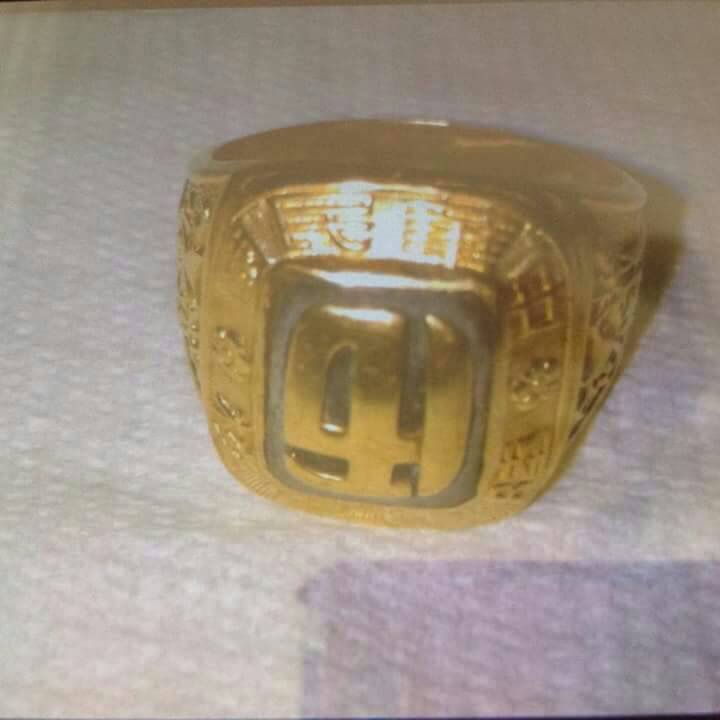
我們預備班第十期57年畢業時全期同學每人訂製了一枚紀念戒指,由K金打造戒面鑲有藍寶石(如留言版)第四、五、六連各推派一位同學負責與高雄市某銀樓接洽簽約事宜,我係第六連同學推派之代表,順利完成簽約、交貨、驗收任務。四年後的61年我們官校41期訂製畢業紀念戒指,第一至四連各推派代表一名,我又被第三連同學推舉負責承辦訂製事宜,仍以K金打造,戒面為黑色牛角上鑲嵌有k金41字樣非常精美(如留言版)完成簽約後順利如期完工交貨,畢業後曾經戴了幾年,非常遺憾經過40餘年之後這兩枚戒指遍尋不著,非常感謝本期同連裝甲兵科宋兆金同學及時將他珍藏的兩枚紀念戒照像Po在本期同學LlNE群組特將其原貌轉po於Fb分享好友。 我們四年級時許多同學放假外出都流行戴一付帥氣的太陽眼鏡,我也至鳳山的眼鏡行買了一付雷朋的太陽眼鏡要價450元剛好是我們一個月的薪水,每次外出回來都要擦拭保養後當作寶物一般妥善收好,可惜那眼鏡數年後也不知去向。 61年的329校運會是我在軍校七年最後一次校運會,我仍然參加800公尺賽跑尋求衛冕,最後雖然奪得金牌(如留言版)但卻未能打破我原先保持的紀錄略感遺憾,校運會後我們田徑校隊便展開集訓全力備戰五月份在台中舉辦的全國第三屆大專運動會。

懷舊篇-146
61年5月第三屆全國大專運動會在台中市立體育場舉行,開幕前我們田徑隊進駐清泉崗某軍事營區,我參加800公尺單項及400公尺、1600公尺接力等三個項目,結果800公尺列名第四,400公尺接力一至四棒由我、楊蘇宏、趙時中、黨春昌等擔任,最終獲得銅牌,1600公尺接力決賽為大會最後一項賽事,接著便是閉幕式,賽前排字幕的中學生坐滿了看台,本校教務長施震宙少將也從鳳山趕赴現場加油,本校一至四棒分別為趙時中、侯石城、丁道揚、我,因為進入決賽的隊伍中只有我們陸官是軍校的,其他全是文學校,槍響起跑後只聽到全場學生不斷大喊"陸官校加油~",我的隊友們也不負觀衆期望,第三棒丁老弟交棒給我時已列名第一位,我接棒後不斷提醒自己絕不能被別隊超越,奮力衝刺抵達終點奪得金牌,全場歡聲震天,教務長特別進入場中與我們合影留念(如留言版),最終大會公佈成績,本校奪得大男乙組田徑總冠軍,全體隊員極為興奮,長期集訓的汗水總算沒有白流。
懷舊篇-147
結束了大專運動會返回學校後接著便是忙著練習建校48週年校慶閲兵分列(6月16日),此次也是本期參加的最後一次校慶閲兵,當我率領第三營同學踢正歩通過司令台後也意味著我們在校的閲兵分列正式劃上句點,校慶日當天下午照例邀請校外足球隊(砲校學員組成,大多為學長)進行一場友誼賽,賽後至大餐廳共進晚餐。 最後一次的期末考試同學們均認真準備外同時也全力練習每個官校生畢業前必須通過的五項戰技測驗,分別為游泳50公尺、手榴彈投擲35公尺、單槓正面上、縱箱併腿跳、莒拳道連續一至四型。考完期考後我們約有一週的時間全部用來訓練,每人針對自己的弱項加強練習,那陣子校部的游泳池還真熱鬧,單槓正面上難度亦頗高許多同學無法完成,後來校方放寬為掛腿上亦可,最終測驗結果未聞有同學因戰技未通過而無法畢業的,真是只要下功夫便沒有過不去的坎。我們臨放暑假前適逢學校新建的中正堂落成內有空調設備,使我們首次體驗了在室內觀賞影片的感覺(過去七年都是在大操埸看露天的,記得所播放的影片是西片〈真善美〉聲光效果均具水準,那也是我們在校內看的最後一部影片。最後一次暑假結束後返校不久我們全期便整理行李準備北上赴北投的政戰學校實施三軍四校反共復國教育(上政治課)及聯合畢業,某晚我們在指揮部前集合聼取指揮官臨別贈言後登上軍用大卡車車隊沿校部東西幹道往校門前行,指揮官特別安排了許多在校學弟沿路的兩側每隔數公尺站一人手持火把將該道路照得紅通通的,如此壯觀的埸景不禁令我們感動不已,每位同學都不斷對校內的房舍樹木等景物投下不捨的眼光也對路邊的學弟們揮手道別,這個譲我們從青少年到青年七個年頭生活的環境就此吿別了,一路上我們唱著校歌到達火車站後搭乘夜車北上。 七年前懐揣的夢想及孜孜所求的目標就是順利完成官校的學業,遵循父親德、智、體、群四育併進的要求,七年之後終能實現夢想,擔任重要的實習幹部,也盡力為學校爭取榮譽,雖然磨練的過程中倍嘗艱辛但是一切都値了。
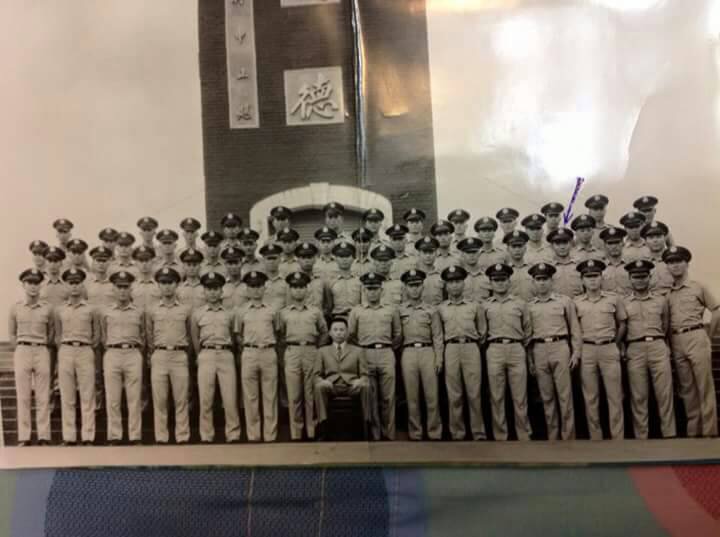
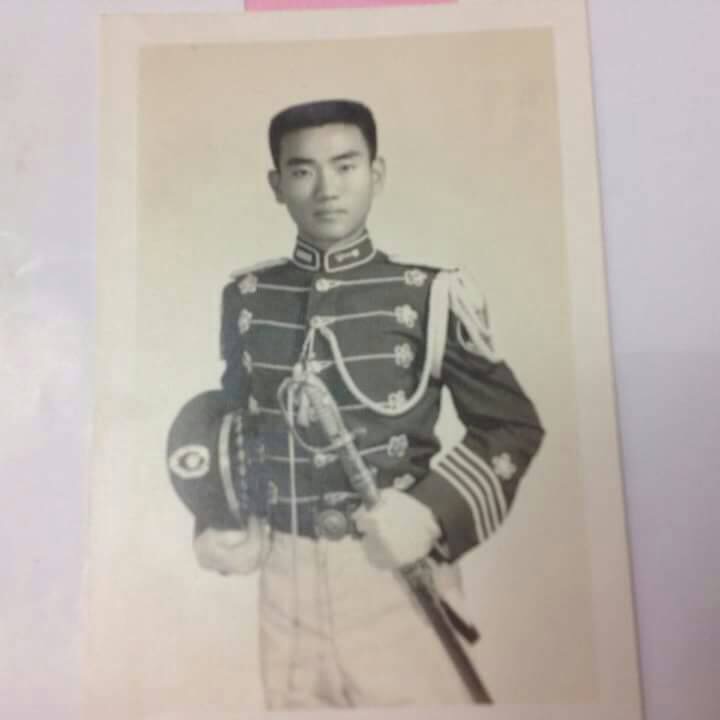
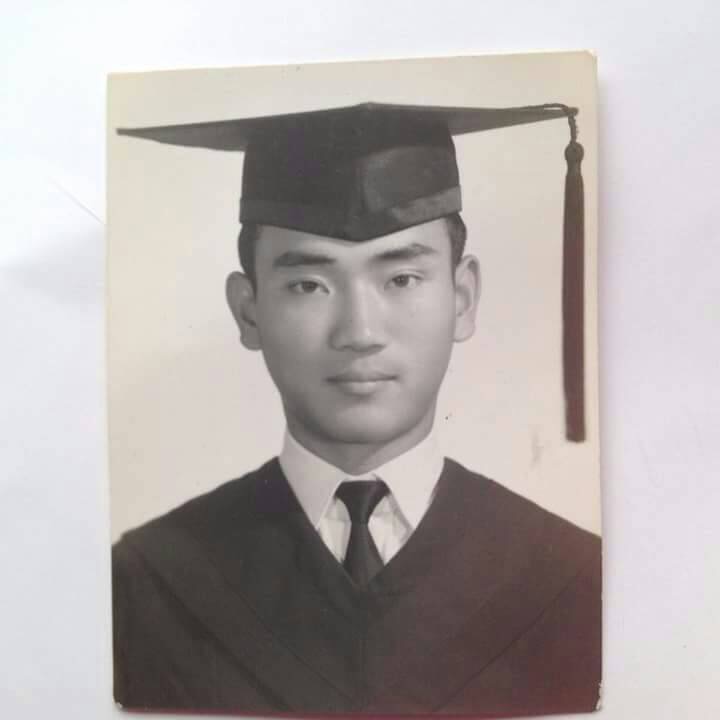
懷舊篇-148
我們在北投政校反共復國教育期間某日該校校長張中將的侍從官也就是曾經擔任我們預十期第六連連長三年的林猷唐學長前來探視我們這批老部屬,經通知分散在各連的老六連同學集合在復興崗精神堡壘前與老連長合影留念,當年全連約有120餘人數年之後僅餘59人畢業,老連長見到我們格外興奮,大夥共同敍舊一陣子後才各自回連。 我們畢業前統一洽請照相業者來校內拍攝紀念照,每位同學拍攝閲兵服及學士服照片各一張(我的紀念照如留言版)留供紀念。三軍四校聯合畢業典禮在政校大禮堂舉行我的畢業成績為41期第41名真是巧合(全期將近500名)。感謝所有好友八個多月來耐心點閲及留言按讚鼓勵,今後若偶爾想起過往的某些片段將隨時貼文分享,敬祝所有好友們闔家平安喜樂。
懷舊篇-149
民國61年8月三軍官校及政戰學校(陸4l期海61年班、空53期、政18期)在北投復興崗聯合畢業,奉令代表工兵科56位同學上台接受陸軍總司令于豪章上將頒授陸軍中尉軍階,工兵同學們隨即赴內湖的工兵學校(已經遷至燕巢原址改建成三總)接受一般分科班(俗稱初級班)教育,因被同學們推選為學員長,常要洽校部申請調課事宜以便中南部的同學能有連續假期返家,所幸均不負使命。62年2月初级班畢業抽籤分發,我及徐志行、張尉爾、陳振旅等四人抽中第十軍59工兵群位於新竹關東橋,報到後行政官朱嘉勉學長(35期步兵科)態度和藹引我們晉見指揮官林筱嗚上校,分派我至直屬傾卸車連,因為擔任駕訓隊任務暫駐竹北山區的營區,群部立即派車將我及行李送達竹北駐地從此開始了我的部隊生涯。
原 PDF 有 224 个字因字体缺字而无法显示,本页已根据上下文补上,可能有出入。
本文保留原文的繁体字。
Contents目錄目录 (49)
- 懷舊篇-101
- 懷舊篇-102
- 懷舊篇-103
- 懷舊篇-104
- 懷舊篇-105
- 懷舊篇-106
- 懷舊篇-107
- 懷舊篇-108
- 懷舊篇-109
- 懷舊篇-110
- 懷舊篇-111
- 懷舊篇-112
- 懷舊篇-113
- 懷舊篇-114
- 懷舊篇-115
- 懷舊篇-116
- 懷舊篇-117
- 懷舊篇-118
- 懷舊篇-119
- 懷舊篇-120
- 懷舊篇-121
- 懷舊篇-122
- 懷舊篇-123
- 懷舊篇-124
- 懷舊篇-125
- 懷舊篇-126
- 懷舊篇-127
- 懷舊篇-128
- 懷舊篇-129
- 懷舊篇-130
- 懷舊篇-131
- 懷舊篇-132
- 懷舊篇-133
- 懷舊篇-134
- 懷舊篇-135
- 懷舊篇-136
- 懷舊篇-137
- 懷舊篇-138
- 懷舊篇-139
- 懷舊篇-140
- 懷舊篇-141
- 懷舊篇-142
- 懷舊篇-143
- 懷舊篇-144
- 懷舊篇-145
- 懷舊篇-146
- 懷舊篇-147
- 懷舊篇-148
- 懷舊篇-149
懷舊篇-101
不知不覺地我的懷舊篇今天破百了,這段日子非常感謝好友們的支持鼓勵及同學們的留言指正補充,共同回味當年的生活點滴,也算是一種樂趣吧! 我們入伍的第一天晚上全連在連集合場成講話隊型蓆地而坐,進行肝胆相照活動,每個人逐一自我介紹,之後連長命各校入伍生按陸、海、空、政戰學校順序出列唱各校校歌,三軍官校預備班及幼校生唱了三年,聯招進來的雖然不會唱但夾雜在人群中動動嘴也都不成問題,輪到政校入伍生出埸時看得出他們略顯緊張的表情,發音後開始唱〈看!陽明山前革命的幹部,氣壯河山,聽!復興基地反攻的怒吼,聲破長空,我們是革命的政工,我們是反攻的先鋒,三民主義的真理⋯⋯〉愈唱聲音愈小,不到一半便中斷了,此時其他學校的入伍生傳出笑聲,連長問說"怎麼校歌都不會唱"其實政校生全是高中畢業參加聯招入學的,到北投復興崗報到後只停留一週便南下赴陸官校入伍,校歌雖然有教唱但多半只會唱前面幾句(約三分之一),本次唱校歌事件對政校同學來說有失公平,因為起跑點差太遠了,後來的各項訓練也突顯了聯招生較為不利的一面。 入伍生團結訓時成績前十名的入伍生將上台接受頒獎,我因此也將目標鎖定進入前十名,凡野外戰鬥教練各項術科動作力求完美,經常請教連上士官學校畢業的同學指導缺失,學科隨堂測驗也勤背準則認真作答,每次測驗成績公佈結果我和同班左側鄰兵海官的王姓同學都不相上下,他可算是最大的競爭對手,訓練後期同學們除了看自己成績外便是関注我倆的勝負,有時好友先看到成績後會跑來向我報喜説"你分數比王〇〇高",總之入伍訓練的三個月我太過於執著結訓成績以致感受到一些壓力,現在回想起來我當年的作法到底是否正確?或許不要將得失看得太重較能過得更快樂些。
懷舊篇-102
當年我們聯合入伍的目的就是要各軍種互相瞭解交流,在唱軍歌方面我們同時學唱海、空軍的軍歌,陸軍的軍歌我最喜愛的除了我之前提及的「老兵」外,還有「無敵兵團」〈翻過了高山渡過了河 我們齊唱反攻歌 無敵的兵團向前進 武裝的弟兄多又多⋯〉。海軍好聼的除了「海軍軍歌」外,另一首「我們是一群弟兄」也非常好聽〈不管南北西東,我們是一群弟兄,歷春夏秋冬,喜海闊天空,同舟共濟,萬里破長空,衣同食同,住同作息同,甘苦同,生死同,為中華民族奮鬥效忠,一群弟兄似虎如龍,海洋上大江中,一往如前立大功,也談戀愛也吐私衷,不管南北西東,我們是一群弟兄〉。空軍除了「空軍軍歌」〈凌雲御風去,報國把志伸,遨遊崑崙山峰俯瞰太平洋濱⋯⋯〉外另一首葉逸凡作詞、劉雪庵作曲的「壯志凌霄」也非常好聽〈壯志凌霄、壯志凌霄、好男兒報國今朝,翱翔鐡翼山河動,掃蕩雲煙日月搖,我們要智勇充沛、德性高超、經文經武、飛虎騰蛟、努力發奮為雄,勿忘艱難締造,擔負起天下興亡萬里長空永保〉,其中多處要重複唱一遍。入伍訓三個月學到或聼到友軍許多好聽的軍歌也算是一大收穫。
懷舊篇-103
我們各班除了由四年級生擔任實習班長外每班尚指定一名入伍生為內務班長,我奉命任第一班內務班長,除了要教導班上聨招入伍同學摺棉被蚊帳外還要負責全班內務的整齊線,每個人在棉被前就位我從側面告知他們移動棉被向前或向後以達到所有棉被及蚊帳在一條缐上,床下的臉盆及裏面的嗽口杯牙刷牙膏都要看齊,鞋子也一樣,開訓初期通常聯招生動作較為生疏,著裝速度慢經常集合遅到被罰蛙跳入列或是伏地挺身、交互蹲跳,嚴重遲到者有時被罰匍伏前進入列,連上第七班有一名海官聯招生外號「緊張大師」幾乎每次集合不是遲到便是著裝錯誤(鋼盔戴反、鞋子穿反、扣子扣錯⋯等)因為我是第一班,講話隊型集合時他第七班正好面對我,看到他怪異的著裝及緊張兮兮的表情好像搞笑軍教片中的那種糊塗蛋,此時值星官便大喊"陳〇出列"當場糾正錯誤。 連長見許多同學出列入列動作拖泥帶水且未轉直角,某日早點名時便突然命我示範出入列動作,我按標準動作完成後連長指示爾後都耍比照,另外有一次各班帶開練習踢正步(準備十月份華僑參觀時表演),連長至各班巡視操練狀況,後來全連集合時連長又命我出列單獨在全連面前踢正步示範,並要求踢腿高度、力道、膝蓋打直、腳背下壓⋯等都要按此標準。 另外某次連長見我們臥倒動作多半先雙膝跪地再慢呑呑地雙手撑地趴下,很不滿意便命某班實習班長李國勝學長出列示範,當連長喊臥倒口令後只見李班長身體魚躍似地飛撲向前 就像打橄欖球的擒抱動作,很帥氣地趴在兩公尺外的水泥地上,我們入伍生全都看呆了,連長立馬很滿意的說"這才是標準的臥倒動作"。部隊解散後我發現李班長雙手手肘都磨破皮了(當時穿著短袖),雖然李班長做了標準的示範可後來我發覺還是沒人能達到那種標準,事隔47年之後的今年五月我們同學在新店38期學長開的蘇〇餐廳聚餐,李學長應邀出席,我跟他提到當年飛撲臥倒劇情他仍然記得,他說當年就是豁出去了,學長的兢業精神實在令人敬佩。
懷舊篇-104
當年很辛苦的便是在南台灣的酷暑烈日下接受野外訓練,因訓練場地距離營房甚遠,午餐後僅有短暫休息便要全付武裝集合出發,從南營區東側門沿黃埔湖東岸道路往怒潮亭(三行三進)、拔子藍山(單兵戰鬥及地形地物利用)、612高地(班攻擊)⋯等教練場地前進,每個人頭頂鋼盔右肩掛著布槍腰繋S腰帶、左側掛刺刀、右臀部掛軍用水壺(裝滿水)、前面掛偽裝網(捲成一團)、背後插把圓鍬或十字鎬、綁著一條繩子的木質圖板掛在背後、左手腕拎著木頭小板凳、光是齊步走就已經鏗鏗鏘鏘各種裝備撞擊聲不斷,偏偏帶隊的値星官經常不滿步伐不整齊而下令改為跑步,這下可真是交響樂團大合奏,待到達教練場個個腿都軟了,草綠野戰服也汗濕了,一套衣服耍穿好幾天才集體換洗,因此大夥的褲管上都有一層白色的痕跡(鹽份),我在小時候曾經洗完澡後用痱子粉塗抹身體,之後便沒再用過,而此刻大夥都長了痱子癢得難受,長官體恤我們在一般的操練(草皮運動、踢正步、刺槍術⋯等)採取統一著裝,也只有入伍生團特有的戴草綠野戰帽穿公發白色內衣褲(褲子是綁繩子而非鬆緊帶、俗稱黃埔大內褲)腰繫S帆布帶、腳穿大皮鞋或黑球鞋扮像,活動範圍遍及校區,的確涼快多了可其缺點就是不夠雅觀,還好當年三軍官校尚未招收女生而政校女生亦未參加聯合入伍。
懷舊篇-105
上野外戰鬥教練課之前首先耍做好個人偽裝,摘一些小樹枝插在鋼盔上及背後(可由鄰兵幫忙,如留言版),某位同學非常誇張地背後插了許多大樹枝弄得像是孔雀開屏一般,還向我們炫耀他的創意,結果當場被班長打槍。 有段順口溜形容軍中打野外是〈頭插兩根草 道路兩邊跑 流了一身汗 回去洗個澡〉,説到洗澡,本應是一件愉快享受的過程,但是對我們入伍生而言卻是一場緊張刺激的戰鬥,每個人都洗過多次三分鐘的戰鬥澡,每天洗澡時間的長短決定權完全掌握在值星官手中,從5分鐘到15分鐘任他挑選,我們為求多些時間洗澡在每次用完晚餐帶隊回營房時唱軍歌及答數都特別大聲讓値星官龍心大悅立馬宣佈"今天同學們表現很好等下洗澡時間加五分鐘",真是皆大歡喜的結局,我們的浴室有一間是以紅花樹圍籬的洗臉台附有水池,仍然以臉盆取水沖澡,陸官、空官及政校生均穿著內褲洗(我們預備班三年均如此)唯獨海官入伍生全身赤裸(不知別連的海官生是否如此),最為開放,完全不在乎我們詫異的眼光,有一次値星官發覺洗澡秩序不好立馬吹哨命全體到紅花樹外的道路集合,我們三個學校還有穿著內褲可海官生個個上演裸奔,站在隊伍中個個以臉盆遮住重要部位,有點像搞笑軍教片的情景,令我們忍不住爆笑,正巧此時有兩位女性員工(雇員或是福利社)騎自行車從隊伍前經過,只見她倆低著頭拼命加速通過,此事件不久即傳遍整個入伍生團引為笑談。 我們晚餐時因為天氣熱吃得不多,但是晚上還耍操練正步及刺槍消耗不少體力,經常就寢熄燈之後肚子餓的咕咕叫無法入睡,睡我右側第二班的王凌雲(陸官預五連畢業)也有同感,正巧在餐廳他也坐我旁邊,我倆便想到一個方法,每天晚餐時各拿一個饅頭(剩下多的便拿去養豬埸)藏在草綠小帽中待出餐廳覆帽時連饅頭一起戴在頭上,此時饅頭夾在小帽及腦袋中間的空隙中(入伍生伙食團的饅頭較小,若是以往預備班的大饅頭就肯定露饀了)回到寢室後很小心地爬到上舖將它藏在床頭的鋼盔下面,床頭的水壷也事先裝好水,只待熄燈後值星官查完舖我倆便取出饅頭及水壺愉快地享用,覺得那真是人間美味,只可惜好景不常,我倆的小確幸只有一週左右便告夭折,不知咋地値星官某日突然用手電筒發現正在床上宵夜的我倆,後果便是禁假一次挖大水溝中的爛泥巴用洗臉盆運走丟棄,最慘的是再也不能享用美味的宵夜饅頭了。
懷舊篇-106
我們的兵器課程其中有一項是手榴彈實彈投擲,之前要在操埸不斷演練務求安全,正式投擲處位於官校後山的手榴彈投擲埸,所使用的是美造像芭樂形狀外表有許多小方格的實彈,教官與投彈入伍生同在散兵掩體內,投彈者先將彈體握在右手掌壓住撃發卡片再以左手食指拉開彈體頂部的保險插銷,接著右手拉向後方再全力向前投出,彈體離手後金屬卡片立即彈開撞針同時撃發點火,4·5秒後彈體爆炸,因此在構築個人散兵坑時通常要在底部角落鑿一避彈坑,一旦發現手榴彈落入散兵坑時要立馬將它踢入避彈坑內以減少傷害。 我們每位同學都按照要領完成投彈,可輪到第九班海官的陳〇同學時(我之前提到的緊張大師),他右手握彈左手抜插銷的動作都沒錯,但當教官下令投彈後他老兄卻將左手的保險插銷丟出去右手仍握著手榴彈蹲下,幸好教官及時發現命他完成投彈動作,可校部械彈部門發出多少手榴彈就必須回收多少保險插銷,事後本連還動員全排兵力到前面的草叢中翻找那枚誤丟出去的插銷,費了許久才終於尋獲,真是精彩的手榴彈投擲記。
懷舊篇-107
我們除了正常的操課外其餘的時間(第八節課及晚間)均全力練習踢正步及刺槍術,正步是要在歸國華僑來校參觀時表演分列式而刺槍術是為期末全入伍生團刺槍術比賽而苦練。校方特別為我們準備了許多庫存的閲兵服,袖子上的年級識別從一年級到四年級都有,每人按自己的尺碼找到合適的上衣及褲子、帽子,分到四年級衣服的同學突然覺得很爽常対其他同學開玩笑地說"見到學長為何不敬禮",大夥也紛紛在營房附近拍照留念,編分列隊型時學長將正步較為標準的同學編在第一班(稱為排面班)我有幸納入(照片右四),不僅感覺是一種榮耀而且在分列過程中不會吸入塵土(煠渣跑道會踢得塵土飛揚)。 我們僅有的體育活動便是帶隊到校部大操場做草皮運動, 隨著教官的口令在草地上模仿各種動物的爬行,如象行、龜行、猴行、蜈蚣行(許多同學後者握住前者腳踝成一長串)⋯等,雖然不是挺有趣但也算是我們最喜愛的課程了(比起全付武裝打野外、基本教練、坐小木凳上軍事課、踢正步、練刺槍⋯等)也是唯一上課時可以放聲嘻笑的課目。
懷舊篇-108
我們入十五連的副連長係資深軍官,身材威武、聲音宏亮,對刺槍術極為純熟,受命全力操練本連刺槍術並以奪得全入伍生團冠軍為目標,因此只要一有空閒便集合練習,不但要求刺出的槍枝在同一高度,收槍及迴旋、退後快跑等均要求整齊劃一,有一點差錯便反覆重作,當別連都已經熄燈就寢了,副連長還壓低嗓子指揮我們操練,幾乎每個人的雙手掌都磨起了水泡,用針刺破塗抹藥膏後繼續操練,正式比賽時本連同學個個氣刀體一致,士氣高昂,完全展現苦練成果終於奪得冠軍,真是台上十分鐘台下十年功,辛苦的汗水總算沒有白流。 三個月的集訓期滿,結訓前晚全連在集合場惜別晚會,以小型康樂的方式進行,晚會結束前我出列發表我們三個月來的受訓感言,除了感謝連上長官及實習班長的教晦照顧外並代表陸官學生祝福海、空官及政校同學相約四年後在復興崗再聚(聨合畢業),感覺大夥都有些離情依依。結訓典禮時宣布成績前十名的同學上台領獎,我的鄰兵海官王同學名列第七名,我未在前十名內,心中不免有些失落,連上某位學長安慰我說這是為了軍種平衡的安排要我勿太在意,後來我想開了心中反而豁然開朗。
懷舊篇-109
在結束入伍生團懹舊前特補充報告當年我們在餐廳用餐的狀況,部隊到達餐廳外後先派兩位同學打開紗門部隊成一路進入餐廳,在跨進門的同時以右手摘下草綠小帽並大聲喊出"脫帽",就座位時臀部僅能坐30公分寛長凳的一半,腰桿挺直、收緊下顎、兩眼平視前方、雙手向後伸直掌心向外手背貼在長凳後緣,凡下巴伸出者或未達雙下巴或三下巴者便會被罰用下巴夾一根筷子或一支香蕉,當見到對面同學夾香蕉的怪異景象還耍以門牙緊咬下唇忍住不笑,某位同學因為忍不住噗哧笑了一聲立馬被罰站在長凳上高喊十次"我不再隨便笑"。飯桶及湯桶都置於中央走道,添飯及盛湯時要以雙手將碗端在胸口高度雙臂夾緊,像機器人一般走路轉直角,排隊等候時兩眼只能看前面同學的後腦勺,某位同學東張西望的結果被罰站在凳上不斷高喊"眼睛不可亂瞄",輪到添飯時不得彎腰而要以高跪姿式,桌上的菜肴不得剩下,某次有一桌剩下許多苦瓜,班長命令他們吃完,有位同學表情怪異難以下嚥,結果他也被請上木凳高喊"革命軍人要吃苦瓜",像如此的例子不勝枚舉,我們當初覺得如此出人洋相似乎在故意整人,可後來在電視上看到日本許多企業經常訓練員工在大馬路旁對著路人高喊一些口號,甚至國內部份企業也比照實施,其實那就是在磨鍊胆量,對於一些胆小害羞者極為有效,學長經常對我們説"合理的管教是訓練、不合理的管教是磨鍊"還真有幾分道理啊。
懷舊篇-110
完成了三個多月入伍生團的集訓,海、空軍官校及政校生也將分別返回左營、岡山及北投的校區,他們在南營區集合後整隊往校部大門行進,我又再次有機會聽到「海軍軍歌」、「我們是一群弟兄」、「空軍軍歌」、「壯志凌霄」等四首好聽的軍歌,在部隊齊步行進方面,空軍官校歩伐最為沈穩,身體重心略為向後抬頭挺胸,帶隊官不必經常叫喊"一二、一二",尤其大間隔隊型(各兵加大間隔距離)行進時有如儀隊表演,手臂擺動也很到位,確實壯觀。朝夕相處三個月的伙伴離校後我們陸官41期的同學重新從15個入伍生連編為6個學生連,一至四連納入第一營,五、六連納入第二營,第七連之後的十幾個連全是二、三、四年級學生混合編連,我編入第六連,營房在通往校門口主幹道北面的第一排,為兩層樓瓦頂房舍,面對面的各寢室(一個班住一間)中間有內走廊,環繞寢室四週有一圈外走廊,各棟樓四週均以紅花樹圍籬,內部空地亦有大樹遮蔭,廁所在營房北側,廁所與營房中間有一座露天的水池就是我們洗澡的地方,我們連長是30期學長楊振亞少校、副連長是34期王從龍中尉、實習連長是四年級(38期)梁福德學長(已過世,令人惋惜)、實習輔導長是鄭寧東學長,我編入第一排第二班,實習排長是張廣勲學長、班長是張渝生學長(其他班長都叫他的外號"魚頭"),我們全期上課時編成27個教授班,每班20餘人一間教室位在校區北側圍牆內的塞爾大樓,該大樓本來是為實施「塞爾教學法」(仿效美國)所建,每班約15人課桌在四週老師在中央由學生提問老師作答方式授課,後來恐與國人個性因素效果不佳而改為傳統的教學方式,27個班中有兩個英文及一個數學班,我們在入伍生結訓前曾實施英文及數學測驗,依據成績編班,我納入的第27教授班是英文班,每週有四節英文課是由美籍女老師上課,課本很厚全是原文,上課也禁止說中文,每位同學還取了個洋名字(我叫喬治),記得我班上還有吳燕鳴、鄒志強、劉湘潮⋯等同學,從此開始了我們官校四年的正期生生涯。
懷舊篇-111
我們一年級生整年都被學長稱為入伍生,在校區內入伍生不能走路而是一律跑步,除了全連帶隊進餐廳或是下餐廳回連可以齊步唱軍歌答數,我們第六連鄰楝第七連有一名三年級的亓〇學長及二年級的沈〇〇學長經常在路旁監看只要發現我們用走的便立馬大吼"入伍生跑步"嚇得我們拔腿快跑,有時還會處罰未跑步的入伍生繞操場的大樹跑幾圈,某次全校在司令台前看晚會,同學們坐在寢室帶來的椅子上正想輕鬆一下,旁邊第七連的沈學長突然站起來對著我們全連大吼"入伍生沒坐相,全部鮯我坐三分之一"震驚全場,想必他入伍生時受過不少教訓好不容易熬成二年級學長可要好好整頓一下學弟的規矩,後來我們都視第七連營房前面為危險路段避免通過(繞道而行)。 每天晚餐後帶隊回連上的途中依然要賣力的唱歌答數以博取較多的洗澡時間,露天的水池並不大為防止一百多人擁擠搶水,值星班長將我們圍著水池排成四圏,第一圏先用臉盆搲水淋濕全身後退到最外圍擦肥皂再依序由第二、三、四圏上前,待擦好肥皀後再依序上前取水冲淨,冬天時大夥都很怕洗澡,光著上身圍著水池直打哆嗦,冰得要命的水從頭淋下後每個人身上直冒熱氣簡直就像剛出籠的包子,有同學躲在寢室不出來洗都被班長抓來加入冰水浴。 洗完澡後各班在寢室內晚自習,每人有一張書桌,班長的桌子正對門口,進出寢室都耍向班長敬禮,寢室的清潔由班兵分工,牆上掛有分工表列明地面、窗戶、內務櫃、床頭⋯等部位的負責人,每週實習團部及營部均會來連上檢查清潔,採抽檢方式每個連抽三至五間寢室(均為晚自習時),每當聼到走廊上有皮鞋的腳步聲我們都提心吊膽希望不耍進我們寢室,負責檢查的學長戴著白手套在床頭、門窗、衣櫃各處抹拭,若不合格記下缺點則分工負責人便要遭禁假處分,所有禁假入伍生假日集中在足球場全付武裝托槍在兩端線之間來回行走,稱為「武裝行進」,大夥均俗稱「打鳥」,我曾經嘗過一次「打鳥」的滋味,的確不太好受。
懷舊篇-112
當年實習團部或營部幹部來連上檢查清潔分工時我們都繃緊神經,直到他們從寢室前過門不入才鬆了一口氣,另外每週還會抽檢槍枝及工作器具(圓鍬)的保養狀況,通常在中午下餐廳前團値星官會宣布"各連第X班第X名下餐廳後帶槍及工作器具至團部前受檢"被點名者不僅午休泡湯若是檢查不合格連當週假日也會泡湯,學長對於我們保養槍枝及工作器具要求做到十個字"看起來有油 摸起來沒油",驗槍時打開槍機槍管向前槍口在檢查者眼睛高度從槍口查看槍管內部是否光亮,我們有一小撇步可確保槍管內光亮無比,即先用通條夾機油布通一遍再以乾布除去油漬,最後再以一小段絲襪夾在通條來回擦拭即可,絕不會留下任何纖毛。當年入伍生還有一項苦差事就是每週一次餐廳地面大清洗,每個連派出20餘人,通常由各班輪流,在晚餐後帶臉盆及刷子拖把至餐廳報到,先將所有桌凳抬到外面清空地面再以洗衣粉(當年沒有地板清潔劑)加水刷洗油污,以臉盆至廚房水池來回端水沖靜後再以拖把及乾布擦乾,我們有一快速擦地法即雙手張開伏地握住大塊布或舊衣褲雙腳往前推進,五、六個人併排作業效果不錯,全部清潔完畢桌椅復原約需兩個多小時,若遇校慶及華僑參訪前還要將所有桌腳及凳腳上皮鞋碰撞的黑色痕跡清除,耍加派數倍兵力才行。
懷舊篇-113
我們一批入伍生參加足球校隊選拔結果入選四人,除我之外另有張維群、趙時中、梁謫斌等三名聯招入學生,張君踢中鋒四年級時勇奪校運會軍事五項競賽(射擊、手榴彈投遠、武裝游泳、500公尺障礙、1600公尺武裝跑)冠軍,獎品亞米茄手錶乙只,是所有項目中份量最重的金牌,畢業後任職政戰特遣隊(類似特戰部隊)但是在某此赴谷関勘察地形及渉水狀況時不慎溺斃讓人難以置信,梁君係香港僑生畢業於聖芳濟高中英文程度很好,說話帶有廣東腔,主踢後衞與我交情不錯,某次寒假他未返回香港我特邀他到新店和我們全家一起過年,可惜他讀完四年級上學期寒假返回香港後因家庭因素未再回校報到,至今已經與他失聯40餘年。趙君擔任守門員後來又與我同為田徑校隊隊友。球隊中有位二年級的馬家鳯學長是我讀滬江高一的同班同學也同為該校足球校隊隊友,每天中午午休及放學後都一起踢球,後來我進入預備班而他高中畢業後考入官校40期成了學長,現在我倆又在同一個球隊踢球真是太巧了。 當年經常有輸日香蕉遭到退貨或生產過盛滯銷轉而勞軍,我們連上也分配到十幾籮筐好幾百斤大香蕉放在營房後側一樓的儲藏室中,有幾位同學三不五時便會潛入偷吃,某日學長抓到一名偷吃的同學立馬集合全連同學叫該員出列,學長手拿一串香蕉(約十支)對他說"既然你這麼喜歡吃香蕉今天就讓你吃個痛快"命他將那串香蕉吃光光,只見他吃了三支以後整個人都蔫了,表情極為痛苦,最後學長還是放了他一馬,從此以後便再也沒人敢去偷吃香蕉了,那段時間我們天天吃香蕉有些同學看到香蕉就怕了,其實香蕉是非常好的水果,早年對台灣的經濟發展貢獻甚鉅,許多運動員比賽中途休息時都會吃上一支補充體力,我現在也養成習慣每天下午吃一支香蕉晚上打羽球時感覺體力充沛(不知是否心理因素)。
懷舊篇-114
當年我們學生指揮部的指揮官竇懿倫上校是一位慈祥和藹的長官經常苦口婆心地教晦我們,他走路時雙手習慣張開好像西部牛仔槍手準備抜槍的姿勢,第七連有位三年級的亣學長走路也是如此,我們私下都稱指揮官為「竇波波」,實習團長戴伯特學長、副團長蕭向平學長、處長薛承智學長均動作標準、儀態威武,團部及營部的學長在校內行進時均成後三角形,團長或是營長走在前面、左右後方各一名幹部同行,我們入伍生在迴避的同時也投以崇拜的眼神。我們連上的實習輔導長鄭寜東學長對我們就像兄長一般非常照顧,放寒假時還邀請我們七位同學(我、彭長征、高麗天⋯等)到他新店中央新村附近的家中聚會,弄了一桌子菜,非常愉快。由於連上同學寫信常沒有郵票、信封而郵局又遠在黃埔湖北岸極為不便,鄭學長指示在連中山室設置誠實郵局,於書櫃上方置一小木盒由連上先墊資購買一些郵票、信封、信紙放在盒中,需要的同學自行將錢放入盒中取走物品,我奉命負責定期清點金額並利用午休時到郵局補貨,實施以來反映良好同學們都很誠實未發生金額短少情形。 我們第一排的實習排長張廣勲學長對我們也非常照顧,記得我們要編連分別前夕他集合全排臨別贈言大夥都紅了眼眶,總之我入伍生時期非常幸運,連上學長都很照顧我們,至今仍印象深刻。
懷舊篇-115
升上正期生之後每週英文課的其中兩小時要到錄音教室上課,每人區隔一小空間桌面上鑲有一台大型盤式錄音機,兩個碗口大的轉盤牽動著錄音帶來回錄放我們唸教材的聲音,那玩意如今已列入古董級了可在當時卻令我們感到很新鮮好奇,第一次聽到自己的聲音總覺得怪怪的,白色封面很厚的錄音教材指示我們練習的進度,對發音及讀的能力均有助益。 57年的除夕夜我們入伍生的最主要節目就是把四年級的學長丟入平時洗澡的大水池中,這也是沿襲多年的傳統,學長不會生氣及處分人,我們首先將連上最大尾的實習連長梁福德學長抬到池邊拋入,他爬出後還面帶笑容,不久之後實習團長戴伯特學長穿著全新的羅斯福呢軍便服經過本連前面,被某同學發現立馬大喊"實習團長在這裏"我們十幾名入伍生快速衝出圍捕將團長抬至水池邊丟入,新衣服立馬泡湯,團長亦保持笑容,這也是我們慶祝跨年有趣的回憶,好像後來便沒有這項活動了。 學校的大操場包括閱兵場、足球埸、棒球場、橄欖球場⋯等定期都有勤務連的士官伯伯推著割草機定期割草,既快速又平整美觀,而游泳池南側及校區東面圍牆內的草地則分配我們入伍生以鐮刀割,某週末下午我們十幾位同學奉命將那片草地割完,經過檢查通過便可以自由活動,可我們手中的小鐮刀不夠鋒利,忙了半小時才割了一小片且坑坑凹凹像狗啃似的,有位最會出么蛾子的同學提議每人出資幾元由他負責去找士官伯伯用割草機來作業,大夥全數同意,不久之後割草機到場果然不同,半小時便割的漂漂亮亮,士官伯伯很高興的拿了工資及油銭、我們也提早自由活動、校園也比較美觀可算是三贏的結局。
懷舊篇-116
一年級下學期的329校運會我仍然報名參加400公尺、400及1600公尺接力賽跑等三項,雖然我在預備班時曾獲得400及400接力雙料金牌但升上官校後面對二、三、四年級衆多好手耍想奪牌肯定有難度,400公尺賽前每組八名選手要抽籤分配跑道,一般選手都最喜愛第三跑道,外道選手雖然起跑點在前但是經過兩個彎道後很容易遭內道選手超越,而一、二兩道因經常有人練習煤渣明顯鬆軟使不上力,尤其第一道地勢最低加以比賽前夕下過大雨造成積水泥濘不堪被稱為「死亡之道」,賽前抽籤時曾心想千萬不要抽到第一道,怎奈造化弄人偏讓我抽中,槍響後只見其他跑道選手飛快奔跑,而我卻困在泥濘的跑道奮力追趕,結果預賽便遭到淘汰,心中極為憋屈,回到寢室枯坐晚餐也沒去吃,室友梁克家同學安慰我説此次並非技不如人而是運氣欠佳,只要有實力明年定能奪牌,結果那次校運會以零獎牌坐收和我在預備班一年級時的狀況相同,心想下次定要奪個獎牌雪恥。 我們一年級生的頭髮一律規定剪成三分頭而學長們則可留成小平頭,我們將要放暑假前夕大夥心想馬上就是二年級學長應該不會再剪個三分頭放假回家吧?不料校方下令仍然要理三分頭,消息傳來大夥均怨聲載道,第一連的同學甚至在晚餐時坐在餐廳集體絕食(不動筷子)抗議,這在軍中屬重大事件,監察、保防均介入調查,後來將帶頭的三名同學開除,此事件當年在校內造成不小的轟動,結局是我們仍然頂著三分頭坐火車放暑假回家,深刻體會到「軍令如山」任何人都無法撼動的。
懷舊篇-117
58年暑假之後原本帶我們的38期學長畢業,感謝他們一年來的教導及照顧,我向許多學長索取照片做為紀念保存至今,我們升上二年級脱離入伍生身份,從此在校內可以走路不必隨時跑步,公發外出服的領章「陸軍官校」及「學生」各一枚是鋁質鍍金色字體小欠美觀,當了學長之後同學們多至鳯山街上專賣軍用配件的店家購買銅質字體(楷書)較大的「陸官校」三個字及「學生」領章配掛,只是每次放假前要用擦銅水將它擦得閃亮再掛上衣領,當年有一種廉價小罐的擦銅水有點像米槳效果不好,我們都喜歡買一種大罐較貴上面有一太陽圖案的擦銅水輕輕一擦立馬光亮無比。 連上的實習幹部改由39期學長擔任,分配到本連的學長均為通信兵科的,而學生部隊的實習團長則由張正言學長擔任,儀態、口令、動作均極為標準。 我們全期為著日後各項訓練及下部隊實習需要訂製草綠色大型帆行李袋及黑色007手提箱,由六個連各選派一名同學組成訂購小組,我蒙同學推選為第六連代表,赴高雄廠家洽談訂製事宜及簽訂合約,我們要求帆布材質加厚內裏加襯防水層,背帶及掛鈎完全比照傘兵裝備標準,結果確實堅固耐用,它陪同我們受訓輪調裝載著所有行李一袋搞定,成為軍旅生涯中不可或缺的伙伴。
懷舊篇-118
二年期開學後首先要實施三個月的夏訓,我們第六連奉令與第五連暫時解散平均編入一至四連,我被編入笫一連,39期學長仍將我們視為入伍生一般操練,謝阜生、于未明、陸幼鶴⋯等學長都很嚴格,輪到他們値星時大夥都很慘,陸學長曾經対全連說"不要以為你們升為學長就會對你們較為放鬆,我告訴各位~辦不到~"。夏訓期間全為軍事課程,包括戰鬥教練、兵器課程、實彈射擊⋯等,操課場地不限於學校後山的高地,有時還會遠赴田寮巷、拷潭⋯等地(班、排防禦),記得有次操練火力班攻擊(714高地附近)扛著美造輕機槍就像實心的鋼塊,攻到目標區時已精疲力盡(後來的國造輕機槍便輕多了)。兵器課程中有一項介紹43式75公厘無後座力砲,是聯勤61兵工廠於39年仿製美國M20式75公厘無座力砲,民國43年採用美造勃朗寧(Browning)M1917A式O·3吋重機槍三腳架為砲架故命名為43式,一般裝在吉普車上針對敵戰車及碉堡等發射,由於砲彈殻上有許多小孔部分能量向砲膛後方噴火抵消了後座力故稱為無後座力砲,實彈射擊時每班十名同學僅分配一發砲彈,各班均以猜拳(剪刀、石頭、布)決定由誰上場撃發、猜拳第二名者擔任裝彈手,我非常幸運猜得第一,另一名同學取得裝填手資格也開心不已,可當他耍裝彈時以左手掌按在砲管後膛上方瞬間突然大叫一聲,只見手掌立馬紅腫、因為經過多次發射後的砲管燙得就像烙鐵,手掌按上去就像巴比Q,教官事先有告誡可能是他太興奮而忘了,我採高跪姿式透過瞄準鏡鎖定目標右手中指食指握住旋鈕轉動半圈再以姆指按下旋鈕中央的發射鈕撃發砲彈命中目標,回學校後那名受傷的裝彈手至醫務所包紮治療經過一週才逐漸康復,対他而言真是樂極生悲!
懷舊篇-119
前文報導我們當年操練及實彈射撃的75無後座力砲,其實我們也同時認識另一型106無座力砲,除了口徑較大外其砲管上方還附有一挺同軸50口徑觀測槍,發現目標後先用觀測槍打出曳光彈確定命中目標後立即發射砲彈加以摧毀,可避免浪費砲彈,由於當年沒有該型砲彈供我們實彈射擊僅能實施基本操練。 結束三個月的夏訓後我們分散至各連的同學又回到第六連原本的營房並且開始正常的二年級學科課程,我們英文班原本的美籍女老師Miss Gibson已離職改由30期學長丘衛邦少校接替授課,他進入教室値日生發立正口令敬禮後不能坐下,他要走到每位同學面前檢查服裝儀容,從頭髮、鬍子、軍服、皮帶環、皮鞋甚至手指甲都澈底檢查,感覺不像是上課的老師而是教育班長,當有同學上課遲到在門口喊"報告"時他會瞄一眼然後說出"Ten Push-up",那同學立馬至講台旁做完十個伏地挺身後回到座位,服儀檢查不及格者也是一樣十個伏地挺身,以致後來每當要上他的課都要把皮繃緊些,遇到考試時他強調「榮譽測驗」發完試卷後他便離開不知去向(不在場監考),時間到了他才回來收巻,結果還真的沒人作弊,他的標準造型就是理著和入伍生一樣的三分頭比我們這些學生的小平頭還要短。 某次假日他邀請我們幾位同學到學校附近黃埔七村(官校教職員特定職務官舍)的家中聚會,師母也是官校英文老師,準備了許多點心水果,隔壁的30期徐博生學長(後來曾任烈嶼、小金門指揮官、中正預校校長⋯等職務)也加入聚會言談間讓我們受益頗多。
懷舊篇-120
我們預備班三年及入伍生一年合計四年期間放假外出時都穿著平時出操打野外公發的高統皮鞋,我們稱它為"大皮鞋",經常日曬雨淋及磨損加上大圓頭的外型感覺不夠稱頭,升上正期二年級後全期同學自費集體訂製皮底皮跟的短統皮鞋,我們稱為"小皮鞋"我蒙同學推選為連上代表與另外五名代表(各連一名)赴高雄市選定廠家簽約並派員到校量取各人尺寸,拿到新鞋後大夥都很高興,放假外出時穿著新鞋精神格外抖擻,皮底踩在地面上常會發出嗶啵的爆炸聲,皮跟走起來也會發出叩叩聲,尤其立正靠腿時發出清脆的聲響是大皮鞋無法辧到的,每到放假前夕我們都把它擦得像鏡子般光亮,先用鞋刷或乾棉花塗上鞋油再用濕棉花畫小圓圈像是汽車打蠟般總要花上許久功夫。我們當年也覺得公發的大盤帽不夠帥氣(帽徽是鈻片、帽沿是塑膠皮、布質普通、帽邊太扁)便至鳯山街上的第一製帽廠自購帥氣的大盤帽(帽徽精美地鑲在真皮上再縫合在帽前、帽沿為皮革製、以絨布製成帽體、帽邊內加襯一條粗的海綿圈較為堅挺)要價145元,我們都簡稱它為"么四五"後期學弟買時愈來愈貴,不知現在一頂要價多少?
懷舊篇-121
官校副校長楊敬斌少將與家父同為軍校十七期湖南武崗分校同一總隊(十七期除了成都本校外另有陝西漢中、湖南武崗、江西瑞金、貴州獨山、雲南昆明、廣西桂林、陜西西安、湖北均縣等八個分校25個總隊)同為湖南人,某次對全校學生訓話(形容他們當年訓練的嚴格)說到"我們行軍耍背背包,背包裏面裝棉被,沒有棉被,裝什麼,裝磚頭"因為郷音很重,我因為從小常聽父親老鄕來家中聊天已經習慣那腔調,後來我便經常在寢室及教室模仿副校長訓話"偶面行巜Xㄣ要嗶必包,必包裏面章冂一Y必,密有冂一Y必,章細抹,章捐頭"逗得大夥爆笑,軍校十七期後來在軍中幾乎少有發展,我們熟悉的陸軍蔣仲苓、宋心濂、陳守山、許歷農上將及朱致遠中將均為十六期的。 我們第六連某班一位冉姓同學因為偷取室友的錢被查到,副連長34期學長王從龍中尉在營房東面大樹下的空地集合全連叫出冉同學坐在地上命每個人依序從旁走過朝冉員身上吐囗水,我覺得此舉似有不妥,因為國有國法、家有家規、校有校規,應依法處置較妥,不宜動用私刑,後來那位同學還是受到開除處分,但是被全連吐口水之情景肯定成為他永遠無法抹滅的陰影。
懷舊篇-122
(懷念的經典影片) 如今的電影拜科技之賜利用電腦特效產生震撼的效果,配合三D技術讓觀衆享受一流的聲光,如〈阿凡達〉〈侏羅紀世界〉〈玩命關頭〉〈魔鬼終結者〉〈玩命快遞〉〈不可能的任務〉⋯等,但是缺乏劇情,出了戲院之後不能産生令人感動的回味,而在當年卻有許多影片堪稱影史上經典之作,我利用假日至鳳山或高雄的影院有幸觀賞到,概略介紹如下,首先是〈屋頂上的提琴手 Fiddler on the roof〉強調猶太人為何能像屋頂上的提琴手站在那樣危險的地方拉琴卻不致於失足掉下,就是他們有很堅強的傳統,從摩西傳下來的律法、衣著、吃飯的習慣等,卻不知耶穌已經為他們付上罪的贖價,片中的父親因為女兒不聽他的勸阻執意要和男友交往,無奈之下只有對著蒼天大喊"Tradition(傳統)",相信如今許多有女兒的父親也有同感,中國傳統的父母之命媒妁之言早已過了保存期! 另一部〈春風秋雨Lmitation of life〉描述混血女兒嫌棄她那黑人血統的母親如同仇人般,直至母親過世才澈底悔悟,出殯的場景搭配感傷的主題曲〈Trouble of The world〉讓所有觀衆感動落淚,那也是我首次看電影落淚。另一部〈誰來晚餐Guess who‘s Coming To Dinner)由薛尼鮑迪主演,描寫種族通婚對家庭成員所產生衝擊和影響的美國。 由克拉克蓋博(Clark Gable)、愛娃嘉娜、葛麗絲凱莉(摩納哥王妃)合演的〈紅塵〉演技劇情均具水準,曾轟動一時。 由葛雷哥萊畢克(Gregory Peck)及奧黛麗赫本(Audrey Hepburn)合演的〈羅馬假期〉有著溫馨的愛情故事,片中男主角騎的偉士牌機車更成為當年時尚的代表,學校中一些年輕軍官及體育教官在校區內騎乘經過常會吸引大家羨慕的眼光。 出生在埃及的奧瑪雪瑞夫(0mar Sharif)主演的〈阿拉伯的勞倫斯〉〈齊瓦哥醫生〉以及費雯麗(Vivien Leigh)主演的〈亂世佳人〉也都是影史上不朽之作,以上提及的影片相信大部分三、四年級的好友們當年都看過,或許也都有同樣的感覺。
懷舊篇-123
(懷念的中西歌曲) 從小在家中常聽到雙親合唱〈拷紅〉及〈花好月圓〉等老掉牙的歌曲,50年家中有了收音機之後,母親開始哼唱一些較新的流行歌曲,54年父親找工匠將那台收音機改裝為較為大台的電唱收音機,家中也陸續添購一些喜愛的黑膠唱片,母親喜愛的歌手及代表歌曲計有楊小萍〈今夜雨濛濛〉、包娜娜〈愛你愛在心坎裏〉、陳蘭麗〈月兒像檸檬〉、湯蘭花〈負心的人〉、冉肖玲〈藍色的夢〉、姚蘇蓉〈今天不回家〉、尤雅〈往事只能回味〉、青山〈生命如花籃〉、青山、婉曲〈朗尼路加〉⋯等。至於我從初中二年級接觸西洋歌曲之後便開始喜愛上它,也經常收聼美軍電台播放的歌曲,進入軍校之後便陸續購買喜愛的合唱團體及個人專輯,那段時期喜愛的合唱團有披頭、麵包、空中補給、阿巴、木匠兄妹、比吉斯、雷康尼夫、老鷹、賽門及葛芬柯、五黑寶、四兄弟⋯等,男歌手有保羅安卡、尼爾史達卡、灰狼、強尼荷頓、尼爾揚、約翰丹佛⋯等,女歌手有戴安娜蘿絲、安瑪莉、琳安德森、琳達蘿絲坦、奧莉薇亞紐頓強⋯等。其中我最喜愛的歌曲首推英籍二重唱賽門、葛芬柯的電影「畢業生」主題曲〈The Sound of Silence〉及另一首〈Bridge 0ver Troubled Water〉,其次披頭合唱團的〈Let it be〉不僅歌唱得好,它的曲經由電子琴或鋼琴演奏均百聼不厭,直至今日我仍偏愛西洋老歌,車上總有十餘片CD輪流播放,悠美的歌聲經常能喚起我美好的回憶。
懷舊篇-124
俗話説:少不看水滸 老不看三國。中國文學四大名著中我僅看過水滸傳及三國演義,都是在中學時代,紅樓夢及西遊記至今仍未拜讀甚感慚愧,不過在當年卻有幾本著作令我印象深刻,首先是傑克倫敦(Jack London)1906年出版的「白牙White Fang」,是他1903年成名作「野性的呼喚」的姊妹作,背景是19世紀末的加拿大地區淘金熱,主角是一隻野生的狼狗,牠的血液裡流有荒狼的兇狠無情卻也有狗的溫馴,牠的一生歷經各種遭遇的故事。 另外是鹿橋所寫的「未央歌」,1942年畢業於西南聯大的鹿橋有感於"大學時代対人生觀形成與人格成長的重要性"開始創作「未央歌」1959年在香港出版,描寫抗戰及國共內戰年代裡西南聯大一群學生熱衷於學術辯論、関心社會進而交織發展出一段屬於年輕日子的愛情。 另外一本書「弘一大師傳」描述一名才子李叔同看破紅塵後選擇出家法名「演音」號「弘一」抗戰時期大師認為"吾人吃的是中華之粟、所飲是溫陵之水,身為佛子於此時不能共行國難於萬一,自惴不如一隻狗子"。這種愛國愛教的精神值得人們學習與歌頌,還有我們從小就常唱的歌〈送別〉(長亭外 古道邊 芳草碧連天⋯)是引用美國一首曲子由大師填詞成為畢業季節常出現的歌曲。 另外一部寓言性小説「天地一沙鷗 Jonathan Livingston Seagull」係美國作家李察巴哈所著,謝瑤玲所譯,書中喬納森是一隻特殊的海鷗,他擁有與一般海鷗不同的熱愛飛翔的精神,不願當一隻在沙灘搶食小魚和麵包屑的平凡海鷗,他不認為海鷗飛翔的目的只是為了吃飯而已而是為了能飛得更快,因此他不斷尋找飛得更快的方法而被鷗族認為是異類⋯。 另外傷痕文學泛指中國大陸於文革結束後最先出現的一種文學現象,成為文學思潮主流,文革期間無數知識青年被捲入了上山下鄕運動中,傷痕文學主要描述了知青、知識分子、受迫害官員及普通民眾在那個不堪回首年代悲劇性的遭遇,其中凌耿所著的「天讎」一書詳實寫出了文革初期一名紅衞兵的親身經歷,20年之後的1989年3月(天安門事件前三個月)大陸的搖滾樂之父崔健在香港推出個人第一張專輯〈一無所有〉道盡了大陸億萬貧苦民眾的心聲,轟動一時,不久之後便發生了六四天安門事件。
懷舊篇-125
校部大餐廳每年十月華僑來校參觀及六月份校慶都要全面粉刷停用約十天之久,這段期間各連都在營房外走廊用餐,先派公差 至廚房打菜運回連上每五人圍坐地上有如野餐,不必集合帶隊進餐廳及忍受悶熱,我們都很喜愛此種用餐方式。 59年329校運會我仍報名參加400公尺、400及1600公尺接力,另外同學們説我的耐力不錯建議我參加中距離賽跑,於是也報名800公尺(首次嚐試),比賽結果我獲得400公尺銀牌及800公尺銅牌(金牌得主為專修班學生、銀牌為40期趙世璋學長後來曾任國防部副部長)終於洗刷了一年级時零獎牌的恥辱。 校運會後校長張立夫中將奉令調為總統府二局局長(並不理想)他是自第一任校長 蔣公之後任期最長的校長(54年4月一59年4月),在我們心目中他的氣度、風範、教晦均留下深刻印象,新任校長為官校十期的林初耀中將,完全看不出將軍的氣質,他經常於晨間或假日著運動服在橄欖球埸練習高爾夫球,將一顆顆小白球打得忽近忽遠忽東忽西,可把負責撿球的傳令累得滿身大汗,曾有某位學生在旁觀看時稱新校長為班長的笑話,校長到任不久便下令將校園面貌大改造,將各棟營房四週的紅花樹圍籬及大樹全部砍除,沿校區主幹道北面改種一排大王椰子樹,營房四週空地全部鋪設草皮,每天第八節課及週六下午全連同學帶著臉盆及圓鍬到後山挖草皮裝滿臉盆後扛在肩上帶回,後來找不到草皮(挖光了)便將步槍靶場內的草皮挖回,可憐的靶場頓時變得像是癩痢頭一様惨不忍睹。還有一項政策最令同學們不滿的就是每個星期日上午都要大掃除,八點多才宣布抽中那一營接受檢査,中籤的學生營受檢完環境內務後還要全部著外出服至司令台前集合檢查服裝儀容,之後全連向後轉背對連長,要求連長從背影點名,被點到名字的人立馬蹲下(考驗連長的知兵識兵),等到一百多人都辨認完大夥的腳都蹲麻了,燙得筆挺的外出服褲管也汗濕了,最後校長還要訓話,全部折騰完畢已將近11點了,難得的一個假期也毀了,之後的兩年多每個星期日都是如此相同的戲碼,所以那一段時期每個被林校長帶過的學生幾乎對他都是負面評價,訓練管教嚴格些都應該的,但是不重視部屬的休假基本上就不是一個好長官。
懷舊篇-126
當年我們每天夜間及假日都要輪班擔任營房門口的衛兵,每班一小時全付武裝,這張照片有一個錯誤的地方就是鋼盔帶未扣在下巴,可能是當年年輕耍帥(美國戰爭片勇士們中的大兵都是不扣帶子)拍完照後還是乖乖扣好,否則被學長發現肯定要被處分,每天晚點名時值星官會宣布當晚衛兵名單,我若在名單中則當晚都睡得很警覺,上一班衛兵打開我們寢室的紗門時我便醒來,他走到我床前尚未觸摸蚊帳我已坐起來,經常會把他們嚇一跳,我起床後迅速著裝完畢到大門口完成交接任務,可有的同學睡得很沉要推拉很久才醒,交班者離去後他又継續睡往往延誤了交接時間,被大夥列為黑名單(大約有兩三位)。年度裝備檢查前所有同學的鋼盔要重新噴漆,連長令我們將自己鋼盔原夲油漆刮掉,大夥用刺刀刮可那玩意圓滾滾滑不溜溜還挺費功夫的,我想到若不將原本油漆澈底刮光則重新噴漆後會產生凹凸不平痕跡,我乃先用粗砂紙磨掉表漆後再用細砂紙將它磨得發亮像是儀隊戴的鋼盔一般,受檢時同學們都很驚訝,我看到有些偷懶的同學隨便刮刮整個鋼盔就像是皮未刨乾淨的絲瓜白綠相間,檢查結果自然不及格,最後僅有半數的同學合於標準其他的鋼盔都要再加強,值星官還誇讚我的鋼盔最為標準,經過噴漆之後果然外表平滑美觀。 當年上級要求各連要在營房四週完成自衞戰鬥工事部署,我們毎人分配一個定點自行挖掘一個散兵坑,長寛如一般家庭客廳小茶几深及胸部,坑底要留一台階可供坐著休息之用。用圓鍬挖了一下午總算大致完成,為求完美我特別將坑壁修得四四方方極為平整且有稜有角就像是水泥砌的一樣,坑底台階也極為方正,連長驗收時非常滿意還要其他同學前來參觀,後來連上發佈人令記功乙次(構築個人掩體認真負責圓滿達成任務)同學們都開玩笑說我很適合去當工兵,還真的被他們說中了,後來我果真選了工兵科。
懷舊篇-127
林校長上任後極積推動「消滅不及格運動」即要求所有學生每門科目都要及格,凡不及格者一律補考考到及格為止,某次本期六名同學為求補考過關分別找了六名成績好的同學當槍手代考結果被監考査到,校方下令將12名同學退學,震驚全校,許多老師向校長求情希望能減輕處分給他們一個悔過的機會,但是校長仍堅持原處分,12名年輕人就此斷送了前程,我們全期同學幾乎都覺得校長太狠了,對他甚感不滿。 學生指揮官竇上校離職後由軍校22期的齊其森上校(工兵科)接任,由於他足智多謀怪點子很多,同學們私下稱他為「齊老怪」,某日中午在大餐廳用完餐他先行離開餐廳回指揮部,實習團值星官向所有學生宣布事情,大約五分鐘之後他又折返衝進餐廳大喊"不要再囉囉唆唆了趕快下餐廳回去看少棒比賽電視轉播"。原來當天是嘉義市七虎少棒隊代表我國參加遠東區少棒賽冠軍戰,中午12點開打,原本我們中午按規定一律午休不准看電視的,現有指揮官特許大夥都立馬歡呼,連中山室十來吋的黑白電視前擠滿了人,最後七虎隊奪得冠軍將代表遠東區參加美國威廉波特的世界少棒大賽。由那次可以看出指揮官是一名棒球迷而且還願意和所有學生共同分享精彩的比賽實況。 後來59年12月~60年3月中視播出一部連續劇〈長白山上〉劇中由洪濤飾演的賀家堡堡主賀慶山老謀深算,此後又有同學稱指揮官為"賀慶山"並將學生指揮部的那棟「仁傑樓」改稱為「賀家堡」,當年那部連續劇由王善為作詞、李中和作曲的主題曲〈長白山上〉長白山上的好兒郎,吃苦耐勞不怕冰霜、伐木採参懇大荒呀嘛老山林內打獵忙呀嘛哼唉嘿喲,長白山的東鄰藏猛虎、長白山的北邊兒有惡狼⋯更是家家戶戶人人都會唱上幾句。
懷舊篇-128
當年每週一次的環境內務大檢查每項物品都有統一規定的位置,內務櫃中吊掛及摺疊的衣服要依順序,兩扇拉門取下放在一旁底層兩個抽屜拉出(兩人共用一個櫃子)右半邊內衣褲摺得同樣寬度,左半邊前面放衛生紙,一律用平版式拆掉包裝紙放半包的量不能多也不能少,後面放洗衣粉一律放藍寶紙盒包裝的,其他廠牌也不行,書桌抽屜拉開左側放統一式様的鉛筆盒右側放同様數量的書且最上面一本書要全部一様,每人總統訓詞及訓育專書各四冊(政治教材)也要按順序放在內務櫃上面,床下只能放公發的皮鞋球鞋,所有私人書籍、物品都必須消失不見。所謂上有政策下有對策,二樓寢室的同學乃設法將某片天花板(長條木板)撬開成為密窩,用椅子放在書桌上再站上椅子將室友們多餘的雜物藏在上面蓋好天花板,一樓寢室沒有天花板夾層可藏乃設法到二樓外走廊弄開天花板如法泡製,待檢查完畢再將所有物品復原,畢竟許多生活必須用品是不可或缺的,上述情節每週固定上演一次似乎已經成為一種S0P了。校長經常在訓話時總要強調一句話"我們不能夠不嚴格"來說明他管理手段的正當性,由於他是廣東興寧人鄕音很重,每當同學們心情不好感到煩悶時我便立馬模仿校長說"ㄡˊ免比黏ㄍㄧㄡˋ比嚴給"逗得大夥發笑。 二年級下學期每位同學耍選擇兵科,每人依據興趣填寫志願表,二年級期末考後依據一二年級個人總平均成績核定兵科種類,三年級開始全期原本六個連重新依兵科改編為四個連(學生第一營),步兵250人編入第一第二連(一連中含10名憲兵)工兵56裝甲47運輸10人編入第三連,砲兵96通信23化學4人編入第四連。我選了工兵科分在第三連。
懷舊篇-129
三年級開學後首先接受三個月的夏訓,為讓我們親身體驗部隊生活 ,校方安排我們全期依兵科下部隊實習,我們工兵科56名同學分配至燕巢工兵基地某一接受基訓之工兵營實習,四個連每連分配14名同學,編入各班與服役之士兵共同接受工兵基地架橋、地雷、爆破、渡河、工事構築⋯等課程訓練,晚上一起睡大通舖,炎熱天氣操練的很辛苦偏偏當年的基地生活設施不足,晚上經常沒水洗澡,我們拿著臉盆四處找不到水,只好用消防水池(圓型直徑六米左右內有小魚)的水洗澡,一盆水從頭淋下後感覺略有魚腥味,還會有浮萍留在身上,不禁讓我回想起預備班時期停水我們晚上至黃埔湖洗澡的情景。 三個月的部隊實習結束後回到學校接受學科教育,我們連長是工兵科的董瑞林學長,非常重視同學們的課業成績,每次月考前夕都會開放中山室供同學們看書至深夜, 本連同學也少有考試不及格的。 我們學生第一營營長是官校26期騎兵科的黃中校,同學私下叫他"黃鼠狼"。他要求我們各教授班從南營區到各球場上体育課一律要帶隊行動,經常騎著單車巡視,我們從校史館後方小徑繞行竟也遭到事先埋伏在校史館的他活逮,結果是全班罰站處分,那段日子同學們覺得和營長玩捉迷藏的遊戲還挺刺激的。
懷舊篇-130
我們南營區各連當年沒有連集合場因此校方撥發材料(鵝卵石、碎石、沙、水泥)命我們自行鋪設混凝土之集合埸,同學們利用課餘時間先量出集合場大小將土方挖除,最下層鋪設鵝卵石(立著排放)再將水泥、沙及碎石按一定比例置於一片大鋼板上加水後由四名同學以方鐵鍬來回攪拌均勻後倒入埸內,先以木製拖版大致推平(需考量瀉水坡度,即中央高四週低)再以泥水工之鐵鏝刀加以磨平,負責攪拌的同學最為辛苦,都選大塊頭同學擔任且不斷輪換休息,在全連動員下終於順利完成新的連集合場,每天早晚點名時站在自己出力鋪設的水泥地上有種特殊的感覺。 我們的連長董瑞林學長待我們有如兄長,放寒假時除了和我們組團包遊覽車赴石門、野柳旅遊外還在當年圓山動物園南面的海軍眷村他的住處舉辦舞會,我們有二十餘名同學參加,他的夫人及小姨均帶動全埸氣氛,非常愉快,後來放暑假時又邀約我們一批同學到碧潭划船游泳(如留言版)留下美好回憶,官校畢業數十年後我們仍不定期與老連長聚會,他後來升至國防管理學院中將院長(位於中和積穂),數年前我參加他的公子婚宴,他身體狀況不佳上台需人摻扶,目睹此景使我感觸萬分。後來我在參加一位工兵老長官王中將嫁女婚宴上與師母鄰座,她仍然如當年一般樂觀開朗,並說她現在最大的精神寄託就是Fb,希望老連長及師母均能健康而快樂的生活著。
懷舊篇-131
官校三年級在南營區的日子除了每週一次的校部環境內務大檢查外基本上算是蠻愉快的,連上中山室的電視節目只有晚點名後的時段可以看,經常播放頑皮豹及大力水手卡通片,很受喜愛,另外許多同學愛看日本的摔角節目,其中豬木馬場當年極受歡迎,許多人熄燈號吹了後還聚在中山室継續看,有時値星官催促離開他們竟然跑到附近的示範部隊再看,連上還設有一間桌球室內有一標準桌球抬,只要有空閒時間我都會和同學切磋球技,幾乎都是正板執拍單面膠,我習慣用圓形拍面,後來刀板選手雙面膠逐漸成為桌壇主力,我國只有蔣澎龍及少數亞洲選手仍然使用正板,攻擊力略顯不足反手多採推擋,後來蔣澎龍便以「鬼之推擋」聞名世界桌壇。 當年我國少棒隊到美國威廉波特參加世界大賽打到決賽,由於本地時間是半夜轉播,我們一票同學集體跑到附近示範部隊看電視轉播,因空間太小他們便把電視機搬到戶外大夥坐在草地上為小將加油,我們的投手是許金木、捕手是小不點凃忠男(後來成為中華成棒隊教練)美國隊投手大塊頭的麥克林登先擊出三分全壘打之後許金木未再失分雙方拼戰九局之後中華隊反以12比3逆轉勝奪得冠軍,回到連上時已經快要吹起床號了,大夥都興奮得忘了疲累。
懷舊篇-132
為了備戰十月底在台北舉行的「國軍軍事基礎院校介壽盃球類錦標賽」共有籃球、排球、足球、橄欖球等四項賽事,我們一個月前便展開集訓,每天下午七、八節課練球(平時只有第八節課練球),十天前改為整個下午練球,指揮官齊上校集合我們所有隊員下達八個字的指令"只要第一 不要第二",至於因練球所缺的課程乃利用晚自習時向同學借筆記抄寫。球隊出發北上那天我們乘坐校方的大巴士及卡車到高雄火車站,一路上不斷唱著軍歌士氣極為高昂,乘坐往台北的平快車到達台北站後再乘軍車抵達位於北市思源路(公舘附近)的國防醫學院選手村,分配床位放好行李後已接近晚餐時間,我們採取向學生餐廳搭伙方式,我們在官校時每桌的菜都事先打好放在桌上我們再整隊進入餐廳,而該院係由每人先排隊在配膳台以自助餐盤領菜後自行找空位坐下食用,當我們在餐廳外集合完畢時餐廳內除配膳公差外尚無人排隊,可當學長下達向右轉口令準備進入餐廳的那一瞬間突聞院內下課鈴聲響起,只見四面八方不斷衝出許多學生湧向餐廳的各扇門一路上大叫大笑,也沒人負責開紗門(我們在校有專人負責開紗門)立馬在配膳台前排成一條大長龍,我們被這突來的景象驚呆了,這種進餐廳的方式還真讓我們大開眼界,我們成一路進餐廳後便排在長龍尾端等待配膳。用完餐後領隊說可以譲我們外出逛逛(附近即是台大商圈)需在九點以前返回晚點名,因為學院生外出需向大門囗衛兵出示長官批示的假條方可放行,我們也比照由領隊批示假條放在身上,可一到門口尚未取出假條衞兵便以手勢放我們出去,詢問擔任衛兵的阿兵哥何故,他說"你們官校生都黑黑的不用看假條"(原來衛兵只負責管制學院生的外出,我們官校球員可以自由外出),後來我們的黑皮膚就成了每晚走出校門的通行標記(學院生皮膚白多了),第二天早餐又上演同樣戲碼,他們學院生雖然衝得很猛但卻吃得很少,每人餐盤上只有一個饅頭,反觀我們這批球員盤中均堆了三、四個饅頭,令他們露出不可置信的表情。 我們足球比賽的場地位於南京東路的市立體育場,由三軍官校、中正理工學院、國防醫學院、陸軍財經學校等六個學校參加,其中空官是我們奪冠的最大對手,凡是空官的賽程我們均在旁觀看他們的戰術及球員特性藉以研擬破敵之策。
懷舊篇-133
在選手村的那段時間我曾經數次利用晚上自由活動時返回新店探視父母及妹妹們,我們對空官那場最重要的比賽(好像是假日)父母及大妹特地從新店坐公路局到公館再轉乘市公車至市立體育埸坐在看台上為我們加油,拼戰90分鐘後力克空官,最終我們以五戰全勝奪得冠軍,其他籃球、排球、橄欖球比賽亦均由本校奪冠,完成指揮官交付的任務,我們乘火車南下至鳯山火車站搭乘校部派的巴士及卡車返回學校,在尚未抵達官校大門前面的黃埔路時便聽到有樂隊吹奏的軍樂聲,車隊右轉至黃埔路後我們都被眼前的景象嚇了一跳,不但有校部的軍樂隊,道路兩旁還有穿著閲兵服的學生儀隊行舉槍禮,接著是學生列隊延伸至大門口全部熱烈鼓掌,指揮官也親自到場迎接,場面讓我們感動得都起了雞皮疙瘩。 我們回校後的第一個週會四個球隊隊長在全校官生面前將冠軍獎盃呈獻給校長,只見校長樂得頻頻點頭。 當年我們在南營區寢室較小安排六人一間,晚點名後常會感覺肚子餓,便用電湯匙或電老鼠(圓形白色陶瓷製比月餅略小凹槽內有電熱管連接電線及插頭通電後置入水中將水煮沸)置入軍用水壺腎形杯中煮開水泡速食麵,不像目前賣場中有上百種的速食麵,當年我們多半只吃生力麵。夏天放假外出時常會在鳯山橋頭的冰店買一大塊冰塊及仙草再買些黃沙糖帶回寢室在全体室友的白鉄皮臉盆中挑一個最顺眼的(幾乎都凹凹凸凸)洗浄後裝入冷開水、冰塊、仙草(切碎)沙糖拌勻後全體室友共享仙草冰,大夥均吃得津津有味非常滿意,若有室友生日也是買個蛋糕及一些水果點心在寢室辦一個小型慶生會,同學們均能如兄弟般的相處也產生了延續數十年的革命情感。
懷舊篇-134
三年級下學期之329校運會我除了參加400及1600公尺接力外個人單項專攻800公尺賽跑,我特別加強體力及最後的衝刺訓練,除了天不亮就到後山長跑外、有空則到健身房重量訓練,晩間利用晚自習時間至田徑場練到九點多才回連上洗澡就寢,連上長官於比賽半個月前每天發給參賽的同學一粒生雞蛋補充營養,我們多半以水煮蛋方式食用。 800公尺決賽要在400公尺的跑道跑完兩圈,說長不長說短也不短,要注意配速,前100公尺每人有固定跑道,過了100公尺則可切入內道(稱作搶道)我緊跟著上屆銀牌的四年級趙世璋學長(我88年在國防部軍務局退伍時的中將局長,後來升至國防部副部長)直到最後50公尺我突然加速衝刺一鼔作氣抵達終點贏得金牌,趙學長第二。不久大會播報成績的小姐宣布我的成績打破校運會800公尺紀錄,同學們紛紛向我道賀,我除了要感謝連長特許我們不參加早點名及晚自習外還有每天加發雞蛋補充體力,更要感謝連上鞠立誠同學志願在每次賽前賽後幫我按摩及全連同學到場加油打氣使我終於圓了金牌夢,多日辛苦練習的汗水總算沒有白流。
懷舊篇-135
329校運會後本校接著主辦陸軍運動會,上次派樂儀隊及學生至大門口迎接四個冠軍校隊返校的齊指揮官在指揮部前廣場集合籃球、排球、足球、橄欖球、棒球、游泳、體操、柔道、射擊、拳擊、田徑⋯等所有校代表隊同學精神講話並頒授各隊一面黃色的大旗上寫斗大的「誓奪冠軍」四個字,下令每次練球及練習時都要將該旗插在(或以旗座)場邊醒目處隨時惕勵選手,各隊隊長接旗時均向指揮官保證必能達成任務,接著便展開長達一個月的集訓,我們足球隊指派一名43期的一年級生負責每天練球時將該面旗子帶來插在球場旁的中線附近隨風飄揚,大夥練球時也特別認真。運動會終了,所有代表隊均不辱使命奪得冠軍,指揮官笑得合不攏嘴。
懷舊篇-136
我們第三連連長董瑞林學長調職之後由同為工兵科的梁致寛學長接任,他同樣重視我們的課業成績,修養很好不易動怒,某次晚點名時他說"我不是一個拿雞毛當令箭的人"此後同學們便給他取了一個「雞毛」的綽號,他的速度弾力都不錯,校運會時還參加軍官組跳遠比賽得到銀牌,後來畢業多年之後同學們娶媳或嫁女喜宴都可見他出席祝賀,也經常參加同學聚餐,2004年319事件及2006年紅衫軍倒扁活動時我都在凱道與他不期而遇多次(他遠從龍潭趕來),相談甚歡,他與董連長都是學生時期帶過我們的好長官,我們期上有的連運氣就差多了,每天過著心驚肉跳的日子,至今仍是一段痛苦的回憶。
懷舊篇-137
我們工兵科同學某次上野外課(工事構築)收操回到南營區的營房大門口合影留念,其中第二排中央唯一站著左手插腰帶的是39期工兵科的中尉排長董林清學長,因為皮膚很白同學們給他取了個「白皮」的綽號,對紀律的要求一板一眼可私下與同學們像是哥兒們一般很聊得來,第一排單獨坐在最前面拿十字鎬的便是校運會辛苦幫我按摩的鞠立誠同學,最後一排左二腳跨在台階上的是後來任職三軍大學戰略研究所的扶台興將軍,也經常受邀上電視政論性節目,還曾指控府方高層賣官。我在最後一排右七。 結束了三年級的課程後放完暑假便進入官校七年生涯的最後一年成為全校最高年級學長,首先一開學便是夏訓,我們第三第四兩個特科連暫時解散編入步科連實施駕駛訓練及跳傘訓練,駕訓在高雄仁武營區,我編入第二連,連長王上尉要求嚴格,他向全連訓話時説"我有個外號叫高壓電,意思就是惹不得"後來果然經常電我們,檢查頭髮時手中還拿一把尺來量長度。我們駕訓學的是兩噸半的十輪大卡車,助教均為資深上士,每八人一輛車,從原地排擋、前進後退、場地駕駛均很順利,道路駕駛選擇高雄縣郊區人車較少的碎石路實施,路中有許多坑洞需要閃避,我們八個人輪流上駕駛座開車,助教坐在副駕駛座右手握車頂橫桿左手握手煞車全神貫注路況,我們車上七名同學均能順利完成駕駛唯獨某位緊張大師每次輪到他開時我們坐在後面被顛得骨頭都快散了,某次路中有個特大坑洞居然沒有閃避只聽到助教大叫一聲全車人都被弾得老高,助教放在座位下面的臉盆也震得牙膏牙刷肥皂散落四處,那名同學立馬被請下駕駛座。完成兩週的駕訓後我們接著前往屏東的大武營區空特部傘訓基地接受兩週的跳傘訓練。
懷舊篇-138
今年2月14日曽貼文報導跳傘記,唯為求述事連貫性及兼顧部分新加好友特將此情節再貼出,耽誤好友寶貴時間敬請見諒。 我們到達屏東大武營區空特部傘訓基地後立馬接受體能測驗先跑三千公尺接下來伏地挺身、仰臥起坐、交互蹲跳,每個人都盡力做到最大限度,測驗結果全部過関,基本訓練從姿勢開始,教官大聲喊出"姿勢"全體學員立刻雙腿併朧雙膝微彎雙臂夾緊小臂及手掌做出環抱副傘狀低頭並同時大聲喊出"一秒鐘 兩秒鐘 三秒鐘 四秒鐘"(這是跳出機門的標準動作)。另外還有跳台練習五點著陸、擺盪著陸、模擬機艙、傘架訓練⋯等課程,最後便是跳塔訓練,塔台高度34英呎據說是人類最為恐懼的高度,我們沿樓梯逐級而上到最上層扣好掛鈎後比照跳出機門方式跳出並大聲讀秒、檢查傘、注意四周、準備著陸。沿著鋼纜滑行到數十公尺外的土堤才算完成。我因為動作標準教官多次命我上塔示範跳出,某位膽小同學蹲在塔頂邊緣不敢往下跳,教官耍我上塔在他前面跳下給他壯膽,結果他也跟著跳下,地面上的同學們都為他鼓掌。完成基本訓練後我們至傘庫領取主副傘各一具乘車至屏東空軍基地搭乘C-119運輸機(民國75年換裝為C-130)每人背上背著主傘腹前掛著副傘(萬一四秒鐘之後主傘未開要立即以右手拉開副傘拉環)每架飛機約乘坐40人,登機坐定後排長見氣氛凝重便叫馬鈞同學發音唱首軍歌壯膽,他老兄立馬唱出"假如我在戰鬥中犧牲⋯"令大夥忍不住想笑,排長考慮了幾秒還是下令"預備唱",歌詞很短「假如我在戰鬥中犧牲,好朋友好朋友 好朋友~請你將我埋葬」。其實我們會唱的軍歌不下四、五十首,大家都不解馬兄為何偏挑這首,或許他是故意耍寶。飛行途中依教官指令起立將主傘掛鈎掛上頭部上方的鋼鑬向機尾的艙門移動,紅燈亮起時教官下達"擋門"口令,我排第一個跳出者立馬以左右左三大步站到機門口同時將主傘掛鈎推至機尾方向雙手伸開手掌向內按住機門外側,此刻風大的將我左臉的肉都吹到右臉,經過一個大轉彎後抵達潮卅跳傘場機上電鈴響起我身旁坐在地上的教官猛拍我大腿喊出"跳"我便一躍而下身體立刻被強風吹得橫過來,按照訓練時的標準程序讀秒、檢查傘、注意四周、準備著陸。此刻發覺景色美極了,快到達地面時看到許多附近農村的幼童在地面奔跑追逐鎖定的目標,我剛著地完成滾翻後一名幼童即巳很熟練地抓住傘頂拉環完成收傘動作將傘衣交到我手中,我便將事先備好的兩元硬幣給他,他很高興地道謝後立即尋找下一個目標,我們順利地落在草地上的同學回到營區後歸還傘具便可自由活動,可有三位同學因為某同學在機門口僵持了數秒鐘不敢跳下最後被教官一腳踹下耽誤了時間而落在場外水田中,回去還要將傘洗淨晾乾忙上好一陣子。完成五次基本跳傘三次徒手、兩次武裝(含一次夜間)後由空特部頒發一枚証書及傘徽(放假外出時掛在胸前)。這也是我們軍校生涯中一次特別而值得回憶的經驗。
懷舊篇-139
結束跳傘訓練後接著便是突撃訓練及兵科學校見學,我因為奉令留在校內為備戰介壽盃足球賽集訓而無法參加這兩項課程始終引以為憾,本期夏訓完畢後由南營區遷駐北營區恢復原本的四個連,南營區則改由42期學二營(三年級)進駐,我們第三連(工兵、裝甲、運輸共113員)分配住校區東西主幹道北面第二排的清泉樓,是紀念烈士邱清泉上將而命名(黃埔二期畢業,是工兵科的老前輩)。我奉校方指派為本連實習連長,副連長及輔導長為裝甲兵科的張裕積及楊保羅同學,全校學生部隊的實習旅長為段國基同學,下轄四個實習營部,本期第一連派出學一營(四年級)實習營長,第二連派出學二營(三年級)實習營長及四位實習連長,第三連派出學三營(二年級)營長及五位連長,第四連派出學四營(一年級)營長及五位連長。實習連長最主要任務就是平時與全連同學練習踢正步,閱兵分列時在隊伍前面率隊通過司令台發口令指揮部隊,另外則是協助連上長官一般文書業務(實習連部尚有一名實習幹事裝甲科的傅金誠同學)及校方交付任務。 學生指揮官齊上校調離後由同為官校22期的羅本立上校(步兵)接任(他後來升至參謀總長一級上將)要求甚嚴經常一吹起床號便親自開著軍用吉普車殺到各連查看幹部有無賴床,各連隊幹部均不敢懈怠。我們第一營營長也換由之前我們非常嚴格(上課前要檢查服裝儀容)的英文老師丘衛邦中校擔任,他仍然理著一貫的三分頭,我們最怕每週一次的營晚點名,足足聼訓一個多小時被蚊子K慘了,同學私下給他取了一個「丘鈍頭」的綽號,意指過於固執不會變通,後來雖然升至將軍但軍旅生涯遭致不少波折,退休後經常在校友造勢場合見到他,他每次都很關心本期同學們的近況,我也希望老營長能保重身體永遠快樂平安。
懷舊篇-140
我們四年級開學後不久校部便公佈上學年(我們三年級時)全校「消滅不及格運動」成效評比,由我們第三連得第一名(共18個連)並獲頒獎金一萬元,同學們共同決議在校內辦一個聯誼會慶祝,我們實習連部負責主辦,首先商請許多熱心同學完成任務分工,場地選擇黃埔俱樂部二樓,商請學生社團的黃埔大樂隊伴奏、有関場地佈置、點心飲料採購等均分頭進行,來賓則是同學們的女友及曾共同烤肉聯誼的女生們(高雄陸軍第二醫院的護理師及文藻英專的學生),當年沒有手機,聯絡不易,多靠書信往返,長官部份僅由我面邀教務長施震宙少將出席主持(留學德國作風開明,曾任德國顧問團連絡官,裝甲兵科)指揮官羅上校及營長丘中校因生性嚴謹恐不適應此場合故未邀請,另外副連長董林清中尉住黃埔新村也就近邀了一些鄰居女生參加,聯誼會由教務長致詞後並親自開舞,樂隊事先也經過演練伴奏極為到位,整個聯誼會在兩個小時後順利圓滿地結束,同學們送女伴離開也只能送到校門口便道再見,現在回想起來當年我們在相當保守的環境下(禁止跳舞)校長也是傳統守舊思維,居然在校區中辦聯誼會(其實就是舞會)還真是大有風險的,幸好後來相安無事,也許是有少將教務長這把大傘罩住了,可施先生現已不在世了,令人惋惜,他真是永遠令我敬佩的好長官。
懷舊篇-141
民國60年10月24日聯合國第26屆大會於表決「重要問題一代表權」程序案時「中華民國」以四票之差落敗,大會通過第2758號決議:「恢復中華人民共和國的所有權利,承認其政府的代表是中國駐聯合國的唯一合法代表並立刻將蔣介石的代表從其在聯合國與所有附屬組織非法佔有的席位逐出」,那一刻正是台北時間10月25日台灣光復節,竟是如此諷刺。幸好全體國人在政府呼籲"莊敬自強 處變不驚"的號召下先後展開了十大建設、渡過了石油危機、擠身亞洲四小龍、經濟大幅起飛,造成世人公認台灣錢淹腳目的印象,也因此經國先生至今仍被國人公認是対台灣最有貢獻的總統,可惜後來選錯了人以致⋯(民眾的眼睛是雪亮的) 軍事院校介壽盃足球賽本屆改在台大足球場比賽,我們仍住宿於國防醫學院,本校尋求衛冕,對財經學校比賽時該校陣中有路德鑫及李如濤兩位隊員是我在預備班經常一起踢球的同學後來轉入財經學校並加入該校足球隊,多年未見相談甚歡,不過最後我們還是贏了比賽,可是最重要的一場冠亞軍之爭,本隊後衛梁謫斌(本期同學擔任43期二年級生的實習副營長)在以頭頂對方踢來的高球時不慎將球頂入自家球門(烏龍球)導致我們以l:0落敗屆居亞軍,賽後他極為自責不僅當場落淚且在台大球場旁草地臥倒匍伏前進,我們上前勸阻可他堅持爬了數十公尺才遭扶起,旁觀的民眾看得一頭霧水還以為是學長處分學弟。 領取亞軍獎杯後乘火車南下返校,此次不僅沒有樂儀隊的盛大迎接場面而且我們的巴士車是從靠近黃埔五村的東側後門悄悄地進入學校,此時我們才深刻體會到「只要第一 不要第二」這八個字是玩真的,隊中有人說若我們拿了最後一名可能連校門都進不來了,總之那次學生生涯的最後一次足球賽事未能奪冠留下了些許遺憾,後來我被田徑校隊徴召加入該隊訓練為61年在台中舉行的全國大專運動會預作準備。
懷舊篇-142
校部當年(我們四年級時)舉辦連際橄欖球賽,以連為單位組隊,我們第三連由一群愛好橄欖球運動的同學們組隊抽空加強練習,某日在球場練習完畢全隊合影留念,16位隊員中目前有後排左一梁達海、左二林文智(橄欖球校隊)、左五蕭福生(籃球校隊)、右一楊穗民等四位同學已經先後辭世,令人惋惜,(我在後排左三),最後比賽的結果已不記得了,可是同學們辛苦練習賣力拼戰的經過永遠難以忘懷。 60年年底時連上的實習幹事向我反映說校部規定每連要向「黃埔報」投一篇〈元旦感言〉的稿,尚未找到志願撰寫者,我得知後只好自己出馬寫了落落長的四張稿紙交件,其實我的文筆實在不怎麼樣,之前只有在讀初中時寫了一篇〈午間拾錦〉投至「文中青年」校刋意外被刊登在封底內頁,內容描述中午同學們在教室中吃便當的各種情景及飯後玩官兵捉強盜遊戲⋯等,當然絶不能提從圍牆缺囗溜至碧潭划船的事。61年元旦當天我寫的感言被採用刋登在「黃埔報」副刊最上頭約五分之一版面,其他尚有三、四篇感言排成方塊狀散佈於副刋中,以上兩次便是我此生向報刊投稿的經驗(都是小報小刋沒啥了不起的)。現在有了Fb可以完全自由發揮每天寫些懷舊事物也不怕被退稿,真是太感謝發明Fb的人了,使我們多年失聯的好友又能在網上見到及交談,當然我也期望能常見到好友們的懷舊篇及好文章。
懷舊篇-143
四年級上學期將結束前受命至司令台前參加下學期實習營部及連長甄選(實習旅長仍為段國基同學任期為一年不必更換)數十名同學逐一接受喊口令、操作指揮刀、踼正歩加撇刀禮等測試另依據操行及學業成績於放寒假前公布了下學期實習幹部名單:第一營(41期四年級生四個連)營長為第一連的宋華同學(橄欖球隊)擔任,第二營(42期三年級生四個連)營長為第二連的徐洪祥同學,第三營(43期二年級生五個連)營長為第三連的我,第四營(44期一年級生五個連)營長為第四連的羅又新同學(跆拳道隊),另外還有一批實習營部及18個實習連長。我的副營長是原先的副連長張裕積同學、營輔導長是趙志宏同學、營作戰官是鞠立誠同學,第9、10、11、12、14連(13連番號從缺)等五位實習連長為曹三元、梁達海、姚錫政、陳忠良、陳國榮同學。下學期開學後我便從原本一樓的實習連部寢室搬至同棟(清泉樓)二樓的實習營部仍為四人一間,我們營部定期派員至各連檢查環境內務作出評比,每週營晚點名(在司令台前)時由作戰官上台宣布軍紀安全及環境內務評比成績,得到各項第一名的連長上台接受營長頒發錦旗一面帶回懸掛至下週營晚點名時(不斷重複使用),全校閲兵分列時實習營部在各營最前面通過司令台,由輔導長掌營旗,營長持指揮刀在後,副營長及作戰官在左右後側與營長成三角隊型(如留言版,某次閲兵分列預演時所攝,正式場合係穿著閱兵服)除了與全營一起操練外我們實習營部且經常抽空自行練習務求表現完美。
懷舊篇-144
我們第三連連長梁致寛學長調職後由35期足球校隊的唐玉貴學長接任,他個性隨和給同學們相當大的自治空間,早晚點名通常呼完口號後便解散很少訓話,39期工兵的董林清副連長也改由同期運輸科的黃龍富學長接替,20餘年之後我在國防部服務(總統府一樓)黃學長則在總統府服務,有時至總統府餐廳午餐會與他巧遇同桌用膳相談甚歡。 本期第一連(步科)連長是孫維亞學長,連上同學都叫他的外號「阿波支」,至今我仍然不知是啥意思,不過該連同學始終與老連長維持互動,目前孫學長也是我的臉友。第二連(步科)連長為資深軍官白佐岩少校,由學校兵器教官轉為隊職官,採取高壓管理將四年級生當入伍生,該連同學私下叫他「左眼白」或是「老白」,提及那段日子大多不堪回首,前幾天我還在本期同學的LlNE群組中看到許多當年受害者大吐苦水,由此可見軍中領導統御是何等重要,帶兵務必帶心做到上下一心方能充分發揮戰力達成任務。
懷舊篇-145
我們預備班第十期57年畢業時全期同學每人訂製了一枚紀念戒指,由K金打造戒面鑲有藍寶石(如留言版)第四、五、六連各推派一位同學負責與高雄市某銀樓接洽簽約事宜,我係第六連同學推派之代表,順利完成簽約、交貨、驗收任務。四年後的61年我們官校41期訂製畢業紀念戒指,第一至四連各推派代表一名,我又被第三連同學推舉負責承辦訂製事宜,仍以K金打造,戒面為黑色牛角上鑲嵌有k金41字樣非常精美(如留言版)完成簽約後順利如期完工交貨,畢業後曾經戴了幾年,非常遺憾經過40餘年之後這兩枚戒指遍尋不著,非常感謝本期同連裝甲兵科宋兆金同學及時將他珍藏的兩枚紀念戒照像Po在本期同學LlNE群組特將其原貌轉po於Fb分享好友。 我們四年級時許多同學放假外出都流行戴一付帥氣的太陽眼鏡,我也至鳳山的眼鏡行買了一付雷朋的太陽眼鏡要價450元剛好是我們一個月的薪水,每次外出回來都要擦拭保養後當作寶物一般妥善收好,可惜那眼鏡數年後也不知去向。 61年的329校運會是我在軍校七年最後一次校運會,我仍然參加800公尺賽跑尋求衛冕,最後雖然奪得金牌(如留言版)但卻未能打破我原先保持的紀錄略感遺憾,校運會後我們田徑校隊便展開集訓全力備戰五月份在台中舉辦的全國第三屆大專運動會。
懷舊篇-146
61年5月第三屆全國大專運動會在台中市立體育場舉行,開幕前我們田徑隊進駐清泉崗某軍事營區,我參加800公尺單項及400公尺、1600公尺接力等三個項目,結果800公尺列名第四,400公尺接力一至四棒由我、楊蘇宏、趙時中、黨春昌等擔任,最終獲得銅牌,1600公尺接力決賽為大會最後一項賽事,接著便是閉幕式,賽前排字幕的中學生坐滿了看台,本校教務長施震宙少將也從鳳山趕赴現場加油,本校一至四棒分別為趙時中、侯石城、丁道揚、我,因為進入決賽的隊伍中只有我們陸官是軍校的,其他全是文學校,槍響起跑後只聽到全場學生不斷大喊"陸官校加油~",我的隊友們也不負觀衆期望,第三棒丁老弟交棒給我時已列名第一位,我接棒後不斷提醒自己絕不能被別隊超越,奮力衝刺抵達終點奪得金牌,全場歡聲震天,教務長特別進入場中與我們合影留念(如留言版),最終大會公佈成績,本校奪得大男乙組田徑總冠軍,全體隊員極為興奮,長期集訓的汗水總算沒有白流。
懷舊篇-147
結束了大專運動會返回學校後接著便是忙著練習建校48週年校慶閲兵分列(6月16日),此次也是本期參加的最後一次校慶閲兵,當我率領第三營同學踢正歩通過司令台後也意味著我們在校的閲兵分列正式劃上句點,校慶日當天下午照例邀請校外足球隊(砲校學員組成,大多為學長)進行一場友誼賽,賽後至大餐廳共進晚餐。 最後一次的期末考試同學們均認真準備外同時也全力練習每個官校生畢業前必須通過的五項戰技測驗,分別為游泳50公尺、手榴彈投擲35公尺、單槓正面上、縱箱併腿跳、莒拳道連續一至四型。考完期考後我們約有一週的時間全部用來訓練,每人針對自己的弱項加強練習,那陣子校部的游泳池還真熱鬧,單槓正面上難度亦頗高許多同學無法完成,後來校方放寬為掛腿上亦可,最終測驗結果未聞有同學因戰技未通過而無法畢業的,真是只要下功夫便沒有過不去的坎。我們臨放暑假前適逢學校新建的中正堂落成內有空調設備,使我們首次體驗了在室內觀賞影片的感覺(過去七年都是在大操埸看露天的,記得所播放的影片是西片〈真善美〉聲光效果均具水準,那也是我們在校內看的最後一部影片。最後一次暑假結束後返校不久我們全期便整理行李準備北上赴北投的政戰學校實施三軍四校反共復國教育(上政治課)及聯合畢業,某晚我們在指揮部前集合聼取指揮官臨別贈言後登上軍用大卡車車隊沿校部東西幹道往校門前行,指揮官特別安排了許多在校學弟沿路的兩側每隔數公尺站一人手持火把將該道路照得紅通通的,如此壯觀的埸景不禁令我們感動不已,每位同學都不斷對校內的房舍樹木等景物投下不捨的眼光也對路邊的學弟們揮手道別,這個譲我們從青少年到青年七個年頭生活的環境就此吿別了,一路上我們唱著校歌到達火車站後搭乘夜車北上。 七年前懐揣的夢想及孜孜所求的目標就是順利完成官校的學業,遵循父親德、智、體、群四育併進的要求,七年之後終能實現夢想,擔任重要的實習幹部,也盡力為學校爭取榮譽,雖然磨練的過程中倍嘗艱辛但是一切都値了。
懷舊篇-148
我們在北投政校反共復國教育期間某日該校校長張中將的侍從官也就是曾經擔任我們預十期第六連連長三年的林猷唐學長前來探視我們這批老部屬,經通知分散在各連的老六連同學集合在復興崗精神堡壘前與老連長合影留念,當年全連約有120餘人數年之後僅餘59人畢業,老連長見到我們格外興奮,大夥共同敍舊一陣子後才各自回連。 我們畢業前統一洽請照相業者來校內拍攝紀念照,每位同學拍攝閲兵服及學士服照片各一張(我的紀念照如留言版)留供紀念。三軍四校聯合畢業典禮在政校大禮堂舉行我的畢業成績為41期第41名真是巧合(全期將近500名)。感謝所有好友八個多月來耐心點閲及留言按讚鼓勵,今後若偶爾想起過往的某些片段將隨時貼文分享,敬祝所有好友們闔家平安喜樂。
懷舊篇-149
民國61年8月三軍官校及政戰學校(陸4l期海61年班、空53期、政18期)在北投復興崗聯合畢業,奉令代表工兵科56位同學上台接受陸軍總司令于豪章上將頒授陸軍中尉軍階,工兵同學們隨即赴內湖的工兵學校(已經遷至燕巢原址改建成三總)接受一般分科班(俗稱初級班)教育,因被同學們推選為學員長,常要洽校部申請調課事宜以便中南部的同學能有連續假期返家,所幸均不負使命。62年2月初级班畢業抽籤分發,我及徐志行、張尉爾、陳振旅等四人抽中第十軍59工兵群位於新竹關東橋,報到後行政官朱嘉勉學長(35期步兵科)態度和藹引我們晉見指揮官林筱嗚上校,分派我至直屬傾卸車連,因為擔任駕訓隊任務暫駐竹北山區的營區,群部立即派車將我及行李送達竹北駐地從此開始了我的部隊生涯。
Translated from the Chinese by AI (Claude) in November 2026. Not yet reviewed by the author. The PDF lost 224 characters its font couldn’t show; they were filled in from context before translating.
Contents目錄目录 (49)
- Nostalgic Piece 101
- Nostalgic Piece 102
- Nostalgic Piece 103
- Nostalgic Piece 104
- Nostalgic Piece 105
- Nostalgic Piece 106
- Nostalgic Piece 107
- Nostalgic Piece 108
- Nostalgic Piece 109
- Nostalgic Piece 110
- Nostalgic Piece 111
- Nostalgic Piece 112
- Nostalgic Piece 113
- Nostalgic Piece 114
- Nostalgic Piece 115
- Nostalgic Piece 116
- Nostalgic Piece 117
- Nostalgic Piece 118
- Nostalgic Piece 119
- Nostalgic Piece 120
- Nostalgic Piece 121
- Nostalgic Piece 122
- Nostalgic Piece 123
- Nostalgic Piece 124
- Nostalgic Piece 125
- Nostalgic Piece 126
- Nostalgic Piece 127
- Nostalgic Piece 128
- Nostalgic Piece 129
- Nostalgic Piece 130
- Nostalgic Piece 131
- Nostalgic Piece 132
- Nostalgic Piece 133
- Nostalgic Piece 134
- Nostalgic Piece 135
- Nostalgic Piece 136
- Nostalgic Piece 137
- Nostalgic Piece 138
- Nostalgic Piece 139
- Nostalgic Piece 140
- Nostalgic Piece 141
- Nostalgic Piece 142
- Nostalgic Piece 143
- Nostalgic Piece 144
- Nostalgic Piece 145
- Nostalgic Piece 146
- Nostalgic Piece 147
- Nostalgic Piece 148
- Nostalgic Piece 149
Nostalgic Piece 101
Before I knew it, my nostalgic pieces passed the one-hundred mark today. Throughout this time I have been very grateful for my friends' support and encouragement, and for my classmates' comments, corrections and additions as we relive the little details of life back then together. That is a pleasure in itself! On our first evening of basic training, the whole company sat on the ground at the company assembly area in lecture formation for a "heart-to-heart" session, and everyone introduced himself in turn. The company commander then ordered the new cadets from each school to step out, in the order Army, Navy, Air Force, Political Warfare College, and sing their school songs. Those from the three services' preparatory schools had been singing theirs for three years, and the joint-exam entrants, though they didn't know the words, could simply move their lips in the crowd without any problem. When it was the Political Warfare College cadets' turn, you could see they looked a little nervous. They hit the first note and began to sing: "Look! Revolutionary cadres before Yangmingshan, their spirit mighty as mountains and rivers; hear! The roar of counterattack from the base of national revival, its sound splitting the skies; we are the revolutionary political workers, we are the vanguard of the counterattack, the truth of the Three Principles of the People..." Their voices grew fainter the longer they sang, and before they were halfway through they stopped. At that, laughter broke out among the new cadets from the other schools. The company commander asked, "How can you not even sing your school song?" In fact the Political Warfare College cadets were all high-school graduates who had entered through the joint entrance exam; after reporting to Fu Hsing Kang in Beitou they had stayed only one week before heading south to the Military Academy for basic training. They had been taught the school song, but most of them could sing only the first few lines (about a third of it). This school-song episode was unfair to our Political Warfare College classmates, because their starting point was so far behind ours, and the training that followed also showed the disadvantages the joint-exam entrants faced. At the end of basic training, the top ten new cadets in the regiment would go up on stage to receive awards, so I set my sights on making the top ten. In field combat drills I strove to make every practical skill perfect, often asking the classmates in our company who were graduates of the NCO school to point out my mistakes; for the quizzes in class I diligently memorized the manuals and answered carefully. Every time the results were posted, a classmate surnamed Wang from the Naval Academy, the cadet next to me on my left in our squad, and I were neck and neck, and he was my biggest rival. Toward the end of training, besides checking their own scores my classmates would follow who was ahead between the two of us; sometimes a friend who saw the results first would run over with the good news: "Your score is higher than Wang ○○'s." In short, during those three months of basic training I was too fixated on my final standing and felt some pressure as a result. Looking back now, was the way I went about it right? Perhaps not taking gains and losses so seriously would have made for a happier time.
Nostalgic Piece 102
The purpose of our joint basic training back then was for the services to understand and interact with one another. As for military songs, we also learned to sing the Navy's and the Air Force's. Among the Army songs, my favourites, besides "The Old Soldier (老兵)" I mentioned before, include "The Invincible Army Group (無敵兵團)": "Over the high mountains, across the rivers, together we sing the song of counterattack; the invincible army group marches forward, and the armed brothers are many and more..." Among the Navy's fine songs, besides the "Navy Song (海軍軍歌)", another, "We Are a Band of Brothers (我們是一群弟兄)", is also lovely: "North or south, east or west, we are a band of brothers; through spring, summer, autumn and winter, we love the wide sea and open sky; in one boat we stand together, cleaving ten thousand miles of sky; the same clothes, the same food, the same quarters, the same work and rest, the same joys and hardships, the same life and death; we strive and serve loyally for the Chinese nation; a band of brothers like tigers and dragons, on the ocean and on the great rivers, pressing ever forward to great deeds; we fall in love and pour out our hearts too; north or south, east or west, we are a band of brothers." For the Air Force, besides the "Air Force Song (空軍軍歌)" ("Riding the clouds and the wind, we go to serve our country and fulfil our ambition, soaring over the peaks of Mt. Khunlun and looking down on the shores of the Pacific..."), another, "Lofty Ambitions Soar to the Skies (壯志凌霄)", with lyrics by Ye Yifan and music by Liu Xue'an, is also very beautiful: "Lofty ambitions soar to the skies, lofty ambitions soar to the skies, good men serve their country today; as our iron wings soar, mountains and rivers tremble; as we sweep away the clouds and smoke, sun and moon shake; we must be full of wisdom and courage, of lofty virtue, versed in letters and in arms, flying tigers and leaping dragons; strive and press on to be heroes, never forget the hardships of founding; take up the rise and fall of the nation and guard forever the ten thousand miles of sky." Many parts of it are sung twice. Learning or hearing so many fine songs of our fellow services during the three months of basic training was a real gain.
Nostalgic Piece 103
Besides the fourth-year students serving as cadet squad leaders, each squad also had one new cadet appointed as barracks squad leader, and I was ordered to be barracks squad leader of the 1st squad. Besides teaching the joint-exam entrants in our squad how to fold their quilts and mosquito nets, I was responsible for keeping the whole squad's barracks items in a neat line. Each man stood in place in front of his quilt while I, from the side, told him to move it forward or back until all the quilts and mosquito nets lay along one line. The washbasins under the beds, and the tooth mugs, toothbrushes and toothpaste in them, all had to be lined up too, and the shoes as well. Early in training the joint-exam entrants were generally less practised, slow to get dressed and often late for assembly, and were punished by having to frog-jump into ranks or do push-ups or squat jumps; those who were very late were sometimes made to crawl into ranks. In the 7th squad of our company there was a Naval Academy joint-exam entrant nicknamed "the Master of Nerves", who at nearly every assembly was either late or wrongly dressed (helmet on backwards, shoes on the wrong feet, buttons in the wrong holes, and so on). Because I was in the 1st squad, when we assembled in lecture formation his 7th squad happened to face me, and seeing his odd get-up and jittery expression, he looked just like the bumbling fool in one of those slapstick military comedies. At such moments the duty officer would shout, "Chen ○, step out!" and correct his mistakes on the spot. The company commander saw that many classmates were sluggish when stepping out of and back into ranks and didn't turn at right angles, so one day at morning roll call he suddenly ordered me to demonstrate the movements. After I performed them to standard, the company commander instructed that from then on everyone should do the same. Another time, the squads had split up to practise goose-stepping (in preparation for a performance when overseas Chinese visited in October), and the company commander went round inspecting each squad's drill. Later, when the whole company assembled, he again ordered me to step out and goose-step alone in front of the company as a demonstration, and required that the height and force of the kick, the straightened knee, the pointed toe and so on all meet this standard. On yet another occasion, the company commander saw that most of us, when dropping prone, first knelt on both knees and then slowly put our hands down and lay flat. Very displeased, he ordered one of the cadet squad leaders, senior classmate Li Guosheng, to step out and demonstrate. When the company commander gave the command to drop, Squad Leader Li flung himself forward like a leaping fish, just like a tackle in rugby, and landed smartly flat on the concrete two metres away. We new cadets were all stunned. The company commander said at once, very satisfied, "That is the standard way to drop prone." After the unit was dismissed I noticed that both of Squad Leader Li's elbows were scraped raw (we were in short sleeves at the time). Although Squad Leader Li had given a textbook demonstration, I found afterwards that nobody could ever match that standard. Forty-seven years later, this May, our classmates had a dinner at the Su○ Restaurant in Xindian, run by a senior classmate of class 38, and senior classmate Li was invited. When I brought up the flying dive from back then, he still remembered it, and said that back then he had simply thrown caution to the wind. My senior classmate's dedication truly commands admiration.
Nostalgic Piece 104
The hardest part in those days was field training under the blazing summer sun of southern Taiwan. Because the training grounds were far from the barracks, we had only a short rest after lunch before we had to fall in with full kit and set out. From the east side gate of the south barracks area we marched along the road on the east shore of Whampoa Lake toward the training grounds: the Nuchao Pavilion (怒潮亭) (the "three moves and three advances"), Bazilan Hill (拔子藍山) (individual combat and use of terrain and cover), Hill 612 (squad attack), and so on. Each of us wore a steel helmet on his head, carried a training rifle on his right shoulder, and wore an S-belt at the waist with a bayonet on the left side and a full army canteen on the right hip. A rolled-up camouflage net hung in front, a shovel or pickaxe was stuck in at the back, and a wooden map board tied on a cord hung behind us, while a small wooden stool dangled from the left wrist. Even at a normal marching pace all this gear clanked and clattered without stop. As luck would have it, the duty officer leading us was often unhappy that our steps were out of time and ordered us to double-time, and then it truly became a full symphony orchestra. By the time we reached the training ground everyone's legs had turned to jelly and our olive-green field uniforms were soaked with sweat. We had to wear one set of clothes for several days before changing and washing them all together, so everyone's trouser legs had a layer of white marks (salt). As a child I had once dusted myself with prickly-heat powder after a bath, and never used it again afterward, but now all of us had prickly heat and the itching was miserable. Our superiors took pity on us, and for ordinary drills (grass drills, goose-stepping, bayonet drill, and so on) we wore a uniform outfit seen only in the new-cadet regiment: olive-green field cap, government-issue white undershirt and underpants (the underpants tied with a drawstring rather than elastic, popularly called "Whampoa big underpants"), a canvas S-belt at the waist, and big leather boots or black sneakers on our feet. We went about the whole campus like that. It was certainly much cooler, but its drawback was that it was not very presentable. Fortunately, in those days the three service academies did not yet admit women, and the women of the Political Warfare College did not take part in the joint new-cadet training.
Nostalgic Piece 105
Before a field combat training class we first had to camouflage ourselves, picking small twigs and sticking them in our helmets and on our backs (the soldier next to you could help, as on the message board). One classmate went way overboard and stuck so many big branches on his back that he looked like a peacock spreading its tail, and even showed off his creativity to us, only to be shot down by the squad leader on the spot. There is a jingle describing field exercises in the army: "Two blades of grass stuck on your head, running along both sides of the road, sweat pouring all over, then back for a bath" (頭插兩根草 道路兩邊跑 流了一身汗 回去洗個澡). Speaking of baths, a bath ought to be a pleasant, enjoyable affair, but for us new cadets it was a tense and thrilling battle. Every one of us had taken the three-minute "combat bath" many times. How long we got to bathe each day was entirely in the hands of the duty officer, who could choose anything from 5 to 15 minutes. To win more bathing time, every evening as we marched back to the barracks after supper we sang our army songs and counted cadence especially loudly, so that the duty officer would be delighted and announce at once, "You all did very well today. Five more minutes for your bath." A happy ending for everyone. One of our washrooms was a row of washbasins with a water tank, screened by a hedge of red-flowering shrubs, and we still scooped water with our washbasins to rinse ourselves. The Army Academy, Air Force Academy and Political Warfare College cadets all bathed in their underpants (as we had done for all three years at the preparatory school); only the Naval Academy new cadets went completely naked (I don't know whether the naval cadets in other companies did the same). They were the most uninhibited, and paid no attention at all to our astonished looks. Once the duty officer found that order in the washroom was poor and immediately blew his whistle and ordered everyone to fall in on the road outside the red-flowering hedge. Those of us from the three other schools still had our underpants on, but every one of the naval cadets put on a streaking show, standing in the ranks with washbasins covering their private parts, a bit like a scene from a slapstick military comedy, and we couldn't help bursting out laughing. Just then two women staff members (clerks, or from the PX) came by on bicycles in front of the formation, and we saw them duck their heads and pedal as fast as they could to get past. Before long the incident had spread through the whole new-cadet regiment and become a standing joke. Because of the heat we didn't eat much at supper, but in the evening we still had to drill the goose step and bayonet, which burned a lot of energy, and after lights-out we often lay awake with our stomachs growling. Wang Lingyun (王凌雲) of the second squad, who slept on my right (a graduate of the Army Academy Preparatory School's fifth company), felt the same, and as it happened he also sat next to me in the mess hall, so the two of us came up with a plan. Every day at supper we each took a steamed bun (the extra ones went to the pig farm anyway) and hid it in our little olive-green caps, and when we put our caps back on leaving the mess hall, we put the bun on our heads along with them, so that it sat in the gap between cap and skull (the new-cadet mess's buns were rather small; with the big buns of our old preparatory school we would certainly have been found out). Back in the dormitory we carefully climbed up to our upper bunks and hid the buns under the helmets at the head of the bed, and we had filled the canteens at the head of the bed with water in advance. As soon as the lights were out and the duty officer had finished his bed check, the two of us took out our buns and canteens and happily enjoyed them. We thought it truly the finest delicacy in the world. Sadly, the good times did not last; our little stroke of happiness died young after only about a week. Somehow or other, one day the duty officer suddenly caught the two of us with his flashlight having our midnight snack in bed. The consequence was one cancelled leave, spent digging rotten mud out of a big drainage ditch and carrying it away in washbasins to dump. Worst of all, we could never again enjoy our delicious midnight buns.
Nostalgic Piece 106
One item in our weapons course was throwing live hand grenades. Beforehand we had to practise over and over on the drill ground to make sure it was safe. The live throwing took place at the grenade range on the hill behind the academy, using American-made live grenades shaped like guavas with lots of little squares on the outside. The instructor and the cadet throwing the grenade stood together in a firing pit. The thrower first held the grenade in his right palm, pressing down the striker lever, then pulled out the safety pin at the top with his left index finger, drew his right hand back and threw with all his strength. Once the grenade left the hand, the metal lever immediately sprang off, the striker hit, and the fuse was lit; after 4.5 seconds the grenade exploded. That is why, when digging an individual foxhole, we usually had to cut a grenade sump into a corner at the bottom; if a grenade landed in the foxhole, you had to kick it straight into the sump to reduce the damage. Every one of us threw his grenade according to the drill, but when it was the turn of classmate Chen 〇 of the ninth squad, from the Naval Academy (the "Nervous Wreck" I mentioned before), he held the grenade in his right hand and pulled the pin with his left, all correctly, but when the instructor gave the order to throw, the good fellow threw the safety pin from his left hand and crouched down still holding the grenade in his right. Fortunately the instructor noticed in time and ordered him to finish throwing. However, the academy's weapons and ammunition section had to get back as many safety pins as grenades it had issued, so afterwards our company had to send a whole platoon to search the grass out in front for the pin that had been thrown away by mistake, and it took a long time before it was finally found. A grenade-throwing story to remember.
Nostalgic Piece 107
Apart from our regular drills and classes, all our remaining time (the eighth period and the evenings) went into practising the goose step and bayonet drill. The goose step was for a march-past to be performed when returning overseas Chinese visited the academy, and the bayonet drill was hard practice for the bayonet competition of the whole new-cadet regiment at the end of the term. The academy specially prepared many dress parade uniforms from storage for us, with class insignia on the sleeves from first year to fourth year. Each of us found a jacket, trousers and cap in our size. Classmates who got fourth-year jackets suddenly felt very pleased with themselves and often joked to the others, "Why don't you salute when you see a senior classmate?" Everyone took photos near the barracks as souvenirs. When forming up for the march-past, the senior classmates put those with the best goose step in the first squad (called the front-rank squad), and I was lucky enough to be included (fourth from right in the photo). Not only did it feel like an honour, but during the march-past I didn't have to breathe in dust (the cinder track would be kicked up into clouds of dust). Our only sports activity was being marched to the academy's main parade ground for grass drills. Following the instructor's commands we crawled on the grass imitating all kinds of animals: the elephant walk, the turtle walk, the monkey walk, the centipede walk (many classmates holding the ankles of the one in front to make a long chain), and so on. It wasn't all that much fun, but it was still our favourite class (compared with field exercises in full kit, basic drill, military lessons sitting on little wooden stools, goose-stepping, bayonet practice and so on), and the only class in which we could laugh out loud.
Nostalgic Piece 108
The deputy company commander of our New Cadet 15th Company was a senior officer, of imposing build and with a booming voice, and extremely skilled at bayonet drill. He had been ordered to put everything into training our company in bayonet drill, with the goal of winning the championship of the whole new-cadet regiment, so whenever there was any free time he assembled us to practise. He not only demanded that every thrust be at the same height, but also that withdrawing the rifle, turning about, falling back at a run and so on all be perfectly uniform; at the slightest mistake we did it over and over. When the other companies had already turned out the lights and gone to bed, the deputy company commander was still drilling us in a low voice. Almost everyone had blisters on both palms; we pricked them with a needle, put on ointment and went on drilling. In the actual competition our company had spirit, blade and body in perfect unison, and morale was high. We fully displayed the fruits of our hard practice and finally won the championship. Truly, ten minutes on stage take ten years of work offstage; our hard sweat had not been shed in vain. When the three months of training were over, on the night before graduation the whole company held a farewell party on the assembly ground, in the form of a small entertainment. Before it ended I stepped out and spoke about what our three months of training had meant to us. Besides thanking the company's officers and the trainee squad leaders for their teaching and care, on behalf of the Army Academy cadets I wished our Naval Academy, Air Force Academy and Political Warfare College classmates well and made a date to meet again at Fu Hsing Kang in four years (for the joint graduation). Everyone seemed rather reluctant to part. At the graduation ceremony, the ten classmates with the best results were announced and went up to receive awards. The soldier next to me, classmate Wang from the Naval Academy, came seventh; I was not in the top ten, and I couldn't help feeling a little let down. One of the company's senior classmates comforted me, saying this had been arranged to balance the services and telling me not to take it too much to heart. Later I came to terms with it, and my heart actually felt lighter.
Nostalgic Piece 109
Before closing my recollections of the new-cadet regiment, let me add an account of how we ate in the mess hall back then. When the unit reached the mess hall, two classmates were first sent to open the screen doors, and the unit filed in in single line. As each of us stepped through the door he took off his little olive-green cap with his right hand and shouted "Caps off!" When seated, we could sit on only half of the 30-centimetre-wide bench, back straight, chin tucked in, eyes looking straight ahead, both arms stretched straight back, palms out, the backs of the hands against the rear edge of the bench. Anyone whose chin stuck out, or who failed to make a double or triple chin, was punished by having to hold a chopstick or a banana under his chin. When we saw the odd sight of the classmate across from us holding a banana that way, we had to bite our lower lips hard with our front teeth to keep from laughing. One classmate couldn't hold it in and let out a snort of laughter, and was immediately made to stand on the bench and shout ten times, "I will not laugh carelessly again!" The rice and soup buckets stood in the central aisle. When getting more rice or soup, we had to hold our bowls in both hands at chest height with our arms pressed tight to our sides, walking like robots and turning at right angles. While waiting in line we could look only at the back of the head of the classmate in front. One classmate looked around and as a result was made to stand on the bench and keep shouting, "My eyes must not wander!" When it was your turn to take rice you were not allowed to bend over but had to drop into a high kneeling position. No food on the table could be left over. Once one table left a lot of bitter melon, and the squad leader ordered them to finish it. One classmate made a strange face and could hardly get it down, so he too was invited onto the wooden bench to shout, "A revolutionary soldier must eat bitter melon!" There are countless examples like this. At first we felt that making us look so ridiculous was deliberately picking on us, but later I saw on television that many Japanese companies often train their employees to shout slogans at passers-by beside busy roads, and some companies in our own country have even followed suit. In fact it is a way of building up nerve, and it works very well for people who are timid and shy. Our senior classmates often told us, "Reasonable discipline is training; unreasonable discipline is tempering." There really is some truth in that.
Nostalgic Piece 110
With more than three months of new-cadet regiment training completed, the cadets of the Naval Academy, the Air Force Academy and the Political Warfare Cadres Academy were to return to their own campuses in Zuoying, Gangshan and Beitou. They assembled in the south barracks area and marched in formation toward the academy's main gate, and once again I had the chance to hear four fine military songs: "Navy Song" (海軍軍歌), "We Are a Band of Brothers" (我們是一群弟兄), "Air Force Song" (空軍軍歌) and "Soaring Ambition" (壯志凌霄). In marching in step, the Air Force Academy had the steadiest stride: bodies leaning slightly back, heads up and chests out, so that the officer leading them hardly needed to keep calling "one-two, one-two." Above all, when they marched in open-interval formation (with each man spaced farther apart), it was like an honor guard performance, the arm swing exactly right, a truly magnificent sight. After the companions we had lived with day and night for three months had left, we classmates of Army Academy Class 41 were reorganized from 15 new-cadet companies into 6 cadet companies. Companies one to four went into the 1st Battalion and companies five and six into the 2nd Battalion, while the dozen or more companies from the 7th onward were all mixed companies of second-, third- and fourth-year cadets. I was assigned to the 6th Company, whose barracks stood in the first row on the north side of the main road leading to the academy gate. They were two-story buildings with tiled roofs, with rooms (one squad to a room) facing each other across an inner corridor and an outer corridor running all the way around the rooms. Each building was hedged on all sides with red-flowering trees, and inside the grounds big trees gave shade. The latrines were on the north side of the barracks, and between the latrines and the barracks was an open-air water tank, which was where we bathed. Our company commander was senior classmate Major Yang Zhenya (楊振亞) of Class 30. The deputy company commander was First Lieutenant Wang Conglong (王從龍) of Class 34, the cadet company commander was fourth-year (Class 38) senior classmate Liang Fude (梁福德) (who has since passed away, sadly), and the cadet political officer was senior classmate Zheng Ningdong (鄭寧東). I was placed in the 2nd Squad of the 1st Platoon. The cadet platoon leader was senior classmate Zhang Guangxun (張廣勲), and the squad leader was senior classmate Zhang Yusheng (張渝生) (the other squad leaders all called him by his nickname, "Fish Head"). For classes, our whole year was divided into 27 instruction sections of twenty-odd cadets each, with classrooms in the Thayer Building inside the wall on the north side of the campus. That building had originally been built for the "Thayer method" of teaching (modeled on the American practice): about 15 students to a section, with the desks around the edges and the teacher in the middle, and lessons conducted by students asking questions and the teacher answering. Later, probably because it worked poorly given our national temperament, it was changed back to traditional teaching. Of the 27 sections, two were English sections and one was a mathematics section. Before new-cadet training ended we had taken English and mathematics tests, and we were placed in sections according to our scores. The 27th section, the one I joined, was an English section, with four English classes a week taught by an American woman teacher. The textbook was very thick and entirely in English, speaking Chinese in class was forbidden, and each of us even took a foreign name (mine was George). I remember that my section also included classmates Wu Yanming (吳燕鳴), Zou Zhiqiang (鄒志強), Liu Xiangchao (劉湘潮) and others. So began our four years as regular cadets at the academy.
Nostalgic Piece 111
All through our first year the senior classmates called us new cadets. On campus new cadets were not allowed to walk; we had to run everywhere, except when the whole company marched to the dining hall or back to the company afterwards, when we could march in step, singing military songs and counting cadence. Next to our 6th Company was the 7th Company, where a third-year senior classmate, Qi 〇 (亓〇), and a second-year senior classmate, Shen 〇〇 (沈〇〇), often kept watch by the roadside. The moment they caught us walking they would roar, "New cadet, run!", frightening us into taking off at a sprint, and sometimes they punished new cadets who hadn't run by making them run several laps around the big trees on the parade ground. Once, when the whole academy was watching an evening show in front of the reviewing stand, we had just sat down on the chairs brought from our rooms, hoping to relax a little, when senior classmate Shen of the 7th Company beside us suddenly stood up and roared at our whole company, "New cadets, no proper posture! All of you, sit on one third of your seat!" The whole audience was stunned. He must have been taught plenty of lessons himself as a new cadet, and having finally made it to second-year senior, he was determined to set his juniors straight. After that we all regarded the stretch in front of the 7th Company's barracks as a danger zone and avoided passing it (taking a detour). Every day after supper, on the way back to the company, we still had to sing and count cadence with all our might to win more time for bathing. The open-air tank was not big, so to keep more than a hundred men from crowding and fighting over the water, the duty squad leader arranged us in four rings around the tank. The first ring scooped water with their basins to wet themselves all over, then stepped back to the outermost ring to soap up, while the second, third and fourth rings came forward in turn. Once soaped, they came forward again in the same order to scoop water and rinse off. In winter we all dreaded bathing, standing bare-chested around the tank and shivering, and once the freezing water was poured over our heads steam rose from every body, just like buns fresh out of the steamer. Classmates who hid in their rooms to avoid bathing were all dragged out by the squad leaders to join the ice-water bath. After bathing, each squad held evening study in its room. Each of us had a desk, and the squad leader's desk faced the door; whenever we went in or out we had to salute the squad leader. Cleaning the room was divided among the squad members, and a duty chart on the wall listed who was responsible for the floor, the windows, the lockers, the bed heads and so on. Every week the cadet regiment and battalion headquarters came to inspect the company's cleanliness, spot-checking three to five rooms per company (always during evening study). Whenever we heard the footsteps of leather shoes in the corridor our hearts were in our mouths, and we hoped they wouldn't come into our room. The inspecting senior classmates wore white gloves and wiped the bed heads, doors, windows, wardrobes and everywhere else. If something failed and a fault was recorded, the cadet responsible for that duty was punished with loss of leave. All the new cadets confined from leave were gathered on the soccer field on the holiday, in full kit with rifles on their shoulders, walking back and forth between the two end lines. This was called "armed marching," and everyone commonly called it "bird-hunting." I once had a taste of "bird-hunting" myself, and it was truly no fun.
Nostalgic Piece 112
In those days, whenever the cadet officers of the regiment or battalion headquarters came to the company to inspect the cleaning duties, we were all on edge, and only when they passed our door without coming in did we breathe a sigh of relief. Every week there were also spot checks on the upkeep of our rifles and work tools (shovels). Usually at noon, before we left the dining hall, the regimental duty officer would announce, "Squad X, number X of each company: after leaving the dining hall, bring your rifle and work tool to regiment headquarters for inspection." Those called lost their noon rest, and if they failed the inspection they lost that week's leave as well. For the upkeep of our rifles and work tools, the senior classmates demanded that we meet a ten-character standard: "looks oiled, but feels dry to the touch" (看起來有油 摸起來沒油). In a rifle inspection the bolt was opened, the barrel pointed forward and the muzzle held at the inspector's eye level, and he looked through the muzzle to see whether the inside of the barrel was bright. We had a little trick for keeping the barrel spotless: first run a cleaning rod with an oiled cloth through it, then wipe away the oil with a dry cloth, and finally fasten a short piece of nylon stocking to the rod and rub back and forth. It never left a single fiber behind. Another hard chore for new cadets back then was the weekly scrubbing of the dining hall floor. Each company sent twenty-odd men, usually taken from each squad in turn, who reported to the dining hall after supper with basins, brushes and mops. First all the tables and benches were carried outside to clear the floor. Then the grease was scrubbed off with laundry powder (there was no floor cleaner in those days) and water, water was carried back and forth in basins from the kitchen tank to rinse it clean, and the floor was dried with mops and dry cloths. We had a quick way of drying the floor: lie face down with arms spread wide, grip a big cloth or some old clothes, and push forward with the feet. Five or six men working side by side did a good job. Cleaning everything and putting the tables and chairs back took a little over two hours. Before the academy anniversary or visits by overseas Chinese, we also had to remove the black scuff marks left by leather shoes on every table leg and bench leg, which took several times the manpower.
Nostalgic Piece 113
Of our batch of new cadets, four were picked in the trials for the academy soccer team. Besides me there were three who had come in through the joint entrance examination: Zhang Weiqun (張維群), Zhao Shizhong (趙時中) and Liang Zhebin (梁謫斌). Zhang played center forward. In his fourth year he won the military pentathlon at the academy sports meet (shooting, grenade throwing for distance, armed swimming, the 500-meter obstacle course and the 1,600-meter armed run), with an Omega watch as the prize, the weightiest gold medal of all the events. After graduation he served in a political warfare task force (similar to a special forces unit), but on one occasion, while surveying the terrain and fording conditions at Guguan, he accidentally drowned, which was hard to believe. Liang was an overseas Chinese student from Hong Kong who had graduated from St. Francis Xavier's College. His English was very good and he spoke with a Cantonese accent. He played fullback, and we got on well. One winter vacation he didn't go back to Hong Kong, so I specially invited him to Xindian to spend the New Year with my whole family. Sadly, after finishing the first semester of his fourth year he went back to Hong Kong for the winter vacation and, for family reasons, never came back to the academy. I have now been out of touch with him for more than 40 years. Zhao was our goalkeeper, and later he and I were also teammates on the academy track and field team. On the soccer team was a second-year senior classmate, Ma Jiafeng (馬家鳯), who had been my classmate in the first year of senior high at Hujiang High School and my teammate on that school's soccer team. We played soccer together every day at the noon break and after school. Later I went to the preparatory school, while he finished senior high, passed the exam into the academy's Class 40 and became my senior. Now the two of us were playing on the same team again. What a coincidence! In those days bananas for export to Japan were often rejected, or overproduction left them unsold, and they were sent to the troops instead. Our company was allotted a dozen or more baskets, several hundred catties of big bananas, which were kept in the ground-floor storeroom at the back of the barracks. A few classmates would sneak in every so often to eat some on the sly. One day a senior classmate caught one of the banana thieves. He immediately assembled the whole company and ordered the culprit to step out of the ranks. Holding a bunch of about ten bananas, the senior said to him, "Since you like bananas so much, today you can eat to your heart's content," and ordered him to eat the whole bunch. After three he wilted completely, his face a picture of misery, and in the end the senior let him off. From then on nobody dared to steal bananas again. During that period we ate bananas every day, and some classmates came to dread the very sight of them. In fact the banana is an excellent fruit. In the early years it contributed enormously to Taiwan's economic development, and many athletes eat one during a break in competition to restore their strength. I have now made a habit of eating a banana every afternoon, too, and when I play badminton in the evening I feel full of energy (though perhaps it's only in my mind).
Nostalgic Piece 114
In those days the commander of our cadet command, Colonel Dou Yilun (竇懿倫), was a kind and genial officer who often counselled us with patient earnestness. When he walked he habitually held his arms out from his sides, like a Western gunslinger about to draw. A third-year senior classmate in the 7th Company, Qi, walked the same way. Among ourselves we all called the commander "Dou Bobo." The cadet regiment commander, senior classmate Dai Bote (戴伯特), the deputy regiment commander, senior classmate Xiao Xiangping (蕭向平), and the department director, senior classmate Xue Chengzhi (薛承智), were all precise in their movements and imposing in bearing. When the senior classmates of the regiment and battalion headquarters moved about the campus they went in a triangle formation, the regiment or battalion commander in front and one officer behind him on each side. As we new cadets got out of their way, we would cast admiring glances at them. Our company's cadet political officer, senior classmate Zheng Ningdong, looked after us like an elder brother. During the winter vacation he even invited seven of us (me, Peng Changzheng (彭長征), Gao Litian (高麗天) and others) to a gathering at his home near Zhongyang New Village in Xindian, where he laid on a whole table of dishes. It was a very happy time. Classmates writing letters often had no stamps or envelopes, and the post office was far away on the north shore of Whampoa Lake, which was very inconvenient. So senior classmate Zheng had an honesty post office set up in the company's Sun Yat-sen room. A small wooden box was placed on top of a bookcase, and the company advanced money to buy some stamps, envelopes and writing paper to keep in it. Classmates who needed them put the money in the box themselves and took what they needed. I was assigned to count the money regularly and to restock at the post office during the noon break. It worked well from the start: everyone was honest and the money never came up short. Our 1st Platoon's cadet platoon leader, senior classmate Zhang Guangxun, also looked after us very well. I remember that on the eve of our reassignment to separate companies he assembled the whole platoon to give us some parting words, and everyone's eyes grew red. In short, I was very lucky in my time as a new cadet: the senior classmates in the company all looked after us well, and I remember it vividly to this day.
Nostalgic Piece 115
After we became regular cadets, two hours of our weekly English classes were held in the language lab. Each of us had a small partitioned booth with a large reel-to-reel tape recorder set into the desk, its two reels the size of rice bowls winding the tape back and forth to record and play back our voices reading the lessons. Such a machine would count as an antique today, but at the time it struck us as new and intriguing. The first time I heard my own voice, it sounded strange. A thick textbook with a white cover set the pace of our practice, and it helped both our pronunciation and our reading. On New Year's Eve of 1968 (year 57 of the Republic), the main event for us new cadets was throwing the fourth-year senior classmates into the big pool where we usually bathed. This was a tradition handed down for many years, and the seniors would neither get angry nor punish anyone. First we carried the biggest fish in our company, the cadet company commander, senior classmate Liang Fude (梁福德), to the edge of the pool and tossed him in. He climbed out still smiling. Not long after, the cadet regiment commander, senior classmate Dai Bote (戴伯特), walked past our company in a brand-new service uniform of "Roosevelt" wool. A classmate spotted him and immediately shouted, "The cadet regiment commander is here!" A dozen or so of us new cadets rushed out, surrounded him, carried him to the pool and threw him in. His new uniform was soaked through at once, but he too kept smiling. It is a fun memory of how we celebrated the New Year, though I believe the custom later died out. The academy's large grounds, including the parade ground, football field, baseball field, rugby field and so on, were mowed regularly by the old NCOs of the service company pushing lawnmowers, quick, even and neat. The lawns south of the swimming pool and inside the wall on the east side of the campus, however, were assigned to us new cadets to cut with sickles. One weekend afternoon a dozen or so of us were ordered to cut that whole lawn; once it passed inspection we would be free. But our little sickles were not sharp enough, and after half an hour we had cut only a small patch, all bumps and hollows as if a dog had chewed it. One classmate, the most full of schemes among us, suggested that each of us chip in a few dollars and he would go find an old NCO to do the job with a lawnmower. Everyone agreed. Soon the mower arrived, and what a difference it made: in half an hour the lawn was beautifully cut. The old NCO happily took his pay and money for fuel, we got our free time early, and the campus looked better. You could call it a win for all three.
Nostalgic Piece 116
At the 29 March academy sports meet in the second semester of my first year, I again entered three events: the 400 metres, the 4×100 relay and the 4×400 relay. Although I had won double gold in the 400 metres and the 4×100 relay at the preparatory school, at the Academy I faced many strong runners from the second, third and fourth years, so winning a medal would surely be hard. Before the 400 metres, the eight runners in each heat drew lots for lanes. Most runners liked lane three best. The runners in the outer lanes start farther ahead, but after two bends they are easily overtaken by those in the inner lanes, while lanes one and two, used so often for practice, had cinders that were noticeably loose and soft, so you could not push off properly. Lane one in particular lay lowest, and since it had rained heavily the night before the meet, it was waterlogged and a muddy mess; it was called the "Lane of Death." As I drew my lot, I thought, anything but lane one. But fate likes to play tricks, and that was exactly the one I drew. When the gun went off, the runners in the other lanes sped away while I was stuck struggling to catch up in the mud. I was knocked out in the heats. I felt terribly wronged, went back to my room and sat there, not even going to dinner. My roommate, classmate Liang Kejia (梁克家), comforted me, saying that this time it was not that I was less skilled but simply bad luck, and that as long as I had the ability I would surely win a medal next year. In the end I came away from that meet with no medals at all, just as in my first year at the preparatory school, and I resolved to win one next time to wipe out the disgrace. We first-year cadets were required to have our hair cut to a three-millimetre crop, while the senior classmates could wear a short flat-top. On the eve of the summer vacation, we all thought that since we were about to become second-year seniors, surely we would not have to go home on vacation with a three-millimetre crop? To our surprise, the academy ordered that we still have it. When the news came, everyone grumbled. Classmates in the First Company even staged a collective hunger strike in protest at dinner, sitting in the mess hall without touching their chopsticks. In the military this was a serious incident; the inspectorate and security officers both stepped in to investigate, and the three classmates who led it were later expelled. The affair caused quite a stir on campus that year. In the end we still went home on the train for summer vacation with our three-millimetre crops, and I learned deeply that "a military order is like a mountain" (軍令如山) and that no one can move it.
Nostalgic Piece 117
After the summer vacation of 1969 (year 58 of the Republic), the Class 38 senior classmates who had been leading us graduated. I am grateful for their teaching and care during that year; I asked many of them for photos as keepsakes and have kept them to this day. We moved up to the second year and left our new-cadet status behind; from then on we could walk on campus instead of having to run everywhere. The collar insignia issued for our going-out uniform, one reading "Military Academy" (陸軍官校) and one reading "Cadet" (學生), were aluminium, with small gold-coloured lettering, and not very handsome. After becoming senior classmates, most of us went to the shops on the streets of Fengshan that sold military accessories and bought brass collar insignia with larger lettering in regular script, the three characters 陸官校 (Military Academy) and the word "Cadet," to wear instead. The only thing was that before every leave we had to polish them till they shone with brass polish before pinning them on our collars. In those days there was a cheap little tin of brass polish that was a bit like rice paste and did not work well; we all preferred to buy a large, more expensive tin with a sun on the label, which made the brass gleam brilliantly with just a light rub. Our company's cadet leaders were now from Class 39; the senior classmates assigned to our company were all from the signal troops branch, and the cadet regiment commander of the cadet corps was senior classmate Zhang Zhengyan (張正言), whose bearing, commands and movements were all perfectly correct. For the various kinds of training and field unit internships to come, our whole class had large olive-green canvas duffel bags and black 007 attaché cases made to order. A purchasing group was formed with one classmate chosen from each of the six companies, and my classmates elected me to represent the Sixth Company. We went to a manufacturer in Kaohsiung to negotiate the order and sign the contract. We asked for thicker canvas with a waterproof lining, and for the straps and hooks to fully match the standard of paratrooper equipment. They did turn out sturdy and durable. That bag went with us through training and rotations, holding all our belongings in one go, and became an indispensable companion throughout our military careers.
Nostalgic Piece 118
When the second year began, we first had three months of summer training. Our Sixth Company and the Fifth Company were ordered to disband temporarily and were distributed evenly among the First to Fourth Companies; I was placed in the First Company. The Class 39 senior classmates still drilled us as if we were new cadets. Senior classmates Xie Fusheng (謝阜生), Yu Weiming (于未明), Lu Youhe (陸幼鶴) and others were all very strict, and whenever it was their turn as officer of the week, we all had a hard time. Senior classmate Lu once told the whole company, "Don't think that just because you've become senior classmates we'll go easier on you. I tell you all: not a chance!" The summer training consisted entirely of military courses, including combat drills, weapons courses, live-fire practice and so on. Training was not confined to the high ground on the hill behind the academy; sometimes we went as far as Tianliao Lane (田寮巷), Kaotan (拷潭) and other places (for squad and platoon defence). I remember once drilling a fire squad attack near Hill 714, carrying an American-made light machine gun that felt like a solid block of steel; by the time we reached the objective I was utterly exhausted (the later domestically made light machine guns were much lighter). One of the weapons courses introduced the Type 43 75mm recoilless rifle, which the Combined Service Forces' 61st Arsenal copied in 1950 (year 39 of the Republic) from the American M20 75mm recoilless rifle. In 1954 (year 43 of the Republic) it adopted the tripod of the American Browning M1917A 0.3-inch heavy machine gun as its mount, hence the name Type 43. It was usually mounted on a jeep and fired at enemy tanks, bunkers and the like. Because the shell casing has many small holes, part of the energy blasts out as flame towards the back of the breech and cancels the recoil; hence the name recoilless rifle. For the live firing, each squad of ten classmates was allotted only one round. Each squad played rock-paper-scissors to decide who would fire it, and whoever came second would be the loader. I was very lucky and came first, and another classmate won the role of loader and was delighted. But as he went to load, he pressed his left palm on top of the barrel at the breech, and instantly let out a yell. His palm turned red and swelled up at once, because after so many rounds the barrel was as hot as a branding iron, and pressing a hand on it was like a barbecue. The instructor had warned us beforehand; perhaps he was too excited and forgot. I took a high kneeling position, locked onto the target through the sight, gripped the knob with the middle and index fingers of my right hand, turned it half a turn, then pressed the firing button in the centre of the knob with my thumb and fired. The round hit the target. Back at the academy, the injured loader went to the infirmary to have it dressed and treated, and it took a week before he gradually recovered. For him it really was a case of joy turning to sorrow!
Nostalgic Piece 119
In the previous piece I described the 75mm recoilless rifle we drilled with and fired live in those days. In fact we also learned about another model, the 106mm recoilless rifle. Besides its larger calibre, it had a coaxial .50-calibre spotting gun mounted on top of the barrel. On spotting a target, you first fired tracer rounds from the spotting gun, and once they confirmed a hit, you immediately fired the main round to destroy it, which avoided wasting shells. Since there were no rounds of that type for us to fire live at the time, we could only do basic drills with it. When the three months of summer training ended, those of us who had been scattered among the other companies returned to our original Sixth Company barracks and began the regular second-year academic courses. The American woman who had taught our English class, Miss Gibson, had left, and Major Qiu Weibang (丘衛邦), a Class 30 senior classmate, took over the teaching. When he entered the classroom and the cadet on duty called us to attention and saluted, we could not sit down; he would walk up to each of us to inspect our dress and grooming: hair, beard, uniform, belt buckle, shoes, even fingernails, all thoroughly checked. He felt less like a teacher than a drill sergeant. When a classmate came late and called out "Reporting!" at the door, he would glance over and say, "Ten push-ups." The classmate would at once go beside the lectern and do ten push-ups before returning to his seat. Anyone who failed the inspection likewise did ten push-ups, so in time, whenever we had his class, we stayed on our toes. At exams he stressed the "honour test": after handing out the papers he would leave and disappear (with no one there to invigilate), and only come back when time was up to collect the papers. And truly, no one cheated. His trademark look was a three-millimetre crop just like the new cadets', even shorter than the short flat-tops we cadets wore. One holiday he invited several of us to a gathering at his home in Whampoa Village No. 7 (黃埔七村), the housing near the academy for staff in particular posts. His wife also taught English at the Academy and had prepared plenty of snacks and fruit. His next-door neighbour, Class 30 senior classmate Xu Bosheng (徐博生), who later served as commander of Lieyu, that is, Little Kinmen, as principal of the Chung Cheng Armed Forces Preparatory School and in other posts, also joined us, and we gained a great deal from the conversation.
Nostalgic Piece 120
During our four years, three at the preparatory school and one as new cadets, whenever we went out on leave we wore the issued high-top leather boots we used for drill and field exercises, which we called "big shoes." Constantly exposed to sun and rain and worn down, and with their big round toes, they never looked smart enough. After we became second-year regular cadets, our whole class paid out of our own pockets to have low-cut shoes with leather soles and heels made as a group; we called them "little shoes." My classmates elected me as our company's representative, and together with five other representatives (one from each company) I went to Kaohsiung to choose a manufacturer and sign the contract, and the maker sent someone to the academy to take each person's measurements. Everyone was delighted when the new shoes arrived, and on leave we felt especially spirited in them. The leather soles often made a popping crackle on the ground, the heels went click-clack as we walked, and above all, when we came to attention and brought our heels together, they made a crisp snap that the big shoes could never manage. On the eve of every leave we polished them till they shone like mirrors: first applying polish with a shoe brush or dry cotton wool, then working small circles with damp cotton wool, like waxing a car, which always took a long time. We also felt in those days that the issued peaked caps were not dashing enough (the cap badge was a piece of aluminium, the visor was plastic, the cloth was ordinary and the sides were too flat), so we went to the First Cap Factory (第一製帽廠) in Fengshan and bought dashing peaked caps of our own (the badge finely set in real leather and sewn onto the front, a leather visor, a crown of flannel, and a thick sponge ring lining the band to keep it firm). They cost 145 dollars, so we all called them the "one-four-five" (么四五). They got more and more expensive for the junior classmates who bought them later. I wonder how much one costs now?
Nostalgic Piece 121
Major General Yang Jingbin (楊敬斌), deputy superintendent of the academy, had been in the 17th class of the Military Academy with my father, in the same cadet corps at the Wugang branch in Hunan. (Besides the main academy in Chengdu, the 17th class had eight branch schools with 25 cadet corps: Hanzhong in Shaanxi, Wugang in Hunan, Ruijin in Jiangxi, Dushan in Guizhou, Kunming in Yunnan, Guilin in Guangxi, Xi'an in Shaanxi and Junxian in Hubei.) Both men were from Hunan. Once, addressing the whole student body about how strict their own training had been, he said: "When we marched we had to carry packs, and in the packs we carried cotton quilts. When there were no quilts, what did we carry? We carried bricks." His home accent was very heavy. Because I had often heard my father's fellow provincials chatting at our house when I was small, I was used to that accent, and afterwards I often imitated the deputy superintendent's speech in the dormitory and the classroom: "Ou mian xing gun yao bi bi bao, bi bao li mian zhang mia bi, mi you mia bi, zhang xi mo, zhang juan tou," which had everyone roaring with laughter. Few men of the 17th class later rose far in the army; the army generals we knew well, Generals Chiang Chung-ling, Soong Hsin-lien, Chen Shou-shan and Hsu Li-nung and Lieutenant General Zhu Zhiyuan, were all of the 16th class. A classmate surnamed Ran (冉) in one of the squads of our Sixth Company was caught stealing money from a roommate. The deputy company commander, First Lieutenant Wang Conglong, a senior classmate from the 34th class, assembled the whole company on the open ground under the big trees east of the barracks, called Ran out, had him sit on the ground, and ordered each of us in turn to walk past and spit on him. I felt this was improper. A nation has its laws, a family its rules and a school its regulations, so he should have been dealt with according to the rules, not by private punishment. In the end that classmate was expelled anyway, but the scene of being spat on by the whole company surely became a shadow he could never erase.
Nostalgic Piece 122
(Classic films I remember fondly) Thanks to technology, films today use computer effects to create stunning results, and 3D technology gives audiences first-class sound and images: Avatar (阿凡達), Jurassic World (侏羅紀世界), Fast & Furious (玩命關頭), The Terminator (魔鬼終結者), The Transporter (玩命快遞), Mission: Impossible (不可能的任務) and so on. But they lack story, and once you leave the theater they leave no moving aftertaste. Back then there were many films that can truly be called classics of film history, and I was lucky enough to see them on my days off at the theaters in Fengshan or Kaohsiung. Here is a brief introduction. First is Fiddler on the Roof (屋頂上的提琴手). It asks why the Jews can stand in such a dangerous place, like the fiddler on the roof, playing the fiddle without slipping and falling. The answer is that they have very strong traditions: the law handed down from Moses, their dress, their customs of eating and so on. Yet they do not know that Jesus has already paid the ransom for their sins. The father in the film, because his daughter will not listen to his objections and insists on going with her boyfriend, can do nothing but shout to heaven, "Tradition!" I believe many fathers with daughters today feel the same way. The traditional Chinese way, "by the parents' command and the matchmaker's word," is long past its expiry date! Another film, Imitation of Life (春風秋雨), portrays a mixed-race daughter who rejects her mother for her Black blood and treats her like an enemy, and only repents completely after her mother dies. The funeral scene, set to the mournful theme song "Trouble of the World," moved the whole audience to tears, and it was the first time I ever cried at a film. Another, Guess Who's Coming to Dinner (誰來晚餐), starring Sidney Poitier, is an American film about the shock and impact of an interracial marriage on the members of a family. Mogambo (紅塵), starring Clark Gable, Ava Gardner and Grace Kelly (later Princess of Monaco), was of high quality in both acting and story and caused a sensation in its day. Roman Holiday, starring Gregory Peck and Audrey Hepburn, has a heartwarming love story, and the Vespa scooter the hero rides became the very emblem of fashion at the time. When some of the young officers and physical training instructors at the academy rode through the campus on one, they always drew envious looks. Lawrence of Arabia (阿拉伯的勞倫斯) and Doctor Zhivago (齊瓦哥醫生), starring the Egyptian-born Omar Sharif, and Gone with the Wind (亂世佳人), starring Vivien Leigh, are also immortal works of film history. I believe most of my good friends born in the 1940s and 1950s saw the films mentioned above back then, and perhaps they feel the same way.
Nostalgic Piece 123
(Chinese and Western songs I remember fondly) As a child I often heard my parents sing old chestnuts together at home, such as Kao Hong and Blooming Flowers and Full Moon. After our family got a radio in 1961 (year 50 of the Republic), my mother began humming some newer popular songs. In 1965 (year 54 of the Republic) my father had a craftsman convert that radio into a larger radio-phonograph, and the family gradually bought some favorite vinyl records. My mother's favorite singers and their signature songs included Yang Xiaoping (楊小萍), "Misty Rain Tonight" (今夜雨濛濛); Bao Nana (包娜娜), "I Love You Deep in My Heart" (愛你愛在心坎裏); Chen Lanli (陳蘭麗), "The Moon Is Like a Lemon" (月兒像檸檬); Tang Lanhua (湯蘭花), "The Faithless One" (負心的人); Ran Xiaoling (冉肖玲), "Blue Dream" (藍色的夢); Yao Surong (姚蘇蓉), "Not Going Home Tonight" (今天不回家); You Ya (尤雅), "The Past Can Only Be Remembered" (往事只能回味); Qing Shan (青山), "Life Is Like a Flower Basket" (生命如花籃); Qing Shan and Wan Qu (婉曲), "Lang Ni Lu Jia" (朗尼路加); and others. As for me, I came to love Western songs from the time I first heard them in my second year of junior high school, and I often listened to the songs played on the American forces radio station. After entering the academy I gradually bought albums by my favorite groups and solo artists. The groups I loved in those years included the Beatles, Bread, Air Supply, ABBA, the Carpenters, the Bee Gees, Ray Conniff, the Eagles, Simon & Garfunkel, the Platters, the Brothers Four and others. Male singers included Paul Anka, Neil Sedaka, "Grey Wolf" (灰狼), Johnny Horton, Neil Young, John Denver and others, and female singers included Diana Ross, Ann-Margret, Lynn Anderson, Linda Ronstadt, Olivia Newton-John and others. Of all of them, my favorite songs are first of all "The Sound of Silence," the theme song of the film The Graduate, by the British duo Simon & Garfunkel, and their "Bridge over Troubled Water." Next comes the Beatles' "Let It Be." It is not only beautifully sung; its melody played on the electric organ or the piano never tires me, however often I hear it. To this day I still prefer old Western songs. My car always has more than ten CDs in rotation, and the lovely singing often brings back happy memories.
Nostalgic Piece 124
As the saying goes, "The young should not read Water Margin; the old should not read Three Kingdoms" (少不看水滸 老不看三國). Of the four great classical novels of Chinese literature, I have read only Water Margin and Romance of the Three Kingdoms, both in my middle school years. To my shame, I have still not read Dream of the Red Chamber or Pilgrimage to the West. Back then, though, several books made a deep impression on me. First is Jack London's White Fang (白牙), published in 1906 as a companion to The Call of the Wild (野性的呼喚), the 1903 book that made his name. It is set in the gold rush in Canada at the end of the nineteenth century, and its hero is a wild wolf-dog whose blood carries the ferocity and ruthlessness of the wild wolf but also the gentleness of the dog; it tells the story of all that befalls him in his life. Another is The Endless Song (未央歌) by Lu Qiao (鹿橋). Lu Qiao, who graduated from the National Southwest Associated University in 1942, was moved by "the importance of the university years in forming one's outlook on life and in the growth of one's character," and began writing The Endless Song, which was published in Hong Kong in 1959. It portrays a group of students at the Southwest Associated University during the years of the War of Resistance against Japan and the Chinese Civil War who were passionate about academic debate and concerned for society, and from this a love story belonging to their young days was woven. Another book, Biography of Master Hongyi (弘一大師傳), tells how the gifted Li Shutong, seeing through the vanity of the world, chose to become a monk, taking the dharma name Yanyin and the name Hongyi. During the War of Resistance the Master held that "We eat the grain of China and drink the water of Wenling; if I, a son of the Buddha, cannot share even the smallest part of the nation's hardship at such a time, I count myself lower than a dog" (吾人吃的是中華之粟、所飲是溫陵之水,身為佛子於此時不能共行國難於萬一,自惴不如一隻狗子). This spirit of loving both country and faith deserves to be learned from and praised. And the song "Farewell" (送別), which we often sang from childhood ("Beyond the long pavilion, beside the ancient road, fragrant grass green to the sky…" 長亭外 古道邊 芳草碧連天), takes an American tune for which the Master wrote the words, and it has become a song often heard in graduation season. Another is the allegorical novel Jonathan Livingston Seagull by the American writer Richard Bach, translated by Xie Yaoling (謝瑤玲). In the book Jonathan is a special seagull. Unlike ordinary gulls, he has a passion for flying and does not want to be a common gull scrambling for little fish and bread crumbs on the beach. He does not believe a gull flies only in order to eat, but in order to fly faster, so he keeps searching for ways to fly faster and is regarded by the flock as an outcast…. Then there is scar literature, a general term for the literary phenomenon that first appeared in mainland China after the end of the Cultural Revolution and became the main literary current. During the Cultural Revolution countless educated young people were swept up in the "Up to the Mountains and Down to the Countryside" movement, and scar literature mainly describes the tragic experiences of sent-down youths, intellectuals, persecuted officials and ordinary people in that era too painful to look back on. Among these, The Revenge of Heaven (天讎) by Ling Geng (凌耿) gives a detailed, faithful account of one Red Guard's own experience in the early Cultural Revolution. Twenty years later, in March 1989 (three months before the Tiananmen Incident), Cui Jian (崔健), the father of rock music on the mainland, released his first album, Nothing to My Name (一無所有), in Hong Kong. It voiced the feelings of hundreds of millions of poor people on the mainland and caused a sensation, and not long afterwards came the June Fourth Tiananmen Incident.
Nostalgic Piece 125
Every October for the overseas Chinese visit to the academy, and every June for the academy's anniversary, the main mess hall was completely repainted and closed for about ten days. During those periods each company ate on the veranda outside its barracks. We sent men on detail to the kitchen to fetch the food and bring it back to the company, and every five of us sat on the ground in a circle as if at a picnic. We did not have to assemble and march into the mess hall or put up with the stuffy heat, and we all loved eating this way. At the 29 March academy sports meet in 1970 (year 59 of the Republic), I again entered the 400 meters and the 400-meter and 1,600-meter relays. My classmates also said I had good stamina and suggested I try middle distance, so I entered the 800 meters as well (my first attempt). In the end I won a silver medal in the 400 meters and a bronze in the 800 meters (the gold went to a student of the specialized course, and the silver to Zhao Shizhang, a senior classmate of the 40th class, who later became Vice Minister of National Defense). At last I had wiped out the shame of winning no medals in my first year. After the sports meet, the superintendent, Lieutenant General Zhang Lifu, was ordered transferred to be director of the Second Bureau of the Presidential Office (not an ideal posting). He had served longest of any superintendent since the first, Chiang Kai-shek (April 1965 to April 1970), and his bearing, his example and his teaching left a deep impression on us all. The new superintendent was Lieutenant General Lin Chuyao, of the academy's 10th class, who had nothing of a general's air about him. He often practiced golf on the rugby field in the early mornings or on holidays, in sportswear, sending one little white ball after another now near, now far, now east, now west, leaving the orderly assigned to pick up the balls drenched in sweat. There is even the joke about a student watching nearby who called the new superintendent "squad leader." Soon after taking up his post, the superintendent ordered a complete makeover of the campus. The hedges of red-flowering trees and the big trees around every barracks building were all cut down, a row of royal palms was planted along the north side of the main road through the campus, and all the open ground around the barracks was to be laid with turf. Every day in the eighth period and on Saturday afternoons, the whole company took washbasins and shovels up the hill behind the academy to dig sod, filled the basins and carried them back on our shoulders. Later, when there was no more sod to be found (we had dug it all up), we dug up the turf on the rifle range and brought that back, and the poor range suddenly looked like a mangy scalp, too awful to look at. The policy that made us most unhappy, though, was the general cleanup every Sunday morning. Only after eight o'clock was it announced which battalion had been drawn for inspection. After its grounds and quarters had been inspected, the chosen battalion had to change into walking-out uniform and assemble in front of the reviewing stand for an inspection of dress and grooming. Then each company did an about-face, backs to the company commander, who had to call the roll from our backs, and whoever's name he called squatted down at once (a test of whether the commander knew his men). By the time all hundred-odd of us had been identified, everyone's legs had gone numb from squatting, and the sharply pressed trousers of our walking-out uniforms were damp with sweat. Finally the superintendent gave a speech, and by the time the whole ordeal was over it was nearly eleven o'clock, and our precious day off was ruined. For the next two years and more, every Sunday brought the same performance, so almost every student who served under Superintendent Lin in that period thinks poorly of him. Stricter training and discipline are all well and good, but a man who does not value his subordinates' time off is, at bottom, not a good commander.
Nostalgic Piece 126
In those years we took turns standing guard at the barracks door every night and on holidays, one hour per shift in full combat gear. There is one thing wrong in this photo: the helmet strap is not fastened under the chin. Probably I was young and trying to look cool (the GIs in American war films never fastened their straps). After the photo was taken I obediently buckled it up, because if a senior classmate had noticed I would certainly have been punished. Every evening at roll call the duty officer announced that night's guard roster. If I was on it, I slept very lightly. When the guard from the previous shift opened the screen door of our dormitory room, I woke up, and before he reached my bed and touched the mosquito net I was already sitting up, which often gave him a start. Once up, I dressed quickly and went to the main door to take over the post. Some classmates slept so deeply that they had to be pushed and pulled for a long time before they woke, and once the man going off duty left, they would fall back asleep, often missing the handover. Everyone put them on a blacklist (there were about two or three of them). Before the annual equipment inspection, every classmate's helmet had to be repainted. The company commander ordered us to scrape the old paint off our own helmets. Everyone used bayonets, but the round, slippery things took a lot of effort. It occurred to me that if the old paint was not completely removed, the new coat would come out bumpy and uneven. So I first sanded off the surface paint with coarse sandpaper and then polished the helmet with fine sandpaper until it gleamed like the helmets worn by the honor guard. At the inspection my classmates were amazed. I saw that some lazy classmates had only scraped here and there, so their whole helmet looked like a loofah that had not been fully peeled, patchy white and green. Naturally they failed. In the end only half the class met the standard, and the rest had to work on their helmets some more. The duty officer even praised mine as the most up to standard, and after spraying it did indeed come out smooth and handsome. At that time our superiors required every company to build self-defense combat fortifications around its barracks. Each of us was assigned a spot and had to dig his own foxhole, as long and wide as a small coffee table in an ordinary living room and chest-deep, with a step left at the bottom to sit and rest on. After an afternoon of digging with a shovel, I had it more or less done. Wanting it perfect, I took special care to trim the walls of the hole square and very flat, with sharp edges and corners, as if they were built of cement, and the step at the bottom was perfectly square too. When the company commander inspected it he was very pleased and had the other classmates come over to see it. Later the company issued a personnel order awarding me one merit citation ("for conscientiously and responsibly constructing an individual shelter and accomplishing the task in full"). My classmates joked that I was cut out to be an engineer, and they turned out to be right: I later did choose the engineers branch.
Nostalgic Piece 127
After Superintendent Lin took office he vigorously promoted an "Eliminate Failing Grades Campaign." Every cadet had to pass every subject, and anyone who failed had to keep retaking the exam until he passed. Once, six classmates from our class, hoping to pass their make-up exams, each found a classmate with good grades to sit the exam in his place. The proctors caught them, and the academy ordered all 12 expelled, which shocked the whole school. Many teachers pleaded with the superintendent to lighten the punishment and give them a chance to repent, but he held to the original decision, and twelve young men lost their futures just like that. Almost everyone in our class felt the superintendent had been far too harsh and resented him for it. After the cadet commander, Colonel Dou, left his post, he was succeeded by Colonel Qi Qisen of the 22nd class of the military academy (engineers branch). Because he was full of clever schemes and odd ideas, the cadets privately called him "Old Oddball Qi." One noon, after lunch in the main dining hall, he left first to go back to headquarters while the duty officer of the cadet regiment made announcements to all the cadets. About five minutes later he came back, burst into the dining hall and shouted, "Stop all this chatter and hurry back to watch the Little League game on TV!" That day the Seven Tigers Little League team from Chiayi City was representing our country in the championship game of the Far East Little League tournament, starting at 12 noon. Under the rules we all had to take our midday rest and were not allowed to watch television, but now that the commander had given special permission, everyone cheered on the spot. Even the ten-odd-inch black-and-white TV in the company's Zhongshan Room had a crowd packed in front of it. In the end the Seven Tigers won the championship and would represent the Far East at the Little League World Series in Williamsport in the United States. That occasion showed that the commander was a baseball fan and was happy to share an exciting live game with all the cadets. Later, from December 1970 (year 59 of the Republic) to March 1971 (year 60 of the Republic), CTV broadcast a drama series, On Changbai Mountain (長白山上), in which He Qingshan, master of the He Family Fortress, played by Hong Tao, was a deep and crafty schemer. After that some classmates called the commander "He Qingshan" and renamed the cadet headquarters building, the Renjie Building, the "He Family Fortress." The series' theme song, On Changbai Mountain, with lyrics by Wang Shanwei and music by Li Zhonghe, went: "The fine young men on Changbai Mountain, hardworking and enduring, fearing neither ice nor frost; felling trees, gathering ginseng, opening up the great wilderness, ya ma, busy hunting in the old forest, ya ma, heng ai hei yo; to the east of Changbai Mountain lurk fierce tigers, to the north of Changbai Mountain roam vicious wolves..." Every household, every single person, could sing a few lines of it.
Nostalgic Piece 128
In those days, at the weekly inspection of quarters and surroundings, every item had a uniformly prescribed place. The clothes hung and folded in the locker had to be in order. The two sliding doors were taken off and set to one side, and the two bottom drawers pulled out (two people shared one locker). On the right half, underwear was folded to the same width; on the left half, toilet paper went in front, always the flat-pack kind with the wrapper removed, exactly half a pack, no more and no less; behind it went laundry detergent, which had to be the Lanbao brand in the paper box, and no other brand would do. In the desk drawer, pulled open, a standard-issue pencil case went on the left and the same number of books on the right, and the top book had to be the same for everyone. Each man's four volumes of the President's addresses and four of the moral-training texts (political study materials) also had to be placed in order on top of the locker. Under the bed only the issued leather shoes and sneakers were allowed, and all personal books and belongings had to vanish. But as the saying goes, when those above have a policy, those below have a countermeasure. Classmates in the second-floor rooms managed to pry loose a panel of the ceiling (a long wooden board) to make a secret hiding place. They set a chair on a desk, stood on the chair, hid their roommates' extra odds and ends up there and put the ceiling panel back. The first-floor rooms had no ceiling space to hide things in, so they found a way to open the ceiling of the second-floor outer corridor and did the same. Once the inspection was over, everything was put back, since after all many daily necessities could not be done without. This scene was played out once every week and seemed to have become a kind of SOP. In his speeches the superintendent always stressed one line, "We cannot afford not to be strict," to justify his methods of management. Because he was from Xingning in Guangdong and had a very heavy accent, whenever my classmates were in a bad mood and feeling fed up, I would instantly imitate him saying "Ó mien bi nian gyòu bi yen gei!" and set everyone laughing. In the second semester of the second year, every cadet had to choose a branch. Each of us filled in a preference form according to his interests, and after the second-year final exams the branch was decided on the basis of each person's overall average for the first and second years. From the third year on, the original six companies of our class were reorganized by branch into four companies (the 1st Cadet Battalion). The 250 infantry cadets went into the 1st and 2nd Companies (the 1st Company included 10 military police); 56 engineers, 47 armor and 10 transportation cadets went into the 3rd Company; and 96 artillery, 23 signals and 4 chemical cadets went into the 4th Company. I chose the engineers branch and was placed in the 3rd Company.
Nostalgic Piece 129
When the third year began, we first underwent three months of summer training. To let us experience army life firsthand, the academy sent our whole class out to units by branch for field practice. We 56 engineers cadets were assigned to an engineer battalion undergoing basic training at the Yanchao engineer base, 14 classmates to each of its four companies. We were placed in squads and trained alongside the serving soldiers in the base's courses on bridging, mines, demolition, river crossing, building fortifications and so on, and at night we slept together on long communal bunks. Drilling in the heat was hard going, and to make things worse the base's living facilities were inadequate at the time. There was often no water to bathe in at night. We went everywhere with our washbasins and could not find any, so we had to bathe with water from the fire-fighting pool (a round pool about six meters across, with little fish in it). After pouring a basin of it over my head I would notice a faintly fishy smell, and bits of duckweed would be left clinging to me, which reminded me of the days at the preparatory school when the water was cut off and we went to Whampoa Lake to bathe at night. After the three months of field practice we returned to the academy for academic courses. Our company commander was senior classmate Dong Ruilin of the engineers branch, who cared a great deal about our grades. On the eve of every monthly exam he would open the Zhongshan Room so classmates could study late into the night, and few in our company ever failed an exam. Our 1st Cadet Battalion's battalion commander was Lieutenant Colonel Huang of the 26th class of the academy, cavalry branch, whom the cadets privately called "the Weasel." He required each of our class sections to march in formation from the South Barracks Area to the sports fields for PE, and he often patrolled on a bicycle. Once we cut around by the little path behind the Academy History Museum, only to be caught red-handed by him lying in wait there, and the whole section was made to stand as punishment. During that time we found playing hide-and-seek with the battalion commander quite a thrill.
Nostalgic Piece 130
In those days the companies in our South Barracks Area had no company assembly grounds, so the academy issued materials (cobblestones, gravel, sand, cement) and ordered us to lay concrete assembly grounds ourselves. In our spare time between classes we first measured out the size of the grounds and dug out the earth. The bottom layer was cobblestones (set upright). Then cement, sand and gravel were put in fixed proportions on a large steel plate, water was added, and four classmates with square-bladed shovels mixed it back and forth until even before it was poured into place. It was first roughly leveled with a wooden screed board (allowing for drainage slope, that is, high in the center and low around the edges), then smoothed with a mason's steel trowel. The classmates doing the mixing had the hardest job, so big, strong ones were chosen and kept rotating to rest. With the whole company mobilized, we finally completed the new company assembly ground. At morning and evening roll call, standing on concrete we had laid with our own hands gave me a special feeling. Our company commander, senior classmate Dong Ruilin, treated us like an elder brother. During the winter break, besides chartering a tour bus with us for trips to Shimen and Yehliu, he held a dance party at his home in the navy military dependents' village south of what was then the Yuanshan Zoo. Twenty-odd of us classmates went. His wife and his sister-in-law livened up the whole party, and it was great fun. Later, during the summer break, he invited a group of us to go boating and swimming at Bitan (as on the message board), leaving us lovely memories. Decades after graduating from the academy, we still meet our old company commander from time to time. He later rose to lieutenant general and president of the National Defense Management College (in Jisui, Zhonghe). A few years ago I attended his son's wedding banquet. His health was poor and he needed someone to support him when he went up on stage, and seeing this moved me deeply. Later, at the wedding banquet of the daughter of Lieutenant General Wang, one of my old superiors in the engineers, I sat next to Mrs. Dong. She was as cheerful and outgoing as ever, and said that her greatest source of comfort now was Facebook. I hope my old company commander and his wife both live in good health and happiness.
Nostalgic Piece 131
Apart from the weekly academy inspection of quarters and surroundings, my third year at the academy in the South Barracks Area was, on the whole, quite pleasant. The TV in the company's Zhongshan Room could only be watched in the slot after evening roll call. It often showed Pink Panther and Popeye cartoons, which were very popular. Many classmates also loved watching Japanese pro wrestling, in which Inoki and Baba were hugely popular at the time. Many would stay gathered in the Zhongshan Room watching even after lights-out had sounded, and when the duty officer told them to leave, they would actually run off to the nearby demonstration unit to keep watching. The company also had a table tennis room with a regulation table, and whenever I had free time I would play against my classmates to sharpen our skills. Almost all of us used the penhold grip with single-sided rubber, and I preferred a round blade. Later, shakehand players with double-sided rubber gradually became the mainstay of the sport, and in our country only Chiang Peng-lung and a few other Asian players still used the penhold grip. Its attack was somewhat weaker, and on the backhand it relied mostly on blocking, and Chiang Peng-lung later became famous in the table tennis world for his "devil's block." That year our Little League team went to Williamsport in the United States for the World Series and reached the final. Since the broadcast was in the middle of the night local time, a bunch of us ran over together to the nearby demonstration unit to watch it on TV. There was too little room inside, so they carried the television outdoors and we all sat on the grass cheering for the young players. Our pitcher was Hsu Chin-mu, and the catcher was little Tu Chung-nan (who later became coach of the Chinese Taipei national team). The big American pitcher McClendon first hit a three-run homer, after which Hsu Chin-mu gave up no more runs. After nine hard-fought innings, the Chinese team came from behind to win 12 to 3 and take the championship. By the time we got back to the company it was almost time for reveille, and we were all so excited we forgot how tired we were.
Nostalgic Piece 132
To prepare for the ROC Armed Forces Basic Military Academies Jieshou Cup Ball Games Championship, held in Taipei at the end of October with four events (basketball, volleyball, soccer and rugby), we began intensive training a month ahead. We practised every afternoon in the seventh and eighth periods (normally we practised only in the eighth), and ten days before the tournament this became the whole afternoon. The commander, Colonel Qi (齊), assembled all of us team members and gave an eight-character order: "Only first place, not second" (只要第一 不要第二). The classes we missed for practice we made up by copying classmates' notes during evening self-study. On the day the teams set off north, we rode the academy's big buses and trucks to Kaohsiung Railway Station, singing military songs the whole way in high spirits. We took the ordinary express train to Taipei, and from Taipei Station military vehicles carried us to the athletes' village at the National Defense Medical Center on Siyuan Road (near Gongguan) in Taipei. By the time we had been assigned beds and stowed our luggage it was nearly dinner time. We were to eat at the student dining hall. At our academy every table's dishes were served out in advance and set on the table, and then we marched into the dining hall in formation. At the Center, by contrast, each person queued at the serving counter, took food on a cafeteria tray and found a seat. When we had finished assembling outside the dining hall, nobody was queuing inside except the serving detail. But at the very instant our senior classmate gave the order "Right face!" to march us in, the Center's end-of-class bell rang, and students came pouring out from every direction toward every door of the dining hall, shouting and laughing all the way. Nobody was in charge of opening the screen doors (at our academy someone was assigned to that), and in no time they had formed a long queue in front of the serving counter. We were stunned by this sudden scene; this way of going in to eat really opened our eyes. We filed into the hall in single file and joined the end of the long queue to wait for our food. After dinner our team manager said we could go out and look around (the National Taiwan University shopping area was right nearby) but had to be back by nine for evening roll call. Because Center students going out had to show the sentry at the main gate a leave slip approved by a superior before they were let through, we likewise carried leave slips signed by our team manager. But when we reached the gate, before we could even take out our slips, the sentry waved us through. We asked the soldier on sentry duty why, and he said, "You academy cadets are all dark, no need to see your slips." (It turned out the sentries only controlled the Center students' going out; we academy players could come and go freely.) From then on our dark skin was our pass out of the gate every evening (the Center students were much paler). At breakfast the next day the same show played again. Though the Center students charged in fiercely, they ate very little, each with only one steamed bun on his tray, whereas each of us players had three or four buns piled on his tray, which left them looking incredulous. Our soccer matches were played at the Municipal Stadium on Nanjing Road East, with six schools taking part, among them the three service academies, the Chung Cheng Institute of Technology, the National Defense Medical Center and the Army Finance School. The Air Force Academy was our biggest rival for the title, so whenever the Air Force Academy played, we watched from the sidelines to study their tactics and their players' traits and work out a strategy to beat them.
Nostalgic Piece 133
During my time at the athletes' village I several times used free evening hours to go back to Xindian to see my parents and my younger sisters. For our most important match, against the Air Force Academy (I think it was on a holiday), my parents and my eldest younger sister came specially from Xindian, taking the Highway Bureau bus to Gongguan and then a city bus to the Municipal Stadium, and sat in the stands cheering for us. After a 90-minute battle we beat the Air Force Academy, and in the end we took the championship with five wins out of five. Our academy also won the basketball, volleyball and rugby titles, fulfilling the mission the commander had given us. We took the train south to Fengshan Station and rode the buses and trucks the academy had sent back to school. Before we had even reached Whampoa Road in front of the academy's main gate, we heard military music played by a band. When the convoy turned right onto Whampoa Road, we were all taken aback by the sight before us. Not only was the academy's military band there, but on both sides of the road a cadet honour guard in parade uniform was presenting arms, and beyond them cadets stood in lines all the way to the main gate, applauding warmly. The commander himself had come to welcome us. The scene moved us so much that we all got goosebumps. At the first weekly assembly after our return, the leaders of the four teams presented the championship trophies to the superintendent in front of all the officers and cadets, and he was so pleased he kept nodding. In those days the dorm rooms in the South Camp were small, six to a room. After evening roll call we often felt hungry, so we would boil water for instant noodles in the kidney-shaped cup of a military canteen, using an electric spoon or an "electric mouse" (a round white ceramic piece slightly smaller than a mooncake, with a heating element in its hollow connected to a cord and plug; once plugged in and placed in water, it brought the water to the boil). Today the stores sell hundreds of kinds of instant noodles, but back then we mostly ate only Shengli noodles. In summer, when we went out on leave, we often bought a big block of ice and some grass jelly at the ice shop at the Fengshan bridgehead, plus some brown sugar, and took them back to the dorm. From all our roommates' white tin washbasins we picked the best-looking one (nearly all were dented and battered), washed it clean, and filled it with cold boiled water, ice, chopped grass jelly and sugar. After stirring it well, all the roommates shared the grass jelly ice, eating it with relish and great satisfaction. When a roommate had a birthday, we would buy a cake and some fruit and snacks and hold a little birthday party in the dorm. We classmates got along like brothers and formed a bond of comradeship that has lasted for decades.
Nostalgic Piece 134
At the 29 March academy sports meet in the second semester of my third year, besides running in the 400-metre and 1,600-metre relays, I made the 800 metres my individual event. I worked especially on stamina and on my final sprint. Besides long runs on the back hill before dawn, I did weight training in the gym whenever I had time, and in the evenings I used self-study time to train on the track until after nine before returning to the company to shower and go to bed. For half a month before the meet, the company's officers gave each competing classmate a raw egg every day for extra nourishment; we mostly ate them boiled. The 800-metre final is two laps of a 400-metre track, neither long nor short, and you have to pace yourself. For the first 100 metres each runner has his own lane; after 100 metres you may cut in to the inside (called "breaking"). I stuck close behind senior classmate Zhao Shizhang (趙世璋), a fourth-year who had won silver the previous year. He was the lieutenant general bureau director when I retired from the Military Affairs Bureau of the Ministry of National Defense in 1999 (year 88 of the Republic), and later rose to Deputy Minister of National Defense. In the last 50 metres I suddenly sprinted, drove through to the finish in one burst and won gold, with Zhao second. Soon the announcer declared that my time had broken the meet record for the 800 metres, and classmates crowded round to congratulate me. I had to thank the company commander for specially excusing us from morning roll call and evening self-study and for the extra egg each day. Even more, I owed thanks to my classmate Ju Licheng (鞠立誠), who volunteered to massage me before and after every race, and to the whole company, who came to cheer me on. With their help I at last fulfilled my dream of a gold medal, and the sweat of so many days of hard training had not been shed in vain.
Nostalgic Piece 135
After the 29 March sports meet, our academy went on to host the Army Games. Commander Qi, who had sent the band, honour guard and cadets to the main gate to welcome the four champion teams back, assembled all the academy's representative teams on the square in front of the command headquarters: basketball, volleyball, soccer, rugby, baseball, swimming, gymnastics, judo, shooting, boxing, track and field, and so on. He gave them a pep talk and presented each team with a large yellow banner bearing, in huge characters, the four words "Vow to Win the Championship" (誓奪冠軍). He ordered that at every practice the banner be planted (or set in a stand) in a conspicuous spot beside the field to spur the athletes on. As they received their banners, the team leaders all assured the commander they would accomplish the mission. Then a month of intensive training began. Our soccer team assigned a first-year of class 43 to bring the banner to every practice and plant it beside the field near the halfway line, where it fluttered in the wind, and everyone practised especially hard. When the games ended, every team had lived up to its mission and won the championship, and the commander couldn't stop grinning.
Nostalgic Piece 136
After our 3rd Company commander, senior classmate Dong Ruilin (董瑞林), was transferred, he was succeeded by senior classmate Liang Zhikuan (梁致寛), also of the engineers. He too cared about our academic results; he had great self-control and was slow to anger. Once at evening roll call he said, "I am not one to treat a chicken feather as a command arrow" (拿雞毛當令箭, that is, to make a great show of trifling authority), and after that classmates nicknamed him "Chicken Feather." He had good speed and spring, and at a sports meet he even won silver in the officers' long jump. Many years after graduation he could still be seen at the wedding banquets of classmates' sons and daughters, offering his congratulations, and he often joined classmates' dinners. During the 3-19 incident in 2004 and the Red Shirt campaign to oust Chen Shui-bian in 2006, I ran into him unexpectedly many times on Ketagalan Boulevard (he had come all the way from Longtan), and we had wonderful talks. He and Company Commander Dong were both good officers who led us in our cadet days. Some companies in our class had much worse luck: they lived every day in fear and trembling, and it remains a painful memory for them to this day.
Nostalgic Piece 137
Once, at the end of a field class (construction of fortifications), we engineering classmates took a group photo at the gate of the South Camp barracks. The only one standing in the middle of the second row, left hand on his belt, is senior classmate Dong Linqing (董林清), a first lieutenant and platoon leader from the engineers of class 39. Because his skin was very fair, classmates nicknamed him "Whitey." He was strictly by-the-book on discipline, but in private he chatted easily with us like a buddy. Sitting alone at the very front of the first row, holding a pickaxe, is my classmate Ju Licheng, who worked so hard massaging me at the sports meet. Second from left in the back row, with one foot on the step, is General Fu Taixing (扶台興). He later served at the Armed Forces University's Graduate Institute of Strategic Studies and was often invited onto political talk shows on television, and he once accused senior officials of the Presidential Office of selling posts. I am seventh from the right in the back row. After the third-year courses and the summer vacation, we entered the last year of our seven years at the academy and became the most senior class in the school. Right at the start of term came summer training. Our 3rd and 4th Companies, the two special-branch companies, were temporarily disbanded and folded into the infantry companies for driver training and parachute training. Driver training was at Renwu camp in Kaohsiung, and I was put in the 2nd Company. Its company commander, Captain Wang, was strict. Addressing the company, he said, "My nickname is High Voltage, meaning don't mess with me," and sure enough he often zapped us; when he inspected our hair he even carried a ruler to measure its length. In driver training we learned the two-and-a-half-ton ten-wheel truck. The assistant instructors were all veteran sergeants first class, with eight of us to a truck. Shifting gears while stationary, moving forward and reversing, and course driving all went smoothly. Road driving was done on lightly travelled gravel roads in the outskirts of Kaohsiung County, full of potholes we had to dodge. The eight of us took turns at the wheel, while the assistant instructor sat in the passenger seat, right hand gripping the bar on the cab roof and left hand on the handbrake, his whole attention on the road. Seven of us in our truck drove without trouble, except for one nervous wreck. Every time it was his turn, those of us in the back were jolted until our bones nearly came apart. Once he failed to dodge an especially big pothole: all we heard was a yell from the instructor, and the whole truckload was bounced high into the air. The washbasin the instructor kept under his seat was jolted too, scattering toothpaste, toothbrush and soap everywhere. That classmate was promptly asked to leave the driver's seat. After two weeks of driver training we went on to the Airborne Special Service Command's parachute training base at Dawu camp in Pingtung for two weeks of jump training.
Nostalgic Piece 138
On 14 February this year I posted an account of my parachute training, but for the sake of continuity, and for some newly added friends, I am posting the episode again. Please forgive me for taking up your precious time. As soon as we arrived at the Airborne Special Service Command's parachute training base at Dawu camp in Pingtung, we took a fitness test: first a 3,000-metre run, then push-ups, sit-ups and alternating squat jumps. Everyone gave it his all, and all of us passed. Basic training started with the body position. When the instructor shouted "Position!", all the trainees at once put their legs together, knees slightly bent, arms tight at their sides, forearms and hands as if hugging the reserve chute, heads down, while shouting at the top of their voices, "One second, two seconds, three seconds, four seconds" (this is the standard movement for exiting the aircraft door). There were also courses in five-point landings from a platform, swing landings, a mock aircraft cabin, harness training and so on. Last came tower training. The tower was 34 feet high, said to be the height humans fear most. We climbed the stairs step by step to the top level, hooked up, and jumped out just as from an aircraft door, counting aloud, checking the canopy, watching all around and preparing to land. The jump was complete only after we had glided along the steel cable to an earth embankment dozens of metres away. Because my form was textbook, the instructor several times had me go up the tower to demonstrate. One timid classmate crouched at the edge of the tower top and didn't dare jump, so the instructor had me go up and jump ahead of him to give him courage. He followed me down, and the classmates on the ground applauded him. After basic training we each drew a main and a reserve parachute from the parachute store and rode to Pingtung Air Base, where we boarded a C-119 transport (replaced by the C-130 in 1986, year 75 of the Republic). Each of us had the main chute on his back and the reserve on his front (if the main chute had not opened after four seconds, you were to pull the reserve's ripcord at once with your right hand). Each plane carried about 40 people. Once we were seated, the platoon leader saw how tense everyone was and told our classmate Ma Jun (馬鈞) to lead a military song to boost our courage. He promptly launched into "If I Die in Battle..." (假如我在戰鬥中犧牲), which made everyone want to laugh. The platoon leader thought for a few seconds but still gave the order, "Ready, sing!" The lyrics are short: "If I die in battle, good friend, good friend, good friend~ please bury me." In fact we knew no fewer than forty or fifty military songs, and none of us could understand why brother Ma had picked this one; perhaps he was clowning around on purpose. During the flight, following the instructor's commands, we stood up, hooked the main chute's line onto the steel cable above our heads and moved toward the door at the tail. When the red light came on, the instructor gave the command "Stand in the door!" I was the first to jump. I at once took three big steps, left, right, left, to the door, at the same time pushing the hook toward the tail, then spread my arms and pressed my palms inward against the outside of the door. The wind was so strong that it blew the flesh of my left cheek over to my right. After a wide turn we reached the Chaozhou drop zone. The bell rang in the plane, and the instructor sitting on the floor beside me slapped my thigh hard and shouted "Go!" I leapt out, and my body was immediately blown sideways by the strong wind. Following the standard procedure from training, I counted, checked the canopy, watched all around and prepared to land. Only then did I notice how beautiful the scenery was. As I neared the ground I saw many children from the nearby farm villages running about, each chasing the target he had picked out. I had only just touched down and finished my roll when a child had already deftly grabbed the ring at the top of the canopy, gathered in the chute and handed the canopy to me. I gave him the two-dollar coin I had ready, and he thanked me happily and at once went off in search of his next target. Those of us who landed smoothly on the grass returned to camp, turned in our parachute gear and were free for the rest of the day. But one classmate froze in the door for several seconds, not daring to jump, until the instructor finally kicked him out, and the lost time meant three classmates came down outside the drop zone in the paddy fields. Back at camp they had to wash their parachutes and hang them to dry, which kept them busy for quite a while. After we completed five basic jumps, three without equipment and two with full gear (including one at night), the Airborne Special Service Command awarded us a certificate and jump wings, which we wore on our chests when we went out on leave. This too was a special experience of our academy years, and one well worth remembering.
Nostalgic Piece 139
After parachute training came assault training and visits to the branch schools. I had been ordered to stay at the academy and train for the Jieshou Cup football tournament, so I could not take part in either course, which I have always regretted. When our class finished summer training, we moved from the South Barracks Area to the North Barracks Area and went back to our original four companies, and the 2nd Cadet Battalion of class 42 (third-years) moved into the South Barracks Area. Our 3rd Company (engineers, armour and transportation, 113 men in all) was assigned to Qingquan Hall, in the second row north of the campus's main east–west avenue. It was named in memory of the martyr General Qiu Qingquan, a graduate of Whampoa's 2nd class and a senior figure of the engineer branch. The academy appointed me cadet company commander of our company. My classmates Zhang Yuji and Yang Baoluo, both of the armour branch, were cadet deputy company commander and cadet political officer. The cadet brigade commander of the whole student corps was my classmate Duan Guoji, with four cadet battalion headquarters under him. Our class's 1st Company supplied the cadet battalion commander of the 1st Cadet Battalion (fourth-years). The 2nd Company supplied the battalion commander and four cadet company commanders of the 2nd Cadet Battalion (third-years). The 3rd Company supplied the battalion commander and five company commanders of the 3rd Cadet Battalion (second-years), and the 4th Company the battalion commander and five company commanders of the 4th Cadet Battalion (first-years). A cadet company commander's main duty was to practise the goose step with the whole company. At parades and march-pasts he led the formation past the reviewing stand at its head and gave the commands. He also helped the company officers with general paperwork (the cadet company headquarters also had a cadet clerk, my classmate Fu Jincheng of the armour branch) and carried out tasks assigned by the academy. When the commander of the cadet corps, Colonel Qi (齊), was transferred, Colonel Lo Pen-li (infantry), also of the academy's 22nd class, took over (he later rose to Chief of the General Staff and General (four-star, first class)). He was extremely strict. Often, the moment reveille sounded, he would drive his military jeep himself and swoop down on each company to see whether any cadet leaders were still lying in bed, so the leaders of every company dared not slack off. Our 1st Battalion also got a new commander: Lieutenant Colonel Qiu Weibang, formerly our very strict English teacher, who used to inspect our dress and grooming before class. He still kept his usual close crop. What we dreaded most was the weekly battalion evening roll call, where we stood listening to him lecture for well over an hour while the mosquitoes ate us alive. Behind his back we nicknamed him "Blockhead Qiu" (丘鈍頭), meaning he was too stubborn to bend. He later rose to general, but his military career met with a good many setbacks. After he retired I often saw him at alumni rallies, and each time he asked warmly how our classmates were doing. I hope my old battalion commander will take good care of his health and stay happy and well always.
Nostalgic Piece 140
Not long after our fourth year began, academy headquarters announced how the companies had ranked in the previous school year's (our third year's) academy-wide "Eliminate Failing Grades Campaign." Our 3rd Company came first out of 18 companies and won a prize of 10,000 yuan. We decided together to hold a social at the academy to celebrate, and our cadet company headquarters organized it. First we asked many willing classmates to share out the tasks. We chose the second floor of the Whampoa Club as the venue and asked the Whampoa Band, a student club, to play. Decorating the hall and buying snacks and drinks were handled by separate groups. The guests were our classmates' girlfriends and the young women we had held barbecue get-togethers with: nurses from the Army's No. 2 Hospital in Kaohsiung and students of Wenzao Ursuline Junior College. There were no mobile phones in those days, so getting in touch was hard and depended mostly on letters. Of the officers, I personally invited only the Dean of Academic Affairs, Major General Shi Zhenzhou, to attend and preside. He had studied in Germany and was open-minded; he had served as liaison officer to the German advisory group, and he was from the armour branch. Commander Colonel Lo and battalion commander Lieutenant Colonel Qiu were strict by nature and might not have felt at ease at such an occasion, so we did not invite them. Deputy company commander First Lieutenant Dong Linqing, who lived in Huangpu New Village, also invited some young women from his neighbourhood. The Dean opened the social with a speech and then led off the dancing himself, and the band, having rehearsed beforehand, played just right. After two hours the whole event ended smoothly and successfully. We could see our partners off only as far as the academy gate, where we said goodbye. Looking back, the environment then was quite conservative (dancing was forbidden), and the superintendent held traditional, old-fashioned views. Holding a social on campus, which was really a dance, was a real risk. Fortunately nothing came of it, perhaps because a major-general dean was holding a big umbrella over us. Sadly, Mr. Shi has since passed away. He was a fine superior whom I will always admire.
Nostalgic Piece 141
On 24 October 1971 (year 60 of the Republic), at the 26th session of the United Nations General Assembly, the "Republic of China" lost the procedural vote on the "important question" of representation by four votes. The Assembly then adopted Resolution 2758: "to restore all its rights to the People's Republic of China, to recognize the representatives of its Government as the only legitimate representatives of China to the United Nations, and to expel forthwith the representatives of Chiang Kai-shek from the place which they unlawfully occupy at the United Nations and in all the organizations related to it." In Taipei it was already 25 October, Taiwan Retrocession Day. How ironic! Fortunately the whole nation answered the government's call to "Stand firm with dignity and self-reliance; meet change with calm" (莊敬自強,處變不驚). We went on to carry out the Ten Major Construction Projects, weathered the oil crisis, joined the ranks of the Four Asian Tigers and saw the economy take off. The world came to believe that in Taiwan "money floods up to your ankles" (台灣錢淹腳目). That is also why people still regard Chiang Ching-kuo as the president who did the most for Taiwan. It is a pity that the wrong person was chosen later, with the result that… (the people's eyes see clearly). That year the inter-academy Jieshou Cup football tournament moved to the National Taiwan University football field, and we again lodged at the National Defense Medical Center. Our academy was defending its title. When we played the Army Finance School, their side included Lu Dexin (路德鑫) and Li Rutao (李如濤). They had been my classmates at the preparatory school, where we often played football together, and had later transferred to the Finance School and joined its team. We hadn't seen each other for years and had a wonderful talk, though in the end we still won the match. The all-important final was another story. Our defender Liang Zhebin, a classmate who was serving as cadet deputy battalion commander for the class-43 second-years, went up to head a high ball from the other side and accidentally headed it into our own net, an own goal. We lost 1–0 and finished runners-up. Afterwards he blamed himself terribly. He broke down in tears on the spot, then lay down on the grass beside the NTU field and crawled forward on his belly. We went over to stop him, but he insisted on crawling several dozen metres before he let us help him up. The onlookers were baffled and thought a senior classmate was punishing a junior. After receiving the runners-up trophy we took the train south back to the academy. This time there was no grand welcome from the band and honour guard. Our bus even slipped quietly into the academy through the east back gate near Huangpu Fifth Village. Only then did we truly understand that the slogan "Only first place counts, not second" (只要第一 不要第二) was meant in earnest. Someone on the team said that if we had come last, we might not even have been let in through the gate. In any case, failing to win that last football tournament of my student days left me with some regret. Later I was called up by the academy track-and-field team and trained with it for the national intercollegiate games, held in Taichung in 1972 (year 61 of the Republic).
Nostalgic Piece 142
That year (our fourth year), academy headquarters held an inter-company rugby competition, with one team per company. Our 3rd Company's team was made up of classmates who loved rugby and squeezed in extra practice whenever they could. One day after practice the whole team posed on the field for a photo. Of the 16 players, four have since passed away, which is very sad: Liang Dahai (back row, first from left), Lin Wenzhi (second from left, academy rugby team), Xiao Fusheng (蕭福生) (fifth from left, academy basketball team) and Yang Suimin (楊穗民) (first from right). (I am third from left in the back row.) I no longer remember how the competition ended, but I will never forget how hard my classmates practised and how they gave everything in the matches. At the end of 1971 our company's cadet clerk told me that headquarters required every company to submit a "New Year's Reflections" (元旦感言) piece to the Whampoa News, and no volunteer had come forward yet. So I had to step up myself, and I handed in four long-winded sheets of manuscript paper. My writing is honestly nothing special. Before that I had written only once for publication, in junior high: a piece called "Midday Medley" (午間拾錦) for the school magazine Wenzhong Youth (文中青年). To my surprise it was printed on the inside back cover. It described classmates eating their lunchboxes in the classroom at noon, playing cops and robbers after lunch, and so on. Naturally I could never mention slipping out through a gap in the wall to go boating on Bitan. On New Year's Day 1972 my reflections were printed at the very top of the Whampoa News literary supplement, taking up about a fifth of the page, with three or four other reflections set in boxes around the supplement. Those two occasions are my whole life's experience of writing for papers and magazines (both small papers, nothing to brag about). Now, with Facebook, I can write freely about the old days every day without fear of rejection. I am truly grateful to whoever invented Facebook, which lets friends who lost touch years ago see each other and talk online again. And of course I hope to see my friends' own nostalgic pieces and good writing often.
Nostalgic Piece 143
Near the end of the first semester of fourth year, I was ordered to report in front of the reviewing stand for the selection of next semester's cadet battalion headquarters and cadet company commanders. (The cadet brigade commander was still Duan Guoji; his term was one year, so he did not need replacing.) Several dozen classmates were tested one by one on giving commands, handling the sabre, and goose-stepping with the sabre salute. Conduct and academic grades were also taken into account, and before winter break the list of next semester's cadet leaders was announced. The 1st Battalion (four companies of class-41 fourth-years) was led by Song Hua of the 1st Company (rugby team). The 2nd Battalion (four companies of class-42 third-years) was led by Xu Hongxiang of the 2nd Company. The 3rd Battalion (five companies of class-43 second-years) was led by me, of the 3rd Company. The 4th Battalion (five companies of class-44 first-years) was led by Luo Youxin of the 4th Company (taekwondo team). There was also a group of cadet battalion headquarters staff and 18 cadet company commanders. My deputy battalion commander was Zhang Yuji, formerly my deputy company commander; the battalion political officer was Zhao Zhihong; and the battalion operations officer was Ju Licheng. The five cadet company commanders of the 9th, 10th, 11th, 12th and 14th Companies (there was no 13th) were Cao Sanyuan, Liang Dahai, Yao Xizheng, Chen Zhongliang and Chen Guorong. When the next semester began, I moved from the cadet company headquarters dormitory on the first floor to the cadet battalion headquarters on the second floor of the same building, Qingquan Hall, still four to a room. Our battalion headquarters regularly sent people to inspect each company's quarters and housekeeping and rank them. At the weekly battalion evening roll call, held in front of the reviewing stand, the operations officer went up on the stand to announce the rankings for military discipline and safety and for housekeeping. The company commanders who came first in each category went up to receive a pennant from the battalion commander. They took it back and hung it up until the next week's battalion evening roll call, and the same pennants were used over and over. At academy-wide parades and march-pasts, the cadet battalion headquarters passed the reviewing stand at the very front of each battalion. The political officer carried the battalion flag and the battalion commander followed with his sabre. The deputy battalion commander and the operations officer marched behind on his left and right, forming a triangle with him. (See the photo in the comments, taken at a parade rehearsal; on formal occasions we wore full-dress uniform.) Besides drilling with the whole battalion, we at the cadet battalion headquarters often found time to practise on our own, aiming for a perfect performance.
Nostalgic Piece 144
When our 3rd Company commander, senior classmate Liang Zhikuan, was transferred, senior classmate Tang Yugui of class 35, who had played on the academy football team, took over. He was easygoing and gave us a good deal of room to run our own affairs. At morning and evening roll call he usually dismissed us as soon as we had shouted the slogans, and he seldom lectured. Deputy company commander Dong Linqing (class 39, engineers) was likewise replaced, by senior classmate Huang Longfu of the same class, transportation branch. More than twenty years later I was serving at the Ministry of National Defense (on the first floor of the Presidential Office Building), and senior classmate Huang was serving at the Presidential Office. Sometimes I would run into him at lunch in the Presidential Office canteen, and we would share a table and chat happily. The commander of our class's 1st Company (infantry) was senior classmate Sun Weiya. Everyone in the company called him by his nickname "Abozhi" (阿波支). To this day I don't know what it means, but that company's classmates have always kept in touch with their old commander, and senior classmate Sun is now one of my Facebook friends. The 2nd Company (infantry) was commanded by a veteran officer, Major Bai Zuoyan, who had moved from weapons instructor at the academy to a troop-leading post. He ruled with an iron hand and treated fourth-years like new cadets. The men of that company privately called him "Left-Eye Bai" (左眼白) or "Old Bai," and most of them can hardly bear to look back on those days. Just a few days ago, in our class's LINE group, I saw many of his former victims pouring out their grievances. This shows how important leadership is in the military. To lead soldiers you must win their hearts, so that officers and men are of one mind; only then can a unit bring its full strength to bear and accomplish its mission.
Nostalgic Piece 145
When our 10th preparatory class graduated in 1968 (year 57 of the Republic), every classmate had a commemorative ring made, of karat gold with a sapphire set in its face (see the comments). The 4th, 5th and 6th companies each chose one classmate to negotiate and sign the contract with a jewellery shop in Kaohsiung. I was the 6th Company's representative, and we carried out the signing, delivery and inspection without a hitch. Four years later, in 1972 (year 61 of the Republic), our class 41 at the Republic of China Military Academy ordered graduation rings, and the 1st to 4th companies each chose a representative. Once again the classmates of the 3rd Company put me in charge of the order. These rings were also karat gold, with a face of black horn inlaid with the number 41 in gold, beautifully made (see the comments). After the contract was signed, the work was finished and delivered on schedule. I wore them for several years after graduation, but sadly, more than forty years on, I cannot find either ring anywhere. I am very grateful to Song Zhaojin (宋兆金), my classmate in the same company from the armour branch, who promptly photographed the two rings he has treasured and posted them in our class LINE group. I have reposted the pictures on Facebook to share with my friends. In our fourth year it was the fashion among many classmates to wear a dashing pair of sunglasses when they went out on leave. I too went to an optician's in Fengshan and bought a pair of Ray-Ban sunglasses for NT$450, exactly one month of our pay. Every time I came back from leave I cleaned them, cared for them and put them carefully away like a treasure, but a few years later they too disappeared. The 29 March academy sports meet of 1972 was my last in seven years at military school. Once again I ran the 800 metres to defend my title. In the end I won the gold medal (see the comments), but I was a little disappointed not to break my own record. After the meet, our academy track and field team began intensive training, preparing with all our strength for the Third National Intercollegiate Games, to be held in Taichung in May.
Nostalgic Piece 146
In May 1972 the Third National Intercollegiate Games were held at the Taichung Municipal Stadium. Before the opening, our track and field team moved into a military camp at Ching Chuan Kang. I entered three events: the 800 metres, the 4 × 100 metres relay and the 4 × 400 metres relay. I finished fourth in the 800 metres. In the 4 × 100 metres relay the first to fourth legs were run by me, Yang Suhong (楊蘇宏), Zhao Shizhong (趙時中) and Dang Chunchang (黨春昌), and we won the bronze medal. The 4 × 400 metres relay final was the last event of the Games, followed directly by the closing ceremony. Before the race, the high school students who formed the card displays filled the stands, and our academy's Dean of Academic Affairs, Major General Shi Zhenzhou (施震宙), had come all the way from Fengshan to cheer us on. Our first to fourth legs were Zhao Shizhong, Hou Shicheng (侯石城), Ding Daoyang (丁道揚) and me. Among the teams in the final, we from the Army Academy were the only military school; all the others were civilian schools. When the gun went off, all we could hear was the whole stadium of students shouting over and over, "Go, Army Academy!" My teammates lived up to the crowd's hopes. By the time young Ding, running the third leg, passed the baton to me, we were already in first place. After I took it I kept telling myself that no other team could be allowed to pass me, and I sprinted with all my might to the finish to win the gold medal. The whole stadium erupted in cheers. The Dean came down onto the field especially to have a photo taken with us (see the comments). When the official results were announced, our academy had won the overall track and field championship of the men's college Division B. The whole team was overjoyed: the sweat of our long training had not been shed in vain.
Nostalgic Piece 147
When the Intercollegiate Games were over and we were back at the academy, we were immediately busy rehearsing the parade and march-past for the academy's 48th founding anniversary (16 June). This was also the last anniversary parade our class would take part in. When I led the classmates of the 3rd Battalion past the reviewing stand at the parade step, it meant that our march-pasts at the academy had formally come to an end. On the afternoon of the anniversary, as was the custom, an outside football team (made up of students at the Army Artillery School, most of them our senior classmates) was invited for a friendly match, and afterwards we all had dinner together in the main dining hall. For our last final examinations, besides studying hard, my classmates also practised with all their might for the five combat skills tests that every cadet had to pass before graduation: swimming 50 metres, throwing a hand grenade 35 metres, a front pull-up over the horizontal bar, a feet-together vault over the lengthwise box, and Juquan Dao forms one to four in succession. After the exams we had about a week devoted entirely to training, each of us working on his own weak points. The academy swimming pool was really lively in those days. The front pull-up over the bar was quite difficult, and many classmates could not do it, so the academy later relaxed the rule and allowed a leg-hook mount instead. In the end I never heard of anyone failing to graduate because he had not passed the combat skills tests. It is true that there is no obstacle you cannot get over if you put in the effort. Just before our summer break, the academy's newly built Chung Cheng Hall was completed. It had air conditioning, and it gave us our first experience of watching a film indoors (for the past seven years we had always watched films outdoors on the main parade ground). As I remember, the film was the Western picture The Sound of Music (〈真善美〉), with excellent sound and picture, and it was also the last film we saw at the academy. Soon after we returned from our last summer break, our whole class packed our bags to go north to the Political Warfare College in Beitou for the anti-communist national restoration education of the four academies of the three services (political classes) and the joint graduation. One evening we assembled in front of the command headquarters to hear the commander's parting words, then boarded a convoy of military trucks and drove along the academy's main east–west road towards the gate. The commander had specially arranged for many of our junior classmates to line both sides of the road, one every few metres, each holding a torch, so that the road glowed red. Such a magnificent scene could not help but move us deeply. Every one of us kept casting reluctant glances at the buildings, trees and other sights of the academy, and waving goodbye to the junior classmates by the roadside. We were bidding farewell to the place where we had lived for seven years, from our early teens to young manhood. We sang the academy song all the way to the railway station, and then took the night train north. The dream I had carried seven years earlier, the goal I had worked so diligently towards, was to complete my studies at the academy successfully, following my father's call to develop together in the four areas of morality, intellect, physique and community. Seven years later I had at last realized that dream: I had served as an important cadet leader and done my best to win honour for the academy. Though the process of tempering was full of hardships, it was all worth it.
Nostalgic Piece 148
During our anti-communist national restoration education at the Political Warfare College in Beitou, one day the aide-de-camp of the college's president, Lieutenant General Zhang, came to see us, his former subordinates. He was our senior classmate Lin Youtang (林猷唐), who had been company commander of the 6th Company of our 10th preparatory class for three years. Word went round, and the classmates of the old 6th Company, now scattered among various companies, gathered in front of the Spirit Fortress monument at Fu Hsing Kang for a photo with our old company commander. The company had had over 120 men in those days; some years later only 59 of us graduated. Our old company commander was especially delighted to see us, and we all reminisced together for a while before returning to our own companies. Before graduation, a photography business was engaged for everyone to take commemorative photos at the college. Each classmate had one photo taken in full-dress parade uniform and one in academic cap and gown (my photos are in the comments) to keep as souvenirs. The joint graduation ceremony of the four academies of the three services was held in the college's main auditorium. My graduation ranking was 41st in class 41, quite a coincidence (out of nearly 500 in the class). Thank you to all my friends for patiently reading, commenting, liking and encouraging me for more than eight months. From now on, if I happen to remember any fragments of the past, I will post them to share. I wish all my friends and their families peace and happiness.
Nostalgic Piece 149
In August 1972 the military academies of the three services and the Political Warfare College (Army class 41, Navy class of 1972, Air Force class 53 and Political Warfare class 18) held their joint graduation at Fu Hsing Kang in Beitou. I was ordered to go up on stage on behalf of the 56 classmates of the engineers branch to receive the rank of first lieutenant in the army from the Army Commander-in-Chief, General Yu Hao-chang (于豪章). The engineer classmates then went straight to the Army Engineer School in Neihu (which has since moved to Yanchao; its old site was rebuilt as the Tri-Service General Hospital) for the general branch course (commonly called the basic course). Because my classmates elected me class leader, I often had to go to the school headquarters to request changes to the class schedule so that classmates from central and southern Taiwan could have consecutive days off to go home, and fortunately I never failed in that duty. In early February 1973 (year 62 of the Republic) we graduated from the basic course and drew lots for our postings. Four of us, Xu Zhixing (徐志行), Zhang Wei'er (張尉爾), Chen Zhenlu (陳振旅) and I, drew the 59th Engineer Group of the Tenth Corps at Guandongqiao in Hsinchu. After we reported for duty, the administrative officer, our senior classmate Zhu Jiamian (朱嘉勉) (class 35, infantry), received us kindly and took us to meet the commander, Colonel Lin Xiaoming (林筱嗚). I was assigned to the group's directly subordinate dump truck company. Because the company was serving as a driver training unit, it was temporarily stationed at a camp in the hills of Zhubei, and group headquarters immediately sent a vehicle to take me and my luggage there. So began my life in the field army.