Memoir回憶錄回忆录
生命轉折處Turning Points in Life
Karen Huang’s first piece of writing, in memory of her parents: the turning points in her father’s life during the Second World War and the family’s early years in Taiwan, with family photos.
黃可人的第一篇作品,紀念父母:記述父親在抗戰期間的生命轉折,以及全家初到台灣的歲月,附家中老照片。
黄可人的第一篇作品,纪念父母:记述父亲在抗战期间的人生转折,以及全家初到台湾的岁月,附家中老照片。
文中原為英文的部分由 AI(Claude)於 2026 年 11 月譯成中文,尚未經作者審閱。
黃可人女士,1948年生於中國江蘇省。她住在台灣鳳山鎮黃埔二村眷村期間,於誠正小學完成小學教育。自台灣東吳大學會計系畢業後,她先後任職於以下公司,並晉升至管理職位:
勤業會計師事務所(1970-1979)
台灣飛利浦公司(1979-1991)
1995年至2002年,她移民加拿大並在當地生活,之後返回台灣。
這篇文章是她的第一篇作品。她想記下父親在第二次世界大戰期間非凡的生命轉折,以及因中共奪取中國大陸,與兩百萬國民黨軍人及其眷屬一起被迫流亡台灣之後,最初那些年的生活。
我們很榮幸發表黃女士為紀念父母而寫的第一篇作品,作為碧波社區服務的一部分。
唐宗英
美國碧波關懷地球人文協會(BECHA)執行長
************************************************************************
《生命轉折處》
黃可人 2021-3
每個家庭都有可說的故事,它顯示了個人生命如何受制於大時代的影響,以及掙扎向善的努力過程。
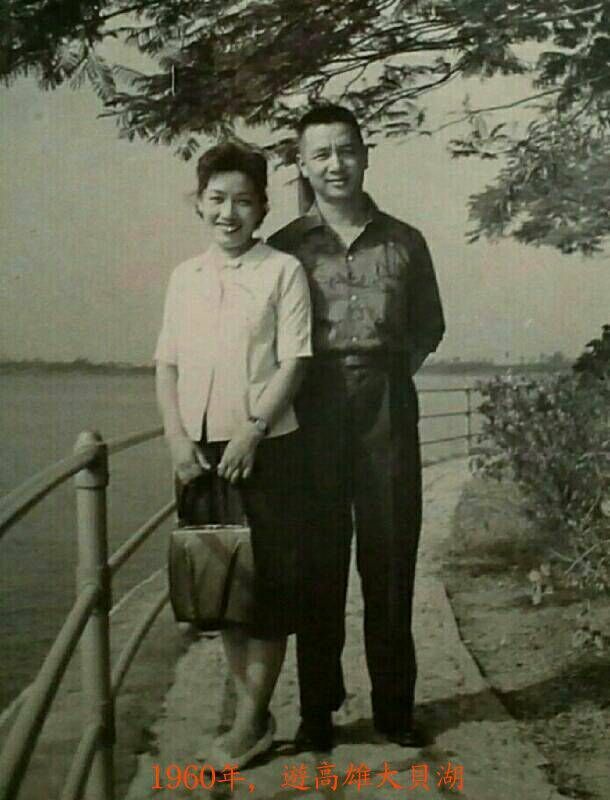
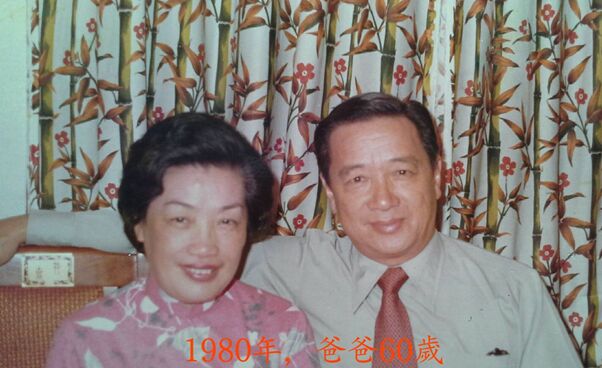
父親,黃耀華(1920-1999),生於上海,工程公司負責人。
母親,徐菊芬(1924-2018),生於江蘇,國中老師退休。
1《開公車救傷患》
抗日淞滬之戰發生於1937年8月13日至11月26日之間,日本轟炸上海,中國人傷亡30萬人,日本人傷亡4萬人。
父親當時還未滿18歲,他顧不得自己尚未取得駕照(大伯經營汽車維修廠,所以父親會開車),就和其他童子軍共同搬運街上的傷患,開公車送到醫院。由於不知道法國製公車如何倒檔,只好一直右轉繞圈圈,車子沒有油了,就換另一輛公車。從此,他走向了停學、逃難、戰爭的十年路。
2 《游過長江逃離南京》
父親和同學一起逃到南京,在南京淪陷前一天,半夜游泳越過長江,後面還有日本兵掃射,很多同學都遇難於江中,他感覺自己是最後一個死裡逃生的人。
3 《戰爭棄兒》
在逃難途中,父親看見被遺棄的嬰兒,他還抱起來走了一段路,想到自己都自顧不暇了,又將嬰兒放下來。在殘酷的戰爭之下,真不知道個人的命運將會如何?
(1955年,父親看到報上有棄兒的新聞,他買了奶粉,到鳳山警察局認領了女嬰回家,當時母親尚未下班,便將女嬰寄放在鄰居家。鄰居媽媽沒有女兒,看到女嬰大眼可愛,照顧了兩天後,決定收養。45年後,養女住在醫院4年,照顧84歲的植物人養母直到過世。)
4《受人愛戴的孫將軍》
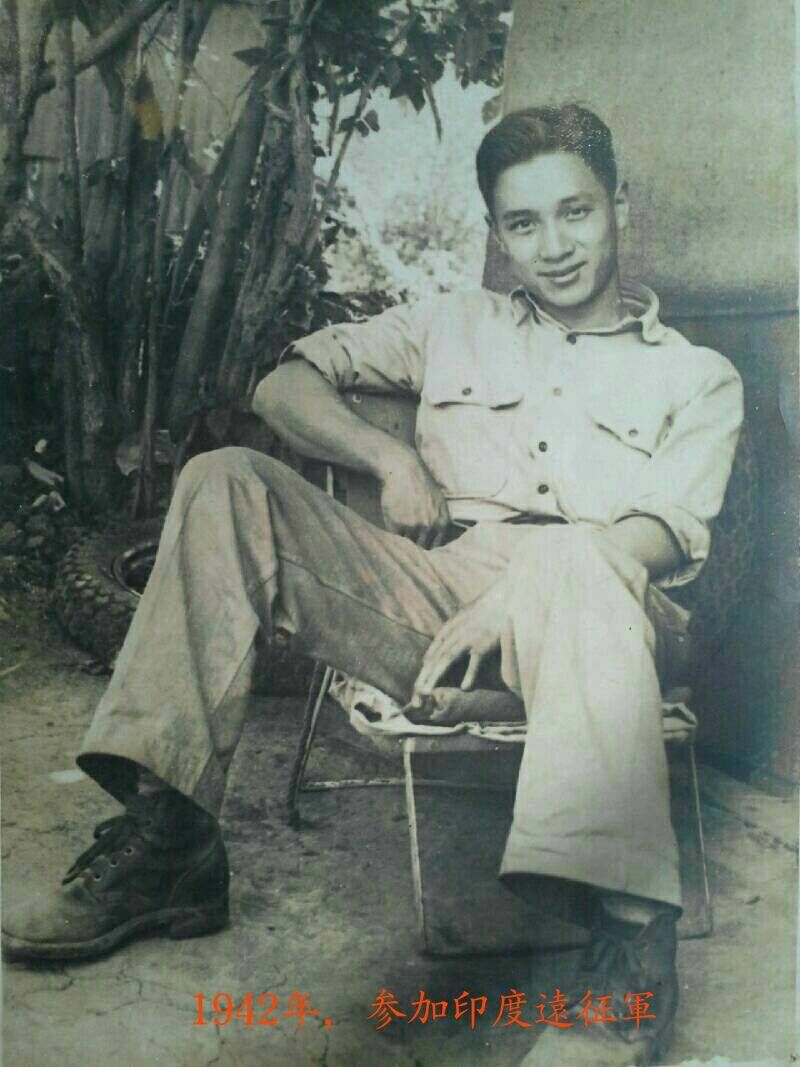
1942年,父親加入了中國印緬遠征軍,當時美國提供軍備,並送了兩部吉甫車,而部隊裡只有兩人會開車,父親是其中之一,所以就管理車輛,並為孫立人將軍 (1900-1990) 提供駕駛服務。
孫將軍比父親大二十歲,自奉甚儉,教導部下非常嚴格,同時又對人關懷、慈祥,深受大家的愛戴,袍澤感情深厚,從此父親一路跟隨,受孫將軍教誨,對一生的影響甚深。
5 《戰事上的好運氣》
有一次,孫將軍去遠處與盟軍開會,回程時,公路已被日軍切斷,當時的指揮部非常擔心,沒想到父親看到路標,兩人都同意改道試試,結果從後方繞回來,逃過一劫。
孫將軍拯救了英緬軍七千多人,名揚海外。後來盟軍準備撤退到印度重新整隊,要求38師負責殿後。父親與同袍共12人負責銷毀重武器(防止日軍使用),只帶了糧食放在象背上走人,結果在路上遇到日本兵,人躲起來了,而糧食與象都被牽走,有同袍不甘心而去找象,就沒有再見到面了。當父親趕上部隊時,只剩下3人。孫將軍對父親說:「我以為會看不到你了」。
6《在國外生病》
父親在叢林裡翻山越嶺,途中患了瘧疾,發著高燒,完全依靠當地人 (當地人逃難,亦受到國軍的保護。) 抬著走,總算度過了危險期。
父親智齒橫長在牙根下,造成發炎疼痛,外國醫生從臉頰外開刀進去,以鐵鎚敲打牙根,結果腫了很大,非常疼痛。(我和兒子也遺傳了智齒橫長,經歷一口氣連拔四棵牙齒的手術。)
7 《父母在雲南結婚》
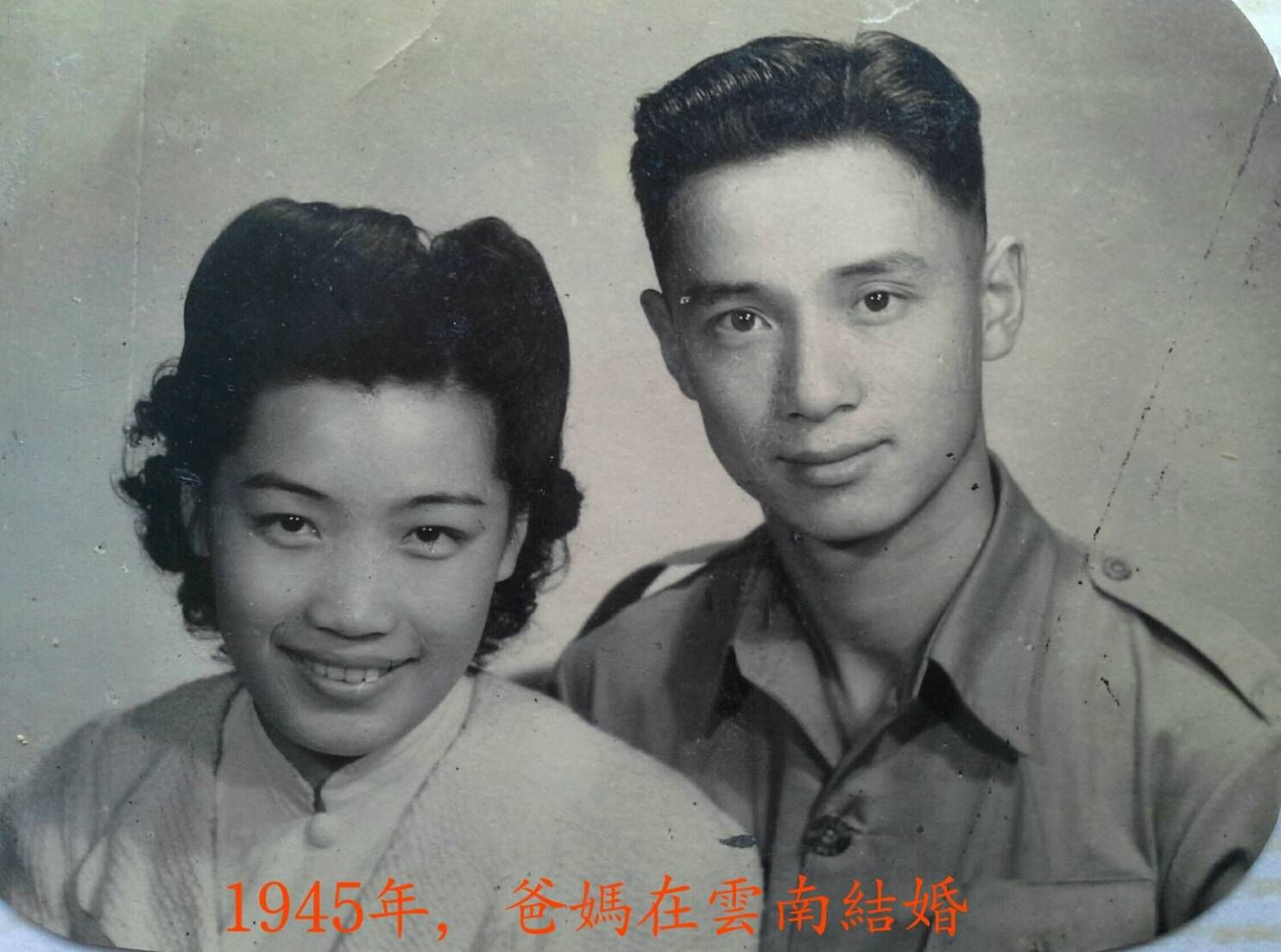
1945年5月,孫將軍應艾森豪將軍之約,去歐洲訪問兩個月,父親則得到了天賜良緣,有機會在雲南大學碰到常州的大家閨秀,父親衣著整齊 (受孫將軍影響),風度翩翩 ,說話風趣,很快就得到母親的芳心。
父親曾對母親說,如果妳要繼續讀大三,就會有三張證書 (結婚、畢業、離婚證書)。
為愛結婚的母親,時年21歲,以前連手帕都不洗的大小姐,後來成為能幹又辛苦的軍人老婆。
8 《接連國共內戰》
抗日戰爭勝利後,新一軍調往廣州、上海,準備接收日本投降,又從上海乘軍艦登陸秦皇島,暈船的人很多,甲板上都是滾動的頭盔,不知道中共與蘇聯已經裡應外合,接收了大量的武器,而國民政府軍卻遭美國武器禁運 (直到1950年秋,韓戰爆發之後,美國開始共同協防台灣海峽),這樣可悲的國共內戰,改變了雙方的輸贏,四年下來,造成數百萬人員傷亡。
9 《臨時決定逃離長春》
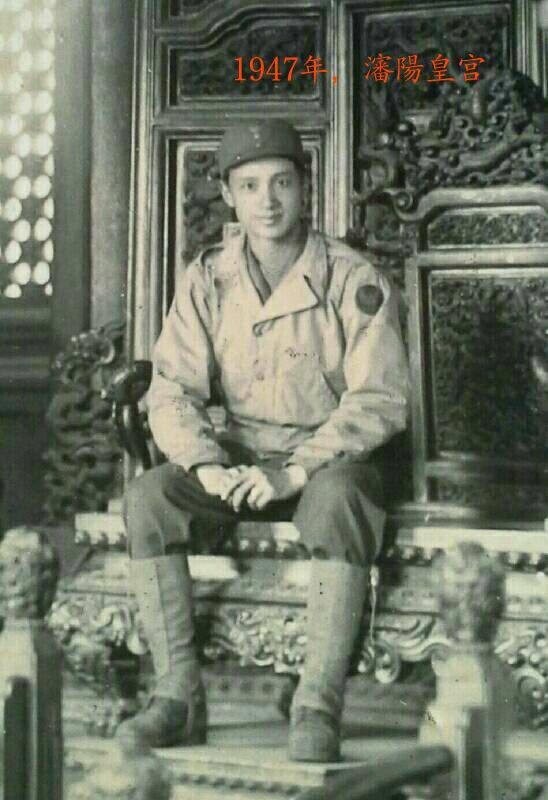
1947年春,父親駐守長春時,用4兩黃金買了一幢日本軍官的別墅,準備長住東北,母親也從娘家到長春住了半年,懷了我之後,又回到娘家待產。
1948年夏,國共內戰已趨激烈,父親在長春送朋友上飛機去北平,臨時接受朋友的勸告,也上了飛機,長春的成家夢想,同時破滅。回到常州母親家時,連三輪車錢都要靠母親支付。
10 《刀槍惹事》
父親飛抵北平時,看到街上出售漂亮的日本武士刀,決定買了送給小舅。解放軍進城後,據說家人嚇得將武士刀投入井中,後來又撈出來上繳。海外關係還成為家人的負擔。
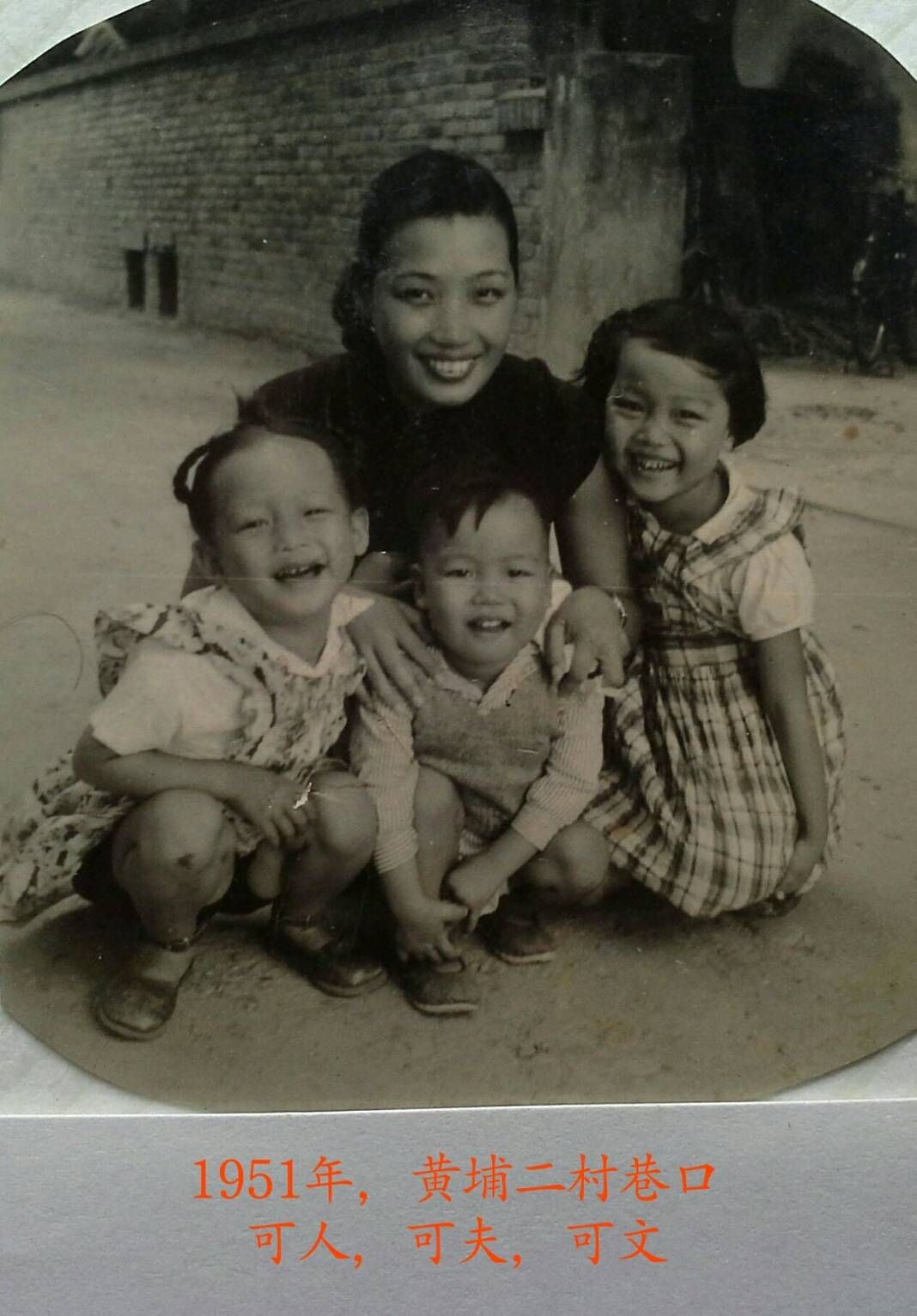
父親同時也為自己買了一把漂亮的手槍,放在枕頭下防身用。(1951年,三歲的我與大弟坐在床上玩槍,我用真槍,大弟用槍套,彼此對打,結果槍太重,床舖被我打了一個洞,差一點就出人命,後來手槍也按規定上繳。)
11《來台投靠孫將軍》
1947年6月,孫將軍被調往台灣鳳山訓練新兵,據說,曾被孫將軍打到松花江北邊的中共將領林彪為此非常高興!
1948年6月,父親想要去投靠孫將軍,母親也因為曾在江北鄉下逃難時,對共產黨的政治活動有相當的認識,決定全家一起去台灣,否則我可能跟表哥一樣,一度成為紅衛兵,並與家人劃清界線。
12《安家鳳山二十年》
全家來到鳳山誠正新村(日本留下的軍官宿舍,後來孫將軍被軟禁後,改名為黃埔新村),當時已經客滿,父親只好帶人去整理荒草蔓延的二村(日本兵宿舍及馬房),接電、開井、修路,建立家園。
接著各省籍的軍人陸續抵達,生活雖然清苦,大家都互相幫助,鄰居感情尤其深厚。(直到現在,二村已經拆光多年,笫二代如同兄弟姊妹,還彼此交流不斷。)
13《與本省人隔離的眷村》
1949年的大移民,台灣人口從600多萬人增加為800萬人。1947年二月曾發生二二八事件,本省人仇視外省人,陸續成立的幾百個眷村,幾乎都與本省人之間,形成隔離的狀態。
當時政府雖然忙著土地改革,實行耕者有其田,以及執行地主土地換股票等政策。然而對我們生活在眷村的人來說,是沒有什麼影響,各家都忙著生養孩子,上陸軍子弟小學,吃外省菜,不會說台語,看村裡放映的戶外電影。除了小孩讀書,沒有什麼大事,小孩也是自由發展,愛讀書的讀書,不愛讀書的就進軍校。大家都沒有資金或土地可為依靠。
14 《孫立人兵變事件》
1955年,孫將軍因下屬郭廷亮被污陷為匪諜而被迫辭職,並被軟禁在家。父親有很多朋友都受到牽連,大家噤聲不談。(郭的遭遇及受害,更是讓人領受到當年的恐怖手段。)
軟禁三十三年之後,蔣經國總統過世,事件獲得平反,父親才有機會再去探望老長官,並參加孫將軍的九十大壽活動。孫將軍在軟禁期間,教育了四位非常優秀的兒女,個個清華大學畢業,真是大大的安慰啊!
15《為養家而退役》
父親負責的車輛營成功將兩部報廢的四分之三噸卡車合併成一部,因而當選為1951年的克難英雄。
1958年,父親被調往台北國防部交際組,出任陸軍總司令彭孟輯將軍的參謀官,任內廉潔自守。雖然連升兩級,薪俸卻只夠自己用,家用全靠母親當老師的8百元月薪。
1964年,父親申請退役,理由是: 軍人收入不足以養家。
二十五年的軍人生涯,領了八萬元退休金,得以和朋友合夥成立工程公司。
16《全台奔波》
1965年,台灣開始十大建設工程,父親靠新一軍的好朋友嚴孝章(榮民工程處處長)的幫忙,開始承包高雄港拋石工程。他每日清晨五點騎單車去港口,賺了錢後,陸續買了摩托車、汽車及公寓。1968年,舉家遷往台北。
17 《助人有福,有難無險》
父親曾經幫助一個患肺結核病的小兵,開車送他到台南療養院治療,並常去探望他。小兵病好之後,跟父親跪拜磕頭。
1968年,父親的軍中同袍罹患胰臟癌過世,他捐給遺眷一萬元。(當時台北公寓的買價是13萬元。)
父親定期捐款給孤兒院,並帶我們去探訪,也帶小朋友來家裡留宿。
有一次清晨,父親開車到高雄工作,正好一輛摩托車從巷口衝出來,撞毀了右車門,他立刻開車送受傷的年青人到醫院,並且代付住院押金三萬元。
還有一次,高速公路上發生連環車禍,只有父親迅速的左轉切入備戰車道,前後車輛都撞在一起。
最後一次知道的故事是發生在
1999年,有醫生全家三代五口從美國來溫哥華看病重的父親,還要六歲的小女兒為父親演奏小提琴。原來多年前父親在大陸旅遊時,認識了當導遊的醫學生,父親資助她三千美金,成功赴美深造。
父親給子女的教訓就是: 己所不欲,勿施于人。吃虧就是便宜。 聖經上說: 上帝已經給我們足夠的恩典了,為什麼我們不能吃一點虧呢?
1《母親的家庭》
母親江蘇常州人,生長在有五進36間房的豪宅裡。外公是畫家,有八位子女,母親排名老六。祖上留下的中葯店及煙店都由別人經營,以致常常虧損。家族從1916年起,就已經因為富不過三代,一直爭扎於各種困難中,加上逃難時黃金及首飾被搶,戰火燒光店面,母親體諒外婆的困難,沒有要求嫁妝。
共產黨入城之後,葯廠、煙店充公,家裡被紅衛兵抄家二次,紅木家俱搬走,外公被迫遊街示眾,子女成為黑五類,不准讀書。老宅裡住了十七戶人家。(1998年,老宅被拆除,成為公園的一部份。)
1989年,母親退休後返鄉,在外公外婆墓前痛哭失聲,一別就是四十一年。
2《 輟學的母親靠自修考上大學》
1937年,母親13歲,與家人躲到鄉下讀初中,遇到好老師,每天為她修改一篇英文作文。
1941年,考上以英語教學的上海私立天主教高中。12月,日本偷襲珍珠港後,美國參戰,日本人關閉了教會學校,並遣返外籍修女。剛剛讀了半年高中的母親只好回家,隨後她憑著自修考上雲南大學,並靠國家補助金過日子,之後還簽署十萬青年十萬軍。若不是跌進情網,不知道會走往向何方?
1955年,小弟三歲時,為愛結婚沒有大學畢業的母親,有機會去初中當英文代課老師,兩年後又去台中參加資格鑑定考試,成為正式的生物老師。
3《照顧四個孩子》
母親是我們家的靈魂人物, 她能力強,手腳快,努力家務之外,忙四個小孩已經很不容易,卻從不大聲說話,總是把父親當壞人,一聽到父親騎著哈雷機車(美軍贈送的軍車)回家的噗、噗聲,大家都乖乖坐好,輪流洗澡,分配家事,每人用西餐盤吃飯,成績優秀者,還可以領取掛在牆壁上的現金作為獎勵。父親更是常買整捆的甘蔗、整簍的柳丁(上海人的大手筆! ),供我們無限享用。
《結語與期望》
父親的一生很有福氣,遇事總能夠逢凶化吉,他趕上台灣的經濟起飛,又有老朋友的幫助,背後還有母親做後盾,沒有後顧之憂,兒女對父親敬畏有加,朋友欠錢免追討,實在很幸福圓滿了!
母親則是我們的榜樣,能幹又顧家,是凝聚我們在一起的力量。父親能娶到這樣內外兼顧的母親,是我們一生幸福的保障!
藉著回憶這些小故事,我感謝父母的養育之恩,也感恩老天爺的厚愛! 若不是因韓戰的爆發,中華民國很可能不保,後來又受益於越戰及美援貸款,經濟得以順利起飛。看見那厚愛的大手了!
父母這一輩受了戰爭及匱乏之苦,卻讓我們子女一輩在愛中成長,然而,世界上的苦難仍然很多,願人人都可以秉持慈悲之心,寬厚待人,讓和平幸福臨到世人。
黃可人 2021-3
作者簡介
1948年生於江蘇常州
1970年東吳大學會計系畢業
勤業會計師事務所(1970-1979)台灣飛利浦公司(1979-1991)
移民加拿大(1995-2002)
2002年回流台北
文中原为英文的部分由 AI(Claude)于 2026 年 11 月译成中文,尚未经作者审阅。作者的中文原文保留繁体字。
黄可人女士,1948年生于中国江苏省。她住在台湾凤山镇黄埔二村眷村期间,在诚正小学完成小学教育。从台湾东吴大学会计系毕业后,她先后任职于以下公司,并晋升至管理职位:
勤业会计师事务所(1970-1979)
台湾飞利浦公司(1979-1991)
1995年至2002年,她移民加拿大并在当地生活,之后返回台湾。
这篇文章是她的第一篇作品。她想记下父亲在第二次世界大战期间非凡的人生转折,以及因中共夺取中国大陆,与两百万国民党军人及其眷属一起被迫流亡台湾之后,最初那些年的生活。
我们很荣幸发表黄女士为纪念父母而写的第一篇作品,作为碧波社区服务的一部分。
唐宗英
美国碧波关怀地球人文协会(BECHA)首席执行官
************************************************************************
《生命轉折處》
黃可人 2021-3
每個家庭都有可說的故事,它顯示了個人生命如何受制於大時代的影響,以及掙扎向善的努力過程。
父親,黃耀華(1920-1999),生於上海,工程公司負責人。
母親,徐菊芬(1924-2018),生於江蘇,國中老師退休。
1《開公車救傷患》
抗日淞滬之戰發生於1937年8月13日至11月26日之間,日本轟炸上海,中國人傷亡30萬人,日本人傷亡4萬人。
父親當時還未滿18歲,他顧不得自己尚未取得駕照(大伯經營汽車維修廠,所以父親會開車),就和其他童子軍共同搬運街上的傷患,開公車送到醫院。由於不知道法國製公車如何倒檔,只好一直右轉繞圈圈,車子沒有油了,就換另一輛公車。從此,他走向了停學、逃難、戰爭的十年路。
2 《游過長江逃離南京》
父親和同學一起逃到南京,在南京淪陷前一天,半夜游泳越過長江,後面還有日本兵掃射,很多同學都遇難於江中,他感覺自己是最後一個死裡逃生的人。
3 《戰爭棄兒》
在逃難途中,父親看見被遺棄的嬰兒,他還抱起來走了一段路,想到自己都自顧不暇了,又將嬰兒放下來。在殘酷的戰爭之下,真不知道個人的命運將會如何?
(1955年,父親看到報上有棄兒的新聞,他買了奶粉,到鳳山警察局認領了女嬰回家,當時母親尚未下班,便將女嬰寄放在鄰居家。鄰居媽媽沒有女兒,看到女嬰大眼可愛,照顧了兩天後,決定收養。45年後,養女住在醫院4年,照顧84歲的植物人養母直到過世。)
4《受人愛戴的孫將軍》
1942年,父親加入了中國印緬遠征軍,當時美國提供軍備,並送了兩部吉甫車,而部隊裡只有兩人會開車,父親是其中之一,所以就管理車輛,並為孫立人將軍 (1900-1990) 提供駕駛服務。
孫將軍比父親大二十歲,自奉甚儉,教導部下非常嚴格,同時又對人關懷、慈祥,深受大家的愛戴,袍澤感情深厚,從此父親一路跟隨,受孫將軍教誨,對一生的影響甚深。
5 《戰事上的好運氣》
有一次,孫將軍去遠處與盟軍開會,回程時,公路已被日軍切斷,當時的指揮部非常擔心,沒想到父親看到路標,兩人都同意改道試試,結果從後方繞回來,逃過一劫。
孫將軍拯救了英緬軍七千多人,名揚海外。後來盟軍準備撤退到印度重新整隊,要求38師負責殿後。父親與同袍共12人負責銷毀重武器(防止日軍使用),只帶了糧食放在象背上走人,結果在路上遇到日本兵,人躲起來了,而糧食與象都被牽走,有同袍不甘心而去找象,就沒有再見到面了。當父親趕上部隊時,只剩下3人。孫將軍對父親說:「我以為會看不到你了」。
6《在國外生病》
父親在叢林裡翻山越嶺,途中患了瘧疾,發著高燒,完全依靠當地人 (當地人逃難,亦受到國軍的保護。) 抬著走,總算度過了危險期。
父親智齒橫長在牙根下,造成發炎疼痛,外國醫生從臉頰外開刀進去,以鐵鎚敲打牙根,結果腫了很大,非常疼痛。(我和兒子也遺傳了智齒橫長,經歷一口氣連拔四棵牙齒的手術。)
7 《父母在雲南結婚》
1945年5月,孫將軍應艾森豪將軍之約,去歐洲訪問兩個月,父親則得到了天賜良緣,有機會在雲南大學碰到常州的大家閨秀,父親衣著整齊 (受孫將軍影響),風度翩翩 ,說話風趣,很快就得到母親的芳心。
父親曾對母親說,如果妳要繼續讀大三,就會有三張證書 (結婚、畢業、離婚證書)。
為愛結婚的母親,時年21歲,以前連手帕都不洗的大小姐,後來成為能幹又辛苦的軍人老婆。
8 《接連國共內戰》
抗日戰爭勝利後,新一軍調往廣州、上海,準備接收日本投降,又從上海乘軍艦登陸秦皇島,暈船的人很多,甲板上都是滾動的頭盔,不知道中共與蘇聯已經裡應外合,接收了大量的武器,而國民政府軍卻遭美國武器禁運 (直到1950年秋,韓戰爆發之後,美國開始共同協防台灣海峽),這樣可悲的國共內戰,改變了雙方的輸贏,四年下來,造成數百萬人員傷亡。
9 《臨時決定逃離長春》
1947年春,父親駐守長春時,用4兩黃金買了一幢日本軍官的別墅,準備長住東北,母親也從娘家到長春住了半年,懷了我之後,又回到娘家待產。
1948年夏,國共內戰已趨激烈,父親在長春送朋友上飛機去北平,臨時接受朋友的勸告,也上了飛機,長春的成家夢想,同時破滅。回到常州母親家時,連三輪車錢都要靠母親支付。
10 《刀槍惹事》
父親飛抵北平時,看到街上出售漂亮的日本武士刀,決定買了送給小舅。解放軍進城後,據說家人嚇得將武士刀投入井中,後來又撈出來上繳。海外關係還成為家人的負擔。
父親同時也為自己買了一把漂亮的手槍,放在枕頭下防身用。(1951年,三歲的我與大弟坐在床上玩槍,我用真槍,大弟用槍套,彼此對打,結果槍太重,床舖被我打了一個洞,差一點就出人命,後來手槍也按規定上繳。)
11《來台投靠孫將軍》
1947年6月,孫將軍被調往台灣鳳山訓練新兵,據說,曾被孫將軍打到松花江北邊的中共將領林彪為此非常高興!
1948年6月,父親想要去投靠孫將軍,母親也因為曾在江北鄉下逃難時,對共產黨的政治活動有相當的認識,決定全家一起去台灣,否則我可能跟表哥一樣,一度成為紅衛兵,並與家人劃清界線。
12《安家鳳山二十年》
全家來到鳳山誠正新村(日本留下的軍官宿舍,後來孫將軍被軟禁後,改名為黃埔新村),當時已經客滿,父親只好帶人去整理荒草蔓延的二村(日本兵宿舍及馬房),接電、開井、修路,建立家園。
接著各省籍的軍人陸續抵達,生活雖然清苦,大家都互相幫助,鄰居感情尤其深厚。(直到現在,二村已經拆光多年,笫二代如同兄弟姊妹,還彼此交流不斷。)
13《與本省人隔離的眷村》
1949年的大移民,台灣人口從600多萬人增加為800萬人。1947年二月曾發生二二八事件,本省人仇視外省人,陸續成立的幾百個眷村,幾乎都與本省人之間,形成隔離的狀態。
當時政府雖然忙著土地改革,實行耕者有其田,以及執行地主土地換股票等政策。然而對我們生活在眷村的人來說,是沒有什麼影響,各家都忙著生養孩子,上陸軍子弟小學,吃外省菜,不會說台語,看村裡放映的戶外電影。除了小孩讀書,沒有什麼大事,小孩也是自由發展,愛讀書的讀書,不愛讀書的就進軍校。大家都沒有資金或土地可為依靠。
14 《孫立人兵變事件》
1955年,孫將軍因下屬郭廷亮被污陷為匪諜而被迫辭職,並被軟禁在家。父親有很多朋友都受到牽連,大家噤聲不談。(郭的遭遇及受害,更是讓人領受到當年的恐怖手段。)
軟禁三十三年之後,蔣經國總統過世,事件獲得平反,父親才有機會再去探望老長官,並參加孫將軍的九十大壽活動。孫將軍在軟禁期間,教育了四位非常優秀的兒女,個個清華大學畢業,真是大大的安慰啊!
15《為養家而退役》
父親負責的車輛營成功將兩部報廢的四分之三噸卡車合併成一部,因而當選為1951年的克難英雄。
1958年,父親被調往台北國防部交際組,出任陸軍總司令彭孟輯將軍的參謀官,任內廉潔自守。雖然連升兩級,薪俸卻只夠自己用,家用全靠母親當老師的8百元月薪。
1964年,父親申請退役,理由是: 軍人收入不足以養家。
二十五年的軍人生涯,領了八萬元退休金,得以和朋友合夥成立工程公司。
16《全台奔波》
1965年,台灣開始十大建設工程,父親靠新一軍的好朋友嚴孝章(榮民工程處處長)的幫忙,開始承包高雄港拋石工程。他每日清晨五點騎單車去港口,賺了錢後,陸續買了摩托車、汽車及公寓。1968年,舉家遷往台北。
17 《助人有福,有難無險》
父親曾經幫助一個患肺結核病的小兵,開車送他到台南療養院治療,並常去探望他。小兵病好之後,跟父親跪拜磕頭。
1968年,父親的軍中同袍罹患胰臟癌過世,他捐給遺眷一萬元。(當時台北公寓的買價是13萬元。)
父親定期捐款給孤兒院,並帶我們去探訪,也帶小朋友來家裡留宿。
有一次清晨,父親開車到高雄工作,正好一輛摩托車從巷口衝出來,撞毀了右車門,他立刻開車送受傷的年青人到醫院,並且代付住院押金三萬元。
還有一次,高速公路上發生連環車禍,只有父親迅速的左轉切入備戰車道,前後車輛都撞在一起。
最後一次知道的故事是發生在
1999年,有醫生全家三代五口從美國來溫哥華看病重的父親,還要六歲的小女兒為父親演奏小提琴。原來多年前父親在大陸旅遊時,認識了當導遊的醫學生,父親資助她三千美金,成功赴美深造。
父親給子女的教訓就是: 己所不欲,勿施于人。吃虧就是便宜。 聖經上說: 上帝已經給我們足夠的恩典了,為什麼我們不能吃一點虧呢?
1《母親的家庭》
母親江蘇常州人,生長在有五進36間房的豪宅裡。外公是畫家,有八位子女,母親排名老六。祖上留下的中葯店及煙店都由別人經營,以致常常虧損。家族從1916年起,就已經因為富不過三代,一直爭扎於各種困難中,加上逃難時黃金及首飾被搶,戰火燒光店面,母親體諒外婆的困難,沒有要求嫁妝。
共產黨入城之後,葯廠、煙店充公,家裡被紅衛兵抄家二次,紅木家俱搬走,外公被迫遊街示眾,子女成為黑五類,不准讀書。老宅裡住了十七戶人家。(1998年,老宅被拆除,成為公園的一部份。)
1989年,母親退休後返鄉,在外公外婆墓前痛哭失聲,一別就是四十一年。
2《 輟學的母親靠自修考上大學》
1937年,母親13歲,與家人躲到鄉下讀初中,遇到好老師,每天為她修改一篇英文作文。
1941年,考上以英語教學的上海私立天主教高中。12月,日本偷襲珍珠港後,美國參戰,日本人關閉了教會學校,並遣返外籍修女。剛剛讀了半年高中的母親只好回家,隨後她憑著自修考上雲南大學,並靠國家補助金過日子,之後還簽署十萬青年十萬軍。若不是跌進情網,不知道會走往向何方?
1955年,小弟三歲時,為愛結婚沒有大學畢業的母親,有機會去初中當英文代課老師,兩年後又去台中參加資格鑑定考試,成為正式的生物老師。
3《照顧四個孩子》
母親是我們家的靈魂人物, 她能力強,手腳快,努力家務之外,忙四個小孩已經很不容易,卻從不大聲說話,總是把父親當壞人,一聽到父親騎著哈雷機車(美軍贈送的軍車)回家的噗、噗聲,大家都乖乖坐好,輪流洗澡,分配家事,每人用西餐盤吃飯,成績優秀者,還可以領取掛在牆壁上的現金作為獎勵。父親更是常買整捆的甘蔗、整簍的柳丁(上海人的大手筆! ),供我們無限享用。
《結語與期望》
父親的一生很有福氣,遇事總能夠逢凶化吉,他趕上台灣的經濟起飛,又有老朋友的幫助,背後還有母親做後盾,沒有後顧之憂,兒女對父親敬畏有加,朋友欠錢免追討,實在很幸福圓滿了!
母親則是我們的榜樣,能幹又顧家,是凝聚我們在一起的力量。父親能娶到這樣內外兼顧的母親,是我們一生幸福的保障!
藉著回憶這些小故事,我感謝父母的養育之恩,也感恩老天爺的厚愛! 若不是因韓戰的爆發,中華民國很可能不保,後來又受益於越戰及美援貸款,經濟得以順利起飛。看見那厚愛的大手了!
父母這一輩受了戰爭及匱乏之苦,卻讓我們子女一輩在愛中成長,然而,世界上的苦難仍然很多,願人人都可以秉持慈悲之心,寬厚待人,讓和平幸福臨到世人。
黃可人 2021-3
作者簡介
1948年生於江蘇常州
1970年東吳大學會計系畢業
勤業會計師事務所(1970-1979)台灣飛利浦公司(1979-1991)
移民加拿大(1995-2002)
2002年回流台北
Parts of this text that were in Chinese were translated by AI (Claude) in November 2026. Not yet reviewed by the author.
Ms. Karen Huang was born in Jiangsu Province, China in 1948. She completed her elementary school education at the Cheng-Zheng Elementary School while living in the Huang-Pu Military Residential Village-II in the township of Feng-Shan in Taiwan. After graduating from the Soochow University (Taiwan) with a major in Accounting, she worked and moved up to managerial positions in the following firms:
Deloitte Taiwan (1970-1979)
Philips Taiwan (1979-1991)
She emigrated to and lived in Canada from 1995 to 2002 before returning to Taiwan.
This article was her first writing as she wanted to document the remarkable turning points of her father’s life during WWII and the early years of life in Taiwan after being forced to exile, along with 2 million KMT soldiers and their families, due to the CCP takeover of mainland China.
We are honored to publish Ms. Huang’s first writing, in memory of her parents, as part of the BigBall community services.
James Tang
CEO, The BigBall Earth Caring Humanity Association (BECHA)
************************************************************************
Turning Points in Life (生命轉折處)
Karen Huang (黃可人), March 2021
Every family has a story worth telling. It shows how an individual’s life is held in the grip of the great times, and how people struggle and strive toward the good.
My father, Huang Yaohua (黃耀華, 1920-1999), was born in Shanghai and headed an engineering company.
My mother, Xu Jufen (徐菊芬, 1924-2018), was born in Jiangsu and retired as a junior high school teacher.
1. Driving a Bus to Save the Wounded
The Battle of Shanghai (淞滬之戰) in the War of Resistance against Japan took place between August 13 and November 26, 1937. Japan bombed Shanghai; 300,000 Chinese and 40,000 Japanese were killed or wounded.
My father was not yet 18 at the time. Never mind that he did not yet have a driver’s license (his eldest brother ran a car repair shop, so my father knew how to drive): together with other Boy Scouts he carried the wounded off the streets and drove them to hospitals in a bus. Since he did not know how to put the French-made bus into reverse, he could only keep turning right and going round in circles, and when a bus ran out of fuel, he switched to another one. From then on he set out on a ten-year road of leaving school, fleeing, and war.
2. Swimming Across the Yangtze to Escape Nanjing
My father fled to Nanjing with his classmates. The day before Nanjing fell, he swam across the Yangtze River in the middle of the night, with Japanese soldiers firing at them from behind. Many of his classmates died in the river, and he felt he was the last one to escape death.
3. Abandoned in War
While fleeing, my father saw an abandoned baby. He picked it up and carried it for a while, but then, thinking that he could barely look after himself, he put the baby down again. In such a cruel war, who could know what would become of any one person?
(In 1955, my father saw a news story in the paper about an abandoned baby. He bought milk powder, went to the Fengshan police station, claimed the baby girl and brought her home. My mother was not yet back from work, so he left the baby with a neighbor. The neighbor mother had no daughter; seeing the baby girl’s big eyes and sweet face, she looked after her for two days and then decided to adopt her. Forty-five years later, the adopted daughter lived in the hospital for four years, caring for her 84-year-old adoptive mother, who was in a vegetative state, until she died.)
4. General Sun, Loved by All
In 1942, my father joined the Chinese Expeditionary Force in India and Burma. The United States supplied the arms and also gave two jeeps, but only two men in the unit could drive, and my father was one of them. So he took charge of the vehicles and served as driver for General Sun Li-jen (孫立人, 1900-1990).
General Sun was twenty years older than my father. He lived very frugally and trained his men very strictly, yet at the same time he was caring and kind toward people. He was deeply loved by everyone, and the bonds among his comrades in arms were strong. From then on my father followed him all the way, and General Sun’s teaching had a deep influence on his whole life.
5. Good Luck in Battle
Once, General Sun went a long way to a meeting with the Allies. On the way back, the road had been cut by the Japanese, and headquarters was very worried. But my father spotted a road sign, the two of them agreed to try another route, and they came back around from the rear, escaping disaster.
General Sun rescued more than seven thousand British and Burmese troops and became famous abroad. Later, when the Allies prepared to retreat to India to regroup, they asked the 38th Division to cover the rear. My father and his comrades, twelve men in all, were charged with destroying the heavy weapons (so the Japanese could not use them), and set off taking only food, loaded on the backs of elephants. On the way they ran into Japanese soldiers. The men hid, but the food and the elephants were led away. Some comrades could not bear the loss and went to look for the elephants, and were never seen again. When my father caught up with the troops, only three of them were left. General Sun said to my father: “I thought I would never see you again.”
6. Falling Ill Abroad
My father crossed mountains and ridges in the jungle and caught malaria on the way. Burning with a high fever, he depended entirely on local people (who were also fleeing, and were protected by the Nationalist army) to carry him, and at last he came through the danger.
My father had a wisdom tooth growing sideways beneath the roots of his teeth, which caused inflammation and pain. A foreign doctor operated through the outside of his cheek and struck the tooth root with a hammer. His face swelled up badly and it was very painful. (My son and I also inherited sideways wisdom teeth, and went through surgery to pull four teeth in one go.)
7. My Parents Marry in Yunnan
In May 1945, General Sun went to Europe for a two-month visit at the invitation of General Eisenhower. My father, meanwhile, was blessed with a heaven-sent match: at Yunnan University he had the chance to meet a young lady of a distinguished Changzhou family. Neatly dressed (under General Sun’s influence), elegant and witty, my father soon won my mother’s heart.
My father once told my mother that if she went on to her third year of college, she would end up with three certificates (marriage, graduation and divorce).
My mother married for love at the age of 21. A young lady of a wealthy family who had never even washed her own handkerchief, she went on to become a capable, hard-working army wife.
8. Straight into the Civil War
After victory in the War of Resistance against Japan, the New First Army was sent to Guangzhou and Shanghai to accept the Japanese surrender, and then sailed by warship from Shanghai to land at Qinhuangdao. Many were seasick, and helmets rolled all over the deck. They did not know that the Chinese Communists and the Soviet Union, working together from inside and out, had already taken over large quantities of weapons, while the Nationalist government’s army was under a US arms embargo (until the autumn of 1950, after the Korean War broke out, when the United States began to help defend the Taiwan Strait). This tragic civil war between the Nationalists and the Communists changed which side would win and which would lose, and over four years it left millions killed or wounded.
9. A Last-Minute Decision to Flee Changchun
In the spring of 1947, while stationed in Changchun, my father bought a Japanese officer’s villa for 4 taels of gold, planning to settle in the Northeast for good. My mother also came from her parents’ home to live in Changchun for half a year; after she became pregnant with me, she went back to her parents’ home to give birth.
By the summer of 1948 the civil war had grown fierce. In Changchun my father saw a friend off on a plane to Beiping, and on the spot he took his friend’s advice and boarded the plane too. His dream of making a home in Changchun was shattered at the same moment. When he got back to my mother’s family home in Changzhou, my mother had to pay even for his pedicab.
10. Trouble from a Sword and a Gun
When my father landed in Beiping, he saw beautiful Japanese samurai swords on sale in the street and decided to buy one for my mother’s youngest brother. After the People’s Liberation Army entered the city, it is said, the family was so frightened that they threw the sword into a well, and later fished it out again and handed it in. Their overseas connections also became a burden for the family.
At the same time my father also bought himself a beautiful pistol, which he kept under his pillow for self-defense. (In 1951, when I was three, my oldest younger brother and I sat on the bed playing with the gun, I with the real gun and he with the holster, fighting each other. The gun was too heavy, and I shot a hole in the bed. Someone was nearly killed. Later the pistol, too, was handed in as the rules required.)
11. Coming to Taiwan to Join General Sun
In June 1947, General Sun was transferred to Fengshan in Taiwan to train new recruits. It is said that the Communist general Lin Biao, whom General Sun had once driven back north of the Songhua River, was very happy about this!
In June 1948, my father wanted to go and join General Sun, and my mother, too, having come to know the Communist Party’s political activities quite well when she fled to the countryside north of the Yangtze, decided that the whole family would go to Taiwan together. Otherwise I might have become, like my cousin, a Red Guard for a time, and cut myself off from my family.
12. Twenty Years at Home in Fengshan
Our family came to Chengzheng New Village (誠正新村) in Fengshan (officers’ quarters left by the Japanese, renamed Huangpu New Village after General Sun was put under house arrest). It was already full, so my father led a group to clear Village II, overgrown with weeds (former quarters and stables of Japanese soldiers): they brought in electricity, dug wells, repaired roads and built a home.
Then soldiers from every province arrived one after another. Life was hard and poor, but everyone helped one another, and the bonds between neighbors were especially deep. (To this day, although Village II was torn down years ago, the second generation are like brothers and sisters and still keep in close touch.)
13. Military Villages Cut Off from the Native Taiwanese
With the great migration of 1949, Taiwan’s population grew from just over 6 million to 8 million. In February 1947 the February 28 Incident had taken place, and the native Taiwanese were hostile to the mainlanders. Almost all of the several hundred military dependents’ villages set up one after another were cut off from the native Taiwanese.
At the time the government was busy with land reform, carrying out “land to the tiller” and policies such as exchanging landlords’ land for shares in companies. But for those of us living in the military villages it made little difference. Every family was busy having and raising children, who went to the army children’s elementary school, ate mainland food, did not speak Taiwanese, and watched the outdoor films shown in the village. Apart from the children’s schooling nothing much happened, and the children grew up as they pleased: those who loved books studied, and those who didn’t went to military school. None of us had money or land to fall back on.
14. The Sun Li-jen Mutiny Affair
In 1955, after his subordinate Guo Tingliang (郭廷亮) was falsely accused of being a Communist spy, General Sun was forced to resign and placed under house arrest. Many of my father’s friends were implicated, and everyone kept silent about it. (What happened to Guo and what he suffered show all the more the terror tactics of those years.)
After thirty-three years of house arrest, when President Chiang Ching-kuo had died and the case was redressed, my father at last had the chance to visit his old commander again and to attend the celebration of General Sun’s 90th birthday. During his house arrest General Sun brought up four outstanding children, every one of them a graduate of Tsing Hua University. What a great comfort that was!
15. Leaving the Army to Support the Family
The vehicle battalion my father was in charge of succeeded in combining two scrapped three-quarter-ton trucks into one, and for this he was chosen as an Austerity Hero (克難英雄) of 1951.
In 1958, my father was transferred to the liaison section of the Ministry of National Defense in Taipei, as staff officer to General Peng Meng-chi (彭孟輯), Commander-in-Chief of the Army, and he kept his hands clean throughout. Although he was promoted two ranks in a row, his pay was only enough for himself; the household depended entirely on my mother’s monthly salary of 800 dollars as a teacher.
In 1964, my father applied to retire from the army, giving as his reason: a soldier’s income is not enough to support a family.
After a 25-year military career, he received a retirement payment of 80,000 dollars, which allowed him to set up an engineering company in partnership with friends.
16. On the Road All Over Taiwan
In 1965, Taiwan began its Ten Major Construction Projects. With the help of Yan Xiaozhang (嚴孝章), a good friend from the New First Army (and director of the Retired Servicemen Engineering Agency), my father began taking contracts for riprap work at Kaohsiung Harbor. Every day he rode his bicycle to the harbor at five in the morning. Once he had made some money, he bought a motorcycle, a car and an apartment, one after another. In 1968 the whole family moved to Taipei.
17. Blessed for Helping Others: Troubles, but No Harm
My father once helped a young private who had tuberculosis, driving him to a sanatorium in Tainan for treatment and visiting him often. When the young soldier recovered, he knelt and kowtowed to my father.
In 1968, when an army comrade of my father’s died of pancreatic cancer, he gave the bereaved family 10,000 dollars. (At the time an apartment in Taipei cost 130,000 dollars.)
My father gave regularly to an orphanage. He took us to visit, and also brought children home to stay overnight.
Early one morning, as my father was driving to work in Kaohsiung, a motorcycle shot out of a lane and smashed his right-hand door. He immediately drove the injured young man to the hospital and paid the hospital deposit of 30,000 dollars for him.
Another time, there was a pile-up on the freeway. Only my father swiftly turned left into the emergency lane, while the cars in front of him and behind him all crashed into one another.
The last such story we know of took place in
1999: a doctor’s family, five people across three generations, came from the United States to Vancouver to see my gravely ill father, and had their six-year-old little daughter play the violin for him. Many years before, while traveling on the mainland, my father had met a medical student working as a tour guide. He gave her 3,000 US dollars, and she succeeded in going to the United States for further study.
The lessons my father gave his children were: Do not do to others what you would not want done to yourself (己所不欲,勿施于人). Taking a loss is a gain. The Bible says: God has already given us grace enough, so why can’t we take a small loss?
1. My Mother’s Family
My mother was from Changzhou in Jiangsu and grew up in a grand house with five courtyards and 36 rooms. My maternal grandfather was a painter with eight children, and my mother was the sixth. The Chinese medicine shop and the tobacco shop left by the ancestors were run by others, and so often lost money. Since 1916, as wealth seldom lasts beyond three generations, the family had been struggling with all kinds of difficulties; on top of that, their gold and jewelry were robbed while they fled, and the war burned down the shops. Understanding my grandmother’s difficulties, my mother asked for no dowry.
After the Communists entered the city, the medicine factory and the tobacco shop were confiscated. The house was ransacked twice by Red Guards and the rosewood furniture carried off; my grandfather was forced to parade through the streets in public humiliation, and his children were classed among the “Five Black Categories” and barred from school. Seventeen households came to live in the old house. (In 1998 the old house was demolished and became part of a park.)
In 1989, after retiring, my mother returned to her hometown and wept bitterly at her parents’ graves. She had been away for forty-one years.
2. My Mother Leaves School and Gets into College by Studying on Her Own
In 1937, when my mother was 13, she took refuge in the countryside with her family and went to junior high school there. She met a good teacher, who corrected an English composition for her every day.
In 1941, she passed the entrance exam for a private Catholic high school in Shanghai that taught in English. In December, after Japan’s surprise attack on Pearl Harbor, the United States entered the war, and the Japanese closed the church schools and sent the foreign nuns home. Having attended high school for only half a year, my mother had to go home. Later, by studying on her own, she passed the entrance exam for Yunnan University and lived on a government stipend, and afterwards she even signed up for the “One Hundred Thousand Youth, One Hundred Thousand Soldiers” campaign. Had she not fallen in love, who knows where she would have gone?
In 1955, when my youngest brother was three, my mother, who had married for love without finishing college, had the chance to teach English as a substitute teacher at a junior high school. Two years later she went to Taichung to take the qualifying examination and became a fully certified biology teacher.
3. Caring for Four Children
My mother was the soul of our family. She was capable and quick. Besides working hard at the housework, keeping up with four children was no easy job, yet she never raised her voice; she always let my father play the bad guy. As soon as we heard the put-put of my father’s Harley motorcycle (an army vehicle given by the US military) coming home, we all sat up straight, took turns bathing and shared out the chores. Each of us ate from a Western-style dinner plate, and those with excellent grades could claim cash hung on the wall as a reward. My father, for his part, often bought whole bundles of sugarcane and whole baskets of oranges (the grand style of a Shanghai man!) for us to enjoy as much as we liked.
Conclusion and Hopes
My father was blessed all his life. Whatever happened, he always turned misfortune into good luck. He caught Taiwan’s economic takeoff, had the help of old friends, and had my mother backing him up, so he had no worries at home. His children held him in awe and respect, and he never pressed friends to repay what they owed him. His was truly a happy and fulfilled life!
My mother was our role model: capable and devoted to the family, she was the force that held us together. That my father could marry a mother like this, who looked after both work and home, has been the guarantee of our lifelong happiness!
Through recalling these little stories, I thank my parents for raising us, and I thank Heaven for its great kindness! Had the Korean War not broken out, the Republic of China might well not have survived; later it also benefited from the Vietnam War and US aid loans, and its economy was able to take off smoothly. I can see that great, loving hand!
My parents’ generation suffered war and want, yet they let us, their children, grow up in love. But there is still much suffering in the world. May everyone hold to a compassionate heart and treat others generously, so that peace and happiness come to all people.
Karen Huang, March 2021
Karen Huang
Born in 1948, Jiangsu Province, China
Graduated from Soochow University, majored in Accounting
Previously served in
Deloitte Taiwan (1970-1979)
Philips Taiwan (1979-1991)
Emigrated to and lived in Canada (1995-2002)
Returned to Taipei, Taiwan (2002)