
Home首頁首页 · Memoirs回憶錄回忆录 · 羈旅雁鳴
Part 1 of 8第 1 部分,共 8 部分
Volume 1: Preface, and Scenes from Panama, essays 1–15上集:代序;采風巴拿馬,第 1–15 篇上集:代序;采風巴拿馬,第 1–15 篇
簡介中原為英文的部分由 AI(Claude)於 2026 年 11 月譯成中文,尚未經作者審閱。
三冊原 PDF 共有 81 個字因字型缺字而無法顯示,本頁已依上下文補上,或有出入。
Contents目錄目录 (17)
壹:回首羈旅路 猶聞雁鳴聲
(代序)
《詩經》小雅.鴻雁,有《鴻雁于飛,肅肅其羽。鴻雁于飛,集于中澤。鴻雁于飛,哀鳴嗷嗷。》之句。
鴻與雁通,比喻流民。肅肅,形容鴻雁飛行發出的聲音。中澤,棲息之地。嗷嗷,流民等待救濟之意。可見西元前八百年,人類就有了移民現象。遊牧民族,如鴻雁一般,逐水草而居,是標準的移民形態。
因各地區不同的社會現象,如宗教、政治、經濟、種族迫害等原因,而離開本土,遷移他鄉者。如愛因斯坦,因政治追殺而移民美國,華僑因家鄕生活艱難,而奔走海外。1949年,200萬軍民隨國民政府遷台,又是史上最大一次的移民。(1)
民國68年(1979年),美國承認中華人民共和國,父親的生意陷入困境,兩個稚幼的孩子面臨升學壓力,個人的經濟拮据,妻子自幼僑居越南適應海外生活,內兄在中華民國駐巴拿馬共和國大使館擔任僑務秘書,我還年輕未及四十,以及中國國民黨中央評議委員陳奉天先生推薦,擔任駐巴拿馬黨支部秘書,有一份可以維持基本生活的工作。
諸多原因促成了一生中最大的一次賭注,早眷屬八個月,於這年10月30日,像一隻單飛的孤雁,跨越太平洋,前往中美洲的巴拿馬,當了華僑。(2)
到達巴拿馬的那一天(1979年10月31日),正逢蔣中正總統92歲誕辰,晩間參加巴拿馬僑界在中華總會舉行的《紀念蔣公誕辰大會》,主持人中華民國制憲國民大會代表鄭華秋先生,介紹我給僑胞們見面,開始我在巴拿馬的頭一天活動。
第二天上午,由僑務秘書吳光定陪同,前往大使館晉見曾憲揆大使及館內同仁。隨後晉謁國民黨中評委陳奉天先生,並接受兼辦僑報《共和報》編輯任務。
次年6月初,妻吳秀蓮女士攜子到達巴拿馬團聚,並謀得僑立國民小學教師一職。從此夫唱婦隨,胼手胝足,服務僑社長達十九年,二十個年頭。民國87年(1998年)10月11日,星期天,離開巴拿馬,移民美國,入境休士頓。1999年12月31日,我們在洛杉磯,迎接21世紀的頭一天。我們一家四口,由巴拿馬綠卡身分,變成了美籍華人。(3)
我和妻由於職務上的關係,每天面對的是服務僑社的工作,做凝聚僑心的活動。不但參與,更要絞盡心思,充實活動內容,主辦活動,支援活動。
我們這一家,迄今海外生活近四十年,就是一部移民家庭的縮影。在巴拿馬期間,更是一生中最值得記述的一段時光。有執着、有歡樂、有欣慰、也有失落。
去年(2017年)遵從母命,完成母親家族歴史,故事體散文著作《日照紅樓》。今年(2018年)接續完成,包括《父親與民國》在內的,家族四代人的故事《陌塵落地》。
在至親摯友長輩前輩的鼓勵下,期勉自己,能在一年之內,完成這部《羈旅雁鳴》。這段歷史是千千萬萬個移民家庭,有血有淚的故事。回首羈旅路, 猶聞雁鳴聲。(4,完)
《羈旅雁鳴》貮:采風巴拿馬
第1篇:巴拿馬簡介
巴拿馬一詞出於印地安原住民土語,意思是有豐富的魚、花和蝴蝶的地方,而且有一種稀有的熱帶喬木,也被命名為巴拿馬。
巴拿馬位於中美洲與南美洲交界處,東鄰南美洲的哥倫比亞,西鄰哥斯達黎加,加勒比海在其北,南瀕巴拿馬灣及太平洋。
面積7萬5千5百平方公里,人口403萬4千人(2016年)。百分之七十為西班牙裔、非洲裔、印地安原住民混血,百分之十為白人,百分之六為印地安人,華人佔百分之七,韓、日、印度、猶太人、阿拉伯人佔少數。1980年代華人僅佔百分之五。
全國分10省、3省級自治區、2市級自治區,首都巴拿馬市。
官方語言為西班牙語,百分之九十的人,信奉天主教。美金在巴國境內自由流通,本身沒有發行紙幣,貨幣單位為Balboa,全國有120餘家銀行,本國銀行只有15家。
1502年哥倫布首先到達巴拿馬,1513年巴波亞發現太平洋,1519年西班牙人建築巴拿馬城。18世紀曾屬秘魯,1821年脫離西班牙,成為哥倫比亞共和國的一個省,1903年在美國的協助下,成立巴拿馬共和國。
清廷於宣統元年(1909年)12月6日,奏准在巴拿馬共和國設總領事館,歐陽庚為總領事。中華民國成立後,於民國二年九月十七日離任。
民國106年(2017年)6月13日,巴拿馬承認中華人民共和國。中華民國延續清廷,與巴拿馬共和國維持了108年6個月又9天的外交關係。(1)
華人到巴拿馬始於清咸豐元年(1851年),首批約一千人,受僱興建兩洋鐵路。20世紀初,更有三千餘人參與運河開鑿工作。1914年運河通航,大部份華工落戶生根,繁衍四佈,遍及內地各埠。
華僑天性勤儉、刻苦耐勞,經營事業有成,陸續有家屬至巴,招致巴人嫉恨,1913年5月31日,1904年3月11日,1909年2月6日,政府頒佈諸多管制移民法案。總領事歐陽庚,因抵制巴拿馬排華,其領事狀被巴政府撤銷,1913年9月17日,被驅逐出境。1941年,更因政府刻意排華,頒佈惡法,巴拿馬首見華人社會運動。二次大戰結束後,巴國修改歧視華僑律法,移民管制鬆綁,華人陸續至巴。
戰後華裔接受高等教育者日衆,時至今日,社會各界,任職醫師、律師、會計師、建築師、大學教授者皆有。出任部長、次長、議長、市長、高等法院大法官者,屢見不鮮。(2)
一所由中華民國政府及台灣民間企業,斥資協助僑社興建的《中巴文化中心中山學校》,於1980年9月11日,在運河區奠基,1986年8月27日完工啓用。截至目前為止,仍然稱得上是全球僑社最具規模的華僑教育機構,學制完整從幼稚園到高中,佔地有五英畝。教室是兩層樓建築,幼稚園、小學、初中、高中各有校區,行政大樓、圖書館、體育館、游泳池、運動場,一應俱全。中心後山闢有中巴友誼公園,設計採中國特色,古樸典雅,石階、曲徑、小橋、流水、松亭,景色秀麗。中巴文化中心中山學校,師生員工已逾兩千人,兼具僑教中心功能。
巴拿馬地形多變化,山嶽、丘陵、河川、湖泊林立。運河貫穿熱帶雨林,連接太平、大西兩洋,海岸線長達兩千公里,是中南美洲、加勒比海,海空交通運輸的樞紐。有豐富海産和農林產品,人民熱情開朗。因地緣環境特殊,而産生了多采多元的特質文化。(3)
2017年世界銀行公佈,各國人均國民所得(以美元計算),分高收入、中上收入、中下收入、低收入四組,摩納哥以16萬2千元位居第一,美國5萬7千470元居第10位,中華民國2萬3千940元居34位,均屬高收入組。
巴拿馬1萬1千880元居61位,中華人民共和國7千9百元居76位,屬中上收入組。
印度1千590元位居150名,屬中下收入組。索馬利亞150元吊車尾,排名197,屬低收入組。
巴拿馬共和國,雖然仍在中度開發國家水平,但國民卻能展現出自己的生活品味。以穿著為例,力求舒適、美觀、色彩鮮豔、配飾精巧,而且經濟。
巴拿馬衫Guayabera,原産地在古巴,巴拿馬人卻把它改良得更實用。這種可以代替西裝,出席正式場合的服裝,說它是禮服,並不過份。質地輕柔、光澤、淸爽吸汗。四個口袋,兩小兩大,左右整齊排列。衣面縫製各種皺摺,圖案深具鄉土特色。上品由純手工織成,觀光客爭相採購。(4)
有一種刺繡產品,當地人稱它為Mola,充分凸顯了Cuna原住民的藝術天分。以棉質或麻質布料為襯底,將生活相關人物、鳥禽、農舍、山川、花卉,針繡其上,用色鮮豔,畫面生動。
Mola也是室內裝潢的上品,巨型的Mola常見於觀光飯店的大廳,國際會議中心、國會大廈、博物館、機場等地。尺寸小的縫於各式服裝之上,無論男、女、童裝,正式的、休閒的都有。穿在身上,走在街上,會讓人們心曠神怡,賞心悅目,有一種永遠流行,超越時尚的感覺。(5)
巴拿馬的土風舞Baile Tipico,在中南美洲獨樹一幟,深具文化特色。一男一女可成一組,也可多男多女混合成組,舞中帶歌,歌中有舞,一段一齣皆有劇情。
舞中的男士,手持巴拿馬草帽,身著巴拿馬衫,胸前斜背著一個皮製的雜物袋,深色長褲,牛皮涼鞋,無一不是手工製品。
女士的舞服,更加考究,五彩繽紛,高貴華麗。頭飾、披肩、舞裙、繡花布鞋,皆為人工精製。
當地人稱這種舞服為Pollera,製成一套舞服,一位人工每日工作八小時,至少需要十個工作天。普通質料的售價,一套含配件,至少美金500元,上品3000元,極品上萬元,以上是2018年網路價格。
巴拿馬土風舞的演出,通常在國家慶典、嘉年華會、外交接待場合。也普遍見於家庭聚會,如婚禮、生日,及學校畢業舞會、同學會。(6)
1914年8月15日,巴拿馬運河通航,縮短了自紐約到加州聖地牙哥,繞過合恩角全程2萬160公里,需時24天,為7680公里,僅需10天的航程。巴拿馬共和國,這個新興的國家,首先受惠於這條運河,帶來的經濟利益。也最早接受了,自工業革命後,快速發展的科技文明,也改變了巴國人民,一向節奏緩慢的生活方式。外國銀行紛紛在這裡設立,成為拉美國家的金融中心。1990年代,高樓大廈不斷擴建,至今已超過中美洲各國的總合。
紙醉金迷的夜生活,腐蝕了商賈政要們的心霻。夜總會多了,脫身舞孃應運而生,觀光酒店附設Casino ,一家一家開。人們在賭桌上,豪賭通宵,在老虎機前,重覆著同一個動作,十賭九輸成了定律,嗜賭成性不能自拔。
最近二十年來,巴國環保意識抬頭,提倡國民生活簡樸化,鼓勵返璞歸真,接近大自然,保護傳統產業。音樂、美術、文學、建築、衣著、飲食等,強調鄕土化。城市人口不斷增加,政府更鼓勵遷移郊區內陸。
只要離開都市塵囂,在7萬4千平方公里的土地上,處處可以看到原始的風貌,原住民的獨木舟、海邊的茅草涼棚、隨風搖曳的椰林、闊葉雨林內的珍禽異鳥、山坡溪浦的各種花卉。沙灘、漁港、農舍、牧場、部落、湖泊、河川、小橋,更有運河兩岸的湖光山色,巨型輪船穿梭其上,都會給人們留下綺麗難忘的回憶。(7)
2014年11月,巴拿馬第一條地下鐵Metrro de panama通車,由巴拿馬市Continental開往運河區,15站13.7公里。預計十年內,以這條線為中心,輻射五至六條,至巴拿馬市全境及鄰近都市。
原有的巴拿馬城至智利基省泛美公路Carretera Panamericana拓寬工程,由巴京Continental至Bambito,全長515公里,車行由原先的九小時,縮短至六小時,將在2018年年底前通車營運,這將是貫穿整個美洲大陸公路系統,最精華的一段。
為了發展觀光產業,使觀光客更能貼近運河,觀看船隻如何爬升運河樓梯及運河沿途湖光山色。在原有的鐵路設施上,推出《巴拿馬通河火車觀光路線Panama Canal Railway》,車程80公里,由太平洋的巴拿馬城至大西洋的箇朗市(Colon),車行一小時。車廂褐色系列,木質百葉窗,復古懷舊。列車掛7節車廂,其中一節擁有玻璃纖維車窗車頂,如同阿拉斯加觀光列車,絕佳觀景。
路程一半,抵達景色迷人的Gamboa ,一座鐡橋穿越小湖,橋內開闢鐵、公路兩條路線。如果洽逢其時,可見火車、汽車一同過橋,湖中郵輪並行的美麗畫面。運河觀光列車每日兩班,票價單程美金22.5元,來回38元,巴拿馬值得一遊。(8,本篇完)
第2篇:巴拿馬運河
《李西普大騙子,你想餓死我們嗎?》這是我唸小學五年級時,國語課本上,有關巴拿馬運河課文中的句子,對巴拿馬運河有了初步的概念。
李西普(Ferdinand de Lesseps 1805-1894)原是開鑿蘇伊士運河的法國工程師,因蘇伊士運河的成功,帶給他財富和聲望。卻因開鑿巴拿馬運河失敗,使他破產,更受到奚落和譏諷。不過他被法國科學院選為院士,獲頒榮譽大十字勲章。
巴拿馬運河於1880年挖掘開工,工作了七年,花費不貲,卻因工程艱鉅,氣候惡劣,黃熱病流行,而宣告失敗。
1904年,當時的美國第26任總統老羅斯福(Theodore Roosevelt 1858-1919 ,共和黨,紐約州人,任期 1901-1909),在多方建議考量下,決定接續工程,挖掘這條長達80公里的運河。(1)
老羅斯福總統指派兩名上校級軍官,率領一隊工兵及一隊衞生兵,雇用大量民工,推動這項艱鉅的任務。
黃熱病是控制了,困難的是,巴拿馬地峽並不平坦,有些地方海拔近30公尺,更有堅硬的岩石,必須穿山鑿石,才能打通運河。
為了配合運河船隻行駛,1907年至1913年間,在巴拿馬第一大河查格雷斯河(Chagres River)上,建築了一座當年全球最大的土石壩,形成了面積425平方公里,海拔26公尺,全世界最大的人工湖加通湖(Lago Gatun)。
原本有挖掘到海平面以下的計劃,但運河兩端太平洋和大西洋漲潮時,海水高低落差超過20公尺,會造成很危險的水流,淹沒掉巴拿馬城。
因此想出了一個行船《爬高》的方法,將通過運河進出兩洋的船隻,利用一段一段的水閘,像爬樓梯似的,提升至加通湖的水位,開閘後平穏駛入湖內至彼端,又以下樓梯方式,進入大海。(2)
運河水閘,太平洋這邊有兩座,分別是探花水閘(Miraflores)、貝德羅米蓋水閘(Pedro Miguel)。大西洋這邊是,加通水閘(Gatun)。
船過水閘,是很複雜的人工和機械配合的作業。以通過大西洋一端的加通水閘為例,共有三道閘門。
船隻進入第一道閘門前,上船的運河專業導航人員,就不停地與河堤上的指揮人員保持聯絡,選擇進閘洽當時間。
船隻以緩慢速度,由堤邊的電動拖車(電騾子),用纜繩拉著船身,進入第一道閘門。
閘門後面的730噸重鐵閘門,立刻關閉,同時注入海水,因此水漲船高,船隻好像浮在一個龐大的洗澡盆裡。
等到第一道閘門內的水,與第二道閘門的水面齊高時,第二道閘門打開,再把船拖進第二個閘內,同樣注滿水,使水位與第三道閘門齊高。再打開第三道閘門,把船再拖進去。直到走完三個台階,到了運河水平部份,船隻就使用自身動力,駛進運河。
船隻到達另一端,就按反向操作,一道一道下樓梯般,出閘駛入太平洋。(3)
一項斥資52億美元,歷時十年完成的巴拿馬運河水閘拓寬工程,於2016年6月竣工。6月26日,包括十一國元首在內的各國政要、工商企業人士逾千人,巴國民衆近10萬人,見證這歴史的一刻,參加太平洋岸運河可可利水閘(Cocoli Locks)竣工典禮。
運河兩端三座水閘,名稱繼續延用。太平洋這端,探花水閘及貝德羅米蓋水閘,以Cocoli Locks新名稱代替。
中華民國第14任總統蔡英文,以《英翔専案》落實《踏實外交》,與各國元首合影於竣工典禮。並在運河委員會貴賓造訪紀念冊上,題字《見識百年基業,𢹂手共創榮景》,並留下President of Taiwan(ROC)署名。次年2017年6月12日,巴拿馬共和國與中華人民共和國建交。(4)
運河水閘拓寬工程竣工通航典禮當日,中國遠洋海運集團的巴拿馬輪Cosco Shipping Panama首先通過可可利水閘,龐然船體頗為壯觀。7月11日,長榮海運公司旗下的超級大貨櫃船《長華輪》也通過可可利水閘。使我想起1989年6月,我與妻兒在加通湖Gamboa辦夏令營時的一個場景。
6月下旬一個週末黃昏,一艘懸掛五星紅旗的集裝箱貨輪,在我們面前通過。15分鐘後,又有一艘懸掛青天白日滿地紅旗幟的貨櫃輪,同一水道,在我們面前通過。當時我的心情很複雜、很激動,想到許多年份數字,1937、1945、1949、1979。國家個人命運多舛,想想我們是怎麼走過來的。原鄉、故鄉、僑鄉,弄不清了。隨後作了一首《採桑子》《巴拿馬運河》,以紓情懷。
運河綺麗風光好,縱深兩洋。
晨曦紫氣,輕雲薄霧和風揚。
鐵牛引船進水閘,水高船漲。
閘水平湖,開閘船鳴湖中航。
朱槿九重紅似火,船伴夕陽。
碧水藍浦,柳垂荷開蓮綻香。
湖深桿長垂釣樂,鱒肥鯽壯。
湖闊波平,夾岸雨林椰樹長。
煙雨霽後浮雲起,霞游湖上。
笙歌夜航,星月輝映浮水鄕。
願作海鷗伴航行,鄉關遙望。
大洋萬里,羈旅寄船雁書鄕。
(5,本篇完)
第3篇:貢達多拉島
巴拿馬城東南方約80公里處,有一群島,包括39個大島、62個小島、81個珊瑚岩礁,總面積有400平方公里,巴拿馬人稱它為珍珠群島。
群島中有一處面積僅3.4平方公里,名為貢達多拉(Isla Contadora)的小島。面對蔚藍色的大海,海風徐徐,濤聲陣陣,是享受陽光、沙灘、潛水、垂釣、椰林、珍禽、花鳥的好地方。拉丁美洲國家元首高峰會議,曾多次在此地舉行。
1979年9月,《巴拿馬運河條約》簽訂時,美國總統卡特和巴拿馬軍事強人杜里荷,曾在島上會晤。同年11月,伊朗末代國王巴拉維及皇后,曾在此停留近一個月。(1)
1981年3月,第18屆巴拿馬國際電影節,在巴京舉行。中華民國派出包括影歌星應采靈、陳美鳯在內的七人代表團出席,由徐明擔任團長。在巴期間,除了參加電影節活動外,主要是走訪僑社,宣慰僑胞。
巴拿馬僑界在巴京龍鳳酒樓,舉辦了一場包括餐飲在內的《四海同心晚會》。在長達兩個小時的聚會中,代表團成員勁情地表演了歌舞雜耍。中華總會也邀請了一支巴拿馬Baile Tipico八人組土風舞團助興,盛況空前熱烈。
次日,巴拿馬中華總會永久榮譽會長陳奉天暨夫人馮翠蘭,包了一架小型飛機,邀請代表團成員,作貢達多拉島一日遊。同時邀請中華總會兩位副會長鄭冠英、譚瑞進,大使館僑務秘書吳光定、領務祕書侯平福、共和報編撰陳昌智、僑校教師吳秀蓮同行。(2)
一個晴空萬里,海風輕拂,視野開闊的星期天,旭陽掛在東方蔚藍色的天空中,慢慢爬升。飛機飛行高度約五百公尺,眺望巴拿馬灣,就像一張天然的大畫卷。
進出運河口,穿越美洲大橋的貨櫃輪,在海面上劃出一條條白色的畫痕,海鷗隨行其後。渡輪來往於島嶼與島嶼之間,帆船、遊艇、漁船各有水道,正奔向大海。
不必到地中海、愛琴海,這裡的海景,比地中海、愛琴海更璀燦,讓人更迷戀。(3)
飛機飛行約15分鐘開始下降,至200公尺時,一波波白色的海浪,拍打著貢達多拉島的沙灘,小島像似一顆閃亮的珍珠,鑲嵌在碧綠的大海上。
首班渡輪已靠碼頭,清楚地看到遊客,向我們招手。小機場僅有一條600公尺長的跑道,候機大廳不過三千平方英尺,旅客上下飛機,需走扶梯,停機坪還停著兩架單引擎的私人飛機。
一行人上了一輛中型旅遊巴士,順著環島公路,前往陳奉天會長,位於西南方一處面海的別墅。(4)
巴士的窗戶是打開的,海風輕拂,海浪拍打在海岸的岩礁上,發出一波接一波的衝擊聲,好似大海為我們奏樂。
高高的檳榔樹,果實纍纍,麵包樹、大王椰子隨處可見。一路看不盡的九重葛、非洲紫羅蘭、朱槿、大麗、鳶尾花。海邊及半山坡上,一幢幢地中海式的別墅,以及大片草皮與緑樹間的小教堂,盡收眼底,讓人神清氣爽。
陳奉天夫婦將我們引進別墅的大廳,正面牆壁一幅巨型仿製法國印象派畫家保羅高更(paulGauguin1848-1903)的畫作《黃色的基督》,正對着大門,望着大海。典雅的西班牙式家具,井然有序地佈置在各個角落。
進入書房,一幅三呎長兩呎寬,陳奉天夫婦,出自名家的畫像油畫,讓大家的眼睛聚光。另有一張放大照片,是1969年3月,陳奉天赴台出席國民黨十全大會,蔣夫人宋美齡女士,接見其夫人馮翠蘭女士的合照。書房的整塊落地玻璃,透過綠樹花叢,面對巴拿馬灣。(5)
在客廳裏大家相談甚歡,活動行坐都在一起的徐明和應采靈,看來很像一對情侶,分別向敬仰的陳會長暨夫人提了一些輕鬆話題,從陳會長在巴拿馬的赫赫事功到夫人的相夫教子。
大家在別墅的大草坪前,以緑樹大海為背景,拍了一張團體照。在如此美景之下,徐明、應采靈,同一時間異口同聲,說了同樣的話《太美了,是個蜜月的好地方。》,次年1982年,有情人終成眷屬。
前些日子,我和妻翻出了這張合照,勾起了這段已有37年的往事。(6)
中午,陳會長夫婦招待一行人午餐,在一家海鮮餐廳裡,選擇了茅草涼篷下的露天座。主食是龍蝦,佐以鷄湯Sancocho,飲料Chicheme(甜食,米漿、玉米漿、碎鳳梨、椰子奶調裂而成)。先用一些生菜沙拉,隨後數名Waiter端出一盤盤的超級大龍蝦,橢圓形的磁盤足足有兩呎長,一條條像似身著紅色錦衣的大龍蝦,每隻絕對超過4磅,栩栩如生完完整整地鋪放在磁盤裡。我們這些從台灣來的朋友們,從來沒有見過這種龐然大蝦,齊聲驚呼《哇,這是什麼龍蝦啊》。
這是全球400多種龍蝦的一種,名為太平洋螯蝦Pacifastacus,頭大身壯,蝦膏鮮美,肉質不因體大而粗糙。捨碳烤用電烤,火候及配料是廚師的絕活。一時還不知如何吃起,師傅作了一個示範,才大快朵頤。(7)
離開海鮮花園餐廳前,卻見到一個驚艷的場景,身體世界最小的小鳥,正在採蜜。
一陣陣嗡嗡的聲音,來自花叢,數隻羽毛美麗奪目,黃頭、紅頸、黑色雙翅,有著寳石一般閃亮的蜂鳥,正在大紅色的朱槿花中,吸取花蜜。
蜂鳥是世界上最小的鳥類,有500種之多,屬巴拿馬地峽生長的彩繪蜂鳥,最為珍貴。從嘴尖到尾尖僅6公分,除去頭、頸、尾的長度後,身體部份不過兩公分,雄的比雌的更漂亮。
蜂鳥不但能向前飛,而且能往後退,更能懸在空中不動,翅膀每秒鐘可振動50次,以便採蜜維生。讚美造物者,精巧的設計。
很幸運的在這裡,除了享受到世界最大蝦類的美味外,也邂逅到世界最小鳥類,在飛行中吸取花蜜的美妙舞姿。(8)
記憶猶新的是,去參觀伊朗末代沙皇巴拉維及皇后法拉蒂芭,1979年11月在此小島上,居住不到一個月的行館。
伊朗國王穆罕默德.理薩.巴拉維(Mohammad Reza Pahlavi 1919-1980),1941年登基,一直親向美國。1979年被迫出走至美國轉巴拿馬,1980年7月在埃及開羅病逝。
1976年巴拉維假意民主改革,展開開明運動,實質是白色恐怖,伊朗左派伊斯蘭革命興起。1979年11月4日,爆發美國駐德黑蘭大使館人質事件,長達44天。巴拉維出走美國,造成卡特總統競選連任失敗。
皇后法拉.蒂芭.巴拉維(Farrah Diba 1938年10月14日生),是巴拉維國王的第三任妻子,育有二子,現居法國巴黎。
巴拉維夫婦在貢達多拉島期間,曾兩度前往巴京希爾頓酒店,與當時巴拿馬的軍事強人杜里荷將軍會晤,研討情勢及脫身辦法。(9)
巴拉維國王皇后的流亡之路走得辛苦,最先逃亡至開羅,伊朗新政府一路追殺,被廹至摩洛哥,總以為比較安全,但摩洛哥趁機敲詐。
在季辛吉的斡旋下,卡特總統應允以人道救援方式,讓巴拉維至美國短暫就醫,隨後去了墨西哥。
尼克森前總統也親赴墨西哥慰問,又迫於形勢,再轉往巴哈馬,同樣受到諸多刁難。最後美國出面情商,到了巴拿馬。
在拉丁美洲,巴拿馬與美國,不同其他國家,有着血濃於水一般的友情。1903年,巴拿馬在美國協助下,獲得獨立,次年又接手法國未能完成的運河挖掘工程,歴經十年於1914年通航。巴拿馬的外交政策始終配合美國而行,對伊斯蘭世界也維持着友好關係。遜王巴拉維夫婦,被安排在貢達多拉島上,也能被伊朗當局接受。(10)
但事與願違,伊朗新政府窮追猛打,巴拉維病勢已重,又受制於巴拿馬醫療技術及醫療法令,最終還是回到埃及,一個對他友好的地方。
1970年代,巴拿馬始終為美國扮演白手套,替美國解決了許多外交難題。也成了拉丁美洲許多親美的獨裁者庇護之地,由美國一手帶大的阿根廷永久總統貝隆Peron,就是一例。
統治菲律賓長達20年的親美的馬可仕總統,1986年被推翻,美國援巴拉維前例,安排至巴拿馬貢達多拉島,也因醫療技術等問題,未能成行,最後折衷到了夏威夷,遠離美國本地,馬可仕也病故在夏威夷。
1989年美國老布希總統,攻打巴拿馬之後,巴美兩國漸行漸遠,拉美左派勢力抬頭。至Mosboso總統以後,巴拿馬有了自己的外交政策,巴拿馬充當白手套的角色,已不復存在。有幸,我與妻在巴拿馬工作生活二十年,看到了這段歷史的變遷。(11)
一行人來到東南端一處如詩如畫的花園別墅,西班牙式的建築,普羅旺斯風格的庭園設計。屹立於一座離海面約50公尺峻峭的台地上,四處林木蔥緑,蝴蝶在花叢中飛舞。
遠處的串串小島、作業中的漁船,近處山下的棕櫚海灘,盡收眼底。這裡就是伊朗遜王巴拉維夫婦,住過的行館。
我們依序參觀各廳室、書房、臥房,一切家具、擺飾佈置,都以原貌呈現。比起法國式的伊朗宮廷,自然不可同日而語,此處只是流亡途中,一個棲身之地而已。(12)
一件可信的事,法拉皇后請了兩名師傅帶著器材,從巴京來為遜王夫婦理髪、燙髪,除了支付包機費外,還酬勞每人各美金一千元,這是當年巴拿馬一位部長級官員,一個月的薪水。
1971年,巴拉維國王為了紀念波斯帝國創立2500年,除了建立一座延續古波斯建築觀念,耗資近千萬美金的自由紀念碑外,更邀請世界各國元首政要,舉辦了一次史上首见最奢華,耗資八千萬美元的宮廷宴。
1971年10月12日至14日,宮廷宴連續舉行三天。一萬株各種樹木、數千坪草皮、花卉,空運自法國。又從歐洲各地,進口五萬隻歌鳥,將一處沙漠,打造成有山有河有瀑布的緑洲,奢侈的程度嘆為觀止。比較一次給理髮師每人一千元美金,區區之數又算什麼。
時近黃昏,西方海面上的太陽,映照出彩色的天空,小飛機在返回巴京的途中,海鳥伴隨著即將進閘的輪船飛行,貢達多拉島逐漸離開視線,巴拿馬城又是一個夜生活的開始。(13,本篇完)
第4篇:。
縱貫兩洋的巴拿馬鐵路
1821年,巴拿馬脫離西班牙王國,成為哥倫比亞共和國的一個省。
當時美國第五任總統門羅(James Monroe 1758-1831,維吉尼亞州人,民主共和黨籍,任期1817-1825)。於1823年12月2日,向國會提交國情咨文,涉及美國外交政策,包括兩大要點:一是反對歐洲列強在西半球建立新殖民地,二是宣佈歐洲不能再干涉美洲新獨立國家的事務,威脅其獨立。
由於美國國力日漸強盛,勢力已達拉丁美洲,又逢美國加州金礦發現之後,建築中的太平洋鐡路即將完成。又基於巴拿馬優越的地理位置,有必要建築一條,連接大西洋及太平洋兩岸的快速通道。
1850年4月15日,美國的一家鐵路公司和哥倫比亞共和國政府簽訂合約,成立了巴拿馬鐵路公司。次年(1951年,清咸豐元年),兩洋縱貫鐵路動工。(1)
在美國建築太平洋鐵路的華工,首批也在1951年從加州到達巴拿馬。
這條鐵路全長75公里,由太平洋岸先行施工,路經山崖峭壁,最高處海拔263公尺,穿越小河170條。當時造價美金700萬元,平均每公里9萬3千元,工資每人每天只有美金10美分。
至1854年已完成50公里,巴拿馬作家Fito Aguilar寫了一本以小說為題材,名為《五十公里英雄路》(50 Millas de Heroidad)的書,描述當年建築這條鐵路的滄桑歲月,包括華人、印度人、黑人在內的工人,在惡劣的環境天候下施工,幾乎每一根枕木,都沾滿了工人的血肉,平均每100公尺,就有一人在這裡,留下了他們的生命。(2)
1852年,大西洋岸施工中的鐵路,因霍亂流行而一度中斷。派駐此地,由Grant上校指揮的美國陸軍第4警衛旅,官兵眷屬死亡達150人。
後來警衛旅調往太平洋岸,再調至加州。美國內戰(1861-1865)結束時,Grant上校,代表林肯總統,至維吉尼亞州Appomattox城,接受南軍投降。
1869年,Grant上校當上了美國第18任總統,中譯為格蘭特(Ulysses S .Grant 1822-1885,俄亥俄州人,共和黨籍,任期1869-1877)(3)
1855年1月27日,一個大雨傾盆的午後,兩支築路隊伍,接合了這條貫穿兩洋的鐵路。1855年2月15日,舉行了一場盛大的通車典禮,並為死難的築路英雄們,作了一次安魂彌撒。巴拿馬鐵路公司公佈的死亡人數是一千人,實際不只此數。
因病或意外事故死亡的工人,通常交給各醫學中心作教學之用,華工多依風俗,入土安葬。
1855年至1860年間,鐵路共載運了10萬袋郵件、各項民生物資及貴重金屬,價值超過三億美元。
當年英國人向墨西哥政府購得的銀塊、銀條,從墨西哥太平洋岸的曼沙尼洛港(Manzanillo),由英國軍艦運至巴拿馬城,經由這條兩洋鐵路送往大西洋岸的Aspinwall小鎮(今Colon市)。再由英艦運往英國,及大英帝國亞非北美等殖民地。評估當時的環境,這是一條最安全,最快捷,最省運費的一條通道。(4)
自1855年2月15日,兩洋鐵路通車,到1914年8月15日,第一艘輪船通過巴拿馬運河,時經59年6個月。
這條鐵路成了當時的哥倫比亞共和國,國際貿易重要的運輸管道。並没有因運河的通航,而減低它在國內交通上的功能。雖然經過多次整修,兩度中止營運,至20世紀末。
巴拿馬運河順着巴拿馬兩洋鐵路平行而建,如今這條鐵路,仍然不失它的經濟價值,已成為運河觀光鐵路。(5)
1979年10月31日,是我到達巴拿馬的第一天。依據杜卡運河條約,巴拿馬兩洋鐵路部份經營權,由美國移交巴拿馬,火車司機亦由巴拿馬人接替。
11月2日,是我赴任《共和報》擔任編輯的頭一天,中央社駐巴拿馬特派員劉昌孝先生,交來一份翻譯自巴拿馬新聞報《La Prensa》的新聞稿,其中一條印象深刻。
一列由巴拿馬城開往箇朗的火車,出站沒多久就拋錨了,司機急得滿頭大汗,不知哪裡出了毛病,最後找來美國技師,發現沒有油了。司機沒有覺得尷尬,反而笑得前仰後合。巴拿馬人生活輕鬆自在的一面,可見一斑。(6)
在拜會中華總會盧湛濤會長的場合中,我認識了曾是箇朗中華公所主席,後來又被聘為中華民國首任駐箇朗名譽領事的李金奎先生。
他是在場諸僑領中,唯一能說得一口略帶客家口音,很流利國語的人。在他的邀約下,我到達巴拿馬的第一個星期天,搭乘兩洋鐵路的火車,前往箇朗,沿途觀賞運河區內的湖光山色。
這一天細雨濛濛,車廂內卻是滿座,我們一行人包括僑務秘書吳光定在內,坐在靠左可以清楚觀看運河景觀的一邊。
火車出站後,就可看到一輛輛小型只有12人座,改自美軍舊車,全身通紅,俗稱紅鬼子(Diablo Rojo)的小型公車,在運河區內奔馳。鱗次櫛比的小樓房,是美國南方軍,官兵及文職人員眷屬宿舍,到處綠蔭夾道,一片蔥蘢,花木扶疏,美景如畫。
火車行經一處闊葉雨林,小河流水、山泉瀑布清晰可見。出了雨林,行走在一縱谷間,左邊是湖景,右邊是山景,在煙霧繚繞中,享盡湖山之美。
車廂內右前方,有好幾位年輕人,不禁彈起吉他,唱起美國民歌《Five Hundred Miles》,(聽到火車汽笛聲綿延百里,一百里又一百里,背井離鄉,離鄕背井。)
火車在山巒中行進,其中有一對青年男女,卻唱出一首巴拿馬的《山歌對唱》,有如雲南民謠《小河淌水》。歌詞大意是:分隔兩個山頭的情侶,每天用對唱的方式,表達自己的情意,情郎身邊還有一隻大黃狗,也在歌中很有節奏的汪汪吠叫。這是一次終生難忘,既愉快又帶有鄕愁的火車之旅。(7,本篇完)
第5篇:碧峰緑水的山湖公園
巴拿馬京城東北20公里,有一座中美洲設施最完善、最現代化的篤姑門(Tocumen)國際機場。順着一條周邊公路往北行,約半小時車程,到達一處碧水繞山,秀麗俏美,颇具靈氣的堰塞湖。
五萬年前因地震山嶺崩坍,將一條下游通往巴拿馬灣的卡畢納河(Rio Cabra)切斷,積水而成了這個山明水秀的山湖公園(Parque De Monte Lago)。
我和妻在巴拿馬工作生活了20年,在此地主辦或協辦了多次的僑社旅遊活動,其中包括兩次中美洲暨巴拿馬六國華僑總會年會及懇親大會。(1)
山湖公園是一所鄕村俱樂部,在一處崖嶺峭壁山窪間,依山傍水規劃,嶺上佈滿熱帶雨林濶葉喬木,蕨類攀附株株樹幹,更有蘭花生長其上,地面密生野花。有一種黃頭、灰嘴、綠身,會學人話的鸚鵡,結隊棲息樹上。
俱樂部佔地約四英畝,有兩個國際標準足球場面積。設有交誼大廳、留宿區、網球場、游泳池。步道小徑兩旁,種植各種花卉,九重葛、黃蟬、紫藤、玫瑰,還有一種名叫阿勃勒,又稱金雨樹的樹花,一串串深黃色的花朵,長滿枝頭,薄薄的花瓣,風吹之下紛紛飄落,好似下了一場黃金雨。
在一幽徑深處,有一排紫薇,一簇簇紫紅花朵,隨著微風顫動,柔弱花嬌,有一首詩如此形容:如痴如醉弱還佳,露壓風欺分外斜(音:霞)。誰道花無百日紅,紫薇長放半年花。(2)
有一淺水碼頭,可搭乘遊船尋山探湖,千折縈迴,愜意逍遙。晴天雨天湖水蔥綠湛藍不同,波光瀲灧,山色倒影,添增無限詩情風韻。
山崖深處有一溶洞,因堰塞湖形成,河道改流,時經千萬年,將山岩溶蝕,有如陶潛筆下桃花源洞,與世隔絕崢嶸深鎖。洞中水流潺潺,清澈見底,清涼沁心。洞內水滴在燈光照射下,晶瑩剔透閃閃發光。迴聲遠播,洞外清晰可聞。山谷之內,平湖之上,浮雲繚繞,盡享山湖之樂。(3)
1980年9月,中美洲暨巴拿馬六國華僑總會聯合總會第15屆年會暨第11次懇親大會,在巴拿馬舉行,選在山湖公園舉辦懇親聯誼。中華民國僑務委員會,第9任委員長毛松年(任期:1972年6月1日一1984年5月31日)親臨巴拿馬主持。
時任六國聯合總會秘書長的吳光定,統籌年會進行。我與妻支援行政工作,共和報負責新聞報導。毛委員長對山湖公園的秀麗美景,讚揚不已,冒出一句《此景只應天上有》。
1992年9月10日至12日,六國聯合總會第27屆年會暨第21次懇親大會,同樣在此舉辦懇親聯誼。僑委會第10任委員長曾廣順(任期:1984年6月1日一1993年2月26日),同樣講出了這句《此景只應天上有》。
1994年10月30日,為慶祝中國國民黨建黨100週年系列活動,支部黨員暨眷屬聯合僑胞300餘人,也在此地聯誼。記憶中,我在巴拿馬期間,在此主辦僑界活動,有6次之多。
1997年2月,是我與妻移民美國前一年八個月,與僑界數位好友,來此重遊,至今已是20年前的事了。回首羈旅路,猶聞雁鳴聲。(4,本篇完)
第6篇:第19屆巴拿馬
國際影展
民國69年(1980年)1月15日,在攝氏零下15度的氣溫下,一隻由淡江大學熊建成教授率領的,中華民國中南美洲綜藝訪問團,抵達芝加哥,與正在當地工作的愛盟成員,通曉西班牙語文的,西班牙瓦倫西亞大學語言學博士舒立彥先生Don Fernando Shu會合。開始行程92天的中南美洲友邦11國文化友誼之行。
綜藝訪問團由加勒比海的多明尼加共和國到中美洲的瓜地馬拉,一路南下經巴拿馬到南美洲的巴拉圭。
到達巴拿馬的時間大約是3月初,在巴拿馬大學體育館演出兩場,這是我初次與立彥兄見面。
民國70年(1981年)2月14日,這天是西洋情人節,立彥兄到達巴拿馬,出任中華民國駐巴拿馬共和國大使館新聞秘書。次月,第18屆巴拿馬國際影展在巴京舉行,中華民國派出參展團,由徐明率領參加活動。往後,幾乎每一年,都有來自台灣的中華民國綜藝團體,到巴拿馬演出。(1)
1980年9月,行政院長孫運璿訪問哥斯達黎加、巴拿馬、多明尼加三國。強調團隊精神,灌輸整體外交觀念。遂有駐巴拿馬大使館增設新聞秘書一職,次年二月,舒立彥先生到任。
這位通曉西班牙語文、科班出身的語言學博士Don Fernando Shu勤走巴拿馬各報社、電視台及朝野各政黨,廣結善緣,發揮了整體外交作戰的功能。
1982年2月12日,第19屆巴拿馬國際影展,連續八天在巴京舉行。行政院新聞局精選了影帝柯俊雄主演的《英烈千秋》、《八百壯士》、《黃埔軍魂》,既叫座又叫好的抗日戰爭鉅片參展。並以柯俊雄自導自演,得到金馬獎的影片《我的爺爺》參賽。
揭幕典禮在巴京西班牙大道42街巴博亞大劇院舉行,各參展國的國旗,飄揚在劇院前。中華民國青天白日滿地紅的國旗,以英文C字頭排列,在古巴(Cuba)之前。(2)
華文《共和報》自一月底就開始,一系列報導影展消息,逐日介紹參展影片故事。
張自忠上將,民國29年(1940年)湖北南瓜店壯烈殉國。
謝晉元團長,1937年八一三淞滬會戰,死守四行倉庫。女童軍楊惠敏,冒死橫渡蘇州河呈獻國旗。
黃埔建軍,東征、北伐、抗日以來的輝煌史蹟。
更以很大的篇幅,介紹參賽影片《我的爺爺》的劇情、演員和拍片過程,分析得獎實力。並在共和報連日刊登廣告,報導參展國片在巴京院線上映時間,以便僑胞充分瞭解,踴躍參與。
影展期間,各參展國接續舉辦舞會、餐會活動,趁機推銷各國觀光事業,相互切磋觀摩。這一年一度的盛會,就是一場各國電影藝術的嘉年華會。(3)
巴拿馬國際影展評審影片辦法,與美國電影金球獎、奧斯卡獎,先採入圍再評演技的方式有所不同。而是將所有參賽影片,通案評審,因此《我的爺爺》一片,可以角逐任何獎項。
2月19日晚間,舉行閉幕儀式暨頒獎典禮。巴拿馬副總統、教育部長、觀光局長等政要、文化界人士、各國使節暨夫人、各國代表團陸續進場。貴賓席上清楚可見,以陳奉天夫婦、盧湛濤夫婦為首的僑界近20位領袖。
儀式在演奏巴拿馬共和國國歌聲中開始,在古巴哈瓦那民俗歌舞劇團,引唱了一首古巴民歌Guantanamera之後,頒獎典禮在各國代表團表演的勁舞歌唱中,間續頒獎。
第一個頒發的大獎,就是最佳女主角獎。《我的爺爺》一片,因張艾嘉飾演徐怡貞一角感人心腑,獲得1981年第18屆金馬獎影后榮銜。行政院新聞局推薦此片,有再接再厲續奪佳績的夲意。在場華僑、駐巴拿馬各單位人員,均引領而望期待殷切。
結果最佳女主角奬,由阿根廷演員獲得。呼聲頗高的張艾嘉失之交臂。繼之最佳導演奬,《我的爺爺》也無緣獲得。空氣中雖有一些凝重,但失望中仍抱希望。(4)
在秘魯參展團中,由一位男聲主唱,三位女團員用排簫笛子,吹奏出的一曲古樸悠遠,令人對南美印地安文化嚮往,聽得如醉如痴的秘魯民歌《老鷹飛翔》(El Condor Pasa)之後,頒發最佳影片獎。
大家的目光集中在剛剛主唱《老鷹飛翔》的那位秘魯歌星身上,他打開信封,仔細端詳了卡片上所寫,然後潤了潤嗓子,宣佈最佳影片獎。
他看了全場,說道:最佳影片獎是,是,是(連續三個是),停頓了數秒鐘後,大聲一喊mi abuelo(我的爺爺)。全場一片掌聲,所有華僑起立歡呼,high到極點。(5)
一對巴拿馬的男女歌手,感情豐沛的唱出一首猶太民族的《謎歌》Tumbalalaika,改編成英文曲名的《Over and Over》,男女對唱,歡樂之中帶著離愁。歌詞有這麼一段:石頭不需雨水滋潤,便會生長。真愛自會綻放,且長年不凋。讓我們歡樂,歡樂,歡樂吧。
司儀宣布頒發最佳男主角的時刻到來,大家聚焦在一位來自西班牙的女星身上,在場僑胞期待《我的爺爺》再下一城。
女星親吻接到手的信封,拆開後,看了又看,咳了兩聲,說道:我要宣布本屆最佳男主角得主了。停頓了兩秒鐘後,又說了一次:我要宣布本屆最佳男主角得主了。存心要吊大家胃口,台下僑胞高喊《柯俊雄,柯俊雄。》。
台上的女星露出甜美的笑容,又間斷了兩秒鐘。高聲喊出:Felicidades Don jun Hsiung Koo(恭喜,柯俊雄先生)。全場再度掌聲響起,僑胞互相擁抱起來,舒立彥秘書也成了恭賀對象。一時忘了代表中華民國上台領獎。
台上女星催促領獎,説道:mi abuelo ,Don Fernando Shu ,hablar en podio。(我的爺爺,舒立彥先生,上台領獎。)全場僑胞,哄堂大笑。(6)
在一位墨西哥女歌手的引唱下,驪歌響起。大家跟著唱Besame mucho,依依不捨中帶有溫馨。中央社將捷報傳至台北,港台影藝界一片祝賀聲,這是中華民國首次在巴拿馬國際影展中,得到殊榮。當時張艾嘉人在香港,也感到與有榮焉。
各國影評人,也推崇了張艾嘉的精湛演技。對柯俊雄飾演愛國將領的形象,深植人心,得力於《英烈千秋》等影片的參與和觀眾的熱烈反應,更推崇舒立彥先生的溝通能力。
柯俊雄於2015年12月6日,病逝台北,享年七十歲。他一生愛戲,一身是戲。對於他的去世,影劇界人士及海內外影迷,感到萬般不捨。他沒有倒下,他是永遠的演員柯俊雄。(7,本篇完)
第7篇:一處遠離塵囂的
原住民部落
出了巴拿馬城往東行,經過篤姑門國際機場,過了卡貝拉河(Rio Cabra) 帕哥拉小鎮(pacora),有一條筆直的快速公路,是1980年代水泥平鋪的示範道路,平穏駕車可以淸晰看到500公尺外的小橋。為了防止飇車超速,後來增設了減速裝置。
從Pacora到米鄕Chepo小鎮25公里,20分鐘就可到達。從Chepo起再往東走,就是沙礫路面。到達巴亞諾湖(Lago Bayano)邊的卡尼達小鎮(Canita),30公里路程,卻要走一個半小時。(1)
1992年1月間,好友黃益明兄,介紹了一位綽號叫Tortolo(斑鳩)的印地安原住民給我。次月,Tortolo休假回鄉探親,約黃益明、我和妻三人,作一趟印地安原住民部落之旅。
是一個星期六的清晨,破曉時分,由益明兄開車,前往Tortolo的家鄕,一個在山谷裏的小村落。開了近兩個小時的車,到達前哨站Canita小鎮。
美洲的印地安人大約有七千萬,以墨西哥最多有2570萬人,美國有500萬人,巴拿馬有20萬人(2016年資料)。
巴拿馬的印地安人,多分佈在Panama、Darien、Kuna Yala(原:San Blas)三省。(2)
如果比照中國大陸南方小鎮,Canita鎮只不過是一個小村而已,不到20戶人家。每天都有兩班,俗稱Diablo Rojo漆成花花綠綠各型圖像的公車,來回巴京。這裡也是一個印地安人的市集,可以物物交換,也可現金交易。
我們到達小鎮時,已是上午七時,人們人來人往。有一家華僑開的雜貨舖,已經營業,鄭姓老闆是益明兄的摯友,看到我們相當高興。言談之間,他說他見過我,是在去年(民國80年),巴拿馬全僑慶祝雙十國慶晚會上,看到吳光定秘書和我夫妻倆,在會場裏裏外外,忙得不可開交。
我們在舖頭裡用過早餐後,順著碎石子路驅車繼續往東走,來到巴亞諾湖邊一處河灘浦地,停了下來。Tortolo老遠就看到他的大哥,划著一艘獨木舟,往浦灘駛來。(3)
獨木舟是從巴亞諾湖北岸,距離此地有 10公里,泛美公路上的一個休息站旁,一處灘浦划來,大約要划上一個半小時。休息站的對面,有一條山路可到達部落。
獨木舟裝滿了一袋袋的洋蔥、馬鈴薯、青椒、椰子、咖啡豆、Yuca等,待出售的食材。
Tortolo給我們介紹了這位已有60歲的大哥,膝下有兩個正在巴京讀高中的孫兒。我們幫這位大哥,卸下了貨物。就在這個灘浦碼頭,就地交易。買回了一些日用品、廚房用品、塑膠板凳、水瓢之類的東西。(4)
益明兄向Tortolo建議,將買好的東西搬上車,載往休息站,甚至每人分攤提幾件,直接帶去部落,以減輕你大哥的負擔。Tortolo表示,他不會答應的,結果真的被婉拒了。東西沒上車,且幫忙上了船。大哥說道:不必擔心,這些東西我會處理,我們在家裡見。
車駛往休息站途中,Tortolo講起他大哥的軼事,這一輩子沒有出過國,走得最遠的一次,是跟他老婆到邊境智利基省娘家探親,順道到巴拿馬城看大輪船過運河。
他大哥一直待在家園,數十年如一日。家裡有馬他不騎,出入部落用步行。他愛他那艘傳自爺爺的獨木舟,來回休息站與Canita小鎮之間,做點小生意,維持家計。
他經常帶著心愛的小黃狗,划著獨木舟看太陽從湖面升起,放下釣桿,享受垂釣之樂。他還有點迷信,小舟不能空著走,總要帶點東西,這樣比較踏實,而且會有好運。(5)
車停放在休息站,沒有安全顧慮。在Tortolo的引導下,我們橫過馬路,走往上山的路。坡度不大,路不寬,很像中國大陸四川、雲南兩省茶馬古道上的五尺道。
我們穿越一處樹林,厚厚的闊葉喬木,遮住了陽光。一陣風來,水滴打在臉上,被解釋成,昨晚必定有一場大雨。
曾在台灣桃園拉拉山,救國團辦活動,走過山崖中的一條狹縫,仰望一線天的美景。如今走在這條山路上,兩旁茂密的樹群,讓視線只能向前、向上望,有如在井中望天,看到陣陣浮雲掠過。
快看,左前方的一棵大樹旁,生長出數朵Espiritu Santo,那是巴拿馬的國花。再看右前方的幾棵大樹上,生長出一些蕾麗蘭,樹根旁的石縫裏,冒出了一堆地生蘭。
沒多久,兩隻穿山甲,一大一小,有可能是母親帶著孩子,在我們面前飛速穿過。
看,那是紅、黃、綠三色,絕妙搭配的吊掛蝦爪薑。那是有如紅玫瑰般,又叫瓷玫瑰的火炬野薑花。樹幹上,還站立著兩隻鋭眼、全身紅通通、白色尖嘴、黑爪的大鸚鵡,讓我們目不暇給。(6)
走出樹林,豁然開朗,天空湛藍,白雲悠悠。一隻老鷹在空中飛翔,一群雲雀在頭上掠過,飛向山谷。遠望正前方是一處台地,右邊是座百公尺的高山,山脊可見。左邊是一條小河,流經山谷。台地上有一個小村,那裏就是Tortolo的家。
從山崖石縫中流出的山泉,順著一條由鵝卵石鋪設的水渠,流向小村。潺潺流水,清澈見底,忍不住雙手併合,取水入口,甘甜沁心。
見一綽號叫Lobo(野狼)的年輕人,騎著馬迎面走來。老遠就向Tortolo打招呼:No te vi hace mucho tiempo(好久不見了)。
Lobo正帶著前兩天獵獲的野免、山鷄、鵪鶉,到鎮上賣錢。Lobo說,今天山谷裏的蝴蝶,比往常多很多,你的朋友們來得正是時候。
巴拿馬地峽是美洲蝴蝶最理想的生息聚集地,許多動物學家,常到此地,研究蝴蝶生態,這個山谷裏也有一個蝴蝶谷。
沒走多久,我們向右邊的縱谷望去,驚艷各種五彩繽紛的蝴蝶,一群群飛翔於樹林、水澗,覆蓋了整個山谷,蔚為壯觀。(7)
我們離開蝴蝶谷,順著山沿的水渠,聽著悅耳的水聲,看著掠過的群鳥,走到這深山裏,一個只有九戶人家的印地安部落。
整齊排列的木屋,圍成一個U字型,每邊各三戶,缺口面對小路。各戶大門兩旁,離牆約4呎,是一些常綠小灌木。各家窗戶旁,還吊掛着五顏六色的盆花。
Tortolo的妻子Salvia,大嫂Valonia(印地安語:守護河谷的女神)、小女兒Vanessa(掌管愛情的蝴蝶),正在廚房裏做午飯。看到Tortolo出現在眼前,高興地輪流給他一個大擁抱,一直用印地安母語問東問西的,對我們的到訪,很親切地表示歡迎。
Tortolo的大哥有兩個女兒兩個兒子,大女兒排行第一,已出嫁。小女兒排行第三,兩個兒子未婚,在鄰近小鎮Piriati工作。(8)
每戶的後門是一座沒有間隔,連成一塊,種植成堆既可食用又可藥用的香草植物,香蜂草、馬鞭草、百里香之類。滿園芬芳,清香撲鼻,常有會捕蟲的山雀光臨。
後牆的大樹蔭下,掛養著紫白相間的哥倫比亞文心蘭、黃色的石斛蘭,及卡多利亞蘭,相當搶眼。
隨後又爬上後山上的一所小學,綠油油的草坪居中,周邊是小樹林,只有兩間教室,一間宿舍,一間辦公室。是周圓30公里三個部落,孩子們上學的地方。也只有兩位老師,師生均住宿學校,讀書、生活起居均在一起,有一位保母負責炊務,全公費待遇。是大山裡,唯一每天可以看見國旗飄揚的地方。(9)
回到部落還沒有邁進大門,就聞到陣陣菜香,撲鼻而來。Tortolo的大哥老遠就跟我們打招呼,正和他的女兒Vanessa,在攞刀叉餐具,一盤盤的菜肴端上桌。我們掃瞄了桌面,驚呼太豐盛了。Tortolo說道,今天有珍奇的東西可吃。
大家邊吃飯邊聊,有一道用油炸的塊狀肉食,以椰子奶和Ashote(一種三角形小粒種子,磨碎後呈橘黃色,比鷄精可口,也是天然的着色品)來調味。外酥內嫩,真是極品美味,沒想到是Iguana的肉(南美洲蜥蜴)。
另一種是用生薑、大蒜、辣椒和Culantro(一種香菜)爆炒的肉片,比鷄肉還嫩,居然是Pangolin(穿山甲)的肉。
在一個巴拿馬印地安人的山谷部落裏,生平第一次吃到如此山中美味,使人終生難忘。
近黃昏時刻,我們告別了這一個和藹可親的家庭,一個遠離塵囂的世外桃園。Tortolo盼望我們,下一次來的時候,聽聽夜間,貓頭鷹、夜鶯、蟲蛙、瀑布、流水、風吹的各種聲音,看看皓月當空,照遍整個山谷,此景只有天上有的美景。(10,本篇完)
第8篇:誰是首位踏上巴拿馬
土地的中國人
眾所週知,1492年義大利航海家哥倫布(Columbus,1451-1506)獲得西班牙女王的贊助,是首先越過大西洋到達西印度群島及美洲大陸的歐洲人,10年後的1502年,哥倫布到達巴拿馬。
再11年後,另一位西班牙航海探險家巴博亞( Vasco Nunez de Balboa,1475-1517)於1513年9月25日,翻山越嶺,由巴拿馬地峽的大西洋岸到達南邊的太平洋岸。6年後的1519年,西班牙在此建立了巴拿馬城。其實兩千多年前,甚至更遠,印地安人早就在此地安家落戶了。
又有一說,三保太監鄭和(1371-1435)早哥倫布80年,已經到達西印度群島。至於誰是首位,踏上巴拿馬這塊土地的中國人,眾說紛紜,成了討論話題。
有關中國人與美洲大陸相關的歷史事蹟分述於後:
1,1847年(清道光27年)首波隨著移民浪潮,抵達美洲海岸的華工移民約20萬人,部份去了古巴,從事農作以挹注煙草業及蔗糖業所需的田間勞力。
2,1849年(清道光29年),同樣透過契約飄洋過海的華工,到達秘魯,開採鳥糞磷礦。
3,1851年(清咸豐1年)巴拿馬兩洋鐵路開工,至1855年1月完工,華工是主要築路功臣。
4,1862年(清同治1年)至1869年,長達兩千英里的美國中央太平洋鐵路,於南北戰爭(1861-1865)後完工,華工全程參與,貢獻最大,傷亡人數也最多。1869年5月10日通車。
5,隨後10年間,美國加州掀起淘金熱,主要勞動力,來自華工。
6,以華工為主力的巴拿馬運河兩段工程,前段1880年至1887年,由法國承接,但挖掘失敗。後段1904年至1913年,美國接續,1914年8月15日通航。
一部美洲開發史,就是一部華工血淚史。(1)
十九世紀中葉的中國,清廷積弱已久,列強趁勢侵凌,國計民生日艱。鴉片戰爭之後,國勢一蹶不振,海外謀生之風興起。當時美洲大陸各項建設方興未艾,移民新大陸趨之若鶩。
巴拿馬華裔作家譚堅(Juan Tam)所著《巴拿馬華僑150年移民史》一書(前中華民國駐巴西代表徐光普大使西譯)記載:1847年(清道光27年)首波移民抵達美洲大陸者,多達20萬人,部份去了古巴、秘魯,其真實度應可採信。
移民史一書又提到,1850年4月15日,美國鐵路公司與當時的哥倫比亞政府簽約,成立了巴拿馬鐵路公司,建築一條兩洋鐵路,1851年施工,1855年1月完成。並沒有提到華工或華人,是否在施工前,就到達巴拿馬。
中華民國前駐瓜地馬拉大使吳仁修,求其着作中提到華工到達巴拿馬的時間是1852年。
巴拿馬作家Fito Aguila所著《五十公里英雄路》一書中,提及1850年兩洋鐵路建築前,就在培訓華工。
我的好友黃益明,又有一説,更點出1951年第一位踏上巴拿馬土地的中國人,是廣東開平的張英才。經由他的口述,我還撰寫了一篇相關文章,刊登在1988年7月5日,華文《共和報》上。(2)
益明兄的講述傳承自先祖,他是第4代的土生華裔,到過美國和中國大陸唸書,我可以用普通話和他交談。他還點出張英才上岸的地點是在,距離巴京公共市場Mercado Publico不遠,目前還存在,經過多次改建整修後,名為Mueller Fiscal的代用碼頭。
他還説,巴拿馬第一個華僑團體是成立於1858年(清咸豐8年)的人和會館,以服務鄉親宏揚關公忠義精神為宗旨,穩定了諸多離鄉背景,舉目無親,思念故鄉,同胞的不安情緒。
人和會館初創時,有一銅製鑄碑,記載自1851年(清咸豐元年),華人陸續到達巴拿馬。可惜該尺寸不大的鑄碑,經過人和會館兩次遷址,不知去向。
時至今日,我們研讀華僑歴史,對於人、事、物的敘述,各家說法有些落差。尤其是,什麼人首先到達某地,什麽時間到達,由哪條路線到達,都是不關緊要的事。重要的是,華僑用生命代價,換來了當地國的繁榮進步,其貢獻不可磨滅,有必要讓當地人,瞭解這段歷史。
1980年代後期,巴拿馬僑領陳奉天、盧湛濤、鄭華秋、陳昆慶、蘇海山、李金奎、鄭達夫諸賢達,在一次僑務會議中,曾提議成立一座巴拿馬華僑史跡館。這項艱鉅的工作,至今仍然在研究如何完成之中。(3,本篇完)
第9篇:中巴文化中心
中山學校
民國68年(1979年)10月31日凌晨,是我到達巴拿馬的第一天。內兄吳光定先生來接機,路經巴拿馬舊城,過巴博亞海濱大道,來到一條單行道Carlos A. Mendoza街,頭一棟兩層木造樓房,是僑立中國國民小學。第二棟兩層磚造樓房,是華文《共和報》。我在巴拿馬的第一份工作,就在共和報,而且住了七個多月。
11月3日,星期一,由報社陽台,左望小學陽台,僅一公尺距離。見兩位分穿白衫黑褲、白衫黑裙的小學生,升起青天白日滿地紅的國旗,升畢舉手敬禮。在異國首見飄揚的國旗,內心激動不已。
經了解,小學僅有三間教室,一間辦公室,一間校長室兼教具間。含校長在內,只有三位西班牙文教師,一位專責華語文教師。這所小學成立於民國22年(1933年),我到達時,已經慘澹經營了46年。(1)
民國64年(1975年)時任巴拿馬中華總會會長的陳奉天先生,向巴拿馬總統拉卡斯提出,創辦一所兼具華語文教學的中小學校,獲得支持。但始終未能覓得適當校址,而延宕。
直到1979年《杜里荷卡特運河條約》簽訂後,有了轉機。該年11月初,我就任共和報編輯後數日,中華民國駐巴拿馬大使館僑務秘書吳光定,返國述職。持陳奉天先生親筆函,面呈僑委會委員長毛松年,說明緣由。懇請政府及民間企業,能夠支助建校硬體設施,所需之建材及浥注資金。毛委員長欣然應允,全力配合執行。
次年(1980年)陳奉天先生,以巴拿馬中華總會名義,申請獲准,在首批運河歸還區內,取得建校用地,租期50年。(2)
建校用地獲得圓滿解決之後,僑界接續進行第二個計劃,在建地約8萬平方英尺的工地上,除了建立一所達到全美洲最大規模的華僑中小學校外,更提升層次,創立一所促進中巴兩國文化交流及服務僑胞的中巴文化中心,多功能非營利組織。
民國72年(1983年)5月,巴拿馬政府通過中巴文化中心暨中山學校成立案。
次月,在巴京El Dorado近Altos Del Chase進入運河區的工地上,舉行盛大的破土動工典禮。僑界領袖、僑胞,巴國政府官員,中華民國駐巴拿馬大使曾憲揆等逾五百多人,見證了這歴史的一刻。(3)
以華裔工程師莫新度Julio Mock(曾任巴拿馬公共工程部長、駐中華民國大使)為召集人,建築師楊荷西、蕭東尼、甄華倫、葉美莎等人為主的工程團隊,參考北京故宮牌樓、斗拱建築方式施工。建材全部來自台灣企業贊助,陶燒黃瓦、殿頂紅柱、大理石地板、石獅、龍鳳天花板等等。主體建築深具中國宮廷建築風格,內部設施則完全現代化。
工程歷時兩年九個月,於民國75年(1986年)3月,完成第一期建築,包括行政大樓、禮堂、小學部、幼稚園及停車場。同時對外招生,僑立中國國國民小學學生,插班中山學校各年級。這所歴經63年,1980年更名為僑立中華民國小學的僑資小學,正式走入歷史。(4)
主體建築行政大樓,面東南,香檳黃牆壁。一座黃色陶瓦牌樓立於入口之前,四根紅柱表示四維《禮義廉恥》,遠處望去就知是一處春風化雨的文化機構。
步行三個石階入大門,表示《自由平等博愛》。石階左右各有石獅一座,兩扇推式玻璃鋁框大門之上,有一橫匾,左右各為巴拿馬共和國及中華民國國旗,中間係唐代書法家歐陽詢碑體文《中山學校》四字。入內係中華民國國父孫中山先生半身銅像。
行政大樓為兩層樓建築,底樓左方為辦公廳處,右方為圖書館。二樓左方為大禮堂,右方為會議廳,兼具展覽廳功能。
走出行政大樓,右方面東,有一中式長廊,通往小學部一幢三層樓建築,24間教室,每間一班,一班35人。另有音樂教室、電腦教室、家政教室各一間,教師休息室兩間。
緊鄰小學部係幼稚園,六間教室,兩大間遊戲室,洗手間、洗手盤均按幼兒尺寸打造,並有一塊大草坪,供幼兒活動。
民國75年(1986年)10月,二期工程,建築中學部及中正體育館,開始動工。(5)
民國75年(1986年)8月27日,巴拿馬教育部致函中華總會,就二期工程中學部教學大樓完工後,除對外招生外,並開放中巴文化中心一案,准予備查。
隨著中巴文化中心的成立,帶動了El Dorado商圈的繁榮。由於交通方便,停車場寬敞,中巴文化中心會議廳,逐漸取代狹隘的Mendoza唐人街,成為僑團會議的新地點。隨之,華商各行各業,漸漸遷入附近的Shopping Center,房價、店租跟著上漲。
中華民國駐巴拿馬大使館情商中華總會,免費借用中山學校小學部教室三間,每週六上午,作為包括大西洋箇朗領事館及台商在內的,駐外人員子女補習中文的場地,長達三年之久。參加人數踴躍,並未受到家長調職異動影響。教師由具有小學老師身分的大使館秘書夫人擔任。由筆者講述唐宋詩詞,每周一首。吳秀蓮老師支援庶務,每月月底舉辦慶生會,會前帶動唱《母親真偉大》歌曲。(6)
在僑立國民小學時代,華語文課程,課本來自香港,以廣東話教學。中巴文化中心中山學校成立之前,華語文教學,用何種語言、何方教材、簡體或繁體施教,都成了爭論焦點。主張採用廣東話、香港教材教學的僑團領袖,佔了多數,也有人主張採簡體。認為孩子們回到家,能夠用家鄉母語與父母、長輩溝通,簡單容易學就足夠了。
在僑務秘書吳光定,以越南華僑身分,在僑校以國語教學,學習華語文,獲得良好成果的經驗,長期與僑領們溝通,再加上曾憲揆大使的加持,中山學校決定採用僑委會教材,用正體中文、國語教學。
另外,佔地約兩千平方英尺的中巴文化中心圖書館,在二期工程未完工前,已由中華民國企業各界,包括國立編譯館、國防部印製廠在內,募贈的各類別華文圖書,已達3360多冊,是西班牙文、英文圖書的三倍。邊整理邊上架,同學可在閲覧室借讀,稍後開放給僑胞閲讀。(7)
民國76年(1987年)6月,曾憲揆大使奉調回部,出任《外交領事人員講習所》主任。由總統府戰略顧問、海軍一級上將宋長志接任。
宋大使到任後不久,雙十國慶之前,由丁大山將軍、林長弘參事、吳光定秘書陪同,前往中巴文化中心,二期工程工地進行了解。陳奉天、盧湛濤、何麟生等僑界領袖,恭迎於行政大樓。
宋大使對中巴文化中心中山學校的創立,篳路藍縷的艱辛至表敬佩。諸僑領趁此機會,表達僑社殷切期盼,中華民國政府暨企業,對正在進行中的二期工程,給予支助。宋大使欣然接受所託,專案向政府相關部門進行協調。
在宋大使的斡旋下,數月後獲得國防部、僑委會、經濟部等單位暨工商團體之贊助。以《工程相對基金》方式,浥注美金100萬元。亦即是,僑社至少也要籌集美金100萬元。(8)
中巴文化中心除了聘請常年法律顧問外,在董事會之下,設建築委員會、教育委員會及財務委員會。
財務委員會以會計師張志誠為召集人,陳奉天、鄭仲衡、潘清、何麟生、盧湛濤、吳光定等人為委員。掌理中心及學校財務收支、銀行融資、僑團及個人捐助等事務。
在各方資金,按時到位的有利條件下,二期工程中學部教學大樓、中正體育館,如期於民國78年(1989年)二、三月間竣工。
中學部三層樓教學大樓,每層有十間教室,及物理、化學、生物、電腦、教師辦公室各一間。
中正體育館可容納4000人,設有舞台、更衣室、會客室、會議室、辦公室、咖啡廳,及教材設備現代化的舞蹈教室、音樂教室各一間,場館全空調設計。
兩項工程的完成,配合了巴拿馬學制,1989學年開學。中正體育館,也於蔣公逝世14週年的1989年4月5日啓用。館前立黑色白邊大理石紀念碑一座(5呎X5呎X8呎),上豎蔣公戎裝,立姿、右手持軍帽,高約4公尺之銅雕塑像一座,係台灣雕塑蔣公銅像名家蒲添生之作品。宋長志大使親撰逾兩百字之金字銘文,附西班牙文,刻於碑上,表徵蔣公事蹟及中正體育館建館意義。(9)
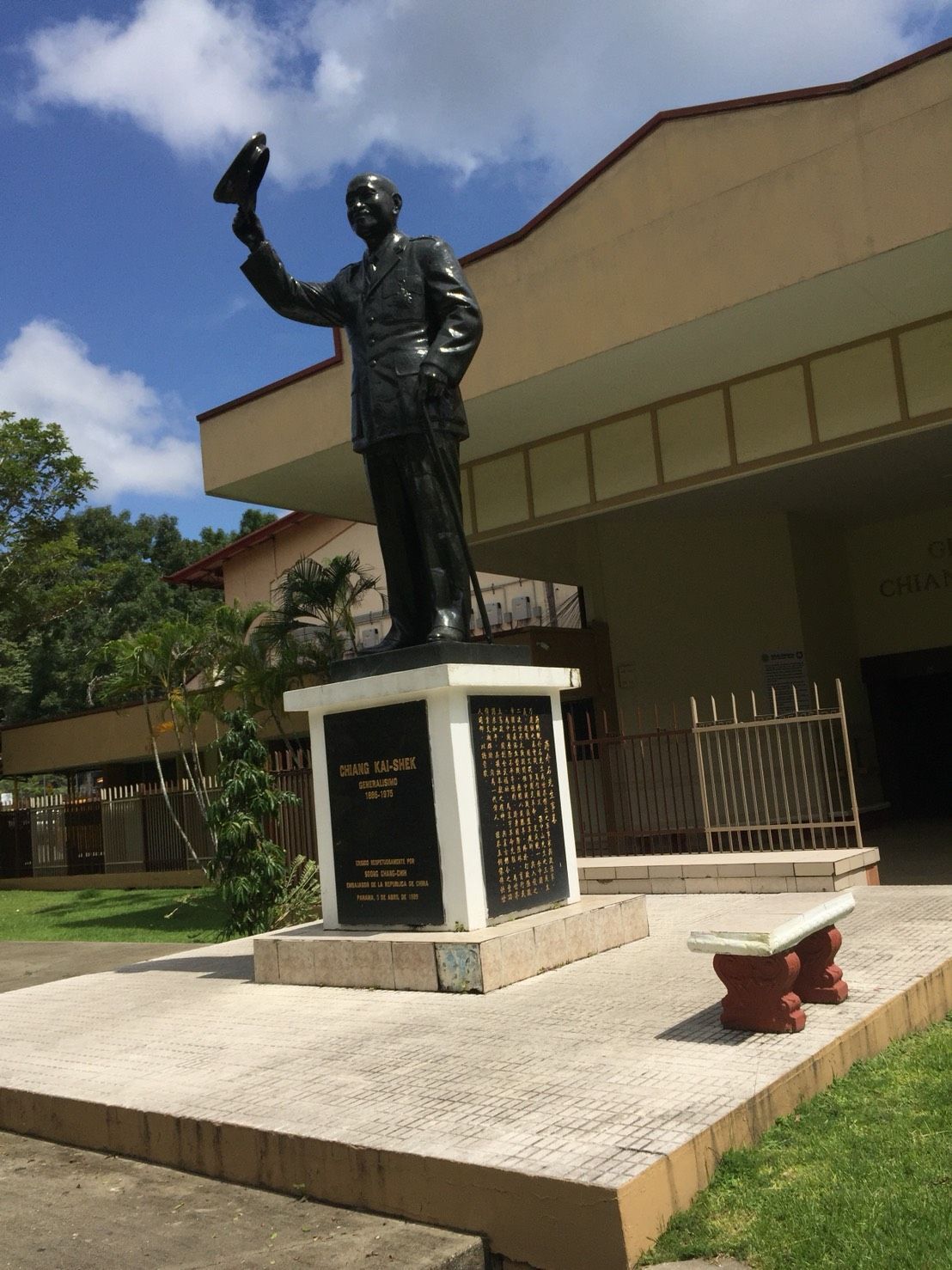
中正體育館的啓用,帶動了僑社熱絡不斷的活動,球類比賽、綜藝節目表演、音樂會、史蹟文物特展、慶典活動,一個接一個,有些活動留下記憶,印象深刻。
1992年9月,中美洲六國暨巴拿馬華僑聯合總會第27屆年會21次懇親大會,最溫馨。
1995年8月,巴拿馬年度華埠小姐選舉,有史以來,參賽人數最多、拉拉隊表演精彩妙絕、觀眾助威加油嘶吼吶喊,最激情的一次。
1995年9月,宋大使卸任後,首次偕夫人回巴拿馬,宋大使自稱是《探親之旅》,與僑胞近四千人相聚一堂,場面溫馨感人。
1995年10月,中華民國中華民俗運動訪問團來巴宣慰僑胞,中正體育館爆滿,全場沸騰,看得如痴如醉。(10)
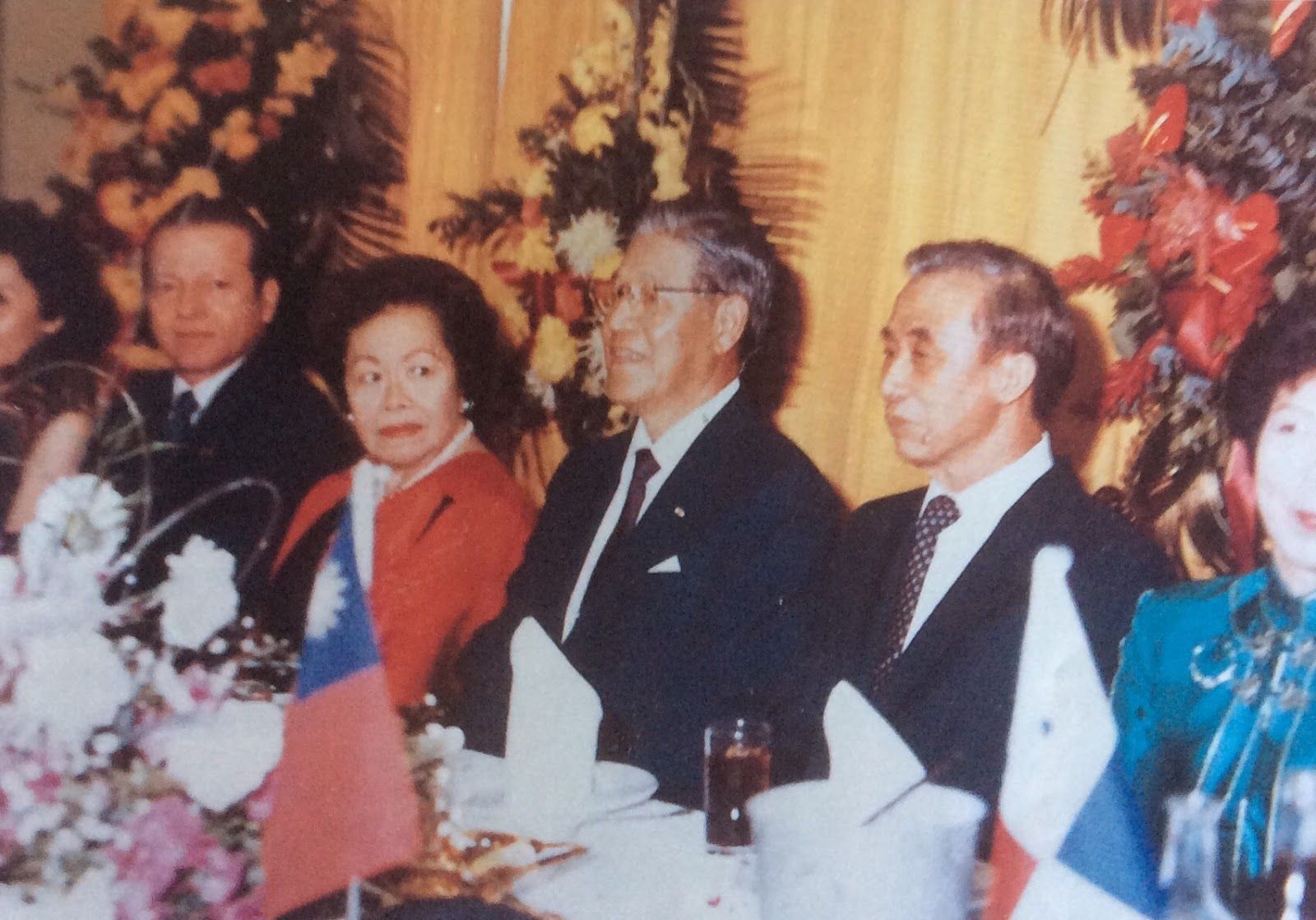
民國86年(1997年)9月,在台灣的中華民國,第一次由全體選民,票選出的中華民國第9任總統李登輝(任期:1996年5月20日至2000年5月19日),趁出席巴拿馬運河會議之便,參訪中巴文化中心中山學校。這是中巴文化中心自創立以來,到訪層級最高的中華民國政府官員。李登輝並為中巴文化中心附設之中巴友誼公園,開幕啟用剪綵。
中巴友誼公園緊鄰中巴文化中心後山,遍佈熱帶植物,園區有三萬平方公尺。中華總會繪圖設計,以中巴友誼公園命名,向政府立案獲准,施工兩年完成。表徴中華民國與巴拿馬共和國邦誼永固,兩國人民友誼長存。
公園入口處立一中式牌樓,石獅分置兩旁,牌樓中央書寫中、西文中巴友誼公園。園內綠樹成蔭,石板小徑、山泉潺潺。荷池內錦鯉穿梭,土生蘭花隨處可見。置身園內,心曠神怡,寧靜致遠,氣舒豁達。(11)
另一項比照奧運規格建造,施工一年,25公尺長的游泳池,於2000年4月28日啓用,至此中巴文化中心的建築用地,已達飽和。
為了緬懷中心創辦人陳奉天先生對僑社的貢獻,圖書館更名為陳奉天紀念圖書館。
中山學校創辦初期,學生僅115人、教職員工12人。2018年已發展至學生1700人、教職員工130人。在教學設備、讀書風氣、學科競賽、師資延聘,全國教育綜合評比特優的架勢下,成了各方學子追逐的明星學校。
2017年6月14日,巴拿馬共和國與中華人民共和國建立全面外交關係,結束自清廷宣統元年延續中華民國108年的邦誼。
遺憾的是,次日,中巴文化中心就把大門入口上面,那塊具名中山學校的橫匾招牌,右邊的中華民國國旗給摘了下來,動作之快令人作舌。在巴拿馬教育部並未禁止的情況下,旗桿上的中華民國國旗也不見了。隨後,綉有中華民國及巴拿馬共和國國旗的中山學校校旗,及學生制服上佩戴的校徽,全都變更了設計,不留一點中華民國的痕跡。
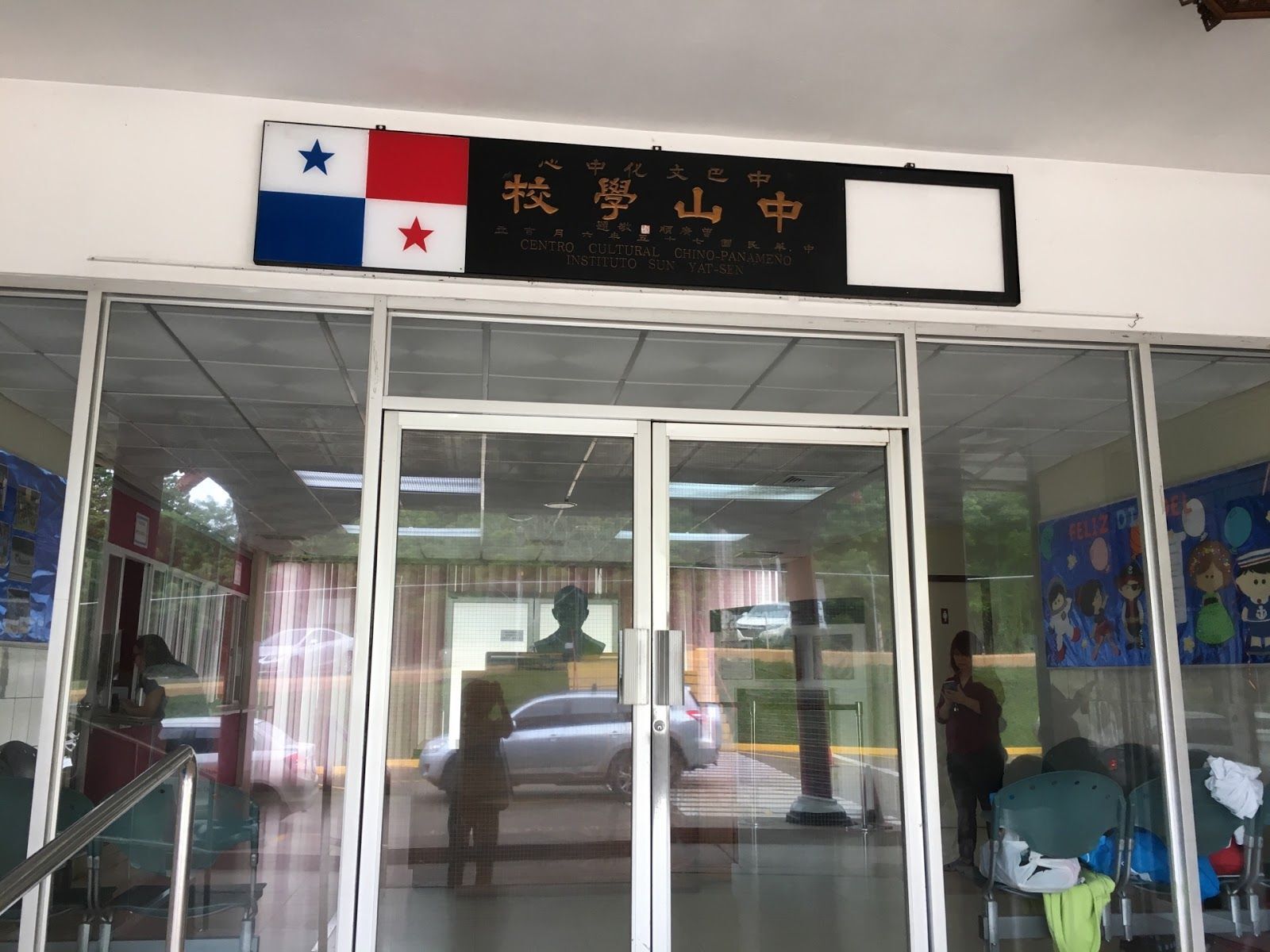
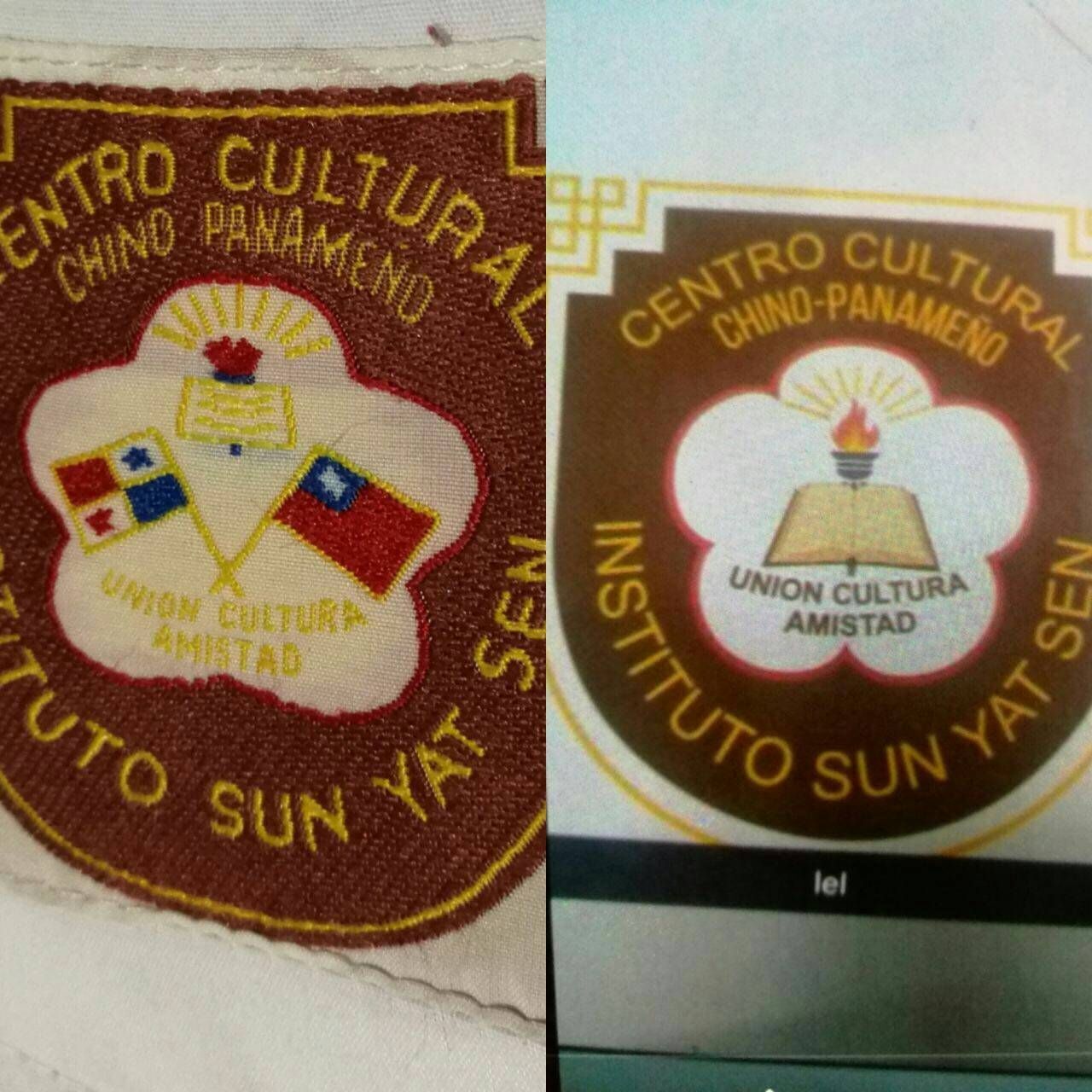
更改校旗及校徽是常事,不足為奇。令人不解的是,中山學校那塊招牌右邊的國旗被拆了下來,又與學校的正常運作何干。畢竟那是一個歷史的見證,創業精神的象徵。
中國八年對日抗戰,中國國民黨遺留下來的戰場史蹟文物,包括國旗、黨旗、軍旗在內,都能被中共完整的維護保存下來,為何中巴文化中心的主事諸公們,不願看見那面青天白日滿地紅的國旗。
中巴文化中心中山學校,未來的運作,已可看出端倪,但願不要讓意識型態,干擾了校園寧靜。(12,本篇完)
第10篇:緬懷愛國愛僑
才德兼備的陳奉天
僑彥陳奉天,生於民國元年(1912年)10月9日,先祖世代耕讀於廣東香山寨。清穆宗同治年間,祖輩移民檀香山及舊金山,德宗光緒末年,奉天先生大伯陳吉潤遷居巴拿馬。
民國17年(1928年),年僅17歲的陳奉天,對海外世界充滿憧憬,毅然告別家鄕廣東中山,隻身前往巴拿馬,投奔大伯。
吉潤先生在巴京開成記商店,初來乍到的陳奉天,不懂西班牙語,被安排在店內記帳和看管倉庫並至語言學校,學習西班牙語。不到兩年,已能和巴拿馬人溝通。大伯改派陳奉天為推銷員,磨練能夠吃苦,不畏艱難,處理事務的能力。正因為他謙遜敬業,工作努力,鍥而不捨。與時俱進,人脈打通了,西語、西文也有長足進步,也帶動了成記商店生意興隆。(1)
能夠順利爭取到馳名全球的LEE牌牛仔褲,在巴拿馬設廠生產,成了陳奉天事業上的轉捩點。巴拿馬最著名的成衣製造廠《勝利褲廠》,就是在陳奉天敏銳的觀察力下,把握機會,利用適時的低利融資,順利建廠。其背後隱藏的動力,是他的誠實做人、踏實做事,因此贏得了美國總公司的信任。
勝利褲廠的成立,得天時、地利、人和之賜,業績蒸蒸日上,除了成品専門回銷美國外,還為巴拿馬軍方及全國各級學校製作制服。
陳奉天因商會友,人脈逐漸打開,結識了許多軍界、文教界、政府高層及社會各界人士。其中包括杜里荷將軍、部處長級官員、國會議員,在歴任巴拿馬總統中,還有一位契若金蘭的義弟。(2)
1960年代起,陳奉天的赫赫事功與其社會聲望相隨而來,可以在以下的歷史纪錄中得到證明:
1,1961年,吉亞里總統委任為巴拿馬紅十字會委員長。
2,1962年,創辨巴拿馬兒童城。
3,1966年,羅培斯總統委任,相當於一個地區司令官階的,名譽上尉軍官。
4,1968年,出任國家銀行董事長。
5,1973年,擔任USMA天主教大學創校發起人。
6,1974年,出任巴拿馬中華總會會長。
7,1975年,拉卡斯總統頒授象徵巴拿馬最高榮譽的《巴斯哥以斯大十字勲章》。
8,1980年,取得首批運河歸還區內,中巴文化中心中山學校建築用地,租期50年。中華民國政府暨民間企業,慷慨捐贈建校基金,工程順利進行。
9,1990年,榮獲巴拿馬國際扶輪社、獅子會、青商會、同濟會聯合推舉為全國好人好事楷模,接受表揚。(3)
民國64年(1975年)1月,聯合國安理會各成員國,在巴拿馬召開會議。中共駐聯合國代表黃華,率領一個26人的代表團赴會。挾著盛極一時的氣焰,啣命趁此良機,進行搶灘攻勢,一舉摘下巴拿馬,再影響左右鄰國,產生骨牌效應,與中美洲各國全面建交。
早在民國57年(1968年)巴拿馬軍事政變,杜里荷將軍(Omar Torrijos)執政,即開始與北京頻繁接觸。黃華此行胸有成竹,與巴拿馬建交一事,十拿九穩。
當時中華民國駐巴拿馬共和國大使黃仁霖(任期:1964年11月至1975年2月),被杜里荷將軍敦促,會議期間離京廻避,前往陳奉天位於Cocle省El Valle的別墅,等待事態發展。這在外交禮儀上,巴國如此安排,實屬罕見。
杜里荷將軍在未答覆黃華建交之前,徴詢了陳奉天的意見,陳奉天斬釘截鐵地向杜里荷說《在巴拿馬的華僑,永遠支持中華民國政府。》此語一出,杜里荷改變了主意,讚揚陳奉天的堅貞志節,和在華僑心目中的地位。在陳奉天的影響下,挽救了一場早在43年前,就可能瀕臨斷交的危機。(4)
民國79年(1990年)尼加拉瓜大選,查莫洛夫人(Sra. Violeta Barrios de Chamorro1929.10.18生於尼加拉瓜一農村),當選尼加拉瓜史上第一位女總統(任期:1990年4月25日至1997年1月10日)。
與陳奉天有著深厚情誼的查莫洛夫人家族,並沒有因查莫洛夫人當上了總統,而影響到兩個家庭的往來。查莫洛夫人經常與陳奉天探討世局,請益國家興革計劃。更接受了陳奉天的建言,決定與中華民國恢復中止多年的外交關係。為了復交一事,陳奉天伉儷還親赴尼京馬納瓜奔走,在中華民國外交史傳為美談。(5)
中華民國國內表揚陳奉天的事蹟分述於後:
1,民國62年(1973年)榮獲先總統 蔣公頒授景星勲章一座。
2,民國65年,出席中國國民黨第11次全國代表大會,甄聘為中央評議委員,並獲蔣經國總統任命為僑務委員。
3,民國73年,榮獲蔣經國總統頒授卿雲勳章一座。
4,民國77年,獲頒僑務委員會一等光華勲章一座。
5,民國81年,中國國民黨主席李登輝,特頒中國國民黨中央委員會名譽奬章一座。
6,同年(民國81年),外交部長錢復致贈《功在國家》金碟一座。(6)
陳奉天自民國63年(1974年)起擔任巴拿馬中華總會會長,長達16年,全僑共欽。任內最為稱道者,便是興辦中巴文化中心中山學校,卸任後更興建中巴友誼公園。
沒有僑教就沒有華僑的理念,一直深植在他的心中。開始行動於民國62年,僑委會毛松年委員長任內,歴經14年,興建完成,開始招生。前後經過曾廣順委員長,曾憲揆、宋長志兩位大使,向國內籌募經費,接續完成。目前(2018年)中山學校學生已有1700人,教職員工130人。被巴拿馬教育部評鑑為全國最具規模、教學最有績效的示範中小學。
民國83年(1994年)4月,時任僑委會委員長的章孝嚴,參訪中巴文化中心中山學校。在一項僑團座談會中,章委員長給予陳奉天極高的推崇。發表了一篇措詞誠懇、內容精湛的演說,在場僑胞印象深刻。其中一段是如此說的:我就任現職已經一年多,到過許多地方,探望僑胞。可是我沒有在任何一個地方,看到我們的僑校,像這裡的中山學校,這麼有規模,這麼有成就,這麼有希望。這是我們巴拿馬的僑胞,感到最驕傲的事。我也發覺,僑委會對推廣文教的工作,以往的心血沒有白費。這裡的僑社,在陳會長卓越的領導下,和諧團結,令人感動。
歷史可以佐證,人類文明的進展,固然要受時代與環境的影響,但是我們不能忽視從艱苦卓絕中奮鬥出來的領袖人物,才是歷史文明的創造者。陳奉天的一生,應證了一句話,《要怎麼收穫,先怎麼栽。》。(7)
民國86年(1997年)9月,巴拿馬第二次運河會議在巴京舉行。李登輝總統趁出席會議之便,於9月6日為中巴友誼公園落成剪綵。這是陳奉天先生,最後一次在公眾場合與僑胞見面。12月23日,病逝於巴拿馬。
次年(1998年)6月,李登輝總統頒發褒揚令,誄悼僑彥。全文如下:
僑務委員會僑務委員陳奉天,性行誠篤,志節堅貞。僑居巴拿馬,勤奮自勵,創設製衣工廠,聘請當地工人服務,為巴國人民創造大量工作機會;並號召華人,參與當地活動,與巴民同憂樂,共患難,提升僑社形象,融合中巴人民情感,擘畫籌謀,厥功至偉。嗣於國際情勢動盪期間,屢次嚴拒中共統戰利誘,傾力維護中巴邦誼,凜凜勁節,僑社同欽。尤以尼加拉瓜總統改選,以與尼總統私誼彌篤,促成尼國與我國恢復邦交,名揚異域,功在國家。創辦《中巴文化中心》及《中巴友誼公園》,宣揚中華優良文化,促進中巴文化交流;提升華僑地位,鞏固兩國情誼。宏圖懋績,卓著勲勤。歷任《巴拿馬中華總會會長》及《名譽會長》二十餘年,團結僑胞,海外蜚聲。綜其生平,義溥全僑,楷模百世,抱冰矢志,懋績孔昭。應予明令褒揚,用示政府軫懷僑彥,崇禮耆賢之至意。(8,本篇完)
第11篇:懐念將軍大使宋長志
中華民國派駐世界各國的使節之中,有許多將軍大使,諸如駐日本大使彭孟緝、駐約旦大使王叔銘、駐越南大使胡璉、駐巴拉圭大使王昇、駐巴拿馬大使宋長志。軍種包括陸海空軍三軍,軍階由中將至一級上將。任內績效優越亮麗,比起職業外交官毫無遜色,為中華民國外交史增添了璀燦耀眼的一頁。
民國70年(1981年)7月,時任參謀總長的宋長志,應巴拿馬共和國實際國家領導人杜里荷將軍(Omar Torrijos 1929-1981)之邀,率團訪問巴拿馬,受到熱烈歡迎。除了晉見羅岳總統、參觀軍經建設外,並出席一項拉美各國軍事首長的美洲戰略研討會議。
7月31日,中華民國駐巴拿馬共和國大使館,於巴京麗宮大酒樓,設宴歡迎代表團一行,巴拿馬各軍區司令、僑團領袖、駐外各單位同仁暨眷屬一併邀請。(1)
午宴進行中,宋長志正在致謝詞時,巴國一名軍官匆忙進入宴廳,走向諾瑞嘉上校(Manual Antonio Noriega 1934.2.11-2017.5.29)在耳邊私語,諾瑞嘉頓時嚎淘大哭。對這突如其來的場面,在座人士無不驚愕。大使館武官修子政少將與其鄰座,得知杜里荷墜機身亡。諾瑞嘉一行人在修子政陪同下,離開現場。
於是,訪問團變成了致哀團,宋長志上將代表中華民國政府,與各國總統、政要,參加了杜里荷的殯葬彌撒。
同時11月25日內閣改組,宋長志獲任為行政院政務委員暨國防部長(任期為:1981年11月25日至1986年6月18日)。
民國76年(1987年),中共自1975年以來,再度向巴拿馬發動建交攻勢,巴國政局詭譎。宋長志臨危受命,於6月18日,出任駐巴拿馬共和國特命全權大使。(2)
1979年10月,我遠赴巴拿馬,在一家華文《共和報》出任編輯,並擔任中國國民黨駐巴拿馬直屬支部祕書。2000年政黨輪替前,駐外大使兼任駐地國民黨黨務指導員,因此與宋大使常有見面機會。每三個月一次的黨務會議,宋大使必親臨指導,聽取黨務報告。與會黨員聆聽大使談話,涉及範圍廣泛,從國際形勢、國共戰役到健養生,內容精闢,見解獨到,聆者一生受益。
宋長志出使巴拿馬3年6個月(任期:1987年6月18日至1990年12月29日)此期間,中南美洲局勢正處於風雲變幻,左派崛起之際,各國與美國的關係漸行漸遠,被形容成《美國後院失火》,中國大陸趁勢深耕拉美事務,影響巴拿馬傾中走向。
在此環境之下,宋大使折衝奔走巴拿馬朝野政黨,又要與中共較力拔河,密切掌握美、巴、中共三方面動向。以其豐富的學養,縝密的思維,善用情勢,從外交困境中突圍而出,鞏固了與巴拿馬近一個世紀的邦誼。(3)
民國77年(1988年)1月13日清晨,蔣經國總統逝世的消息傳扺巴拿馬,使館新聞參事處即時電知巴國外交部及各新聞媒體,宋大使隨即到達使館,靜候台北陸續傳至的相關消息,指示布置靈堂,供各界人士簽名致哀。當日下午召開包括僑團領袖在內的會議,會中報告了副總統李登輝,繼任總統的經過,以及三軍效忠新任總統的消息,並分析國內最新情勢及國家未來走向。宋大使處事的果斷明快,給大家留下深刻印象。
1989年六四事件,震驚全球,針對中共中央採取軍事鎮壓手段,宋大使有他的看法。在一次僑界舉辦的座談會上,他指出,如果當時採用包圍代替槍殺方式,情勢就會完全不同。部隊可將天安門廣場周邊團團包圍,非經許可人員准出不准進。並派出大批醫療團隊,全天候守護絕食學生,如有脫水休克,立即送醫急救。各校校長、教育部長、首都市長、市委書記、甚至國務總理,輪番到場安撫,傾聽意見,應允改革,事件自然和平落幕。(4)
自杜里荷墜機身亡後,諾瑞嘉取代了他的國家領導人地位,晉升為四星將軍。諾瑞嘉與宋大使常在不同處所會晤,多數由諾瑞嘉邀約,就軍隊領導統馭、政經戰略向宋大使請益,彼此的情誼像朋友、像兄弟,更似叔侄。
1989年12月,美國入侵巴拿馬前數日,美國駐巴拿馬大使阿瑟戴維斯,電話熱線給宋大使,就當時巴拿馬情勢聆聽卓見,地點就選在中華民國大使館。在兩國沒有外交關係的情況下,這是外交史上罕見的先例。
戴維斯來意至為明顯,主題針對諾瑞嘉。早年諾瑞嘉被美國吸收為海外探員,工作相當亮麗;後因利慾薰心,販賣情報給拉美毒梟,並以非常手段取得總統大位,成為美國心腹之患。
戴維斯欲以宋、諾二人私誼,影響諾氏。宋大使度衡中華民國在巴、美兩國間的處境,未做正面回應,僅就諾瑞嘉的人格特質、生活習慣做了一番解析,並稱諾瑞嘉是一位非常虔誠的天主教徒。
事後宋大使立即召開館務會議,認為美國對巴拿馬如箭在弦,戰爭不可避免,指示館員做好萬全準備,對外絕對保密,眷屬若非必要,避免外出。並令僑務秘書吳光定,緊急知會僑團領袖,慎重妥善因應。(5)
果不其然,1989年12月20日凌晨,巴拿馬國防軍總部火焰沖天,毀於美軍導彈,官兵鳥獸四散,諾瑞嘉不知去向。美軍陸戰隊登陸,首次啓用隱形戰機,傘兵空降軍事基地,新式武器出盡。
隨後三天清理戰場,巴拿馬成了無政府狀態,暴民趁機燒殺擄掠,商業閙區一片狼藉,怵目驚心。
美軍研判諾瑞嘉會藏身於教廷駐巴拿馬大使館內,以高分貝揚聲器,向諾氏心戰喊話。24日聖誕夜,諾瑞嘉走出使館,上了押解軍機,駛往邁阿密接受審判。諾瑞嘉的順利就擒,是否與美國戴維斯大使請益宋大使時的一番談話,有了提示,不得而知。(6)
聖誕節的前一天,是一個星期天的上午,戰爭還沒有平息,巴拿馬城滿目瘡痍,街上仍有斷續的槍聲。悽厲的哭喊聲,不時從巷弄中傳出。宋大使由丁大山將軍、吳光定秘書陪同,帶著紅包,奔走全城各大醫院,慰問受傷僑胞。像一位慈祥的父親,一一握手壓驚問候。所到之處,都是感人的畫面。
宋大使並向政府申請緊急救助專款,撥發美金25萬元,作為慰問戰爭受害僑胞之用。一個月後的陰曆正月初二,以茶會方式將慰問金親頒僑胞手中。
兩天後,宋大使同樣以茶會方式,邀請50餘位來自大陸各省市自治區的新僑,包括教師、工程師、醫生及科研人員,開懷暢談巴拿馬政情、垂問工作情形及居留問題。
宋大使致詞表示:今天能有這個聚會,內心有很大的感觸,看到大家很年輕,精神很好,感到很高興。我覺得我們似曾相識,因為我們血肉相連,承襲在同一歴史、同一文化、同一民族之下,共同擔負著振興中華的責任,是一次心連心的相會。(7)
巴拿馬有一座位於運河區,佔地約8萬平方英尺的中巴文化中心中山學校,有著華僑文教中心的功能。宋大使到任時,已具初步規模,因經費不足,後期工程陷於停頓。
宋大使關懷華僑子弟的華語文教育,專案向國內相關部會申請專款,並向台灣企業募款捐助,籌得美金100萬元,配合僑界人士資金浥注,完成二期教室及體育館工程。
中巴文化中心融合中西建築風格,美輪美奐,是拉丁美洲至今,仍是最具規模的中等學府,培植巴拿馬人才頗具貢獻。
1990年12月,宋大使因健康關係,回任總統府戰略顧問(首任:1986年6月至1987年7月。1987年6月18日,任命為駐巴拿馬大使)
1995年9月,宋大使與夫人房正瑛女士,專程回到巴拿馬,探望僑胞。一個星期的短暫停留,卻處處留下深刻感人的場面。在中巴文化中心中正體育館的一次聚會中,近4000名僑胞,再一次目睹了宋大使的風采。
至今我仍然清楚記得,宋大使在埸講的一番話語:在我一生軍職生涯中,出使巴拿馬是一項挑戰,在僑胞全力的支持下,鞏固了與巴拿馬的邦誼。這裡是我在遠方的家,有著美好的回憶。趁我與內人還可以走得動的時候,回家探望大家。
宋大使於民國91年(2002年)病逝台北,哲人其萎,音容宛在。謹向這位氣宇軒昂、熱愛國家、澤被僑胞、愛護部屬的四星將軍,獻上最高的敬意,留給我們的是無盡的追思和永遠的懷念。(8,本篇完)
第12篇:中華民國憲法制憲
國大代表鄭華秋
中華民國憲法制憲國民大會代表鄭華秋先生,生於淸光緒24年(1898年),18歲時(1916年)離開家鄉廣東中山,到達巴拿馬投靠叔叔鄭清。1924年成為巴拿馬永久居民,民國16年(1927年)參加中國國民黨。民國25年(1936年)當選為中華民國憲法海外地區巴拿馬制憲代表。
鄭華秋先生,僑胞尊稱他為《秋伯》。我與他初次見面,是在1979年10月31日,到達巴拿馬頭一天,僑界紀念蔣公誕辰的睌會上。當時他是巴拿馬中華總會的首席秘書,已經81歲,但身體硬朗,神采飛揚,意氣風發。(1)
1980年10月,內子吳秀蓮女士,受聘為僑立中華民國小學華語文教師,同時擔任巴拿馬中華總會助理秘書,協助秋伯處理會務。我服務的共和報社、國民小學、中華總會、住家,都在一條街上。
吳秀蓮上午在學校,下午在中華總會。報館的工作,下午三、四點鐘就可結束,因此會抽空到中華總會與秋伯聊聊天,也可了解一些僑社動態,充實出版內容。我的廣東話也從聽不懂、不會講,到能聽懂、可以説。吳秀蓮居中翻譯,收穫很多。
秋伯一生中得意的事很多,來自於他的坦然、自信、豁達、灑脫、大氣、大度。他婉拒僑團主席職務,終生服務僑社的熱情,卻始終如一。在中華總會,最高也就是一位常務理事。在黨部,是一位常委。
1930年,秋伯與一位巴拿馬教育世家的小學老師結婚,1940年代,繼秋伯之後,出任華僑國民小學校長。
鄭華秋一生中,最讓人津津樂道的是,他參與了中華民國憲法的制憲工作,以及另外一件不被人知,1940年7月,改變同儕左傾立場,處理國共兩黨皖南事件紛爭,香港媒體文告事件。(2)
民國29年(1940年)3月,秋伯撘乘一艘英國卡納德輪船公司(Cunard Line)的客船,由巴拿馬到達香港,出席在重慶舉行的制憲國民大會,就1936年5月5日公佈的《五五憲草》,進行逐條討論。
這年7月,發生了中共黨史上,被指稱是國民黨頑固派,蓄意製造一起反共陰謀的皖南事件,又稱新四軍事件。在中日皖南戰役中,國軍何克謙部隊駐防的黃橋地區,防務虛空。新四軍突渡長江,鳩佔鵲巢,引起軍事委員會極度不滿。蔣介石委員長指令何應欽、白崇禧以軍事委員會正副參謀長名義,致電八路軍朱德、彭德懷和新四軍項英、葉挺,強令在黃河以南的八路軍、新四軍,限一個月內退回黃河以北,否則不惜一切殲滅之。
出席制憲國民大會的海外代表,針對此一事件,推出巴拿馬鄭華秋、澳洲黃襄望等五人代表,擬具一封措詞強硬致電蔣介石,近乎警告的信函指出:如蔣介石處置不當,引起國共內戰,一切責任由蔣負責,全球華僑將永不支持國民政府等言。
鄭華秋認為事態嚴重,極力反對,不宜草率決定。指出皖南事件之前,中日豫西戰役國軍失利,新四軍趁勢殲滅收編國軍12個團的事實,是事件的誘因。
秋伯力辯爭論之下,改以書面公開信方式,在香港媒體告白,全球華僑立埸:皖南事件之發生,誠為抗戰以來,最不幸的事件之一,而且也是最痛心的事。希望國共兩黨能為民族利益的大前提着想,開誠布公,放棄一切成見,離開黨的立場,尋求解決之道。
結果功德圓滿,化解了一場國共兩黨可能擦槍走火的危機。(3)
民國35年(1946年)5月1日,國民政府還都南京。鄭華秋於9月底,再度前往中國,這一次登岸地點不是香港,而是上海。為的是出席11月在南京國民大會堂開幕,為期兩個月的制憲國民大會,最後一次審議14章175條的《中華民國憲法》。
臨行前,秋伯安慰夫人:妳不必為我擔心,我反而放心,有妳這位賢慧的妻子,照顧這個家,三個孩子都很孝順。此行是我一生中最高的榮譽,能夠參與中國憲法的制定,還政於民。妳說還有什麼比這件事,更有意義、更重要、更高興的呢。
秋伯對中華民國憲法的誕生,如數家珍。
1,民國元年(1912年)8月27日,臨時大總統袁世凱,組臨時參議會,頒布《中華民國臨時約法》。
2,民國7年(1918年)成立第二屆國會,又稱民七國會,依據中華民國臨時約法,進入軍政時期。
3,民國20年(1931年)南京國民政府,公佈《中華民國訓政時期約法》。
4,民國21年(1932年)12月,中國國民黨四屆三中全會,中央執行委員會決議,起草中華民國憲法及召開國民大會,為結束黨治,還政於民,國家進入憲政做準備。
5,民國25年(1936年)5月5日,國民政府公布《五五憲草》。全國各省市特別行政區、各行各業、各黨派、海外華僑,舉行制憲國民大會代表選舉。
6,民國29年(1940年)3月至10月,在重慶國民大會,逐條審議中華民國憲法草案。俟抗戰勝利,結束訓政,進入憲政。
7,民國35年(1946年)11月12日至12月25日,中華民國憲法制憲國民大會,在南京國民大會堂舉行。當年6月,國共內戰全面爆發,中國共產黨拒絕參加。因戰爭、交通等問題,2400餘名代表,僅百分之七十代表出席,已達法定出席人數。
8,民國35年(1946年)12月25日,《中華民國憲法》在全體出席代表1485人,一致起立鼓掌下,鄭重通過。次年(民國36年,1947年)1月1日公布,同年12月25日施行(此日為行憲紀念日)。依據此憲法,民國37年4月,國民大會選出中華民國行憲後第一任總統蔣中正,副總統李宗仁。
9,中華民國憲法前言:中華民國國民大會受全國國民之付託,依據孫中山先生創立中華民國之遺教,為鞏固國權,保障民權,奠定社會安寧,增進人民福利,制定本憲法,頒行全國,永矢成遵。(遺憾的是,這部憲法未能在中國大陸施行,民國38年,帶去了台灣。)。
10,民國83年(1994年)8月1日,中華民國政府公布《中華民國憲法增修條文。條文前言:
為因應《國家統一前之需要》,依照憲法第27條第1項第3款及174條第1款之規定,增修夲憲法條文。依據本增修條文,李登輝及連戰,民國85年(1996年),由全體選民首次直接票選為中華民國第九任總統、副總統。任期由6年改為4年。(4)
大約是1985年8月至9月間,有一位來自北京的張姓年輕人,到報社來找我,說是要找幾本書參考。引起我的好奇,跟他談得很愉快。
當年他從北京中國法政大學碩士班畢業才兩年,那個時候家中有子弟,能夠讀上大學而且是名校,實屬不易。
他在書架上挑選了一本《三民主義》,一本《中華民國憲法》,說是看完了,回來還書。我當即把這兩本書,另外加上一本《拉丁美洲地區三民主義統一中國大同盟成立大會實録》(筆者編輯整理),贈送給他。
數日後,他再度來到報社,除了認同三民主義統一中國,是中國未來可以選擇的一條道路外,他對《中華民國憲法》讚揚不已。這又引起我更大的興趣,陪他到中華總會晉見鄭華秋先生,他欣然接受。
秋伯和年輕人一見如故,興致勃勃地道出了,當年參與制定中華民國憲法的經歷。這部中華民國憲法,可是一條一條,經過專家學者講述其入憲立法精神,再經過海內外出席代表,分組討論、綜合結論,沒有任何一人反對之下,才獲得通過。
這位中國法政大學畢業生則說:我這幾天,仔細地看過這部《中華民國憲法》,優越性超過《中華人民共和國憲法》,更可貴的是有其堅實的民意基礎。希望有一天,能夠把這部憲法,完完整整,一字不改的帶回中國大陸。不論中國未來的走向如何,《中華民國憲法》的精實可行,足以讓中華民族復興。(5)
民國77年(1988年),巴拿馬華僑各界聯合舉辦,慶祝中華民國雙十國慶睌宴會。在司儀陳發昌和秋伯的大女兒鄭瑞霞,以詼諧幽默的中、西語引導下揭開序幕。
在節目表演中,第一個項目一反往常,不是青春熱舞,而是86歲身體健朗的秋伯,引吭高歌。一是民間歌謠《武昌起義》,一是詠史曲調《班超與馬援》。宏亮的歌喉慷慨激昂,展顯出秋伯恢宏的氣魄和愛國的情操。他幽默地説,每次慶典活動,大家都讓我表演魔術,多年來我僅有的幾套把戲都表演完了,再表演就不稀奇了。所以唱兩首我年輕時學會的歌來獻醜了,台下報以熱烈掌聲。
秋伯的興致未盡,命其年過半百的小女兒鄭若霞上台,合唱一首50年前,由秋伯親授給女兒的童謠《學校園遊賞》。秋伯膝下二女一子,都在巴拿馬誕生,傳承中華禮儀,言行深具華夏氣質。鄭若霞唱這首園遊賞,廣東音字正腔圓,唱出了心中的感情,也道盡了現今華人、華僑,對其母國的一份熾愛,足以反映秋伯平日對子女教育的嚴謹。台下的宋大使夫人房正瑛女士,受到秋伯的感召,鼓起勇氣上台,唱了一首初中時代,一位廣東同學教給她的廣東小調,與華僑鄕親歡渡國慶,出乎意料宋大使夫人的廣東音字字清晰,歌聲繞梁,全場又是一陣歡呼。(6)
民國81年(1992年)3月28日,中華民國立法院沈世雄副院長率領一個,包括民進黨立委張俊雄、陳水扁(任期:1990年2月1日至1994年12月25日)在內的20人代表團,訪問巴拿馬三天。除了宣慰僑胞外,還簽訂了一項中華民國立法院史上,首次與邦交國,具有法律效力的友好國會聯合聲明。
3月29日,代表團一行由蘇秉照大使及吳光定僑務秘書陪同,拜會巴拿馬中華總會。包括陳奉天、盧湛濤在內的各僑團主席、理監事近百人恭迎。
陳奉天先生在茶會中,介紹了時年94歲的秋伯,給來訪的諸立委。當提到鄭華秋先生是中華民國憲法制憲國民大會,海外代表時,全體立委肅然起立,有人行舉手禮,熱烈鼓掌向秋伯前輩致敬。
鄭華秋先生逝世於1995年立秋後,享年97歲。夫人、女婿、兒媳,都是道地的巴拿馬人,他卻是巴拿馬共和國的永久居民,一直持用中華民國護照。(7,本篇完)
第13篇:中華民國立法院
訪問團訪問巴拿馬
民國78年(1989年)12月20日,美國入侵巴拿馬,戰爭不到一個星期宣告結束。諾瑞嘉收押至美受審,親美的恩達拉(Guillermo Endara)恢復總統職權。之後三年內,中華民國與巴拿馬共和國,邦誼彌堅,達到有史以來最佳狀況,國會議員互動頻繁。
1992年3月28日,中華民國國會第三次組團訪問巴拿馬。此其間,中華民國立法院朝野兩黨立委,頻頻武鬥,大打出手。留給友邦人士及華人、華僑,極度惡劣印象。
筆者以社論方式,撰文刊登於該日華文《共和報》頭版,表達立場。時至今日(2018年)事隔26年,海峽兩岸,大陸與台灣,已發生巨烈變動。兩岸同胞可以從不同角度,來看統、獨問題,翻閲該篇社論,仍有可讀價值。(1)
把時間倒帶到26年前,彷彿就是昨天發生的事情。我又有一些時空錯亂,2014年回到上海,那已經不是65年前,我童年時的上海。我1998年離開巴拿馬,至今已20年,沒有再回去過,不是說《喝過巴拿馬水的人,一定會再回來》嗎?吾妻吾兒都回去兩次了,見聞巴拿馬,也是一個《崛起的巴拿馬》,遺憾的是,有著108年的老朋友,投懷去了大陸,緣由何在?
該社論,一字不改,抄録於後:
中華民國立法院沈副院長世雄先生,本日晚間將率領一個二十人的訪問團,蒞臨巴拿馬訪問三天。此行除了要晉見巴拿馬總統恩達拉、會見國會議長亞美里歐、巴國政要、駐外人員,以及宣慰僑胞外,最重要的是和巴拿馬立法議會簽訂一項我國立法院史無前例,具有法律效力的友好國會聯合聲明。(2)
近四年來,這是我國國會(立法院、監察院、國民大會)第三次組團來巴拿馬訪問,最大的特色就是不再見到被逼退的資深老立委隨團奔波旅行,而且成員中都是飽學之士,具有博士學位者不在少數,其中有兩位僑選委員。由中南美洲選出的曾芙美女士和民進黨籍的張俊雄先生擔任副團長,更彰顯了中華民國政黨政治的形象。
過去十年來,自由祖國國會團體及個人,蒞巴訪問者相當頻繁,唯獨這一次組織最龐大,成員素質最高也最年輕,我們旅巴僑胞欣見中華民國國會欣欣向榮,朝氣蓬勃。
旅居巴拿馬的華僑為數約十萬人,在全球各僑區三千萬海外同胞中,我們雖然僅佔三百分之一的少數,但是我們對祖國的愛護、關懷和期望,不落後任何人。
近一週來,從台北傳來的消息,二屆國民大會臨時會議亂象叢生。嘯閙民主殿堂的惡劣演出,好像傳染病一樣,由立法院衍生到國民大會。最近一期的美國新聞週刊,更針對二屆國大臨時會連日來的爛戲,作了深入詳盡的報導。記得前年和去年兩年,巴拿馬各電視台的新聞節目中,就數度出現我國立法院《武鬥》的場面,旁白很具諷刺地說《他們是在開會嗎?》,令我們華僑失盡顏面,真是五內如焚、黯然而悲、眼中是涙、心中是悔。
平心而論,今日中華民國國會的《劣象》,起源於朝野兩黨政治理念的無法溝通。我們姑且不談對於過去是否緣於歷史的錯誤,緣於社會的瑕疵或緣於人性的缺陷,造成了今日苦難的中國。但是我們必須要大聲疾呼,要建立同舟一命、和衷共濟、與整個中國休戚禍福無可分離的共識。畢竟,一個災禍的中國,必無苟免的台灣。(3)
我們旅巴拿馬全體僑胞明確宣示,我們堅決不容台灣脫離中國而獨立,我們永遠支持中華民國政府以民主、自由、均富的方式統一中國。今天我們沒有責難反對黨的意思,反而有期勉朝野兩黨胼手胝足、相忍為國的誠意。我們深切期盼諸位立委先生女士,以您們的智慧和勇氣,帶動您的政治對手進步,帶動整個中國民主政治進步。用寬容的雅量,涓涓的愛來滋潤議會聖堂,也滋潤整個中國大地。
今天我們立足台灣、心懷大陸、放眼世界,凝聚起兩岸的中國情結,面對統一的挑戰,我們海內外的中國人是當仁不讓的主人。我們旅居巴拿馬的華僑,誓做諸位先生女士的後盾,心心相連、患難相從,共同擕手為統一中國,建設中國而奉獻智慧心力。
我們誠摯地祝福各位旅途愉快,身體健康、訪問成功。並請代為轉達旅巴華僑對李總統、郝院長、劉院長以及國內兩千萬同胞的祝福之意。中華民國國運昌隆。
以上是社論全文,文內郝院長指郝柏村(中華民國行憲後第13任行政院長,任期:1990年6月1日至1993年2月27日)。
劉院長指劉松藩(中華民國行憲後第9任立法院長,任期:1992年1月27日至1999年1月31日)。(4,本篇完)
第14篇:巴拿馬戰爭回顧
1989年12月20日凌晨,學校已經陸續放年假,我和妻陪着孩子,收看由美軍運河區8號電視台,轉播自美國本土各電視台的綜藝節目。
大約零時十分左右,很清楚地看到一道強光,從東區San Felipe方向,穿過住家四樓陽台上空,向西南區Chorrillo方向飛去。接着數道強光,按同一方向進行,巨烈的爆炸聲推測來自巴拿馬國防軍總部,Chorrillo陷入一片火海,預料中的巴拿馬戰爭終於開打。(1)
為期43天的這場代號為《正義之師作戰》的戰爭,美國以保護僑民、保護民主選舉,與打擊販毒為名義,由第41任總統喬治.布希(老布希)George Herbert Walker Bush(任期:1989年至1993年,共和黨籍)下令執行。緣起於,1967年開始就向美國中央情報局提供情報的巴拿馬軍官諾瑞嘉,1983年通過政變,迫使當時的軍事領導人巴雷徳斯上校退休,自任為國防軍總司令。1989年5月,反對黨聯盟推舉的恩達拉,當選總統,但被諾瑞嘉宣布當選無效。同年9月,美國對巴拿馬實施經濟制裁。12月15日諾瑞嘉宣布巴拿馬與美國進入戰爭狀態,自任為國家元首。美國終於出手,動用海軍陸戰隊及陸軍突撃隊27684名,登陸、空降及飛彈攻擊巴拿馬各軍事基地。戰爭還沒結束,在逃的諾瑞嘉被捕,押解至美國邁阿密受審。(2)
12月20日從午夜到凌晨,我們徹夜未眠,巴拿馬市區全面停電,Chorrillo區明如白晝,聽不到看不見任何一輛消防車、警車,前往馳援,國防軍官兵早已鳥獸散。明知美軍的飛彈不會亂竄,爆烈物波及周邊建築在所難免。整座城的居民,驚魂未定,心情久久無法平復。
因停電,電話沒有訊號,無法對外聯絡,唯一可以用直流收音機,收聽美軍電台的廣播,但情況並不明確。我們不知巴拿馬的明天,我們的未來,何去何從。
白天我們窩在家裡,晚間逐區恢復供電,似乎美軍已經掌控了局面,街上有人活動了。
戰爭第二天,接連三天,巴拿馬市及箇朗市,已成無政府狀態,推測其他都市情況一樣,處處都是明目張膽、結伙搶刧的畫面。巴拿馬市三條繁華的商業街,西班牙大道、B字大道、中央大街,全被洗劫一空,沒有任何一家幸免:包括
超級市場Machetazo,Gran Morrison。名牌精品店Sara,Millon。服裝及玩具店Felix B. Maduro,肉品專賣店Casa De La Carne,以及華商的Super99、鞋店BBB。
大街搶空了,再搶小街,更擕衝鋒槍搶倉庫,整個巴拿馬城滿目瘡痍,驚心動魄。(3)
12月22日,戰爭進入第三天,搶劫第二天,一家人站在四樓的陽台上往下望。一位我們的鄰居,開著小貨車,載著刧獲的冰箱、洗衣機,全家動員,往二樓住家搬。
另一位我們認識的老中朋友,還催促鄉親,趕緊去搬一間大鐵門剛被撬開的鞋店,少說各式鞋子近五、六千雙。可笑的是,互搶之下,搬回家的鞋子都是單隻的樣品鞋,都棄於街上,成了垃圾。
搶刧的第三天,幾乎無物可搶,目標卻盯上了老中開的雜貨舖,持槍硬闖,損失慘重。戰爭還沒有結束,店門店窗全加上了鐡條,交易在窗口進行。
戰爭的前四天,只有運河通行,停止了數小時,美軍突擊部隊頭一天,就進駐各運河水閘,警戒船隻通行無阻。全國各政府機關,完全停止運作。第五天,也就是12月24日,巴京各主要街道,出現了荷槍實彈的美軍,嚇阻了搶劫繼續發生。(4)
戰爭第二天,宋長志大使即令僑務秘書吳光定聯絡僑團,清查僑胞受災情形。第五天(12月24日)上午,宋大使在丁大山將軍、吳光定秘書、花縣同鄉會主席羅金榮陪同下,分赴巴京各醫院慰問受傷僑胞,四間醫院近三十人。大使館動支行政用費,包上紅包。宋大使與住院僑胞一一握手,致贈吉利袋壓驚問候,場面溫馨感人。
甫於12月21日戰爭第二天,接受美國庇護的恩達拉,在美軍基地宣誓就任巴拿馬總統。面對這樣一個混亂破碎的國家,不知如何做起,頻頻向美國駐巴拿馬大使阿瑟戴維斯請益。
戰爭前的12月15日,諾瑞嘉宣佈,就任沒有任何民意基礎的所謂總統,並揮舞大刀宣稱與美國進入敵對狀態。吹噓他有一支訓練有素的國防軍之外,更有一支龐大善戰的後備部隊《國家尊嚴營》。然而這些部隊中的多數,戰爭中卻成了一群毫無紀律的搶刧部隊。
華人的雜貨鋪多半是店面連結住家,一般都有後院。巴拿馬當地人,熟悉老中經營方式,現金習慣存放在家中隱密處。戰爭期間結伙持槍闖入華人店鋪,逼迫店主交出現金者,巴京各區都有,內陸各省亦有所聞。最不幸的是,搶了錢還殺了人。
有一邱姓商家,店鋪開在San Miguelito區,戰爭一開始就想到現金安全,用牛皮紙袋把貴重物品及現金緊緊包綑,外加數層塑膠袋防濕。在後院牆角挖個坑,埋入土中,上面堆滿了雜物和一個大垃圾桶。但仍然在寢室上了鎖的五斗櫃內,留有近千元美金。店主深知劫匪不能一無所獲,要不然可能會出人命。
一群刧匪果然出現,翻箱倒櫃,四處搜索,僅拿走寢室內的現金,保住了一家人的性命。(5)
12月26日戰爭第7天,巴京大致恢復平靜,美國大兵仍然在主要街道駐守,巴京公共市場逐步營業。被洗劫一空的三條大街行人道上,出現了許多擺地攤的人,往後數日越來越多,像在趕集。出售的全是搶刧得來的東西,僅及原價的十分之一至十分之三。明知是贓貨,購買者圖個便宜,地攤趁機抬價,售價提高兩倍,仍有生意。受損商家,曾提出索回申訴,當時的新政府也無能力取締。
12月31日,適逢星期日,全國教堂彌撒爆滿,入堂祈禱平安、懺悔,祈求贖罪者延伸至堂外。有些還是面熟的竊賊、慣賊。都犯了天主十誡中的第七誡毋偷盜,甚至第五誡毋殺人的大罪。(6)
1990年1月1日,公共汽車開始行駛,巴京拜迪亞Paitilla周邊道路交通管制。晚間美軍以高音貝揚聲器,朝著教廷大使館,向在館內尋求庇護的諾瑞嘉,進行心戰喊話,每晚進行至1月3日。震耳欲聾之聲傳至數哩之外。西班牙語、英語交替使用,播放強烈噪音連續數十分鐘。這是美國歷次海外戰爭,首次向交戰國領導人進行心戰喊話。
家居四樓是唐人街最高建築之一,寢室窗戶面東,可以遠眺巴拿馬灣堤巴博亞大道,至拜迪亞區的密集高樓,清楚聽到揚聲器傳來的持續性噪音。
經過連日疲勞喊話,諾瑞嘉終於精神恍惚,神志不清,走出敎廷大使館,向美軍投降。銬上手銬,送上直升機到達美軍霍華德空軍基地,換乘C130運輸機,押解至邁阿密,美軍8號電視台整晚播放押解過程。(7)
諾瑞嘉未步出教廷大使館前,曾要求美軍允許著四星將軍戎裝就擒,但被美軍拒絕。
此夜巴京成了不夜城,大街上萬衆歡騰,勁歌熱舞,啤酒香檳盡出。巴拿馬妙齡女郎熱吻美國大兵,彷如二次大戰勝利之日的紐約時代廣場。
我們看得儍眼,巴拿馬主權、尊嚴盡失之日,百姓竟然如此熱烈慶歡,覺得不可思議。
這場戰爭,美軍死亡23人,傷324人。巴拿馬軍民死亡超過千人,傷三千餘人,一萬三千人成了難民,經濟損失達20億美元,重建費用至少百億。新政府面對殘局,百業待舉,衍生的諸多問題,難以解決。(8)
恩達拉的新政府面臨最大的困境是,外資撤離,銀根緊縮,民生凋敝,國步艱難。更創下史上最大的治安危機,掀起了一陣移民風潮。房地產一落千丈,有人破產,也有人發財。
新政府廣結善緣,與華盛頓之間的關係密切,一反杜里荷、諾瑞嘉時期的沉悶冷漠,美國提供戰後經濟援助美金五億元。
與中華民國的邦誼,更是自中華人民共和國1971年進入聯合國後,中共與巴拿馬頻繁接觸,企圖全面建立外交關係以來,友誼最為鞏固的時刻。
恩達拉總統任內(1989-1994)曾兩度訪問在台澎金馬的中華民國。一是民國79年(1990年5月19日)慶賀第八任總統李登輝、副總統李元簇就職典禮。一是率團慶賀中華民國81年(1992年)雙十國慶大典。(9)
新政府在前朝年度預算支付殞盡,新年度概算尚在審議,國會未能如期開會,以及其他種種因素之下,採取了凍結境內各級銀行客戶存款的非常手段。每人每月僅能領取生活費美金50元。
新政府在發不出公務員薪水的困擾下,想出了一個辦法,發行《薪資債券I.O.U.》也就是發薪水打欠條《I Owe You》。此舉雖然解決了燃目之急,但引起爭議反彈,及副作用連鎖效應。(10)
我的兩個孩子,就讀於運河區一所天主教學校,1990年4月春假過後,一個星期內,兄弟兩人遇到同樣情形,同學休學不來上課了。原因是學校不收《I.O.U.》,同學沒有現金繳學費。校長是一位美國中年白人婦女,她雖然同情這位同學的遭遇,但校內不止一人,幾乎每個班級都有兩、三名。
學校主要運作經費,來自學費收取,《I.O.U》兑現遙遙無期,教職員薪水發不出,生活如何維持。中巴文化中心中山學校,也遇到同樣情形。
不單單是學校如此,其他如製造業、服務業、運輸業、醫療界等等,情形更為嚴重。
連鎖反應之下,盜賊盛行,居然動起腦筋,搶國家博物館,巴拿馬建國時的首面國旗也被搶走。(11)
華僑在巴拿馬經營雜貨鋪及小型超級市場者,全國各省區隨處可見,多半是店居合一。戰後幾乎每家店鋪都安裝鐵窗鐵門,雜貨鋪在鐵窗口交易成了市景。
入夜打烊後,一家人返回後屋活動,一天的疲勞可獲紓解,半夜熟睡入眠。竊賊竟敢爬上屋頂,選定事先看好的關係位置,開了天窗,從天而降,裡應外合,將店內貨品洗刧一空。
一場戰爭下來,部隊裡的槍枝彈藥,流入民間者為數可觀。小偷變成小賊,小賊變成大盜,槍枝交易成了犯罪根源。(12)
巴拿馬是拉丁美洲的交通樞紐,旅巴華僑人數居中美洲及加勒比海各國之冠。二次大戰後,國共內戰時期,依親移民者明顯增加。1979年中國大陸改革開放後,1980年代湧入大批新僑,尤其是在六四事件至巴拿馬戰爭之間。
長期以來,巴拿馬就是除了華僑之外,其他國家僑民,移居美、加大國的跳板。有如二次大戰期間的北非摩洛哥,湧入大批為了躲避納粹的法國、西班牙及東歐諸國國民,俟機移民美洲一般。
1989年初,大陸六四事件尚未發生,我首次在一位新僑朋友的口述中,明白了《蛇頭》這個名詞。(13)
《蛇頭》一詞出自後漢書華佗傳,到了1990年代,卻成了代辦移民仲介人的等同詞。聽起來有點負面印象,不竟想到這些人,是否有品德問題。我的這位新僑朋友,痛心疾首地道出了他被蛇頭欺詐的經過,曾匿名在《共和報》投書披露,並向中華總會尋求保護。
戰後的巴拿馬,蛇頭相當活躍,除了仲介常軌性入境居留外,接辦轉送移民至美、加各國,更成了火紅生意。有各種不同的管道,各種不同的轉送方式,聽來讓人匪夷所思。
一家超市劉姓老闆娘母子,順利的去了美國。裁縫師羅大叔,成功的去了加拿大。促使更多的鄉親,悅悦欲試。但是失財上當受騙,吃悶虧的也不在少數。
替新僑代辦移民,原本是一件好事。奈何有些不肖蛇頭,卻利用戰後的混亂局面,與前朝某些官員勾結謀利,以非法手段,轉送僑民出境。坊間還傳出,某某蛇頭可以保證安全到達目的地,有如此神通,真是難以置信。(14)
當年在巴拿馬充當蛇頭的人,還有資深新進之分。新進的自然要看資深者的臉色,他們之間也有相互妥協的時候,以求得利益的均衡。
蛇頭也很難為,受害受騙一方,動刀動槍討回公道的事件,時有所聞。
蛇頭的渠道也有不通的時候,蛇頭後面有律師,律師後面有官員,一層剝削一層,如果拿了錢不辦事,或是找藉口拖延,倒霉的自然是新僑,蛇頭也會遭到漁池之殃。為了自衛,有蛇頭備有長槍短槍,如果有人要索回付款,蛇頭可能要他的命。還有幾件資淺蛇頭,由於經驗不足,渠道受阻,反被新僑霸凌之事。
中華總會曾經接到兩件控訴蛇頭的案子,有血有淚,讀來鼻酸。中華總會將控訴書轉請相關單位處理,並委請律師為其辯護。
據律師指稱,蛇頭取得不當利益,是詐欺行為,詐欺罪在巴國法律之下,屬於民事訴訟,係告訴乃論,必須當事人說明受害經過,經受委律師向法院提告,才能起訴,受害人需出庭應訊。如果蛇頭在巴國境內,有財産或不動產,可以判決賠償,否則控告不會收到太大效力,法律是否有保護惡人之嫌。(15)
戰後的巴拿馬,局面一片混亂,蛇頭趁勢而起。當時新政府明令規定,不簽發持中華人民共和國護照者入境簽證。已入境者,暫停辦理居留申請。於是蛇頭又有了新點子,代辨赴委內瑞拉簽證,到委國去拿居留。或者購買繞道歐洲,途經美國或加拿大到中國大陸的來回機票,用護航方式,打通關節,躲過邁阿密機場移民局官員的監視,跳機偷渡美國。或經溫哥華、多倫多等地,以同一方式,跳機加拿大。
蛇頭確有通天本領,1990年三、四月間,運河區八號電視台,播出一則特報,一架由蛇頭承租的飛機,乘客以中國公民居多,在大西洋岸某機場起飛,前往邁阿密附近的一個備用機場,企圖偷渡闖關。結果被守株待兔的美國移民局官員及海岸防衛部隊,逮個正著,蛇頭及偷渡客損失慘重。次日,各報紙也紛紛披露。(16)
1990年1月底,美國軍方執行一項《戰後巴拿馬受災民眾實物發放辦法》,印妥一張包括姓名、身分證字號、住址、家庭成員、受災情形的調查卡。填妥認證後,給予衣物、食物或是現金等救助,電請巴拿馬市政府轉知。
執行第一天,運河區Amador美軍俱樂部前廣場,始料未及,來了至少千人以上,大部份是Chorrillo災區居民,卻發現其中有不少講廣東話、客家話的新僑同胞。
新僑以訛傳訛,説是美國正在發放難民卡,可以憑卡去美國居留。聚集的老中越來越多,美國軍區涉民單位,急電中華民國大使館及中華總會,派員給予疏導。
巧合的是,大使館僑務秘書吳光定,繼中華總會吳秀蓮女士之後,不倒一小時也抵達現場。各以廣東話、客家語向同胞勸說,第二天人群漸漸散去。美軍曾向大使館及中華總會表達感謝之意。(17)
還有一件聽來匪夷所思的事。戰後的巴拿馬實施宵禁,每晚十時至次日清晨六時,禁止行人在街上行走。行政命令由巴拿馬市政府頒佈,美軍執行。住在Bella Vista區附近的一些老中,經多日觀察,美軍巡邏時間一到,一擁而上阻擋在馬路中央。美軍照章行事,全部押上卡車,送至集中地點處理。
老中們暗自竊喜,心中早有應對準備,認為可以獲得政治庇護去美國。自稱是戰爭受災戶、六四迫害者、一胎化不人道對待者種種理由。結果無一如願,全部釋回,經中華總會派員了解,披露如上。
這場為期不足兩個月的戰爭,被形容是大砲轟小鳥,主權尊嚴被踐踏的戰爭。看見了人性貪婪、道德泯滅的一面,也看到了悲天憫人、尋求生命生活美好的一面。
托爾斯泰說過:其實生命的真正意義在於能夠自由地享受陽光、森林、山巒、草地、河流,在於平平常常的滿足,其他則是無關緊要,《戰爭與和平》。人都是為希望而活,因為有了希望人才有生活的勇氣,《安娜.卡列尼娜》。這正是新僑同胞的心聲,生命、生活只有在這個時候,才能被人們感覺出它的美好。(18,本篇完)
第15篇:初春時節溫馨
滿人間
民國79年(1990年)1月28日(星期日)即陰曆庚午年正月初二,中華民國駐巴拿馬共和國大使宋長志,在巴京龍鳯樓以茶點招待中華總會全體理監事,並頒發巴國戰亂受災害僑胞慰問金。
宋大使以主人的身分,恭祝大家新春愉快,身體健康,生意興隆,萬事如意。隨後就巴拿馬當前情勢以及中華民國與巴拿馬邦交發展的回顧與前瞻,作了詳盡的報告與分析。
在談到中華民國與巴拿馬新政府的關係時,宋大使持相當樂觀的看法,認為和新政府的交往,比諾瑞嘉時期會更加密切,也更容易推展。中華民國將以最坦誠的心意,以中華民國在台灣的成功經驗,協助巴拿馬發展。(1)
宋長志大使指出,在這次巴國動亂中,華僑遭到相當慘重的損失,國內各級政府首長從李登輝總統、李煥院長、曾廣順委員長到章孝嚴主任,曾多次表達他們對旅巴僑胞的關懷。中華民國政府除了致贈美金50萬元,作為支援巴國新政府濟災重建之用外,並且撥發美金25萬元,作為慰問受災害僑胞專款。雖然杯水車薪,但表示自由祖國政府和人民一份誠摯的愛心。
在茶會中,宋大使與30多位受災僑胞代表親切寒暄,一再鼓勵他們,振作精神,重建家園,大使館及中華總會都會盡最大的力量,加以協助。
中華總會陳奉天會長,在會中推崇宋大使是一位勤政愛僑的長官,宋大使在巴國戰亂後頻頻與巴國政府官員接觸,除了外交部等部會首長外,並且和恩達拉總統及兩位副總統多次會面,最近幾天更與移民局長等十餘位次長級官員,廣泛交換意見。除了為中巴兩國的邦交敦睦工作辛勤奔走外,更無時無刻都在為僑胞的居留、工作等權益問題,努力爭取,都得到了相當令人振奮滿意的結果。陳會長進一步表示,宋大使更在百忙之中抽空到各醫院,逐一慰問在戰亂中,受傷住院的僑胞,並且贈送為數不少的慰問金,住院僑胞得到無比安慰,感激之情流露無遺。(2)
兩天後的1990年1月30日(陰曆庚午馬年正月初四)上午九時, 宋大使在巴京麗宮酒樓,同樣以茶會方式,邀請了近五十位中國大陸各省市、自治區,包括工程師、醫師、教授、科研人員、藝術家與會,可謂群英聚集。
茶會中各路英雄豪傑開懷暢談,談巴拿馬政情、談居留問題、談工作問題,也談中國前途問題。整個茶會在和諧溫馨氣氛中進行,長遠三個多小時。
宋大使致歡迎詞表示:今天能有這個聚會,內心有很大的感觸,看到大家很年輕,精神很好,感到很高興。我覺得我們似曾相識,因為我們血肉相連,我們承襲在一個歷史、一個文化、一個民族之下。由於政治的關係,大陸和台灣分隔了四十年。在不同的政治制度下,四十年來兩岸人民的生活水平,造成了懸殊的差距。假如大陸上安和樂利,大家也不會到巴拿馬來。在大陸上,因為沒有安全感,對中國共產黨沒有信心,因此要到海外求發展。
宋大使又說,四十年來中共在大陸搞運動太多,這是在馬列毛思想下鞏固政權的一套方法,諸如三面紅旗、大躍進、三反五反、土法煉鋼、人民公社、文化大革命等等。文化大革命更是一場浩劫,簡直是向中華民族五千年歴史文化抗拒。
宋大使又說,以他個人分析,毛澤東當年發動文化大革命,完全是自私心理的反應,為了滿足自己的願望,製造出中國歷史上前所未有的暴政。毛自認除了史達林之外,他是推行共産專制的第一人。史達林死後,赫魯雪夫當權,赫魯雪夫並不接受毛澤東的這種想法,毛害怕死後遭鞭屍,在自私心理驅使下,發動文化大革命。
毛的猜疑心理也很大,他不相信别人,他認為最可靠而且不會批判他的人,是他的愛人江青。中華民國政府得到中共內部機密文件顯示,毛澤東與江青結婚,中共中央政治局並沒有批准,毛與江最初僅是同居關係,為了鞏固毛的權勢,於是有以江青為首的四人幫肆虐。毛死後,發生宮廷政變,打倒四人幫,華國鋒起而代之。宋大使說,如果大陸上沒有發生這些變動,大陸同胞的生活也不會落到今天如此窮困的地步。(3)
在談到僑社問題時,宋大使指出,他曾拜會新上任的移民局長,商討使新僑身分合法化的問題。前些日子,中華總會邀請新移民局長研商新僑居留問題,他也列席參加。移民局長指出,目前有9000多名華人非法居留,一時還沒有辦法清查,也沒有一套解決的方案。移民局請求中華總協助,研擬一種可行之道,提供移民局參考,以便合情合法解決新僑居留問題。
在談到巴拿馬外僑時,因天時地利,古巴人最多,其次才是中國人,其他各國都有。對古巴人將全面檢討,也有可能被美國接受移民。對中國人,則希望在兩、三個月內使其身分合法化。宋大使轉述新移民局長對他說的一番話,外僑都是受害者,不可能被驅逐,新僑自然也可以安心等待了。
宋大使對四十多位高層次的新僑,在春節前夕成立聯誼會,抱持以聯絡同僑互相照顧的宗旨,感到非常高興,當時因為有事,未能躬逢其盛,大使館吳光定秘書、宋繼明秘書曾代表他出席及轉達對大家的關懷之意。(4)
在同一茶會上,中華總會代會長何麟生,兩位副會長陳發昌、侯觀祥,都相繼轉述了新政府的勞工政策,和中華總會正在推動的新僑居留問題。
何代會長表示,數日前他曾和大使館吳光定秘書,拜會移民局長,商討中國僑民的居留問題,建議上書總統恩達拉,仿效美國大赦方式,局長應允轉達。同時也晉見了副總統福特,向他說明,中國人勤勞簡樸,有謀生能力,與古巴、薩爾瓦多等國家僑民,極需解決生活困境有所不同,中國僑民僅需解決居留問題和工作問題即可。
中華總會永久名譽會長盧湛濤,也以中華民國僑務委員會委員長曾廣順的銘言《新舊一體》來表達他對新僑們的歡迎。希望大家今後常和中華總會、華裔青年職業聯誼會、中巴文化中心及各同鄉會保持聯繫。他同時表示,巴拿馬僑社有三民主義統一中國大同盟的組織,希望新僑們提供卓見,共同為爭取一個民主、自由、均富的新中國而奮鬥。
事隔已近30年,還原前塵往事,猶在眼前。宋大使、曾委員長、陳會長、盧會長、侯副會長、吳秘書都成了古人,留給我們的是無盡的追思和永遠的懷念。(5,本篇完)
简介中原为英文的部分由 AI(Claude)于 2026 年 11 月译成中文,尚未经作者审阅。作者的中文原文保留繁体字。
三册原 PDF 共有 81 个字因字体缺字而无法显示,本页已根据上下文补上,可能有出入。
本文保留原文的繁体字。
Contents目錄目录 (17)
壹:回首羈旅路 猶聞雁鳴聲
(代序)
《詩經》小雅.鴻雁,有《鴻雁于飛,肅肅其羽。鴻雁于飛,集于中澤。鴻雁于飛,哀鳴嗷嗷。》之句。
鴻與雁通,比喻流民。肅肅,形容鴻雁飛行發出的聲音。中澤,棲息之地。嗷嗷,流民等待救濟之意。可見西元前八百年,人類就有了移民現象。遊牧民族,如鴻雁一般,逐水草而居,是標準的移民形態。
因各地區不同的社會現象,如宗教、政治、經濟、種族迫害等原因,而離開本土,遷移他鄉者。如愛因斯坦,因政治追殺而移民美國,華僑因家鄕生活艱難,而奔走海外。1949年,200萬軍民隨國民政府遷台,又是史上最大一次的移民。(1)
民國68年(1979年),美國承認中華人民共和國,父親的生意陷入困境,兩個稚幼的孩子面臨升學壓力,個人的經濟拮据,妻子自幼僑居越南適應海外生活,內兄在中華民國駐巴拿馬共和國大使館擔任僑務秘書,我還年輕未及四十,以及中國國民黨中央評議委員陳奉天先生推薦,擔任駐巴拿馬黨支部秘書,有一份可以維持基本生活的工作。
諸多原因促成了一生中最大的一次賭注,早眷屬八個月,於這年10月30日,像一隻單飛的孤雁,跨越太平洋,前往中美洲的巴拿馬,當了華僑。(2)
到達巴拿馬的那一天(1979年10月31日),正逢蔣中正總統92歲誕辰,晩間參加巴拿馬僑界在中華總會舉行的《紀念蔣公誕辰大會》,主持人中華民國制憲國民大會代表鄭華秋先生,介紹我給僑胞們見面,開始我在巴拿馬的頭一天活動。
第二天上午,由僑務秘書吳光定陪同,前往大使館晉見曾憲揆大使及館內同仁。隨後晉謁國民黨中評委陳奉天先生,並接受兼辦僑報《共和報》編輯任務。
次年6月初,妻吳秀蓮女士攜子到達巴拿馬團聚,並謀得僑立國民小學教師一職。從此夫唱婦隨,胼手胝足,服務僑社長達十九年,二十個年頭。民國87年(1998年)10月11日,星期天,離開巴拿馬,移民美國,入境休士頓。1999年12月31日,我們在洛杉磯,迎接21世紀的頭一天。我們一家四口,由巴拿馬綠卡身分,變成了美籍華人。(3)
我和妻由於職務上的關係,每天面對的是服務僑社的工作,做凝聚僑心的活動。不但參與,更要絞盡心思,充實活動內容,主辦活動,支援活動。
我們這一家,迄今海外生活近四十年,就是一部移民家庭的縮影。在巴拿馬期間,更是一生中最值得記述的一段時光。有執着、有歡樂、有欣慰、也有失落。
去年(2017年)遵從母命,完成母親家族歴史,故事體散文著作《日照紅樓》。今年(2018年)接續完成,包括《父親與民國》在內的,家族四代人的故事《陌塵落地》。
在至親摯友長輩前輩的鼓勵下,期勉自己,能在一年之內,完成這部《羈旅雁鳴》。這段歷史是千千萬萬個移民家庭,有血有淚的故事。回首羈旅路, 猶聞雁鳴聲。(4,完)
《羈旅雁鳴》貮:采風巴拿馬
第1篇:巴拿馬簡介
巴拿馬一詞出於印地安原住民土語,意思是有豐富的魚、花和蝴蝶的地方,而且有一種稀有的熱帶喬木,也被命名為巴拿馬。
巴拿馬位於中美洲與南美洲交界處,東鄰南美洲的哥倫比亞,西鄰哥斯達黎加,加勒比海在其北,南瀕巴拿馬灣及太平洋。
面積7萬5千5百平方公里,人口403萬4千人(2016年)。百分之七十為西班牙裔、非洲裔、印地安原住民混血,百分之十為白人,百分之六為印地安人,華人佔百分之七,韓、日、印度、猶太人、阿拉伯人佔少數。1980年代華人僅佔百分之五。
全國分10省、3省級自治區、2市級自治區,首都巴拿馬市。
官方語言為西班牙語,百分之九十的人,信奉天主教。美金在巴國境內自由流通,本身沒有發行紙幣,貨幣單位為Balboa,全國有120餘家銀行,本國銀行只有15家。
1502年哥倫布首先到達巴拿馬,1513年巴波亞發現太平洋,1519年西班牙人建築巴拿馬城。18世紀曾屬秘魯,1821年脫離西班牙,成為哥倫比亞共和國的一個省,1903年在美國的協助下,成立巴拿馬共和國。
清廷於宣統元年(1909年)12月6日,奏准在巴拿馬共和國設總領事館,歐陽庚為總領事。中華民國成立後,於民國二年九月十七日離任。
民國106年(2017年)6月13日,巴拿馬承認中華人民共和國。中華民國延續清廷,與巴拿馬共和國維持了108年6個月又9天的外交關係。(1)
華人到巴拿馬始於清咸豐元年(1851年),首批約一千人,受僱興建兩洋鐵路。20世紀初,更有三千餘人參與運河開鑿工作。1914年運河通航,大部份華工落戶生根,繁衍四佈,遍及內地各埠。
華僑天性勤儉、刻苦耐勞,經營事業有成,陸續有家屬至巴,招致巴人嫉恨,1913年5月31日,1904年3月11日,1909年2月6日,政府頒佈諸多管制移民法案。總領事歐陽庚,因抵制巴拿馬排華,其領事狀被巴政府撤銷,1913年9月17日,被驅逐出境。1941年,更因政府刻意排華,頒佈惡法,巴拿馬首見華人社會運動。二次大戰結束後,巴國修改歧視華僑律法,移民管制鬆綁,華人陸續至巴。
戰後華裔接受高等教育者日衆,時至今日,社會各界,任職醫師、律師、會計師、建築師、大學教授者皆有。出任部長、次長、議長、市長、高等法院大法官者,屢見不鮮。(2)
一所由中華民國政府及台灣民間企業,斥資協助僑社興建的《中巴文化中心中山學校》,於1980年9月11日,在運河區奠基,1986年8月27日完工啓用。截至目前為止,仍然稱得上是全球僑社最具規模的華僑教育機構,學制完整從幼稚園到高中,佔地有五英畝。教室是兩層樓建築,幼稚園、小學、初中、高中各有校區,行政大樓、圖書館、體育館、游泳池、運動場,一應俱全。中心後山闢有中巴友誼公園,設計採中國特色,古樸典雅,石階、曲徑、小橋、流水、松亭,景色秀麗。中巴文化中心中山學校,師生員工已逾兩千人,兼具僑教中心功能。
巴拿馬地形多變化,山嶽、丘陵、河川、湖泊林立。運河貫穿熱帶雨林,連接太平、大西兩洋,海岸線長達兩千公里,是中南美洲、加勒比海,海空交通運輸的樞紐。有豐富海産和農林產品,人民熱情開朗。因地緣環境特殊,而産生了多采多元的特質文化。(3)
2017年世界銀行公佈,各國人均國民所得(以美元計算),分高收入、中上收入、中下收入、低收入四組,摩納哥以16萬2千元位居第一,美國5萬7千470元居第10位,中華民國2萬3千940元居34位,均屬高收入組。
巴拿馬1萬1千880元居61位,中華人民共和國7千9百元居76位,屬中上收入組。
印度1千590元位居150名,屬中下收入組。索馬利亞150元吊車尾,排名197,屬低收入組。
巴拿馬共和國,雖然仍在中度開發國家水平,但國民卻能展現出自己的生活品味。以穿著為例,力求舒適、美觀、色彩鮮豔、配飾精巧,而且經濟。
巴拿馬衫Guayabera,原産地在古巴,巴拿馬人卻把它改良得更實用。這種可以代替西裝,出席正式場合的服裝,說它是禮服,並不過份。質地輕柔、光澤、淸爽吸汗。四個口袋,兩小兩大,左右整齊排列。衣面縫製各種皺摺,圖案深具鄉土特色。上品由純手工織成,觀光客爭相採購。(4)
有一種刺繡產品,當地人稱它為Mola,充分凸顯了Cuna原住民的藝術天分。以棉質或麻質布料為襯底,將生活相關人物、鳥禽、農舍、山川、花卉,針繡其上,用色鮮豔,畫面生動。
Mola也是室內裝潢的上品,巨型的Mola常見於觀光飯店的大廳,國際會議中心、國會大廈、博物館、機場等地。尺寸小的縫於各式服裝之上,無論男、女、童裝,正式的、休閒的都有。穿在身上,走在街上,會讓人們心曠神怡,賞心悅目,有一種永遠流行,超越時尚的感覺。(5)
巴拿馬的土風舞Baile Tipico,在中南美洲獨樹一幟,深具文化特色。一男一女可成一組,也可多男多女混合成組,舞中帶歌,歌中有舞,一段一齣皆有劇情。
舞中的男士,手持巴拿馬草帽,身著巴拿馬衫,胸前斜背著一個皮製的雜物袋,深色長褲,牛皮涼鞋,無一不是手工製品。
女士的舞服,更加考究,五彩繽紛,高貴華麗。頭飾、披肩、舞裙、繡花布鞋,皆為人工精製。
當地人稱這種舞服為Pollera,製成一套舞服,一位人工每日工作八小時,至少需要十個工作天。普通質料的售價,一套含配件,至少美金500元,上品3000元,極品上萬元,以上是2018年網路價格。
巴拿馬土風舞的演出,通常在國家慶典、嘉年華會、外交接待場合。也普遍見於家庭聚會,如婚禮、生日,及學校畢業舞會、同學會。(6)
1914年8月15日,巴拿馬運河通航,縮短了自紐約到加州聖地牙哥,繞過合恩角全程2萬160公里,需時24天,為7680公里,僅需10天的航程。巴拿馬共和國,這個新興的國家,首先受惠於這條運河,帶來的經濟利益。也最早接受了,自工業革命後,快速發展的科技文明,也改變了巴國人民,一向節奏緩慢的生活方式。外國銀行紛紛在這裡設立,成為拉美國家的金融中心。1990年代,高樓大廈不斷擴建,至今已超過中美洲各國的總合。
紙醉金迷的夜生活,腐蝕了商賈政要們的心霻。夜總會多了,脫身舞孃應運而生,觀光酒店附設Casino ,一家一家開。人們在賭桌上,豪賭通宵,在老虎機前,重覆著同一個動作,十賭九輸成了定律,嗜賭成性不能自拔。
最近二十年來,巴國環保意識抬頭,提倡國民生活簡樸化,鼓勵返璞歸真,接近大自然,保護傳統產業。音樂、美術、文學、建築、衣著、飲食等,強調鄕土化。城市人口不斷增加,政府更鼓勵遷移郊區內陸。
只要離開都市塵囂,在7萬4千平方公里的土地上,處處可以看到原始的風貌,原住民的獨木舟、海邊的茅草涼棚、隨風搖曳的椰林、闊葉雨林內的珍禽異鳥、山坡溪浦的各種花卉。沙灘、漁港、農舍、牧場、部落、湖泊、河川、小橋,更有運河兩岸的湖光山色,巨型輪船穿梭其上,都會給人們留下綺麗難忘的回憶。(7)
2014年11月,巴拿馬第一條地下鐵Metrro de panama通車,由巴拿馬市Continental開往運河區,15站13.7公里。預計十年內,以這條線為中心,輻射五至六條,至巴拿馬市全境及鄰近都市。
原有的巴拿馬城至智利基省泛美公路Carretera Panamericana拓寬工程,由巴京Continental至Bambito,全長515公里,車行由原先的九小時,縮短至六小時,將在2018年年底前通車營運,這將是貫穿整個美洲大陸公路系統,最精華的一段。
為了發展觀光產業,使觀光客更能貼近運河,觀看船隻如何爬升運河樓梯及運河沿途湖光山色。在原有的鐵路設施上,推出《巴拿馬通河火車觀光路線Panama Canal Railway》,車程80公里,由太平洋的巴拿馬城至大西洋的箇朗市(Colon),車行一小時。車廂褐色系列,木質百葉窗,復古懷舊。列車掛7節車廂,其中一節擁有玻璃纖維車窗車頂,如同阿拉斯加觀光列車,絕佳觀景。
路程一半,抵達景色迷人的Gamboa ,一座鐡橋穿越小湖,橋內開闢鐵、公路兩條路線。如果洽逢其時,可見火車、汽車一同過橋,湖中郵輪並行的美麗畫面。運河觀光列車每日兩班,票價單程美金22.5元,來回38元,巴拿馬值得一遊。(8,本篇完)
第2篇:巴拿馬運河
《李西普大騙子,你想餓死我們嗎?》這是我唸小學五年級時,國語課本上,有關巴拿馬運河課文中的句子,對巴拿馬運河有了初步的概念。
李西普(Ferdinand de Lesseps 1805-1894)原是開鑿蘇伊士運河的法國工程師,因蘇伊士運河的成功,帶給他財富和聲望。卻因開鑿巴拿馬運河失敗,使他破產,更受到奚落和譏諷。不過他被法國科學院選為院士,獲頒榮譽大十字勲章。
巴拿馬運河於1880年挖掘開工,工作了七年,花費不貲,卻因工程艱鉅,氣候惡劣,黃熱病流行,而宣告失敗。
1904年,當時的美國第26任總統老羅斯福(Theodore Roosevelt 1858-1919 ,共和黨,紐約州人,任期 1901-1909),在多方建議考量下,決定接續工程,挖掘這條長達80公里的運河。(1)
老羅斯福總統指派兩名上校級軍官,率領一隊工兵及一隊衞生兵,雇用大量民工,推動這項艱鉅的任務。
黃熱病是控制了,困難的是,巴拿馬地峽並不平坦,有些地方海拔近30公尺,更有堅硬的岩石,必須穿山鑿石,才能打通運河。
為了配合運河船隻行駛,1907年至1913年間,在巴拿馬第一大河查格雷斯河(Chagres River)上,建築了一座當年全球最大的土石壩,形成了面積425平方公里,海拔26公尺,全世界最大的人工湖加通湖(Lago Gatun)。
原本有挖掘到海平面以下的計劃,但運河兩端太平洋和大西洋漲潮時,海水高低落差超過20公尺,會造成很危險的水流,淹沒掉巴拿馬城。
因此想出了一個行船《爬高》的方法,將通過運河進出兩洋的船隻,利用一段一段的水閘,像爬樓梯似的,提升至加通湖的水位,開閘後平穏駛入湖內至彼端,又以下樓梯方式,進入大海。(2)
運河水閘,太平洋這邊有兩座,分別是探花水閘(Miraflores)、貝德羅米蓋水閘(Pedro Miguel)。大西洋這邊是,加通水閘(Gatun)。
船過水閘,是很複雜的人工和機械配合的作業。以通過大西洋一端的加通水閘為例,共有三道閘門。
船隻進入第一道閘門前,上船的運河專業導航人員,就不停地與河堤上的指揮人員保持聯絡,選擇進閘洽當時間。
船隻以緩慢速度,由堤邊的電動拖車(電騾子),用纜繩拉著船身,進入第一道閘門。
閘門後面的730噸重鐵閘門,立刻關閉,同時注入海水,因此水漲船高,船隻好像浮在一個龐大的洗澡盆裡。
等到第一道閘門內的水,與第二道閘門的水面齊高時,第二道閘門打開,再把船拖進第二個閘內,同樣注滿水,使水位與第三道閘門齊高。再打開第三道閘門,把船再拖進去。直到走完三個台階,到了運河水平部份,船隻就使用自身動力,駛進運河。
船隻到達另一端,就按反向操作,一道一道下樓梯般,出閘駛入太平洋。(3)
一項斥資52億美元,歷時十年完成的巴拿馬運河水閘拓寬工程,於2016年6月竣工。6月26日,包括十一國元首在內的各國政要、工商企業人士逾千人,巴國民衆近10萬人,見證這歴史的一刻,參加太平洋岸運河可可利水閘(Cocoli Locks)竣工典禮。
運河兩端三座水閘,名稱繼續延用。太平洋這端,探花水閘及貝德羅米蓋水閘,以Cocoli Locks新名稱代替。
中華民國第14任總統蔡英文,以《英翔専案》落實《踏實外交》,與各國元首合影於竣工典禮。並在運河委員會貴賓造訪紀念冊上,題字《見識百年基業,𢹂手共創榮景》,並留下President of Taiwan(ROC)署名。次年2017年6月12日,巴拿馬共和國與中華人民共和國建交。(4)
運河水閘拓寬工程竣工通航典禮當日,中國遠洋海運集團的巴拿馬輪Cosco Shipping Panama首先通過可可利水閘,龐然船體頗為壯觀。7月11日,長榮海運公司旗下的超級大貨櫃船《長華輪》也通過可可利水閘。使我想起1989年6月,我與妻兒在加通湖Gamboa辦夏令營時的一個場景。
6月下旬一個週末黃昏,一艘懸掛五星紅旗的集裝箱貨輪,在我們面前通過。15分鐘後,又有一艘懸掛青天白日滿地紅旗幟的貨櫃輪,同一水道,在我們面前通過。當時我的心情很複雜、很激動,想到許多年份數字,1937、1945、1949、1979。國家個人命運多舛,想想我們是怎麼走過來的。原鄉、故鄉、僑鄉,弄不清了。隨後作了一首《採桑子》《巴拿馬運河》,以紓情懷。
運河綺麗風光好,縱深兩洋。
晨曦紫氣,輕雲薄霧和風揚。
鐵牛引船進水閘,水高船漲。
閘水平湖,開閘船鳴湖中航。
朱槿九重紅似火,船伴夕陽。
碧水藍浦,柳垂荷開蓮綻香。
湖深桿長垂釣樂,鱒肥鯽壯。
湖闊波平,夾岸雨林椰樹長。
煙雨霽後浮雲起,霞游湖上。
笙歌夜航,星月輝映浮水鄕。
願作海鷗伴航行,鄉關遙望。
大洋萬里,羈旅寄船雁書鄕。
(5,本篇完)
第3篇:貢達多拉島
巴拿馬城東南方約80公里處,有一群島,包括39個大島、62個小島、81個珊瑚岩礁,總面積有400平方公里,巴拿馬人稱它為珍珠群島。
群島中有一處面積僅3.4平方公里,名為貢達多拉(Isla Contadora)的小島。面對蔚藍色的大海,海風徐徐,濤聲陣陣,是享受陽光、沙灘、潛水、垂釣、椰林、珍禽、花鳥的好地方。拉丁美洲國家元首高峰會議,曾多次在此地舉行。
1979年9月,《巴拿馬運河條約》簽訂時,美國總統卡特和巴拿馬軍事強人杜里荷,曾在島上會晤。同年11月,伊朗末代國王巴拉維及皇后,曾在此停留近一個月。(1)
1981年3月,第18屆巴拿馬國際電影節,在巴京舉行。中華民國派出包括影歌星應采靈、陳美鳯在內的七人代表團出席,由徐明擔任團長。在巴期間,除了參加電影節活動外,主要是走訪僑社,宣慰僑胞。
巴拿馬僑界在巴京龍鳳酒樓,舉辦了一場包括餐飲在內的《四海同心晚會》。在長達兩個小時的聚會中,代表團成員勁情地表演了歌舞雜耍。中華總會也邀請了一支巴拿馬Baile Tipico八人組土風舞團助興,盛況空前熱烈。
次日,巴拿馬中華總會永久榮譽會長陳奉天暨夫人馮翠蘭,包了一架小型飛機,邀請代表團成員,作貢達多拉島一日遊。同時邀請中華總會兩位副會長鄭冠英、譚瑞進,大使館僑務秘書吳光定、領務祕書侯平福、共和報編撰陳昌智、僑校教師吳秀蓮同行。(2)
一個晴空萬里,海風輕拂,視野開闊的星期天,旭陽掛在東方蔚藍色的天空中,慢慢爬升。飛機飛行高度約五百公尺,眺望巴拿馬灣,就像一張天然的大畫卷。
進出運河口,穿越美洲大橋的貨櫃輪,在海面上劃出一條條白色的畫痕,海鷗隨行其後。渡輪來往於島嶼與島嶼之間,帆船、遊艇、漁船各有水道,正奔向大海。
不必到地中海、愛琴海,這裡的海景,比地中海、愛琴海更璀燦,讓人更迷戀。(3)
飛機飛行約15分鐘開始下降,至200公尺時,一波波白色的海浪,拍打著貢達多拉島的沙灘,小島像似一顆閃亮的珍珠,鑲嵌在碧綠的大海上。
首班渡輪已靠碼頭,清楚地看到遊客,向我們招手。小機場僅有一條600公尺長的跑道,候機大廳不過三千平方英尺,旅客上下飛機,需走扶梯,停機坪還停著兩架單引擎的私人飛機。
一行人上了一輛中型旅遊巴士,順著環島公路,前往陳奉天會長,位於西南方一處面海的別墅。(4)
巴士的窗戶是打開的,海風輕拂,海浪拍打在海岸的岩礁上,發出一波接一波的衝擊聲,好似大海為我們奏樂。
高高的檳榔樹,果實纍纍,麵包樹、大王椰子隨處可見。一路看不盡的九重葛、非洲紫羅蘭、朱槿、大麗、鳶尾花。海邊及半山坡上,一幢幢地中海式的別墅,以及大片草皮與緑樹間的小教堂,盡收眼底,讓人神清氣爽。
陳奉天夫婦將我們引進別墅的大廳,正面牆壁一幅巨型仿製法國印象派畫家保羅高更(paulGauguin1848-1903)的畫作《黃色的基督》,正對着大門,望着大海。典雅的西班牙式家具,井然有序地佈置在各個角落。
進入書房,一幅三呎長兩呎寬,陳奉天夫婦,出自名家的畫像油畫,讓大家的眼睛聚光。另有一張放大照片,是1969年3月,陳奉天赴台出席國民黨十全大會,蔣夫人宋美齡女士,接見其夫人馮翠蘭女士的合照。書房的整塊落地玻璃,透過綠樹花叢,面對巴拿馬灣。(5)
在客廳裏大家相談甚歡,活動行坐都在一起的徐明和應采靈,看來很像一對情侶,分別向敬仰的陳會長暨夫人提了一些輕鬆話題,從陳會長在巴拿馬的赫赫事功到夫人的相夫教子。
大家在別墅的大草坪前,以緑樹大海為背景,拍了一張團體照。在如此美景之下,徐明、應采靈,同一時間異口同聲,說了同樣的話《太美了,是個蜜月的好地方。》,次年1982年,有情人終成眷屬。
前些日子,我和妻翻出了這張合照,勾起了這段已有37年的往事。(6)
中午,陳會長夫婦招待一行人午餐,在一家海鮮餐廳裡,選擇了茅草涼篷下的露天座。主食是龍蝦,佐以鷄湯Sancocho,飲料Chicheme(甜食,米漿、玉米漿、碎鳳梨、椰子奶調裂而成)。先用一些生菜沙拉,隨後數名Waiter端出一盤盤的超級大龍蝦,橢圓形的磁盤足足有兩呎長,一條條像似身著紅色錦衣的大龍蝦,每隻絕對超過4磅,栩栩如生完完整整地鋪放在磁盤裡。我們這些從台灣來的朋友們,從來沒有見過這種龐然大蝦,齊聲驚呼《哇,這是什麼龍蝦啊》。
這是全球400多種龍蝦的一種,名為太平洋螯蝦Pacifastacus,頭大身壯,蝦膏鮮美,肉質不因體大而粗糙。捨碳烤用電烤,火候及配料是廚師的絕活。一時還不知如何吃起,師傅作了一個示範,才大快朵頤。(7)
離開海鮮花園餐廳前,卻見到一個驚艷的場景,身體世界最小的小鳥,正在採蜜。
一陣陣嗡嗡的聲音,來自花叢,數隻羽毛美麗奪目,黃頭、紅頸、黑色雙翅,有著寳石一般閃亮的蜂鳥,正在大紅色的朱槿花中,吸取花蜜。
蜂鳥是世界上最小的鳥類,有500種之多,屬巴拿馬地峽生長的彩繪蜂鳥,最為珍貴。從嘴尖到尾尖僅6公分,除去頭、頸、尾的長度後,身體部份不過兩公分,雄的比雌的更漂亮。
蜂鳥不但能向前飛,而且能往後退,更能懸在空中不動,翅膀每秒鐘可振動50次,以便採蜜維生。讚美造物者,精巧的設計。
很幸運的在這裡,除了享受到世界最大蝦類的美味外,也邂逅到世界最小鳥類,在飛行中吸取花蜜的美妙舞姿。(8)
記憶猶新的是,去參觀伊朗末代沙皇巴拉維及皇后法拉蒂芭,1979年11月在此小島上,居住不到一個月的行館。
伊朗國王穆罕默德.理薩.巴拉維(Mohammad Reza Pahlavi 1919-1980),1941年登基,一直親向美國。1979年被迫出走至美國轉巴拿馬,1980年7月在埃及開羅病逝。
1976年巴拉維假意民主改革,展開開明運動,實質是白色恐怖,伊朗左派伊斯蘭革命興起。1979年11月4日,爆發美國駐德黑蘭大使館人質事件,長達44天。巴拉維出走美國,造成卡特總統競選連任失敗。
皇后法拉.蒂芭.巴拉維(Farrah Diba 1938年10月14日生),是巴拉維國王的第三任妻子,育有二子,現居法國巴黎。
巴拉維夫婦在貢達多拉島期間,曾兩度前往巴京希爾頓酒店,與當時巴拿馬的軍事強人杜里荷將軍會晤,研討情勢及脫身辦法。(9)
巴拉維國王皇后的流亡之路走得辛苦,最先逃亡至開羅,伊朗新政府一路追殺,被廹至摩洛哥,總以為比較安全,但摩洛哥趁機敲詐。
在季辛吉的斡旋下,卡特總統應允以人道救援方式,讓巴拉維至美國短暫就醫,隨後去了墨西哥。
尼克森前總統也親赴墨西哥慰問,又迫於形勢,再轉往巴哈馬,同樣受到諸多刁難。最後美國出面情商,到了巴拿馬。
在拉丁美洲,巴拿馬與美國,不同其他國家,有着血濃於水一般的友情。1903年,巴拿馬在美國協助下,獲得獨立,次年又接手法國未能完成的運河挖掘工程,歴經十年於1914年通航。巴拿馬的外交政策始終配合美國而行,對伊斯蘭世界也維持着友好關係。遜王巴拉維夫婦,被安排在貢達多拉島上,也能被伊朗當局接受。(10)
但事與願違,伊朗新政府窮追猛打,巴拉維病勢已重,又受制於巴拿馬醫療技術及醫療法令,最終還是回到埃及,一個對他友好的地方。
1970年代,巴拿馬始終為美國扮演白手套,替美國解決了許多外交難題。也成了拉丁美洲許多親美的獨裁者庇護之地,由美國一手帶大的阿根廷永久總統貝隆Peron,就是一例。
統治菲律賓長達20年的親美的馬可仕總統,1986年被推翻,美國援巴拉維前例,安排至巴拿馬貢達多拉島,也因醫療技術等問題,未能成行,最後折衷到了夏威夷,遠離美國本地,馬可仕也病故在夏威夷。
1989年美國老布希總統,攻打巴拿馬之後,巴美兩國漸行漸遠,拉美左派勢力抬頭。至Mosboso總統以後,巴拿馬有了自己的外交政策,巴拿馬充當白手套的角色,已不復存在。有幸,我與妻在巴拿馬工作生活二十年,看到了這段歷史的變遷。(11)
一行人來到東南端一處如詩如畫的花園別墅,西班牙式的建築,普羅旺斯風格的庭園設計。屹立於一座離海面約50公尺峻峭的台地上,四處林木蔥緑,蝴蝶在花叢中飛舞。
遠處的串串小島、作業中的漁船,近處山下的棕櫚海灘,盡收眼底。這裡就是伊朗遜王巴拉維夫婦,住過的行館。
我們依序參觀各廳室、書房、臥房,一切家具、擺飾佈置,都以原貌呈現。比起法國式的伊朗宮廷,自然不可同日而語,此處只是流亡途中,一個棲身之地而已。(12)
一件可信的事,法拉皇后請了兩名師傅帶著器材,從巴京來為遜王夫婦理髪、燙髪,除了支付包機費外,還酬勞每人各美金一千元,這是當年巴拿馬一位部長級官員,一個月的薪水。
1971年,巴拉維國王為了紀念波斯帝國創立2500年,除了建立一座延續古波斯建築觀念,耗資近千萬美金的自由紀念碑外,更邀請世界各國元首政要,舉辦了一次史上首见最奢華,耗資八千萬美元的宮廷宴。
1971年10月12日至14日,宮廷宴連續舉行三天。一萬株各種樹木、數千坪草皮、花卉,空運自法國。又從歐洲各地,進口五萬隻歌鳥,將一處沙漠,打造成有山有河有瀑布的緑洲,奢侈的程度嘆為觀止。比較一次給理髮師每人一千元美金,區區之數又算什麼。
時近黃昏,西方海面上的太陽,映照出彩色的天空,小飛機在返回巴京的途中,海鳥伴隨著即將進閘的輪船飛行,貢達多拉島逐漸離開視線,巴拿馬城又是一個夜生活的開始。(13,本篇完)
第4篇:。
縱貫兩洋的巴拿馬鐵路
1821年,巴拿馬脫離西班牙王國,成為哥倫比亞共和國的一個省。
當時美國第五任總統門羅(James Monroe 1758-1831,維吉尼亞州人,民主共和黨籍,任期1817-1825)。於1823年12月2日,向國會提交國情咨文,涉及美國外交政策,包括兩大要點:一是反對歐洲列強在西半球建立新殖民地,二是宣佈歐洲不能再干涉美洲新獨立國家的事務,威脅其獨立。
由於美國國力日漸強盛,勢力已達拉丁美洲,又逢美國加州金礦發現之後,建築中的太平洋鐡路即將完成。又基於巴拿馬優越的地理位置,有必要建築一條,連接大西洋及太平洋兩岸的快速通道。
1850年4月15日,美國的一家鐵路公司和哥倫比亞共和國政府簽訂合約,成立了巴拿馬鐵路公司。次年(1951年,清咸豐元年),兩洋縱貫鐵路動工。(1)
在美國建築太平洋鐵路的華工,首批也在1951年從加州到達巴拿馬。
這條鐵路全長75公里,由太平洋岸先行施工,路經山崖峭壁,最高處海拔263公尺,穿越小河170條。當時造價美金700萬元,平均每公里9萬3千元,工資每人每天只有美金10美分。
至1854年已完成50公里,巴拿馬作家Fito Aguilar寫了一本以小說為題材,名為《五十公里英雄路》(50 Millas de Heroidad)的書,描述當年建築這條鐵路的滄桑歲月,包括華人、印度人、黑人在內的工人,在惡劣的環境天候下施工,幾乎每一根枕木,都沾滿了工人的血肉,平均每100公尺,就有一人在這裡,留下了他們的生命。(2)
1852年,大西洋岸施工中的鐵路,因霍亂流行而一度中斷。派駐此地,由Grant上校指揮的美國陸軍第4警衛旅,官兵眷屬死亡達150人。
後來警衛旅調往太平洋岸,再調至加州。美國內戰(1861-1865)結束時,Grant上校,代表林肯總統,至維吉尼亞州Appomattox城,接受南軍投降。
1869年,Grant上校當上了美國第18任總統,中譯為格蘭特(Ulysses S .Grant 1822-1885,俄亥俄州人,共和黨籍,任期1869-1877)(3)
1855年1月27日,一個大雨傾盆的午後,兩支築路隊伍,接合了這條貫穿兩洋的鐵路。1855年2月15日,舉行了一場盛大的通車典禮,並為死難的築路英雄們,作了一次安魂彌撒。巴拿馬鐵路公司公佈的死亡人數是一千人,實際不只此數。
因病或意外事故死亡的工人,通常交給各醫學中心作教學之用,華工多依風俗,入土安葬。
1855年至1860年間,鐵路共載運了10萬袋郵件、各項民生物資及貴重金屬,價值超過三億美元。
當年英國人向墨西哥政府購得的銀塊、銀條,從墨西哥太平洋岸的曼沙尼洛港(Manzanillo),由英國軍艦運至巴拿馬城,經由這條兩洋鐵路送往大西洋岸的Aspinwall小鎮(今Colon市)。再由英艦運往英國,及大英帝國亞非北美等殖民地。評估當時的環境,這是一條最安全,最快捷,最省運費的一條通道。(4)
自1855年2月15日,兩洋鐵路通車,到1914年8月15日,第一艘輪船通過巴拿馬運河,時經59年6個月。
這條鐵路成了當時的哥倫比亞共和國,國際貿易重要的運輸管道。並没有因運河的通航,而減低它在國內交通上的功能。雖然經過多次整修,兩度中止營運,至20世紀末。
巴拿馬運河順着巴拿馬兩洋鐵路平行而建,如今這條鐵路,仍然不失它的經濟價值,已成為運河觀光鐵路。(5)
1979年10月31日,是我到達巴拿馬的第一天。依據杜卡運河條約,巴拿馬兩洋鐵路部份經營權,由美國移交巴拿馬,火車司機亦由巴拿馬人接替。
11月2日,是我赴任《共和報》擔任編輯的頭一天,中央社駐巴拿馬特派員劉昌孝先生,交來一份翻譯自巴拿馬新聞報《La Prensa》的新聞稿,其中一條印象深刻。
一列由巴拿馬城開往箇朗的火車,出站沒多久就拋錨了,司機急得滿頭大汗,不知哪裡出了毛病,最後找來美國技師,發現沒有油了。司機沒有覺得尷尬,反而笑得前仰後合。巴拿馬人生活輕鬆自在的一面,可見一斑。(6)
在拜會中華總會盧湛濤會長的場合中,我認識了曾是箇朗中華公所主席,後來又被聘為中華民國首任駐箇朗名譽領事的李金奎先生。
他是在場諸僑領中,唯一能說得一口略帶客家口音,很流利國語的人。在他的邀約下,我到達巴拿馬的第一個星期天,搭乘兩洋鐵路的火車,前往箇朗,沿途觀賞運河區內的湖光山色。
這一天細雨濛濛,車廂內卻是滿座,我們一行人包括僑務秘書吳光定在內,坐在靠左可以清楚觀看運河景觀的一邊。
火車出站後,就可看到一輛輛小型只有12人座,改自美軍舊車,全身通紅,俗稱紅鬼子(Diablo Rojo)的小型公車,在運河區內奔馳。鱗次櫛比的小樓房,是美國南方軍,官兵及文職人員眷屬宿舍,到處綠蔭夾道,一片蔥蘢,花木扶疏,美景如畫。
火車行經一處闊葉雨林,小河流水、山泉瀑布清晰可見。出了雨林,行走在一縱谷間,左邊是湖景,右邊是山景,在煙霧繚繞中,享盡湖山之美。
車廂內右前方,有好幾位年輕人,不禁彈起吉他,唱起美國民歌《Five Hundred Miles》,(聽到火車汽笛聲綿延百里,一百里又一百里,背井離鄉,離鄕背井。)
火車在山巒中行進,其中有一對青年男女,卻唱出一首巴拿馬的《山歌對唱》,有如雲南民謠《小河淌水》。歌詞大意是:分隔兩個山頭的情侶,每天用對唱的方式,表達自己的情意,情郎身邊還有一隻大黃狗,也在歌中很有節奏的汪汪吠叫。這是一次終生難忘,既愉快又帶有鄕愁的火車之旅。(7,本篇完)
第5篇:碧峰緑水的山湖公園
巴拿馬京城東北20公里,有一座中美洲設施最完善、最現代化的篤姑門(Tocumen)國際機場。順着一條周邊公路往北行,約半小時車程,到達一處碧水繞山,秀麗俏美,颇具靈氣的堰塞湖。
五萬年前因地震山嶺崩坍,將一條下游通往巴拿馬灣的卡畢納河(Rio Cabra)切斷,積水而成了這個山明水秀的山湖公園(Parque De Monte Lago)。
我和妻在巴拿馬工作生活了20年,在此地主辦或協辦了多次的僑社旅遊活動,其中包括兩次中美洲暨巴拿馬六國華僑總會年會及懇親大會。(1)
山湖公園是一所鄕村俱樂部,在一處崖嶺峭壁山窪間,依山傍水規劃,嶺上佈滿熱帶雨林濶葉喬木,蕨類攀附株株樹幹,更有蘭花生長其上,地面密生野花。有一種黃頭、灰嘴、綠身,會學人話的鸚鵡,結隊棲息樹上。
俱樂部佔地約四英畝,有兩個國際標準足球場面積。設有交誼大廳、留宿區、網球場、游泳池。步道小徑兩旁,種植各種花卉,九重葛、黃蟬、紫藤、玫瑰,還有一種名叫阿勃勒,又稱金雨樹的樹花,一串串深黃色的花朵,長滿枝頭,薄薄的花瓣,風吹之下紛紛飄落,好似下了一場黃金雨。
在一幽徑深處,有一排紫薇,一簇簇紫紅花朵,隨著微風顫動,柔弱花嬌,有一首詩如此形容:如痴如醉弱還佳,露壓風欺分外斜(音:霞)。誰道花無百日紅,紫薇長放半年花。(2)
有一淺水碼頭,可搭乘遊船尋山探湖,千折縈迴,愜意逍遙。晴天雨天湖水蔥綠湛藍不同,波光瀲灧,山色倒影,添增無限詩情風韻。
山崖深處有一溶洞,因堰塞湖形成,河道改流,時經千萬年,將山岩溶蝕,有如陶潛筆下桃花源洞,與世隔絕崢嶸深鎖。洞中水流潺潺,清澈見底,清涼沁心。洞內水滴在燈光照射下,晶瑩剔透閃閃發光。迴聲遠播,洞外清晰可聞。山谷之內,平湖之上,浮雲繚繞,盡享山湖之樂。(3)
1980年9月,中美洲暨巴拿馬六國華僑總會聯合總會第15屆年會暨第11次懇親大會,在巴拿馬舉行,選在山湖公園舉辦懇親聯誼。中華民國僑務委員會,第9任委員長毛松年(任期:1972年6月1日一1984年5月31日)親臨巴拿馬主持。
時任六國聯合總會秘書長的吳光定,統籌年會進行。我與妻支援行政工作,共和報負責新聞報導。毛委員長對山湖公園的秀麗美景,讚揚不已,冒出一句《此景只應天上有》。
1992年9月10日至12日,六國聯合總會第27屆年會暨第21次懇親大會,同樣在此舉辦懇親聯誼。僑委會第10任委員長曾廣順(任期:1984年6月1日一1993年2月26日),同樣講出了這句《此景只應天上有》。
1994年10月30日,為慶祝中國國民黨建黨100週年系列活動,支部黨員暨眷屬聯合僑胞300餘人,也在此地聯誼。記憶中,我在巴拿馬期間,在此主辦僑界活動,有6次之多。
1997年2月,是我與妻移民美國前一年八個月,與僑界數位好友,來此重遊,至今已是20年前的事了。回首羈旅路,猶聞雁鳴聲。(4,本篇完)
第6篇:第19屆巴拿馬
國際影展
民國69年(1980年)1月15日,在攝氏零下15度的氣溫下,一隻由淡江大學熊建成教授率領的,中華民國中南美洲綜藝訪問團,抵達芝加哥,與正在當地工作的愛盟成員,通曉西班牙語文的,西班牙瓦倫西亞大學語言學博士舒立彥先生Don Fernando Shu會合。開始行程92天的中南美洲友邦11國文化友誼之行。
綜藝訪問團由加勒比海的多明尼加共和國到中美洲的瓜地馬拉,一路南下經巴拿馬到南美洲的巴拉圭。
到達巴拿馬的時間大約是3月初,在巴拿馬大學體育館演出兩場,這是我初次與立彥兄見面。
民國70年(1981年)2月14日,這天是西洋情人節,立彥兄到達巴拿馬,出任中華民國駐巴拿馬共和國大使館新聞秘書。次月,第18屆巴拿馬國際影展在巴京舉行,中華民國派出參展團,由徐明率領參加活動。往後,幾乎每一年,都有來自台灣的中華民國綜藝團體,到巴拿馬演出。(1)
1980年9月,行政院長孫運璿訪問哥斯達黎加、巴拿馬、多明尼加三國。強調團隊精神,灌輸整體外交觀念。遂有駐巴拿馬大使館增設新聞秘書一職,次年二月,舒立彥先生到任。
這位通曉西班牙語文、科班出身的語言學博士Don Fernando Shu勤走巴拿馬各報社、電視台及朝野各政黨,廣結善緣,發揮了整體外交作戰的功能。
1982年2月12日,第19屆巴拿馬國際影展,連續八天在巴京舉行。行政院新聞局精選了影帝柯俊雄主演的《英烈千秋》、《八百壯士》、《黃埔軍魂》,既叫座又叫好的抗日戰爭鉅片參展。並以柯俊雄自導自演,得到金馬獎的影片《我的爺爺》參賽。
揭幕典禮在巴京西班牙大道42街巴博亞大劇院舉行,各參展國的國旗,飄揚在劇院前。中華民國青天白日滿地紅的國旗,以英文C字頭排列,在古巴(Cuba)之前。(2)
華文《共和報》自一月底就開始,一系列報導影展消息,逐日介紹參展影片故事。
張自忠上將,民國29年(1940年)湖北南瓜店壯烈殉國。
謝晉元團長,1937年八一三淞滬會戰,死守四行倉庫。女童軍楊惠敏,冒死橫渡蘇州河呈獻國旗。
黃埔建軍,東征、北伐、抗日以來的輝煌史蹟。
更以很大的篇幅,介紹參賽影片《我的爺爺》的劇情、演員和拍片過程,分析得獎實力。並在共和報連日刊登廣告,報導參展國片在巴京院線上映時間,以便僑胞充分瞭解,踴躍參與。
影展期間,各參展國接續舉辦舞會、餐會活動,趁機推銷各國觀光事業,相互切磋觀摩。這一年一度的盛會,就是一場各國電影藝術的嘉年華會。(3)
巴拿馬國際影展評審影片辦法,與美國電影金球獎、奧斯卡獎,先採入圍再評演技的方式有所不同。而是將所有參賽影片,通案評審,因此《我的爺爺》一片,可以角逐任何獎項。
2月19日晚間,舉行閉幕儀式暨頒獎典禮。巴拿馬副總統、教育部長、觀光局長等政要、文化界人士、各國使節暨夫人、各國代表團陸續進場。貴賓席上清楚可見,以陳奉天夫婦、盧湛濤夫婦為首的僑界近20位領袖。
儀式在演奏巴拿馬共和國國歌聲中開始,在古巴哈瓦那民俗歌舞劇團,引唱了一首古巴民歌Guantanamera之後,頒獎典禮在各國代表團表演的勁舞歌唱中,間續頒獎。
第一個頒發的大獎,就是最佳女主角獎。《我的爺爺》一片,因張艾嘉飾演徐怡貞一角感人心腑,獲得1981年第18屆金馬獎影后榮銜。行政院新聞局推薦此片,有再接再厲續奪佳績的夲意。在場華僑、駐巴拿馬各單位人員,均引領而望期待殷切。
結果最佳女主角奬,由阿根廷演員獲得。呼聲頗高的張艾嘉失之交臂。繼之最佳導演奬,《我的爺爺》也無緣獲得。空氣中雖有一些凝重,但失望中仍抱希望。(4)
在秘魯參展團中,由一位男聲主唱,三位女團員用排簫笛子,吹奏出的一曲古樸悠遠,令人對南美印地安文化嚮往,聽得如醉如痴的秘魯民歌《老鷹飛翔》(El Condor Pasa)之後,頒發最佳影片獎。
大家的目光集中在剛剛主唱《老鷹飛翔》的那位秘魯歌星身上,他打開信封,仔細端詳了卡片上所寫,然後潤了潤嗓子,宣佈最佳影片獎。
他看了全場,說道:最佳影片獎是,是,是(連續三個是),停頓了數秒鐘後,大聲一喊mi abuelo(我的爺爺)。全場一片掌聲,所有華僑起立歡呼,high到極點。(5)
一對巴拿馬的男女歌手,感情豐沛的唱出一首猶太民族的《謎歌》Tumbalalaika,改編成英文曲名的《Over and Over》,男女對唱,歡樂之中帶著離愁。歌詞有這麼一段:石頭不需雨水滋潤,便會生長。真愛自會綻放,且長年不凋。讓我們歡樂,歡樂,歡樂吧。
司儀宣布頒發最佳男主角的時刻到來,大家聚焦在一位來自西班牙的女星身上,在場僑胞期待《我的爺爺》再下一城。
女星親吻接到手的信封,拆開後,看了又看,咳了兩聲,說道:我要宣布本屆最佳男主角得主了。停頓了兩秒鐘後,又說了一次:我要宣布本屆最佳男主角得主了。存心要吊大家胃口,台下僑胞高喊《柯俊雄,柯俊雄。》。
台上的女星露出甜美的笑容,又間斷了兩秒鐘。高聲喊出:Felicidades Don jun Hsiung Koo(恭喜,柯俊雄先生)。全場再度掌聲響起,僑胞互相擁抱起來,舒立彥秘書也成了恭賀對象。一時忘了代表中華民國上台領獎。
台上女星催促領獎,説道:mi abuelo ,Don Fernando Shu ,hablar en podio。(我的爺爺,舒立彥先生,上台領獎。)全場僑胞,哄堂大笑。(6)
在一位墨西哥女歌手的引唱下,驪歌響起。大家跟著唱Besame mucho,依依不捨中帶有溫馨。中央社將捷報傳至台北,港台影藝界一片祝賀聲,這是中華民國首次在巴拿馬國際影展中,得到殊榮。當時張艾嘉人在香港,也感到與有榮焉。
各國影評人,也推崇了張艾嘉的精湛演技。對柯俊雄飾演愛國將領的形象,深植人心,得力於《英烈千秋》等影片的參與和觀眾的熱烈反應,更推崇舒立彥先生的溝通能力。
柯俊雄於2015年12月6日,病逝台北,享年七十歲。他一生愛戲,一身是戲。對於他的去世,影劇界人士及海內外影迷,感到萬般不捨。他沒有倒下,他是永遠的演員柯俊雄。(7,本篇完)
第7篇:一處遠離塵囂的
原住民部落
出了巴拿馬城往東行,經過篤姑門國際機場,過了卡貝拉河(Rio Cabra) 帕哥拉小鎮(pacora),有一條筆直的快速公路,是1980年代水泥平鋪的示範道路,平穏駕車可以淸晰看到500公尺外的小橋。為了防止飇車超速,後來增設了減速裝置。
從Pacora到米鄕Chepo小鎮25公里,20分鐘就可到達。從Chepo起再往東走,就是沙礫路面。到達巴亞諾湖(Lago Bayano)邊的卡尼達小鎮(Canita),30公里路程,卻要走一個半小時。(1)
1992年1月間,好友黃益明兄,介紹了一位綽號叫Tortolo(斑鳩)的印地安原住民給我。次月,Tortolo休假回鄉探親,約黃益明、我和妻三人,作一趟印地安原住民部落之旅。
是一個星期六的清晨,破曉時分,由益明兄開車,前往Tortolo的家鄕,一個在山谷裏的小村落。開了近兩個小時的車,到達前哨站Canita小鎮。
美洲的印地安人大約有七千萬,以墨西哥最多有2570萬人,美國有500萬人,巴拿馬有20萬人(2016年資料)。
巴拿馬的印地安人,多分佈在Panama、Darien、Kuna Yala(原:San Blas)三省。(2)
如果比照中國大陸南方小鎮,Canita鎮只不過是一個小村而已,不到20戶人家。每天都有兩班,俗稱Diablo Rojo漆成花花綠綠各型圖像的公車,來回巴京。這裡也是一個印地安人的市集,可以物物交換,也可現金交易。
我們到達小鎮時,已是上午七時,人們人來人往。有一家華僑開的雜貨舖,已經營業,鄭姓老闆是益明兄的摯友,看到我們相當高興。言談之間,他說他見過我,是在去年(民國80年),巴拿馬全僑慶祝雙十國慶晚會上,看到吳光定秘書和我夫妻倆,在會場裏裏外外,忙得不可開交。
我們在舖頭裡用過早餐後,順著碎石子路驅車繼續往東走,來到巴亞諾湖邊一處河灘浦地,停了下來。Tortolo老遠就看到他的大哥,划著一艘獨木舟,往浦灘駛來。(3)
獨木舟是從巴亞諾湖北岸,距離此地有 10公里,泛美公路上的一個休息站旁,一處灘浦划來,大約要划上一個半小時。休息站的對面,有一條山路可到達部落。
獨木舟裝滿了一袋袋的洋蔥、馬鈴薯、青椒、椰子、咖啡豆、Yuca等,待出售的食材。
Tortolo給我們介紹了這位已有60歲的大哥,膝下有兩個正在巴京讀高中的孫兒。我們幫這位大哥,卸下了貨物。就在這個灘浦碼頭,就地交易。買回了一些日用品、廚房用品、塑膠板凳、水瓢之類的東西。(4)
益明兄向Tortolo建議,將買好的東西搬上車,載往休息站,甚至每人分攤提幾件,直接帶去部落,以減輕你大哥的負擔。Tortolo表示,他不會答應的,結果真的被婉拒了。東西沒上車,且幫忙上了船。大哥說道:不必擔心,這些東西我會處理,我們在家裡見。
車駛往休息站途中,Tortolo講起他大哥的軼事,這一輩子沒有出過國,走得最遠的一次,是跟他老婆到邊境智利基省娘家探親,順道到巴拿馬城看大輪船過運河。
他大哥一直待在家園,數十年如一日。家裡有馬他不騎,出入部落用步行。他愛他那艘傳自爺爺的獨木舟,來回休息站與Canita小鎮之間,做點小生意,維持家計。
他經常帶著心愛的小黃狗,划著獨木舟看太陽從湖面升起,放下釣桿,享受垂釣之樂。他還有點迷信,小舟不能空著走,總要帶點東西,這樣比較踏實,而且會有好運。(5)
車停放在休息站,沒有安全顧慮。在Tortolo的引導下,我們橫過馬路,走往上山的路。坡度不大,路不寬,很像中國大陸四川、雲南兩省茶馬古道上的五尺道。
我們穿越一處樹林,厚厚的闊葉喬木,遮住了陽光。一陣風來,水滴打在臉上,被解釋成,昨晚必定有一場大雨。
曾在台灣桃園拉拉山,救國團辦活動,走過山崖中的一條狹縫,仰望一線天的美景。如今走在這條山路上,兩旁茂密的樹群,讓視線只能向前、向上望,有如在井中望天,看到陣陣浮雲掠過。
快看,左前方的一棵大樹旁,生長出數朵Espiritu Santo,那是巴拿馬的國花。再看右前方的幾棵大樹上,生長出一些蕾麗蘭,樹根旁的石縫裏,冒出了一堆地生蘭。
沒多久,兩隻穿山甲,一大一小,有可能是母親帶著孩子,在我們面前飛速穿過。
看,那是紅、黃、綠三色,絕妙搭配的吊掛蝦爪薑。那是有如紅玫瑰般,又叫瓷玫瑰的火炬野薑花。樹幹上,還站立著兩隻鋭眼、全身紅通通、白色尖嘴、黑爪的大鸚鵡,讓我們目不暇給。(6)
走出樹林,豁然開朗,天空湛藍,白雲悠悠。一隻老鷹在空中飛翔,一群雲雀在頭上掠過,飛向山谷。遠望正前方是一處台地,右邊是座百公尺的高山,山脊可見。左邊是一條小河,流經山谷。台地上有一個小村,那裏就是Tortolo的家。
從山崖石縫中流出的山泉,順著一條由鵝卵石鋪設的水渠,流向小村。潺潺流水,清澈見底,忍不住雙手併合,取水入口,甘甜沁心。
見一綽號叫Lobo(野狼)的年輕人,騎著馬迎面走來。老遠就向Tortolo打招呼:No te vi hace mucho tiempo(好久不見了)。
Lobo正帶著前兩天獵獲的野免、山鷄、鵪鶉,到鎮上賣錢。Lobo說,今天山谷裏的蝴蝶,比往常多很多,你的朋友們來得正是時候。
巴拿馬地峽是美洲蝴蝶最理想的生息聚集地,許多動物學家,常到此地,研究蝴蝶生態,這個山谷裏也有一個蝴蝶谷。
沒走多久,我們向右邊的縱谷望去,驚艷各種五彩繽紛的蝴蝶,一群群飛翔於樹林、水澗,覆蓋了整個山谷,蔚為壯觀。(7)
我們離開蝴蝶谷,順著山沿的水渠,聽著悅耳的水聲,看著掠過的群鳥,走到這深山裏,一個只有九戶人家的印地安部落。
整齊排列的木屋,圍成一個U字型,每邊各三戶,缺口面對小路。各戶大門兩旁,離牆約4呎,是一些常綠小灌木。各家窗戶旁,還吊掛着五顏六色的盆花。
Tortolo的妻子Salvia,大嫂Valonia(印地安語:守護河谷的女神)、小女兒Vanessa(掌管愛情的蝴蝶),正在廚房裏做午飯。看到Tortolo出現在眼前,高興地輪流給他一個大擁抱,一直用印地安母語問東問西的,對我們的到訪,很親切地表示歡迎。
Tortolo的大哥有兩個女兒兩個兒子,大女兒排行第一,已出嫁。小女兒排行第三,兩個兒子未婚,在鄰近小鎮Piriati工作。(8)
每戶的後門是一座沒有間隔,連成一塊,種植成堆既可食用又可藥用的香草植物,香蜂草、馬鞭草、百里香之類。滿園芬芳,清香撲鼻,常有會捕蟲的山雀光臨。
後牆的大樹蔭下,掛養著紫白相間的哥倫比亞文心蘭、黃色的石斛蘭,及卡多利亞蘭,相當搶眼。
隨後又爬上後山上的一所小學,綠油油的草坪居中,周邊是小樹林,只有兩間教室,一間宿舍,一間辦公室。是周圓30公里三個部落,孩子們上學的地方。也只有兩位老師,師生均住宿學校,讀書、生活起居均在一起,有一位保母負責炊務,全公費待遇。是大山裡,唯一每天可以看見國旗飄揚的地方。(9)
回到部落還沒有邁進大門,就聞到陣陣菜香,撲鼻而來。Tortolo的大哥老遠就跟我們打招呼,正和他的女兒Vanessa,在攞刀叉餐具,一盤盤的菜肴端上桌。我們掃瞄了桌面,驚呼太豐盛了。Tortolo說道,今天有珍奇的東西可吃。
大家邊吃飯邊聊,有一道用油炸的塊狀肉食,以椰子奶和Ashote(一種三角形小粒種子,磨碎後呈橘黃色,比鷄精可口,也是天然的着色品)來調味。外酥內嫩,真是極品美味,沒想到是Iguana的肉(南美洲蜥蜴)。
另一種是用生薑、大蒜、辣椒和Culantro(一種香菜)爆炒的肉片,比鷄肉還嫩,居然是Pangolin(穿山甲)的肉。
在一個巴拿馬印地安人的山谷部落裏,生平第一次吃到如此山中美味,使人終生難忘。
近黃昏時刻,我們告別了這一個和藹可親的家庭,一個遠離塵囂的世外桃園。Tortolo盼望我們,下一次來的時候,聽聽夜間,貓頭鷹、夜鶯、蟲蛙、瀑布、流水、風吹的各種聲音,看看皓月當空,照遍整個山谷,此景只有天上有的美景。(10,本篇完)
第8篇:誰是首位踏上巴拿馬
土地的中國人
眾所週知,1492年義大利航海家哥倫布(Columbus,1451-1506)獲得西班牙女王的贊助,是首先越過大西洋到達西印度群島及美洲大陸的歐洲人,10年後的1502年,哥倫布到達巴拿馬。
再11年後,另一位西班牙航海探險家巴博亞( Vasco Nunez de Balboa,1475-1517)於1513年9月25日,翻山越嶺,由巴拿馬地峽的大西洋岸到達南邊的太平洋岸。6年後的1519年,西班牙在此建立了巴拿馬城。其實兩千多年前,甚至更遠,印地安人早就在此地安家落戶了。
又有一說,三保太監鄭和(1371-1435)早哥倫布80年,已經到達西印度群島。至於誰是首位,踏上巴拿馬這塊土地的中國人,眾說紛紜,成了討論話題。
有關中國人與美洲大陸相關的歷史事蹟分述於後:
1,1847年(清道光27年)首波隨著移民浪潮,抵達美洲海岸的華工移民約20萬人,部份去了古巴,從事農作以挹注煙草業及蔗糖業所需的田間勞力。
2,1849年(清道光29年),同樣透過契約飄洋過海的華工,到達秘魯,開採鳥糞磷礦。
3,1851年(清咸豐1年)巴拿馬兩洋鐵路開工,至1855年1月完工,華工是主要築路功臣。
4,1862年(清同治1年)至1869年,長達兩千英里的美國中央太平洋鐵路,於南北戰爭(1861-1865)後完工,華工全程參與,貢獻最大,傷亡人數也最多。1869年5月10日通車。
5,隨後10年間,美國加州掀起淘金熱,主要勞動力,來自華工。
6,以華工為主力的巴拿馬運河兩段工程,前段1880年至1887年,由法國承接,但挖掘失敗。後段1904年至1913年,美國接續,1914年8月15日通航。
一部美洲開發史,就是一部華工血淚史。(1)
十九世紀中葉的中國,清廷積弱已久,列強趁勢侵凌,國計民生日艱。鴉片戰爭之後,國勢一蹶不振,海外謀生之風興起。當時美洲大陸各項建設方興未艾,移民新大陸趨之若鶩。
巴拿馬華裔作家譚堅(Juan Tam)所著《巴拿馬華僑150年移民史》一書(前中華民國駐巴西代表徐光普大使西譯)記載:1847年(清道光27年)首波移民抵達美洲大陸者,多達20萬人,部份去了古巴、秘魯,其真實度應可採信。
移民史一書又提到,1850年4月15日,美國鐵路公司與當時的哥倫比亞政府簽約,成立了巴拿馬鐵路公司,建築一條兩洋鐵路,1851年施工,1855年1月完成。並沒有提到華工或華人,是否在施工前,就到達巴拿馬。
中華民國前駐瓜地馬拉大使吳仁修,求其着作中提到華工到達巴拿馬的時間是1852年。
巴拿馬作家Fito Aguila所著《五十公里英雄路》一書中,提及1850年兩洋鐵路建築前,就在培訓華工。
我的好友黃益明,又有一説,更點出1951年第一位踏上巴拿馬土地的中國人,是廣東開平的張英才。經由他的口述,我還撰寫了一篇相關文章,刊登在1988年7月5日,華文《共和報》上。(2)
益明兄的講述傳承自先祖,他是第4代的土生華裔,到過美國和中國大陸唸書,我可以用普通話和他交談。他還點出張英才上岸的地點是在,距離巴京公共市場Mercado Publico不遠,目前還存在,經過多次改建整修後,名為Mueller Fiscal的代用碼頭。
他還説,巴拿馬第一個華僑團體是成立於1858年(清咸豐8年)的人和會館,以服務鄉親宏揚關公忠義精神為宗旨,穩定了諸多離鄉背景,舉目無親,思念故鄉,同胞的不安情緒。
人和會館初創時,有一銅製鑄碑,記載自1851年(清咸豐元年),華人陸續到達巴拿馬。可惜該尺寸不大的鑄碑,經過人和會館兩次遷址,不知去向。
時至今日,我們研讀華僑歴史,對於人、事、物的敘述,各家說法有些落差。尤其是,什麼人首先到達某地,什麽時間到達,由哪條路線到達,都是不關緊要的事。重要的是,華僑用生命代價,換來了當地國的繁榮進步,其貢獻不可磨滅,有必要讓當地人,瞭解這段歷史。
1980年代後期,巴拿馬僑領陳奉天、盧湛濤、鄭華秋、陳昆慶、蘇海山、李金奎、鄭達夫諸賢達,在一次僑務會議中,曾提議成立一座巴拿馬華僑史跡館。這項艱鉅的工作,至今仍然在研究如何完成之中。(3,本篇完)
第9篇:中巴文化中心
中山學校
民國68年(1979年)10月31日凌晨,是我到達巴拿馬的第一天。內兄吳光定先生來接機,路經巴拿馬舊城,過巴博亞海濱大道,來到一條單行道Carlos A. Mendoza街,頭一棟兩層木造樓房,是僑立中國國民小學。第二棟兩層磚造樓房,是華文《共和報》。我在巴拿馬的第一份工作,就在共和報,而且住了七個多月。
11月3日,星期一,由報社陽台,左望小學陽台,僅一公尺距離。見兩位分穿白衫黑褲、白衫黑裙的小學生,升起青天白日滿地紅的國旗,升畢舉手敬禮。在異國首見飄揚的國旗,內心激動不已。
經了解,小學僅有三間教室,一間辦公室,一間校長室兼教具間。含校長在內,只有三位西班牙文教師,一位專責華語文教師。這所小學成立於民國22年(1933年),我到達時,已經慘澹經營了46年。(1)
民國64年(1975年)時任巴拿馬中華總會會長的陳奉天先生,向巴拿馬總統拉卡斯提出,創辦一所兼具華語文教學的中小學校,獲得支持。但始終未能覓得適當校址,而延宕。
直到1979年《杜里荷卡特運河條約》簽訂後,有了轉機。該年11月初,我就任共和報編輯後數日,中華民國駐巴拿馬大使館僑務秘書吳光定,返國述職。持陳奉天先生親筆函,面呈僑委會委員長毛松年,說明緣由。懇請政府及民間企業,能夠支助建校硬體設施,所需之建材及浥注資金。毛委員長欣然應允,全力配合執行。
次年(1980年)陳奉天先生,以巴拿馬中華總會名義,申請獲准,在首批運河歸還區內,取得建校用地,租期50年。(2)
建校用地獲得圓滿解決之後,僑界接續進行第二個計劃,在建地約8萬平方英尺的工地上,除了建立一所達到全美洲最大規模的華僑中小學校外,更提升層次,創立一所促進中巴兩國文化交流及服務僑胞的中巴文化中心,多功能非營利組織。
民國72年(1983年)5月,巴拿馬政府通過中巴文化中心暨中山學校成立案。
次月,在巴京El Dorado近Altos Del Chase進入運河區的工地上,舉行盛大的破土動工典禮。僑界領袖、僑胞,巴國政府官員,中華民國駐巴拿馬大使曾憲揆等逾五百多人,見證了這歴史的一刻。(3)
以華裔工程師莫新度Julio Mock(曾任巴拿馬公共工程部長、駐中華民國大使)為召集人,建築師楊荷西、蕭東尼、甄華倫、葉美莎等人為主的工程團隊,參考北京故宮牌樓、斗拱建築方式施工。建材全部來自台灣企業贊助,陶燒黃瓦、殿頂紅柱、大理石地板、石獅、龍鳳天花板等等。主體建築深具中國宮廷建築風格,內部設施則完全現代化。
工程歷時兩年九個月,於民國75年(1986年)3月,完成第一期建築,包括行政大樓、禮堂、小學部、幼稚園及停車場。同時對外招生,僑立中國國國民小學學生,插班中山學校各年級。這所歴經63年,1980年更名為僑立中華民國小學的僑資小學,正式走入歷史。(4)
主體建築行政大樓,面東南,香檳黃牆壁。一座黃色陶瓦牌樓立於入口之前,四根紅柱表示四維《禮義廉恥》,遠處望去就知是一處春風化雨的文化機構。
步行三個石階入大門,表示《自由平等博愛》。石階左右各有石獅一座,兩扇推式玻璃鋁框大門之上,有一橫匾,左右各為巴拿馬共和國及中華民國國旗,中間係唐代書法家歐陽詢碑體文《中山學校》四字。入內係中華民國國父孫中山先生半身銅像。
行政大樓為兩層樓建築,底樓左方為辦公廳處,右方為圖書館。二樓左方為大禮堂,右方為會議廳,兼具展覽廳功能。
走出行政大樓,右方面東,有一中式長廊,通往小學部一幢三層樓建築,24間教室,每間一班,一班35人。另有音樂教室、電腦教室、家政教室各一間,教師休息室兩間。
緊鄰小學部係幼稚園,六間教室,兩大間遊戲室,洗手間、洗手盤均按幼兒尺寸打造,並有一塊大草坪,供幼兒活動。
民國75年(1986年)10月,二期工程,建築中學部及中正體育館,開始動工。(5)
民國75年(1986年)8月27日,巴拿馬教育部致函中華總會,就二期工程中學部教學大樓完工後,除對外招生外,並開放中巴文化中心一案,准予備查。
隨著中巴文化中心的成立,帶動了El Dorado商圈的繁榮。由於交通方便,停車場寬敞,中巴文化中心會議廳,逐漸取代狹隘的Mendoza唐人街,成為僑團會議的新地點。隨之,華商各行各業,漸漸遷入附近的Shopping Center,房價、店租跟著上漲。
中華民國駐巴拿馬大使館情商中華總會,免費借用中山學校小學部教室三間,每週六上午,作為包括大西洋箇朗領事館及台商在內的,駐外人員子女補習中文的場地,長達三年之久。參加人數踴躍,並未受到家長調職異動影響。教師由具有小學老師身分的大使館秘書夫人擔任。由筆者講述唐宋詩詞,每周一首。吳秀蓮老師支援庶務,每月月底舉辦慶生會,會前帶動唱《母親真偉大》歌曲。(6)
在僑立國民小學時代,華語文課程,課本來自香港,以廣東話教學。中巴文化中心中山學校成立之前,華語文教學,用何種語言、何方教材、簡體或繁體施教,都成了爭論焦點。主張採用廣東話、香港教材教學的僑團領袖,佔了多數,也有人主張採簡體。認為孩子們回到家,能夠用家鄉母語與父母、長輩溝通,簡單容易學就足夠了。
在僑務秘書吳光定,以越南華僑身分,在僑校以國語教學,學習華語文,獲得良好成果的經驗,長期與僑領們溝通,再加上曾憲揆大使的加持,中山學校決定採用僑委會教材,用正體中文、國語教學。
另外,佔地約兩千平方英尺的中巴文化中心圖書館,在二期工程未完工前,已由中華民國企業各界,包括國立編譯館、國防部印製廠在內,募贈的各類別華文圖書,已達3360多冊,是西班牙文、英文圖書的三倍。邊整理邊上架,同學可在閲覧室借讀,稍後開放給僑胞閲讀。(7)
民國76年(1987年)6月,曾憲揆大使奉調回部,出任《外交領事人員講習所》主任。由總統府戰略顧問、海軍一級上將宋長志接任。
宋大使到任後不久,雙十國慶之前,由丁大山將軍、林長弘參事、吳光定秘書陪同,前往中巴文化中心,二期工程工地進行了解。陳奉天、盧湛濤、何麟生等僑界領袖,恭迎於行政大樓。
宋大使對中巴文化中心中山學校的創立,篳路藍縷的艱辛至表敬佩。諸僑領趁此機會,表達僑社殷切期盼,中華民國政府暨企業,對正在進行中的二期工程,給予支助。宋大使欣然接受所託,專案向政府相關部門進行協調。
在宋大使的斡旋下,數月後獲得國防部、僑委會、經濟部等單位暨工商團體之贊助。以《工程相對基金》方式,浥注美金100萬元。亦即是,僑社至少也要籌集美金100萬元。(8)
中巴文化中心除了聘請常年法律顧問外,在董事會之下,設建築委員會、教育委員會及財務委員會。
財務委員會以會計師張志誠為召集人,陳奉天、鄭仲衡、潘清、何麟生、盧湛濤、吳光定等人為委員。掌理中心及學校財務收支、銀行融資、僑團及個人捐助等事務。
在各方資金,按時到位的有利條件下,二期工程中學部教學大樓、中正體育館,如期於民國78年(1989年)二、三月間竣工。
中學部三層樓教學大樓,每層有十間教室,及物理、化學、生物、電腦、教師辦公室各一間。
中正體育館可容納4000人,設有舞台、更衣室、會客室、會議室、辦公室、咖啡廳,及教材設備現代化的舞蹈教室、音樂教室各一間,場館全空調設計。
兩項工程的完成,配合了巴拿馬學制,1989學年開學。中正體育館,也於蔣公逝世14週年的1989年4月5日啓用。館前立黑色白邊大理石紀念碑一座(5呎X5呎X8呎),上豎蔣公戎裝,立姿、右手持軍帽,高約4公尺之銅雕塑像一座,係台灣雕塑蔣公銅像名家蒲添生之作品。宋長志大使親撰逾兩百字之金字銘文,附西班牙文,刻於碑上,表徵蔣公事蹟及中正體育館建館意義。(9)
中正體育館的啓用,帶動了僑社熱絡不斷的活動,球類比賽、綜藝節目表演、音樂會、史蹟文物特展、慶典活動,一個接一個,有些活動留下記憶,印象深刻。
1992年9月,中美洲六國暨巴拿馬華僑聯合總會第27屆年會21次懇親大會,最溫馨。
1995年8月,巴拿馬年度華埠小姐選舉,有史以來,參賽人數最多、拉拉隊表演精彩妙絕、觀眾助威加油嘶吼吶喊,最激情的一次。
1995年9月,宋大使卸任後,首次偕夫人回巴拿馬,宋大使自稱是《探親之旅》,與僑胞近四千人相聚一堂,場面溫馨感人。
1995年10月,中華民國中華民俗運動訪問團來巴宣慰僑胞,中正體育館爆滿,全場沸騰,看得如痴如醉。(10)
民國86年(1997年)9月,在台灣的中華民國,第一次由全體選民,票選出的中華民國第9任總統李登輝(任期:1996年5月20日至2000年5月19日),趁出席巴拿馬運河會議之便,參訪中巴文化中心中山學校。這是中巴文化中心自創立以來,到訪層級最高的中華民國政府官員。李登輝並為中巴文化中心附設之中巴友誼公園,開幕啟用剪綵。
中巴友誼公園緊鄰中巴文化中心後山,遍佈熱帶植物,園區有三萬平方公尺。中華總會繪圖設計,以中巴友誼公園命名,向政府立案獲准,施工兩年完成。表徴中華民國與巴拿馬共和國邦誼永固,兩國人民友誼長存。
公園入口處立一中式牌樓,石獅分置兩旁,牌樓中央書寫中、西文中巴友誼公園。園內綠樹成蔭,石板小徑、山泉潺潺。荷池內錦鯉穿梭,土生蘭花隨處可見。置身園內,心曠神怡,寧靜致遠,氣舒豁達。(11)
另一項比照奧運規格建造,施工一年,25公尺長的游泳池,於2000年4月28日啓用,至此中巴文化中心的建築用地,已達飽和。
為了緬懷中心創辦人陳奉天先生對僑社的貢獻,圖書館更名為陳奉天紀念圖書館。
中山學校創辦初期,學生僅115人、教職員工12人。2018年已發展至學生1700人、教職員工130人。在教學設備、讀書風氣、學科競賽、師資延聘,全國教育綜合評比特優的架勢下,成了各方學子追逐的明星學校。
2017年6月14日,巴拿馬共和國與中華人民共和國建立全面外交關係,結束自清廷宣統元年延續中華民國108年的邦誼。
遺憾的是,次日,中巴文化中心就把大門入口上面,那塊具名中山學校的橫匾招牌,右邊的中華民國國旗給摘了下來,動作之快令人作舌。在巴拿馬教育部並未禁止的情況下,旗桿上的中華民國國旗也不見了。隨後,綉有中華民國及巴拿馬共和國國旗的中山學校校旗,及學生制服上佩戴的校徽,全都變更了設計,不留一點中華民國的痕跡。
更改校旗及校徽是常事,不足為奇。令人不解的是,中山學校那塊招牌右邊的國旗被拆了下來,又與學校的正常運作何干。畢竟那是一個歷史的見證,創業精神的象徵。
中國八年對日抗戰,中國國民黨遺留下來的戰場史蹟文物,包括國旗、黨旗、軍旗在內,都能被中共完整的維護保存下來,為何中巴文化中心的主事諸公們,不願看見那面青天白日滿地紅的國旗。
中巴文化中心中山學校,未來的運作,已可看出端倪,但願不要讓意識型態,干擾了校園寧靜。(12,本篇完)
第10篇:緬懷愛國愛僑
才德兼備的陳奉天
僑彥陳奉天,生於民國元年(1912年)10月9日,先祖世代耕讀於廣東香山寨。清穆宗同治年間,祖輩移民檀香山及舊金山,德宗光緒末年,奉天先生大伯陳吉潤遷居巴拿馬。
民國17年(1928年),年僅17歲的陳奉天,對海外世界充滿憧憬,毅然告別家鄕廣東中山,隻身前往巴拿馬,投奔大伯。
吉潤先生在巴京開成記商店,初來乍到的陳奉天,不懂西班牙語,被安排在店內記帳和看管倉庫並至語言學校,學習西班牙語。不到兩年,已能和巴拿馬人溝通。大伯改派陳奉天為推銷員,磨練能夠吃苦,不畏艱難,處理事務的能力。正因為他謙遜敬業,工作努力,鍥而不捨。與時俱進,人脈打通了,西語、西文也有長足進步,也帶動了成記商店生意興隆。(1)
能夠順利爭取到馳名全球的LEE牌牛仔褲,在巴拿馬設廠生產,成了陳奉天事業上的轉捩點。巴拿馬最著名的成衣製造廠《勝利褲廠》,就是在陳奉天敏銳的觀察力下,把握機會,利用適時的低利融資,順利建廠。其背後隱藏的動力,是他的誠實做人、踏實做事,因此贏得了美國總公司的信任。
勝利褲廠的成立,得天時、地利、人和之賜,業績蒸蒸日上,除了成品専門回銷美國外,還為巴拿馬軍方及全國各級學校製作制服。
陳奉天因商會友,人脈逐漸打開,結識了許多軍界、文教界、政府高層及社會各界人士。其中包括杜里荷將軍、部處長級官員、國會議員,在歴任巴拿馬總統中,還有一位契若金蘭的義弟。(2)
1960年代起,陳奉天的赫赫事功與其社會聲望相隨而來,可以在以下的歷史纪錄中得到證明:
1,1961年,吉亞里總統委任為巴拿馬紅十字會委員長。
2,1962年,創辨巴拿馬兒童城。
3,1966年,羅培斯總統委任,相當於一個地區司令官階的,名譽上尉軍官。
4,1968年,出任國家銀行董事長。
5,1973年,擔任USMA天主教大學創校發起人。
6,1974年,出任巴拿馬中華總會會長。
7,1975年,拉卡斯總統頒授象徵巴拿馬最高榮譽的《巴斯哥以斯大十字勲章》。
8,1980年,取得首批運河歸還區內,中巴文化中心中山學校建築用地,租期50年。中華民國政府暨民間企業,慷慨捐贈建校基金,工程順利進行。
9,1990年,榮獲巴拿馬國際扶輪社、獅子會、青商會、同濟會聯合推舉為全國好人好事楷模,接受表揚。(3)
民國64年(1975年)1月,聯合國安理會各成員國,在巴拿馬召開會議。中共駐聯合國代表黃華,率領一個26人的代表團赴會。挾著盛極一時的氣焰,啣命趁此良機,進行搶灘攻勢,一舉摘下巴拿馬,再影響左右鄰國,產生骨牌效應,與中美洲各國全面建交。
早在民國57年(1968年)巴拿馬軍事政變,杜里荷將軍(Omar Torrijos)執政,即開始與北京頻繁接觸。黃華此行胸有成竹,與巴拿馬建交一事,十拿九穩。
當時中華民國駐巴拿馬共和國大使黃仁霖(任期:1964年11月至1975年2月),被杜里荷將軍敦促,會議期間離京廻避,前往陳奉天位於Cocle省El Valle的別墅,等待事態發展。這在外交禮儀上,巴國如此安排,實屬罕見。
杜里荷將軍在未答覆黃華建交之前,徴詢了陳奉天的意見,陳奉天斬釘截鐵地向杜里荷說《在巴拿馬的華僑,永遠支持中華民國政府。》此語一出,杜里荷改變了主意,讚揚陳奉天的堅貞志節,和在華僑心目中的地位。在陳奉天的影響下,挽救了一場早在43年前,就可能瀕臨斷交的危機。(4)
民國79年(1990年)尼加拉瓜大選,查莫洛夫人(Sra. Violeta Barrios de Chamorro1929.10.18生於尼加拉瓜一農村),當選尼加拉瓜史上第一位女總統(任期:1990年4月25日至1997年1月10日)。
與陳奉天有著深厚情誼的查莫洛夫人家族,並沒有因查莫洛夫人當上了總統,而影響到兩個家庭的往來。查莫洛夫人經常與陳奉天探討世局,請益國家興革計劃。更接受了陳奉天的建言,決定與中華民國恢復中止多年的外交關係。為了復交一事,陳奉天伉儷還親赴尼京馬納瓜奔走,在中華民國外交史傳為美談。(5)
中華民國國內表揚陳奉天的事蹟分述於後:
1,民國62年(1973年)榮獲先總統 蔣公頒授景星勲章一座。
2,民國65年,出席中國國民黨第11次全國代表大會,甄聘為中央評議委員,並獲蔣經國總統任命為僑務委員。
3,民國73年,榮獲蔣經國總統頒授卿雲勳章一座。
4,民國77年,獲頒僑務委員會一等光華勲章一座。
5,民國81年,中國國民黨主席李登輝,特頒中國國民黨中央委員會名譽奬章一座。
6,同年(民國81年),外交部長錢復致贈《功在國家》金碟一座。(6)
陳奉天自民國63年(1974年)起擔任巴拿馬中華總會會長,長達16年,全僑共欽。任內最為稱道者,便是興辦中巴文化中心中山學校,卸任後更興建中巴友誼公園。
沒有僑教就沒有華僑的理念,一直深植在他的心中。開始行動於民國62年,僑委會毛松年委員長任內,歴經14年,興建完成,開始招生。前後經過曾廣順委員長,曾憲揆、宋長志兩位大使,向國內籌募經費,接續完成。目前(2018年)中山學校學生已有1700人,教職員工130人。被巴拿馬教育部評鑑為全國最具規模、教學最有績效的示範中小學。
民國83年(1994年)4月,時任僑委會委員長的章孝嚴,參訪中巴文化中心中山學校。在一項僑團座談會中,章委員長給予陳奉天極高的推崇。發表了一篇措詞誠懇、內容精湛的演說,在場僑胞印象深刻。其中一段是如此說的:我就任現職已經一年多,到過許多地方,探望僑胞。可是我沒有在任何一個地方,看到我們的僑校,像這裡的中山學校,這麼有規模,這麼有成就,這麼有希望。這是我們巴拿馬的僑胞,感到最驕傲的事。我也發覺,僑委會對推廣文教的工作,以往的心血沒有白費。這裡的僑社,在陳會長卓越的領導下,和諧團結,令人感動。
歷史可以佐證,人類文明的進展,固然要受時代與環境的影響,但是我們不能忽視從艱苦卓絕中奮鬥出來的領袖人物,才是歷史文明的創造者。陳奉天的一生,應證了一句話,《要怎麼收穫,先怎麼栽。》。(7)
民國86年(1997年)9月,巴拿馬第二次運河會議在巴京舉行。李登輝總統趁出席會議之便,於9月6日為中巴友誼公園落成剪綵。這是陳奉天先生,最後一次在公眾場合與僑胞見面。12月23日,病逝於巴拿馬。
次年(1998年)6月,李登輝總統頒發褒揚令,誄悼僑彥。全文如下:
僑務委員會僑務委員陳奉天,性行誠篤,志節堅貞。僑居巴拿馬,勤奮自勵,創設製衣工廠,聘請當地工人服務,為巴國人民創造大量工作機會;並號召華人,參與當地活動,與巴民同憂樂,共患難,提升僑社形象,融合中巴人民情感,擘畫籌謀,厥功至偉。嗣於國際情勢動盪期間,屢次嚴拒中共統戰利誘,傾力維護中巴邦誼,凜凜勁節,僑社同欽。尤以尼加拉瓜總統改選,以與尼總統私誼彌篤,促成尼國與我國恢復邦交,名揚異域,功在國家。創辦《中巴文化中心》及《中巴友誼公園》,宣揚中華優良文化,促進中巴文化交流;提升華僑地位,鞏固兩國情誼。宏圖懋績,卓著勲勤。歷任《巴拿馬中華總會會長》及《名譽會長》二十餘年,團結僑胞,海外蜚聲。綜其生平,義溥全僑,楷模百世,抱冰矢志,懋績孔昭。應予明令褒揚,用示政府軫懷僑彥,崇禮耆賢之至意。(8,本篇完)
第11篇:懐念將軍大使宋長志
中華民國派駐世界各國的使節之中,有許多將軍大使,諸如駐日本大使彭孟緝、駐約旦大使王叔銘、駐越南大使胡璉、駐巴拉圭大使王昇、駐巴拿馬大使宋長志。軍種包括陸海空軍三軍,軍階由中將至一級上將。任內績效優越亮麗,比起職業外交官毫無遜色,為中華民國外交史增添了璀燦耀眼的一頁。
民國70年(1981年)7月,時任參謀總長的宋長志,應巴拿馬共和國實際國家領導人杜里荷將軍(Omar Torrijos 1929-1981)之邀,率團訪問巴拿馬,受到熱烈歡迎。除了晉見羅岳總統、參觀軍經建設外,並出席一項拉美各國軍事首長的美洲戰略研討會議。
7月31日,中華民國駐巴拿馬共和國大使館,於巴京麗宮大酒樓,設宴歡迎代表團一行,巴拿馬各軍區司令、僑團領袖、駐外各單位同仁暨眷屬一併邀請。(1)
午宴進行中,宋長志正在致謝詞時,巴國一名軍官匆忙進入宴廳,走向諾瑞嘉上校(Manual Antonio Noriega 1934.2.11-2017.5.29)在耳邊私語,諾瑞嘉頓時嚎淘大哭。對這突如其來的場面,在座人士無不驚愕。大使館武官修子政少將與其鄰座,得知杜里荷墜機身亡。諾瑞嘉一行人在修子政陪同下,離開現場。
於是,訪問團變成了致哀團,宋長志上將代表中華民國政府,與各國總統、政要,參加了杜里荷的殯葬彌撒。
同時11月25日內閣改組,宋長志獲任為行政院政務委員暨國防部長(任期為:1981年11月25日至1986年6月18日)。
民國76年(1987年),中共自1975年以來,再度向巴拿馬發動建交攻勢,巴國政局詭譎。宋長志臨危受命,於6月18日,出任駐巴拿馬共和國特命全權大使。(2)
1979年10月,我遠赴巴拿馬,在一家華文《共和報》出任編輯,並擔任中國國民黨駐巴拿馬直屬支部祕書。2000年政黨輪替前,駐外大使兼任駐地國民黨黨務指導員,因此與宋大使常有見面機會。每三個月一次的黨務會議,宋大使必親臨指導,聽取黨務報告。與會黨員聆聽大使談話,涉及範圍廣泛,從國際形勢、國共戰役到健養生,內容精闢,見解獨到,聆者一生受益。
宋長志出使巴拿馬3年6個月(任期:1987年6月18日至1990年12月29日)此期間,中南美洲局勢正處於風雲變幻,左派崛起之際,各國與美國的關係漸行漸遠,被形容成《美國後院失火》,中國大陸趁勢深耕拉美事務,影響巴拿馬傾中走向。
在此環境之下,宋大使折衝奔走巴拿馬朝野政黨,又要與中共較力拔河,密切掌握美、巴、中共三方面動向。以其豐富的學養,縝密的思維,善用情勢,從外交困境中突圍而出,鞏固了與巴拿馬近一個世紀的邦誼。(3)
民國77年(1988年)1月13日清晨,蔣經國總統逝世的消息傳扺巴拿馬,使館新聞參事處即時電知巴國外交部及各新聞媒體,宋大使隨即到達使館,靜候台北陸續傳至的相關消息,指示布置靈堂,供各界人士簽名致哀。當日下午召開包括僑團領袖在內的會議,會中報告了副總統李登輝,繼任總統的經過,以及三軍效忠新任總統的消息,並分析國內最新情勢及國家未來走向。宋大使處事的果斷明快,給大家留下深刻印象。
1989年六四事件,震驚全球,針對中共中央採取軍事鎮壓手段,宋大使有他的看法。在一次僑界舉辦的座談會上,他指出,如果當時採用包圍代替槍殺方式,情勢就會完全不同。部隊可將天安門廣場周邊團團包圍,非經許可人員准出不准進。並派出大批醫療團隊,全天候守護絕食學生,如有脫水休克,立即送醫急救。各校校長、教育部長、首都市長、市委書記、甚至國務總理,輪番到場安撫,傾聽意見,應允改革,事件自然和平落幕。(4)
自杜里荷墜機身亡後,諾瑞嘉取代了他的國家領導人地位,晉升為四星將軍。諾瑞嘉與宋大使常在不同處所會晤,多數由諾瑞嘉邀約,就軍隊領導統馭、政經戰略向宋大使請益,彼此的情誼像朋友、像兄弟,更似叔侄。
1989年12月,美國入侵巴拿馬前數日,美國駐巴拿馬大使阿瑟戴維斯,電話熱線給宋大使,就當時巴拿馬情勢聆聽卓見,地點就選在中華民國大使館。在兩國沒有外交關係的情況下,這是外交史上罕見的先例。
戴維斯來意至為明顯,主題針對諾瑞嘉。早年諾瑞嘉被美國吸收為海外探員,工作相當亮麗;後因利慾薰心,販賣情報給拉美毒梟,並以非常手段取得總統大位,成為美國心腹之患。
戴維斯欲以宋、諾二人私誼,影響諾氏。宋大使度衡中華民國在巴、美兩國間的處境,未做正面回應,僅就諾瑞嘉的人格特質、生活習慣做了一番解析,並稱諾瑞嘉是一位非常虔誠的天主教徒。
事後宋大使立即召開館務會議,認為美國對巴拿馬如箭在弦,戰爭不可避免,指示館員做好萬全準備,對外絕對保密,眷屬若非必要,避免外出。並令僑務秘書吳光定,緊急知會僑團領袖,慎重妥善因應。(5)
果不其然,1989年12月20日凌晨,巴拿馬國防軍總部火焰沖天,毀於美軍導彈,官兵鳥獸四散,諾瑞嘉不知去向。美軍陸戰隊登陸,首次啓用隱形戰機,傘兵空降軍事基地,新式武器出盡。
隨後三天清理戰場,巴拿馬成了無政府狀態,暴民趁機燒殺擄掠,商業閙區一片狼藉,怵目驚心。
美軍研判諾瑞嘉會藏身於教廷駐巴拿馬大使館內,以高分貝揚聲器,向諾氏心戰喊話。24日聖誕夜,諾瑞嘉走出使館,上了押解軍機,駛往邁阿密接受審判。諾瑞嘉的順利就擒,是否與美國戴維斯大使請益宋大使時的一番談話,有了提示,不得而知。(6)
聖誕節的前一天,是一個星期天的上午,戰爭還沒有平息,巴拿馬城滿目瘡痍,街上仍有斷續的槍聲。悽厲的哭喊聲,不時從巷弄中傳出。宋大使由丁大山將軍、吳光定秘書陪同,帶著紅包,奔走全城各大醫院,慰問受傷僑胞。像一位慈祥的父親,一一握手壓驚問候。所到之處,都是感人的畫面。
宋大使並向政府申請緊急救助專款,撥發美金25萬元,作為慰問戰爭受害僑胞之用。一個月後的陰曆正月初二,以茶會方式將慰問金親頒僑胞手中。
兩天後,宋大使同樣以茶會方式,邀請50餘位來自大陸各省市自治區的新僑,包括教師、工程師、醫生及科研人員,開懷暢談巴拿馬政情、垂問工作情形及居留問題。
宋大使致詞表示:今天能有這個聚會,內心有很大的感觸,看到大家很年輕,精神很好,感到很高興。我覺得我們似曾相識,因為我們血肉相連,承襲在同一歴史、同一文化、同一民族之下,共同擔負著振興中華的責任,是一次心連心的相會。(7)
巴拿馬有一座位於運河區,佔地約8萬平方英尺的中巴文化中心中山學校,有著華僑文教中心的功能。宋大使到任時,已具初步規模,因經費不足,後期工程陷於停頓。
宋大使關懷華僑子弟的華語文教育,專案向國內相關部會申請專款,並向台灣企業募款捐助,籌得美金100萬元,配合僑界人士資金浥注,完成二期教室及體育館工程。
中巴文化中心融合中西建築風格,美輪美奐,是拉丁美洲至今,仍是最具規模的中等學府,培植巴拿馬人才頗具貢獻。
1990年12月,宋大使因健康關係,回任總統府戰略顧問(首任:1986年6月至1987年7月。1987年6月18日,任命為駐巴拿馬大使)
1995年9月,宋大使與夫人房正瑛女士,專程回到巴拿馬,探望僑胞。一個星期的短暫停留,卻處處留下深刻感人的場面。在中巴文化中心中正體育館的一次聚會中,近4000名僑胞,再一次目睹了宋大使的風采。
至今我仍然清楚記得,宋大使在埸講的一番話語:在我一生軍職生涯中,出使巴拿馬是一項挑戰,在僑胞全力的支持下,鞏固了與巴拿馬的邦誼。這裡是我在遠方的家,有著美好的回憶。趁我與內人還可以走得動的時候,回家探望大家。
宋大使於民國91年(2002年)病逝台北,哲人其萎,音容宛在。謹向這位氣宇軒昂、熱愛國家、澤被僑胞、愛護部屬的四星將軍,獻上最高的敬意,留給我們的是無盡的追思和永遠的懷念。(8,本篇完)
第12篇:中華民國憲法制憲
國大代表鄭華秋
中華民國憲法制憲國民大會代表鄭華秋先生,生於淸光緒24年(1898年),18歲時(1916年)離開家鄉廣東中山,到達巴拿馬投靠叔叔鄭清。1924年成為巴拿馬永久居民,民國16年(1927年)參加中國國民黨。民國25年(1936年)當選為中華民國憲法海外地區巴拿馬制憲代表。
鄭華秋先生,僑胞尊稱他為《秋伯》。我與他初次見面,是在1979年10月31日,到達巴拿馬頭一天,僑界紀念蔣公誕辰的睌會上。當時他是巴拿馬中華總會的首席秘書,已經81歲,但身體硬朗,神采飛揚,意氣風發。(1)
1980年10月,內子吳秀蓮女士,受聘為僑立中華民國小學華語文教師,同時擔任巴拿馬中華總會助理秘書,協助秋伯處理會務。我服務的共和報社、國民小學、中華總會、住家,都在一條街上。
吳秀蓮上午在學校,下午在中華總會。報館的工作,下午三、四點鐘就可結束,因此會抽空到中華總會與秋伯聊聊天,也可了解一些僑社動態,充實出版內容。我的廣東話也從聽不懂、不會講,到能聽懂、可以説。吳秀蓮居中翻譯,收穫很多。
秋伯一生中得意的事很多,來自於他的坦然、自信、豁達、灑脫、大氣、大度。他婉拒僑團主席職務,終生服務僑社的熱情,卻始終如一。在中華總會,最高也就是一位常務理事。在黨部,是一位常委。
1930年,秋伯與一位巴拿馬教育世家的小學老師結婚,1940年代,繼秋伯之後,出任華僑國民小學校長。
鄭華秋一生中,最讓人津津樂道的是,他參與了中華民國憲法的制憲工作,以及另外一件不被人知,1940年7月,改變同儕左傾立場,處理國共兩黨皖南事件紛爭,香港媒體文告事件。(2)
民國29年(1940年)3月,秋伯撘乘一艘英國卡納德輪船公司(Cunard Line)的客船,由巴拿馬到達香港,出席在重慶舉行的制憲國民大會,就1936年5月5日公佈的《五五憲草》,進行逐條討論。
這年7月,發生了中共黨史上,被指稱是國民黨頑固派,蓄意製造一起反共陰謀的皖南事件,又稱新四軍事件。在中日皖南戰役中,國軍何克謙部隊駐防的黃橋地區,防務虛空。新四軍突渡長江,鳩佔鵲巢,引起軍事委員會極度不滿。蔣介石委員長指令何應欽、白崇禧以軍事委員會正副參謀長名義,致電八路軍朱德、彭德懷和新四軍項英、葉挺,強令在黃河以南的八路軍、新四軍,限一個月內退回黃河以北,否則不惜一切殲滅之。
出席制憲國民大會的海外代表,針對此一事件,推出巴拿馬鄭華秋、澳洲黃襄望等五人代表,擬具一封措詞強硬致電蔣介石,近乎警告的信函指出:如蔣介石處置不當,引起國共內戰,一切責任由蔣負責,全球華僑將永不支持國民政府等言。
鄭華秋認為事態嚴重,極力反對,不宜草率決定。指出皖南事件之前,中日豫西戰役國軍失利,新四軍趁勢殲滅收編國軍12個團的事實,是事件的誘因。
秋伯力辯爭論之下,改以書面公開信方式,在香港媒體告白,全球華僑立埸:皖南事件之發生,誠為抗戰以來,最不幸的事件之一,而且也是最痛心的事。希望國共兩黨能為民族利益的大前提着想,開誠布公,放棄一切成見,離開黨的立場,尋求解決之道。
結果功德圓滿,化解了一場國共兩黨可能擦槍走火的危機。(3)
民國35年(1946年)5月1日,國民政府還都南京。鄭華秋於9月底,再度前往中國,這一次登岸地點不是香港,而是上海。為的是出席11月在南京國民大會堂開幕,為期兩個月的制憲國民大會,最後一次審議14章175條的《中華民國憲法》。
臨行前,秋伯安慰夫人:妳不必為我擔心,我反而放心,有妳這位賢慧的妻子,照顧這個家,三個孩子都很孝順。此行是我一生中最高的榮譽,能夠參與中國憲法的制定,還政於民。妳說還有什麼比這件事,更有意義、更重要、更高興的呢。
秋伯對中華民國憲法的誕生,如數家珍。
1,民國元年(1912年)8月27日,臨時大總統袁世凱,組臨時參議會,頒布《中華民國臨時約法》。
2,民國7年(1918年)成立第二屆國會,又稱民七國會,依據中華民國臨時約法,進入軍政時期。
3,民國20年(1931年)南京國民政府,公佈《中華民國訓政時期約法》。
4,民國21年(1932年)12月,中國國民黨四屆三中全會,中央執行委員會決議,起草中華民國憲法及召開國民大會,為結束黨治,還政於民,國家進入憲政做準備。
5,民國25年(1936年)5月5日,國民政府公布《五五憲草》。全國各省市特別行政區、各行各業、各黨派、海外華僑,舉行制憲國民大會代表選舉。
6,民國29年(1940年)3月至10月,在重慶國民大會,逐條審議中華民國憲法草案。俟抗戰勝利,結束訓政,進入憲政。
7,民國35年(1946年)11月12日至12月25日,中華民國憲法制憲國民大會,在南京國民大會堂舉行。當年6月,國共內戰全面爆發,中國共產黨拒絕參加。因戰爭、交通等問題,2400餘名代表,僅百分之七十代表出席,已達法定出席人數。
8,民國35年(1946年)12月25日,《中華民國憲法》在全體出席代表1485人,一致起立鼓掌下,鄭重通過。次年(民國36年,1947年)1月1日公布,同年12月25日施行(此日為行憲紀念日)。依據此憲法,民國37年4月,國民大會選出中華民國行憲後第一任總統蔣中正,副總統李宗仁。
9,中華民國憲法前言:中華民國國民大會受全國國民之付託,依據孫中山先生創立中華民國之遺教,為鞏固國權,保障民權,奠定社會安寧,增進人民福利,制定本憲法,頒行全國,永矢成遵。(遺憾的是,這部憲法未能在中國大陸施行,民國38年,帶去了台灣。)。
10,民國83年(1994年)8月1日,中華民國政府公布《中華民國憲法增修條文。條文前言:
為因應《國家統一前之需要》,依照憲法第27條第1項第3款及174條第1款之規定,增修夲憲法條文。依據本增修條文,李登輝及連戰,民國85年(1996年),由全體選民首次直接票選為中華民國第九任總統、副總統。任期由6年改為4年。(4)
大約是1985年8月至9月間,有一位來自北京的張姓年輕人,到報社來找我,說是要找幾本書參考。引起我的好奇,跟他談得很愉快。
當年他從北京中國法政大學碩士班畢業才兩年,那個時候家中有子弟,能夠讀上大學而且是名校,實屬不易。
他在書架上挑選了一本《三民主義》,一本《中華民國憲法》,說是看完了,回來還書。我當即把這兩本書,另外加上一本《拉丁美洲地區三民主義統一中國大同盟成立大會實録》(筆者編輯整理),贈送給他。
數日後,他再度來到報社,除了認同三民主義統一中國,是中國未來可以選擇的一條道路外,他對《中華民國憲法》讚揚不已。這又引起我更大的興趣,陪他到中華總會晉見鄭華秋先生,他欣然接受。
秋伯和年輕人一見如故,興致勃勃地道出了,當年參與制定中華民國憲法的經歷。這部中華民國憲法,可是一條一條,經過專家學者講述其入憲立法精神,再經過海內外出席代表,分組討論、綜合結論,沒有任何一人反對之下,才獲得通過。
這位中國法政大學畢業生則說:我這幾天,仔細地看過這部《中華民國憲法》,優越性超過《中華人民共和國憲法》,更可貴的是有其堅實的民意基礎。希望有一天,能夠把這部憲法,完完整整,一字不改的帶回中國大陸。不論中國未來的走向如何,《中華民國憲法》的精實可行,足以讓中華民族復興。(5)
民國77年(1988年),巴拿馬華僑各界聯合舉辦,慶祝中華民國雙十國慶睌宴會。在司儀陳發昌和秋伯的大女兒鄭瑞霞,以詼諧幽默的中、西語引導下揭開序幕。
在節目表演中,第一個項目一反往常,不是青春熱舞,而是86歲身體健朗的秋伯,引吭高歌。一是民間歌謠《武昌起義》,一是詠史曲調《班超與馬援》。宏亮的歌喉慷慨激昂,展顯出秋伯恢宏的氣魄和愛國的情操。他幽默地説,每次慶典活動,大家都讓我表演魔術,多年來我僅有的幾套把戲都表演完了,再表演就不稀奇了。所以唱兩首我年輕時學會的歌來獻醜了,台下報以熱烈掌聲。
秋伯的興致未盡,命其年過半百的小女兒鄭若霞上台,合唱一首50年前,由秋伯親授給女兒的童謠《學校園遊賞》。秋伯膝下二女一子,都在巴拿馬誕生,傳承中華禮儀,言行深具華夏氣質。鄭若霞唱這首園遊賞,廣東音字正腔圓,唱出了心中的感情,也道盡了現今華人、華僑,對其母國的一份熾愛,足以反映秋伯平日對子女教育的嚴謹。台下的宋大使夫人房正瑛女士,受到秋伯的感召,鼓起勇氣上台,唱了一首初中時代,一位廣東同學教給她的廣東小調,與華僑鄕親歡渡國慶,出乎意料宋大使夫人的廣東音字字清晰,歌聲繞梁,全場又是一陣歡呼。(6)
民國81年(1992年)3月28日,中華民國立法院沈世雄副院長率領一個,包括民進黨立委張俊雄、陳水扁(任期:1990年2月1日至1994年12月25日)在內的20人代表團,訪問巴拿馬三天。除了宣慰僑胞外,還簽訂了一項中華民國立法院史上,首次與邦交國,具有法律效力的友好國會聯合聲明。
3月29日,代表團一行由蘇秉照大使及吳光定僑務秘書陪同,拜會巴拿馬中華總會。包括陳奉天、盧湛濤在內的各僑團主席、理監事近百人恭迎。
陳奉天先生在茶會中,介紹了時年94歲的秋伯,給來訪的諸立委。當提到鄭華秋先生是中華民國憲法制憲國民大會,海外代表時,全體立委肅然起立,有人行舉手禮,熱烈鼓掌向秋伯前輩致敬。
鄭華秋先生逝世於1995年立秋後,享年97歲。夫人、女婿、兒媳,都是道地的巴拿馬人,他卻是巴拿馬共和國的永久居民,一直持用中華民國護照。(7,本篇完)
第13篇:中華民國立法院
訪問團訪問巴拿馬
民國78年(1989年)12月20日,美國入侵巴拿馬,戰爭不到一個星期宣告結束。諾瑞嘉收押至美受審,親美的恩達拉(Guillermo Endara)恢復總統職權。之後三年內,中華民國與巴拿馬共和國,邦誼彌堅,達到有史以來最佳狀況,國會議員互動頻繁。
1992年3月28日,中華民國國會第三次組團訪問巴拿馬。此其間,中華民國立法院朝野兩黨立委,頻頻武鬥,大打出手。留給友邦人士及華人、華僑,極度惡劣印象。
筆者以社論方式,撰文刊登於該日華文《共和報》頭版,表達立場。時至今日(2018年)事隔26年,海峽兩岸,大陸與台灣,已發生巨烈變動。兩岸同胞可以從不同角度,來看統、獨問題,翻閲該篇社論,仍有可讀價值。(1)
把時間倒帶到26年前,彷彿就是昨天發生的事情。我又有一些時空錯亂,2014年回到上海,那已經不是65年前,我童年時的上海。我1998年離開巴拿馬,至今已20年,沒有再回去過,不是說《喝過巴拿馬水的人,一定會再回來》嗎?吾妻吾兒都回去兩次了,見聞巴拿馬,也是一個《崛起的巴拿馬》,遺憾的是,有著108年的老朋友,投懷去了大陸,緣由何在?
該社論,一字不改,抄録於後:
中華民國立法院沈副院長世雄先生,本日晚間將率領一個二十人的訪問團,蒞臨巴拿馬訪問三天。此行除了要晉見巴拿馬總統恩達拉、會見國會議長亞美里歐、巴國政要、駐外人員,以及宣慰僑胞外,最重要的是和巴拿馬立法議會簽訂一項我國立法院史無前例,具有法律效力的友好國會聯合聲明。(2)
近四年來,這是我國國會(立法院、監察院、國民大會)第三次組團來巴拿馬訪問,最大的特色就是不再見到被逼退的資深老立委隨團奔波旅行,而且成員中都是飽學之士,具有博士學位者不在少數,其中有兩位僑選委員。由中南美洲選出的曾芙美女士和民進黨籍的張俊雄先生擔任副團長,更彰顯了中華民國政黨政治的形象。
過去十年來,自由祖國國會團體及個人,蒞巴訪問者相當頻繁,唯獨這一次組織最龐大,成員素質最高也最年輕,我們旅巴僑胞欣見中華民國國會欣欣向榮,朝氣蓬勃。
旅居巴拿馬的華僑為數約十萬人,在全球各僑區三千萬海外同胞中,我們雖然僅佔三百分之一的少數,但是我們對祖國的愛護、關懷和期望,不落後任何人。
近一週來,從台北傳來的消息,二屆國民大會臨時會議亂象叢生。嘯閙民主殿堂的惡劣演出,好像傳染病一樣,由立法院衍生到國民大會。最近一期的美國新聞週刊,更針對二屆國大臨時會連日來的爛戲,作了深入詳盡的報導。記得前年和去年兩年,巴拿馬各電視台的新聞節目中,就數度出現我國立法院《武鬥》的場面,旁白很具諷刺地說《他們是在開會嗎?》,令我們華僑失盡顏面,真是五內如焚、黯然而悲、眼中是涙、心中是悔。
平心而論,今日中華民國國會的《劣象》,起源於朝野兩黨政治理念的無法溝通。我們姑且不談對於過去是否緣於歷史的錯誤,緣於社會的瑕疵或緣於人性的缺陷,造成了今日苦難的中國。但是我們必須要大聲疾呼,要建立同舟一命、和衷共濟、與整個中國休戚禍福無可分離的共識。畢竟,一個災禍的中國,必無苟免的台灣。(3)
我們旅巴拿馬全體僑胞明確宣示,我們堅決不容台灣脫離中國而獨立,我們永遠支持中華民國政府以民主、自由、均富的方式統一中國。今天我們沒有責難反對黨的意思,反而有期勉朝野兩黨胼手胝足、相忍為國的誠意。我們深切期盼諸位立委先生女士,以您們的智慧和勇氣,帶動您的政治對手進步,帶動整個中國民主政治進步。用寬容的雅量,涓涓的愛來滋潤議會聖堂,也滋潤整個中國大地。
今天我們立足台灣、心懷大陸、放眼世界,凝聚起兩岸的中國情結,面對統一的挑戰,我們海內外的中國人是當仁不讓的主人。我們旅居巴拿馬的華僑,誓做諸位先生女士的後盾,心心相連、患難相從,共同擕手為統一中國,建設中國而奉獻智慧心力。
我們誠摯地祝福各位旅途愉快,身體健康、訪問成功。並請代為轉達旅巴華僑對李總統、郝院長、劉院長以及國內兩千萬同胞的祝福之意。中華民國國運昌隆。
以上是社論全文,文內郝院長指郝柏村(中華民國行憲後第13任行政院長,任期:1990年6月1日至1993年2月27日)。
劉院長指劉松藩(中華民國行憲後第9任立法院長,任期:1992年1月27日至1999年1月31日)。(4,本篇完)
第14篇:巴拿馬戰爭回顧
1989年12月20日凌晨,學校已經陸續放年假,我和妻陪着孩子,收看由美軍運河區8號電視台,轉播自美國本土各電視台的綜藝節目。
大約零時十分左右,很清楚地看到一道強光,從東區San Felipe方向,穿過住家四樓陽台上空,向西南區Chorrillo方向飛去。接着數道強光,按同一方向進行,巨烈的爆炸聲推測來自巴拿馬國防軍總部,Chorrillo陷入一片火海,預料中的巴拿馬戰爭終於開打。(1)
為期43天的這場代號為《正義之師作戰》的戰爭,美國以保護僑民、保護民主選舉,與打擊販毒為名義,由第41任總統喬治.布希(老布希)George Herbert Walker Bush(任期:1989年至1993年,共和黨籍)下令執行。緣起於,1967年開始就向美國中央情報局提供情報的巴拿馬軍官諾瑞嘉,1983年通過政變,迫使當時的軍事領導人巴雷徳斯上校退休,自任為國防軍總司令。1989年5月,反對黨聯盟推舉的恩達拉,當選總統,但被諾瑞嘉宣布當選無效。同年9月,美國對巴拿馬實施經濟制裁。12月15日諾瑞嘉宣布巴拿馬與美國進入戰爭狀態,自任為國家元首。美國終於出手,動用海軍陸戰隊及陸軍突撃隊27684名,登陸、空降及飛彈攻擊巴拿馬各軍事基地。戰爭還沒結束,在逃的諾瑞嘉被捕,押解至美國邁阿密受審。(2)
12月20日從午夜到凌晨,我們徹夜未眠,巴拿馬市區全面停電,Chorrillo區明如白晝,聽不到看不見任何一輛消防車、警車,前往馳援,國防軍官兵早已鳥獸散。明知美軍的飛彈不會亂竄,爆烈物波及周邊建築在所難免。整座城的居民,驚魂未定,心情久久無法平復。
因停電,電話沒有訊號,無法對外聯絡,唯一可以用直流收音機,收聽美軍電台的廣播,但情況並不明確。我們不知巴拿馬的明天,我們的未來,何去何從。
白天我們窩在家裡,晚間逐區恢復供電,似乎美軍已經掌控了局面,街上有人活動了。
戰爭第二天,接連三天,巴拿馬市及箇朗市,已成無政府狀態,推測其他都市情況一樣,處處都是明目張膽、結伙搶刧的畫面。巴拿馬市三條繁華的商業街,西班牙大道、B字大道、中央大街,全被洗劫一空,沒有任何一家幸免:包括
超級市場Machetazo,Gran Morrison。名牌精品店Sara,Millon。服裝及玩具店Felix B. Maduro,肉品專賣店Casa De La Carne,以及華商的Super99、鞋店BBB。
大街搶空了,再搶小街,更擕衝鋒槍搶倉庫,整個巴拿馬城滿目瘡痍,驚心動魄。(3)
12月22日,戰爭進入第三天,搶劫第二天,一家人站在四樓的陽台上往下望。一位我們的鄰居,開著小貨車,載著刧獲的冰箱、洗衣機,全家動員,往二樓住家搬。
另一位我們認識的老中朋友,還催促鄉親,趕緊去搬一間大鐵門剛被撬開的鞋店,少說各式鞋子近五、六千雙。可笑的是,互搶之下,搬回家的鞋子都是單隻的樣品鞋,都棄於街上,成了垃圾。
搶刧的第三天,幾乎無物可搶,目標卻盯上了老中開的雜貨舖,持槍硬闖,損失慘重。戰爭還沒有結束,店門店窗全加上了鐡條,交易在窗口進行。
戰爭的前四天,只有運河通行,停止了數小時,美軍突擊部隊頭一天,就進駐各運河水閘,警戒船隻通行無阻。全國各政府機關,完全停止運作。第五天,也就是12月24日,巴京各主要街道,出現了荷槍實彈的美軍,嚇阻了搶劫繼續發生。(4)
戰爭第二天,宋長志大使即令僑務秘書吳光定聯絡僑團,清查僑胞受災情形。第五天(12月24日)上午,宋大使在丁大山將軍、吳光定秘書、花縣同鄉會主席羅金榮陪同下,分赴巴京各醫院慰問受傷僑胞,四間醫院近三十人。大使館動支行政用費,包上紅包。宋大使與住院僑胞一一握手,致贈吉利袋壓驚問候,場面溫馨感人。
甫於12月21日戰爭第二天,接受美國庇護的恩達拉,在美軍基地宣誓就任巴拿馬總統。面對這樣一個混亂破碎的國家,不知如何做起,頻頻向美國駐巴拿馬大使阿瑟戴維斯請益。
戰爭前的12月15日,諾瑞嘉宣佈,就任沒有任何民意基礎的所謂總統,並揮舞大刀宣稱與美國進入敵對狀態。吹噓他有一支訓練有素的國防軍之外,更有一支龐大善戰的後備部隊《國家尊嚴營》。然而這些部隊中的多數,戰爭中卻成了一群毫無紀律的搶刧部隊。
華人的雜貨鋪多半是店面連結住家,一般都有後院。巴拿馬當地人,熟悉老中經營方式,現金習慣存放在家中隱密處。戰爭期間結伙持槍闖入華人店鋪,逼迫店主交出現金者,巴京各區都有,內陸各省亦有所聞。最不幸的是,搶了錢還殺了人。
有一邱姓商家,店鋪開在San Miguelito區,戰爭一開始就想到現金安全,用牛皮紙袋把貴重物品及現金緊緊包綑,外加數層塑膠袋防濕。在後院牆角挖個坑,埋入土中,上面堆滿了雜物和一個大垃圾桶。但仍然在寢室上了鎖的五斗櫃內,留有近千元美金。店主深知劫匪不能一無所獲,要不然可能會出人命。
一群刧匪果然出現,翻箱倒櫃,四處搜索,僅拿走寢室內的現金,保住了一家人的性命。(5)
12月26日戰爭第7天,巴京大致恢復平靜,美國大兵仍然在主要街道駐守,巴京公共市場逐步營業。被洗劫一空的三條大街行人道上,出現了許多擺地攤的人,往後數日越來越多,像在趕集。出售的全是搶刧得來的東西,僅及原價的十分之一至十分之三。明知是贓貨,購買者圖個便宜,地攤趁機抬價,售價提高兩倍,仍有生意。受損商家,曾提出索回申訴,當時的新政府也無能力取締。
12月31日,適逢星期日,全國教堂彌撒爆滿,入堂祈禱平安、懺悔,祈求贖罪者延伸至堂外。有些還是面熟的竊賊、慣賊。都犯了天主十誡中的第七誡毋偷盜,甚至第五誡毋殺人的大罪。(6)
1990年1月1日,公共汽車開始行駛,巴京拜迪亞Paitilla周邊道路交通管制。晚間美軍以高音貝揚聲器,朝著教廷大使館,向在館內尋求庇護的諾瑞嘉,進行心戰喊話,每晚進行至1月3日。震耳欲聾之聲傳至數哩之外。西班牙語、英語交替使用,播放強烈噪音連續數十分鐘。這是美國歷次海外戰爭,首次向交戰國領導人進行心戰喊話。
家居四樓是唐人街最高建築之一,寢室窗戶面東,可以遠眺巴拿馬灣堤巴博亞大道,至拜迪亞區的密集高樓,清楚聽到揚聲器傳來的持續性噪音。
經過連日疲勞喊話,諾瑞嘉終於精神恍惚,神志不清,走出敎廷大使館,向美軍投降。銬上手銬,送上直升機到達美軍霍華德空軍基地,換乘C130運輸機,押解至邁阿密,美軍8號電視台整晚播放押解過程。(7)
諾瑞嘉未步出教廷大使館前,曾要求美軍允許著四星將軍戎裝就擒,但被美軍拒絕。
此夜巴京成了不夜城,大街上萬衆歡騰,勁歌熱舞,啤酒香檳盡出。巴拿馬妙齡女郎熱吻美國大兵,彷如二次大戰勝利之日的紐約時代廣場。
我們看得儍眼,巴拿馬主權、尊嚴盡失之日,百姓竟然如此熱烈慶歡,覺得不可思議。
這場戰爭,美軍死亡23人,傷324人。巴拿馬軍民死亡超過千人,傷三千餘人,一萬三千人成了難民,經濟損失達20億美元,重建費用至少百億。新政府面對殘局,百業待舉,衍生的諸多問題,難以解決。(8)
恩達拉的新政府面臨最大的困境是,外資撤離,銀根緊縮,民生凋敝,國步艱難。更創下史上最大的治安危機,掀起了一陣移民風潮。房地產一落千丈,有人破產,也有人發財。
新政府廣結善緣,與華盛頓之間的關係密切,一反杜里荷、諾瑞嘉時期的沉悶冷漠,美國提供戰後經濟援助美金五億元。
與中華民國的邦誼,更是自中華人民共和國1971年進入聯合國後,中共與巴拿馬頻繁接觸,企圖全面建立外交關係以來,友誼最為鞏固的時刻。
恩達拉總統任內(1989-1994)曾兩度訪問在台澎金馬的中華民國。一是民國79年(1990年5月19日)慶賀第八任總統李登輝、副總統李元簇就職典禮。一是率團慶賀中華民國81年(1992年)雙十國慶大典。(9)
新政府在前朝年度預算支付殞盡,新年度概算尚在審議,國會未能如期開會,以及其他種種因素之下,採取了凍結境內各級銀行客戶存款的非常手段。每人每月僅能領取生活費美金50元。
新政府在發不出公務員薪水的困擾下,想出了一個辦法,發行《薪資債券I.O.U.》也就是發薪水打欠條《I Owe You》。此舉雖然解決了燃目之急,但引起爭議反彈,及副作用連鎖效應。(10)
我的兩個孩子,就讀於運河區一所天主教學校,1990年4月春假過後,一個星期內,兄弟兩人遇到同樣情形,同學休學不來上課了。原因是學校不收《I.O.U.》,同學沒有現金繳學費。校長是一位美國中年白人婦女,她雖然同情這位同學的遭遇,但校內不止一人,幾乎每個班級都有兩、三名。
學校主要運作經費,來自學費收取,《I.O.U》兑現遙遙無期,教職員薪水發不出,生活如何維持。中巴文化中心中山學校,也遇到同樣情形。
不單單是學校如此,其他如製造業、服務業、運輸業、醫療界等等,情形更為嚴重。
連鎖反應之下,盜賊盛行,居然動起腦筋,搶國家博物館,巴拿馬建國時的首面國旗也被搶走。(11)
華僑在巴拿馬經營雜貨鋪及小型超級市場者,全國各省區隨處可見,多半是店居合一。戰後幾乎每家店鋪都安裝鐵窗鐵門,雜貨鋪在鐵窗口交易成了市景。
入夜打烊後,一家人返回後屋活動,一天的疲勞可獲紓解,半夜熟睡入眠。竊賊竟敢爬上屋頂,選定事先看好的關係位置,開了天窗,從天而降,裡應外合,將店內貨品洗刧一空。
一場戰爭下來,部隊裡的槍枝彈藥,流入民間者為數可觀。小偷變成小賊,小賊變成大盜,槍枝交易成了犯罪根源。(12)
巴拿馬是拉丁美洲的交通樞紐,旅巴華僑人數居中美洲及加勒比海各國之冠。二次大戰後,國共內戰時期,依親移民者明顯增加。1979年中國大陸改革開放後,1980年代湧入大批新僑,尤其是在六四事件至巴拿馬戰爭之間。
長期以來,巴拿馬就是除了華僑之外,其他國家僑民,移居美、加大國的跳板。有如二次大戰期間的北非摩洛哥,湧入大批為了躲避納粹的法國、西班牙及東歐諸國國民,俟機移民美洲一般。
1989年初,大陸六四事件尚未發生,我首次在一位新僑朋友的口述中,明白了《蛇頭》這個名詞。(13)
《蛇頭》一詞出自後漢書華佗傳,到了1990年代,卻成了代辦移民仲介人的等同詞。聽起來有點負面印象,不竟想到這些人,是否有品德問題。我的這位新僑朋友,痛心疾首地道出了他被蛇頭欺詐的經過,曾匿名在《共和報》投書披露,並向中華總會尋求保護。
戰後的巴拿馬,蛇頭相當活躍,除了仲介常軌性入境居留外,接辦轉送移民至美、加各國,更成了火紅生意。有各種不同的管道,各種不同的轉送方式,聽來讓人匪夷所思。
一家超市劉姓老闆娘母子,順利的去了美國。裁縫師羅大叔,成功的去了加拿大。促使更多的鄉親,悅悦欲試。但是失財上當受騙,吃悶虧的也不在少數。
替新僑代辦移民,原本是一件好事。奈何有些不肖蛇頭,卻利用戰後的混亂局面,與前朝某些官員勾結謀利,以非法手段,轉送僑民出境。坊間還傳出,某某蛇頭可以保證安全到達目的地,有如此神通,真是難以置信。(14)
當年在巴拿馬充當蛇頭的人,還有資深新進之分。新進的自然要看資深者的臉色,他們之間也有相互妥協的時候,以求得利益的均衡。
蛇頭也很難為,受害受騙一方,動刀動槍討回公道的事件,時有所聞。
蛇頭的渠道也有不通的時候,蛇頭後面有律師,律師後面有官員,一層剝削一層,如果拿了錢不辦事,或是找藉口拖延,倒霉的自然是新僑,蛇頭也會遭到漁池之殃。為了自衛,有蛇頭備有長槍短槍,如果有人要索回付款,蛇頭可能要他的命。還有幾件資淺蛇頭,由於經驗不足,渠道受阻,反被新僑霸凌之事。
中華總會曾經接到兩件控訴蛇頭的案子,有血有淚,讀來鼻酸。中華總會將控訴書轉請相關單位處理,並委請律師為其辯護。
據律師指稱,蛇頭取得不當利益,是詐欺行為,詐欺罪在巴國法律之下,屬於民事訴訟,係告訴乃論,必須當事人說明受害經過,經受委律師向法院提告,才能起訴,受害人需出庭應訊。如果蛇頭在巴國境內,有財産或不動產,可以判決賠償,否則控告不會收到太大效力,法律是否有保護惡人之嫌。(15)
戰後的巴拿馬,局面一片混亂,蛇頭趁勢而起。當時新政府明令規定,不簽發持中華人民共和國護照者入境簽證。已入境者,暫停辦理居留申請。於是蛇頭又有了新點子,代辨赴委內瑞拉簽證,到委國去拿居留。或者購買繞道歐洲,途經美國或加拿大到中國大陸的來回機票,用護航方式,打通關節,躲過邁阿密機場移民局官員的監視,跳機偷渡美國。或經溫哥華、多倫多等地,以同一方式,跳機加拿大。
蛇頭確有通天本領,1990年三、四月間,運河區八號電視台,播出一則特報,一架由蛇頭承租的飛機,乘客以中國公民居多,在大西洋岸某機場起飛,前往邁阿密附近的一個備用機場,企圖偷渡闖關。結果被守株待兔的美國移民局官員及海岸防衛部隊,逮個正著,蛇頭及偷渡客損失慘重。次日,各報紙也紛紛披露。(16)
1990年1月底,美國軍方執行一項《戰後巴拿馬受災民眾實物發放辦法》,印妥一張包括姓名、身分證字號、住址、家庭成員、受災情形的調查卡。填妥認證後,給予衣物、食物或是現金等救助,電請巴拿馬市政府轉知。
執行第一天,運河區Amador美軍俱樂部前廣場,始料未及,來了至少千人以上,大部份是Chorrillo災區居民,卻發現其中有不少講廣東話、客家話的新僑同胞。
新僑以訛傳訛,説是美國正在發放難民卡,可以憑卡去美國居留。聚集的老中越來越多,美國軍區涉民單位,急電中華民國大使館及中華總會,派員給予疏導。
巧合的是,大使館僑務秘書吳光定,繼中華總會吳秀蓮女士之後,不倒一小時也抵達現場。各以廣東話、客家語向同胞勸說,第二天人群漸漸散去。美軍曾向大使館及中華總會表達感謝之意。(17)
還有一件聽來匪夷所思的事。戰後的巴拿馬實施宵禁,每晚十時至次日清晨六時,禁止行人在街上行走。行政命令由巴拿馬市政府頒佈,美軍執行。住在Bella Vista區附近的一些老中,經多日觀察,美軍巡邏時間一到,一擁而上阻擋在馬路中央。美軍照章行事,全部押上卡車,送至集中地點處理。
老中們暗自竊喜,心中早有應對準備,認為可以獲得政治庇護去美國。自稱是戰爭受災戶、六四迫害者、一胎化不人道對待者種種理由。結果無一如願,全部釋回,經中華總會派員了解,披露如上。
這場為期不足兩個月的戰爭,被形容是大砲轟小鳥,主權尊嚴被踐踏的戰爭。看見了人性貪婪、道德泯滅的一面,也看到了悲天憫人、尋求生命生活美好的一面。
托爾斯泰說過:其實生命的真正意義在於能夠自由地享受陽光、森林、山巒、草地、河流,在於平平常常的滿足,其他則是無關緊要,《戰爭與和平》。人都是為希望而活,因為有了希望人才有生活的勇氣,《安娜.卡列尼娜》。這正是新僑同胞的心聲,生命、生活只有在這個時候,才能被人們感覺出它的美好。(18,本篇完)
第15篇:初春時節溫馨
滿人間
民國79年(1990年)1月28日(星期日)即陰曆庚午年正月初二,中華民國駐巴拿馬共和國大使宋長志,在巴京龍鳯樓以茶點招待中華總會全體理監事,並頒發巴國戰亂受災害僑胞慰問金。
宋大使以主人的身分,恭祝大家新春愉快,身體健康,生意興隆,萬事如意。隨後就巴拿馬當前情勢以及中華民國與巴拿馬邦交發展的回顧與前瞻,作了詳盡的報告與分析。
在談到中華民國與巴拿馬新政府的關係時,宋大使持相當樂觀的看法,認為和新政府的交往,比諾瑞嘉時期會更加密切,也更容易推展。中華民國將以最坦誠的心意,以中華民國在台灣的成功經驗,協助巴拿馬發展。(1)
宋長志大使指出,在這次巴國動亂中,華僑遭到相當慘重的損失,國內各級政府首長從李登輝總統、李煥院長、曾廣順委員長到章孝嚴主任,曾多次表達他們對旅巴僑胞的關懷。中華民國政府除了致贈美金50萬元,作為支援巴國新政府濟災重建之用外,並且撥發美金25萬元,作為慰問受災害僑胞專款。雖然杯水車薪,但表示自由祖國政府和人民一份誠摯的愛心。
在茶會中,宋大使與30多位受災僑胞代表親切寒暄,一再鼓勵他們,振作精神,重建家園,大使館及中華總會都會盡最大的力量,加以協助。
中華總會陳奉天會長,在會中推崇宋大使是一位勤政愛僑的長官,宋大使在巴國戰亂後頻頻與巴國政府官員接觸,除了外交部等部會首長外,並且和恩達拉總統及兩位副總統多次會面,最近幾天更與移民局長等十餘位次長級官員,廣泛交換意見。除了為中巴兩國的邦交敦睦工作辛勤奔走外,更無時無刻都在為僑胞的居留、工作等權益問題,努力爭取,都得到了相當令人振奮滿意的結果。陳會長進一步表示,宋大使更在百忙之中抽空到各醫院,逐一慰問在戰亂中,受傷住院的僑胞,並且贈送為數不少的慰問金,住院僑胞得到無比安慰,感激之情流露無遺。(2)
兩天後的1990年1月30日(陰曆庚午馬年正月初四)上午九時, 宋大使在巴京麗宮酒樓,同樣以茶會方式,邀請了近五十位中國大陸各省市、自治區,包括工程師、醫師、教授、科研人員、藝術家與會,可謂群英聚集。
茶會中各路英雄豪傑開懷暢談,談巴拿馬政情、談居留問題、談工作問題,也談中國前途問題。整個茶會在和諧溫馨氣氛中進行,長遠三個多小時。
宋大使致歡迎詞表示:今天能有這個聚會,內心有很大的感觸,看到大家很年輕,精神很好,感到很高興。我覺得我們似曾相識,因為我們血肉相連,我們承襲在一個歷史、一個文化、一個民族之下。由於政治的關係,大陸和台灣分隔了四十年。在不同的政治制度下,四十年來兩岸人民的生活水平,造成了懸殊的差距。假如大陸上安和樂利,大家也不會到巴拿馬來。在大陸上,因為沒有安全感,對中國共產黨沒有信心,因此要到海外求發展。
宋大使又說,四十年來中共在大陸搞運動太多,這是在馬列毛思想下鞏固政權的一套方法,諸如三面紅旗、大躍進、三反五反、土法煉鋼、人民公社、文化大革命等等。文化大革命更是一場浩劫,簡直是向中華民族五千年歴史文化抗拒。
宋大使又說,以他個人分析,毛澤東當年發動文化大革命,完全是自私心理的反應,為了滿足自己的願望,製造出中國歷史上前所未有的暴政。毛自認除了史達林之外,他是推行共産專制的第一人。史達林死後,赫魯雪夫當權,赫魯雪夫並不接受毛澤東的這種想法,毛害怕死後遭鞭屍,在自私心理驅使下,發動文化大革命。
毛的猜疑心理也很大,他不相信别人,他認為最可靠而且不會批判他的人,是他的愛人江青。中華民國政府得到中共內部機密文件顯示,毛澤東與江青結婚,中共中央政治局並沒有批准,毛與江最初僅是同居關係,為了鞏固毛的權勢,於是有以江青為首的四人幫肆虐。毛死後,發生宮廷政變,打倒四人幫,華國鋒起而代之。宋大使說,如果大陸上沒有發生這些變動,大陸同胞的生活也不會落到今天如此窮困的地步。(3)
在談到僑社問題時,宋大使指出,他曾拜會新上任的移民局長,商討使新僑身分合法化的問題。前些日子,中華總會邀請新移民局長研商新僑居留問題,他也列席參加。移民局長指出,目前有9000多名華人非法居留,一時還沒有辦法清查,也沒有一套解決的方案。移民局請求中華總協助,研擬一種可行之道,提供移民局參考,以便合情合法解決新僑居留問題。
在談到巴拿馬外僑時,因天時地利,古巴人最多,其次才是中國人,其他各國都有。對古巴人將全面檢討,也有可能被美國接受移民。對中國人,則希望在兩、三個月內使其身分合法化。宋大使轉述新移民局長對他說的一番話,外僑都是受害者,不可能被驅逐,新僑自然也可以安心等待了。
宋大使對四十多位高層次的新僑,在春節前夕成立聯誼會,抱持以聯絡同僑互相照顧的宗旨,感到非常高興,當時因為有事,未能躬逢其盛,大使館吳光定秘書、宋繼明秘書曾代表他出席及轉達對大家的關懷之意。(4)
在同一茶會上,中華總會代會長何麟生,兩位副會長陳發昌、侯觀祥,都相繼轉述了新政府的勞工政策,和中華總會正在推動的新僑居留問題。
何代會長表示,數日前他曾和大使館吳光定秘書,拜會移民局長,商討中國僑民的居留問題,建議上書總統恩達拉,仿效美國大赦方式,局長應允轉達。同時也晉見了副總統福特,向他說明,中國人勤勞簡樸,有謀生能力,與古巴、薩爾瓦多等國家僑民,極需解決生活困境有所不同,中國僑民僅需解決居留問題和工作問題即可。
中華總會永久名譽會長盧湛濤,也以中華民國僑務委員會委員長曾廣順的銘言《新舊一體》來表達他對新僑們的歡迎。希望大家今後常和中華總會、華裔青年職業聯誼會、中巴文化中心及各同鄉會保持聯繫。他同時表示,巴拿馬僑社有三民主義統一中國大同盟的組織,希望新僑們提供卓見,共同為爭取一個民主、自由、均富的新中國而奮鬥。
事隔已近30年,還原前塵往事,猶在眼前。宋大使、曾委員長、陳會長、盧會長、侯副會長、吳秘書都成了古人,留給我們的是無盡的追思和永遠的懷念。(5,本篇完)
Parts of this introduction that were in Chinese were translated by AI (Claude) in November 2026. Not yet reviewed by the author.
Translated from the Chinese by AI (Claude) in November 2026. Not yet reviewed by the author. The three PDFs lost 81 characters their font couldn’t show; they were filled in from context before translating.
Contents目錄目录 (17)
- Chapter One: Looking Back on the Road of Wandering, I Still Hear the Wild Geese Honking (In Place of a Preface)
- The Honking of Migrant Wild Geese, Chapter Two: Scenes from Panama
- Essay 1: An Introduction to Panama
- Essay 2: The Panama Canal
- Essay 3: Contadora Island
- Essay 4: The Panama Railroad Across Two Oceans
- Essay 5: Parque de Monte Lago, Green Peaks and Clear Waters
- Essay 6: The 19th Panama International Film Festival
- Essay 7: Far from the Bustle of the World, an Indigenous Village
- Essay 8: Who Was the First Chinese to Set Foot on Panamanian Soil
- Essay 9: The Chinese-Panamanian Cultural Center Sun Yat-sen School
- Essay 10: Remembering a Man Who Loved His Country and His Compatriots Chen Fengtian, a Man of Talent and Virtue
- Essay 11: Remembering General-Ambassador Soong Chang-chih
- Essay 12: The Making of the Constitution of the Republic of China National Assembly Delegate Zheng Huaqiu
- Essay 13: The Republic of China Legislative Yuan Delegation Visits Panama
- Essay 14: Looking Back on the 1989 US Invasion of Panama
- Essay 15: In Early Spring, Warmth Fills the World
Chapter One: Looking Back on the Road of Wandering, I Still Hear the Wild Geese Honking
(In Place of a Preface)
The "Wild Geese" ode in the Minor Odes of the Book of Songs (詩經) contains these lines: "The wild geese are flying, their wings beating su-su. The wild geese are flying, they gather in the middle of the marsh. The wild geese are flying, they cry out mournfully, ao-ao." (鴻雁于飛,肅肅其羽。鴻雁于飛,集于中澤。鴻雁于飛,哀鳴嗷嗷。)
The two words for wild geese, hong and yan, are interchangeable here and stand for displaced people. Susu describes the sound the geese make in flight. The middle of the marsh is their resting place. Ao-ao conveys the displaced waiting for relief. So we can see that migration already existed among human beings eight hundred years before the Common Era. Nomadic peoples, who like wild geese moved wherever there was water and grass, are the classic form of migration.
People leave their homeland and move to other places because of the social conditions in their regions, such as religious, political or economic persecution, or persecution by race. Einstein, for example, emigrated to the United States to escape political persecution, and overseas Chinese went abroad because life at home was hard. In 1949, two million soldiers and civilians moved to Taiwan with the Nationalist Government, the largest single migration in history. (1)
In 1979 (year 68 of the Republic), the United States recognized the People's Republic of China, and my father's business ran into difficulties. Our two young children faced the pressure of getting into good schools, and my own finances were tight. My wife had lived abroad in Vietnam since childhood and was used to life overseas. My wife's elder brother was the overseas Chinese affairs secretary at the Embassy of the Republic of China in Panama. I was still young, not yet forty. And Mr. Chen Fengtian (陳奉天), a member of the KMT Central Advisory Committee, recommended me as secretary of the Kuomintang (KMT) branch in Panama, a job that would cover our basic living costs.
All these reasons together led me to make the biggest gamble of my life. Eight months ahead of my family, on October 30 of that year, like a lone wild goose flying by itself, I crossed the Pacific to Panama in Central America and became an overseas Chinese. (2)
The day I arrived in Panama (October 31, 1979) happened to be the 92nd anniversary of President Chiang Kai-shek's birth. That evening I attended the "Assembly Commemorating the Birthday of the Late President Chiang" held by the Panama Chinese community at the Chinese Association. The host, Mr. Zheng Huaqiu (鄭華秋), a delegate to the Constitutional National Assembly of the Republic of China, introduced me to our fellow overseas Chinese, and so began my first day of activities in Panama.
The next morning, accompanied by the overseas Chinese affairs secretary, Wu Guangding (吳光定), I went to the embassy to pay my respects to Ambassador Zeng Xiankui (曾憲揆) and the embassy staff. Afterwards I called on Mr. Chen Fengtian, member of the KMT Central Advisory Committee, and took on the additional job of editor of the overseas Chinese newspaper LA REPUBLICA (共和報).
In early June of the following year, my wife, Ms. Wu Xiulian (吳秀蓮), arrived in Panama with our sons to join me, and she found a position as a teacher at the overseas Chinese elementary school. From then on, the husband led and the wife followed, and working hard side by side we served the overseas Chinese community for nineteen years, across twenty calendar years. On Sunday, October 11, 1998 (year 87 of the Republic), we left Panama and emigrated to the United States, entering the country at Houston. On December 31, 1999, in Los Angeles, we welcomed the first day of the 21st century. Our family of four went from holders of Panamanian green cards to Chinese Americans. (3)
Because of our positions, my wife and I spent every day working in service of the overseas Chinese community and running activities that brought the community together. We did not just take part. We also had to rack our brains to give the activities real substance, organize them ourselves and support them.
Our family has now lived abroad for nearly forty years, and our story is a miniature of the immigrant family. Our years in Panama were the period of my life most worth recording. There was perseverance, there was joy, there was comfort, and there was loss too.
Last year (2017), following my mother's wishes, I completed a history of her family, the book of narrative essays Sunlight on the Red Mansion (日照紅樓). This year (2018) I went on to complete Drifting Dust Comes to Rest (陌塵落地), the story of four generations of my family, which includes My Father and the Republic of China (父親與民國).
Encouraged by my closest family, dear friends, elders and seniors, I have set myself the goal of finishing this book, The Honking of Migrant Wild Geese (羈旅雁鳴), within a year. This history is the story, full of blood and tears, of countless immigrant families. Looking back along the road of my wanderings, I can still hear the honking of the wild geese. (4, end)
The Honking of Migrant Wild Geese, Chapter Two: Scenes from Panama
Essay 1: An Introduction to Panama
The word Panama comes from a language of the indigenous Native American peoples and means a place abounding in fish, flowers and butterflies. There is also a rare tropical tree that is named panama.
Panama lies where Central America meets South America. To the east it borders Colombia in South America, and to the west Costa Rica. The Caribbean Sea lies to its north, and to the south it faces the Gulf of Panama and the Pacific Ocean.
It covers 75,500 square kilometers and has a population of 4,034,000 (2016). Seventy percent are of mixed Spanish, African and indigenous descent, ten percent are white, six percent are indigenous, and Chinese make up seven percent, with Koreans, Japanese, Indians, Jews and Arabs as small minorities. In the 1980s the Chinese made up only five percent.
The country is divided into 10 provinces, 3 province-level autonomous regions and 2 municipal-level autonomous regions. The capital is Panama City.
The official language is Spanish, and ninety percent of the people are Catholic. The US dollar circulates freely in Panama. The country issues no paper money of its own, and its currency unit is the balboa. There are more than 120 banks in the country, only 15 of them Panamanian.
Christopher Columbus first reached Panama in 1502. In 1513 Vasco Núñez de Balboa discovered the Pacific Ocean, and in 1519 the Spaniards built Panama City. In the 18th century Panama belonged to Peru. In 1821 it broke away from Spain and became a province of the Republic of Colombia, and in 1903, with the help of the United States, the Republic of Panama was founded.
On December 6 of the first year of the Xuantong reign (1909), the Qing court obtained imperial approval to set up a consulate general in the Republic of Panama, with Ouyang Geng (歐陽庚) as consul general. After the founding of the Republic of China, he left his post on September 17, 1913 (year 2 of the Republic).
On June 13, 2017 (year 106 of the Republic), Panama recognized the People's Republic of China. The Republic of China, carrying on from the Qing court, had maintained diplomatic relations with the Republic of Panama for 108 years, 6 months and 9 days. (1)
Chinese first came to Panama in the first year of the Xianfeng reign of the Qing dynasty (1851), when a first group of about a thousand people were hired to build the Panama Railroad. In the early 20th century, more than three thousand more took part in digging the canal. When the canal opened to shipping in 1914, most of the Chinese laborers settled down and put down roots, and their descendants spread out to towns all over the interior.
The overseas Chinese were by nature thrifty, hardworking and able to endure hardship, and they succeeded in business. As their families gradually joined them in Panama, they drew the resentment of Panamanians, and on May 31, 1913, March 11, 1904 and February 6, 1909 the government issued a series of laws restricting immigration. Because Consul General Ouyang Geng resisted Panama's anti-Chinese measures, the Panamanian government revoked his consular credentials, and on September 17, 1913 he was expelled from the country. In 1941, when the government deliberately targeted the Chinese with a harsh law, Panama saw its first Chinese social movement. After the Second World War ended, Panama amended the laws that discriminated against the overseas Chinese, immigration controls were relaxed, and Chinese gradually came to Panama again.
After the war, more and more people of Chinese descent received higher education. Today they are found in every sector of society, working as physicians, lawyers, accountants, architects and university professors. It is not unusual for them to serve as ministers, vice ministers, presidents of the legislature, mayors and justices of the Supreme Court. (2)
The Sun Yat-sen School of the Chinese-Panamanian Cultural Center was built for the overseas Chinese community with funding from the government of the Republic of China and private businesses in Taiwan. Its foundation stone was laid in the Canal Zone on September 11, 1980, and it was completed and opened on August 27, 1986. To this day it can still be called the largest overseas Chinese educational institution in any overseas Chinese community in the world. It offers a complete system from kindergarten through high school and covers five acres. The classrooms are in two-story buildings, with separate campuses for the kindergarten, elementary school, junior high and senior high, and there is everything one could need: an administration building, a library, a gymnasium, a swimming pool and sports grounds. On the hill behind the center is the Chinese-Panamanian Friendship Park, designed in a Chinese style, simple and elegant, with stone steps, winding paths, little bridges, flowing water and a pavilion among the pines, a lovely sight. The Sun Yat-sen School of the Chinese-Panamanian Cultural Center now has more than two thousand teachers, students and staff, and it also serves as a center for overseas Chinese education.
Panama's terrain is varied, with mountains, hills, rivers and lakes everywhere. The canal runs through tropical rainforest, linking the Pacific and Atlantic Oceans. Its coastline stretches two thousand kilometers, and it is a hub of sea and air transport for Central and South America and the Caribbean. It has abundant seafood and farm and forest products, and its people are warm and cheerful. Its unusual geographical position has produced a rich and diverse culture all its own. (3)
In 2017 the World Bank published figures for per capita national income in each country (in US dollars), divided into four groups: high income, upper-middle income, lower-middle income and low income. Monaco ranked first at $162,000, the United States 10th at $57,470 and the Republic of China 34th at $23,940, all in the high-income group.
Panama ranked 61st at $11,880 and the People's Republic of China 76th at $7,900, in the upper-middle-income group.
India ranked 150th at $1,590, in the lower-middle-income group. Somalia brought up the rear at $150, ranked 197th, in the low-income group.
Although the Republic of Panama is still at the level of a moderately developed country, its people know how to show their own taste in living. Take clothing, for example: they aim for comfort, good looks, bright colors and delicate accessories, all at a reasonable price.
The Panama shirt, the guayabera, originated in Cuba, but the Panamanians have improved it and made it more practical. This garment can take the place of a suit at formal occasions, so it is no exaggeration to call it formal wear. The fabric is light and soft, with a sheen, cool and absorbent. It has four pockets, two small and two large, arranged neatly on the left and right. The front is sewn with all kinds of pleats, in patterns full of local character. The finest are made entirely by hand, and tourists compete to buy them. (4)
There is a kind of embroidery that the local people call the mola, which fully displays the artistic gifts of the indigenous Kuna people. On a base of cotton or linen, figures from daily life, birds, farmhouses, mountains and rivers, and flowers are stitched in bright colors, making lively pictures.
The mola is also a prized piece of interior decoration. Huge molas are often seen in the lobbies of tourist hotels and in the international convention center, the National Assembly building, museums, airports and other places. Smaller ones are sewn onto all kinds of clothing, for men, women and children, both formal and casual. Wearing one and walking down the street lifts people's spirits and delights the eye, with a feeling that is always in style and beyond passing fashion. (5)
Panama's folk dance, the baile típico, stands out in Central and South America and is rich in cultural character. One man and one woman can form a pair, or several men and women can dance together as a group. There is singing in the dance and dancing in the song, and every section and every scene tells a story.
The men in the dance hold Panama hats and wear guayaberas, with a leather pouch slung across the chest, dark trousers and cowhide sandals, every piece of it handmade.
The women's dance costumes are even more elaborate, colorful, noble and splendid. The headdresses, shawls, skirts and embroidered cloth shoes are all carefully made by hand.
The local people call this costume the pollera. Making one costume takes at least ten working days for one artisan working eight hours a day. Ordinary quality sells for at least US$500 a set, accessories included, fine quality for $3,000, and the very finest for over $10,000. These are 2018 online prices.
Panama's folk dance is usually performed at national celebrations, carnivals and diplomatic receptions. It is also commonly seen at family gatherings such as weddings and birthdays, and at school graduation dances and class reunions. (6)
On August 15, 1914, the Panama Canal opened to shipping. The voyage from New York to San Diego in California, which had gone around Cape Horn, 20,160 kilometers in all and 24 days, was shortened to 7,680 kilometers and only 10 days. The Republic of Panama, a newly founded country, was the first to benefit from the economic gains the canal brought. It was also among the first to take in the technological civilization that had developed so rapidly since the Industrial Revolution, and this changed the Panamanian people's slow-paced way of life. Foreign banks set up one after another here, and it became the financial center of Latin America. In the 1990s high-rise buildings kept going up, and today there are more than in all the other Central American countries combined.
A night life of luxury and indulgence corrupted the souls of merchants and politicians. Nightclubs multiplied, strippers appeared to meet the demand, and tourist hotels opened casinos one after another. People gambled heavily all night at the tables and repeated the same motion over and over in front of the slot machines. Losing nine bets out of ten became the rule, and gamblers fell into an addiction they could not escape.
In the last twenty years, environmental awareness has grown in Panama. People are urged to live more simply, encouraged to return to simplicity and get close to nature, and to protect traditional industries. Local character is emphasized in music, art, literature, architecture, clothing, food and more. As the urban population keeps growing, the government is also encouraging people to move to the suburbs and the interior.
Leave the noise of the cities behind, and everywhere across these 74,000 square kilometres of land you can see the country in its natural state: the dugout canoes of the indigenous people, thatched shelters by the sea, coconut groves swaying in the wind, rare birds in the broad-leaved rainforest, and all kinds of flowers on the hillsides and along the streams. Beaches, fishing harbours, farmhouses, ranches, villages, lakes, rivers and little bridges, and above all the lakes and hills along both banks of the canal, with giant ships moving back and forth, leave visitors with lovely and unforgettable memories. (7)
In November 2014, Panama's first underground railway line, the Metro de Panamá, opened. It runs from Continental in Panama City to the Canal Zone, with 15 stations over 13.7 kilometres. Within ten years, with this line as the hub, five or six more lines are planned to radiate out across the whole of Panama City and the neighbouring towns.
The widening of the existing Pan-American Highway (Carretera Panamericana) from Panama City to Chiriquí province runs 515 kilometres, from Continental in Panama City to Bambito. It will cut the journey from nine hours to six, and is due to open before the end of 2018. This will be the finest stretch of the highway system that runs the length of the American continent.
To develop tourism and let visitors get closer to the canal, so they can watch ships climb the canal's "staircase" and enjoy the lakes and hills along the way, a sightseeing service called the Panama Canal Railway was launched on the existing railway line. The route is 80 kilometres long, from Panama City on the Pacific to the city of Colón on the Atlantic, and the ride takes one hour. The carriages are done in shades of brown with wooden louvred shutters, retro and nostalgic. The train pulls seven carriages, one of which has fibreglass windows and roof, like the sightseeing trains in Alaska, and offers superb views.
Halfway along, the train reaches the charming spot of Gamboa, where an iron bridge crosses a small lake, carrying both a railway and a road. If your timing is right, you can see a train and cars crossing the bridge together, with a cruise ship sailing alongside on the lake, a beautiful sight. The canal sightseeing train runs twice a day, and a one-way ticket costs US$22.50, a round trip $38. Panama is well worth a visit. (8) (End of this piece)
Essay 2: The Panama Canal
"De Lesseps, you big swindler, do you want to starve us to death?" This sentence comes from a lesson on the Panama Canal in my Chinese-language textbook when I was in the fifth grade of primary school, and it gave me my first idea of the Panama Canal.
De Lesseps (Ferdinand de Lesseps, 1805–1894) was the French engineer who had dug the Suez Canal, and its success brought him wealth and fame. But his failure to dig the Panama Canal bankrupted him and left him exposed to ridicule and mockery. Even so, he was elected a member of the French Academy of Sciences and was awarded the Grand Cross of the Legion of Honour.
Digging on the Panama Canal began in 1880. After seven years of work and enormous expense, the project was declared a failure because of the immense engineering difficulties, the harsh climate and epidemics of yellow fever.
In 1904, the 26th President of the United States, Theodore Roosevelt (1858–1919; Republican, from New York State; in office 1901–1909), after weighing advice from many quarters, decided to take over the project and dig this canal, 80 kilometres long. (1)
President Roosevelt appointed two officers of colonel rank, at the head of a unit of engineers and a unit of medical corpsmen, and hired a large number of labourers to push ahead with this formidable task.
Yellow fever was brought under control. The difficulty was that the Isthmus of Panama is not flat: in some places it rises nearly 30 metres above sea level, and there is hard rock as well, so mountains had to be cut through and rock blasted before the canal could be opened.
To make it possible for ships to travel through the canal, between 1907 and 1913 an earth and rock dam, the largest in the world at the time, was built on the Chagres River, Panama's largest river. It created Gatun Lake (Lago Gatún), with an area of 425 square kilometres and lying 26 metres above sea level, the largest man-made lake in the world.
There had originally been a plan to dig down below sea level, but at high tide the difference in sea level between the Pacific and Atlantic ends of the canal exceeds 20 metres, which would create very dangerous currents and flood Panama City.
So a way was devised for ships to "climb". Ships passing through the canal between the two oceans are raised, one lock after another, as if climbing a staircase, to the level of Gatun Lake. When the gates open, they sail smoothly into the lake and across to the far side, then go down a staircase in the same way into the sea. (2)
On the Pacific side there are two sets of locks, the Miraflores Locks and the Pedro Miguel Locks. On the Atlantic side are the Gatun Locks.
Taking a ship through the locks is a very complex operation combining human skill and machinery. Take the Gatun Locks at the Atlantic end as an example: there are three sets of gates.
Before a ship enters the first gate, the professional canal pilot who has boarded keeps in constant contact with the controllers on the bank to choose the right moment to enter the lock.
The ship moves in at slow speed, pulled by cables from electric locomotives on the bank (the "electric mules"), into the first lock.
The 730-ton steel gate behind it closes at once, and seawater is let in, so the ship rises with the water. It is like a ship floating in a huge bathtub.
When the water in the first lock reaches the level of the water in the second, the second gate opens and the ship is towed into the second lock. That lock is filled in the same way until the water level matches that of the third. Then the third gate opens and the ship is towed in again. Once it has climbed all three steps and reached the level part of the canal, the ship goes on under its own power into the canal.
When the ship reaches the other end, the process is reversed: it goes down one lock after another, like going down stairs, and leaves the locks to sail into the Pacific. (3)
The project to widen the Panama Canal locks cost US$5.2 billion, took ten years and was finished in June 2016. On 26 June, more than a thousand dignitaries and business people from many countries, among them eleven heads of state, along with nearly 100,000 Panamanians, witnessed this historic moment at the inauguration ceremony of the Cocoli Locks on the Pacific side of the canal.
The three sets of locks at the two ends of the canal keep their names. At the Pacific end, the Miraflores Locks and the Pedro Miguel Locks are replaced by the new name Cocoli Locks.
Tsai Ing-wen, the 14th President of the Republic of China, putting her "steadfast diplomacy" into practice through the Ying Xiang project, was photographed with the heads of state at the inauguration ceremony. In the Panama Canal Commission's book for distinguished visitors she wrote the inscription "Witnessing a century-old great undertaking; joining hands to build prosperity together" (見識百年基業,攜手共創榮景), and signed it "President of Taiwan (ROC)". The following year, on 12 June 2017, the Republic of Panama established diplomatic relations with the People's Republic of China. (4)
On the day of the ceremony opening the widened locks to shipping, COSCO Shipping's vessel Cosco Shipping Panama was the first to pass through the Cocoli Locks, its enormous hull a magnificent sight. On 11 July, the Evergreen Marine super container ship Changhua (長華輪) also passed through the Cocoli Locks. This reminded me of a scene from June 1989, when my wife, my children and I were running a summer camp at Gamboa on Gatun Lake.
At dusk one weekend in late June, a container ship flying the five-star red flag passed right in front of us. Fifteen minutes later, another container ship flying the Blue Sky, White Sun and Wholly Red Earth flag passed in front of us along the same channel. My feelings were very mixed and very stirred. Many years came to mind: 1937, 1945, 1949, 1979. Our country and each of us had met so many misfortunes, and I thought about how we had come through it all. Ancestral homeland, hometown, the place where we live as overseas Chinese: I could no longer tell them apart. Afterwards I wrote "The Panama Canal" (巴拿馬運河) to the tune Cai Sang Zi (Picking Mulberries) to ease my feelings.
Lovely is the canal, its scenery fine, reaching deep between two oceans.
Dawn light and purple haze; soft clouds, thin mist, a gentle breeze rising.
Iron oxen tow the ships into the locks; the water rises, the ships rise.
Lock water meets the lake; the gates open, ships sound their horns and sail the lake.
Hibiscus and bougainvillea red as fire; ships keep company with the setting sun.
Jade-green water, blue shores; willows droop, lotuses open and spread their scent.
Deep lake, long rods, the joy of angling; the trout are fat, the carp are strong.
Wide lake, calm waves; rainforest and tall palms line both banks.
When misty rain clears, drifting clouds rise; rosy clouds wander over the lake.
Music and song on the night voyage; stars and moon shine on a village afloat.
I would be a gull keeping the ships company, gazing far toward home.
Ten thousand li of ocean; a wanderer sends a wild-goose letter home by ship.
(5) (End of this piece)
Essay 3: Contadora Island
About 80 kilometres southeast of Panama City lies an archipelago of 39 large islands, 62 small islands and 81 coral reefs, with a total area of 400 square kilometres. The Panamanians call it the Pearl Islands.
Among them is a small island of only 3.4 square kilometres called Contadora (Isla Contadora). It faces the deep blue sea, with gentle sea breezes and the steady sound of the waves, and it is a fine place to enjoy sunshine, beaches, diving, fishing, coconut groves, rare birds and flowers. Summit meetings of Latin American heads of state have been held here several times.
In September 1979, when the Panama Canal Treaties were signed, US President Jimmy Carter and Panama's military strongman Omar Torrijos met on the island. In November of the same year, the last Shah of Iran, Mohammad Reza Pahlavi, and his empress stayed here for nearly a month. (1)
In March 1981, the 18th Panama International Film Festival was held in Panama City. The Republic of China sent a seven-member delegation that included the film and singing stars Ying Cailing (應采靈) and Chen Meifeng (陳美鳳), with Xu Ming (徐明) as head of the delegation. Besides taking part in the festival, their main purpose in Panama was to visit the overseas Chinese community and bring greetings and comfort to our fellow overseas Chinese.
The Chinese community in Panama held a "Four Seas, One Heart Evening" (四海同心晚會), with dinner, at the Longfeng Restaurant in Panama City. During the two-hour gathering, the members of the delegation threw themselves into songs, dances and variety acts. The Chinese Association also invited an eight-member Panamanian baile típico folk dance troupe to add to the fun, and the event was livelier than any before.
The next day, Chen Fengtian (陳奉天), permanent honorary president of the Chinese Association of Panama, and his wife Feng Cuilan (馮翠蘭) chartered a small plane and invited the delegation on a day trip to Contadora Island. They also invited the two vice-presidents of the Chinese Association, Zheng Guanying (鄭冠英) and Tan Ruijin (譚瑞進); the embassy's overseas Chinese affairs secretary Wu Guangding (吳光定); the consular secretary Hou Pingfu (侯平福); Chen Xoung-Chi (陳昌智), editor at LA REPUBLICA; and Wu Xiulian (吳秀蓮), a teacher at the overseas Chinese school, to come along. (2)
It was a Sunday with a cloudless sky, a light sea breeze and wide, clear views. The morning sun hung in the deep blue sky to the east, slowly climbing. The plane flew at about five hundred metres, and the Gulf of Panama spread out below like a great natural scroll painting.
Container ships entering and leaving the mouth of the canal and passing under the Bridge of the Americas traced white streaks across the sea, with seagulls following behind them. Ferries ran between the islands, and sailing boats, yachts and fishing boats each kept to their own channels as they headed out to sea.
There is no need to go to the Mediterranean or the Aegean: the sea here is even more dazzling than the Mediterranean or the Aegean, and even more enchanting. (3)
After about fifteen minutes the plane began to descend. At two hundred metres we could see wave after wave of white surf breaking on the beaches of Contadora Island. The little island looked like a shining pearl set in the emerald sea.
The first ferry had already docked, and we could clearly see the tourists waving to us. The small airport had just one runway, 600 metres long, and a waiting hall of no more than three thousand square feet. Passengers got on and off the planes by a stairway, and two single-engine private planes were parked on the apron.
Our group boarded a medium-sized tour bus and followed the road around the island to President Chen Fengtian's villa, which faces the sea on the southwest side. (4)
The bus windows were open, the sea breeze was soft, and the waves broke against the rocks along the shore, crashing wave after wave, as if the sea were playing music for us.
Tall areca palms hung heavy with fruit, and breadfruit trees and royal palms were everywhere. All along the way there was no end of bougainvillea, African violets, hibiscus, dahlias and irises. By the sea and halfway up the hillsides, Mediterranean-style villas one after another, and small churches set among wide lawns and green trees, all came into view, and we felt refreshed in body and spirit.
Mr and Mrs Chen Fengtian led us into the main hall of the villa. On the front wall hung a huge reproduction of The Yellow Christ by the French Impressionist painter Paul Gauguin (1848–1903), facing the front door and looking out to sea. Elegant Spanish-style furniture was neatly arranged in every corner.
In the study, an oil portrait of Mr and Mrs Chen by a famous painter, three feet long and two feet wide, drew everyone's eyes. There was also an enlarged photograph from March 1969, when Chen Fengtian went to Taiwan to attend the Tenth National Congress of the Kuomintang (KMT): it showed Madame Chiang Kai-shek, Soong Mei-ling, receiving his wife Feng Cuilan. The study's single floor-to-ceiling pane of glass looked out through green trees and flowering shrubs onto the Gulf of Panama. (5)
In the living room everyone talked happily. Xu Ming (徐明) and Ying Cailing (應采靈), who went everywhere together, walking and sitting side by side, looked very much like a couple in love. Each of them raised some light topics with Chairman Chen and Mrs. Chen, whom they admired, ranging from the Chairman's illustrious achievements in Panama to Mrs. Chen's devotion to her husband and children.
In front of the villa's great lawn, with the green trees and the sea behind us, we took a group photo. Amid such beautiful scenery, Xu Ming and Ying Cailing said the very same words at the very same moment: "It's so beautiful, a wonderful place for a honeymoon." The following year, 1982, the two lovers did indeed marry.
Some days ago, my wife and I came across this group photo again, and it brought back these events of thirty-seven years ago. (6)
At noon, Chairman Chen and his wife treated our party to lunch at a seafood restaurant, where we chose open-air seats under a thatched canopy. The main course was lobster, accompanied by Sancocho, a chicken soup, and a drink called Chicheme (a sweet drink made from rice milk, corn milk, crushed pineapple and coconut milk). First we had some green salad, and then several waiters brought out platter after platter of enormous lobsters. The oval porcelain platters were a full two feet long, and on them, laid out whole and looking almost alive, were great lobsters that seemed dressed in red brocade, every one of them easily over four pounds. We friends from Taiwan had never seen such gigantic lobsters, and we cried out together, "Wow, what kind of lobster is this?"
It is one of the more than 400 kinds of lobster in the world, called the Pacific crayfish, Pacifastacus: a big head and a sturdy body, with delicious, rich roe, and meat that is not coarse despite its size. It is grilled electrically rather than over charcoal, and the heat and seasonings are the chef's special art. For a moment we did not know how to begin eating, until the Master gave a demonstration, and then we feasted heartily. (7)
Before we left the seafood garden restaurant, we saw a stunning sight: the world's smallest bird gathering nectar.
A steady humming came from the flowers. Several hummingbirds with dazzling plumage, yellow heads, red throats and black wings, shining like jewels, were sipping nectar from the bright red hibiscus blossoms.
Hummingbirds are the smallest birds in the world, with as many as 500 species. The painted hummingbirds native to the Isthmus of Panama are the most precious. From the tip of the beak to the tip of the tail they measure only 6 centimeters, and without the head, neck and tail the body is no more than 2 centimeters. The males are more beautiful than the females.
Hummingbirds can not only fly forward but also fly backward, and they can even hover motionless in the air. Their wings can beat 50 times a second, so that they can gather the nectar they live on. Praise to the Creator for such an exquisite design.
We were very fortunate here: besides enjoying the delicious taste of the world's largest kind of shrimp, we also came upon the world's smallest kind of bird, in its marvelous dance as it sipped nectar in flight. (8)
Still fresh in my memory is our visit to the residence where the last Shah of Iran, Mohammad Reza Pahlavi, and his empress, Farah Diba, stayed for less than a month on this small island in November 1979.
The Shah of Iran, Mohammad Reza Pahlavi (1919–1980), ascended the throne in 1941 and was always close to the United States. In 1979 he was forced into exile, going to the United States and then on to Panama, and in July 1980 he died of illness in Cairo, Egypt.
In 1976 Pahlavi made a show of democratic reform and launched an enlightenment campaign, but in reality it was a White Terror, and Iran's leftist Islamic revolution rose up. On November 4, 1979, the Iran hostage crisis broke out at the US embassy in Tehran and lasted 44 days. Pahlavi's flight to the United States caused President Carter's defeat in his bid for re-election.
Empress Farah Diba Pahlavi (born October 14, 1938) was the Shah's third wife. She bore him two sons and now lives in Paris, France.
While on Contadora Island, the Shah and his wife went twice to the Hilton Hotel in Panama City to meet General Omar Torrijos, Panama's military strongman at the time, to discuss the situation and how they might find a way out. (9)
The road of exile was a hard one for the Shah and the Empress. They first fled to Cairo. Iran's new government pursued them relentlessly, and they were forced to move to Morocco, thinking it would surely be safer, but Morocco took the opportunity to extort them.
Through Henry Kissinger's mediation, President Carter agreed, on humanitarian grounds, to let the Shah come to the United States briefly for medical treatment, after which he went to Mexico.
Former President Richard Nixon even went to Mexico in person to comfort him. But under the pressure of circumstances they had to move on again, to the Bahamas, where they likewise met all kinds of obstacles. In the end the United States stepped in to negotiate, and they came to Panama.
In Latin America, Panama and the United States, unlike other countries, shared a friendship as close as blood ties. In 1903 Panama won its independence with American help, and the following year it took over the canal excavation that the French had been unable to finish; after ten years of work, the canal opened to shipping in 1914. Panama's foreign policy always kept in step with that of the United States, while it also kept friendly relations with the Islamic world. So placing the deposed Shah and his wife on Contadora Island was also something the Iranian authorities could accept. (10)
But things did not go as hoped. Iran's new government kept up its relentless pursuit, the Shah's illness was already grave, and he was limited by Panama's medical capabilities and medical laws. In the end he went back to Egypt, a country friendly to him.
In the 1970s, Panama always served as a "white glove" for the United States, resolving many diplomatic problems on its behalf. It also became a refuge for many pro-American dictators of Latin America; Argentina's "perpetual president" Juan Perón, whom the United States had raised by its own hand, was one example.
When President Ferdinand Marcos, the pro-American ruler of the Philippines for twenty years, was overthrown in 1986, the United States followed the Shah's precedent and arranged for him to go to Contadora Island in Panama. But because of medical capabilities and other problems this did not happen, and as a compromise he went to Hawaii, far from the American mainland. Marcos also died of illness in Hawaii.
After President George H. W. Bush attacked Panama in 1989, Panama and the United States gradually drifted apart, and leftist forces rose in Latin America. From President Mireya Moscoso onward, Panama had its own foreign policy, and its role as a white glove no longer existed. I was fortunate that my wife and I worked and lived in Panama for twenty years and witnessed these historical changes. (11)
Our party came to a picturesque garden villa at the southeastern tip of the island, a Spanish-style building with a Provence-style garden. It stood on a steep terrace about 50 meters above the sea, surrounded by lush green trees, with butterflies dancing among the flowers.
The strings of small islands and the fishing boats at work in the distance, and the palm-fringed beach below the hill nearby, all lay before our eyes. This was the residence where the deposed Shah of Iran and his wife had lived.
We toured the halls, the study and the bedrooms in turn. All the furniture, ornaments and decorations were presented just as they had been. Of course it could not be compared with the French-style Iranian court; this was only a place to shelter along the road of exile. (12)
One story that can be believed: Empress Farah sent for two hairdressers to come with their equipment from Panama City to cut and perm the hair of the deposed Shah and herself. Besides paying for the chartered plane, she paid each of them a fee of 1,000 US dollars, at that time a month's salary for a minister-level official in Panama.
In 1971, to commemorate the 2,500th anniversary of the founding of the Persian Empire, the Shah not only built a Freedom Monument that carried on ancient Persian architectural ideas and cost nearly ten million US dollars, but also invited heads of state and dignitaries from around the world to the most lavish court banquet ever seen in history, which cost 80 million US dollars.
The court banquet was held for three days in a row, from October 12 to 14, 1971. Ten thousand trees of every kind and several thousand ping of turf and flowers were flown in from France. Fifty thousand songbirds were imported from all over Europe, and a stretch of desert was turned into an oasis with hills, rivers and waterfalls. The extravagance was breathtaking. Compared with that, what was a mere 1,000 dollars each for the hairdressers?
As dusk approached, the sun over the western sea lit up a many-colored sky. On the small plane's way back to Panama City, seabirds flew alongside ships about to enter the locks. Contadora Island slowly passed out of sight, and in Panama City another night of nightlife was beginning. (13, end of this part)
Essay 4:
The Panama Railroad Across Two Oceans
In 1821, Panama broke away from the Kingdom of Spain and became a province of the Republic of Colombia.
At that time the fifth President of the United States was James Monroe (1758–1831, a Virginian of the Democratic-Republican Party, in office 1817–1825). On December 2, 1823, he delivered his State of the Union message to Congress, which dealt with American foreign policy and contained two main points: first, opposition to the European powers establishing new colonies in the Western Hemisphere; and second, a declaration that Europe could no longer interfere in the affairs of the newly independent nations of the Americas or threaten their independence.
As America's national strength grew, its influence reached into Latin America. Then, after gold was discovered in California, the Pacific railroad under construction was nearing completion. And given Panama's excellent geographical position, there was a need to build a fast route linking the Atlantic and Pacific coasts.
On April 15, 1850, an American railroad company signed a contract with the government of the Republic of Colombia, and the Panama Railroad Company was founded. The following year (1951, the first year of the Xianfeng reign of the Qing dynasty), construction began on the railroad across the two oceans. (1)
The first group of Chinese laborers who had been building the Pacific railroad in the United States also arrived in Panama from California in 1951.
The railroad is 75 kilometers long in all. Work began first on the Pacific side; the route passed cliffs and precipices, with its highest point 263 meters above sea level, and crossed 170 small rivers. At the time it cost 7 million US dollars to build, an average of 93,000 dollars per kilometer, while wages were only 10 US cents per worker per day.
By 1854, 50 kilometers had been finished. The Panamanian writer Fito Aguilar wrote a book in the form of a novel, titled 50 Millas de Heroidad (五十公里英雄路), describing the hard and bitter years of building this railroad: workers, including Chinese, people from India and Black laborers, toiling in harsh conditions and foul weather. Almost every single sleeper was soaked with the workers' blood and flesh; on average, for every 100 meters, one person left his life here. (2)
In 1852, work on the railroad on the Atlantic side was halted for a time by an outbreak of cholera. Among the US Army's 4th Guard Brigade, stationed there under the command of Colonel Grant, as many as 150 officers, soldiers and family members died.
Later the Guard Brigade was transferred to the Pacific side, and then to California. At the end of the American Civil War (1861–1865), Colonel Grant, representing President Abraham Lincoln, went to the town of Appomattox in Virginia to accept the surrender of the Southern army.
In 1869, Colonel Grant became the 18th President of the United States, rendered in Chinese as 格蘭特 (Ulysses S. Grant, 1822–1885, an Ohioan of the Republican Party, in office 1869–1877). (3)
On the afternoon of January 27, 1855, in a pouring rain, the two construction teams joined up this railroad across the two oceans. On February 15, 1855, a grand opening ceremony was held, along with a requiem mass for the heroes who had died building the line. The Panama Railroad Company announced the death toll as one thousand, but the actual number was more than that.
The bodies of workers who died of illness or in accidents were usually handed over to medical centers for teaching purposes; the Chinese laborers, following their customs, were mostly buried in the ground.
Between 1855 and 1860, the railroad carried a total of 100,000 bags of mail, along with all kinds of everyday goods and precious metals worth more than 300 million US dollars.
The silver ingots and bars that the British bought from the Mexican government in those days were carried by British warships from the port of Manzanillo on Mexico's Pacific coast to Panama City, and sent by this railroad across the two oceans to the small town of Aspinwall on the Atlantic coast (today the city of Colón). From there British ships carried them to Britain and to the British Empire's colonies in Asia, Africa and North America. Judging by the circumstances of the time, this was the safest, fastest and cheapest route. (4)
From February 15, 1855, when the railroad across the two oceans opened, to August 15, 1914, when the first ship passed through the Panama Canal, 59 years and 6 months went by.
This railroad became a vital transport channel for the international trade of the Republic of Colombia at that time. The opening of the canal did not diminish its role in domestic transport. It underwent many renovations and twice suspended operations, continuing until the end of the 20th century.
The Panama Canal was built running parallel to the Panama Railroad. Today the railroad has not lost its economic value and has become a scenic canal railway for tourists. (5)
October 31, 1979, was my first day in Panama. Under the Torrijos–Carter Canal Treaties, part of the operating rights of the Panama Railroad was handed over from the United States to Panama, and Panamanians also took over as train drivers.
November 2 was my first day as editor at the newspaper LA REPUBLICA (共和報). Mr. Liu Changxiao (劉昌孝), the Central News Agency correspondent in Panama, handed me a set of news items translated from the Panamanian newspaper La Prensa, and one of them made a deep impression on me.
A train from Panama City to Colón broke down not long after leaving the station. The driver, sweating heavily, could not work out what was wrong. In the end an American technician was called in, and he found that the train had run out of fuel. Far from being embarrassed, the driver laughed until he doubled over. It was a small glimpse of the easygoing, carefree side of Panamanian life. (6)
When I called on Lu Zhantao (盧湛濤), president of the Chinese Association, I met Mr. Li Jinkui (李金奎). He had been chairman of the Chinese Association of Colón and was later appointed the Republic of China's first honorary consul in Colón.
Of all the community leaders present, he was the only one who spoke fluent Mandarin, with a slight Hakka accent. At his invitation, on my first Sunday in Panama, I took the Panama Railroad to Colón and enjoyed the lakes and hills of the Canal Zone along the way.
A fine drizzle was falling that day, yet every seat in the carriage was taken. Our group, which included the overseas Chinese affairs secretary Wu Guangding (吳光定), sat on the left side, where we had a clear view of the canal.
Soon after the train left the station we could see small buses racing through the Canal Zone. They had only twelve seats, were converted from old US military vehicles and were painted red all over, so people called them "red devils" (Diablo Rojo). Rows of small buildings stood close together: housing for the officers, soldiers and civilian staff of the US Southern Command and their families. Green shade lined the roads everywhere, the land was lush, flowers and trees grew in graceful clusters, and the scenery was as lovely as a painting.
The train passed through a broadleaf rainforest, where we could clearly see streams, mountain springs and waterfalls. Leaving the rainforest, it ran along a valley, with a lake on the left and mountains on the right. Wrapped in drifting mist, we took in all the beauty of lake and mountain.
Toward the front on the right, several young people could not help taking out a guitar and singing the American folk song "Five Hundred Miles": (You can hear the whistle blow a hundred miles, a hundred miles and a hundred more, far away from home, so far from home.)
As the train wound through the hills, a young man and woman sang a Panamanian "mountain song duet" (山歌對唱), much like the Yunnan folk song "The Flowing Stream" (小河淌水). The gist of the lyrics is this: two lovers separated by two hilltops express their feelings to each other every day by singing back and forth, and the young man's big yellow dog joins in the song, barking "woof, woof" right in rhythm. It was a train journey I will never forget, joyful and tinged with homesickness. (7) (End of this piece)
Essay 5: Parque de Monte Lago, Green Peaks and Clear Waters
Twenty kilometers northeast of the Panamanian capital lies Tocumen International Airport, the best-equipped and most modern in Central America. About half an hour's drive north along a ring road brings you to a lake formed by a landslide dam. Its green waters wind around the hills, and it is a lovely place with a magical air.
Fifty thousand years ago an earthquake brought the hillsides crashing down and cut off the Rio Cabra (卡畢納河), whose lower course flows into the Gulf of Panama. The water that collected formed this beautiful lake, now Parque de Monte Lago (山湖公園).
My wife and I worked and lived in Panama for twenty years. We organized or helped organize many outings for the overseas Chinese community here, including two annual meetings and kinship conventions of the federation of Chinese associations of the six countries of Central America and Panama. (1)
Parque de Monte Lago is a country club, laid out between the hills and the water in a hollow among steep cliffs. The ridges are covered with broadleaf trees of the tropical rainforest. Ferns cling to every trunk, orchids grow on them, and the ground is thick with wildflowers. Flocks of parrots with yellow heads, grey beaks and green bodies, which can imitate human speech, perch in the trees.
The club covers about four acres, the area of two international soccer fields. It has a large social hall, guest lodgings, tennis courts and a swimming pool. All kinds of flowers line both sides of the footpaths: bougainvillea, yellow allamanda, wisteria and roses. There is also a flowering tree called the golden shower tree, or "golden rain tree". Its strings of deep yellow blossoms cover the branches, and when the wind blows the thin petals drift down like a shower of golden rain.
Deep along a quiet path stands a row of crape myrtles, their clusters of purplish-red flowers trembling in the breeze, delicate and lovely. One poem describes them like this: "Dazed as if drunk, frail yet all the lovelier, / bowed by dew and teased by wind, it leans the more. / Who says no flower stays red a hundred days? / The crape myrtle blooms for half a year." (如痴如醉弱還佳,露壓風欺分外斜(音:霞)。誰道花無百日紅,紫薇長放半年花。) (2)
There is a shallow jetty where you can take a boat to explore the hills and the lake, winding back and forth at your ease. Depending on whether it is sunny or rainy, the water shifts between deep green and clear blue, glittering and rippling, with the hills reflected in it, adding endless poetry and charm.
Deep in the cliffs there is a limestone cave. When the dammed lake formed, the river changed its course, and over tens of millions of years it ate away the rock. Like the cave in Tao Qian's (陶潛) tale of the Peach Blossom Land, it is cut off from the world and tightly shut away. Water murmurs through the cave, so clear you can see the bottom, and refreshingly cool. Under the lights, the drops of water in the cave sparkle like crystal. Echoes carry far and can be heard clearly outside. In the valley, on the calm lake, clouds drift and swirl, and you can enjoy the pleasures of mountain and lake to the full. (3)
In September 1980 the 15th annual meeting and 11th kinship convention of the federation of Chinese associations of the six countries of Central America and Panama was held in Panama, and Parque de Monte Lago was chosen for the kinship gathering. Mao Sung-nien (毛松年), the ninth chairman of the Republic of China's Overseas Chinese Affairs Commission (term of office: June 1, 1972 to May 31, 1984), came to Panama in person to preside.
Wu Guangding, then secretary-general of the six-country federation, coordinated the meeting. My wife and I helped with the administrative work, and LA REPUBLICA handled the news coverage. Chairman Mao could not stop praising the beautiful scenery of Parque de Monte Lago, and out came the line "Such a scene belongs only in heaven" (此景只應天上有).
From September 10 to 12, 1992, the federation's 27th annual meeting and 21st kinship convention held its kinship gathering here as well. Tseng Kwang-shun (曾廣順), the tenth chairman of the Overseas Chinese Affairs Commission (term of office: June 1, 1984 to February 26, 1993), said the very same words: "Such a scene belongs only in heaven."
On October 30, 1994, as part of the celebrations for the centenary of the founding of the Kuomintang (KMT), members of the party branch and their families, together with more than 300 fellow overseas Chinese, also held a gathering here. As I remember it, during my years in Panama I organized community events here as many as six times.
In February 1997, a year and eight months before my wife and I emigrated to the United States, we came back here with several good friends from the community. That was twenty years ago now. Looking back on my road of wandering, I can still hear the honking of the geese. (4) (End of this piece)
Essay 6: The 19th Panama
International Film Festival
On January 15, 1980 (year 69 of the Republic), in a temperature of minus 15 degrees Celsius, a Republic of China arts troupe touring Central and South America arrived in Chicago, led by Professor Xiong Jiancheng (熊建成) of Tamkang University. There it joined Mr. Shu Liyan (舒立彥), Don Fernando Shu, a member of Aimeng (愛盟) who was working in Chicago. He was fluent in Spanish and held a doctorate in linguistics from the University of Valencia in Spain. So began a 92-day cultural friendship tour of eleven allied countries in Central and South America.
The troupe went from the Dominican Republic in the Caribbean to Guatemala in Central America, then south through Panama to Paraguay in South America.
It reached Panama around the beginning of March and gave two performances in the gymnasium of the University of Panama. That was the first time I met Liyan.
On February 14, 1981 (year 70 of the Republic), Valentine's Day in the West, Liyan arrived in Panama to take up the post of press secretary at the Embassy of the Republic of China in Panama. The following month the 18th Panama International Film Festival was held in Panama City, and the Republic of China sent a delegation, led by Xu Ming (徐明), to take part. After that, almost every year, Republic of China performing arts groups came from Taiwan to perform in Panama. (1)
In September 1980 Premier Sun Yun-suan (孫運璿) visited three countries: Costa Rica, Panama and the Dominican Republic. He stressed team spirit and promoted the idea of "total diplomacy". As a result, the post of press secretary was added at the embassy in Panama, and Mr. Shu Liyan took it up in February of the following year.
Don Fernando Shu, a linguist by training with a doctorate and fluent Spanish, made regular rounds of Panama's newspapers, television stations and political parties, both in government and in opposition. He built goodwill widely and put "total diplomacy" into practice.
On February 12, 1982, the 19th Panama International Film Festival opened in Panama City and ran for eight days. The Government Information Office selected three epics of the War of Resistance against Japan, all popular with audiences and critics alike, starring the best actor Ko Chun-hsiung (柯俊雄): Everlasting Glory (英烈千秋), Eight Hundred Heroes (八百壯士) and The Soul of Whampoa (黃埔軍魂). It also entered in competition My Grandfather (我的爺爺), a Golden Horse Award winner that Ko both directed and starred in.
The opening ceremony was held at the Teatro Balboa (巴博亞大劇院) on Calle 42 off Vía España, with the flags of all the participating countries flying in front of the theater. The Republic of China's Blue Sky, White Sun and Wholly Red Earth flag was placed under C, in alphabetical order, just before Cuba. (2)
From the end of January, the Chinese-language LA REPUBLICA ran a series of reports on the festival, introducing the story of one of the films each day.
General Zhang Zizhong (張自忠) died a hero's death at Nanguadian, Hubei, in 1940 (year 29 of the Republic).
Regiment commander Xie Jinyuan (謝晉元) held the Sihang Warehouse to the last in the Battle of Shanghai (13 August 1937). The Girl Guide Yang Huimin (楊惠敏) risked her life to cross Suzhou Creek and present the national flag.
The glorious history of the founding of the army at Whampoa, the Eastern Expedition, the Northern Expedition and the War of Resistance against Japan.
The paper gave even more space to My Grandfather, the film in competition, presenting its plot, its actors and how it was made, and assessing its chances of winning. LA REPUBLICA also ran advertisements day after day giving the screening times of the Chinese films in Panama City's cinemas, so that fellow overseas Chinese would be well informed and turn out in large numbers.
During the festival the participating countries took turns holding dances and banquets, using the occasion to promote their tourism and to learn from one another. This yearly event was a true carnival of the world's film art. (3)
The Panama International Film Festival judged its films differently from the Golden Globes and the Oscars in the United States, which first choose nominees and then judge the performances. Instead, all the competing films were judged together, so My Grandfather could compete for any award.
On the evening of February 19 the closing ceremony and awards presentation took place. Panama's vice president, the minister of education, the director of tourism and other dignitaries, figures from the cultural world, the foreign ambassadors and their wives, and the national delegations filed in one after another. In the seats for distinguished guests, nearly twenty leaders of the overseas Chinese community could be clearly seen, headed by Mr. and Mrs. Chen Fengtian (陳奉天) and Mr. and Mrs. Lu Zhantao.
The ceremony opened with the national anthem of the Republic of Panama. After a folk song and dance troupe from Havana, Cuba, led the singing of the Cuban folk song "Guantanamera", the awards were presented one by one, between lively dances and songs performed by the national delegations.
The first major award was Best Actress. For her moving performance as Xu Yizhen (徐怡貞) in My Grandfather, Sylvia Chang (張艾嘉) had won the title of best actress at the 18th Golden Horse Awards in 1981. The Government Information Office had put the film forward hoping it would build on that success. The overseas Chinese present and the staff of the ROC offices in Panama all craned their necks, waiting eagerly.
In the end, Best Actress went to an Argentine actress, and Sylvia Chang, a strong favorite, narrowly missed out. Then Best Director also eluded My Grandfather. The air grew a little heavy, but amid the disappointment we still held on to hope. (4)
From the Peruvian delegation, a male singer led the song while three women played panpipes and flutes, performing the Peruvian folk song "El Condor Pasa" (老鷹飛翔), simple, ancient and haunting. It filled us with longing for the indigenous cultures of South America, and we listened spellbound. Then came the award for Best Film.
All eyes were on the Peruvian singer who had just sung "El Condor Pasa". He opened the envelope, studied the card carefully, cleared his throat, and prepared to announce the award for Best Film.
He looked out over the audience and said: "The award for Best Film goes to... to... to..." (three times in a row). After a pause of several seconds, he shouted out "mi abuelo" (My Grandfather). The whole hall burst into applause, and all the overseas Chinese leapt to their feet and cheered. The excitement was at its peak. (5)
A Panamanian man and woman then sang, with deep feeling, the Jewish song "Tumbalalaika" (謎歌), adapted in English as "Over and Over". They sang it as a duet, and their joy carried a touch of the sorrow of parting. One verse goes: "A stone can grow without rain to nourish it. True love will blossom of itself and never fade, year after year. Let us be happy, happy, happy."
The master of ceremonies announced that the moment had come to present the award for Best Actor. All eyes turned to an actress from Spain, and the overseas Chinese present hoped that My Grandfather (我的爺爺) would win yet another prize.
The actress kissed the envelope she had been handed, opened it, looked at it again and again, cleared her throat twice and said: I am about to announce this year's Best Actor. After a two-second pause she said it once more: I am about to announce this year's Best Actor. She was deliberately keeping everyone in suspense, and the overseas Chinese in the audience shouted, "Ko Chun-hsiung (柯俊雄), Ko Chun-hsiung!"
The actress on stage gave a sweet smile and paused for another two seconds. Then she called out loudly: Felicidades Don jun Hsiung Koo (Congratulations, Mr. Ko Chun-hsiung). Applause filled the hall once again. The overseas Chinese hugged one another, and Secretary Shu Liyan (舒立彥) was showered with congratulations too. For a moment he forgot to go up on stage to accept the award on behalf of the Republic of China.
The actress on stage urged him to come and accept it, saying: mi abuelo, Don Fernando Shu, hablar en podio. (My grandfather, Mr. Shu Liyan, please come up to accept the award.) All the overseas Chinese in the hall burst into laughter. (6)
Led by a Mexican woman singer, the farewell song began. Everyone sang along to Besame mucho, reluctant to part, yet warm at heart. The Central News Agency sent the good news to Taipei, and congratulations poured in from the film world of Hong Kong and Taiwan. This was the first time the Republic of China had won such an honour at the Panama International Film Festival. Sylvia Chang (張艾嘉), who was then in Hong Kong, also felt she shared in the glory.
Film critics from many countries also praised Sylvia Chang's superb acting. Ko Chun-hsiung's image as a patriotic general had taken deep root in people's hearts, thanks to his roles in films such as Everlasting Glory (英烈千秋) and the warm response of audiences. The critics praised Mr. Shu Liyan's skill at communication even more highly.
Ko Chun-hsiung died of illness in Taipei on December 6, 2015, at the age of seventy. He loved acting all his life, and he was an actor through and through. His passing left people in film and theatre, and his fans in Taiwan and abroad, deeply grieved. He has not fallen; he is forever the actor Ko Chun-hsiung. (7, end of this chapter)
Essay 7: Far from the Bustle of the World,
an Indigenous Village
Heading east out of Panama City, past Tocumen International Airport, across the Rio Cabra and through the small town of Pacora, there is a dead-straight expressway. It was a model road paved in concrete in the 1980s. Driving steadily, you can clearly see a small bridge 500 meters ahead. Speed bumps were later added to stop speeding and street racing.
From Pacora to the small town of Chepo, the "rice town," is 25 kilometers, only a 20-minute drive. East of Chepo, the road turns to gravel. The small town of Cañita on the shore of Lake Bayano (Lago Bayano) is only 30 kilometers further, yet the drive takes an hour and a half. (1)
In January 1992, my good friend Brother Yiming, Huang Yiming (黃益明), introduced me to an indigenous man nicknamed Tortolo (turtle dove). The following month, when Tortolo went home on leave to visit his family, he invited Huang Yiming, my wife and me on a trip to an indigenous village.
It was a Saturday, early in the morning, at the break of dawn. Brother Yiming drove us toward Tortolo's home, a small village in a mountain valley. After nearly two hours of driving we reached the outpost, the small town of Cañita.
There are about seventy million Native Americans in the Americas. Mexico has the most, with 25.7 million; the United States has 5 million, and Panama has 200,000 (2016 figures).
Panama's indigenous people live mostly in three provinces: Panamá, Darién and Kuna Yala (formerly San Blas). (2)
Compared with the small towns of southern mainland China, Cañita is no more than a little village, with fewer than 20 households. Twice a day, buses known as Diablo Rojo, painted in gaudy colours with all kinds of pictures, run to and from Panama City. It is also a market for the indigenous people, where goods can be bartered or bought for cash.
When we reached the town it was already seven in the morning, and people were coming and going. A grocery store run by an overseas Chinese was already open. Its owner, Mr. Zheng (鄭), was a close friend of Brother Yiming and was very glad to see us. As we talked, he said he had seen me before. Last year, 1991 (year 80 of the Republic), at the Double Tenth National Day gala held by the whole overseas Chinese community of Panama, he had seen Secretary Wu Guangding (吳光定) and my wife and me rushing about inside and outside the hall, as busy as could be.
After breakfast in the shop, we drove on east along the gravel road and stopped at a river beach on the shore of Lake Bayano. From far off, Tortolo saw his eldest brother paddling a dugout canoe toward the beach. (3)
The canoe had come from a landing on the north shore of Lake Bayano, 10 kilometers from here, beside a rest stop on the Pan-American Highway. The trip takes about an hour and a half of paddling. Across from the rest stop, a mountain path leads to the village.
The canoe was loaded with sacks of onions, potatoes, green peppers, coconuts, coffee beans, yuca and other produce for sale.
Tortolo introduced us to this eldest brother, already 60, who had two grandsons in high school in Panama City. We helped him unload the goods, and the trading was done on the spot, right there at the beach landing. In return he bought some daily necessities, kitchenware, plastic stools, water ladles and the like. (4)
Brother Yiming suggested to Tortolo that we load the purchases into the car and take them to the rest stop, or even each carry a few things straight to the village, to lighten his brother's load. Tortolo said his brother would never agree, and the offer was indeed politely declined. The things did not go into the car; instead we helped load them onto the canoe. His brother said: Don't worry, I'll take care of these things. See you at home.
On the drive to the rest stop, Tortolo told us stories about his eldest brother. He had never been abroad in his life. The farthest he had ever travelled was with his wife, to visit her family in Chiriquí province on the border, and on the way they stopped in Panama City to watch the big ships pass through the canal.
His brother had always stayed at home, living the same way for decades. He kept a horse but would not ride it, and he went in and out of the village on foot. He loved his dugout canoe, handed down from his grandfather, and used it to go back and forth between the rest stop and Cañita, doing a little trade to support his family.
He often took his beloved little yellow dog and paddled out in his canoe to watch the sun rise over the lake, dropping a line to enjoy some fishing. He was a little superstitious, too: the boat must never travel empty. It always had to carry something; that felt steadier and would bring good luck. (5)
The car was safe parked at the rest stop. Led by Tortolo, we crossed the road and took the path up the mountain. The slope was gentle and the path narrow, much like the Five-Foot Road on the Tea Horse Road in Sichuan and Yunnan in mainland China.
We passed through a stretch of forest where thick broadleaf trees shut out the sunlight. When a gust of wind came, drops of water struck our faces, which we took to mean there must have been a heavy rain the night before.
Once, during a China Youth Corps activity at Lalashan in Taoyuan, Taiwan, I had walked through a narrow cleft in a cliff and gazed up at the lovely "thread of sky." Now, on this mountain path, the dense trees on either side let me look only ahead and upward, as if looking at the sky from the bottom of a well, watching clouds drift past.
Look! Beside a big tree ahead on the left, several Espíritu Santo (Holy Ghost orchid) flowers are growing. That is Panama's national flower. And on several big trees ahead on the right grow some Laelia orchids, while a cluster of ground orchids has sprung up from the cracks in the rocks by their roots.
Before long, two pangolins, one big and one small, perhaps a mother with her young, dashed across in front of us.
Look, there is hanging lobster-claw heliconia, in a marvellous combination of red, yellow and green. And there is torch ginger, like a red rose, also called the porcelain rose. On a tree trunk stood two big parrots with sharp eyes, bright red all over, with white pointed beaks and black claws. There was more than our eyes could take in. (6)
Coming out of the forest, the view suddenly opened up: a deep blue sky and white clouds drifting lazily. An eagle soared overhead, and a flock of larks swept past above us toward the valley. Straight ahead in the distance lay a terrace. On the right rose a mountain a hundred meters high, its ridge in view; on the left a small river flowed through the valley. On the terrace was a small village, and that was Tortolo's home.
Spring water flowing from cracks in the cliff ran along a cobblestone channel toward the village. The babbling water was so clear you could see the bottom. I couldn't help cupping my hands to drink, and it was sweet and refreshing to the heart.
A young man nicknamed Lobo (wolf) came riding toward us on horseback. From far off he greeted Tortolo: No te vi hace mucho tiempo (Long time no see).
Lobo was taking the wild rabbits, pheasants and quail he had caught two days earlier to sell in town. Lobo said there were many more butterflies in the valley today than usual, and that your friends had come at just the right time.
The Isthmus of Panama is the ideal place in the Americas for butterflies to live and gather. Many zoologists come here to study butterfly ecology, and this valley has a butterfly valley of its own.
Before we had gone far, we looked into the long valley on our right and were dazzled by butterflies of every colour. They flew in swarms over the trees and streams and filled the whole valley, a magnificent sight. (7)
Leaving the butterfly valley, we followed the water channel along the mountainside. Listening to the pleasant sound of the water and watching flocks of birds fly past, we came to an indigenous village deep in the mountains, with only nine households.
The neatly arranged wooden houses formed a U shape, three houses to each side, with the open end facing the path. On both sides of each front door, about 4 feet from the wall, were some small evergreen shrubs. Pots of flowers in many colours hung beside every window.
Tortolo's wife Salvia, his sister-in-law Valonia (in the indigenous language, "goddess who guards the river valley") and his brother's younger daughter Vanessa ("butterfly who rules over love") were making lunch in the kitchen. When they saw Tortolo appear, they happily took turns giving him a big hug, asking him about this and that in their native indigenous language, and they warmly welcomed us.
Tortolo's eldest brother had two daughters and two sons. The elder daughter, the eldest child, was married. The younger daughter was the third child. The two sons were unmarried and worked in the nearby small town of Piriati. (8)
Behind the back doors lay one continuous garden without fences, planted with clumps of herbs that are both edible and medicinal: lemon balm, verbena, thyme and the like. The whole garden was fragrant, its fresh scent filling the air, and insect-catching tits often came to visit.
In the shade of the big trees by the back wall hung purple-and-white Colombian oncidium orchids, yellow dendrobiums and cattleyas, very eye-catching.
Afterwards we climbed to a small primary school on the hill behind the village. It had a lush green lawn in the middle, ringed by small woods, and only two classrooms, one dormitory and one office. This is where the children of three villages within a 30-kilometer circuit go to school. There are only two teachers. Teachers and pupils all board at the school, studying and living together, and a nanny does the cooking, all at public expense. It is the only place in these great mountains where you can see the national flag flying every day. (9)
Back in the village, before we had even stepped through the door, wafts of cooking aromas met us. Tortolo's eldest brother greeted us from a distance. He and his daughter Vanessa were setting out knives, forks and plates, and dish after dish was brought to the table. We glanced over the table and exclaimed at what a feast it was. Tortolo said: Today there are rare delicacies to eat.
We chatted as we ate. One dish was deep-fried chunks of meat seasoned with coconut milk and Ashote (a small triangular seed that turns orange-yellow when ground; it is tastier than chicken bouillon and also a natural colouring). Crisp outside and tender inside, it was truly delicious, and to our surprise it was iguana meat (a South American lizard).
Another dish was sliced meat stir-fried over high heat with ginger, garlic, chili and Culantro (a kind of coriander). It was more tender than chicken, and it turned out to be pangolin meat.
In an indigenous village in a Panamanian mountain valley, I tasted such mountain delicacies for the first time in my life. It is an experience I will never forget.
Toward dusk we said goodbye to this kind and friendly family, in a paradise far from the bustle of the world. Tortolo hoped that next time we would listen at night to all the sounds of owls, nightingales, insects and frogs, waterfalls, running water and the wind. He hoped we would also see the bright moon high in the sky lighting up the whole valley, a scene so beautiful it belongs only in heaven. (10, end of this chapter)
Essay 8: Who Was the First Chinese
to Set Foot on Panamanian Soil
As is well known, in 1492 the Italian navigator Christopher Columbus (1451–1506), sponsored by the Queen of Spain, became the first European to cross the Atlantic and reach the West Indies and the American continent. Ten years later, in 1502, Columbus reached Panama.
Eleven years after that, on 25 September 1513, another Spanish navigator and explorer, Vasco Núñez de Balboa (1475–1517), crossed the mountains of the Isthmus of Panama from its Atlantic shore and reached the Pacific coast to the south. Six years later, in 1519, Spain founded Panama City there. In truth, indigenous peoples had made their homes in this land more than two thousand years earlier, perhaps even longer ago.
There is another account which holds that the eunuch Sanbao, Zheng He (鄭和) (1371–1435), had already reached the West Indies eighty years before Columbus. As for who was the first Chinese to set foot on the soil of Panama, opinions differ widely, and the question has become a topic of debate.
The historical events linking the Chinese with the Americas are set out below:
1. In 1847 (the 27th year of the Daoguang reign of the Qing dynasty), the first wave of Chinese labourers, some 200,000 people, reached the shores of the Americas on the tide of migration. Some went to Cuba to work the land, supplying the field labour that the tobacco and sugar industries needed.
2. In 1849 (the 29th year of Daoguang), Chinese labourers, who had likewise crossed the ocean under contract, arrived in Peru to dig guano for phosphate.
3. In 1851 (the 1st year of the Xianfeng reign), construction began on the Panama Railroad, which was completed in January 1855. Chinese labourers were the chief builders of the line.
4. From 1862 (the 1st year of the Tongzhi reign) to 1869, the two-thousand-mile Central Pacific Railroad in the United States was built and completed after the American Civil War (1861–1865). Chinese labourers took part from start to finish; their contribution was the greatest, and so were their casualties. The line opened to traffic on 10 May 1869.
5. Over the following ten years, a gold rush swept California, and the main labour force came from Chinese workers.
6. The Panama Canal was built in two phases, with Chinese labourers as the main workforce. The first phase, from 1880 to 1887, was undertaken by the French, but the excavation failed. The Americans carried on with the second phase from 1904 to 1913, and the canal opened to shipping on 15 August 1914.
The history of the development of the Americas is a history of the blood and tears of Chinese labourers. (1)
In the mid-nineteenth century, the Qing court had long been weak. The foreign powers seized the chance to bully and encroach on China, and the nation's finances and the people's livelihoods grew harder by the day. After the Opium War, the country never recovered its strength, and seeking a living overseas became widespread. At that time, all kinds of construction were in full swing across the Americas, and people flocked to emigrate to the New World.
The book 150 Years of Chinese Immigration in Panama (巴拿馬華僑150年移民史), by the Chinese-Panamanian writer Juan Tam (譚堅), translated from the Spanish by Ambassador Xu Guangpu (徐光普), former representative of the Republic of China to Brazil, records that the first wave of immigrants to reach the Americas in 1847 (the 27th year of Daoguang) numbered as many as 200,000, some of whom went to Cuba and Peru. This account should be considered reliable.
The book on immigration history also mentions that on 15 April 1850, an American railroad company signed an agreement with the government of Colombia at the time, setting up the Panama Railroad Company to build a railway across the isthmus between the two oceans. Construction began in 1851 and was completed in January 1855. It does not say whether Chinese labourers, or any Chinese, had reached Panama before construction began.
Wu Renxiu (吳仁修), former ROC ambassador to Guatemala, states in his writings that Chinese labourers arrived in Panama in 1852.
In his book 50 Millas de Heroidad (五十公里英雄路), the Panamanian writer Fito Aguila mentions that Chinese labourers were already being trained in 1850, before construction of the railroad began.
My good friend Huang Yiming (黃益明) has yet another account, and goes further: he names Zhang Yingcai (張英才) of Kaiping, Guangdong, as the first Chinese to set foot on Panamanian soil, in 1951. Based on what he told me, I wrote an article on the subject, which appeared in the Chinese-language newspaper LA REPUBLICA (共和報) on 5 July 1988. (2)
Brother Yiming's account was handed down from his forebears. He is a fourth-generation Panama-born Chinese who studied in the United States and on the Chinese mainland, so I could talk with him in Mandarin. He also pointed out the spot where Zhang Yingcai came ashore: not far from the public market in Panama City, the Mercado Publico. It still exists today as a makeshift pier, rebuilt and renovated many times, called Mueller Fiscal.
He also told me that Panama's first overseas Chinese association was the Yan Wo association (Renhe Huiguan, 人和會館), founded in 1858 (the 8th year of Xianfeng). Its purpose was to serve fellow countrymen and to promote Lord Guan's spirit of loyalty and righteousness. It calmed the anxieties of many compatriots who had left their homes, had no relatives around them, and longed for their native places.
When the Yan Wo association was first founded, it had a cast bronze plaque recording that Chinese had been arriving in Panama one after another since 1851 (the 1st year of Xianfeng). Sadly, this small plaque went missing after the association moved twice.
Even today, as we study the history of the overseas Chinese, accounts of people, events and things differ somewhat from one writer to another. In particular, who first arrived at a certain place, when they arrived, and by which route are all matters of little importance. What matters is that the overseas Chinese paid with their lives for the prosperity and progress of the countries where they settled. Their contribution can never be erased, and the local people should be helped to understand this history.
In the late 1980s, at a meeting on overseas Chinese affairs, the Panamanian community leaders Chen Fengtian (陳奉天), Lu Zhantao (盧湛濤), Zheng Huaqiu (鄭華秋), Chen Kunqing (陳昆慶), Su Haishan (蘇海山), Li Jinkui (李金奎) and Zheng Dafu (鄭達夫), all respected figures, proposed setting up a museum of overseas Chinese history in Panama. This formidable task is still being studied today, as people work out how to bring it about. (3) (End of this chapter.)
Essay 9: The Chinese-Panamanian Cultural Center
Sun Yat-sen School
The early morning of 31 October 1979 (year 68 of the Republic) was my first day in Panama. My brother-in-law (my wife's elder brother), Mr. Wu Guangding (吳光定), came to meet me at the airport. We passed through Casco Viejo, drove along Avenida Balboa by the sea, and came to a one-way street, Carlos A. Mendoza Street. The first building, a two-storey wooden house, was the Chinese Community Primary School (僑立中國國民小學). The second, a two-storey brick building, was the Chinese-language newspaper LA REPUBLICA (共和報). My first job in Panama was at LA REPUBLICA, and I lived there for more than seven months.
On Monday, 3 November, I looked left from the newspaper's balcony to the school's balcony, only a metre away. I saw two pupils, one in a white shirt and black trousers, the other in a white blouse and black skirt, raise the Blue Sky, White Sun and Wholly Red Earth flag of the Republic of China and salute when it reached the top. Seeing our national flag flying in a foreign land for the first time, I was deeply moved.
I learned that the school had only three classrooms, one office, and one room that served both as the principal's office and as a storeroom for teaching materials. Including the principal, there were only three Spanish-language teachers and one teacher dedicated to Chinese. The school had been founded in 1933 (year 22 of the Republic), and by the time I arrived it had struggled along for 46 years. (1)
In 1975 (year 64 of the Republic), Mr. Chen Fengtian (陳奉天), then president of the Chinese Association of Panama, proposed to Demetrio Lakas, President of Panama, the founding of a primary and secondary school that would also teach Chinese, and won his support. But no suitable site could ever be found, and the plan stalled.
Things only took a turn after the Torrijos–Carter Treaties (杜里荷卡特運河條約) were signed in 1979. In early November that year, a few days after I took up my post as editor of LA REPUBLICA, Wu Guangding, overseas Chinese affairs secretary at the embassy of the Republic of China in Panama, went home to Taiwan to report on his work. He carried a handwritten letter from Mr. Chen Fengtian, which he presented in person to Mao Sung-nien (毛松年), chairman of the Overseas Chinese Affairs Commission, explaining the background. He earnestly asked the government and private businesses to help with the school's physical facilities, providing the building materials and the funds needed. Chairman Mao Sung-nien gladly agreed and gave his full cooperation in carrying it out.
The following year (1980), Mr. Chen Fengtian applied in the name of the Chinese Association of Panama and was granted land for the school within the first area of Canal land returned to Panama, on a 50-year lease. (2)
Once the question of the school site was happily settled, the community went on to a second plan. On the building site of about 80,000 square feet, besides building an overseas Chinese primary and secondary school that would be the largest of its kind in all the Americas, they raised their sights further and founded the Chinese-Panamanian Cultural Center, a multi-purpose non-profit organization to promote cultural exchange between the two countries and serve the fellow overseas Chinese.
In May 1983 (year 72 of the Republic), the Panamanian government approved the founding of the Chinese-Panamanian Cultural Center and the Sun Yat-sen School.
The following month, a grand groundbreaking ceremony was held at the building site in El Dorado, Panama City, near Altos Del Chase, where the road enters the Canal Zone. More than five hundred people, including community leaders, fellow overseas Chinese, Panamanian government officials and Zeng Xiankui (曾憲揆), ambassador of the Republic of China to Panama, witnessed this historic moment. (3)
The convener was the Chinese-Panamanian engineer Julio Mock (莫新度), who has served as Panama's Minister of Public Works and as ambassador to the Republic of China. The building team, led by the architects Yang Hexi (楊荷西), Xiao Dongni (蕭東尼), Zhen Hualun (甄華倫) and Ye Meisha (葉美莎), modelled the construction on the paifang gateways and dougong bracket work of the Forbidden City in Beijing. All the building materials were donated by Taiwanese companies: glazed yellow tiles, red pillars under the roofs, marble floors, stone lions, ceilings with dragon and phoenix designs, and more. The main buildings are deeply Chinese in the style of palace architecture, while the facilities inside are fully modern.
Construction took two years and nine months. In March 1986 (year 75 of the Republic), the first phase was finished, including the administration building, the auditorium, the primary school, the kindergarten and the car park. Enrolment opened to the public at the same time, and the pupils of the Chinese Community Primary School transferred into the various grades of the Sun Yat-sen School. That community-funded primary school, which had existed for 63 years and had been renamed the Community Primary School of the Republic of China (僑立中華民國小學) in 1980, formally passed into history. (4)
The main building, the administration building, faces southeast and has champagne-yellow walls. A paifang gateway roofed with yellow glazed tiles stands before the entrance. Its four red pillars represent the Four Social Bonds, "propriety, righteousness, integrity and a sense of shame" (禮義廉恥). Seen from afar, it is clearly a cultural institution devoted to nurturing education.
Three stone steps lead up to the main entrance, representing "liberty, equality and fraternity" (自由平等博愛). A stone lion stands on each side of the steps. Above the two glass push doors in aluminium frames hangs a horizontal plaque, with the flags of the Republic of Panama and the Republic of China on the left and right. In the middle are the four characters 中山學校, "Sun Yat-sen School," in the stele script of the Tang Dynasty calligrapher Ouyang Xun (歐陽詢). Inside stands a bronze bust of Dr. Sun Yat-sen, the Father of the Nation of the Republic of China.
The administration building has two floors. On the ground floor, the offices are on the left and the library on the right. On the upper floor, the main auditorium is on the left and the conference hall, which also serves as an exhibition hall, is on the right.
Coming out of the administration building, on the right and facing east, a Chinese-style covered walkway leads to the primary school, a three-storey building with 24 classrooms, one class to a room and 35 pupils to a class. There are also a music room, a computer room and a home economics room, one of each, and two staff rooms.
Next to the primary school is the kindergarten, with six classrooms and two large playrooms. The toilets and washbasins are all built to children's size, and there is a large lawn for the little ones to play on.
In October 1986, work began on the second phase, the building of the secondary school and the Chiang Kai-shek Gymnasium. (5)
On 27 August 1986, the Panamanian Ministry of Education wrote to the Chinese Association approving, for the record, the plan that once the secondary school teaching building of the second phase was completed, the school would take pupils from the public and the Chinese-Panamanian Cultural Center would be opened to the public.
The founding of the Chinese-Panamanian Cultural Center brought prosperity to the El Dorado business district. With its easy access and spacious car park, the conference hall of the Cultural Center gradually replaced the cramped Chinatown on Mendoza Street as the new meeting place for community associations. Chinese businesses of every trade gradually followed, moving into the nearby Shopping Center, and property prices and shop rents rose along with them.
The embassy of the Republic of China in Panama arranged with the Chinese Association to borrow three classrooms in the Sun Yat-sen School's primary section free of charge. Every Saturday morning, for a full three years, these served as the place where the children of staff posted abroad, including those at the consulate in Colón on the Atlantic side and the children of Taiwanese businesspeople, took extra lessons in Chinese. Attendance was high and was not affected by parents being transferred. The teachers were wives of embassy secretaries who were qualified primary school teachers. I taught Tang and Song poetry, one poem a week. Teacher Wu Xiulian (吳秀蓮) took care of the practical matters, and at the end of each month she held a birthday party, beginning by leading everyone in singing, with actions, the song "Mother Is Truly Great" (母親真偉大). (6)
In the days of the Chinese Community Primary School, the Chinese textbooks came from Hong Kong and lessons were taught in Cantonese. Before the Sun Yat-sen School of the Chinese-Panamanian Cultural Center was founded, the questions of which language to teach Chinese in, whose textbooks to use, and whether to teach simplified or traditional characters all became points of contention. Most community leaders favoured teaching in Cantonese with Hong Kong textbooks, and some favoured simplified characters. They felt it was enough for the children to be able to talk with their parents and elders at home in the mother tongue of their native places, and to learn something simple and easy.
Overseas Chinese affairs secretary Wu Guangding, an overseas Chinese from Vietnam, had himself learned Chinese at an overseas Chinese school where lessons were taught in Mandarin, with good results. Drawing on that experience, he talked with the community leaders over a long period, and with the added backing of Ambassador Zeng Xiankui, the Sun Yat-sen School decided to use the Overseas Chinese Affairs Commission's textbooks and to teach traditional Chinese characters in Mandarin.
In addition, the library of the Chinese-Panamanian Cultural Center covers about two thousand square feet. Even before the second phase of construction was finished, it had received more than 3,360 Chinese-language books of every kind. They were donated by businesses and organizations of all kinds in the Republic of China, including the National Institute for Compilation and Translation and the Ministry of National Defense Printing Plant, and they outnumbered the library's Spanish and English books three to one. The books were shelved as they were sorted. Students could borrow and read them in the reading room, and later the library was opened to fellow overseas Chinese. (7)
In June 1987 (year 76 of the Republic), Ambassador Zeng Xiankui (曾憲揆) was recalled to the ministry to become director of the Institute for Diplomatic and Consular Training. He was succeeded by Soong Chang-chih (宋長志), an admiral (first class) and strategy adviser at the Presidential Office.
Not long after Ambassador Soong took up his post, before Double Tenth National Day, he went to the Chinese-Panamanian Cultural Center to see the site of the second phase of construction. General Ding Dashan (丁大山), Counsellor Lin Changhong (林長弘) and Secretary Wu Guangding (吳光定) went with him. The community leaders Chen Fengtian (陳奉天), Lu Zhantao (盧湛濤) and He Linsheng (何麟生) welcomed him respectfully at the administration building.
Ambassador Soong expressed the deepest admiration for the hard pioneering work of founding the Sun Yat-sen School at the Chinese-Panamanian Cultural Center. The community leaders took the opportunity to tell him how earnestly the overseas Chinese community hoped that the government and businesses of the Republic of China would support the second phase, then under way. Ambassador Soong gladly accepted the request and took the matter up as a special project with the relevant government departments.
Thanks to Ambassador Soong's mediation, within a few months sponsorship came from the Ministry of National Defense, the Overseas Chinese Affairs Commission, the Ministry of Economic Affairs and other agencies, as well as from business and industry groups. One million US dollars was put in as a "matching construction fund." In other words, the overseas Chinese community also had to raise at least one million US dollars. (8)
Besides retaining a permanent legal adviser, the Chinese-Panamanian Cultural Center set up a building committee, an education committee and a finance committee under its board of directors.
The finance committee was convened by the accountant Zhang Zhicheng (張志誠). Its members included Chen Fengtian, Zheng Zhongheng (鄭仲衡), Pan Qing (潘清), He Linsheng, Lu Zhantao and Wu Guangding. It managed the income and expenditure of the center and the school, bank financing, and donations from community associations and individuals.
With funds from all sides arriving on time, the second phase was completed on schedule in February and March 1989 (year 78 of the Republic). It consisted of the secondary school's teaching building and the Chiang Kai-shek Gymnasium.
The secondary school's three-storey teaching building had ten classrooms on each floor. It also had a physics room, a chemistry room, a biology room, a computer room and a teachers' office.
The Chiang Kai-shek Gymnasium could hold 4,000 people. It had a stage, changing rooms, a reception room, a meeting room, offices and a café, as well as a dance studio and a music room with modern teaching equipment. The whole building was air-conditioned.
The two projects were finished in time for the Panamanian school calendar, and classes began for the 1989 school year. The Chiang Kai-shek Gymnasium opened on April 5, 1989, the fourteenth anniversary of the death of Chiang Kai-shek. In front of it stands a black marble memorial pedestal with white edging (5 ft × 5 ft × 8 ft). On top is a bronze statue of Chiang Kai-shek, about 4 metres tall, standing in military uniform and holding his cap in his right hand. It is the work of Pu Tien-sheng (蒲添生), Taiwan's renowned sculptor of bronze statues of Chiang. Ambassador Soong Chang-chih personally composed an inscription of more than two hundred characters, carved on the monument in gold with a Spanish version. It records Chiang's deeds and the meaning of building the gymnasium. (9)
The opening of the gymnasium set off a steady stream of lively community events, one after another: ball games, variety shows, concerts, special exhibitions of historical relics and celebrations. Some of them left lasting memories and deep impressions.
In September 1992, the 27th annual meeting and 21st kinship convention of the Federation of Overseas Chinese Associations of the Six Countries of Central America and Panama was the warmest of all.
In August 1995, Panama's annual Miss Chinatown election was the most exciting ever. It had the largest number of contestants in its history and dazzling cheerleading performances, and the audience cheered and shouted itself hoarse.
In September 1995, Ambassador Soong and his wife returned to Panama for the first time since he had left his post, on what he called a "family visit." He gathered with nearly four thousand fellow overseas Chinese, and it was a warm and moving occasion.
In October 1995, a Chinese folk sports delegation from the Republic of China came to Panama to bring greetings to the overseas Chinese. The Chiang Kai-shek Gymnasium was packed to overflowing. The whole hall was in a fever, and the audience watched spellbound. (10)
In September 1997 (year 86 of the Republic), Lee Teng-hui visited the Sun Yat-sen School at the Chinese-Panamanian Cultural Center while he was in Panama for the Panama Canal conference. He was the ninth President of the Republic of China (term: May 20, 1996 to May 19, 2000), and the first chosen by a vote of the whole electorate in the Republic of China on Taiwan. He was the highest-ranking ROC government official to visit the center since its founding. Lee Teng-hui also cut the ribbon to open the Chinese-Panamanian Friendship Park attached to the center.
The Chinese-Panamanian Friendship Park lies right against the hill behind the cultural center. It covers thirty thousand square metres and is full of tropical plants. The Chinese Association designed it and named it the Chinese-Panamanian Friendship Park. The association registered it with the government and received approval, and construction took two years. The park symbolizes the lasting ties between the Republic of China and the Republic of Panama and the enduring friendship of their two peoples.
At the entrance stands a Chinese-style archway, with stone lions on either side. The name Chinese-Panamanian Friendship Park is written across the middle of the archway in Chinese and Spanish. Inside, green trees give shade, flagstone paths wind along, and mountain springs murmur. Koi dart through the lotus pond, and native orchids grow everywhere. In the park, one's heart opens and one's spirit lifts; in the stillness one can see far, and one breathes easily and feels at peace. (11)
Another project was a 25-metre swimming pool built to Olympic standards. It took a year to build and opened on April 28, 2000. With it, all of the cultural center's building land had been used.
To honour the contribution of the center's founder, Mr. Chen Fengtian, to the overseas Chinese community, the library was renamed the Chen Fengtian Memorial Library.
When the Sun Yat-sen School was founded, it had only 115 students and 12 teachers and staff. By 2018 it had grown to 1,700 students and 130 teachers and staff. National assessments rated it outstanding overall for its teaching facilities, its love of learning, its results in academic competitions and the teachers it recruited. It became a star school that students from all over competed to enter.
On June 14, 2017, the Republic of Panama established full diplomatic relations with the People's Republic of China. This ended 108 years of friendly relations, which had begun in the first year of the Xuantong reign of the Qing court and continued under the Republic of China.
Regrettably, the very next day the Chinese-Panamanian Cultural Center took down the Republic of China flag from the right side of the Sun Yat-sen School name board above the main entrance. It happened so fast that people were left speechless. Panama's Ministry of Education had not forbidden it, yet the Republic of China flag on the flagpole disappeared as well. Soon after, the school banner, embroidered with the flags of the Republic of China and the Republic of Panama, and the badge worn on students' uniforms were both redesigned. Not a trace of the Republic of China was left.
Changing a school banner and badge is common and nothing to wonder at. What is puzzling is what taking the flag down from the right side of the Sun Yat-sen School name board had to do with the normal running of the school. After all, that flag was a witness to history and a symbol of the founders' spirit.
The Chinese Communists have kept intact the battlefield relics the Kuomintang left behind from China's eight-year War of Resistance against Japan, including national flags, party flags and military flags. Why, then, are the gentlemen in charge of the Chinese-Panamanian Cultural Center unwilling to look at that Blue Sky, White Sun and Wholly Red Earth flag?
The future direction of the Sun Yat-sen School at the Chinese-Panamanian Cultural Center can already be glimpsed. I only hope that ideology will not be allowed to disturb the peace of the campus. (12, end of this chapter)
Essay 10: Remembering a Man Who Loved His Country and His Compatriots
Chen Fengtian, a Man of Talent and Virtue
Chen Fengtian, a distinguished member of the community, was born on October 9, 1912 (year 1 of the Republic). For generations his ancestors had farmed and studied in Xiangshan, Guangdong. In the Tongzhi reign of the Qing emperor Muzong, his grandparents' generation emigrated to Honolulu and San Francisco. Late in the Guangxu reign of Emperor Dezong, his uncle Chen Jirun (陳吉潤) moved to Panama.
In 1928 (year 17 of the Republic), Chen Fengtian was only seventeen and full of dreams of the world overseas. He resolutely bade farewell to his home in Zhongshan, Guangdong, and set off alone for Panama to join his uncle.
His uncle Chen Jirun ran the Chengji store in Panama City. The newly arrived Chen Fengtian spoke no Spanish, so he was set to keeping the accounts and minding the warehouse, and was sent to a language school to learn Spanish. In less than two years he could communicate with Panamanians. His uncle then made him a salesman, to train him to endure hardship, face difficulties without fear and handle business. He was modest and dedicated, hard-working and persevering, and he kept up with the times. As a result he built up a wide circle of contacts, his spoken and written Spanish improved greatly, and the Chengji store's business flourished. (1)
Winning the right to make the world-famous Lee jeans in Panama was the turning point of Chen Fengtian's career. The Victory trouser factory became Panama's best-known garment maker. Chen Fengtian's keen eye let him seize the opportunity and use low-interest financing at the right moment to build it. Behind this lay his honesty as a man and his steadiness in work, which won him the trust of the American parent company.
The Victory trouser factory was founded with all the advantages of the right time, the right place and the right people, and its business grew from strength to strength. Besides making finished goods sold back exclusively to the United States, it also made uniforms for the Panamanian military and for schools at every level across the country.
Through business Chen Fengtian made friends, and his circle gradually widened. He came to know many people in the military, in education and culture, in the top levels of government and in every walk of society. Among them were General Omar Torrijos, ministers and department directors, and members of the National Assembly. One of Panama's presidents was even his sworn younger brother, as close as could be. (2)
From the 1960s on, Chen Fengtian's outstanding achievements were matched by his standing in society, as the following historical record shows:
1. 1961: appointed by President Roberto Chiari as chairman of the Panamanian Red Cross.
2. 1962: founded Panama Children's Town.
3. 1966: appointed by President Robles an honorary officer with the rank of captain, equivalent to a regional commander.
4. 1968: became chairman of the National Bank.
5. 1973: became one of the founders of the USMA (Santa María la Antigua Catholic University).
6. 1974: became president of the Chinese Association of Panama.
7. 1975: awarded by President Demetrio Lakas the Order of Vasco Núñez de Balboa, Grand Cross, Panama's highest honour.
8. 1980: obtained land in the first part of the Canal Zone returned to Panama for building the Sun Yat-sen School of the Chinese-Panamanian Cultural Center, on a 50-year lease. The government and private businesses of the Republic of China generously donated to the school building fund, and construction went smoothly.
9. 1990: jointly nominated by Panama's Rotary International, Lions Club, Junior Chamber and Kiwanis as a national model of good deeds, and publicly honoured. (3)
In January 1975 (year 64 of the Republic), the member states of the UN Security Council held a meeting in Panama. Huang Hua (黃華), Communist China's representative to the United Nations, led a 26-member delegation to it. Riding on the overbearing momentum of Communist China, then at its height, he had orders to use this chance to win a beachhead. The plan was to win over Panama at one stroke and then sway its neighbours. The dominoes would fall, and relations would follow with every country in Central America.
Panama had begun frequent contacts with Beijing as early as 1968 (year 57 of the Republic), when General Omar Torrijos took power in a military coup. Huang Hua came on this trip fully confident. Establishing relations with Panama seemed a sure thing.
At the time, J. L. Huang (黃仁霖) was the Republic of China's ambassador to the Republic of Panama (term: November 1964 to February 1975). General Torrijos urged him to leave the capital during the meeting and keep out of sight. He went to Chen Fengtian's villa in El Valle, Coclé Province, to wait and see what would happen. Such an arrangement by Panama was truly rare in diplomatic practice.
Before answering Huang Hua about relations, General Torrijos asked for Chen Fengtian's opinion. Chen Fengtian told Torrijos firmly, "The overseas Chinese in Panama will always support the government of the Republic of China." With those words, Torrijos changed his mind. He praised Chen Fengtian's steadfast loyalty and his standing among the overseas Chinese. Thanks to Chen Fengtian's influence, a crisis that might have broken off relations 43 years earlier was averted. (4)
In Nicaragua's 1990 (year 79 of the Republic) election, Mrs. Chamorro (Sra. Violeta Barrios de Chamorro, born on October 18, 1929, in a farming village in Nicaragua) was elected the first woman president in Nicaragua's history (term: April 25, 1990 to January 10, 1997).
Chen Fengtian had a deep friendship with the family of Violeta Barrios de Chamorro, and her election as president did nothing to change the ties between the two families. Mrs. Chamorro often discussed world affairs with Chen Fengtian and sought his advice on her plans for reform. She also took his advice and decided to restore diplomatic relations with the Republic of China, which had been broken off for many years. Chen Fengtian and his wife even travelled to Managua, the Nicaraguan capital, to work for the restoration, and the story became a celebrated episode in the diplomatic history of the Republic of China. (5)
The honours the Republic of China conferred on Chen Fengtian are listed below:
1. In 1973 (year 62 of the Republic), he was awarded the Order of Brilliant Star by the late President Chiang Kai-shek.
2. In 1976 (year 65 of the Republic), he attended the 11th National Congress of the Kuomintang (KMT), was appointed a member of the KMT Central Advisory Committee, and was named an OCAC commissioner by President Chiang Ching-kuo.
3. In 1984 (year 73 of the Republic), he was awarded the Order of Propitious Clouds by President Chiang Ching-kuo.
4. In 1988 (year 77 of the Republic), he received the first-class Order of Glory from the Overseas Chinese Affairs Commission.
5. In 1992 (year 81 of the Republic), Lee Teng-hui, chairman of the KMT, specially conferred on him the Honorary Medal of the KMT Central Committee.
6. In the same year (1992), Foreign Minister Fredrick Chien presented him with a gold plate inscribed "Service to the Nation" (功在國家). (6)
From 1974 (year 63 of the Republic), Chen Fengtian served as president of the Chinese Association of Panama for sixteen years and was respected by the whole community. The most praised achievement of his time in office was founding the Sun Yat-sen School at the Chinese-Panamanian Cultural Center. After he stepped down, he went on to build the Chinese-Panamanian Friendship Park.
He held firmly to the belief that without overseas Chinese education there can be no overseas Chinese. Work began in 1973, while Mao Sung-nien was chairman of the Overseas Chinese Affairs Commission. Fourteen years later the buildings were finished and the school began to enrol students. Over the years, with the help of OCAC chairman Tseng Kwang-shun and two ambassadors, Zeng Xiankui and Soong Chang-chih, funds were raised in Taiwan and the project was carried through to completion. Today (2018) the Sun Yat-sen School has 1,700 students and 130 teachers and staff. Panama's Ministry of Education has rated it a model primary and secondary school, the largest in the country and the most effective in its teaching.
In April 1994 (year 83 of the Republic), John Chang, then chairman of the Overseas Chinese Affairs Commission, visited the Sun Yat-sen School at the Chinese-Panamanian Cultural Center. At a forum with the community associations, Chairman Chang paid Chen Fengtian the highest tribute. He gave a sincere and well-crafted speech that made a deep impression on the fellow overseas Chinese present. One passage went like this: "I have been in this post for more than a year and have travelled to many places to visit our fellow overseas Chinese. But nowhere have I seen one of our overseas Chinese schools as large, as accomplished and as full of promise as the Sun Yat-sen School here. This is what our fellow overseas Chinese in Panama are proudest of. I have also found that the efforts the OCAC has put into promoting culture and education have not been in vain. Under President Chen's outstanding leadership, the community here is harmonious and united, and that moves me deeply."
History bears witness that the progress of human civilization is shaped by its times and circumstances. Even so, we cannot overlook the leaders who rise through great hardship, for they are the true makers of civilization. Chen Fengtian's life proved the truth of the saying, "What you wish to reap, you must first sow" (要怎麼收穫,先怎麼栽). (7)
In September 1997 (year 86 of the Republic), Panama hosted its second canal conference in Panama City. President Lee Teng-hui, who was attending the conference, took the opportunity on 6 September to cut the ribbon at the opening of the Chinese-Panamanian Friendship Park. This was the last time Mr. Chen Fengtian appeared before his fellow overseas Chinese in public. On 23 December, he died of illness in Panama.
The following year (1998), in June, President Lee Teng-hui issued a presidential citation mourning this distinguished community member. The full text reads:
Chen Fengtian, commissioner of the Overseas Chinese Affairs Commission, was sincere and honest in conduct and steadfast in his principles. Living in Panama, he worked hard and strove to better himself. He founded a garment factory that employed local workers and created a great many jobs for the people of Panama. He called on the Chinese to take part in local life, sharing the joys, sorrows and hardships of the Panamanian people. He raised the standing of the overseas Chinese community and brought the Chinese and Panamanian peoples closer together, and his planning and efforts were of the greatest merit. Later, in a time of international turmoil, he repeatedly and firmly rejected the inducements of the Chinese Communists' united front and gave his all to upholding the friendship between the Republic of China and Panama. His unbending integrity was admired by the whole community. In particular, when Nicaragua held its presidential election, his close personal friendship with the Nicaraguan president helped bring about the restoration of diplomatic relations between Nicaragua and our country, winning him renown abroad and rendering service to the nation. He founded the Chinese-Panamanian Cultural Center and the Chinese-Panamanian Friendship Park, spreading the fine traditions of Chinese culture and promoting cultural exchange between the Republic of China and Panama. He raised the standing of the overseas Chinese and strengthened the friendship between the two countries. His grand vision, splendid achievements and tireless diligence were outstanding. For more than twenty years he served as President and then Honorary President of the Chinese Association of Panama, uniting his fellow overseas Chinese and winning fame overseas. In sum, his life brought benefit to the whole overseas community and set an example for a hundred generations. He endured hardship to keep his resolve, and his great achievements shine clearly. He is hereby honoured by formal citation, to show the government's deep remembrance of distinguished overseas Chinese and its utmost respect for venerable worthies. (8, end of chapter)
Essay 11: Remembering General-Ambassador Soong Chang-chih
Among the envoys the Republic of China sent to countries around the world were many generals who served as ambassadors: Peng Meng-chi in Japan, Wang Shu-ming in Jordan, Hu Lien in Vietnam, Wang Sheng in Paraguay and Soong Chang-chih in Panama. They came from all three services, the army, navy and air force, and ranged in rank from lieutenant general to general first class. Their records in office were brilliant and in no way inferior to those of career diplomats, and they added a dazzling page to the diplomatic history of the Republic of China.
In July 1981 (year 70 of the Republic), Soong Chang-chih, then Chief of the General Staff, was invited by General Omar Torrijos (1929–1981), the de facto national leader of the Republic of Panama, to lead a delegation to Panama, where he was warmly welcomed. Besides calling on President Aristides Royo and touring military and economic development projects, he attended a conference on strategy in the Americas for the military chiefs of the Latin American countries.
On 31 July, the Embassy of the Republic of China in Panama held a banquet at the Ligong Restaurant in Panama City to welcome the delegation. The commanders of Panama's military zones, community association leaders, and colleagues from the various ROC offices in Panama and their families were all invited. (1)
During the luncheon, while Soong Chang-chih was giving his speech of thanks, a Panamanian officer hurried into the banquet hall, went up to Colonel Manuel Antonio Noriega (1934.2.11–2017.5.29) and whispered in his ear. Noriega immediately burst into loud sobs. Everyone present was stunned by this sudden scene. Major General Xiu Zizheng, the embassy's military attaché, who was seated next to him, learned that Torrijos had been killed in a plane crash. Accompanied by Xiu Zizheng, Noriega and his party left the banquet.
And so the visiting delegation became a delegation of mourners. On behalf of the government of the Republic of China, Admiral Soong Chang-chih joined presidents and dignitaries from many countries at Torrijos's funeral Mass.
Then, on 25 November, in a cabinet reshuffle, Soong Chang-chih was appointed minister without portfolio of the Executive Yuan and Minister of National Defense (term: 25 November 1981 to 18 June 1986).
In 1987 (year 76 of the Republic), the Chinese Communists launched a new push to establish diplomatic relations with Panama, their first since 1975, and Panamanian politics became murky and unpredictable. Soong Chang-chih took on the task at this critical moment and, on 18 June, became ambassador extraordinary and plenipotentiary to the Republic of Panama. (2)
In October 1979 I travelled far from home to Panama to become an editor at LA REPUBLICA, a Chinese-language newspaper, and to serve as secretary of the KMT branch in Panama. Until the change of ruling party in 2000, ROC ambassadors abroad also served as KMT party affairs advisers in their host countries, so I often had occasion to see Ambassador Soong. At the party affairs meetings held every three months, Ambassador Soong always came in person to give guidance and hear the reports on party work. The party members present listened to the ambassador speak on a wide range of subjects, from the international situation and the battles between the Nationalists and Communists to health and wellbeing. His remarks were incisive and his views original, and those who heard them benefited for the rest of their lives.
Soong Chang-chih served as ambassador to Panama for three years and six months (term: 18 June 1987 to 29 December 1990). During this period, Central and South America were in turmoil as the left was on the rise. The countries of the region were drifting away from the United States, a situation described as "fire in America's backyard" (美國後院失火), and mainland China took the opportunity to work its way deep into Latin American affairs, pushing Panama to lean toward Communist China.
In these circumstances, Ambassador Soong worked tirelessly with Panama's ruling and opposition parties, while at the same time locked in a tug of war with the Chinese Communists and keeping a close watch on the moves of the United States, Panama and the Chinese Communists. With his rich learning and careful thinking, he made the most of the situation, broke out of a diplomatic predicament, and secured a friendship with Panama that was nearly a century old. (3)
Early on the morning of 13 January 1988, news of President Chiang Ching-kuo's death reached Panama. The embassy press office immediately notified Panama's Ministry of Foreign Affairs and the news media. Ambassador Soong arrived at the embassy at once to await further news from Taipei, and gave instructions for a memorial hall to be set up where people could sign their condolences. That afternoon he called a meeting that included the community association leaders. He reported how Vice President Lee Teng-hui had succeeded to the presidency and how the three services had pledged their loyalty to the new president, and he analysed the latest situation at home and the country's future direction. Ambassador Soong's decisive and swift handling of matters left a deep impression on everyone.
The June Fourth incident of 1989 shocked the world. Ambassador Soong had his own view of the military crackdown ordered by the Chinese Communist leadership. At a forum held by the overseas Chinese community, he pointed out that if they had surrounded the protesters instead of shooting them, things would have turned out completely differently. The troops could have surrounded Tiananmen Square entirely, letting people leave but allowing no one in without permission. Large medical teams could have been sent to watch over the hunger-striking students around the clock, rushing anyone who became dehydrated or collapsed to hospital. The university presidents, the minister of education, the mayor of the capital, the municipal party secretary, even the premier, could have taken turns going there to calm the students, listen to their views and promise reform, and the incident would have come to a peaceful end on its own. (4)
After Torrijos died in the plane crash, Noriega took his place as national leader and was promoted to four-star general. Noriega and Ambassador Soong often met in various places, usually at Noriega's invitation, to seek the ambassador's advice on military leadership and command and on political and economic strategy. Their bond was like that of friends, like that of brothers, and even more like that of uncle and nephew.
In December 1989, a few days before the United States invaded Panama, Arthur Davis, the US ambassador to Panama, called Ambassador Soong urgently to ask for his views on the situation in Panama, and the place they chose to meet was the embassy of the Republic of China. Since the two countries had no diplomatic relations, this was a rare event in diplomatic history.
Davis's purpose was obvious: it was about Noriega. In his early years Noriega had been recruited by the United States as an overseas agent, and his work had been quite impressive. Later, blinded by greed, he sold intelligence to Latin American drug lords and seized the presidency by extraordinary means, becoming a serious threat to the United States.
Davis hoped to use the personal friendship between Soong and Noriega to influence Noriega. Ambassador Soong weighed the Republic of China's position between Panama and the United States and gave no direct answer. He only offered an analysis of Noriega's character and habits, and remarked that Noriega was a very devout Catholic.
Right afterwards, Ambassador Soong called an embassy staff meeting. He judged that the United States was like an arrow on the bowstring, ready to strike Panama, and that war was unavoidable. He instructed the staff to make every preparation, to keep everything strictly confidential, and to have their families avoid going out unless necessary. He also ordered Wu Guangding, the overseas Chinese affairs secretary, to alert the community association leaders urgently so that they could respond with care and prudence. (5)
Sure enough, in the early hours of 20 December 1989, the headquarters of the Panama Defense Forces went up in flames, destroyed by American missiles. Its officers and men scattered in all directions, and no one knew where Noriega had gone. US Marines landed, stealth fighters were used in combat for the first time, paratroopers dropped onto military bases, and every kind of new weapon was brought into play.
For the next three days, as the US forces cleared the battlefield, Panama was left without a government. Mobs took the chance to burn, kill and loot, and the commercial districts were left in ruins, a shocking sight.
The US military concluded that Noriega was hiding in the Holy See's embassy in Panama and blasted psychological warfare messages at him through high-powered loudspeakers. On Christmas Eve, the 24th, Noriega walked out of the embassy and was put on a military plane that flew him to Miami to stand trial. Whether Noriega's peaceful capture owed anything to the hint in Ambassador Soong's remarks when Ambassador Davis came to seek his advice, no one can say. (6)
The day before Christmas was a Sunday. That morning the fighting had not yet died down. Panama City lay in ruins, and bursts of gunfire could still be heard in the streets. Anguished wailing came now and then from the alleys. Ambassador Soong, accompanied by General Ding Dashan (丁大山) and Secretary Wu Guangding (吳光定), carried red envelopes from one major hospital to the next across the city to comfort injured fellow overseas Chinese. Like a kindly father, he shook each one's hand, calmed them and asked after them. Wherever he went, there were moving scenes.
Ambassador Soong also applied to the government for a special emergency relief fund, and US$250,000 was allocated to comfort overseas Chinese who had suffered in the war. A month later, on the second day of the first lunar month, he held a tea party and personally placed the relief money in their hands.
Two days later, Ambassador Soong held another tea party. He invited more than 50 new immigrants from the provinces, municipalities and autonomous regions of the mainland, including teachers, engineers, doctors and researchers, to talk freely about Panama's political situation, and he asked about their work and their residency problems.
In his speech Ambassador Soong said: Being able to hold this gathering today moves me deeply. Seeing how young you all are and how full of spirit makes me very happy. I feel as though we have met before, because we are of one flesh and blood, heirs to the same history, the same culture and the same people, and we share the responsibility of reviving China. This is a meeting of hearts. (7)
In the Canal Zone, Panama has the Chinese-Panamanian Cultural Center and Sun Yat-sen School, covering about 80,000 square feet, which serves as a cultural and educational center for the overseas Chinese. When Ambassador Soong took up his post, the first stage was already in place, but for lack of funds the later construction had come to a halt.
Ambassador Soong cared about Chinese-language education for the children of overseas Chinese. He applied for special funds from the relevant ministries back home and sought donations from Taiwanese businesses, raising US$1 million. Together with funds put in by members of the overseas Chinese community, this completed the second-phase classrooms and the gymnasium.
The Chinese-Panamanian Cultural Center blends Chinese and Western architectural styles and is truly magnificent. To this day it remains the largest secondary school in Latin America, and it has contributed a great deal to training talent for Panama.
In December 1990, for health reasons, Ambassador Soong returned to the post of strategy adviser at the Presidential Office (first term: June 1986 to July 1987. On 18 June 1987 he was appointed ambassador to Panama)
In September 1995, Ambassador Soong and his wife, Madame Fang Zhengying (房正瑛), made a special trip back to Panama to visit the overseas Chinese. Their stay lasted only a week, yet it left deeply moving scenes everywhere they went. At a gathering in the Chiang Kai-shek Gymnasium of the Chinese-Panamanian Cultural Center, nearly 4,000 fellow overseas Chinese once again saw Ambassador Soong's distinguished bearing for themselves.
I still clearly remember what Ambassador Soong said there: In my whole military career, serving as ambassador to Panama was a challenge. With the full support of our fellow overseas Chinese, the friendship with Panama was strengthened. This is my home far away, and it holds wonderful memories. While my wife and I can still get about, we have come home to see you all.
Ambassador Soong died of illness in Taipei in 2002 (year 91 of the Republic). "The wise man has withered away" (哲人其萎), yet his voice and face seem still with us. I respectfully offer my highest tribute to this four-star general: dignified in bearing, devoted to his country, a blessing to the overseas Chinese, and caring towards his subordinates. What he leaves us is endless remembrance and everlasting longing. (8, end of this chapter)
Essay 12: The Making of the Constitution of the Republic of China
National Assembly Delegate Zheng Huaqiu
Mr. Zheng Huaqiu (鄭華秋), delegate to the Constitutional National Assembly of the Republic of China, was born in 1898 (the 24th year of the Guangxu reign of the Qing dynasty). At 18 (1916) he left his hometown of Zhongshan, Guangdong, and came to Panama to join his uncle Zheng Qing (鄭清). In 1924 he became a permanent resident of Panama, and in 1927 (year 16 of the Republic) he joined the Kuomintang (KMT). In 1936 (year 25 of the Republic) he was elected Panama's overseas delegate to the assembly that was to frame the Constitution of the Republic of China.
Fellow overseas Chinese respectfully called Mr. Zheng Huaqiu "Uncle Qiu" (秋伯). I first met him on 31 October 1979, my first day in Panama, at the community's evening gathering to mark Chiang Kai-shek's birthday. He was then chief secretary of the Chinese Association of Panama. He was already 81, but he was hale and hearty, radiant and full of vigor. (1)
In October 1980, my wife, Wu Xiulian (吳秀蓮), was hired as a Chinese-language teacher at the community-run Chinese National Primary School. At the same time she served as assistant secretary of the Chinese Association of Panama, helping Uncle Qiu with the association's business. LA REPUBLICA, where I worked, the primary school, the Chinese Association and our home were all on the same street.
Wu Xiulian was at the school in the mornings and at the Chinese Association in the afternoons. My work at the newspaper was usually done by three or four in the afternoon, so I would find time to go over to the Chinese Association and chat with Uncle Qiu. That also let me keep up with developments in the overseas Chinese community and fill out the paper's content. My Cantonese also went from not understanding or speaking a word to understanding and speaking it. With Wu Xiulian interpreting between us, I gained a great deal.
Uncle Qiu had much to be proud of in his life, and it came from his candor, self-confidence, broad-mindedness, ease of manner, largeness of spirit and generosity. He declined to become chairman of any community association, yet his enthusiasm for serving the community never wavered all his life. At the Chinese Association, the highest post he held was standing director; in the party branch, he was a standing committee member.
In 1930, Uncle Qiu married a primary school teacher from a Panamanian family of educators. In the 1940s she succeeded Uncle Qiu as principal of the Overseas Chinese National Primary School.
What people most love to talk about in Zheng Huaqiu's life is his part in drafting the Constitution of the Republic of China. There is also another, little-known episode: in July 1940, during the dispute between the Nationalists and Communists over the Southern Anhui Incident, he turned his peers away from a left-leaning stand, which led to the statement in the Hong Kong press. (2)
In March 1940 (year 29 of the Republic), Uncle Qiu sailed from Panama to Hong Kong on a passenger ship of the British Cunard Line. He was on his way to the Constitutional National Assembly in Chongqing, which was to discuss, article by article, the Double Fifth Draft Constitution (五五憲草) promulgated on 5 May 1936.
In July of that year came the Southern Anhui Incident, also called the New Fourth Army Incident, which the Chinese Communists' party history describes as an anti-Communist plot deliberately engineered by Kuomintang diehards. During the Sino-Japanese fighting in southern Anhui, the Huangqiao area, garrisoned by the Nationalist troops of He Keqian (何克謙), was left thinly defended. The New Fourth Army suddenly crossed the Yangtze River and seized the area, like a cuckoo taking over a magpie's nest, which greatly angered the Military Affairs Commission. Generalissimo Chiang Kai-shek ordered He Yingqin (何應欽) and Bai Chongxi (白崇禧), as chief and deputy chief of staff of the Military Affairs Commission, to telegraph Zhu De (朱德) and Peng Dehuai (彭德懷) of the Eighth Route Army and Xiang Ying (項英) and Ye Ting (葉挺) of the New Fourth Army. The telegram ordered all Eighth Route Army and New Fourth Army forces south of the Yellow River to withdraw north of it within one month, or they would be wiped out at any cost.
In response, the overseas delegates attending the Constitutional National Assembly chose five representatives, among them Zheng Huaqiu of Panama and Huang Xiangwang (黃襄望) of Australia, to draft a strongly worded telegram to Chiang Kai-shek. It read almost like a warning: if Chiang mishandled the matter and set off a civil war between the Nationalists and Communists, all responsibility would be his, and overseas Chinese around the world would never again support the Nationalist Government.
Zheng Huaqiu thought the matter serious and opposed the telegram strongly, saying such a decision should not be made hastily. He pointed out what had really triggered the incident: before the Southern Anhui Incident, the Nationalist army had suffered setbacks in the Sino-Japanese fighting in western Henan, and the New Fourth Army had seized the chance to wipe out and absorb twelve Nationalist regiments.
After Uncle Qiu argued his case forcefully, they turned instead to a written open letter, published in the Hong Kong press, setting out the position of overseas Chinese around the world: The Southern Anhui Incident is truly one of the most unfortunate events since the War of Resistance against Japan began, and also the most painful. We hope the Nationalist and Communist parties will put the interests of the nation first, deal openly and sincerely with each other, cast aside all prejudices, set party positions aside, and seek a solution.
In the end it all turned out well, and a crisis in which the Nationalists and Communists might have come to blows was defused. (3)
On 1 May 1946 (year 35 of the Republic), the Nationalist Government moved its capital back to Nanjing. At the end of September Zheng Huaqiu set out for China again, this time landing not in Hong Kong but in Shanghai. He was going to the two-month Constitutional National Assembly that opened in November in the National Assembly Hall in Nanjing, for the final deliberation of the Constitution of the Republic of China, in 14 chapters and 175 articles.
Before he left, Uncle Qiu reassured his wife: You need not worry about me. If anything, my mind is at ease, with a wise and virtuous wife like you looking after this home, and our three children are all good and dutiful. This trip is the highest honor of my life: to take part in framing China's constitution and returning government to the people. Tell me, what could be more meaningful, more important or more joyful than this?
Uncle Qiu could recount the birth of the Constitution of the Republic of China in every detail, as if listing the treasures of his own house.
1. On 27 August 1912 (year 1 of the Republic), Provisional President Yuan Shikai formed the Provisional Senate and promulgated the Provisional Constitution of the Republic of China.
2. In 1918 (year 7 of the Republic) the second parliament was formed, also known as the Parliament of Year Seven, and under the Provisional Constitution of the Republic of China the country entered the period of military government.
3. In 1931 (year 20 of the Republic) the Nationalist Government in Nanjing promulgated the Provisional Constitution for the Period of Political Tutelage.
4. In December 1932 (year 21 of the Republic), at the Third Plenary Session of the Kuomintang's Fourth Central Committee, the Central Executive Committee resolved to draft a Constitution of the Republic of China and to convene a National Assembly. This was to prepare for ending party rule, returning government to the people, and the country's entry into constitutional government.
5. On 5 May 1936 the Nationalist Government promulgated the Double Fifth Draft Constitution. Elections for delegates to the Constitutional National Assembly were held in every province, municipality and special administrative region, and among all trades and professions, all political parties and the overseas Chinese.
6. From March to October 1940, the National Assembly in Chongqing deliberated the draft Constitution of the Republic of China article by article. Once the War of Resistance was won, political tutelage would end and constitutional government would begin.
7. From 12 November to 25 December 1946, the Constitutional National Assembly of the Republic of China met in the National Assembly Hall in Nanjing. In June of that year the Chinese Civil War had broken out in full, and the Chinese Communist Party refused to take part. Because of the war, transport difficulties and other problems, only seventy percent of the more than 2,400 delegates attended, which still made the legal quorum.
8. On 25 December 1946, the Constitution of the Republic of China was solemnly adopted, as all 1,485 delegates present rose as one and applauded. It was promulgated on 1 January of the following year (1947, year 36 of the Republic) and took effect on 25 December of that year (this day is Constitution Day). Under this Constitution, in April 1948 (year 37 of the Republic), the National Assembly elected Chiang Kai-shek as the first president of the Republic of China under constitutional government, and Li Zongren as vice president.
9. The Preamble of the Constitution of the Republic of China: The National Assembly of the Republic of China, by virtue of the mandate received from the whole body of citizens, in accordance with the teachings bequeathed by Dr. Sun Yat-sen in founding the Republic of China, and in order to consolidate the authority of the State, safeguard the rights of the people, ensure social tranquility, and promote the welfare of the people, does hereby establish this Constitution, to be promulgated throughout the country for faithful and perpetual observance by all. (Regrettably, this Constitution could never be put into effect on the Chinese mainland; in 1949 (year 38 of the Republic) it was taken to Taiwan.).
10. On 1 August 1994 (year 83 of the Republic), the government of the Republic of China promulgated the Additional Articles of the Constitution of the Republic of China. Their preamble reads:
To meet the requisites of the nation prior to national unification, the following articles of the Constitution are added or amended in accordance with Article 27, Paragraph 1, Subparagraph 3 and Article 174, Subparagraph 1 of the Constitution. Under these Additional Articles, in 1996 (year 85 of the Republic), Lee Teng-hui and Lien Chan were elected the ninth president and vice president of the Republic of China, for the first time by the direct vote of the whole electorate. The term of office was changed from six years to four. (4)
Sometime around August or September 1985, a young man from Beijing surnamed Zhang came to the newspaper looking for me, saying he wanted to find a few books for reference. My curiosity was piqued, and we had a very pleasant talk.
He had finished the master's program at the China University of Political Science and Law in Beijing only two years before. In those days, for a family to have a child who got into university, let alone a famous one, was no small thing.
From the bookshelf he picked out a copy of Three Principles of the People (三民主義) and a copy of the Constitution of the Republic of China (中華民國憲法), saying he would bring them back when he had finished reading. I gave him both books on the spot, along with a copy of Proceedings of the Founding Congress of the Latin American Alliance for the Reunification of China under the Three Principles of the People (拉丁美洲地區三民主義統一中國大同盟成立大會實録) (which I had edited and compiled).
A few days later he came to the newspaper again. Besides agreeing that reunifying China under the Three Principles of the People was one path China could choose in the future, he was full of praise for the Constitution of the Republic of China. This made me even more interested, and I offered to take him to the Chinese Association to meet Mr. Zheng Huaqiu, which he gladly accepted.
Uncle Qiu and the young man got on as if they had known each other for years, and Uncle Qiu eagerly recounted his experience of helping to draft the Constitution of the Republic of China. This Constitution, he said, was passed article by article. For each article, experts and scholars first explained the legislative spirit behind putting it into the Constitution. Then the delegates from home and abroad discussed it in groups and drew their conclusions together, and it passed only when not a single person objected.
This graduate of the China University of Political Science and Law then said: "These past few days I have read this Constitution of the Republic of China (中華民國憲法) carefully. It is superior to the Constitution of the People's Republic of China (中華人民共和國憲法), and what is more precious is that it rests on a solid foundation of popular will. I hope that one day this constitution can be carried back to mainland China whole and complete, without a single word changed. Whatever direction China takes in the future, the Constitution of the Republic of China is sound and workable enough to bring about the revival of the Chinese nation." (5)
In 1988 (year 77 of the Republic), the overseas Chinese of Panama jointly held a banquet to celebrate the Republic of China's Double Tenth National Day. The evening opened with the master of ceremonies Chen Fachang (陳發昌) and Uncle Qiu's elder daughter, Zheng Ruixia (鄭瑞霞), guiding the proceedings with witty, humorous remarks in Chinese and Spanish.
Contrary to custom, the first item on the programme was not a lively dance by young people. It was Uncle Qiu, eighty-six years old and hale and hearty, singing at the top of his voice. One song was the folk ballad "The Wuchang Uprising" (武昌起義), and the other was the historical song "Ban Chao and Ma Yuan" (班超與馬援). His resonant voice was stirring and impassioned, and it showed Uncle Qiu's breadth of spirit and his love of his country. He said with humour, "At every celebration everyone asks me to perform magic tricks. Over the years I have used up the few tricks I have, and doing them again would be nothing new. So I will make a fool of myself singing two songs I learned when I was young." The audience answered with warm applause.
Uncle Qiu was not finished. He called his younger daughter, Zheng Ruoxia (鄭若霞), now past fifty, up onto the stage to sing with him a children's song, "A Stroll in the School Garden" (學校園遊賞), which he had taught her himself fifty years before. Uncle Qiu had two daughters and a son, all born in Panama. They had inherited Chinese manners, and their words and conduct were deeply Chinese in character. When Zheng Ruoxia sang "A Stroll in the School Garden," her Cantonese was crisp and correct. She sang out the feelings in her heart, and the song said everything about the ardent love that Chinese people and overseas Chinese today hold for their mother country. It showed how strict Uncle Qiu had always been in raising his children. In the audience, Ambassador Soong's wife, Mrs. Fang Zhengying (房正瑛), was moved by Uncle Qiu's example. She gathered her courage, went up onto the stage, and sang a little Cantonese tune that a Cantonese classmate had taught her in junior high school, celebrating National Day together with the overseas Chinese community. To everyone's surprise, the ambassador's wife pronounced every word of Cantonese clearly, and her singing seemed to linger around the rafters. Once again the whole hall broke into cheers. (6)
On March 28, 1992 (year 81 of the Republic), Shen Shixiong (沈世雄), deputy speaker of the Legislative Yuan of the Republic of China, led a twenty-member delegation on a three-day visit to Panama. The delegation included the Democratic Progressive Party (DPP) legislators Chang Chun-hsiung (張俊雄) and Chen Shui-bian (陳水扁) (term: February 1, 1990 to December 25, 1994). Besides bringing greetings and comfort to our fellow overseas Chinese, the delegation signed a joint declaration of parliamentary friendship with legal force. It was the first such declaration with a country holding diplomatic relations with us in the history of the ROC Legislative Yuan.
On March 29, accompanied by Ambassador Su Bingzhao (蘇秉照) and the overseas Chinese affairs secretary Wu Guangding (吳光定), the delegation paid a call on the Chinese Association of Panama. Nearly a hundred people, the presidents, directors and supervisors of the various community associations, including Chen Fengtian (陳奉天) and Lu Zhantao (盧湛濤), were there to receive them.
At the tea reception, Mr. Chen Fengtian introduced Uncle Qiu, then ninety-four years old, to the visiting legislators. When he mentioned that Mr. Zheng Huaqiu (鄭華秋) had been an overseas delegate to the Constitutional National Assembly that drew up the Constitution of the Republic of China, all the legislators rose solemnly to their feet. Some gave a hand salute, and they applauded warmly to honour this elder, Uncle Qiu.
Mr. Zheng Huaqiu passed away in 1995, soon after the Beginning of Autumn, at the age of ninety-seven. His wife, his son-in-law and his daughter-in-law were all true Panamanians. He himself, however, remained a permanent resident of the Republic of Panama and always kept his Republic of China passport. (7) (End of chapter)
Essay 13: The Republic of China Legislative Yuan
Delegation Visits Panama
On December 20, 1989 (year 78 of the Republic), the United States invaded Panama, and the war was declared over in less than a week. Manuel Antonio Noriega (諾瑞嘉) was taken into custody and sent to the United States for trial, and the pro-American Guillermo Endara (恩達拉) had his presidential powers restored. Over the next three years, relations between the Republic of China and the Republic of Panama grew ever stronger and reached the best state in their history, with frequent exchanges between members of the two parliaments.
On March 28, 1992, the ROC parliament sent its third delegation to visit Panama. During this period, legislators of the ruling and opposition parties in the ROC Legislative Yuan were often coming to blows in open brawls. This left an extremely bad impression on people in friendly countries and on Chinese and overseas Chinese.
I wrote a piece in the form of an editorial, published on the front page of that day's Chinese-language newspaper LA REPUBLICA (共和報), to state our position. Now, in 2018, twenty-six years later, the two sides of the Taiwan Strait, the mainland and Taiwan, have gone through tremendous changes. Compatriots on both sides can look at the questions of unification and independence from different angles, and that editorial is still worth reading. (1)
Winding time back twenty-six years, it seems as though it all happened yesterday. Once again I feel a little confused about time and place. When I went back to Shanghai in 2014, it was no longer the Shanghai of my childhood sixty-five years before. I left Panama in 1998, and in the twenty years since I have never been back. Don't they say, "Whoever has drunk Panama's water will surely come back"? My wife and my son have each been back twice, and what they saw and heard was also "a rising Panama." The pity is that an old friend of 108 years has thrown itself into the arms of the mainland. What is the reason for it?
The editorial is copied below, without a single word changed:
Mr. Shen Shixiong, deputy speaker of the Legislative Yuan of the Republic of China, will arrive in Panama this evening at the head of a twenty-member delegation for a three-day visit. Besides calling on President Endara of Panama and meeting the president of the National Assembly, Ameglio (亞美里歐), Panamanian political leaders, our diplomatic staff, and bringing greetings to our fellow overseas Chinese, the most important purpose of this trip is to sign with Panama's Legislative Assembly a joint declaration of parliamentary friendship with legal force, something without precedent in the history of our Legislative Yuan. (2)
This is the third delegation our parliament (the Legislative Yuan, the Control Yuan and the National Assembly) has sent to Panama in nearly four years. Its most striking feature is that we no longer see senior legislators, the ones who were pressed into retirement, travelling wearily along with the delegation. Its members are all highly learned, and quite a few hold doctorates. Two of them are overseas-elected members. Ms. Zeng Fumei (曾芙美), elected from Central and South America, and Mr. Chang Chun-hsiung of the Democratic Progressive Party serve as deputy heads of the delegation, which shows even more clearly the face of party politics in the Republic of China.
Over the past ten years, parliamentary groups and individual members from the free motherland have visited Panama quite often. But this delegation is the largest, its members are the most highly qualified and also the youngest. We overseas Chinese in Panama are glad to see the parliament of the Republic of China flourishing and full of vigour.
There are about a hundred thousand overseas Chinese living in Panama. Among the thirty million overseas compatriots in Chinese communities around the world, we are a small minority, only one three-hundredth. Yet in our love and care for our homeland and in our hopes for it, we lag behind no one.
In the past week, the news from Taipei has been of chaos at the extraordinary session of the Second National Assembly. The disgraceful performance of uproar in the hall of democracy seems to have spread like a contagious disease from the Legislative Yuan to the National Assembly. The latest issue of the American magazine Newsweek (新聞週刊) carried an in-depth and detailed report on the farce that the extraordinary session of the Second National Assembly has been staging day after day. We remember that over the past two years, the year before last and last year, scenes of "fighting" in our Legislative Yuan appeared several times on the news programmes of Panama's television stations, and the commentary asked sarcastically, "Are they holding a meeting?" It made us overseas Chinese lose all face. Truly, our insides burned as if on fire. We were downcast and grieved, there were tears in our eyes, and there was regret in our hearts.
To be fair, today's "ugly scenes" in the parliament of the Republic of China come from the failure of the ruling and opposition parties to bridge their political ideas. Let us set aside for now whether today's suffering China was brought about by the errors of history, the flaws of society, or the defects of human nature. But we must cry out loudly that we have to build a common understanding: that we are all in the same boat and share one fate, that we must work together in harmony, and that our joys and sorrows cannot be separated from those of all China. After all, if China meets with calamity, Taiwan cannot escape unharmed. (3)
All of us overseas Chinese in Panama declare clearly that we firmly refuse to allow Taiwan to break away from China and become independent, and that we will always support the government of the Republic of China in unifying China through democracy, freedom and an equal sharing of wealth. Today we do not mean to reproach the opposition party. Rather, we sincerely urge both the ruling and the opposition parties to toil side by side and bear with each other for the sake of the nation. We earnestly hope that you, the honourable legislators, will use your wisdom and courage to help your political opponents move forward, and to move forward democratic politics in all China. May your generous tolerance and a steady stream of love nourish the sacred hall of parliament, and nourish the whole land of China as well.
Today, standing on Taiwan, with the mainland in our hearts and our eyes on the world, we gather the Chinese feeling on both sides of the Strait. Facing the challenge of unification, we Chinese at home and abroad are its rightful masters and will not shrink from the task. We overseas Chinese in Panama pledge to stand behind you, ladies and gentlemen, with our hearts joined to yours and ready to share every hardship, and to join hands with you in giving our wisdom and strength to unifying China and building China.
We sincerely wish you all a pleasant journey, good health and a successful visit. Please convey the good wishes of the overseas Chinese in Panama to President Lee, Premier Hau, Speaker Liu, and our twenty million compatriots at home. May the Republic of China prosper.
The above is the full text of the editorial. Premier Hau in the text refers to Hau Pei-tsun (郝柏村), the 13th premier of the Executive Yuan since the ROC Constitution came into force (term: June 1, 1990 to February 27, 1993).
Speaker Liu refers to Liu Sung-pan (劉松藩), the 9th president of the Legislative Yuan since the Constitution came into force (term: January 27, 1992 to January 31, 1999). (4) (End of chapter)
Essay 14: Looking Back on the 1989 US Invasion of Panama
In the early hours of December 20, 1989, the schools had one after another begun their year-end holidays. My wife and I were sitting up with our children, watching variety shows from stations in the mainland United States, relayed by the US military's Channel 8 in the Canal Zone.
At about ten minutes past midnight, we saw very clearly a beam of intense light. It came from the direction of San Felipe in the east, passed through the sky above the balcony of our fourth-floor home, and flew on towards Chorrillo in the southwest. Several more beams of light followed the same path. We guessed that the tremendous explosions came from the headquarters of the Panama Defense Forces, and Chorrillo became a sea of flames. The invasion of Panama that everyone had expected had finally begun. (1)
This war, code-named Operation Just Cause, lasted forty-three days. The United States waged it in the name of protecting its citizens, protecting democratic elections and fighting drug trafficking, and it was ordered by the 41st president, George Bush (the elder Bush), George Herbert Walker Bush (term: 1989 to 1993, Republican). It went back to Noriega, a Panamanian officer who had been supplying intelligence to the US Central Intelligence Agency since 1967. In 1983, through a coup, he forced the military leader of the day, Colonel Rubén Darío Paredes (巴雷徳斯), to retire, and made himself Commander-in-Chief of the Panama Defense Forces. In May 1989, Endara, the candidate put forward by the opposition alliance, was elected president, but Noriega declared the election void. In September of that year, the United States imposed economic sanctions on Panama. On December 15, Noriega declared that Panama was in a state of war with the United States and made himself head of state. The United States finally acted. It sent in 27,684 marines and army rangers, who landed, parachuted in and struck Panama's military bases with missiles. Before the war was even over, Noriega, who had gone into hiding, was captured and taken to Miami in the United States for trial. (2)
On December 20, from midnight into the early morning, we did not sleep at all. The power was out all over Panama City, yet the Chorrillo district was lit up as bright as day. We could neither hear nor see a single fire engine or police car going to help. The officers and soldiers of the Defense Forces had long since scattered like birds and beasts. We knew the American missiles would not stray at random, but it was unavoidable that the explosives would damage the buildings around them. The people of the whole city were badly shaken, and for a long time they could not calm down.
Because of the power cut, the telephones had no signal and we could not contact anyone outside. The only thing we could do was listen to the US military radio station on a battery radio, but the situation was not clear. We did not know what tomorrow held for Panama, or what lay ahead for us.
During the day we stayed holed up at home. In the evening the power came back district by district. It seemed the American forces had taken control of the situation, and people began moving about in the streets.
From the second day of the war, for three days running, Panama City and Colón fell into a state of anarchy, and we guessed it was the same in the other cities. Everywhere there were scenes of gangs looting brazenly in broad daylight. The three busy shopping streets of Panama City, Vía España, Avenida B and Avenida Central, were completely stripped, and not a single shop escaped. These included
the supermarkets Machetazo and Gran Morrison; the luxury boutiques Sara and Millon; the clothing and toy store Felix B. Maduro; the butcher's shop Casa De La Carne; and the Chinese-owned Super99 and the shoe store BBB.
Once the main streets had been stripped bare, the looters moved on to the side streets, and even carried submachine guns to raid warehouses. All of Panama City lay in ruins, a shocking sight that made the heart pound. (3)
On December 22, the third day of the war and the second day of looting, our family stood on our fourth-floor balcony looking down. One of our neighbours drove up in a small pickup loaded with a looted refrigerator and washing machine, and the whole family turned out to carry them up to their home on the second floor.
Another Chinese friend of ours even urged people from his hometown to hurry and help themselves at a shoe store whose big iron gate had just been pried open, with at least five or six thousand pairs of shoes of every kind. The joke was that, with everyone grabbing at once, the shoes people brought home were all single display samples. They were thrown out into the street and became rubbish.
By the third day of looting there was almost nothing left to take, and the looters turned their sights on the grocery shops run by Chinese. They forced their way in at gunpoint, and the losses were heavy. Even before the war was over, the shops had put iron bars over their doors and windows, and business was done through a window.
During the first four days of the war, only the canal kept running, with traffic halted for just a few hours. On the very first day, US assault troops took up positions at each of the canal locks and stood guard so that ships could pass unhindered. Every government office in the country stopped functioning completely. On the fifth day, December 24, American soldiers with loaded weapons appeared on the main streets of Panama City, and this deterred further looting. (4)
On the second day of the war, Ambassador Soong Chang-chih (宋長志) instructed the overseas Chinese affairs secretary, Wu Guangding (吳光定), to contact the community associations and find out how our fellow overseas Chinese had been affected. On the morning of the fifth day (December 24), Ambassador Soong, accompanied by General Ding Dashan (丁大山), Secretary Wu Guangding, and Luo Jinrong (羅金榮), chairman of the Huaxian (Fa Yuen) Association, visited the hospitals of Panama City to comfort injured fellow overseas Chinese: nearly thirty people in four hospitals. The embassy drew on its administrative funds to prepare red envelopes. Ambassador Soong shook hands with each hospitalized compatriot and gave each a good-luck packet to calm their nerves, with his good wishes. It was a warm and moving scene.
On December 21, just the second day of the war, Guillermo Endara (恩達拉), under American protection, was sworn in as president of Panama at a US military base. Facing a country so chaotic and broken, he did not know where to begin, and he constantly sought advice from the US ambassador to Panama, Arthur Davis.
Before the war, on December 15, Noriega had announced that he was taking office as a so-called president without any popular mandate, and, brandishing a machete, declared that Panama was in a state of hostilities with the United States. He boasted that besides a well-trained Panama Defense Forces, he also had a huge and battle-hardened reserve force, the "Dignity Battalions." Yet during the war most of these troops became an undisciplined band of looters.
Most Chinese grocery shops had the shop in front joined to the family's home, usually with a backyard. Local Panamanians knew how the Chinese ran their businesses, and that they tended to keep their cash hidden somewhere at home. During the war, armed gangs broke into Chinese shops and forced the owners to hand over their cash. This happened in every district of Panama City, and similar cases were heard of in the provinces of the interior. Worst of all, some took the money and killed people as well.
One merchant surnamed Qiu, whose shop was in the San Miguelito district, thought about the safety of his cash as soon as the war began. He wrapped his valuables and cash tightly in kraft-paper bags, added several layers of plastic bags against the damp, dug a hole in a corner of the backyard wall, and buried them, piling odds and ends and a big rubbish bin on top. But he still left nearly a thousand US dollars in a locked chest of drawers in the bedroom. He knew very well that robbers could not be allowed to leave empty-handed, or someone might be killed.
Sure enough, a gang of robbers showed up. They turned the place upside down and searched everywhere, but took only the cash in the bedroom, and the family's lives were spared. (5)
On December 26, the seventh day of the war, Panama City had more or less returned to calm. American soldiers still stood guard on the main streets, and the public market of Panama City gradually reopened. On the sidewalks of the three looted avenues, many people set up stalls on the ground, more and more over the following days, as if it were a market fair. Everything for sale was loot, at only a tenth to three-tenths of the original price. Buyers knew perfectly well it was stolen goods, but they wanted a bargain, and the stallholders seized the chance to raise their prices. Even at double the price, they still found customers. Merchants who had suffered losses filed complaints to get their goods back, but the new government at the time had no power to stop the trade.
December 31 happened to be a Sunday, and Masses in churches across the country were packed. People came to pray for peace and to confess, and those seeking absolution spilled out of the churches. Among them were familiar faces: thieves, even habitual thieves. All had broken the Seventh of God's Ten Commandments, "Thou shalt not steal," and some had even committed the grave sin against the Fifth, "Thou shalt not kill." (6)
On January 1, 1990, the buses began running again, and traffic was restricted on the roads around Paitilla in Panama City. In the evenings, the US forces aimed high-decibel loudspeakers at the Apostolic Nunciature and broadcast psychological-warfare messages at Noriega, who had taken refuge inside. This went on every night until January 3. The deafening sound carried for miles. They alternated Spanish and English and blasted harsh noise for dozens of minutes at a stretch. It was the first time in any of America's wars overseas that psychological-warfare broadcasts had been aimed at the leader of an enemy country.
Our fourth-floor home was one of the tallest buildings in Chinatown. The bedroom windows faced east, and from them we could look out along Avenida Balboa on the shore of the Gulf of Panama to the dense high-rises of the Paitilla district, and we could clearly hear the continuous noise from the loudspeakers.
After days of this exhausting barrage, Noriega was finally dazed and confused. He walked out of the Apostolic Nunciature and surrendered to the US forces. He was handcuffed and put on a helicopter to Howard Air Force Base, where he was transferred to a C-130 transport plane and flown under guard to Miami. SCN Channel 8 (US forces TV) broadcast the whole process all night long. (7)
Before stepping out of the Apostolic Nunciature, Noriega had asked the US forces to let him surrender in the full uniform of a four-star general, but they refused.
That night Panama City did not sleep. Tens of thousands of people celebrated in the streets, singing and dancing wildly, and the beer and champagne flowed. Young Panamanian women kissed American soldiers passionately, as in New York's Times Square on victory day at the end of the Second World War.
We watched in disbelief. On the very day Panama lost its sovereignty and its dignity, its people were celebrating so wildly. It seemed incredible to us.
In this war, 23 Americans were killed and 324 wounded. More than a thousand Panamanian soldiers and civilians died, over three thousand were wounded, and thirteen thousand became refugees. Economic losses reached two billion US dollars, and reconstruction would cost at least ten billion. The new government faced a shattered country, where everything had to be rebuilt, and the many problems that arose were hard to solve. (8)
The greatest difficulties facing Endara's new government were the withdrawal of foreign capital, tight credit, a ruined economy and a country in hardship. On top of this came the worst crisis of public order in its history, which set off a wave of emigration. Property prices collapsed; some went bankrupt, and some made fortunes.
The new government made friends widely and had close relations with Washington, a complete reversal of the coolness and indifference of the Torrijos and Noriega years. The United States provided five hundred million US dollars in postwar economic aid.
As for its friendship with the Republic of China, ever since the People's Republic of China entered the United Nations in 1971, the Chinese Communists had been in frequent contact with Panama, trying to establish full diplomatic relations. Now ties with the ROC were the firmest they had been in all that time.
During his term (1989–1994), President Endara visited the Republic of China in Taiwan, Penghu, Kinmen and Matsu twice. The first time was on May 19, 1990 (year 79 of the Republic), for the inauguration of Lee Teng-hui as the eighth-term president and Li Yuan-tsu as vice president. The second time, he led a delegation to the Double Tenth National Day celebrations of 1992 (year 81 of the Republic). (9)
The previous government's budget for the year had been spent to the last cent, the estimates for the new year were still under review, the National Assembly had been unable to meet as scheduled, and there were other factors as well. So the new government took the extraordinary step of freezing customers' deposits in every bank in the country. Each person could withdraw only fifty US dollars a month for living expenses.
Unable to pay its civil servants' salaries, the new government came up with a solution: it issued "salary bonds," the I.O.U., which meant paying salaries with "I Owe You" notes. This met the urgent need, but it provoked controversy and a backlash, and set off a chain of side effects. (10)
My two sons attended a Catholic school in the Canal Zone. In April 1990, within a week after the spring break, both boys ran into the same thing: classmates had dropped out and stopped coming to school. The reason was that the school did not accept I.O.U.s, and their classmates had no cash to pay the fees. The principal, a middle-aged white American woman, sympathized with what had happened to these students, but there was more than one of them in the school; almost every class had two or three.
The school's main operating funds came from tuition fees. With no telling when the I.O.U.s would be honoured, how could teachers and staff live if their salaries went unpaid? The Sun Yat-sen School at the Chinese-Panamanian Cultural Center faced the same problem.
It was not just the schools. In manufacturing, services, transport, medicine and other fields, the situation was even worse.
In this chain reaction, theft ran rampant. Thieves even had the idea of robbing the National Museum, and the first national flag of Panama, from the founding of the nation, was stolen. (11)
Grocery shops and small supermarkets run by overseas Chinese could be found in every province and district of Panama, and most of them were shop and home in one. After the war, almost every shop installed iron bars on its windows and doors, and grocery shops doing business through barred windows became part of the street scene.
At night after closing, the family would go back into the rooms behind the shop, where they could unwind after the day's fatigue, and by midnight they would be sound asleep. Thieves dared to climb onto the roof, pick a key spot they had scouted in advance, open a skylight and drop down from above. Working with accomplices inside and out, they cleaned the shop of all its goods.
After the war, a considerable quantity of guns and ammunition from the military found its way into civilian hands. Petty pilferers became thieves, and thieves became armed robbers. The trade in guns became a root of crime. (12)
Panama is the transport hub of Latin America, and it has more overseas Chinese than any other country in Central America and the Caribbean Sea. After the Second World War, during the Chinese Civil War, the number of immigrants joining relatives there rose noticeably. After mainland China began its reform and opening in 1979, large numbers of new immigrants poured in during the 1980s, especially between the June Fourth incident and the 1989 US invasion of Panama.
For a long time, Panama had been a springboard not only for overseas Chinese but for emigrants from other countries hoping to move to the great nations of the United States and Canada. It was like Morocco in North Africa during the Second World War, where large numbers of French, Spanish and Eastern European people fleeing the Nazis poured in, waiting for a chance to emigrate to the Americas.
In early 1989, before the June Fourth incident on the mainland, I first learned the meaning of the word "snakehead" (蛇頭) from the account of a friend who was one of the new immigrants. (13)
The term "snakehead" comes from the biography of Hua Tuo (華佗) in the Book of the Later Han (後漢書), but by the 1990s it had become a byword for agents who arranged emigration. It sounds rather negative, and I couldn't help wondering whether these people had questionable morals. My friend, the new immigrant, bitterly told me how a snakehead had cheated him. He had written anonymously to LA REPUBLICA (共和報) to expose it, and had sought protection from the Chinese Association.
In postwar Panama, the snakeheads were very active. Besides acting as agents for regular entry and residence, arranging the onward transfer of emigrants to the United States, Canada and other countries became a booming business. There were all sorts of channels and all sorts of ways of moving people on, some of them hard to believe.
A woman surnamed Liu who ran a supermarket made it to the United States with her son without trouble. Uncle Luo, a tailor, got to Canada successfully. This made many more people from their hometowns eager to try. But quite a few lost their money, were cheated, and had to swallow their losses in silence.
Handling emigration for new immigrants was a good thing in itself. Unfortunately, some unscrupulous snakeheads took advantage of the postwar chaos, colluded with certain officials of the former government for profit, and moved people out of the country by illegal means. Word even went around that a certain snakehead could guarantee safe arrival at the destination. That anyone had such powers was truly hard to believe. (14)
The people working as snakeheads in Panama back then were divided into veterans and newcomers. The newcomers naturally had to defer to the veterans, and sometimes they reached compromises with each other to keep their interests in balance.
Being a snakehead was not easy either. We often heard of victims who had been cheated taking up knives and guns to get justice.
The snakeheads' channels were sometimes blocked too. Behind the snakeheads stood lawyers, and behind the lawyers stood officials, each layer exploiting the one below. If money was taken and nothing was done, or if delays were excused with one pretext after another, the new immigrants were naturally the ones who suffered, but the snakeheads also got caught in the fallout. To protect themselves, some snakeheads kept rifles and handguns, and anyone who demanded a refund might pay with his life. There were also a few cases in which novice snakeheads, lacking experience and finding their channels blocked, were instead bullied by the new immigrants.
The Chinese Association once received two complaints against snakeheads, full of blood and tears and heartbreaking to read. The Chinese Association forwarded the complaints to the relevant authorities and engaged a lawyer to represent the complainants.
According to the lawyer, the snakeheads had obtained improper gains, which constituted fraud. Under Panamanian law, fraud fell under civil litigation and could be prosecuted only upon complaint. The injured party had to give an account of what had happened, the retained lawyer had to file the complaint with the court before proceedings could begin, and the victim had to appear in court for questioning. If the snakehead owned assets or real estate within Panama, compensation could be awarded; otherwise, a lawsuit would achieve little. One has to wonder whether the law was not, in effect, protecting wrongdoers. (15)
Panama after the war was in complete chaos, and the snakeheads seized the moment. The new government had decreed that no entry visas would be issued to holders of People's Republic of China passports, and that residence applications from those already in the country would be suspended. So the snakeheads came up with new ideas. They arranged visas to Venezuela so that people could obtain residence there. Or they bought round-trip tickets to mainland China routed through Europe by way of the United States or Canada. Under escort, and with the right palms greased, travellers slipped past the immigration officers at Miami airport, abandoned their flights and entered the United States illegally. Others did the same in Canada, passing through Vancouver, Toronto and other cities.
The snakeheads truly had extraordinary powers. In March or April of 1990, Channel 8 television in the Canal Zone broadcast a special report. A plane chartered by snakeheads, carrying mostly Chinese citizens, had taken off from an airport on the Atlantic coast, bound for a reserve airfield near Miami, in an attempt to sneak through. Instead it was caught red-handed by US Immigration Service officers and Coast Guard units who had been lying in wait. The snakeheads and the people being smuggled suffered heavy losses. The next day the newspapers carried the story as well. (16)
At the end of January 1990, the US military carried out a "Program for the Distribution of Material Aid to War-Affected Residents of Post-War Panama" (《戰後巴拿馬受災民眾實物發放辦法》). It printed a survey card asking for name, identity card number, address, family members and the damage suffered. Once the card was filled in and verified, relief would be given in the form of clothing, food or cash. The Panama City government was asked by telegram to spread the word.
On the first day of the program, the plaza in front of the US military club at Amador in the Canal Zone drew far more people than anyone had expected: at least a thousand. Most were residents of the devastated Chorrillo district, but among them were quite a few new immigrants speaking Cantonese and Hakka.
A rumour had spread among the new immigrants that the United States was handing out refugee cards, which would let the holder go and live in the United States. More and more Chinese folks gathered. The civil affairs unit of the US military district urgently called the embassy of the Republic of China and the Chinese Association, asking them to send people to calm the crowd and send it home.
As it happened, Wu Guangding, the embassy's overseas Chinese affairs secretary, arrived on the scene less than an hour after Ms. Wu Xiulian of the Chinese Association. The two talked to their compatriots in Cantonese and Hakka respectively, and by the second day the crowd had gradually dispersed. The US military later expressed its thanks to the embassy and the Chinese Association. (17)
There was another incident that sounds almost unbelievable. Post-war Panama was under curfew, and no one was allowed on the streets from ten at night until six the next morning. The executive order was issued by the Panama City government and enforced by the US military. Some Chinese folks living near the Bella Vista district watched for several days. Then, as soon as the US patrol was due, they rushed out together and blocked the middle of the road. The US soldiers did as the rules required: they loaded everyone onto trucks and took them to a holding area to be dealt with.
The Chinese folks were secretly delighted. They had long prepared their story, believing they could obtain political asylum and go to the United States. They gave all kinds of reasons, calling themselves war victims, victims of persecution after June Fourth, or victims of inhumane treatment under the one-child policy. Not one of them got what he wanted, and all were released. The account above is based on what the people sent by the Chinese Association found out.
This war, which lasted less than two months, has been described as a war in which cannons were fired at sparrows and a nation's sovereignty and dignity were trampled. It revealed the side of human nature that is greedy and devoid of morality. It also revealed the side that feels compassion for others and seeks what is good in life and living.
Tolstoy said: "In fact, the true meaning of life lies in being free to enjoy the sunshine, the forests, the mountains, the meadows and the rivers, in plain, everyday contentment; all else is of no importance" (War and Peace, 《戰爭與和平》). "People live for hope; it is having hope that gives them the courage to live" (Anna Karenina, 《安娜.卡列尼娜》). This was exactly how the new immigrants felt. Only at such a time can people sense how beautiful life and living are. (18, end of this chapter)
Essay 15: In Early Spring, Warmth
Fills the World
On Sunday, January 28, 1990 (year 79 of the Republic), the second day of the first lunar month of the gengwu year, Soong Chang-chih, ambassador of the Republic of China to the Republic of Panama, hosted a tea reception for all the directors and supervisors of the Chinese Association at the Longfeng Restaurant (龍鳳樓) in Panama City. At the reception he also presented relief money to fellow overseas Chinese who had suffered in Panama's war.
As host, Ambassador Soong wished everyone a happy New Year, good health, thriving business and every success. He then gave a detailed report and analysis of the current situation in Panama. He also reviewed how diplomatic relations between the Republic of China and Panama had developed and looked at their prospects.
Speaking of relations between the Republic of China and Panama's new government, Ambassador Soong was quite optimistic. He believed that ties with the new government would be closer than during the Noriega period, and easier to develop. The Republic of China would help Panama develop with the utmost sincerity, drawing on the ROC's successful experience in Taiwan. (1)
Ambassador Soong Chang-chih pointed out that the overseas Chinese had suffered quite heavy losses in this upheaval in Panama. Leaders at every level of government back home had repeatedly expressed their concern for the overseas Chinese in Panama, from President Lee Teng-hui, Premier Lee Huan and Chairman Tseng Kwang-shun to Director John Chang. Besides donating US$500,000 to support the new Panamanian government's relief and reconstruction, the government of the Republic of China had allocated a special fund of US$250,000 for relief to fellow overseas Chinese who had suffered in the war. Though only a drop in the bucket, it expressed the sincere love of the government and people of the free motherland.
During the reception, Ambassador Soong chatted warmly with more than thirty representatives of the fellow overseas Chinese who had suffered in the war. He urged them again and again to take heart and rebuild their homes, saying that the embassy and the Chinese Association would do their utmost to help.
Chen Fengtian, president of the Chinese Association, praised Ambassador Soong at the gathering as a hardworking official who truly cared for the overseas Chinese. Since the war, he said, Ambassador Soong had been in frequent contact with Panamanian government officials. Besides the heads of the Ministry of Foreign Affairs and other ministries, he had met several times with President Endara and the two vice presidents. In the last few days he had also held wide-ranging talks with the director of immigration and more than ten other officials at vice-minister level. Besides working hard to strengthen friendly relations between the two countries, he was striving at every moment for the rights of the overseas Chinese, including residence and work, and his efforts had brought quite encouraging and satisfying results. President Chen added that, busy as he was, Ambassador Soong had also found time to visit the hospitals one by one, comforting the fellow overseas Chinese who had been wounded in the fighting and were in hospital. He had given them a generous sum in relief money, which brought the patients immense comfort, and their gratitude was plain to see. (2)
Two days later, at nine in the morning on January 30, 1990 (the fourth day of the first lunar month of gengwu, the Year of the Horse), Ambassador Soong held another tea reception at the Ligong Restaurant (麗宮酒樓) in Panama City. He invited nearly fifty people from provinces, cities and autonomous regions across mainland China, among them engineers, doctors, professors, researchers and artists. It was truly a gathering of talent.
At the reception these talented people talked freely about Panama's politics, about residence and work, and about China's future. The whole reception took place in a harmonious, warm atmosphere and lasted more than three hours.
In his speech of welcome, Ambassador Soong said: "Being here with you today moves me deeply, and I am very glad to see how young you all are and how full of spirit. I feel as though we have met before, because we are bound by blood. We are heirs to one history, one culture, one people. Because of politics, the mainland and Taiwan have been divided for forty years. Under different political systems, a huge gap has opened between the living standards of people on the two sides of the Strait over those forty years. If there were peace and prosperity on the mainland, none of you would have come to Panama. You have come abroad to seek a better future because there is no sense of security on the mainland and you have no faith in the Chinese Communist Party."
Ambassador Soong went on to say that over the past forty years the Chinese Communists had launched far too many political campaigns on the mainland. This was their method of consolidating power under Marxism-Leninism and Mao Zedong Thought. Among them were the Three Red Banners, the Great Leap Forward, the Three-Anti and Five-Anti campaigns, the backyard steel furnaces, the people's communes and the Cultural Revolution. The Cultural Revolution in particular was a catastrophe, nothing less than a revolt against five thousand years of Chinese history and culture.
Ambassador Soong added that, in his own analysis, Mao Zedong had launched the Cultural Revolution purely out of selfishness. To satisfy his own desires, he created a tyranny unprecedented in Chinese history. Mao believed that, after Stalin, he was the foremost champion of Communist dictatorship. After Stalin's death, Khrushchev came to power and did not accept this view of Mao's. Mao feared that after his death he would be denounced and his body desecrated, and, driven by selfishness, he launched the Cultural Revolution.
Mao was also deeply suspicious, he said. Mao trusted no one, and believed that the most reliable person, the one who would never criticize him, was his wife Jiang Qing. Secret internal documents of the Chinese Communists obtained by the government of the Republic of China showed that the Politburo of the Chinese Communist Party never approved Mao's marriage to Jiang Qing. At first Mao and Jiang were merely living together. To consolidate Mao's power, the Gang of Four, led by Jiang Qing, was allowed to run rampant. After Mao's death came a palace coup: the Gang of Four was overthrown and Hua Guofeng took over. Ambassador Soong said that if these upheavals had not happened on the mainland, the people there would not have fallen into the poverty they live in today. (3)
Turning to the overseas Chinese community, Ambassador Soong said that he had called on the newly appointed director of immigration to discuss legalizing the status of the new immigrants. Some days earlier, the Chinese Association had invited the new director of immigration to discuss the new immigrants' residence, and he had attended as well. The director had pointed out that more than 9,000 Chinese were living in Panama illegally. For the moment there was no way to identify and account for them all, nor any plan for resolving the matter. The immigration office had asked the Chinese Association to help draw up a workable approach for its consideration, so that the new immigrants' residence could be settled in a way that was both humane and lawful.
As for foreigners living in Panama, timing and geography meant that Cubans were the most numerous, followed by the Chinese, with people from every other country as well. The Cubans' cases would be reviewed across the board, and they might also be accepted by the United States as immigrants. For the Chinese, the hope was to legalize their status within two or three months. Ambassador Soong passed on what the new director of immigration had told him: all foreign residents were victims, and none of them would be deported. So the new immigrants, too, could wait with peace of mind.
Ambassador Soong was delighted that more than forty well-educated new immigrants had formed a fellowship association on the eve of the Spring Festival, with the aim of keeping in touch with their fellow overseas Chinese and looking after one another. He had been unable to attend because of other business, but Secretaries Wu Guangding and Song Jiming of the embassy had attended on his behalf and conveyed his concern for everyone. (4)
At the same reception, He Linsheng, acting president of the Chinese Association, and its two vice-presidents, Chen Fachang and Hou Guanxiang, each in turn described the new government's labour policy and the work the Chinese Association was doing on the new immigrants' residence.
Acting President He said that a few days earlier he and Secretary Wu Guangding of the embassy had called on the director of the immigration bureau to discuss the residency problem of Chinese immigrants. They proposed a petition to President Guillermo Endara asking for an amnesty along the lines of the American one, and the director agreed to pass it on. They also met Vice President Guillermo Ford and explained to him that the Chinese are hardworking and frugal and well able to earn a living. Unlike immigrants from Cuba, El Salvador and other countries, who badly needed help with the hardships of daily life, the Chinese immigrants only needed their residency and work problems solved.
Lu Zhantao, permanent honorary president of the Chinese Association, quoted the motto of Tseng Kwang-shun, chairman of the Republic of China's Overseas Chinese Affairs Commission, "old and new as one" (新舊一體), to express his welcome to the new immigrants. He hoped everyone would keep in regular touch with the Chinese Association, the Chinese Youth Professional Association, the Chinese-Panamanian Cultural Center and the various hometown associations. He added that the overseas Chinese community in Panama had a branch of the Alliance for the Reunification of China under the Three Principles of the People. He hoped the new immigrants would offer their ideas and join in the struggle for a new China that is democratic, free and prosperous for all.
Nearly thirty years have passed, yet as I bring those days back, they still seem right before my eyes. Ambassador Soong, Chairman Tseng, President Chen, President Lu, Vice President Hou and Secretary Wu have all passed on. What they leave us is endless remembrance and a longing that will never fade. (5, end of this piece)