
Home首頁首页 · Memoirs回憶錄回忆录 · 李翊民(偉傑)回憶錄
Part 10 of 10第 10 部分,共 10 部分
三十年軍旅生涯始於眷村也止于眷村Thirty Years of Military Life, Begun and Ended in Military Dependents' Villages
原 PDF 有 224 個字因字型缺字而無法顯示,本頁已依上下文補上,或有出入。
Contents目錄目录 (21)
懷舊篇-215
(局長參謀生涯) 總務局長就像是古代宮廷中的內務府總管,只是掌管的事務範圍更廣從膳食服裝陣營具、房舍水電修繕維護、禮賓交際接待、車輛通信、營產管理、眷村服務及改建、博愛特區警衛、財務出納⋯等均需負責,且要督導管理慈湖陵寢管理處,國防部福利處、三軍儀隊、示範樂隊、三官俱樂部、兩個憲兵營、汽車大隊、三個勤務連等單位,每天非常煩忙,局長〇中將係隨郝總長由陸總調至本局,心思慎密事事務求完美,個性較急致脾氣火爆,經常責駡部屬,但是很照顧部屬福利,我報到的第一天侍從參謀羅上尉就告訴我說"局長是刀子口豆腐心"。原來的張參謀家住屏東每天晚上仍守在辦公室接聽電話,就寢則在隔壁約兩坪大空間放兩張雙層床與傳令駕駛共住,局長要我比照張參謀辦理,從此我便24小時在辦公室(每天都是值日官)長達九個月,在後次室經常出差及上下班有如翱翔天際的禽鳥突然被関在鐡籠中,晚上連上個廁所都要小跑步(廁所在二十多公尺外的走廊另一頭)深怕漏接局長打來的緊急電話,我每天的主要工作便是過濾所有上呈的公文(類似秘書)有錯別字漏字都以鉛筆在旁補充,標點符號也要俢正,批示過的每件公文都要記錄批示內容,遇有批"來見"兩字的則要列管,不時提醒組長來見,有時局長有訪客而等著面見的組長捧著公文在門口的長沙發上三、四人排排坐個個面色凝重(等著挨刮)此時我和羅參謀便設法說些笑話緩和緊張的氣息,好不容易一個小時後訪客走了但局長也跟著出門說總長找他有事要組長們下次再來,他們帶著失望的眼神離去,這種戲碼經常上演。每天下班後所有組長要到局長室主管會報,提報當日工作內容及次日待辦事項,組長們都簡稱為"晚朝"我則在旁紀錄局長指裁示內容,次日一大早局長六點半上班前要將整理好的紀錄放在局長桌上,原本是一位女雇員負責此項工作,我到任後奉命接替此事,我依據以往所見長官指裁示內容簡短扼要紀載怎料第一次上呈便被修理,原來他要求的是更為詳盡的內容,後來我修正紀錄方式便過関了。
懷舊篇-216
(局長參謀生涯之二) 前文忘了提及我初到局長室時是由二組副組長空軍上校趙鍵科學長暫代局長參謀,他待人親切誠懇非常認真地交待一些注意事項,第二天他回到二組上班後從此我便稱他"師兄"他則稱我"師弟"。二十多年之後我們在同事子女婚宴場合相遇仍大聲地以師兄弟相稱,一日師徒之緣倍感珍惜。 我在國防部前後約十三年多,在後次室的一年多在博愛大樓上班,之後的十二年都在總統府的一樓。在此略為介紹一下我工作的環境,它係1919年日據時期(總統府網站至今記載為日治時期,真是可悪)建造完成為當時的總督府,風格為「後期文藝復興式」,1948年5月20日作為中華民國總統府其機関法人前身為國民政府,其建築構造從空中往下看為日字型,右側為正面向東面臨重慶南路,左側為背面向西面臨博愛路,南北各一個中庭花園(我們簡稱南院、北院)四角各有一門供總統府及國防部人員進出,東側中央正大門為總統及外賓出入(之前曾遭貨車撞毀)、覀側中央之西大門正対長沙街,我在局長室(日字上端中央位置面對北院)九個月,後調至眷管組(西大門旁窗戶對著長沙街)十一年多,各辦公室外有磨石子內走廊,我在局長室期間經常天不亮就被勤務連弟兄打臘機的聲音吵醒,在眷管組期間則常從窗戶看到長沙街塞滿了計程車向交通部請願抗議,辦公室門窗均為木質的,窗戶是上下開的,將窗扉雙手抬起後卡住即可,大樓正面中央有一塔樓,我後來任組長時曾有機會登上頂部升旗台,塔樓各層約五坪大小,沿樓梯逐層往上高度約十層樓,頂部升旗平台僅容兩名憲兵站立腰部需繫好固定在牆上兩吋寛的厚帆布安全帶(防止強風將人吹落),在地面看似火柴棒的旗桿是聯勤兵工廠以155榴砲砲管焊接組裝的,當年架設旗桿肯定是費了不少功夫。總統府對面南北兩片廣場平時作為停車場,國慶閱兵時則搭建觀禮台供來賓觀看典禮,如今已改為縷空的植草磚舖面。
懷舊篇-217
(局長參謀生涯之三) 局長室辦公桌腳旁裝有電鈴按鈕我們在外面聼到叮咚一聲就代表找傳令,若是叮咚-叮咚就是找參謀,每次聽到叮咚聲都會心跳加快,十幾年前當連長經常胃痛的毛病此時又再犯,研判可能是壓力過大。到三總照胃鏡結果是胃潰瘍,每日按時服藥但效果不大。局長室牆上裝有五個顯示燈標明部長、總長及三位副總長(每個聯參局次長室都有),若燈亮著便表示長官在辦公室可安排持呈公文或面報公務,每天晚上都要等總長的燈滅了之後局長才會下班返家。每年的國軍自強會議(旅長以上參加)多半在政戰學校舉行,本局要負責伙食勤務,為了便當的菜色常開會討論一兩個小時,事先尚經所有副局長組長試吃後每人提出意見,在中山樓的國民大會本局也派出許多勤務人員負責伙食、通信、車輛⋯等事務,事先都經過多次的任務講習及協調會務求做到零缺點。 督導聯參政戰工作的單位每年定期舉行政治測驗,從各單位名册中抽出二十名軍官或雇員接受測驗,本局中籤人員於受測前三天便停止一切手邊業務每天一上班便集中在會議室猛K政治教材,每天都要模擬考一次當埸公佈成績,因此每次公佈受測人員時全局都很関切,真是幾家歡樂幾家愁,正式測驗結果每年都由本局獲得第一名。 77年元月13日國軍自強會議在政戰學校召開時驚聞總統經國先生病逝,會議立即停止所有將校返回部隊加強戰傋,局長面臨繁忙的治喪任務幾乎每天都開會協調足足忙了一個多月才暫告一段落,李登輝順勢接了總統大位從此將台灣帶入衰敗不振的境地。
懷舊篇-218
(局長參謀生涯之四) 本局有兩位副局長海軍的趙淦成少將修養很好經常関心我是否適應新的環境且提醒我要忍耐,我便將桌子上藍色打印台的蓋子裏面貼了一張大大的"忍"字,每次打開蓋子要用打印台時便可看到,此刻尊嚴的面具可暫且拿下,因為小不忍則亂大謀。 陸軍副局長羅順德少將是陸官學長曾任前國防部長俞大維(八二三砲戰時)先生侍從官,外文能力強,個性隨和,曾將孫子兵法譯成英文版本,國防部且發給每位部內軍官人手一本,他仍然經常赴信義路俞前部長官舍協助處理相関事務。局長侍從官羅上尉調走後由警衛組海軍少校霍平漢接替,他個性豪邁嗓門特大愛說笑話使辦公室氣氛輕鬆許多。每天上午八點十分全局人員都要到南院中庭做早操,由一位政校體育系畢業的沈上尉帶操(日前聼同事說他已病逝了,真令人惋惜),局長則逐一至每個人面前從頭到腳打量一番,偶爾也會詢問一些公私事務。國防部所有單位只有本局有團體早操,其實這是對身體有益的,後來李登輝任總統後將南北兩個中庭花木、花台全部拆除重新設計花園,似乎有找風水專家參與,後來的花台上還刻有代表風水的符號及字樣,事後的發展顯示出這個風水師也不怎麼樣,本局的早操活動也因無場地而被迫取消了。
懷舊篇-219
(局長參謀生涯之五) 在局長室任職期間整天忙於處理上呈公文及局長臨時交待事項,基本上是屬於秘書及隨從性質,雖然學到許多官場禮儀及做事要領但是始終沒有成就感(相較在陸總及後次室承辦國軍重大工程),長官不接的電話要設法擋掉不想見的人絕不能放進去,縱使誤放進去只要見到長官臉上表情便會知道該如何處理(提醒長官馬上要開會或是總長召見)。平時在走廊上見到局內同仁都很客氣地和我打招呼,上校組長副組長也一樣,我想到古時候皇帝的貼身公公走到那見到的都是堆滿笑臉的大臣們,那是看在背後的主子份上,因此我時常提醒自己絕不能眼睛長在頭頂上狐假虎威,縱使見到士兵也會微笑回禮,公文中有錯漏字時會通知承辦人拿回去改正,他們都不斷道謝,和局內同仁相處久了之後交了許多好朋友,見面問候的熱忱均發自內心。 之前提到組長排隊持公文來見,但是局內某位主計主管每次都拿著一個黃色卷宗聲稱是特別緊急案件要立刻面報,其他組長被他插隊均一肚子火,這種耍特權的人令我憎悪,有時在看電影買票遇黃牛揷隊我都大聲制止,妻則勸我不要惹麻煩,有時我要妻排在隊伍中我則站到售票口附近當糾察隊監看(那是年輕時的往事)。 在局長室任職九個月之後某日在大餐廳遇見老長官後五處處長羅少將,他説局長將把我調到眷管組熟悉眷村改建業務及臨時特別任務,不久之後局長便通知我調職之事,命我負責當年(77年)國慶閲兵夲局綜合管制承辦人及所有觀禮證件(兩次預校、一次大閲)約八萬餘枚的設計、印製,另擔任禮賓組接待科承辦人籌組150名接待員加以訓練後負責來賓接待工作,我77年6月至眷管組報到後便立即忙於國慶閲兵(光武演習)任務,也開始了我另一段軍旅生涯。
懷舊篇-220
(眷管幹部生涯) 當年的陸、海、空、聯勤、警備總部各有一眷管處,總務局、軍情局、憲令部各有一眷管組,主管均為上校編階統由總政戰部的眷管處(少將編階)督導,各單位除現役官兵眷屬服務工作外尚列管數十至數百不等之老舊及改建後之眷村、職務官舍(本局列管六十餘眷村),每個眷管處組均劃分為服務及重建兩部門各司其職,當年正値全面推動眷村重建,業務重點是較為偏重於重建。我報到後組長卓榮漢上校(陸官38期砲科學長)命我擔任首席參謀,全組所有上呈公文均先經過我過濾修正錯漏字蓋章後再呈給副組長(資深通信上校),同仁中有四位上校退休一位中校退休的雇員在組裏都有十幾年的資歷,當他們將卷宗放在我桌上時我覺得有些不自在。我還有另外一項吃力不討好的任務,組長說既然我住高雄每天下班後就到北市哈蜜街孔廟附近的中興新村逐戶清查有無違規出租情形,因為該村八十餘戶已計劃遷至士林忠誠路的蘭雅新誠,若有出租不聼勸阻者依法註銷其配住眷舍。我下班後換上便服帶著名冊逐戶按電鈴,村內的老杯杯們有些很配合清查有些則態度很不耐煩(可能是打擾了他看八點檔電視劇),有些承租戶拒不開門甚至還有大嬸出來駡街。執行極不順利前後耗了一週才完成清查將結果交給眷籍管理同仁處理。本組組長對屬下很少責駡修養尚好但是某日不知何故竟在辦公室內說要修理主計室主任(就是經常插隊見局長的)他氣沖沖地問我説"翊民,你幹過監察官,如果組長打組長是何罪行"我答說"長官打部下是體罰,部下打長官是暴行犯上,同級打架是互毆,挑起事端的一方要負較重處分"他聼完後説"我早晚要讓他好看"可後來直到他退伍也一直相安無事。可能當時只是氣頭上說説而已。接著我便開始忙著國慶閱兵的相關工作。
懷舊篇-221
(眷管幹部生涯之二) 國慶閲兵觀禮證設計印製案執行情形之前已P0在我的動態「永遠懷念的蔣部長」一文中,三次校閱證件八萬多枚每枚背面加蓋光武演習戳章,上班時間組內同仁均抽空幫忙,下班後我則獨自加班作業,重慶南路西側中央區、中南一二區、中北一二區共三千餘枚大閲證尚需以號碼機打上X排X號,為求慎重全由我自己完成,整整忙了一週才完成作業,兩次預校證件點交給作次室訓練處承辦人劉鴻高上校(我工兵科同學)負責分發,正式大閲證件點交給情次室禮賓處分發,中央台五院院長、資政、一級上將等文武官員二十人及中央區外賓、部會首長、戰略顧問、中央民代等三百餘人觀禮證上尚請專人以毛筆寫上名銜。 至於接待員組訓任務我則簽准由國防醫學院(最靠近總統府且未參加閲兵分列任務)指派男生一百女生五十人擔任,並由聯勤軍用服裝社為每人訂製一套新的軍常服,我將看台分區平面圖繪製在透明的投影片上到位於汀洲路附近的學院大禮堂(現已遷往內湖)執行接待員任務講習,並拿出各式證件讓他們辨認,同學們個個聚精會神,九月底看台搭建完成後又安排他們到實地瞭解自己的責任區(中央台及中央區的學生是特別挑選出的),十月九日白天我率學生們依據禮賓處提供的貴賓座位表將名條貼在椅背上,為防止下雨浸損再覆以透明膠帶,並交待學生們熟記來賓座位方向,必須儘快將來賓帶到座位絕不能帶著來賓到處團團轉,正式大閲當天一切順利,指揮官六軍團司令陳廷寵中將指揮得宜,三軍部隊士氣高昂動作整齊劃一,圓滿完成光武演習任務,李登輝也嘗到三軍統帥的滋味,三年後的民國八十年國慶他又要弄個大閲兵(華統演習)那次我已擔任接待科科長職務了。
懷舊篇-222
(眷管幹部生涯之三) 由局長室調至眷管組後不用每天24小時待命及夜宿辦公室,雖恢復上下班但仍經常每天工作十三小時以上,除了之前下班後至眷村清查訪問及加班處理國慶閲兵觀禮證外本局列管的六十多個眷村晚間開自治會委員會或村民大會都會發通知公文邀請本組派員列席,這也是我的職掌之一,有的好友可能會問每個月加班費多少?答案是零元,在軍中是沒有加班費這項名目的,頂多只有誤餐費130元還要填申請單蓋私章簽呈核可,為怕麻煩很少申請。列席眷村會議就像是議會中列席備詢的官員,針對眷村改建的問題當場答覆或是帶回研究辦理,有時遇有老杯杯在會議中爭吵還要安撫雙方情緒,與北市府合建國宅(一半軍方一半市民)召開自治會與管委會聯席會時也常發生雙方為權益問題爭執不休,我只好儘力調解(我接任組長後便推動改建後的眷村自治會委員與管委會委員合一,即兩塊招牌一套人馬,減少許多紛爭)。 軍中莒光日電視教育中有一莒光園地單元,總政戰部指示要拍攝眷村青少年育樂活動,之前各單位已在各村推廣書法班、美術班、圍棋班、球類班⋯等活動,藉由電視畫面做成果展示,因為我在陸總後勤署時曾寫過電視腳本及協調華視拍攝紀錄片,組長便命我負責此次任務,首先安排拍攝眷村及活動項目,再撰寫腳本、協調華視工作人員,本組另一名海軍王中校任我的助手,到達眷村後我還要注意場地光線、人員站位、表情等略加指點,拍攝打籃球時也NG了許多次才過関,拍攝完畢後我將腳本交由華視人員進行配音,後來在莒光日教學中看到我們拍攝的紀錄片效果還不錯,感覺蠻欣慰的。
懷舊篇-223
(眷管幹部生涯之四) 在眷管組任職期間每逢颱風來襲時辦公室必須有人留守,由參謀輪流換班,事先向一組打借條至庫房領取兩床棉被晚間在辦公室打地舗,若有眷村通報災情立馬採取緊急處置,一般人期盼有颱風假,我們倒是希望年年風調雨順。七十八年九月組長卓上校退休,副組長孫上校接任組長,由我接任副組長,交出承辦的業務之後少有加班情形,晚間可常與父母共進晚餐,偶爾週六上午請半天假週五下班後返回鳯山探視妻女(長女九歲、次女六歲),週日晚乘國光號夜車返回辦公室略為休息後開始新的一週。本局列管眷村散佈台北市、台北縣及桃園縣各地為求走訪眷村方便及上下班機動性(不必趕交通車)乃購置了一台機車為代步工具,騎乘之前先換上便服,直至今日我平常仍以機車為主要交通工具(到大賣場或打羽球時才開車)。七十九年三月中華職棒開打,成立五年的兄弟隊與味全、三商、統一四支隊伍競逐王座,我是兄弟象迷只要能按時下班我便騎車趕赴臺北巿立棒球場加油,有時內野賣完了只好買外野票,尤其兄弟、味全的龍象大戰經常滿座,有一次我幾乎連外野都擠不進去,勉強在外野入口處站著看完全場(約三小時)。後來改在金石堂買預售票方便許多了。週日回高雄也會帶兩女兒至立德球埸看球,長女是棒球先生李居明的球迷,我則崇拜老教頭曾紀恩、欣賞盜帥林易增、鐵捕洪一中、遊撃吳復連及後來的強棒彭政閔、王光輝等人。家中曾收有三顆看球時接到的全壘打及界外球(現已不見了)。每次看完球回家嗓子都沙唖的,在看台上和一群同好吶喊振臂做波浪舞澈底釋放壓力対上班族的確不錯,本局勤指部的吳建立上校幾乎每場兄弟象出賽的比賽都會和我一同前往,賽後我騎車送他回南機場住處再返回新店。那一陣子過得充實愉快,唯一掃興的是進了球場因雨延賽坐在看台枯等雨停,有時宣布停賽,球迷們敗興而歸,或許這就是人生,不可能事事順心如意,如今好不容易盼望有個大巨蛋又有人嘰嘰歪歪找喳,真是夠了,每次看到電視上那些令人憎惡的嘴臉都想跳進去跩他兩腳。
懷舊篇-224
(眷管幹部生涯之五) 本局列管北縣板橋大庭新村早年分配予服務於國防部的官士330戶眷住,因房舍老舊奉核定委由軍眷住宅合作社辦理改建,設計規劃1O78戶除安置原眷戶外餘供陸軍板橋台貿九村遷住368戶,配售現役有眷無舍官士380戶。已依法申領建造執照及完成發包,因工程規模大為避免風險分為甲、乙兩標,分別由國內太〇〇及東〇〇兩家得標承建,但原址仍有40餘戶拒不遷出並由兩名退休資深上校帶頭多次糾集十餘人至國防部陳情,局長親自在局會議室接見協調,局長也曾於晚間率我及承辦人(本組上校退休雇員)至該村活動中心和他們協商均無進展,歸納他們的訴求分別為眷戶免負擔自備款、改建後房子小不夠住(許多眷戶加蓋達五、六十坪左右)、每月房租補助費僅600元太少⋯等。鑒於若未能在一定期限內申報開工則原申領之建照便要作廢,且配合遷出的290戶不斷來電話催促儘快開工。總政戰部及本局乃決定強制執行拆除。79年4月中旬總政戰部主任召集眷管處長林天埊少將(我在屏東師任營長時的師主任)夲局副局長羅少將及我下達指示(組長奉派至中山樓支援國民大會勤務),次日上午我備好公文至板橋憲兵隊函請支援兵力排除抗爭,接著赴板橋警分局函請支援警力維持秩序及蒐證均獲得同意,接著到電力公司及自來水公司協調派員於次日凌晨一點到逹配合拆除進度拆除水、電表,兩家公司說派人可以但要支付加班費,我立馬答應。一天之內順利完成協調工作。當晚十二點以前我們均抵達眷村附近待命,六部怪手也在不遠處集結完畢,該村有國光路貫穿我們先以一部怪手在前門佯攻吸引抗爭群眾,另外五部怪手由後門突破,一切按計劃進行,當我們凌晨一時到達後門時抗爭群眾急忙由前門趕來支援並堆置破沙發等傢具阻擋道路 ,林處長立即下令憲兵以盾牌推開人群。四十名憲兵在前二十名警察在後立刻清出道路五部怪手魚貫而入展開拆除作業、水電公司人員也很熟練地拆除水電表。眷管處支援兩名上校參謀加上本組四名軍官共六人每人帶一名武裝憲兵陪同一部怪手作業,每位軍官手中有一張全村平面配置圖,之前我巳派人全面清查標明尚有人住的房子(每排六戶劃成六小方塊,將有人住的方塊塗成黑色)每位軍官指引怪手避開有人的房子,頓時整個村子有如天崩地裂,沒水沒電有人連夜搬家(家中滿是老鼠蟑螂,吊燈搖搖欲墜)也有人仍在現場駡街,有一年輕人欲爬上怪手被警方當場帶走,經過一夜作業後憲兵警察收隊,怪手継續工作至下午六點,司機夜宿車上,次日上午八時開始作業,一連六天終於拆除完畢,抗爭戶在六天期間內陸續搬出,原本兇惡的眷戶竟然拜託我們清出通道讓搬家車進入,我乃請怪手師傅將路上磚瓦撥開清出路面。整地完成後舉行盛大的開工動土典禮,眷戶們都很興奮,五年後完工抽籤進住,是全縣最大的眷村改建集合住宅。
懷舊篇-225
(眷管幹部生涯之六) 79年7月本組組長退休,由我接任組長職務,並由本局二組調來工兵學弟〇上校接副組長職務,因本局列管眷村及散戶衆多,本組人數有限且多忙於眷村改建任務,為強化眷村服務連繋工作總政戰部將本局列管眷村核定由三軍大學、政戰學校、三軍總醫院、國防部印製廠、國防管理學院、統指部、電訉發展室、中正理工學院等單位擔任輔導支援單位各就近負責三至九個眷村服務慰問任務,承辦人員多為各單位政戰部門尉級男女軍官或雇員,均能熱心盡職很快進入狀況,各主官及政戰主管亦重視眷村服務任務,為本局分勞不少。上級有感於軍眷管理已不合時宜便將所有眷管單位更名為眷服單位,本組為軍眷服務組簡稱眷服組。每個月參加總政戰部的眷服會報,各軍種都要提報改建困難的眷村執行狀況。本局多年來以汀州路思源路的健軍新村及通安街的通化新村執行最為困難,延宕七、八年毫無進展年年列管提報,我接組長後立即拜訪會長,也多次在國防部會客室與眷村會長幹事委員等交換意見瞭解問題所在,並函請北市國宅處完成最新的合建規劃設計資料以供重建說明會之用。那段期間我幾乎把大部份時間都用在這兩個眷村上。
懷舊篇-226
(眷服幹部生涯之七) 本局健軍新村及散戶共一百餘戶分散在汀州路以西的台大商圈附近的十處基地,最大的基地就是原國防醫學院東側現自來水園區対面,一進大門左側兩棟圓弧型屋頂鐵皮屋外表塗有黑色瀝青但仍有銹蝕狀況每楝住有20戶多為士官階眷屬,每戶僅有不到十坪且無客廳臥室之分,廚房、浴室、廁所都集中在鐵皮屋尾端是全體共用,天雨時還會漏雨,目睹此景不免令人鼻酸,我也是眷村第二代從三歳起便住進眷村(分別為鳳山黃埔、大寮商協及新店文山)體驗竹籬芭內的日子,雖然都是公用廁所但仍然有自家的浴室及廚房,實在不敢相信在北市精華地段竟有如此眷住水平,然在同一村內其他住戶卻是獨門獨院,有些還加蓋了兩層樓房,有些眷戶是中少將階的,反差實在太大。我得知改建困難的原因是法令宣導不足及眷戶不知未來的權益何在後乃函請北市府國宅處儘速完成全區規劃設計說明資料並擇期召開全村重建說明會由我主持國宅處派員列席,除將眷戶可分配坪數告知外,自行加建的補償辦法及人口衆多自費增坪⋯等規定均詳細説明,且強調說以後全村不再分散各地全部集中在最大的基地,其他九個小基地及部份大基地由國宅處分回以國宅配售市民,會後眷戶均無異議且迅速至法院完成認證手績陸續遷出,國宅處發包拆屋整地至84年開工動土典禮,國宅處邀請市長陳水扁,總政戰部副主任,本局局長崔中將共同主持,陳水扁上台致詞説"雖然我知道你們眷村選舉時都沒有投票給我但是我一直都很關心老舊眷村的改建,以後我會督促國宅處全力辦理改建工作⋯"真是會耍嘴皮子的政客。三年後完成改建為「健軍新城」眷戶很興奮地抽籤進住,總算解決了一項困難個案。
懷舊篇-227
(眷服幹部生涯之八) 位於北市通安街的通化新村是本局另一改建困難之眷村,該村有一較特別的狀況就是每次村民大會都是由十餘名三十多歲的眷村第二代主控會場,年長的眷戶極少發言成了旁觀者,為儘快解決重建問題我從接任組長後一共召開了六次說明會,前五次都因規劃方案中街廓、座向、廢巷⋯等因素遭眷戶反對,有些年輕人態度很差就像民代質詢官員一般大聲咆哮,某次在國宅處召集眷戶代表說明會時竟有年輕眷戶拍桌大駡國宅處副處長,我立即出面制止。每次重新規劃便需耗時半年左右才能再次召開說明會,我均親自主持,同時我也拜訪會長及自治幹部希望他們能說服眷戶配合改建政策,漸漸地村中產生不滿該批年輕人的聲音,後來只剩兩三個年輕眷戶參加說明會。在第六次說明會後眷戶陸續至法院辦理認證手續及遷出騰空,國宅處發包於86年元月開工88年9月完工名為「通化新城」,終於完成了該村的重建任務。 本局委託軍眷住宅合作社改建的光復南路中崙新村、民權東路自立新村及民權新村也陸續召開說明會、搬遷、發包、動土、完工、抽籤進住。其中民權新村位於榮星花園對面眷戶有多名將軍,會長吳寶華先生曾任總政戰部副主任及華視總經理,我主持多次聯建小組會議(眷戶代表、合作社、建商定期召開之會議檢討施工進度、品質、訂定樓層指數⋯等)有時依規定無法滿足原眷戶要求(譬如要最好的建材、衛浴設備要進口貨)經溝通後他均能理解而配合讓步,該村改建後命名「榮星新城」,與鄰近的數棟大樓連成一線有效改善了市容及眷住品質。
懷舊篇-228
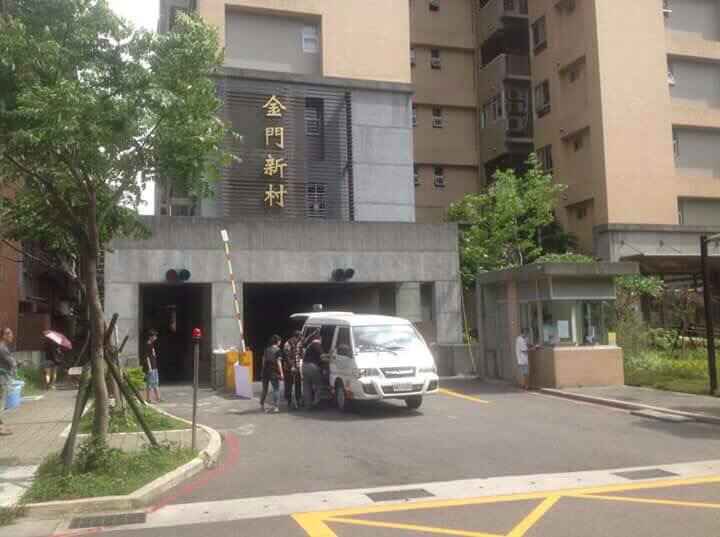
(眷服幹部生涯之九) 本局列管永和秀朗一村10戶及秀朗二村24戶因地基面積有限不適合原地改建,依據併小村入大村之原則規劃將兩村遷往本局列管大直北安路與國宅處合建之「圓山新城」。然部份眷戶不願遠離生活了幾十年的環境要求原地改建。經我多次赴村中宣導說明分析利弊終於達成共識同意遷出將土地騰空移交國有財產局依法處理,其中秀朗二村有一釘子戶堅持不搬,經本組多次登門勸導終於搬走,拆屋當天我親至現場指示怪手儘速先拆那一釘子戶的房子因為深恐他反悔再度回到家中阻撓拆除作業,順利完成拆除整平圍籬移交⋯等作業,兩村34戶也於83年遷入圓山新城。 早年金門戰地政務委員會籌款在中和地區購地興建復興、太武、太湖、浯江、九如等眷村供政委會軍文職人員眷住,後因常遭風災眷舍受損或淹水,金門方面支援不便,於56年奉指示交由本局列管並核發配住證,対災損及淹水眷村予以修繕及支援兵力清理環境,定期辦理眷村自強聯誼活動互動良好。81年11月17日金門戰地政務奉令終止,原政委會在金門財產移交金門縣政府,82年金門縣政府來函要求歸還中和眷村土地,縣長陳〇〇率六、七名諮議委員(相當於縣議員)來台協商,在中和的國防管理學院(眷村輔導支援單位)開會,眷村均派代表出席,部分委員態度強硬甚至有拆屋還地的言論,眷戶均表明希望仍由本局列管依法改建較有保障,陳縣長見協調受阻當場老涙縱橫表示身為縣長未能維護縣產甚感痛心。事後金門方面揚言要發動在台鄉親至總統府前遊行抗議,上級乃指派總政戰部眷服處處長劉錦龍少將及我赴金門縣諮議會出席公聼會,首先我將傋好的書面資料分發與會者並詳述案內眷村列管經過及現況, 劉處長也表明國防部立場維護眷戶權益。他們均不能接受,會場砲聲隆隆,完全顯現主場優勢。後來金門仍發動遊行約有千餘人參加。此事自此便一直擱置,我88年退休後十年才由金門縣政府在復興新村原址(捷運南勢角站斜對面步行約十分鐘)開工興建14層樓的金門新村(昨日下午曾至現地參觀,如留言版)除安置原眷戶129戶外餘183戶由81年戰地政務終止前設籍金門民眾申購抽籖。已於去年完成進住。見到眷戶得到妥善安置感到欣慰,只是這段過程太漫長了,可能許多老眷戶已無緣住進新家了!
懷舊篇-229
(眷服幹部生涯之十) 民國80年國慶舉辦擴大閲兵典禮代號「華統演習」,本組援例納编為接待科,我任科長,副組長為副科長,四名參謀為科員,其中海軍中校儲著華為承辦人。本科納入禮賓組(情次室禮賓處)組長海軍少將費鴻波(北市費鴻泰議員胞兄)督導指揮,本次證件製作由本局政戰部門派員負責,男生接待員仍由國防醫學院指派一百名學生擔任,女生接待員則簽報長官核准函請銘傳商專(86學年度改為銘傳大學)支援五十名學生擔任,並由儲中校親持公函至該校協調立馬爽快答應,眾所週知銘傳校長包德明博士(98年過世享年103歳)向來熱心公益活動,儲中校告訴我說包校長集合全校數百位學生親自一個個挑選出五十名學生,我們依據校方提供之制服設計圖様簽准經費每人訂製一套(類似儀隊制服)。九月底赴國防醫學院大禮堂対一百名男生實施任務講習,部分學生或許課業壓力大略顯疲態,但當我宣佈此次是由銘傳五十名女生和他們混合編組執行任務時個個興奮歡呼精神全都來了,學院政戰主任馬銀柱少將也全程在場,會後他還打趣的説這些同學一聼到銘傳女生加入接待時每個人眼睛突然發亮許多。看台搭建完成後所有接待員至現場任務編組及說明,那批女生接待員果真個個如空姐標準,國慶當日穿上新制服更是會場亮點。此次閱兵一改以往沿重慶南路由北向南行進而是由景福門沿介壽路(陳水扁84年任市長後改為凱達格蘭大道)向總統府方向前進,以往的分列部隊採連方陣(長方形)本次採營方陣(正方形)加大縱深更顯壯觀,部隊及戰車等裝備到達重慶南路後兵分兩路向左右離開,六軍團司令羅文山中將任閲兵部隊指揮官圓滿達成任務。此次也是我國史上最後一次大閲兵,後來陳水扁上台後雖有一次弄個什麼國防校閲但規模相去甚遠。
懷舊篇-230
(眷服幹部生涯之十一) 本局列管北市庫倫街55巷「志雲新村」(今圓山捷運站附近)係於民國42年「中國電影製片廠」隨國軍來台後廠長龍雲為安置員工眷屬向土銀借用土地興建丙種眷舍24戶,坪數狹小簡陋,眷戶多為藝工總隊成員故取名「康樂新村」,龍先生於52年不幸空難過世後眷戶為感念他建村辛勞改村名為「志雲新村」早年老一輩孰悉的演藝人員曹健、傅碧輝、錢璐、葛香亭及作曲家李中和等均是村中眷戶,我任組長的前六年均由葛香亭任會長他曾為爭取眷村屋頂翻修經費兩次至國防部會客室向我們說明,經現地勘查後核撥經費整修,他的継任者罹患咽喉癌不滿兩年即病逝,我前往二殯悼祭見該村由葛先生主祭與祭者均垂垂老矣,那也是我最後一次見到葛先生。後來該村於四年前遷往北市西藏路本局復華及慈安兩村改建之「復華花園新城」,原址眷舍也於101年8月辦理都更而走入歷史,原來的志雲新村至今只是老眷戶們夢中的回憶了,目前國內已有許多眷村文史工作團體致力於眷村文物歷史的蒐集保存及展出,特別要感謝他們的努力付出讓國人能進一步瞭解眷村的沿革進展及各階段的風貌。
懷舊篇-231
(眷服幹部生涯之十二) 本局列管淡海附近淡水油車里「淡江新村」眷戶十八戶多係原軍統局(國安局的前身)跟隨過戴笠先生的部下,有些眷戶客廳牆上還掛有戴先生的黑白放大相片,顕見他們對老長官的崇拜敬仰,因眷舍簡陋老舊乃委託軍眷合作社規劃原地改建,重建說明會後眷戶均很滿意且按時程搬遷,其中有一戶眷戶住眷村邊緣院子較大加蓋多間房子不斷打電話要求我親自去看是否能領取拆遷補償,我及承辦人到他家丈量結果不符補償標準當場向他説明獲得諒解,次日下午快下班時他又到國防部會客室要見我說有很重要的事,正好我手邊重要公文待處理乃交待參謀去見他看有何事,參謀返回辦公室手中拿有一串鑰匙說是該眷戶指名要交我保管的眷舍鑰匙,並說他晚上要去見他的太太(之前去他家時他曾提及他們夫妻感情不睦是分居狀態)我便將鑰匙收在辦公桌內。次日上午上班前翻閲早報發現一條新聞指出北市潮卅街某民宅前發現一老翁倒臥死亡(他妻子住處)經指認姓名是〇〇〇,死亡時間是深夜,我極為震驚因為那正是前日下午來找我的眷戶,對於他最後以如此極端的方式在結髪幾十年的老伴住處結束生命感到相當遺憾,不解他何以有如此大的恨意,後來由該村自治會妥為料理後事,我也將該眷舍鑰匙交由會長代為保管。該村完成改建後眷戶們依規定抽籤進住澈底改善居住品質。
懷舊篇-232
(眷服幹部生涯之十三) 本局列管北市雙城街「篤行一村」眷戶僅11戶眷舍老舊簡陋,規劃將該村遷往哈蜜街原中興新村空置眷地(原眷戶巳遷往士林忠誠路之蘭雅新城)與市府合建之「中興花園新城」,該村前後兩位自治會長夏志清及丁瑋老前輩非常負責盡職,対我非常客氣開口前總是説"報告組長"令我非常不好意思,対村中某戶違規出租營商的釘子戶也多次協助圓滿解決,新建國眷宅完工後由本局及國宅處對半平分坪數,在某次建材標準確定會議中,我發現衛浴設備僅為正字標記、室內地磚為30X30公分、樓電梯間牆面刷水泥漆,乃建議衛浴設備採用和〇的阿〇〇〇系列或電〇的亞〇〇〇系列、地磚用40X40公分、樓電梯間牆面貼壁磚,國宅處人員表示事涉造價成本無法變更,經我堅持結果作成會議結論"軍方分回的戶數按修正標準施工"我心中研判他們回去簽報長官時肯定無法過關,果然不久之後國宅處承辦人來電說處長指示國宅處分回的戶數也比照提高標準,畢竟同一社區兩套標準確有不妥。至於案内我要求的建材標準係比照當年各軍種委託軍眷住宅合作社興建工程之標單所列明,樓電梯間貼壁磚係見到許多社區刷水泥漆者多易污損保養不易需定期斥資粉刷,不如先多投入些成本一勞永逸。社區完工後我陪同該村眷戶至現地選定棟別(樓層需抽籤決定)眷戶們均興奮不己不斷道謝,那種表情就像是我經常看的一個節目「全能住宅改建王」屋主回到全新設計建好的新家喜極而泣一様,而我們眷服幹部看到一生奉獻國家的老前輩們晚年得到妥善的安置是最足感欣慰的事了。
懷舊篇-233
(眷服幹部生涯之十四) 本局列管北縣新店安忠路「安康新村」眷舍百餘戶係早年借用台北縣有地將虎仔山茶園鏟平興建供電展室官士眷住,因非屬國有土地無法提撥地價補助款補助眷戶致遲遲無法改建,台北縣政府且多次致函夲局要求歸還土地,我任組長後便積極協調北縣府為眷戶爭取權益且多次赴板橋縣府開會協商,有些官員態度強硬要求拆厔還地,本局礙難同意,後來縣府來函稱該筆土地將規劃興建公教住宅,本局乃要求將原眷戶一併安置,為此事雙方公文往返及開會協商長達兩年之久,最終縣府同意比照國有地眷村改建模式補助原眷戶購厔,縣府委託三家建築師設計新的社區,邀請我擔任軍方代表參與建築師比圖評審委員(共有七名)最後由羅〇〇建築師設計案入選。本組完成重建說明資料後在眷村附近的里民活動中心召開說明會,村民幾乎全部到齊,我一再強調這是多年爭取到的機會務必配合,眷戶們均答應依時程搬遷散會時全體村民還向本組同仁們鼓掌致謝,該公教住宅工程於87年開工,三年後完工除安置原眷戶外餘戶供北縣公教人員申購,終於又解決了一個重建困難的個案。
懷舊篇-234
(眷服幹部生涯之十五) 本局列管北市北投「慈光五村」係蔣夫人為照顧外島辛勞幹部籌資於文林北路東側沿磺溪至石牌橋邊(舊美國學校附近)建造十棟四或五樓公寓眷宅供眷屬居住,隨著時光過去眷村亦顯老舊,某日該村輔導支援單位政戰學校來函稱村中有數楝建築有傾斜狀況請本局協助解決。我至現地勘查瞭解,負責盡職的政校年青軍官(眷村連絡人)從五棟傾斜的建物頂部屋角以長線吊一小石塊垂至地面果然有傾斜現象,且每棟均是向後傾斜,我發現因為原分配坪數不夠住每戶都利後院空間加蓋,每層樓都銜接至原有房屋,而加蓋之房子地基肯定不像原本建築的地基深度,多年之後因重力產生的自然沉降將主建物向後拉造成傾斜狀況,今天若是一根電桿歪了尚可設法扶正但整棟樓房傾斜幾乎是沒救(工程浩大且浩資甚鉅),我乃請會長轉知住戶定期監測若有安全顧慮則採取撤離。後來上級規劃將該村遷往健康路國軍松山醫院東側原婦聯六村改建之國宅「健康新城」,經過意見調查結果會長告知本組全村150戶中同意遷村及要求原地改建的各佔一半,我立即決定儘速召開全村說明會,會議當天我見到許多老長官,我在屏東師任工兵營長時的田副師長也是眷戶之一,會前特向他請安。我仔細分析原地改建及遷村的利弊,最重要的是可直接搬到新家不必在外租屋三至四年且北市房租負擔不小,騰出的空地又可興建社區供北投地區其他眷村遷入。若論地緣熟悉因素,在座長官都長年習慣本外島輪調相信很快便能適應,同時我也將房屋倾斜的原因分析報告他們也同意我的看法。完成說明會後不久僅有一戶未簽遷村同意書,後來全村順利遷入「健康新城」,原址土地於98年動工102年完工為「明德敦品」社區安置陸軍明德、梅林、中心三個眷村及後備指揮部一批散戶共計101戶,大家都不必在外租屋直接搬入新家。
懷舊篇-235
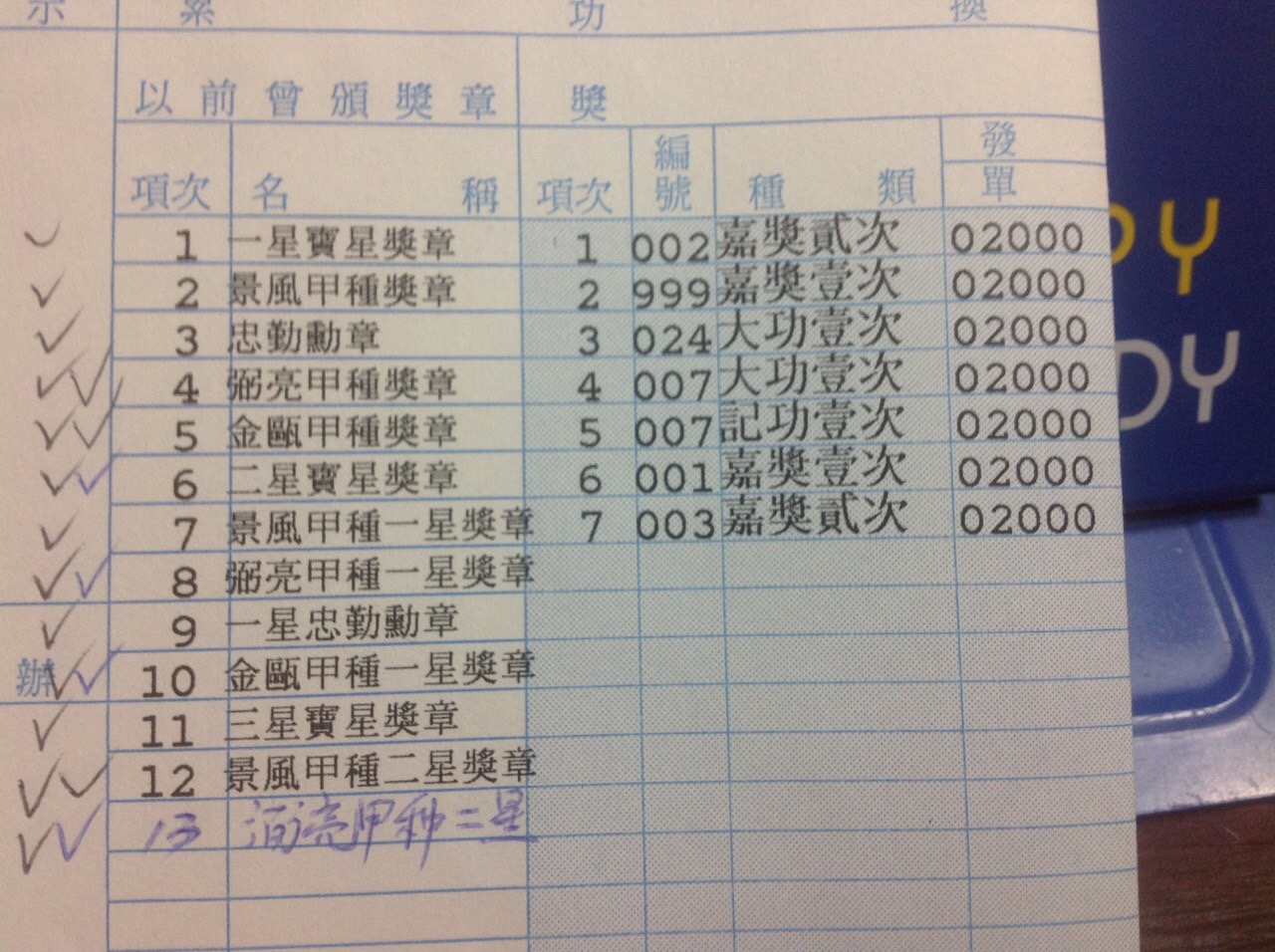
(眷服幹部生涯之十六) 眷村改建工程牽涉到人的因素,每個建築基地上都有生活了幾十年的眷戶,要説服他們搬離騰空土地需要相當的努力,而我以往承辦的後勤軍事工程則單純許多,只要有預算就可按核定之計畫在預定地上開工興建。因此我在眷服單位11年的生涯可説是一段磨鍊及考驗,學到許多排除困難解決問題的要領,我極為希望在我任內儘量完成列管眷村的改建工作,然基於每年編列的重建基金有限,每個軍種平均分配之下許多眷村只好排隊等候,總計我任內完成了十個眷村的改建及遷建四個眷村,有些眷村受限於土地產權因素而無法順利改建使我一直引以為憾,退休之後仍三不五時至現地查看後續進展如何,老伴則常說"你都退休那麼多年了怎麼還放不下"可我總覺得那好像是我未完成的任務。數年前看到北市萬隆一帶原借用省府農林廳蠶改埸土地的崇徳、隆盛、建新等三村因眷改條例通過後得以依法源改建為「隆德天下」社區,為他們感到慶幸。我自61年9月任官迄88年9月22日(921大地震次日)退休,年資27年加上軍校7年則穿了34年軍服,無論是後勤工程及眷村改建方面我都盡力了也得到長官的肯定,任職期間共獲頒動章两枚各式 獎章十一枚。我的懷舊文從38年到88年跨越了50個年頭以235篇拉拉雜雜沒有系統想到那寫到那,非常感謝好友們耐心地讀完且按讚鼓勵,今天是懷舊篇的最後一篇,爾後我會持續關注好友們的動態消息,祝大家平安幸福。
原 PDF 有 224 个字因字体缺字而无法显示,本页已根据上下文补上,可能有出入。
本文保留原文的繁体字。
Contents目錄目录 (21)
懷舊篇-215
(局長參謀生涯) 總務局長就像是古代宮廷中的內務府總管,只是掌管的事務範圍更廣從膳食服裝陣營具、房舍水電修繕維護、禮賓交際接待、車輛通信、營產管理、眷村服務及改建、博愛特區警衛、財務出納⋯等均需負責,且要督導管理慈湖陵寢管理處,國防部福利處、三軍儀隊、示範樂隊、三官俱樂部、兩個憲兵營、汽車大隊、三個勤務連等單位,每天非常煩忙,局長〇中將係隨郝總長由陸總調至本局,心思慎密事事務求完美,個性較急致脾氣火爆,經常責駡部屬,但是很照顧部屬福利,我報到的第一天侍從參謀羅上尉就告訴我說"局長是刀子口豆腐心"。原來的張參謀家住屏東每天晚上仍守在辦公室接聽電話,就寢則在隔壁約兩坪大空間放兩張雙層床與傳令駕駛共住,局長要我比照張參謀辦理,從此我便24小時在辦公室(每天都是值日官)長達九個月,在後次室經常出差及上下班有如翱翔天際的禽鳥突然被関在鐡籠中,晚上連上個廁所都要小跑步(廁所在二十多公尺外的走廊另一頭)深怕漏接局長打來的緊急電話,我每天的主要工作便是過濾所有上呈的公文(類似秘書)有錯別字漏字都以鉛筆在旁補充,標點符號也要俢正,批示過的每件公文都要記錄批示內容,遇有批"來見"兩字的則要列管,不時提醒組長來見,有時局長有訪客而等著面見的組長捧著公文在門口的長沙發上三、四人排排坐個個面色凝重(等著挨刮)此時我和羅參謀便設法說些笑話緩和緊張的氣息,好不容易一個小時後訪客走了但局長也跟著出門說總長找他有事要組長們下次再來,他們帶著失望的眼神離去,這種戲碼經常上演。每天下班後所有組長要到局長室主管會報,提報當日工作內容及次日待辦事項,組長們都簡稱為"晚朝"我則在旁紀錄局長指裁示內容,次日一大早局長六點半上班前要將整理好的紀錄放在局長桌上,原本是一位女雇員負責此項工作,我到任後奉命接替此事,我依據以往所見長官指裁示內容簡短扼要紀載怎料第一次上呈便被修理,原來他要求的是更為詳盡的內容,後來我修正紀錄方式便過関了。
懷舊篇-216
(局長參謀生涯之二) 前文忘了提及我初到局長室時是由二組副組長空軍上校趙鍵科學長暫代局長參謀,他待人親切誠懇非常認真地交待一些注意事項,第二天他回到二組上班後從此我便稱他"師兄"他則稱我"師弟"。二十多年之後我們在同事子女婚宴場合相遇仍大聲地以師兄弟相稱,一日師徒之緣倍感珍惜。 我在國防部前後約十三年多,在後次室的一年多在博愛大樓上班,之後的十二年都在總統府的一樓。在此略為介紹一下我工作的環境,它係1919年日據時期(總統府網站至今記載為日治時期,真是可悪)建造完成為當時的總督府,風格為「後期文藝復興式」,1948年5月20日作為中華民國總統府其機関法人前身為國民政府,其建築構造從空中往下看為日字型,右側為正面向東面臨重慶南路,左側為背面向西面臨博愛路,南北各一個中庭花園(我們簡稱南院、北院)四角各有一門供總統府及國防部人員進出,東側中央正大門為總統及外賓出入(之前曾遭貨車撞毀)、覀側中央之西大門正対長沙街,我在局長室(日字上端中央位置面對北院)九個月,後調至眷管組(西大門旁窗戶對著長沙街)十一年多,各辦公室外有磨石子內走廊,我在局長室期間經常天不亮就被勤務連弟兄打臘機的聲音吵醒,在眷管組期間則常從窗戶看到長沙街塞滿了計程車向交通部請願抗議,辦公室門窗均為木質的,窗戶是上下開的,將窗扉雙手抬起後卡住即可,大樓正面中央有一塔樓,我後來任組長時曾有機會登上頂部升旗台,塔樓各層約五坪大小,沿樓梯逐層往上高度約十層樓,頂部升旗平台僅容兩名憲兵站立腰部需繫好固定在牆上兩吋寛的厚帆布安全帶(防止強風將人吹落),在地面看似火柴棒的旗桿是聯勤兵工廠以155榴砲砲管焊接組裝的,當年架設旗桿肯定是費了不少功夫。總統府對面南北兩片廣場平時作為停車場,國慶閱兵時則搭建觀禮台供來賓觀看典禮,如今已改為縷空的植草磚舖面。
懷舊篇-217
(局長參謀生涯之三) 局長室辦公桌腳旁裝有電鈴按鈕我們在外面聼到叮咚一聲就代表找傳令,若是叮咚-叮咚就是找參謀,每次聽到叮咚聲都會心跳加快,十幾年前當連長經常胃痛的毛病此時又再犯,研判可能是壓力過大。到三總照胃鏡結果是胃潰瘍,每日按時服藥但效果不大。局長室牆上裝有五個顯示燈標明部長、總長及三位副總長(每個聯參局次長室都有),若燈亮著便表示長官在辦公室可安排持呈公文或面報公務,每天晚上都要等總長的燈滅了之後局長才會下班返家。每年的國軍自強會議(旅長以上參加)多半在政戰學校舉行,本局要負責伙食勤務,為了便當的菜色常開會討論一兩個小時,事先尚經所有副局長組長試吃後每人提出意見,在中山樓的國民大會本局也派出許多勤務人員負責伙食、通信、車輛⋯等事務,事先都經過多次的任務講習及協調會務求做到零缺點。 督導聯參政戰工作的單位每年定期舉行政治測驗,從各單位名册中抽出二十名軍官或雇員接受測驗,本局中籤人員於受測前三天便停止一切手邊業務每天一上班便集中在會議室猛K政治教材,每天都要模擬考一次當埸公佈成績,因此每次公佈受測人員時全局都很関切,真是幾家歡樂幾家愁,正式測驗結果每年都由本局獲得第一名。 77年元月13日國軍自強會議在政戰學校召開時驚聞總統經國先生病逝,會議立即停止所有將校返回部隊加強戰傋,局長面臨繁忙的治喪任務幾乎每天都開會協調足足忙了一個多月才暫告一段落,李登輝順勢接了總統大位從此將台灣帶入衰敗不振的境地。
懷舊篇-218
(局長參謀生涯之四) 本局有兩位副局長海軍的趙淦成少將修養很好經常関心我是否適應新的環境且提醒我要忍耐,我便將桌子上藍色打印台的蓋子裏面貼了一張大大的"忍"字,每次打開蓋子要用打印台時便可看到,此刻尊嚴的面具可暫且拿下,因為小不忍則亂大謀。 陸軍副局長羅順德少將是陸官學長曾任前國防部長俞大維(八二三砲戰時)先生侍從官,外文能力強,個性隨和,曾將孫子兵法譯成英文版本,國防部且發給每位部內軍官人手一本,他仍然經常赴信義路俞前部長官舍協助處理相関事務。局長侍從官羅上尉調走後由警衛組海軍少校霍平漢接替,他個性豪邁嗓門特大愛說笑話使辦公室氣氛輕鬆許多。每天上午八點十分全局人員都要到南院中庭做早操,由一位政校體育系畢業的沈上尉帶操(日前聼同事說他已病逝了,真令人惋惜),局長則逐一至每個人面前從頭到腳打量一番,偶爾也會詢問一些公私事務。國防部所有單位只有本局有團體早操,其實這是對身體有益的,後來李登輝任總統後將南北兩個中庭花木、花台全部拆除重新設計花園,似乎有找風水專家參與,後來的花台上還刻有代表風水的符號及字樣,事後的發展顯示出這個風水師也不怎麼樣,本局的早操活動也因無場地而被迫取消了。
懷舊篇-219
(局長參謀生涯之五) 在局長室任職期間整天忙於處理上呈公文及局長臨時交待事項,基本上是屬於秘書及隨從性質,雖然學到許多官場禮儀及做事要領但是始終沒有成就感(相較在陸總及後次室承辦國軍重大工程),長官不接的電話要設法擋掉不想見的人絕不能放進去,縱使誤放進去只要見到長官臉上表情便會知道該如何處理(提醒長官馬上要開會或是總長召見)。平時在走廊上見到局內同仁都很客氣地和我打招呼,上校組長副組長也一樣,我想到古時候皇帝的貼身公公走到那見到的都是堆滿笑臉的大臣們,那是看在背後的主子份上,因此我時常提醒自己絕不能眼睛長在頭頂上狐假虎威,縱使見到士兵也會微笑回禮,公文中有錯漏字時會通知承辦人拿回去改正,他們都不斷道謝,和局內同仁相處久了之後交了許多好朋友,見面問候的熱忱均發自內心。 之前提到組長排隊持公文來見,但是局內某位主計主管每次都拿著一個黃色卷宗聲稱是特別緊急案件要立刻面報,其他組長被他插隊均一肚子火,這種耍特權的人令我憎悪,有時在看電影買票遇黃牛揷隊我都大聲制止,妻則勸我不要惹麻煩,有時我要妻排在隊伍中我則站到售票口附近當糾察隊監看(那是年輕時的往事)。 在局長室任職九個月之後某日在大餐廳遇見老長官後五處處長羅少將,他説局長將把我調到眷管組熟悉眷村改建業務及臨時特別任務,不久之後局長便通知我調職之事,命我負責當年(77年)國慶閲兵夲局綜合管制承辦人及所有觀禮證件(兩次預校、一次大閲)約八萬餘枚的設計、印製,另擔任禮賓組接待科承辦人籌組150名接待員加以訓練後負責來賓接待工作,我77年6月至眷管組報到後便立即忙於國慶閲兵(光武演習)任務,也開始了我另一段軍旅生涯。
懷舊篇-220
(眷管幹部生涯) 當年的陸、海、空、聯勤、警備總部各有一眷管處,總務局、軍情局、憲令部各有一眷管組,主管均為上校編階統由總政戰部的眷管處(少將編階)督導,各單位除現役官兵眷屬服務工作外尚列管數十至數百不等之老舊及改建後之眷村、職務官舍(本局列管六十餘眷村),每個眷管處組均劃分為服務及重建兩部門各司其職,當年正値全面推動眷村重建,業務重點是較為偏重於重建。我報到後組長卓榮漢上校(陸官38期砲科學長)命我擔任首席參謀,全組所有上呈公文均先經過我過濾修正錯漏字蓋章後再呈給副組長(資深通信上校),同仁中有四位上校退休一位中校退休的雇員在組裏都有十幾年的資歷,當他們將卷宗放在我桌上時我覺得有些不自在。我還有另外一項吃力不討好的任務,組長說既然我住高雄每天下班後就到北市哈蜜街孔廟附近的中興新村逐戶清查有無違規出租情形,因為該村八十餘戶已計劃遷至士林忠誠路的蘭雅新誠,若有出租不聼勸阻者依法註銷其配住眷舍。我下班後換上便服帶著名冊逐戶按電鈴,村內的老杯杯們有些很配合清查有些則態度很不耐煩(可能是打擾了他看八點檔電視劇),有些承租戶拒不開門甚至還有大嬸出來駡街。執行極不順利前後耗了一週才完成清查將結果交給眷籍管理同仁處理。本組組長對屬下很少責駡修養尚好但是某日不知何故竟在辦公室內說要修理主計室主任(就是經常插隊見局長的)他氣沖沖地問我説"翊民,你幹過監察官,如果組長打組長是何罪行"我答說"長官打部下是體罰,部下打長官是暴行犯上,同級打架是互毆,挑起事端的一方要負較重處分"他聼完後説"我早晚要讓他好看"可後來直到他退伍也一直相安無事。可能當時只是氣頭上說説而已。接著我便開始忙著國慶閱兵的相關工作。
懷舊篇-221
(眷管幹部生涯之二) 國慶閲兵觀禮證設計印製案執行情形之前已P0在我的動態「永遠懷念的蔣部長」一文中,三次校閱證件八萬多枚每枚背面加蓋光武演習戳章,上班時間組內同仁均抽空幫忙,下班後我則獨自加班作業,重慶南路西側中央區、中南一二區、中北一二區共三千餘枚大閲證尚需以號碼機打上X排X號,為求慎重全由我自己完成,整整忙了一週才完成作業,兩次預校證件點交給作次室訓練處承辦人劉鴻高上校(我工兵科同學)負責分發,正式大閲證件點交給情次室禮賓處分發,中央台五院院長、資政、一級上將等文武官員二十人及中央區外賓、部會首長、戰略顧問、中央民代等三百餘人觀禮證上尚請專人以毛筆寫上名銜。 至於接待員組訓任務我則簽准由國防醫學院(最靠近總統府且未參加閲兵分列任務)指派男生一百女生五十人擔任,並由聯勤軍用服裝社為每人訂製一套新的軍常服,我將看台分區平面圖繪製在透明的投影片上到位於汀洲路附近的學院大禮堂(現已遷往內湖)執行接待員任務講習,並拿出各式證件讓他們辨認,同學們個個聚精會神,九月底看台搭建完成後又安排他們到實地瞭解自己的責任區(中央台及中央區的學生是特別挑選出的),十月九日白天我率學生們依據禮賓處提供的貴賓座位表將名條貼在椅背上,為防止下雨浸損再覆以透明膠帶,並交待學生們熟記來賓座位方向,必須儘快將來賓帶到座位絕不能帶著來賓到處團團轉,正式大閲當天一切順利,指揮官六軍團司令陳廷寵中將指揮得宜,三軍部隊士氣高昂動作整齊劃一,圓滿完成光武演習任務,李登輝也嘗到三軍統帥的滋味,三年後的民國八十年國慶他又要弄個大閲兵(華統演習)那次我已擔任接待科科長職務了。
懷舊篇-222
(眷管幹部生涯之三) 由局長室調至眷管組後不用每天24小時待命及夜宿辦公室,雖恢復上下班但仍經常每天工作十三小時以上,除了之前下班後至眷村清查訪問及加班處理國慶閲兵觀禮證外本局列管的六十多個眷村晚間開自治會委員會或村民大會都會發通知公文邀請本組派員列席,這也是我的職掌之一,有的好友可能會問每個月加班費多少?答案是零元,在軍中是沒有加班費這項名目的,頂多只有誤餐費130元還要填申請單蓋私章簽呈核可,為怕麻煩很少申請。列席眷村會議就像是議會中列席備詢的官員,針對眷村改建的問題當場答覆或是帶回研究辦理,有時遇有老杯杯在會議中爭吵還要安撫雙方情緒,與北市府合建國宅(一半軍方一半市民)召開自治會與管委會聯席會時也常發生雙方為權益問題爭執不休,我只好儘力調解(我接任組長後便推動改建後的眷村自治會委員與管委會委員合一,即兩塊招牌一套人馬,減少許多紛爭)。 軍中莒光日電視教育中有一莒光園地單元,總政戰部指示要拍攝眷村青少年育樂活動,之前各單位已在各村推廣書法班、美術班、圍棋班、球類班⋯等活動,藉由電視畫面做成果展示,因為我在陸總後勤署時曾寫過電視腳本及協調華視拍攝紀錄片,組長便命我負責此次任務,首先安排拍攝眷村及活動項目,再撰寫腳本、協調華視工作人員,本組另一名海軍王中校任我的助手,到達眷村後我還要注意場地光線、人員站位、表情等略加指點,拍攝打籃球時也NG了許多次才過関,拍攝完畢後我將腳本交由華視人員進行配音,後來在莒光日教學中看到我們拍攝的紀錄片效果還不錯,感覺蠻欣慰的。
懷舊篇-223
(眷管幹部生涯之四) 在眷管組任職期間每逢颱風來襲時辦公室必須有人留守,由參謀輪流換班,事先向一組打借條至庫房領取兩床棉被晚間在辦公室打地舗,若有眷村通報災情立馬採取緊急處置,一般人期盼有颱風假,我們倒是希望年年風調雨順。七十八年九月組長卓上校退休,副組長孫上校接任組長,由我接任副組長,交出承辦的業務之後少有加班情形,晚間可常與父母共進晚餐,偶爾週六上午請半天假週五下班後返回鳯山探視妻女(長女九歲、次女六歲),週日晚乘國光號夜車返回辦公室略為休息後開始新的一週。本局列管眷村散佈台北市、台北縣及桃園縣各地為求走訪眷村方便及上下班機動性(不必趕交通車)乃購置了一台機車為代步工具,騎乘之前先換上便服,直至今日我平常仍以機車為主要交通工具(到大賣場或打羽球時才開車)。七十九年三月中華職棒開打,成立五年的兄弟隊與味全、三商、統一四支隊伍競逐王座,我是兄弟象迷只要能按時下班我便騎車趕赴臺北巿立棒球場加油,有時內野賣完了只好買外野票,尤其兄弟、味全的龍象大戰經常滿座,有一次我幾乎連外野都擠不進去,勉強在外野入口處站著看完全場(約三小時)。後來改在金石堂買預售票方便許多了。週日回高雄也會帶兩女兒至立德球埸看球,長女是棒球先生李居明的球迷,我則崇拜老教頭曾紀恩、欣賞盜帥林易增、鐵捕洪一中、遊撃吳復連及後來的強棒彭政閔、王光輝等人。家中曾收有三顆看球時接到的全壘打及界外球(現已不見了)。每次看完球回家嗓子都沙唖的,在看台上和一群同好吶喊振臂做波浪舞澈底釋放壓力対上班族的確不錯,本局勤指部的吳建立上校幾乎每場兄弟象出賽的比賽都會和我一同前往,賽後我騎車送他回南機場住處再返回新店。那一陣子過得充實愉快,唯一掃興的是進了球場因雨延賽坐在看台枯等雨停,有時宣布停賽,球迷們敗興而歸,或許這就是人生,不可能事事順心如意,如今好不容易盼望有個大巨蛋又有人嘰嘰歪歪找喳,真是夠了,每次看到電視上那些令人憎惡的嘴臉都想跳進去跩他兩腳。
懷舊篇-224
(眷管幹部生涯之五) 本局列管北縣板橋大庭新村早年分配予服務於國防部的官士330戶眷住,因房舍老舊奉核定委由軍眷住宅合作社辦理改建,設計規劃1O78戶除安置原眷戶外餘供陸軍板橋台貿九村遷住368戶,配售現役有眷無舍官士380戶。已依法申領建造執照及完成發包,因工程規模大為避免風險分為甲、乙兩標,分別由國內太〇〇及東〇〇兩家得標承建,但原址仍有40餘戶拒不遷出並由兩名退休資深上校帶頭多次糾集十餘人至國防部陳情,局長親自在局會議室接見協調,局長也曾於晚間率我及承辦人(本組上校退休雇員)至該村活動中心和他們協商均無進展,歸納他們的訴求分別為眷戶免負擔自備款、改建後房子小不夠住(許多眷戶加蓋達五、六十坪左右)、每月房租補助費僅600元太少⋯等。鑒於若未能在一定期限內申報開工則原申領之建照便要作廢,且配合遷出的290戶不斷來電話催促儘快開工。總政戰部及本局乃決定強制執行拆除。79年4月中旬總政戰部主任召集眷管處長林天埊少將(我在屏東師任營長時的師主任)夲局副局長羅少將及我下達指示(組長奉派至中山樓支援國民大會勤務),次日上午我備好公文至板橋憲兵隊函請支援兵力排除抗爭,接著赴板橋警分局函請支援警力維持秩序及蒐證均獲得同意,接著到電力公司及自來水公司協調派員於次日凌晨一點到逹配合拆除進度拆除水、電表,兩家公司說派人可以但要支付加班費,我立馬答應。一天之內順利完成協調工作。當晚十二點以前我們均抵達眷村附近待命,六部怪手也在不遠處集結完畢,該村有國光路貫穿我們先以一部怪手在前門佯攻吸引抗爭群眾,另外五部怪手由後門突破,一切按計劃進行,當我們凌晨一時到達後門時抗爭群眾急忙由前門趕來支援並堆置破沙發等傢具阻擋道路 ,林處長立即下令憲兵以盾牌推開人群。四十名憲兵在前二十名警察在後立刻清出道路五部怪手魚貫而入展開拆除作業、水電公司人員也很熟練地拆除水電表。眷管處支援兩名上校參謀加上本組四名軍官共六人每人帶一名武裝憲兵陪同一部怪手作業,每位軍官手中有一張全村平面配置圖,之前我巳派人全面清查標明尚有人住的房子(每排六戶劃成六小方塊,將有人住的方塊塗成黑色)每位軍官指引怪手避開有人的房子,頓時整個村子有如天崩地裂,沒水沒電有人連夜搬家(家中滿是老鼠蟑螂,吊燈搖搖欲墜)也有人仍在現場駡街,有一年輕人欲爬上怪手被警方當場帶走,經過一夜作業後憲兵警察收隊,怪手継續工作至下午六點,司機夜宿車上,次日上午八時開始作業,一連六天終於拆除完畢,抗爭戶在六天期間內陸續搬出,原本兇惡的眷戶竟然拜託我們清出通道讓搬家車進入,我乃請怪手師傅將路上磚瓦撥開清出路面。整地完成後舉行盛大的開工動土典禮,眷戶們都很興奮,五年後完工抽籤進住,是全縣最大的眷村改建集合住宅。
懷舊篇-225
(眷管幹部生涯之六) 79年7月本組組長退休,由我接任組長職務,並由本局二組調來工兵學弟〇上校接副組長職務,因本局列管眷村及散戶衆多,本組人數有限且多忙於眷村改建任務,為強化眷村服務連繋工作總政戰部將本局列管眷村核定由三軍大學、政戰學校、三軍總醫院、國防部印製廠、國防管理學院、統指部、電訉發展室、中正理工學院等單位擔任輔導支援單位各就近負責三至九個眷村服務慰問任務,承辦人員多為各單位政戰部門尉級男女軍官或雇員,均能熱心盡職很快進入狀況,各主官及政戰主管亦重視眷村服務任務,為本局分勞不少。上級有感於軍眷管理已不合時宜便將所有眷管單位更名為眷服單位,本組為軍眷服務組簡稱眷服組。每個月參加總政戰部的眷服會報,各軍種都要提報改建困難的眷村執行狀況。本局多年來以汀州路思源路的健軍新村及通安街的通化新村執行最為困難,延宕七、八年毫無進展年年列管提報,我接組長後立即拜訪會長,也多次在國防部會客室與眷村會長幹事委員等交換意見瞭解問題所在,並函請北市國宅處完成最新的合建規劃設計資料以供重建說明會之用。那段期間我幾乎把大部份時間都用在這兩個眷村上。
懷舊篇-226
(眷服幹部生涯之七) 本局健軍新村及散戶共一百餘戶分散在汀州路以西的台大商圈附近的十處基地,最大的基地就是原國防醫學院東側現自來水園區対面,一進大門左側兩棟圓弧型屋頂鐵皮屋外表塗有黑色瀝青但仍有銹蝕狀況每楝住有20戶多為士官階眷屬,每戶僅有不到十坪且無客廳臥室之分,廚房、浴室、廁所都集中在鐵皮屋尾端是全體共用,天雨時還會漏雨,目睹此景不免令人鼻酸,我也是眷村第二代從三歳起便住進眷村(分別為鳳山黃埔、大寮商協及新店文山)體驗竹籬芭內的日子,雖然都是公用廁所但仍然有自家的浴室及廚房,實在不敢相信在北市精華地段竟有如此眷住水平,然在同一村內其他住戶卻是獨門獨院,有些還加蓋了兩層樓房,有些眷戶是中少將階的,反差實在太大。我得知改建困難的原因是法令宣導不足及眷戶不知未來的權益何在後乃函請北市府國宅處儘速完成全區規劃設計說明資料並擇期召開全村重建說明會由我主持國宅處派員列席,除將眷戶可分配坪數告知外,自行加建的補償辦法及人口衆多自費增坪⋯等規定均詳細説明,且強調說以後全村不再分散各地全部集中在最大的基地,其他九個小基地及部份大基地由國宅處分回以國宅配售市民,會後眷戶均無異議且迅速至法院完成認證手績陸續遷出,國宅處發包拆屋整地至84年開工動土典禮,國宅處邀請市長陳水扁,總政戰部副主任,本局局長崔中將共同主持,陳水扁上台致詞説"雖然我知道你們眷村選舉時都沒有投票給我但是我一直都很關心老舊眷村的改建,以後我會督促國宅處全力辦理改建工作⋯"真是會耍嘴皮子的政客。三年後完成改建為「健軍新城」眷戶很興奮地抽籤進住,總算解決了一項困難個案。
懷舊篇-227
(眷服幹部生涯之八) 位於北市通安街的通化新村是本局另一改建困難之眷村,該村有一較特別的狀況就是每次村民大會都是由十餘名三十多歲的眷村第二代主控會場,年長的眷戶極少發言成了旁觀者,為儘快解決重建問題我從接任組長後一共召開了六次說明會,前五次都因規劃方案中街廓、座向、廢巷⋯等因素遭眷戶反對,有些年輕人態度很差就像民代質詢官員一般大聲咆哮,某次在國宅處召集眷戶代表說明會時竟有年輕眷戶拍桌大駡國宅處副處長,我立即出面制止。每次重新規劃便需耗時半年左右才能再次召開說明會,我均親自主持,同時我也拜訪會長及自治幹部希望他們能說服眷戶配合改建政策,漸漸地村中產生不滿該批年輕人的聲音,後來只剩兩三個年輕眷戶參加說明會。在第六次說明會後眷戶陸續至法院辦理認證手續及遷出騰空,國宅處發包於86年元月開工88年9月完工名為「通化新城」,終於完成了該村的重建任務。 本局委託軍眷住宅合作社改建的光復南路中崙新村、民權東路自立新村及民權新村也陸續召開說明會、搬遷、發包、動土、完工、抽籤進住。其中民權新村位於榮星花園對面眷戶有多名將軍,會長吳寶華先生曾任總政戰部副主任及華視總經理,我主持多次聯建小組會議(眷戶代表、合作社、建商定期召開之會議檢討施工進度、品質、訂定樓層指數⋯等)有時依規定無法滿足原眷戶要求(譬如要最好的建材、衛浴設備要進口貨)經溝通後他均能理解而配合讓步,該村改建後命名「榮星新城」,與鄰近的數棟大樓連成一線有效改善了市容及眷住品質。
懷舊篇-228
(眷服幹部生涯之九) 本局列管永和秀朗一村10戶及秀朗二村24戶因地基面積有限不適合原地改建,依據併小村入大村之原則規劃將兩村遷往本局列管大直北安路與國宅處合建之「圓山新城」。然部份眷戶不願遠離生活了幾十年的環境要求原地改建。經我多次赴村中宣導說明分析利弊終於達成共識同意遷出將土地騰空移交國有財產局依法處理,其中秀朗二村有一釘子戶堅持不搬,經本組多次登門勸導終於搬走,拆屋當天我親至現場指示怪手儘速先拆那一釘子戶的房子因為深恐他反悔再度回到家中阻撓拆除作業,順利完成拆除整平圍籬移交⋯等作業,兩村34戶也於83年遷入圓山新城。 早年金門戰地政務委員會籌款在中和地區購地興建復興、太武、太湖、浯江、九如等眷村供政委會軍文職人員眷住,後因常遭風災眷舍受損或淹水,金門方面支援不便,於56年奉指示交由本局列管並核發配住證,対災損及淹水眷村予以修繕及支援兵力清理環境,定期辦理眷村自強聯誼活動互動良好。81年11月17日金門戰地政務奉令終止,原政委會在金門財產移交金門縣政府,82年金門縣政府來函要求歸還中和眷村土地,縣長陳〇〇率六、七名諮議委員(相當於縣議員)來台協商,在中和的國防管理學院(眷村輔導支援單位)開會,眷村均派代表出席,部分委員態度強硬甚至有拆屋還地的言論,眷戶均表明希望仍由本局列管依法改建較有保障,陳縣長見協調受阻當場老涙縱橫表示身為縣長未能維護縣產甚感痛心。事後金門方面揚言要發動在台鄉親至總統府前遊行抗議,上級乃指派總政戰部眷服處處長劉錦龍少將及我赴金門縣諮議會出席公聼會,首先我將傋好的書面資料分發與會者並詳述案內眷村列管經過及現況, 劉處長也表明國防部立場維護眷戶權益。他們均不能接受,會場砲聲隆隆,完全顯現主場優勢。後來金門仍發動遊行約有千餘人參加。此事自此便一直擱置,我88年退休後十年才由金門縣政府在復興新村原址(捷運南勢角站斜對面步行約十分鐘)開工興建14層樓的金門新村(昨日下午曾至現地參觀,如留言版)除安置原眷戶129戶外餘183戶由81年戰地政務終止前設籍金門民眾申購抽籖。已於去年完成進住。見到眷戶得到妥善安置感到欣慰,只是這段過程太漫長了,可能許多老眷戶已無緣住進新家了!
懷舊篇-229
(眷服幹部生涯之十) 民國80年國慶舉辦擴大閲兵典禮代號「華統演習」,本組援例納编為接待科,我任科長,副組長為副科長,四名參謀為科員,其中海軍中校儲著華為承辦人。本科納入禮賓組(情次室禮賓處)組長海軍少將費鴻波(北市費鴻泰議員胞兄)督導指揮,本次證件製作由本局政戰部門派員負責,男生接待員仍由國防醫學院指派一百名學生擔任,女生接待員則簽報長官核准函請銘傳商專(86學年度改為銘傳大學)支援五十名學生擔任,並由儲中校親持公函至該校協調立馬爽快答應,眾所週知銘傳校長包德明博士(98年過世享年103歳)向來熱心公益活動,儲中校告訴我說包校長集合全校數百位學生親自一個個挑選出五十名學生,我們依據校方提供之制服設計圖様簽准經費每人訂製一套(類似儀隊制服)。九月底赴國防醫學院大禮堂対一百名男生實施任務講習,部分學生或許課業壓力大略顯疲態,但當我宣佈此次是由銘傳五十名女生和他們混合編組執行任務時個個興奮歡呼精神全都來了,學院政戰主任馬銀柱少將也全程在場,會後他還打趣的説這些同學一聼到銘傳女生加入接待時每個人眼睛突然發亮許多。看台搭建完成後所有接待員至現場任務編組及說明,那批女生接待員果真個個如空姐標準,國慶當日穿上新制服更是會場亮點。此次閱兵一改以往沿重慶南路由北向南行進而是由景福門沿介壽路(陳水扁84年任市長後改為凱達格蘭大道)向總統府方向前進,以往的分列部隊採連方陣(長方形)本次採營方陣(正方形)加大縱深更顯壯觀,部隊及戰車等裝備到達重慶南路後兵分兩路向左右離開,六軍團司令羅文山中將任閲兵部隊指揮官圓滿達成任務。此次也是我國史上最後一次大閲兵,後來陳水扁上台後雖有一次弄個什麼國防校閲但規模相去甚遠。
懷舊篇-230
(眷服幹部生涯之十一) 本局列管北市庫倫街55巷「志雲新村」(今圓山捷運站附近)係於民國42年「中國電影製片廠」隨國軍來台後廠長龍雲為安置員工眷屬向土銀借用土地興建丙種眷舍24戶,坪數狹小簡陋,眷戶多為藝工總隊成員故取名「康樂新村」,龍先生於52年不幸空難過世後眷戶為感念他建村辛勞改村名為「志雲新村」早年老一輩孰悉的演藝人員曹健、傅碧輝、錢璐、葛香亭及作曲家李中和等均是村中眷戶,我任組長的前六年均由葛香亭任會長他曾為爭取眷村屋頂翻修經費兩次至國防部會客室向我們說明,經現地勘查後核撥經費整修,他的継任者罹患咽喉癌不滿兩年即病逝,我前往二殯悼祭見該村由葛先生主祭與祭者均垂垂老矣,那也是我最後一次見到葛先生。後來該村於四年前遷往北市西藏路本局復華及慈安兩村改建之「復華花園新城」,原址眷舍也於101年8月辦理都更而走入歷史,原來的志雲新村至今只是老眷戶們夢中的回憶了,目前國內已有許多眷村文史工作團體致力於眷村文物歷史的蒐集保存及展出,特別要感謝他們的努力付出讓國人能進一步瞭解眷村的沿革進展及各階段的風貌。
懷舊篇-231
(眷服幹部生涯之十二) 本局列管淡海附近淡水油車里「淡江新村」眷戶十八戶多係原軍統局(國安局的前身)跟隨過戴笠先生的部下,有些眷戶客廳牆上還掛有戴先生的黑白放大相片,顕見他們對老長官的崇拜敬仰,因眷舍簡陋老舊乃委託軍眷合作社規劃原地改建,重建說明會後眷戶均很滿意且按時程搬遷,其中有一戶眷戶住眷村邊緣院子較大加蓋多間房子不斷打電話要求我親自去看是否能領取拆遷補償,我及承辦人到他家丈量結果不符補償標準當場向他説明獲得諒解,次日下午快下班時他又到國防部會客室要見我說有很重要的事,正好我手邊重要公文待處理乃交待參謀去見他看有何事,參謀返回辦公室手中拿有一串鑰匙說是該眷戶指名要交我保管的眷舍鑰匙,並說他晚上要去見他的太太(之前去他家時他曾提及他們夫妻感情不睦是分居狀態)我便將鑰匙收在辦公桌內。次日上午上班前翻閲早報發現一條新聞指出北市潮卅街某民宅前發現一老翁倒臥死亡(他妻子住處)經指認姓名是〇〇〇,死亡時間是深夜,我極為震驚因為那正是前日下午來找我的眷戶,對於他最後以如此極端的方式在結髪幾十年的老伴住處結束生命感到相當遺憾,不解他何以有如此大的恨意,後來由該村自治會妥為料理後事,我也將該眷舍鑰匙交由會長代為保管。該村完成改建後眷戶們依規定抽籤進住澈底改善居住品質。
懷舊篇-232
(眷服幹部生涯之十三) 本局列管北市雙城街「篤行一村」眷戶僅11戶眷舍老舊簡陋,規劃將該村遷往哈蜜街原中興新村空置眷地(原眷戶巳遷往士林忠誠路之蘭雅新城)與市府合建之「中興花園新城」,該村前後兩位自治會長夏志清及丁瑋老前輩非常負責盡職,対我非常客氣開口前總是説"報告組長"令我非常不好意思,対村中某戶違規出租營商的釘子戶也多次協助圓滿解決,新建國眷宅完工後由本局及國宅處對半平分坪數,在某次建材標準確定會議中,我發現衛浴設備僅為正字標記、室內地磚為30X30公分、樓電梯間牆面刷水泥漆,乃建議衛浴設備採用和〇的阿〇〇〇系列或電〇的亞〇〇〇系列、地磚用40X40公分、樓電梯間牆面貼壁磚,國宅處人員表示事涉造價成本無法變更,經我堅持結果作成會議結論"軍方分回的戶數按修正標準施工"我心中研判他們回去簽報長官時肯定無法過關,果然不久之後國宅處承辦人來電說處長指示國宅處分回的戶數也比照提高標準,畢竟同一社區兩套標準確有不妥。至於案内我要求的建材標準係比照當年各軍種委託軍眷住宅合作社興建工程之標單所列明,樓電梯間貼壁磚係見到許多社區刷水泥漆者多易污損保養不易需定期斥資粉刷,不如先多投入些成本一勞永逸。社區完工後我陪同該村眷戶至現地選定棟別(樓層需抽籤決定)眷戶們均興奮不己不斷道謝,那種表情就像是我經常看的一個節目「全能住宅改建王」屋主回到全新設計建好的新家喜極而泣一様,而我們眷服幹部看到一生奉獻國家的老前輩們晚年得到妥善的安置是最足感欣慰的事了。
懷舊篇-233
(眷服幹部生涯之十四) 本局列管北縣新店安忠路「安康新村」眷舍百餘戶係早年借用台北縣有地將虎仔山茶園鏟平興建供電展室官士眷住,因非屬國有土地無法提撥地價補助款補助眷戶致遲遲無法改建,台北縣政府且多次致函夲局要求歸還土地,我任組長後便積極協調北縣府為眷戶爭取權益且多次赴板橋縣府開會協商,有些官員態度強硬要求拆厔還地,本局礙難同意,後來縣府來函稱該筆土地將規劃興建公教住宅,本局乃要求將原眷戶一併安置,為此事雙方公文往返及開會協商長達兩年之久,最終縣府同意比照國有地眷村改建模式補助原眷戶購厔,縣府委託三家建築師設計新的社區,邀請我擔任軍方代表參與建築師比圖評審委員(共有七名)最後由羅〇〇建築師設計案入選。本組完成重建說明資料後在眷村附近的里民活動中心召開說明會,村民幾乎全部到齊,我一再強調這是多年爭取到的機會務必配合,眷戶們均答應依時程搬遷散會時全體村民還向本組同仁們鼓掌致謝,該公教住宅工程於87年開工,三年後完工除安置原眷戶外餘戶供北縣公教人員申購,終於又解決了一個重建困難的個案。
懷舊篇-234
(眷服幹部生涯之十五) 本局列管北市北投「慈光五村」係蔣夫人為照顧外島辛勞幹部籌資於文林北路東側沿磺溪至石牌橋邊(舊美國學校附近)建造十棟四或五樓公寓眷宅供眷屬居住,隨著時光過去眷村亦顯老舊,某日該村輔導支援單位政戰學校來函稱村中有數楝建築有傾斜狀況請本局協助解決。我至現地勘查瞭解,負責盡職的政校年青軍官(眷村連絡人)從五棟傾斜的建物頂部屋角以長線吊一小石塊垂至地面果然有傾斜現象,且每棟均是向後傾斜,我發現因為原分配坪數不夠住每戶都利後院空間加蓋,每層樓都銜接至原有房屋,而加蓋之房子地基肯定不像原本建築的地基深度,多年之後因重力產生的自然沉降將主建物向後拉造成傾斜狀況,今天若是一根電桿歪了尚可設法扶正但整棟樓房傾斜幾乎是沒救(工程浩大且浩資甚鉅),我乃請會長轉知住戶定期監測若有安全顧慮則採取撤離。後來上級規劃將該村遷往健康路國軍松山醫院東側原婦聯六村改建之國宅「健康新城」,經過意見調查結果會長告知本組全村150戶中同意遷村及要求原地改建的各佔一半,我立即決定儘速召開全村說明會,會議當天我見到許多老長官,我在屏東師任工兵營長時的田副師長也是眷戶之一,會前特向他請安。我仔細分析原地改建及遷村的利弊,最重要的是可直接搬到新家不必在外租屋三至四年且北市房租負擔不小,騰出的空地又可興建社區供北投地區其他眷村遷入。若論地緣熟悉因素,在座長官都長年習慣本外島輪調相信很快便能適應,同時我也將房屋倾斜的原因分析報告他們也同意我的看法。完成說明會後不久僅有一戶未簽遷村同意書,後來全村順利遷入「健康新城」,原址土地於98年動工102年完工為「明德敦品」社區安置陸軍明德、梅林、中心三個眷村及後備指揮部一批散戶共計101戶,大家都不必在外租屋直接搬入新家。
懷舊篇-235
(眷服幹部生涯之十六) 眷村改建工程牽涉到人的因素,每個建築基地上都有生活了幾十年的眷戶,要説服他們搬離騰空土地需要相當的努力,而我以往承辦的後勤軍事工程則單純許多,只要有預算就可按核定之計畫在預定地上開工興建。因此我在眷服單位11年的生涯可説是一段磨鍊及考驗,學到許多排除困難解決問題的要領,我極為希望在我任內儘量完成列管眷村的改建工作,然基於每年編列的重建基金有限,每個軍種平均分配之下許多眷村只好排隊等候,總計我任內完成了十個眷村的改建及遷建四個眷村,有些眷村受限於土地產權因素而無法順利改建使我一直引以為憾,退休之後仍三不五時至現地查看後續進展如何,老伴則常說"你都退休那麼多年了怎麼還放不下"可我總覺得那好像是我未完成的任務。數年前看到北市萬隆一帶原借用省府農林廳蠶改埸土地的崇徳、隆盛、建新等三村因眷改條例通過後得以依法源改建為「隆德天下」社區,為他們感到慶幸。我自61年9月任官迄88年9月22日(921大地震次日)退休,年資27年加上軍校7年則穿了34年軍服,無論是後勤工程及眷村改建方面我都盡力了也得到長官的肯定,任職期間共獲頒動章两枚各式 獎章十一枚。我的懷舊文從38年到88年跨越了50個年頭以235篇拉拉雜雜沒有系統想到那寫到那,非常感謝好友們耐心地讀完且按讚鼓勵,今天是懷舊篇的最後一篇,爾後我會持續關注好友們的動態消息,祝大家平安幸福。
Translated from the Chinese by AI (Claude) in November 2026. Not yet reviewed by the author. The PDF lost 224 characters its font couldn’t show; they were filled in from context before translating.
Contents目錄目录 (21)
- Nostalgic Piece 215
- Nostalgic Piece 216
- Nostalgic Piece 217
- Nostalgic Piece 218
- Nostalgic Piece 219
- Nostalgic Piece 220
- Nostalgic Piece 221
- Nostalgic Piece 222
- Nostalgic Piece 223
- Nostalgic Piece 224
- Nostalgic Piece 225
- Nostalgic Piece 226
- Nostalgic Piece 227
- Nostalgic Piece 228
- Nostalgic Piece 229
- Nostalgic Piece 230
- Nostalgic Piece 231
- Nostalgic Piece 232
- Nostalgic Piece 233
- Nostalgic Piece 234
- Nostalgic Piece 235
Nostalgic Piece 215
(Life as the Bureau Director's Staff Officer) The director of the General Affairs Bureau was like the chief steward of the Imperial Household Department at an ancient court, only his range of duties was even wider. He was responsible for meals, uniforms and barracks furniture; repair and maintenance of buildings, water and electricity; protocol, hospitality and receptions; vehicles and communications; management of military property; services for and rebuilding of military dependents' villages; security in the Boai Special Zone; finance and cashiering, and more. He also supervised the Cihu Mausoleum Administration Office, the Ministry of National Defense Welfare Department, the Tri-Service Honor Guard, the Demonstration Band, the officers' club, two military police battalions, a motor transport battalion, three service companies and other units, so every day was extremely busy. The bureau director, Lieutenant General 〇, had come over from Army Headquarters with Chief of the General Staff Hau. He was meticulous and wanted everything to be perfect. He was impatient and had a fiery temper and often scolded his subordinates, but he looked after their welfare very well. On my first day, his aide, Captain Luo, told me, "The director has a knife for a tongue but a heart of tofu." My predecessor, Staff Officer Zhang, whose home was in Pingtung, had stayed in the office every night to answer the phone, sleeping next door in a space of about two ping (some seven square meters) with two bunk beds, shared with the orderly and the driver. The director told me to do the same as Zhang, and so for nine months I was in the office twenty-four hours a day (every day I was the duty officer). In the Office of the Vice Minister for Logistics I had often been on the road and went home after work; now I was like a bird used to soaring in the sky suddenly shut in an iron cage. At night I even had to jog to the toilet (it was more than twenty meters away at the other end of the corridor), terrified of missing an urgent call from the director. My main daily task was to screen every document submitted to him (rather like a secretary). Wherever a character was wrong or missing I filled it in alongside in pencil, and I corrected the punctuation as well. For every document he had signed off, I recorded what he had written; any marked "Come and see me" had to be tracked, and I kept reminding the section chiefs to come. Sometimes the director had a visitor, and the section chiefs waiting to see him would sit three or four in a row on the long sofa by the door, clutching their documents, every face grim (waiting to be dressed down). Staff Officer Luo and I would try to tell a few jokes to ease the tension. At last, after an hour, the visitor would leave, but the director would go out right after him, saying the Chief of the General Staff wanted to see him and the section chiefs should come back another time, and they would leave with disappointment in their eyes. This little drama played out again and again. Every day after work all the section chiefs came to the director's office for a meeting of department heads, to report on that day's work and the next day's tasks; the section chiefs called it, for short, the "evening court." I sat to one side and recorded the director's instructions and decisions, and the next morning, before he arrived at six-thirty, the finished record had to be on his desk. A female civilian employee had originally done this job, and after I arrived I was ordered to take it over. Following the way I had seen superiors' instructions recorded in the past, I kept my notes short and to the point, but to my surprise the very first one I submitted earned me a dressing-down: he wanted much more detail. After I changed the way I kept the record, I passed.
Nostalgic Piece 216
(Life as the Bureau Director's Staff Officer, Part 2) In the last piece I forgot to mention that when I first arrived in the director's office, the post of the director's staff officer was being filled temporarily by my senior classmate Zhao Jianke (趙鍵科), an air force colonel and deputy chief of the Second Section. He was warm and sincere and very conscientiously briefed me on the things to watch out for. The next day he went back to work in the Second Section, and from then on I called him "Senior Brother" and he called me "Junior Brother." More than twenty years later, when we met at the wedding banquet of a colleague's child, we still loudly greeted each other as brothers. Even a single day as master and apprentice is a bond I treasure. In all I spent a little over thirteen years at the Ministry of National Defense: my year or so in the Office of the Vice Minister for Logistics was in the Boai Building, and the following twelve years were all on the ground floor of the Presidential Office Building. Let me say a little about where I worked. The building was completed in 1919, during the period of Japanese occupation (the Presidential Office website still calls it the "period of Japanese rule," which is truly detestable), as the Office of the Governor-General, in the "Late Renaissance" style. On 20 May 1948 it became the Presidential Office of the Republic of China; its institutional predecessor was the Nationalist Government. Seen from the air, the building is shaped like the character 日. The right side is the front, facing east onto Chongqing South Road; the left side is the back, facing west onto Boai Road. There is a courtyard garden on the north and on the south (we called them the South Court and the North Court), and at each of the four corners there is a gate through which Presidential Office and Ministry of National Defense staff came and went. The main gate in the middle of the east side is for the President and foreign guests (a truck once crashed through it), and the West Gate in the middle of the west side faces Changsha Street directly. I spent nine months in the director's office (in the middle of the top stroke of the 日, facing the North Court), then was transferred to the Dependents' Housing Section (with windows beside the West Gate looking onto Changsha Street) for more than eleven years. Outside each office runs an inner corridor of terrazzo. While I was in the director's office, I was often woken before dawn by the floor-waxing machines of the men of the service company; in the Dependents' Housing Section I often looked out of the window to see Changsha Street jammed with taxis petitioning and protesting at the Ministry of Communications. The office doors and windows were all wooden, and the windows were sash windows: you lifted the sash with both hands and it caught in place. In the center of the building's front stands a tower. Later, when I was section chief, I had the chance to climb to the flag platform at the top. Each floor of the tower is about five ping (some sixteen square meters), and climbing the stairs floor by floor you rise about ten storeys. The flag platform at the top holds only two military policemen, who must wear thick canvas safety belts two inches wide, fastened to the wall at the waist (so that strong winds cannot blow them off). The flagpole, which looks like a matchstick from the ground, was made by a Combined Service Forces arsenal from 155 mm howitzer barrels welded together, and putting it up back then must have taken a great deal of work. The two plazas, north and south, across from the Presidential Office were normally used as parking lots, and for the National Day parade reviewing stands were built there for guests to watch the ceremony. Today they have been paved with open-grid grass pavers.
Nostalgic Piece 217
(Life as the Bureau Director's Staff Officer, Part 3) Beside the leg of the director's desk was a bell button. When we heard one "ding-dong" outside, it meant he wanted the orderly; "ding-dong, ding-dong" meant he wanted the staff officer. Every time I heard that ding-dong my heart beat faster. The stomach pains I had often suffered as a company commander more than ten years before came back, probably from too much stress. A gastroscopy at the Tri-Service General Hospital showed a stomach ulcer; I took my medicine on schedule every day, but it did little good. On the wall of the director's office were five indicator lights, labelled for the Minister, the Chief of the General Staff and the three Deputy Chiefs of the General Staff (every joint staff bureau and vice minister's office had them). A lit lamp meant that superior was in his office, so documents could be taken to him or matters reported in person. Every evening the director would not go home until the Chief of the General Staff's light had gone out. The annual Self-Strengthening Conference of the ROC armed forces (attended by brigade commanders and above) was usually held at the Political Warfare College, and our bureau was responsible for the catering. Meetings of an hour or two were often held just to discuss what to put in the lunch boxes, and beforehand all the deputy bureau directors and section chiefs had to taste the food and each give their opinion. For the National Assembly at the Chung-Shan Building, the bureau also sent many service personnel to handle meals, communications, vehicles and so on, and before each event there were several briefings and coordination meetings, all aiming for zero mistakes. The unit that supervised political warfare work in the joint staff held a political test every year, drawing twenty officers or civilian employees from each unit's roster to take it. Those in our bureau whose names were drawn stopped all their regular work three days before the test and from the moment they came to work each day gathered in the meeting room to cram the political study materials. There was a mock test every day with the scores announced on the spot, so whenever the names of those to be tested were announced, the whole bureau was on edge: some families rejoiced, others despaired. And every year, in the real test, our bureau took first place. On 13 January 1988 (year 77 of the Republic), while the Self-Strengthening Conference was being held at the Political Warfare College, came the shocking news that President Chiang Ching-kuo had died. The conference was halted at once, and all the officers returned to their units to step up combat readiness. The director faced the heavy work of the state funeral, with coordination meetings almost every day, and it was a good month and more before things eased off. Lee Teng-hui stepped into the presidency, and from then on led Taiwan into decline and stagnation.
Nostalgic Piece 218
(Life as the Bureau Director's Staff Officer, Part 4) The bureau had two deputy directors. The navy one, Major General Zhao Gancheng (趙淦成), was a man of great self-discipline who often asked whether I was adjusting to my new surroundings and reminded me to be patient. So inside the lid of the blue ink pad on my desk I stuck a large character 忍, "forbear," which I could see every time I opened the lid to use the pad. At such moments one can set aside the mask of dignity for a while, for "lack of forbearance in small matters upsets great plans" (小不忍則亂大謀). The army deputy director, Major General Luo Shunde (羅順德), was my senior classmate from the Military Academy and had been aide to the former Minister of National Defense Mr. Yu Ta-wei (at the time of the Second Taiwan Strait Crisis). He was strong in foreign languages and easygoing. He had translated The Art of War (孫子兵法) into English, and the Ministry of National Defense gave a copy to every officer in the ministry. He still often went to former Minister Yu's official residence on Xinyi Road to help with related matters. After the director's aide, Captain Luo, was transferred, he was replaced by Major Huo Pinghan (霍平漢), a navy officer from the Security Section. He was bold and open-hearted, with a booming voice, and loved telling jokes, which made the office atmosphere much more relaxed. Every morning at ten past eight the whole bureau had to go to the courtyard of the South Court for morning exercises, led by a Captain Shen (沈), a graduate of the Political Warfare College's physical education department (a few days ago I heard from a colleague that he has passed away, which is a great pity). The director would go up to each person one by one and look him over from head to toe, sometimes asking about matters official or personal. Of all the units in the Ministry of National Defense, only our bureau held group morning exercises, and in fact they were good for our health. Later, after Lee Teng-hui became President, all the trees, flowers and flower beds in the North and South Courts were torn out and the gardens redesigned, apparently with a feng shui master involved; the new flower beds were even carved with feng shui symbols and characters. Later events showed that this feng shui master was not much good, and the bureau's morning exercises had to be cancelled for lack of a place to hold them.
Nostalgic Piece 219
(My Years as the Bureau Director's Staff Officer, Part 5) While I served in the bureau director's office, I spent all day handling documents submitted for his approval and tasks he assigned on the spot. The job was basically that of a secretary and aide. I learned a great deal about official etiquette and how to get things done, but I never felt a sense of accomplishment (compared with handling major projects for the ROC armed forces at Army Headquarters and in the Office of the Deputy Chief of the General Staff for Logistics). I had to find ways to fend off calls my superior did not want to take, and never let in people he did not want to see. Even if I let someone in by mistake, one look at his face told me how to handle it (I would remind him that he had a meeting right away, or that the Chief of the General Staff had summoned him). When I met colleagues in the corridors, they always greeted me very politely, and the colonel section chiefs and deputy section chiefs did the same. It reminded me of the emperor's personal eunuchs in ancient times: wherever they went, they met ministers with smiles plastered on their faces, out of regard for the master behind them. So I often reminded myself never to carry my nose in the air, like the fox borrowing the tiger's might (狐假虎威). I returned salutes with a smile even to private soldiers, and when a document had wrong or missing characters, I let the officer who drafted it take it back and correct it, and they thanked me again and again. After working with the Bureau's colleagues for a long time, I made many good friends, and the warmth of our greetings came from the heart. I mentioned earlier that the section chiefs lined up with their documents to see the director. One head of budget and accounting in the Bureau, however, always came carrying a yellow folder, claimed it was an especially urgent case that he had to report in person at once, and jumped the queue. The other section chiefs were furious. I detest people who abuse privilege like that. Sometimes, when buying movie tickets, I would loudly stop ticket scalpers who cut in line, and my wife would urge me not to stir up trouble. Sometimes I had her stand in the line while I stood near the ticket window as a self-appointed monitor (that was back when I was young). After nine months in the director's office, I ran into my former superior, Major General Luo, director of the Logistics Office's Fifth Department, in the main dining hall one day. He told me the director would transfer me to the Dependents' Housing Section to learn the work of rebuilding military dependents' villages and to take on special temporary assignments. Soon afterwards, the director informed me of the transfer. He put me in charge of the Bureau's overall coordination for that year's National Day military parade, in 1988 (year 77 of the Republic), and of designing and printing all the spectator passes (for two rehearsals and the parade itself), more than 80,000 of them. I was also made the officer in charge for the Reception Section of the Protocol Group, responsible for recruiting and training 150 ushers to receive the guests. When I reported to the Dependents' Housing Section in June 1988, I was immediately swamped with the National Day parade (the Guangwu Exercise), and so began another chapter of my military career.
Nostalgic Piece 220
(My Years as a Dependents' Housing Officer) In those days, the Army, Navy, Air Force, Combined Service Forces and Garrison Command headquarters each had a dependents' housing department, and the General Affairs Bureau, the Military Intelligence Bureau and the Military Police Command each had a dependents' housing section. All of their heads held colonel billets, and all were supervised by the Dependents' Housing Department of the General Political Warfare Department (a major general billet). Besides serving the families of active-duty officers and men, each unit administered anywhere from a few dozen to several hundred military dependents' villages, old or already rebuilt, and official residences (the Bureau administered more than sixty villages). Every dependents' housing department or section was divided into a service branch and a reconstruction branch, each with its own duties. At that time the rebuilding of dependents' villages was being pushed across the board, so the work leaned heavily toward reconstruction. When I reported for duty, the section chief, Colonel Zhuo Ronghan (卓榮漢) (my senior classmate from the artillery branch, Army Academy Class 38), made me chief staff officer. Every document the section sent up passed through me first; I screened it, corrected wrong or missing characters, and stamped it before passing it on to the deputy section chief (a senior signals colonel). Among my colleagues were civilian employees, four retired colonels and one retired lieutenant colonel, each with more than ten years in the section, and when they laid their files on my desk I felt a little uncomfortable. I had another thankless task as well. The section chief said that since my home was in Kaohsiung, I should go every day after work to Zhongxing New Village near the Confucius Temple on Hami Street in Taipei and check household by household for illegal subletting. The village's eighty-odd households were scheduled to move to Lanya Xincheng on Zhongcheng Road in Shilin, and anyone found subletting who ignored warnings would, according to regulations, have their assigned dependents' housing revoked. After work I changed into civilian clothes, took the register and rang doorbells one by one. Some of the old gentlemen in the village cooperated fully; others were very impatient (perhaps I was interrupting their eight o'clock TV drama). Some tenants refused to open the door, and some aunties even came out and cursed in the street. It went very badly, and it took a whole week to finish the check, after which I handed the results to the colleagues in charge of dependents' registration. Our section chief seldom scolded his subordinates and was fairly even-tempered, but one day, for some reason, he declared in the office that he was going to sort out the head of the Comptroller's Office (the one who kept jumping the queue to see the director). He asked me angrily, "Yi-Min, you've been an inspector. If a section chief hits a section chief, what offense is that?" I answered, "A superior hitting a subordinate is corporal punishment; a subordinate hitting a superior is assault on a superior; a fight between equals is mutual assault, and the side that started it gets the heavier punishment." When he heard that, he said, "Sooner or later I'll show him." But right up to his retirement nothing ever happened between them. Perhaps he had only been talking in a fit of anger. After that, I got busy with the work for the National Day parade.
Nostalgic Piece 221
(My Years as a Dependents' Housing Officer, Part 2) I already described how I designed and printed the National Day parade passes in an earlier post on my page, "Minister Chiang, Forever Remembered" (永遠懷念的蔣部長). For the three reviews there were more than 80,000 passes, and each had to be stamped on the back with the Guangwu Exercise seal. During working hours my colleagues in the section helped whenever they had a moment; after hours I worked overtime alone. The more than 3,000 parade passes for the Central Zone, Central South Zones 1 and 2, and Central North Zones 1 and 2 on the west side of Chongqing South Road also had to be stamped "Row X, Seat X" with a numbering machine. To be safe I did all of these myself, and it took a full week to finish. The passes for the two rehearsals were handed over to the officer in charge, Colonel Liu Honggao (劉鴻高) (my engineers classmate) of the Training Department in the Office of the Deputy Chief of the General Staff for Operations, for distribution; the passes for the parade itself went to the Protocol Department of the Office of the Deputy Chief of the General Staff for Intelligence. For the twenty civil and military officials on the central stand, such as the presidents of the Five Yuan, senior advisers to the president and generals first class, and the more than three hundred guests in the Central Zone, such as foreign guests, heads of ministries and commissions, strategy advisers and national legislators, a specialist was engaged to write their names and titles on the passes with a brush. As for recruiting and training the ushers, I obtained approval for the National Defense Medical Center (the closest to the Presidential Office and not taking part in the march-past) to assign one hundred male and fifty female students, and for the Combined Service Forces military clothing shop to make each of them a new service uniform. I drew a plan of the stands, zone by zone, on transparencies and went to the school's auditorium near Tingzhou Road (the school has since moved to Neihu) to brief them on their duties as ushers, and I showed them every kind of pass so they could learn to recognize them. The students paid close attention. At the end of September, when the stands were finished, I arranged for them to go to the site to learn their areas of responsibility (the students for the central stand and Central Zone were specially chosen). During the day on October 9, I led the students in sticking name cards on the seatbacks according to the seating chart provided by the Protocol Department, covering them with clear tape in case of rain, and told them to memorize where each guest's seat was, so they could take guests straight to their seats and never lead them around in circles. On the day of the parade everything went smoothly. The commander, Lieutenant General Chen Ting-chung, commander of the Sixth Army Corps, directed it well; the troops of the three services were in high spirits and moved in perfect unison, and the Guangwu Exercise was completed successfully. Lee Teng-hui also got a taste of being commander-in-chief of the three services, and three years later, for National Day in 1991 (year 80 of the Republic), he wanted another grand parade (the Huatong Exercise). By then I was already head of the Reception Section.
Nostalgic Piece 222
(My Years as a Dependents' Housing Officer, Part 3) After moving from the director's office to the Dependents' Housing Section, I no longer had to be on call twenty-four hours a day or sleep in the office. I went back to regular hours, but I still often worked more than thirteen hours a day. Besides the after-hours visits to check the dependents' villages and the overtime spent on the parade passes, whenever any of the Bureau's sixty-odd villages held an evening meeting of its self-governing committee or a general meeting of residents, it sent an official notice inviting our section to send someone to attend, and that too was one of my duties. Some friends may ask how much overtime pay I got each month. The answer is zero: there is no such thing as overtime pay in the military. At most there was a missed-meal allowance of 130 yuan, and for that you had to fill out a form, stamp it with your personal seal and submit it for approval, so I seldom bothered to apply. Attending village meetings was like being an official sitting in on a council session to answer questions: on problems of village rebuilding, I either answered on the spot or took them back to study and deal with. Sometimes, when old gentlemen started quarrelling in a meeting, I also had to calm both sides. In the public housing built jointly with the Taipei City Government (half for the military, half for city residents), joint meetings of the self-governing committee and the management committee often ended in endless arguments over each side's rights, and I could only do my best to mediate (after I became section chief, I pushed to merge the self-governing committees and management committees of the rebuilt villages, "two signboards, one team," which cut down a great many disputes). In the military's televised Juguang Day education there was a segment called "Juguang Garden" (莒光園地). The General Political Warfare Department instructed us to film the recreational activities of young people in the dependents' villages. Units had already promoted calligraphy classes, art classes, go classes, ball-game classes and the like in the villages, and the TV footage would show the results. Because I had written TV scripts and coordinated documentary filming with CTS (Chinese Television System) when I was at the Army Headquarters Logistics Department, the section chief put me in charge. First I arranged which villages and activities to film, then wrote the script and coordinated with the CTS crew. Another member of the section, a navy lieutenant colonel named Wang, was my assistant. At the villages I also had to watch the lighting, where people stood, their expressions and so on, and give a few pointers; the basketball scene took many retakes before we got it. When filming was done, I gave the script to the CTS staff for the voice-over. Later, when I saw our documentary in the Juguang Day program, it came out quite well, and I felt very gratified.
Nostalgic Piece 223
(My Years as a Dependents' Housing Officer, Part 4) While I was in the Dependents' Housing Section, someone had to stay in the office whenever a typhoon struck, and the staff officers took turns. Beforehand we wrote a borrowing slip to the First Section and drew two quilts from the storeroom, and at night we slept on the office floor. If a village reported damage, we took emergency measures at once. Most people hope for a typhoon day off, but we wished for good weather year after year. In September 1989 (year 78 of the Republic), the section chief, Colonel Zhuo, retired; the deputy section chief, Colonel Sun, became section chief, and I became deputy section chief. Once I had handed over the work I had been handling, I rarely worked overtime and could often have dinner with my parents in the evening. Now and then I took Saturday morning off and went back to Fengshan after work on Friday to see my wife and daughters (my elder daughter was nine and my younger six), then took the Kuo-Kuang night bus on Sunday evening back to the office, rested a little, and began a new week. The villages the Bureau administered were scattered across Taipei City, Taipei County and Taoyuan County, so to make visiting them easier and to get around more freely to and from work (without rushing for the shuttle bus), I bought a motor scooter. I always changed into civilian clothes before riding it, and to this day the scooter is still my main means of transport (I drive only to the big-box store or to play badminton). In March 1990 (year 79 of the Republic), the Chinese Professional Baseball League started play, and the Brothers, founded five years earlier, competed for the title with Wei Chuan, Mercuries and Uni-President, four teams in all. I was a Brother Elephants fan, and whenever I could leave work on time, I rode over to Taipei Municipal Baseball Stadium to cheer. Sometimes the infield seats were sold out and I had to buy outfield tickets; the Dragons-versus-Elephants games between the Brothers and Wei Chuan in particular were often sold out. Once I could barely squeeze into the outfield at all and ended up standing at the outfield entrance for the whole game (about three hours). Later I switched to buying advance tickets at Kingstone bookstores, which was much easier. On Sundays back in Kaohsiung, I also took my two daughters to Lide Stadium to watch games. My elder daughter was a fan of "Mr. Baseball" Li Chu-ming, while I idolized the veteran manager Tseng Chi-en (曾紀恩) and admired the "King of Steals" Lin Yi-tseng (林易增), the "Iron Catcher" Hong I-chung (洪一中), the shortstop Wu Fu-lien (吳復連), and later the sluggers Peng Cheng-min, Wang Kuang-hui and others. At one time we had three home-run and foul balls at home that I had caught at games (they have since disappeared). I came home hoarse after every game. Shouting, punching the air and doing the wave with a crowd of fellow fans in the stands let me blow off all my stress, and it really was good for an office worker. Colonel Wu Jianli (吳建立) of the Bureau's Service Command went with me to almost every Brother Elephants game; afterwards I gave him a ride on my scooter to his home at the South Airport housing area and then went back to Xindian. Those days were full and happy. The only letdown was when a game was delayed by rain after we were inside and we sat in the stands waiting for it to stop; sometimes the game was called off, and the fans went home disappointed. Perhaps that is life: things cannot always go your way. Now, after we have waited so long for a big dome, there are people grumbling and picking faults. Enough already! Every time I see those detestable faces on TV, I want to jump into the screen and give them a couple of kicks.
Nostalgic Piece 224
(My Years as a Dependents' Management Officer, Part 5) Dating New Village (大庭新村) in Banqiao, Taipei County, one of the villages under our bureau, had been allocated in its early years to 330 households of officers and NCOs serving in the Ministry of National Defense. Because the buildings were old, approval was given for the Military Dependents' Housing Cooperative to rebuild it. The design called for 1,078 units: besides resettling the original households, 368 units would take in residents relocated from the army's Taimao Ninth Village (台貿九村) in Banqiao, and 380 would be sold to active-duty officers and NCOs who had families but no housing. The building permits had been obtained and the contracts awarded; because the project was so large, it was split into two contracts, A and B, to limit the risk, won by two domestic firms, Tai〇〇 and Dong〇〇. But more than 40 households still refused to move out. Led by two retired senior colonels, they repeatedly gathered a dozen or so people to petition the Ministry of National Defense. The bureau director personally received them in the bureau's conference room to mediate, and one evening he also took me and the case officer (a retired colonel now working as a civilian employee in our section) to the village activity center to negotiate with them, but there was no progress. Their demands came down to these: residents should not have to pay their own share of the cost; the rebuilt homes would be too small to live in (many households had added extensions bringing their homes to around fifty or sixty ping [1 ping ≈ 3.3 m²]); the monthly rent subsidy of only NT$600 was too little; and so on. If the start of construction was not reported within a set deadline, the building permits would become void, and the 290 households who had cooperated and moved out kept phoning to urge us to start work as soon as possible. The General Political Warfare Department and our bureau therefore decided to carry out a forced demolition. In mid-April 1990 (year 79 of the Republic), the director of the General Political Warfare Department called in Major General Lin Tiandi (林天埊), director of the Dependents' Management Department (he had been the division's political warfare director when I was a battalion commander in the Pingtung division), Major General Luo (羅), our deputy bureau director, and me to give his instructions (the section chief had been sent to the Chung-Shan Building to support the National Assembly's sessions). The next morning I prepared the official letters and went to the Banqiao military police unit to request troops to remove the protesters, then to the Banqiao police precinct to request officers to keep order and gather evidence. Both agreed. Next I went to the power company and the water company to arrange for their staff to arrive at one o'clock the following morning and remove the electricity and water meters in step with the demolition. Both companies said they could send people but would have to be paid overtime, and I agreed on the spot. All the coordination was done smoothly within a single day. That night, before midnight, we were all on standby near the village, and six excavators had assembled not far away. Guoguang Road (國光路) runs through the village. We first sent one excavator to make a feint at the front gate to draw the protesters, while the other five broke in through the back gate. Everything went according to plan. When we reached the back gate at one in the morning, the protesters hurried over from the front to reinforce it and piled up broken sofas and other furniture to block the road. Director Lin immediately ordered the military police to push the crowd back with their shields. With forty military police in front and twenty police officers behind, the road was cleared at once, the five excavators filed in and began demolishing, and the utility workers deftly removed the water and electricity meters. The Dependents' Management Department had sent two colonel staff officers, and with four officers from our section that made six of us; each, escorted by an armed military policeman, accompanied one excavator. Every officer carried a site plan of the whole village. Beforehand I had sent people to check every house and mark those still occupied (each row of six households was drawn as six small squares, and the occupied squares were blacked in), and each officer guided his excavator away from the houses with people in them. In an instant the whole village seemed to be crashing down as if heaven and earth were splitting apart. With no water and no electricity, some people moved out through the night (their homes were full of rats and cockroaches, the ceiling lamps swinging and about to fall), while others stayed on the spot shouting abuse. One young man tried to climb onto an excavator and was taken away by the police then and there. After a night's work the military police and police withdrew; the excavators kept going until six in the evening, the drivers slept in their machines, and work resumed at eight the next morning. After six straight days the demolition was finally complete. The protesting households moved out one after another during those six days, and residents who had been so fierce now actually begged us to clear a way for their moving trucks, so I asked the excavator Masters to push aside the bricks and tiles and clear the road. Once the land was graded, a grand groundbreaking ceremony was held, and the residents were very excited. Five years later the project was finished, lots were drawn and people moved in. It was the largest military dependents' village reconstruction housing complex in the whole county.
Nostalgic Piece 225
(My Years as a Dependents' Management Officer, Part 6) In July 1990 our section chief retired and I took over as section chief, while a junior classmate of mine from the engineers, Colonel 〇, was transferred from the bureau's Second Section to become deputy section chief. Our bureau administered a great many villages and scattered households, while our section had few people, most of them busy with village reconstruction. To strengthen our service to and liaison with the villages, the General Political Warfare Department approved assigning the bureau's villages to a number of units as counseling and support units: the Armed Forces University, the Political Warfare College, the Tri-Service General Hospital, the Ministry of National Defense Printing Plant, the National Defense Management College, the Unified Command Headquarters, the Telecommunications Development Office and the Chung Cheng Institute of Technology. Each was responsible for visiting and serving three to nine villages near it. The people handling this were mostly junior officers, men and women, or civilian employees from each unit's political warfare office. They were all enthusiastic and conscientious and got up to speed quickly, and the commanders and political warfare chiefs also took the village service work seriously, which took a good deal of the load off our bureau. Our superiors felt that "military dependents' management" was no longer in keeping with the times, so all the dependents' management units were renamed dependents' service units, and our section became the Military Dependents' Services Section, or Dependents' Services Section for short. Every month I attended the General Political Warfare Department's dependents' services briefing, where each service had to report on its villages whose reconstruction was in difficulty. For years our bureau's hardest cases had been Jianjun New Village (健軍新村) on Tingzhou Road and Siyuan Road, and Tonghua New Village (通化新村) on Tong'an Street. They had been stalled for seven or eight years with no progress and were listed and reported on year after year. As soon as I became section chief I called on the village chairmen, and many times I met the chairmen, officers and committee members of the villages in the Ministry of National Defense reception room to exchange views and understand where the problems lay. I also wrote to the Taipei City Public Housing Department asking it to complete updated joint-development plans and designs for use at reconstruction briefings. During that period I spent nearly all my time on these two villages.
Nostalgic Piece 226
(My Years as a Dependents' Services Officer, Part 7) Our bureau's Jianjun New Village and its scattered households, a little over a hundred households in all, were spread across ten sites near the National Taiwan University shopping district west of Tingzhou Road. The largest site lay on the east side of the former National Defense Medical Center, across from what is now the Taipei Water Park. Just inside the gate, on the left, stood two corrugated-iron buildings with arched roofs. Their outsides were coated with black asphalt, yet they were still rusting. Each building housed 20 households, mostly families of NCOs. Each household had less than ten ping, with no separate living room or bedroom; the kitchen, bathroom and toilets were all at the end of the building and shared by everyone, and the roof leaked when it rained. Seeing this, I could not help feeling a lump in my throat. I am a second-generation village child myself. From the age of three I lived in military dependents' villages (the Whampoa village in Fengshan, Shangxie (商協) in Daliao and Wenshan (文山) in Xindian) and knew life inside the bamboo fences, but even though we used public toilets, we still had our own bathroom and kitchen. I could hardly believe that in one of Taipei's best locations families were living in such conditions. Yet in the same village other households had detached houses with their own courtyards, some had even added two-storey buildings, and some of the residents were lieutenant generals and major generals. The contrast was far too great. I learned that the reconstruction had stalled because the regulations had not been properly explained and residents did not know what their rights would be in the future. So I wrote to the Public Housing Department of the Taipei city government asking it to complete the briefing materials for the overall plans and designs as soon as possible, and to set a date for a reconstruction briefing for the whole village, which I would chair with staff from the department attending. Besides telling the residents how much floor area they would be allocated, we explained in detail the compensation for extensions they had built themselves, the rules for large families buying extra space at their own expense, and so on. We also stressed that in future the village would no longer be scattered but brought together on the largest site, while the other nine small sites and part of the large one would revert to the Public Housing Department to be sold to the public as public housing. After the meeting the residents raised no objections; they quickly completed the notarization procedures at the court and moved out one after another. The Public Housing Department contracted out the demolition and site grading, and the groundbreaking ceremony was held in 1995. The department invited Mayor Chen Shui-bian (陳水扁), the deputy director of the General Political Warfare Department and our bureau director, Lieutenant General Cui (崔), to preside together. Chen Shui-bian went up on stage and said, "Although I know you in the military villages never vote for me at election time, I have always cared about rebuilding the old villages, and in future I will urge the Public Housing Department to do all it can for reconstruction..." A politician with a really glib tongue. Three years later the rebuilding was complete as "Jianjun New Town" (健軍新城), and the residents happily drew lots and moved in. At last one difficult case had been solved.
Nostalgic Piece 227
(My Years as a Dependents' Services Officer, Part 8) Tonghua New Village on Tong'an Street in Taipei was our bureau's other problem village for reconstruction. It had one rather unusual feature: every villagers' meeting was dominated by a dozen or so second-generation residents in their thirties, while the older residents seldom spoke and became onlookers. To settle the reconstruction as quickly as possible, I held six briefings in all from the time I became section chief. The first five plans were rejected by the residents over the street blocks, the orientation of the buildings, the closing of lanes and so on. Some of the young people behaved very badly, bellowing like elected representatives grilling officials, and once, at a meeting for household representatives called by the Public Housing Department, a young resident actually pounded the table and swore at the department's deputy director. I stepped in at once to stop him. Each new plan took about half a year before another briefing could be held, and I chaired every one myself. I also called on the village chairman and the self-governing officers, hoping they could persuade the residents to go along with the reconstruction policy. Gradually voices of discontent with that group of young people arose in the village, and in the end only two or three of the young residents came to the briefings. After the sixth briefing the residents went to the court one after another to complete the notarization procedures and moved out, vacating their homes. The Public Housing Department awarded the contract, construction began in January 1997 and was completed in September 1999 under the name "Tonghua New Town" (通化新城), and the village's reconstruction was finally done. The villages our bureau had entrusted to the Military Dependents' Housing Cooperative for rebuilding, Zhonglun New Village (中崙新村) on Guangfu South Road and Zili New Village (自立新村) and Minquan New Village (民權新村) on Minquan East Road, also went in turn through briefings, relocation, contracts, groundbreaking, completion, the drawing of lots and moving in. Minquan New Village, across from Rongxing Garden (榮星花園), had a number of generals among its residents, and its chairman, Mr. Wu Baohua (吳寶華), had been deputy director of the General Political Warfare Department and general manager of the Chinese Television System. I chaired many meetings of the joint-construction committee (regular meetings of household representatives, the cooperative and the builder to review progress and quality, set the floor indices and so on). Sometimes the rules did not allow us to meet the original residents' demands (for example, for the very best building materials or imported bathroom fixtures), but after we talked it through he always understood and cooperated by giving way. After rebuilding the village was named "Rongxing New Town" (榮星新城). Together with several neighboring high-rises it formed a single line of buildings, a real improvement both to the look of the city and to the residents' housing.
Nostalgic Piece 228
(My Years as a Dependents' Services Officer, Part 9) Our bureau's Xiulang Village No. 1 (秀朗一村) in Yonghe, with 10 households, and Xiulang Village No. 2, with 24, sat on land too small to rebuild on the spot. Following the principle of merging small villages into larger ones, the plan was to move both to "Yuanshan New Town", the joint development by our bureau and the Public Housing Department on Bei'an Road in Dazhi. Some residents, however, did not want to leave the surroundings they had lived in for decades and demanded rebuilding on the original site. After I went to the villages many times to explain the plan and weigh the pros and cons, we finally reached agreement: they would move out and the land would be vacated and handed over to the National Property Administration to be dealt with according to law. In Xiulang Village No. 2 there was one holdout household that insisted on not moving, and only after our section visited repeatedly to persuade them did they finally leave. On the day of demolition I went to the site myself and told the excavator to knock down that household's house first, for fear they would change their minds, come back home and obstruct the demolition. The demolition, grading, fencing and handover were all completed smoothly, and the 34 households of the two villages moved into Yuanshan New Town in 1994. In its early years the Kinmen War Zone Administration Committee raised funds to buy land in Zhonghe and build the Fuxing (復興), Taiwu (太武), Taihu (太湖), Wujiang (浯江) and Jiuru (九如) villages to house the families of the committee's military and civilian staff. Later, because the dependents' housing was often damaged by typhoons or flooded, and it was hard for Kinmen to provide support from so far away, in 1967 the villages were handed over by directive to our bureau, which issued housing allotment certificates. We repaired villages damaged by storms and floods, sent troops to help clean up, and regularly organized self-improvement and fellowship activities, and relations were good. On 17 November 1992 the Kinmen war zone administration was ended by order, and the committee's property in Kinmen was handed over to the Kinmen County Government. In 1993 the county government wrote asking for the return of the Zhonghe village land, and County Magistrate Chen 〇〇 led six or seven consultative councilors (the equivalent of county councilors) to Taiwan to negotiate. The meeting was held at the National Defense Management College in Zhonghe (the support unit for those villages), and each village sent representatives. Some of the councilors took a hard line, even talking of tearing down the houses and taking back the land. The residents all made clear that they wished to remain under our bureau and be rebuilt according to law, which gave them more security. Seeing the talks stall, Magistrate Chen wept openly then and there, saying that as magistrate he felt heartbroken at failing to protect the county's property. Afterwards Kinmen threatened to mobilize people from Kinmen living in Taiwan to march in protest in front of the Presidential Office, so our superiors sent Major General Liu Jinlong (劉錦龍), director of the General Political Warfare Department's Dependents' Services Department, and me to Kinmen to attend a public hearing at the Kinmen County Consultative Council. First I handed out the written materials I had prepared and explained in detail how the villages had come under our administration and their present situation, and Director Liu stated the Ministry of National Defense's position of protecting the residents' rights. None of them would accept it; the hall erupted in a barrage of fierce criticism, and the home side's advantage was on full display. Kinmen went ahead with the march anyway, with over a thousand people taking part. After that the matter was simply shelved. Only ten years after I retired in 1999 did the Kinmen County Government begin building the 14-storey Kinmen New Village on the original site of Fuxing New Village (diagonally across from MRT Nanshijiao Station, about ten minutes' walk) (I went to see it yesterday afternoon, as on the message board). Besides resettling the 129 original households, the remaining 183 units were offered by lottery to people whose household registration had been in Kinmen before the war zone administration ended in 1992. Everyone moved in last year. I am glad to see the residents properly settled, but the process took far too long, and many of the old residents may never have had the chance to live in their new homes!
Nostalgic Piece 229
(My years as a military dependents' services officer, part 10) For National Day in 1991 (year 80 of the Republic), an expanded military parade was held, code-named "Exercise Huatong" (華統演習). Following precedent, my section was incorporated into the organization as the reception unit. I served as its head, my deputy section chief as deputy head, and the four staff officers as its members, among them Navy Commander Chu Zhuhua (儲著華), who handled the case. Our unit came under the protocol group (the protocol department of the Office of the Deputy Chief of the General Staff for Intelligence), supervised and directed by its head, Rear Admiral Fei Hung-po (費鴻波), elder brother of Taipei city councillor Fei Hung-tai (費鴻泰). This time the passes were produced by personnel assigned from our bureau's political warfare department. The male ushers were, as before, a hundred students assigned by the National Defense Medical Center. For the female ushers, with my superiors' approval, we sent a formal letter asking Ming Chuan Junior College of Commerce (銘傳商專; it became Ming Chuan University from the 1997 academic year (year 86 of the Republic)) to provide fifty students. Commander Chu carried the official letter to the school himself, and they agreed on the spot without the slightest hesitation. As everyone knows, Ming Chuan's president, Dr. Pao Te-ming (包德明), who died in 2009 (year 98 of the Republic) at the age of 103, was always enthusiastic about public causes. Commander Chu told me that President Pao gathered several hundred students of the school and personally picked out fifty of them, one by one. Based on the uniform design drawings the school provided, we had the funds approved and had one set made to measure for each of them (similar to honor guard uniforms). At the end of September I went to the main auditorium of the National Defense Medical Center to brief the hundred male students on their duties. Some of them looked a little tired, perhaps from the pressure of their studies, but when I announced that this time fifty Ming Chuan girls would be grouped together with them to carry out the task, every one of them cheered with excitement and perked right up. Major General Ma Yinzhu (馬銀柱), the Center's director of political warfare, was there throughout, and afterwards he joked that the moment these students heard Ming Chuan girls were joining the reception, everyone's eyes suddenly lit up. Once the reviewing stands were built, all the ushers went to the site to be assigned their tasks and briefed. Those female ushers really were all up to flight-attendant standard, and on National Day, in their new uniforms, they were one of the highlights of the occasion. This parade, instead of marching from north to south along Chongqing South Road as before, advanced from Jingfu Gate along Jieshou Road (renamed Ketagalan Boulevard after Chen Shui-bian became mayor in 1995 (year 84 of the Republic)) toward the Presidential Office. In the past the marching units had paraded in company blocks (rectangles); this time they paraded in battalion blocks (squares), with greater depth, which looked even more magnificent. When the troops, tanks and other equipment reached Chongqing South Road, they split into two columns and left to the left and the right. Lieutenant General Luo Wenshan (羅文山), commander of the Sixth Army Corps, served as commander of the parade troops and accomplished the mission perfectly. This was also the last grand military parade in our country's history. Later, after Chen Shui-bian came to power, there was once some sort of national defense review, but on a far smaller scale.
Nostalgic Piece 230
(My years as a military dependents' services officer, part 11) Zhiyun New Village (志雲新村), in Lane 55, Kulun Street, Taipei (near today's Yuanshan MRT station), managed by our bureau, was built in 1953 (year 42 of the Republic). After the China Motion Picture Studio (中國電影製片廠) came to Taiwan with the Nationalist army, its director, Long Yun (龍雲), borrowed land from the Land Bank to house his staff's families and built 24 Class C dependents' houses, cramped and crude. Most of the residents were members of the Arts Troupe (藝工總隊), so it was named Kangle (Recreation) New Village (康樂新村). After Mr. Long died in an air crash in 1963 (year 52 of the Republic), the residents, grateful for his hard work in founding the village, renamed it Zhiyun New Village. Performers familiar to the older generation in those early years, such as Cao Jian (曹健), Fu Bihui (傅碧輝), Qian Lu (錢璐) and Ko Hsiang-ting (葛香亭), as well as the composer Li Zhonghe, all lived in the village. For my first six years as section chief, Ko Hsiang-ting was chairman of the residents' association. Twice he came to the reception room of the Ministry of National Defense to put his case to us for funds to renovate the village roofs, and after an on-site inspection we allocated money for the repairs. His successor developed throat cancer and died less than two years later. When I went to the Second Funeral Parlour to pay my respects, I saw that Mr. Ko was leading the rites on behalf of the village, and everyone taking part was very old. That was also the last time I saw Mr. Ko. Four years ago the village moved to Fuhua Garden New City (復華花園新城) on Xizang Road, Taipei, rebuilt on the site of our bureau's Fuhua (復華) and Cian (慈安) villages, and the old houses on the original site were cleared for urban renewal in August 2012 (year 101 of the Republic) and passed into history. The old Zhiyun New Village is now only a memory in the dreams of its former residents. Today there are many groups in Taiwan working on the cultural history of the military dependents' villages, devoted to collecting, preserving and exhibiting their artifacts and history. I especially want to thank them for their efforts, which let people better understand how the villages developed and what they were like at each stage.
Nostalgic Piece 231
(My years as a military dependents' services officer, part 12) Most of the eighteen households of Tamsui New Village (淡江新村), in Youche Village (油車里), Tamsui, near Danhai, managed by our bureau, were former subordinates of Mr. Dai Li from the old Military Statistics Bureau (軍統局, the forerunner of the National Security Bureau). Some of them still had enlarged black-and-white photographs of Mr. Dai hanging on their living-room walls, which showed how much they revered their old chief. Because the houses were crude and old, we commissioned the Military Dependents' Housing Cooperative (軍眷合作社) to plan their reconstruction on the same site. After the briefing on the rebuilding, the residents were all very satisfied and moved out on schedule. One household, living at the edge of the village, had a large yard on which the owner had built several extra rooms, and he kept phoning to ask me to come in person and see whether he could receive demolition compensation. My case officer and I went to his home and measured, and the results did not meet the standard for compensation. I explained this to him on the spot, and he accepted it. The next afternoon, shortly before the end of the working day, he came to the reception room of the Ministry of National Defense asking to see me, saying it was something very important. I happened to have important documents to deal with, so I asked a staff officer to see him and find out what it was. The staff officer came back to the office holding a bunch of keys. He said they were the keys to the man's house, which he had specifically asked to be given to me for safekeeping, and that the man had said he was going to see his wife that night (when we visited his home earlier, he had mentioned that he and his wife did not get along and were living apart). I put the keys away in my desk. The next morning, before work, I was leafing through the morning paper when I saw a news item: an old man had been found lying dead in front of a house on Chaozhou Street in Taipei (his wife's residence), identified as ○○○, and the time of death was late at night. I was deeply shocked, because this was the very resident who had come to see me the previous afternoon. I felt great sorrow that he had in the end taken his own life in such an extreme way at the home of the wife he had been married to for decades, and I could not understand why he bore such deep resentment. Afterwards the village's self-governing association took proper care of the funeral arrangements, and I handed the keys of his house to the association's chairman for safekeeping. When the village had been rebuilt, the residents drew lots to move in according to the rules, and their living conditions were thoroughly improved.
Nostalgic Piece 232
(My years as a military dependents' services officer, part 13) Duxing First Village (篤行一村), on Shuangcheng Street, Taipei, managed by our bureau, had only eleven households, and its houses were old and crude. The plan was to move it to Zhongxing Garden New City (中興花園新城), built jointly with the city government on the vacant land of the former Zhongxing New Village (中興新村) on Hami Street (whose residents had already moved to Lanya New City (蘭雅新城) on Zhongcheng Road, Shilin). The village's two successive association chairmen, the venerable Xia Zhiqing (夏志清) and Ding Wei (丁瑋), were extremely responsible and conscientious. They were very polite to me and always began by saying "Reporting, Section Chief," which made me quite embarrassed. They also helped several times to settle the case of a holdout household in the village that was illegally renting out its house for business. When the new military and public housing was completed, our bureau and the Public Housing Department were to split the floor area half and half. At one meeting to set the standards for building materials, I found that the bathroom fixtures only had to carry the national standard mark, the floor tiles were to be 30×30 cm, and the walls of the stairwells and elevator lobbies were to be painted with cement paint. I proposed instead that the bathroom fixtures be from He○'s A○○○ series or Dian○'s Ya○○○ series, the floor tiles be 40×40 cm, and the stairwell and elevator lobby walls be covered with wall tiles. The Public Housing Department staff said this involved construction costs and could not be changed, but I insisted, and the meeting's conclusion read: "The units allocated to the military will be built to the revised standards." In my own mind I judged that when they went back and reported to their superiors, it would certainly not pass, and sure enough, not long afterwards the Public Housing Department's case officer phoned to say that the director had instructed that the units allocated to the department should also be upgraded to the same standards. After all, having two sets of standards in the same community really would not have been right. The building material standards I had asked for were the ones listed in the tender documents of the projects that the various services commissioned from the Military Dependents' Housing Cooperative in those years. I wanted wall tiles in the stairwells and elevator lobbies because I had seen many communities with cement-painted walls that got dirty easily, were hard to maintain and had to be repainted at regular expense; better to invest a little more at the start and be done with it once and for all. After the community was completed, I went with the village residents to the site to choose their buildings (the floors were decided by drawing lots). The residents were thrilled and kept thanking us. The looks on their faces were just like those on a programme I often watch, The All-Round Home Makeover King (全能住宅改建王), when the owners return to their brand-new, redesigned home and weep for joy. For us dependents' services officers, seeing the elders who had devoted their lives to the country properly settled in their old age was the most gratifying thing of all.
Nostalgic Piece 233
(My years as a military dependents' services officer, part 14) Ankang New Village (安康新村), on Anzhong Road, Xindian, Taipei County, managed by our bureau, had more than a hundred dependents' houses. They had been built in the early years on land borrowed from Taipei County, where the tea plantation on Huzaishan was levelled, to house the officers and men of the Telecommunications Development Office (電展室). Because it was not state-owned land, no land-price subsidy could be allocated to help the residents, so the village could not be rebuilt for a long time, and the Taipei County government had written to our bureau several times demanding the return of the land. After I became section chief, I actively negotiated with the county government to secure the residents' rights and went many times to the county offices in Banqiao for meetings. Some officials took a hard line and demanded that the houses be demolished and the land returned, which our bureau could not agree to. Later the county government wrote to say that the land would be used for public servants' and teachers' housing, and our bureau asked that the original residents be resettled there as well. On this matter the two sides exchanged official letters and held meetings for as long as two years. In the end the county government agreed to subsidize the original residents' purchase of homes on the same model as the reconstruction of dependents' villages on state-owned land. The county government commissioned three architects to design the new community and invited me to sit, as the military's representative, on the jury judging the architects' designs (seven members in all), and in the end the design by architect Luo ○○ was chosen. After my section had prepared the briefing materials on the reconstruction, we held a briefing at the neighbourhood activity centre near the village, and almost all the villagers came. I stressed again and again that this was an opportunity won after many years of effort and that they must cooperate. The residents all promised to move on schedule, and as the meeting broke up the whole village applauded and thanked my staff. Construction of the public servants' and teachers' housing began in 1998 (year 87 of the Republic) and was finished three years later. Apart from the units for the original residents, the rest were offered for purchase to public servants and teachers of Taipei County. At last, one more difficult reconstruction case had been resolved.
Nostalgic Piece 234
(My years as a military dependents' services officer, part 15) Ciguang Fifth Village, in Beitou, Taipei, managed by our bureau, was built with funds raised by Madame Chiang Kai-shek to look after the hard-working officers serving on the offshore islands: ten four- or five-storey apartment buildings housing their families, on the east side of Wenlin North Road, along the Huang Creek (磺溪) as far as the Shipai Bridge (near the old American School). As time went by the village grew old. One day the village's support unit, the Political Warfare College, wrote to say that several buildings in the village were tilting and asked our bureau to help solve the problem. I went to inspect the site. The conscientious young officer from the college (the village liaison) hung a small stone on a long string from the top corner of the roof of each of the five tilting buildings down to the ground, and they were indeed leaning, every one of them backwards. I discovered that because the floor area originally allotted was not enough to live in, every household had used the space in the back yard to build an extension, joined on to the original building on every floor, and the foundations of these extensions were certainly not as deep as those of the original buildings. Over many years, natural settlement under gravity had pulled the main buildings backwards and made them tilt. If a utility pole leans, you can still find a way to straighten it, but when a whole building tilts there is almost nothing to be done (the work would be enormous and the cost huge). So I asked the association chairman to tell the residents to monitor the buildings regularly and to evacuate if there were any safety concerns. Later our superiors planned to move the village to Jiankang New City (健康新城), public housing rebuilt on the site of the former Women's League Sixth Village (婦聯六村), east of the ROC Armed Forces Songshan Hospital on Jiankang Road. After an opinion survey, the chairman told my section that of the 150 households in the village, half agreed to move and half wanted to be rebuilt on the original site. I immediately decided to hold a briefing for the whole village as soon as possible. On the day of the meeting I saw many of my old superiors; Deputy Division Commander Tian (田副師長), from my time as engineer battalion commander in the Pingtung division, was one of the residents, and before the meeting I went to pay my respects to him. I carefully analysed the pros and cons of rebuilding on site and of moving. The most important point was that they could move straight into their new homes without having to rent elsewhere for three or four years, and rents in Taipei are no small burden; and the land vacated could be used to build a new community for other dependents' villages in the Beitou area to move into. As for familiarity with the neighbourhood, the senior officers present had long been used to rotating between Taiwan and the offshore islands, and I was sure they would adjust quickly. I also explained my analysis of why the buildings were tilting, and they agreed with my view. Not long after the briefing, only one household had not signed the consent form to move. Later the whole village moved smoothly into Jiankang New City. On the original site, construction began in 2009 and was completed in 2013 (year 102 of the Republic), creating the Mingde Dunpin (明德敦品) community, which housed a total of 101 households from the Army's three villages of Mingde (明德), Meilin (梅林) and Zhongxin (中心) and a group of scattered households from the Reserve Command. None of them had to rent elsewhere; they all moved straight into their new homes.
Nostalgic Piece 235
(My Career as a Dependents' Services Officer, Part 16) Rebuilding military dependents' villages involves the human factor. On every building site there are households who have lived there for decades, and persuading them to move out and free up the land takes considerable effort. The military logistics construction I had handled before was far simpler: as long as there was a budget, work could begin on the designated site according to the approved plan. So my eleven years in the dependents' services unit were a period of tempering and testing, and I learned many ways of clearing obstacles and solving problems. I very much hoped to finish rebuilding as many of the villages under our charge as I could during my tenure. But the reconstruction fund budgeted each year was limited, and since it was divided evenly among the services, many villages simply had to wait their turn. Altogether, during my tenure I completed the rebuilding of ten villages and the relocation of four. Some villages could not be rebuilt because of problems with land ownership, and this has always been a regret to me. Even after retiring I still went now and then to look at the sites and see how things were progressing, and my wife would often say, "You've been retired all these years, why can't you let it go?" But I always felt it was a mission I had left unfinished. A few years ago I saw that three villages in the Wanlong area of Taipei, Chongde (崇德), Longsheng (隆盛) and Jianxin (建新), which had stood on land borrowed from the Sericulture Improvement Station of the Taiwan Provincial Government's Department of Agriculture and Forestry, had at last been rebuilt as the Longde Tianxia (隆德天下) community, with a legal basis once the act on rebuilding military dependents' villages was passed, and I felt glad for them. I was commissioned in September 1972 (year 61 of the Republic) and retired on 22 September 1999 (year 88 of the Republic), the day after the 921 earthquake: 27 years of service, plus 7 years at military schools, makes 34 years in uniform. In both logistics construction and village rebuilding I did my best and earned the recognition of my superiors, and over my career I was awarded two decorations and eleven medals of various kinds. My nostalgic pieces have spanned fifty years, from 1949 (year 38 of the Republic) to 1999, in 235 rambling, unsystematic pieces, written down as things came to mind. I am deeply grateful to my friends for patiently reading them all and encouraging me with "likes." Today is the last of the nostalgic pieces. From now on I will keep following my friends' news. I wish you all peace and happiness.