
Memoir回憶錄回忆录
加利福尼亚的水Water Resources in California
An essay on where California’s water comes from and why it matters to everyone who lives here.
一篇談加州的水從哪裡來、為何與每個加州人息息相關的文章。
一篇谈加州的水从哪里来、为何与每个加州人息息相关的文章。
本文保留原文的簡體字。
作者袁传宽教授毕业于北京大学,后留学美国,获加利福尼亚大学数学博士学位。迄今执教逾40年,其中20年在在国内清华大学,20年在美国圣塔芭芭拉加州大学,佩伯丁大学,圣塔克拉拉大学,国际科技大学。曾任美国国际科技大学副校长,还曾先后担任清华大学三个研究所的所长与中关村创新研修学院院长。
编者的话
我们竭诚地感谢袁教授对碧波关怀地球人文协会的支持,完成并分享了这三篇非常精彩的大作, 让全世界的读者都能得知拯救加利福尼亚州梦纳湖的生态环境背后的巨大草根运动背景。不仅因此启发了洛杉机地区的节水措施,也带动了整个加州的水资源节约项目! 保护好水资源对维持大地上的生态环境实在是太重要了!
Contents目錄目录 (8)
加利福尼亚的水
洛杉矶和梦娜湖的世纪纠葛(上)
加州美,物阜人丰;缺水源,天生“软肋”
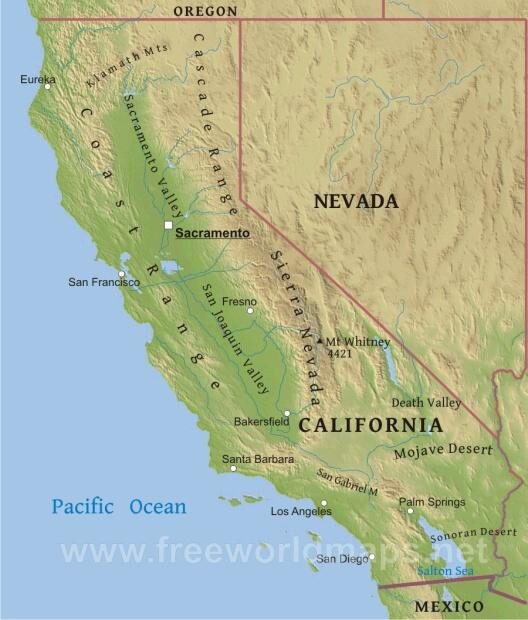
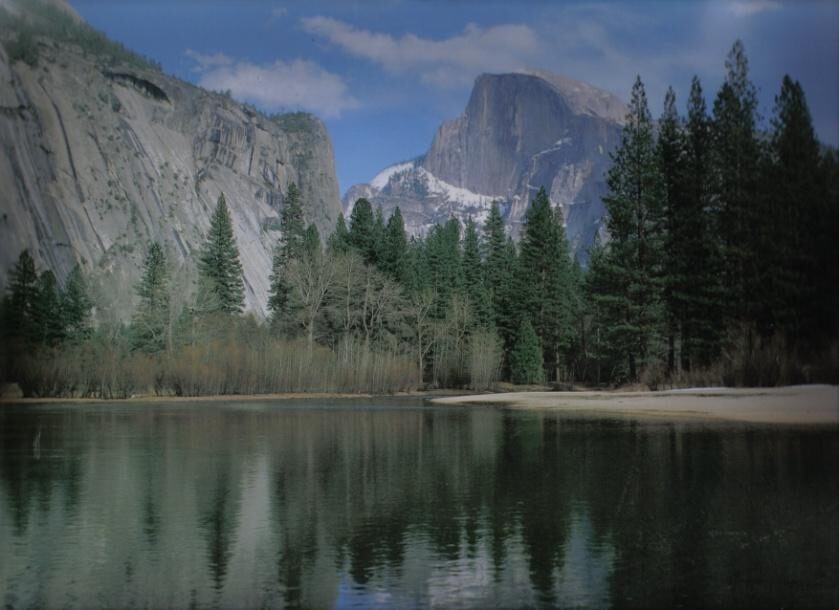
加利福尼亚州(California,参看下面地图),简称加州,与中国分别在太平洋的两岸。确切点儿,太平洋在加州的西面,中国的东面。国人大多对于加州耳熟能详,都知道那儿有世界闻名的大都市旧金山和洛杉矶,分别在加州的北部与南部;更知道那个叫做硅谷的地方,如今是世界高科技的发源地和中心。到过加州的人无不说加利福尼亚美丽动人。我想除了加州沿海一带四季如春的气候外,还有那多姿多彩的自然景观,诸如蜿蜒起伏的山脉、壮丽的峡谷、高悬飘逸的瀑布、碧波粼粼的高山湖泊以及高温干燥的沙漠。优胜美地(Yosemite)国家公园,凝缩了加州的诸多奇景,每年都从全世界吸引来数百万的观光游客。此外,沿着加州东北部的内华达(Nevada)山脉东麓,有一个海鸟的栖息地,那就是“欧文丝峡谷(Owens Valley)”中的“梦娜湖(Mono Lake)”。这个湖和她的命运,与我下面讲述的故事密切相关。
加州不仅美丽,而且富饶。论面积,它在美国的 50 个州里数第三,但论人口和经济,则全美首屈一指。如果把加州当个国家看(鼓动加州独立的还真大有人在!这是另外的话题了。),其 GDP 排名仅次于美国、中国、日本、德国、英国,是世界第六大经济体。这是根据 2015 年一个全球经济统计数据。
然而,加州有个天然的“软肋”,那就是严重缺乏水资源。尤其是南部洛杉矶地区,根本就没有像样子的水源。居民生活、工业生产以及农林灌溉用水,全靠外“援”。我所居住的硅谷地区,在行政划分属于圣塔克勒拉(Santa Clara)郡,在北加州,水资源情况稍好。本地的水资源,包括地下水和水库储蓄的降水,也仅能应付本地居民生活和农林灌溉用水之 30%,其余则必须从加州北部山区购买,再经由管道输送过来。
生活在加州必须懂得节约用水,加州各级政府的一大职能就是控制用水量。从2012 到 2015,加州异常干旱,水库的蓄水几乎快见底了。加州面临危机,州长布朗(Jerry Brown)于是颁布节水令,要求全州减少用水 25%。加州郡、县、市各级政府纷纷响应,各出行政命令。例如,本地市政府就限制了各家各户的前后花园浇灌用水:每周只能浇灌 2 次,每次限时 15 分钟。在如此限制之下,各家房前的草坪不再碧绿,都是枯黄的半死不活模样。有些人家的房前如果还有完全碧绿的草坪,那一定是“假货”,人造草坪无需灌灌。真是天无绝人之路,2016 年尾至 2017 年初,加州普降豪雨,水库的蓄水满了,需要泄洪。没想到泄洪水渠,因为多年未派上用场了,其个别地段发生淤塞,结果可想而知,邻近的居民区上演“水漫金山”大戏。
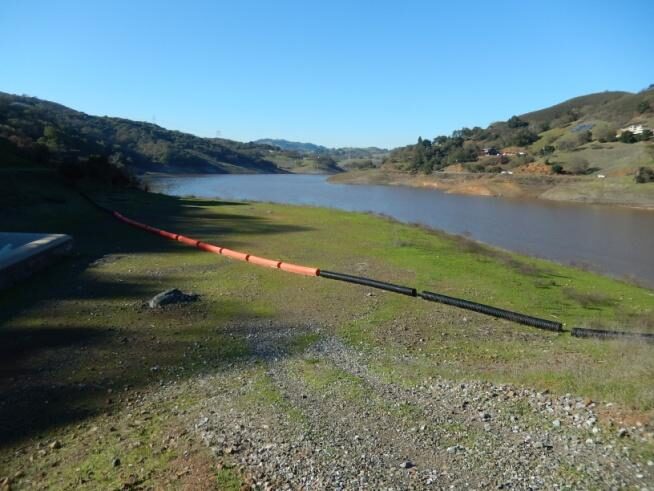
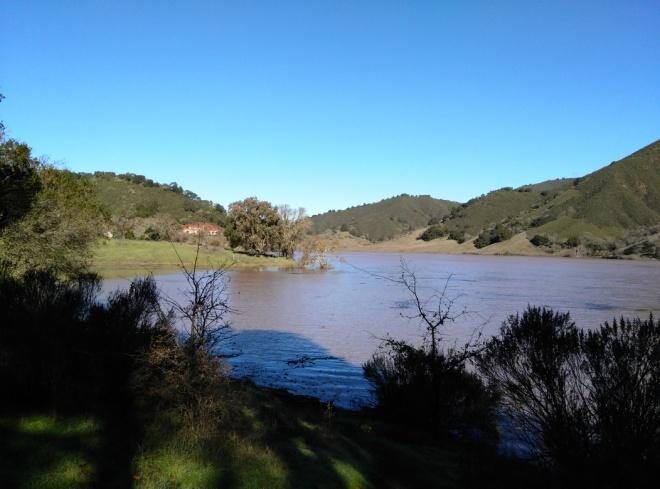
总之,加州的节水成功,终于平安地度过了连续 4 个大干旱年度。如今天降甘霖,各级政府解除了节水令,人们额手相庆。但是加州人的节水觉悟,并非与生俱来;各级政府行政官员,也不尽是管理天才。蹒跚学步,民众和官员的环境和生态保护观念,都是从痛苦中学会,慢慢成熟起来的。这就是我想讲的故事,并非大多数加州人都知道的一段历史。
梦娜湖,人间仙境;临厄运,塔垡现身
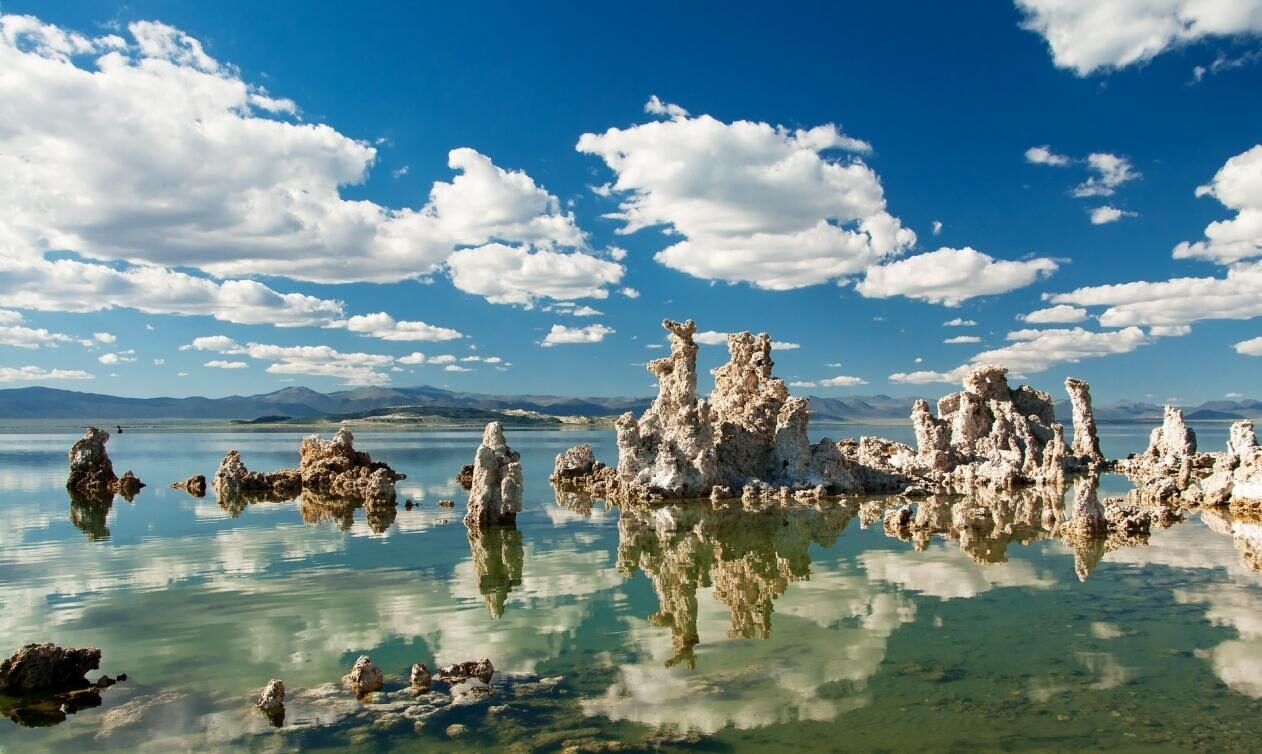
在加州东北部,赛娥拉(Sierra)山脉东麓脚下,有一片高原湖泊,叫梦娜湖。地质考古证实,她是北美洲最古老的湖泊之一。在蓝天白云笼罩下,梦娜湖水碧波粼粼,静谧而深不可测。湖中心有座小岛名叫泡蛤(Paoha),岛上礁石林立,远远看去,似是湖中的楼宇宫殿。最引人注目的是,奇形怪状黑灰色的礁石在湖面星罗棋布。那高耸雄伟的像塔,那庞大浑圆的似兽。这儿远离城镇喧嚣,也少见游人打搅,仅有少数大自然奇观的追踪者和摄影爱好者,沉醉在这仙境般的山水之间,流连忘返。他们大多是慕梦娜湖礁石之名而来,这世界上罕见的湖水礁石,当地人称其为“塔垡(Tufa)”。
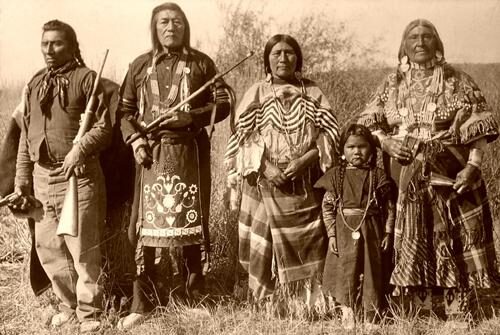
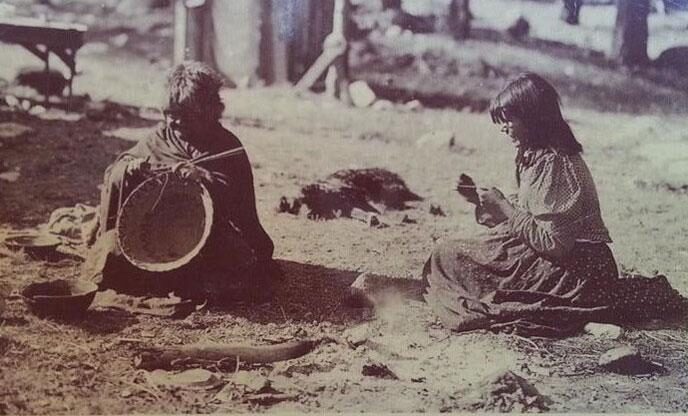
梦娜湖畔的原住民是土著北美印第安人,分属东、西两个部落。“梦娜”其实是印第安语,意思是“从东边和从西边来的人们”。印第安人靠天吃饭,与天地自然和谐相处。男人进山狩猎,利用自然倾倒的树木,搭建帐篷、砍凿木舟;女人收集盐碱蝇(一种当地特有的昆虫)的蛹和橡树籽,经晒干磨细,加工为食。
随着上游水量的变化,梦娜湖面起起落落,塔垡也会在湖面较低时,偶露峥嵘。千百年来,土著印第安人看惯了梦娜湖水的起落,塔垡的沉浮,但是从来没有人见过,塔垡从顶到底的真面貌。印第安部落流传着一句“上古传下来的神谕”:塔垡现身,天降大难!
令印第安部落惶恐不安的是,塔垡终于现身了,那是在 1941 年。
暂把印第安的事儿先放下,先让我从科学的角度,说说塔垡之成因吧。这得从梦娜湖的形成说起。
据地质学家考证,梦娜湖这一带的地质成因,可追溯到远古“冰河时代”,这里曾经是一大片冰原。500 万年的地壳运动,使这一带地面下沉成为盆地,称之为梦诺盆地,它西面的地壳隆起,而生成了雄奇巍峨的塞娥拉山脉,山峰高耸,积雪盖顶。在频繁的火山活动中,原来梦诺盆地那片冰原,被火山灰湮没,尘封在沙漠之下。事实上,这一带的地壳运动至今没有停止。梦诺茵耀(Mono Inyo)是一座活火山,是离梦娜湖的近邻,在350 年前刚喷发过一次。梦娜湖畔到处都有火山喷发后,留下来的火成岩石和焦土黄沙。
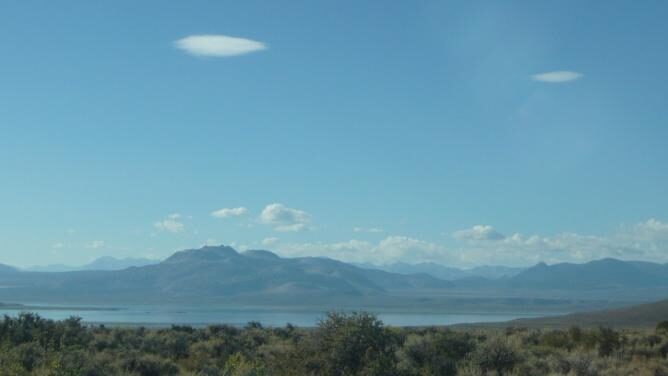
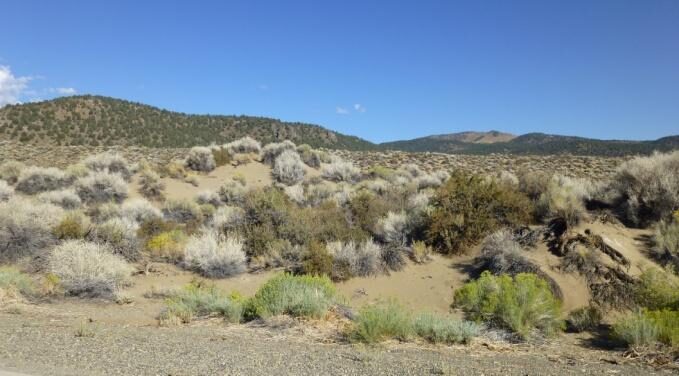
大约在 76 万年前,梦诺盆地已经形成了,地球气候开始变暖。随之,加州北部高原上的冰雪开始融化,冰河水注入梦诺盆地,于是生成了这一大片罕见的,高原上、沙漠中的美丽湖泊,这就是梦娜湖。梦娜湖是没有通向大海的出口的“死湖”,湖水除去蒸发和被周围的沙漠吸收之外,只进不出。上游河水裹挟进来的盐、碱等等化学成分,全部沉积与溶解在湖水中,致使梦娜湖中的含盐量是普通海水的两倍半,含碱量则是普通海水的80 倍。在如此高盐、高碱与高钙的“三高”湖水中,普通的生物绝对无法生存,只有“盐碱虾”和“盐碱蝇”,是梦娜湖里绝无仅有的两种土生土长的生物。“三高”的梦娜湖水不利生物生长,但是湖水中饱含“三高”成分之颗粒,经过物理凝聚与化学反应,造就了以石灰岩,或者说碳酸钙为主要成分的塔垡,它们在湖面下悄悄地生成、慢慢地成长。
塔垡是梦娜湖的自然奇观,也是湖面水位的天然标志。因为塔垡只能在水中生、水中长。一旦浮出水面,塔垡那石灰岩脆弱的躯体,漫说是禁不住强风与波涛等等自然外力的冲击而被摧毁于一旦,就是自然界的风化作用也会令它们在数十年间土崩瓦解。
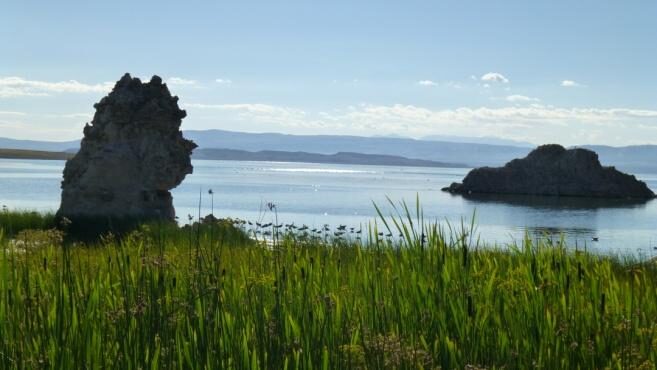
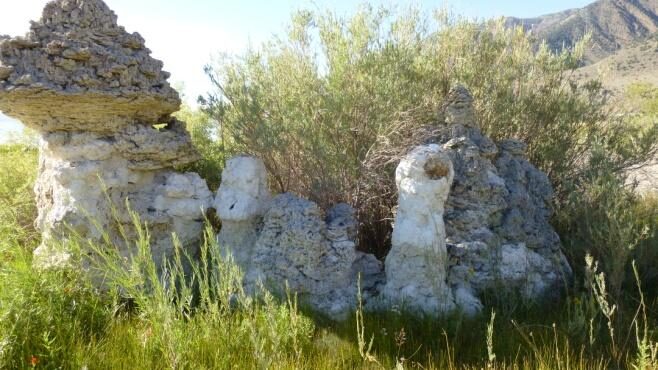
令印第安人惶恐的是:从 1941 年开始,在以后的 40 年间,塔垡一个接一个地,一群接一群地,不仅浮出湖面,而且显出全身。这其实是梦娜湖的水面不断在下降,湖面不断在缩小的结果。1982 年的时候,和 1941 年的梦娜湖比较,湖面已经缩小了近三分之一。在已经干涸的湖区,塔垡现出奇形怪状,突奇嶙峋之全貌,高度大多都在 3 米到 6 米之间。印第安的“神谕”不无道理,原住民曾经安身立命的梦娜湖,面临彻底干涸的厄运!
梦娜湖的地质地貌,也激起生命科学界的兴趣。那些正在寻找火星和其他外星上生命存在迹象的科学家,发现塔垡的物理结构与化学成分,与来自火星的陨石结构与成分十分近似。梦娜湖的塔垡和微生物化石,成为科学家们探寻外星生命存在可能性的模型。此外,科学家们在塔垡身躯上的千疮百孔里,还找到了远古微生物种的化石。这说明,这些古老的微生物种,几十万年前曾经寄生在塔垡上,并且在远古的生态环境中生存。科学家们期望从这些标本中,得以探索生命起源的奥秘。这听起来是不是有点儿玄虚?
梦娜湖的变迁,塔垡的现身,尽管造就了一道自然界奇观,而且还有科学研究价值,但它们也在预警人类:厄运已经临到梦娜湖!当代科学家的预警竟然与印第安上古传下来的神谕一致!科学家们还进一步发现:给梦娜湖带来厄运的,竟是远在 500 公里之外的洛杉矶! 这又是怎么回事?容我慢慢道来。
洛杉矶的事儿暂且不表,我这里顺便多说两句关于梦娜湖畔、土著印第安人的事儿,他们在美国西部淘金热潮中遭了殃!大约在 150 年前,加州赛娥拉山脉一带被发现有金矿。这消息没有脚,可跑的比谁都快!怀揣发财梦想的世界各地的冒险家们,蜂拥而至。其中有一位名叫里万宁(Lee Vining)的欧洲人,也急忙忙来到了梦娜湖西边附近的山区。他运气不够,没有找到盼望的金矿,却见到山里原始森林中的橡树、红松等等。那真是大树参天,蓬勃茂密,遮天蔽日。此人脑筋一转,何不采伐树木,再加工成金矿所必需的建材?要知道,金矿搭建竖井、建造房舍、制造家具、乃至采掘机的燃料、冬季取暖等等,都需要各种木料啊!果然不出 10 年,里万宁靠采伐不用花钱购买的树木,发了大财,还为当地“创造了就业机会”,梦娜湖空前繁荣起来。这里建立了一个小城镇,就是以他的名字命名的,延续至今。
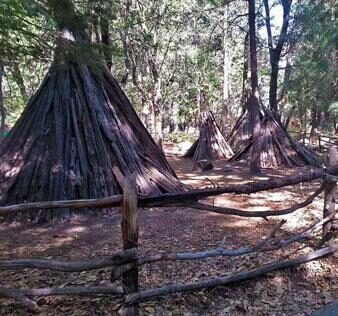
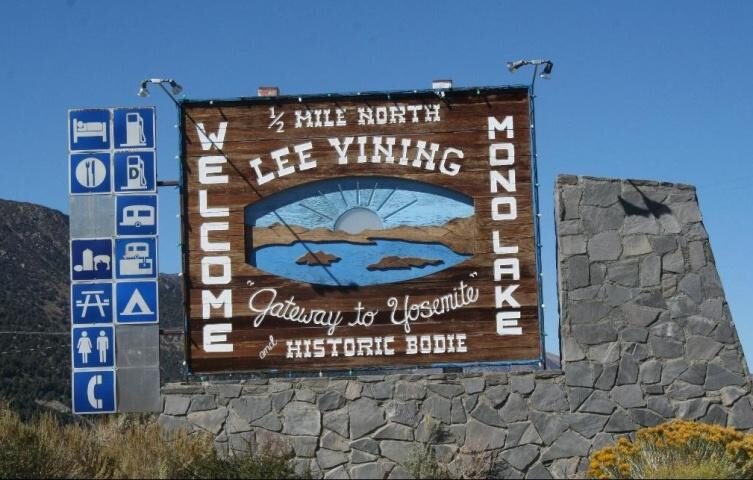
土著印第安人却因此而遭殃。他们赖以生存的森林遭受严重破坏,无法继续狩猎和采集橡子等天然食物,于是只好被招募到里万宁或其他人开设的各种工厂去做工。然而更为严重的问题是,印第安人自古以来的都是临水而居,淡水是生活必需的。外来的白人移民,与印第安人争抢宜居的淡水区,冲突势在必然。白人在武器与人数上占据绝对优势,一举把印第安人驱离出他们时代相传的部落营盘。白人反客为主,原住民只有两个选择,一是给新主人打工谋生,改变固有的生活方式,步入“现代化”;二是远走他乡,另外寻找、开辟适合他们生活习惯的土地,再建新的家园。
里万宁和那一代的冒险家们,对于美国社会的繁荣进步,也算功不可没,说好听的,算是开发大西部的先驱。但他们的所作所为,对西部原始森林生态环境的破坏也是空前的。里万宁腰缠万贯,却死于非命。一次,他在酒馆喝酒,装在裤子口袋里的手枪莫名其妙地走火,射穿了自己的股动脉,一命呜呼。如此而死,可谓出奇得离谱!
如今美国联邦政府,在全国许多地区设置了印第安人保留地,对印第安部落族群在财政、税收、教育和就业等方面,给予照顾,算是为当年白人祖先曾经野蛮掠夺、残酷杀戮印第安人行为的忏悔和补偿。梦娜湖一带,目前还没有印第安保留地,这里已经十分罕见印第安人了。他们只在每年的几个特殊日子,才“从东边和从西边来”回乡聚会,在湖畔庆祝部落传统的节日,祭祀祈祷,互颂平安。他们是当年被驱离故土的梦娜湖土著的后代,正不懈地游说联邦政府,力争在梦娜湖设立一个印第安保留地。
希望他们如愿以偿。现在回来接着讲咱们的故事,该说说洛杉矶了。
加利福尼亚的水
洛杉矶和梦娜湖的世纪纠葛(中)
洛杉矶,临渴掘井;调北水,遗患无穷
洛杉矶,音译自西班牙语,原意是“美丽的仙女”,早就成为了国际著名的大都市。这“美丽的仙女”依山傍海,山是北部的圣福南多(San Fernando)等等山脉,海是西面的太平洋。按面积说,洛杉矶是美国最大的城市,幅员辽阔,道路纵横,空港、海港俱全,可谓四通八达。更兼四季如春,阳光灿烂,不潮不燥,是人们喜欢居住的地方。1900 年,城市人口大约 10 万。之后人口爆炸,如今仅仅是城市人口已经发展到 400 万人。如果把市郊人口也计算在内,那就超过一千万了。人丁兴旺,城市繁荣固然是好,可是洛杉矶位处北美洲的“亚干旱”地带,上天少降甘霖,地下缺乏水源。“美丽的仙女”难以承受令她如此快步地向现代国际大都市的演进。洛杉矶的地理位置和地质结构实在“不给力”!
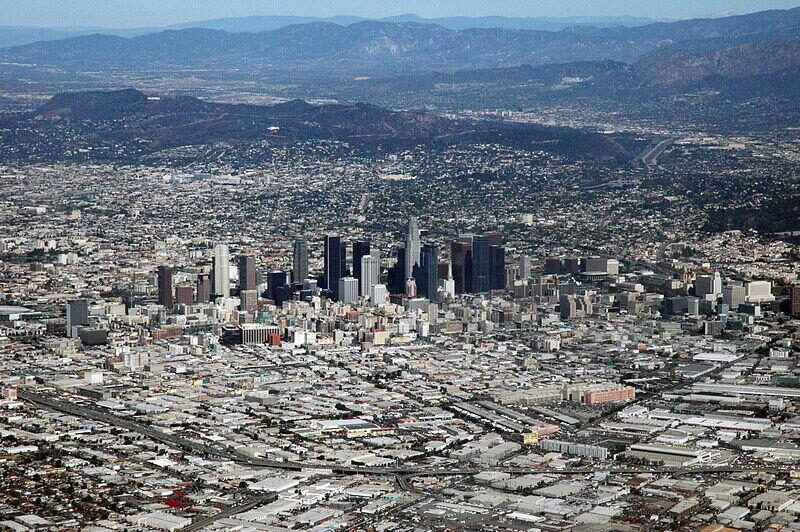
在洛杉矶人口还只有几十万人的时候,大多数老百姓以为水是取之不尽、用之不竭的。居民理直气壮,以为:我是付了钱的,只要拧开水龙头,水就应该到手边,而且要源源不断,这是天经地义。偶尔发生故停水故障,老百姓定会火气冲天。
当年洛杉矶,乃至全加州,能有几人意识到“水资源是有限的”?先知先觉者少,但不是没有。
140 年前,洛杉矶的一位水利专家,20 岁的伊顿(Eaton),出任洛杉矶水利资源局局长,就不断提醒洛杉矶的市政府和议会:水是这座城市繁荣的重要因素,但是本地水源非常有限。他再三发出警告:水源严重短缺的局面将难以避免。
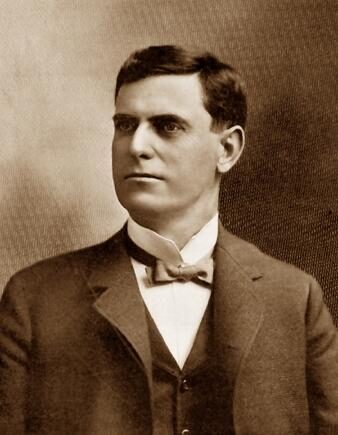
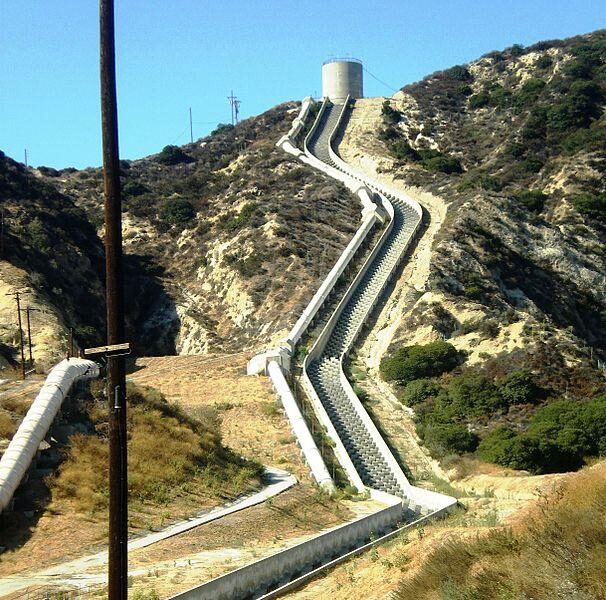
伊顿出身名门望族,其父是帕萨迪纳(Pasadena)市的奠基人之一,这座南加州的小城以其优雅环境和一所著名的大学而驰名。这所大学就是中国学子极为瞩目的加州理工学院(Caltech)。伊顿的水利工程是自学的,更精于房地产投机生意。他有钱有势,还长袖善舞,伶牙俐齿,竞选成功,成为一任洛杉矶市的市长。
在担任洛杉矶水利资源局局长时,伊顿带领他的同事们,开始在洛杉矶地区寻找地下水源。几年下来,他们找到的地下水源,不是水量太小,就是水质太差。伊顿彻底失望了。他还意识到,如果大量开采地下水,洛杉矶将在多处出现地面塌陷,后果更不堪设想。
伊顿不得不把寻找水源的范围拓宽。他想到美国中西部的科罗拉多河。这条大河,一年四季水量充沛,河水奔腾咆哮,最终流入墨西哥的加利福尼亚海湾,归入大海。科罗拉多河的中、下游一段,恰好在加利福尼亚州与阿利桑那州的州界一带,就在洛杉矶东面。把这条大河的部分河水,引导到洛杉矶来!这是多么浪漫又大胆的设想!伊顿和他的同事们,试着规划引水的途径,这才发现那引水工程简直是举步维艰。渠道必经之路,不但有群山横亘阻隔,还有莫哈韦大沙漠恶劣环境的困扰。这项引水计划实施起来谈何容易?从长远看,倒也未必不可能,但是引水工程必然需要巨额投资,而且旷日持久,可谓远水解不了燃眉之急!市政府没有兴趣,伊顿的方案根本没有机会提交市议会表决,胎死腹中。
伊顿必需另想办法,他的目光于是投向北加州。他注意到加州东北部与内华达(Nevada)州接近的地带,那条如同巨蟒一般的赛娥拉山脉,起伏绵延,蜿蜒盘旋,多处山峰都在雪线之上。也就是说,在冬季那里的降雪量巨大,山上的积雪极为深厚,夏季的高温也仅仅能融化其一部分,而不能把积雪全部融化。那融化了的雪水,流向了何方?伊顿带领他的同事们,深入赛娥拉山脉勘查,找到南北两条大河,南边的一条流入欧文丝湖,北边的一条注入梦娜湖。欧文丝湖与梦娜湖近似,也是由于远古时期的造山运动和火山活动而生成的,也是一个美如仙境的高原湖泊,同样是盐碱含量极高的、没有出口的“死湖”。欧文丝湖距离洛杉矶大约 400 公里;而梦娜湖较为偏北,距离洛杉矶约 500 公里。
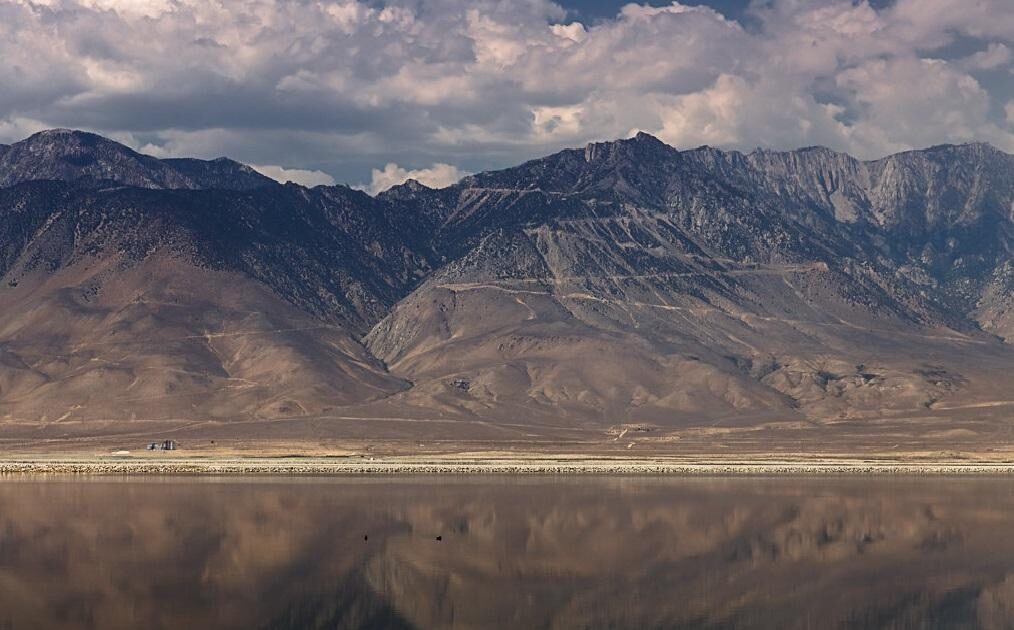
这两条大河的上游,都处在海拔 1500 米以上的加州东北部高原。而洛杉矶是海边城市,市中心海拔不到百米。这意味着仅凭地球重力,河水就能源源南下,流向洛杉矶。饮水工程唯一需要的就是敷设输送渠道,这比从东面的科罗拉多河引水进洛杉矶,容易得多啦!唯一顾虑的是,无论欧文丝湖还是梦娜湖,她们上游的河水都不是大河流,水量够吗?伊顿提出的办法是,首先把距离较近的欧文丝湖的上游河水,引进洛杉矶,梦娜湖当“备胎”:若水量不足,再从梦娜湖的上游河水引进。这就是伊顿的“北水南调”计划,很快被市议会批准,进入实施的倒计时。
实施北水南调并非一帆风顺。所碰到的第一个障碍是,此时的联邦政府的农垦部已经炮制出一项提案,旨在促进欧文丝山谷一带的农林业发展,在当地兴修水利灌溉工程。农垦部的这项提案已经摆在西奥多.罗斯福(Theodore Roosevelt)总统的办公桌上,只待总统签字后,即将提交国会审批。
伊顿大吃一惊!明摆着的,一旦农垦部的计划得以实施,洛杉矶的引水计划必成泡影!事不迟疑,身为洛杉矶市长的伊顿必须亲自出马,奔赴华盛顿,面见总统。在罗斯福总统的办公室里,伊顿直陈利害,告诉罗斯福:流进洛杉矶的水,再从洛杉矶流出来,可就是真金白银!欧文丝山谷地区农田与果园的经济收益,焉能与洛杉矶相比?上缴联邦政府的赋税就是明证。权衡之下,罗斯福总统搁置了农垦部的计划。

我想在这里说一句。无论罗斯福总统,还是伊顿市长,他们都是想为国家和民众谋福利的官员。但是有时候,他们的决策可能事与愿违。他们一定没有想到,这样一项看起来那么完满的引水计划,竟会给欧文丝湖与梦娜湖造成难以逆转的悲剧。尤其是罗斯福总统,是一位很有环保意识的国家领袖。为了纪念他对美国环境与生态水土保护的极大贡献,北达科他州(North Dakota)的一座美国国家公园,就是以他的名字命名的。那公园叫做西奥多·罗斯福国家公园(Theodore Roosevelt National Park)。
话说回来。伊顿摆平了联邦政府之后,洛杉矶市政府开始与引水工程的沿途各郡、各县的政府机构谈判,谈判的底气是钱。洛杉矶财大气粗,出手阔绰,除了给当地政府巨额补偿金,这包括购买水的使用权;还向水渠沿途的地主们,收购了他们的土地。
伊顿虽为市长,但不失其房地产投机商人之本色,自掏腰包,预先早就购置了未来工程可能经过之地段的大量土地。他预期在工程进入实施阶段,土地必然奇货可居,到时候就可以名正言顺地高价出售给洛杉矶。低价买进、高价出售。无论房地产或是股票之类,不都是如此投机赚钱吗?伊顿的如意算盘无可厚非,既为洛杉矶解决水荒贡献了心力,自己也要大发一笔!其实,任何人都可以来参与投机:洛杉矶政府公开发放债券,吸引社会投资。南水北调工程的资金是充裕的。
今日的不知情者自然不明白,何以梦娜湖是 500 公里开外之洛杉矶的领地?这就是伊顿时代买走的。但是洛杉矶鞭长莫及哪里管得了?一番折冲之后,加州最高法院判定:梦娜湖在行政上归属当地政府管辖,洛杉矶算是“租用”的。这也是说来话长一段故事,不在本文范围之内。
简短截说,伊顿终于扫清了各种障碍。20 世纪初,洛杉矶声势浩大的北水南调工程开动了。兴建从北到南、纵贯大半个加利福尼亚的引水渠道和管道,惊天动地。打从欧文丝湖的引水工程,在 1913 年完成,同年引水渠道开通。洛杉矶的水荒得到缓解,当地人们兴高采烈,人人称颂伊顿:功在当代,利在千秋!
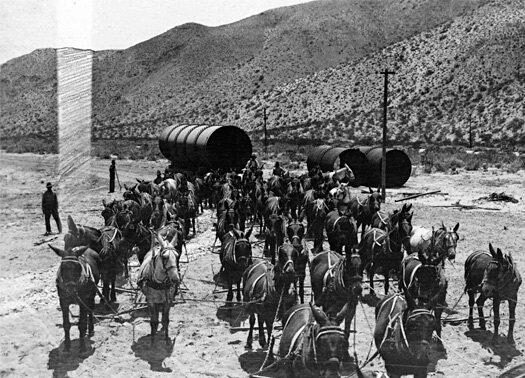
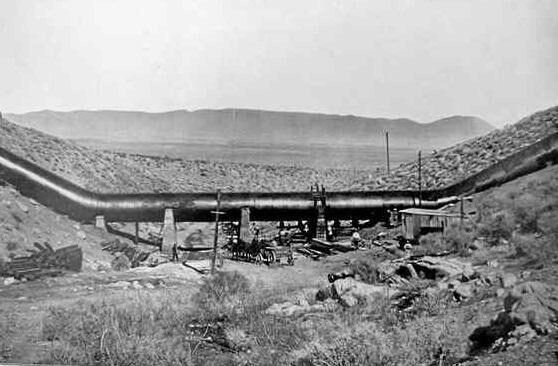
什么“利在千秋”!好景不长,北水南调的仅仅 10 年,噩耗就传至洛杉矶:欧文丝湖干涸了!伴随着欧文丝湖的干涸,是那一地区的生态失衡与环境恶化。每次起风,沙尘暴必来!干涸湖底的沙尘,携带着各种对人类有害的物质颗粒,以及腥臭难闻的微生物尸体,被风卷上天空,四处游荡。
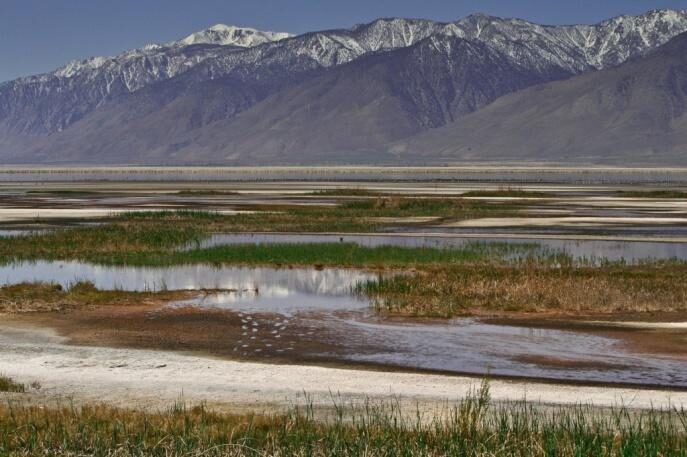
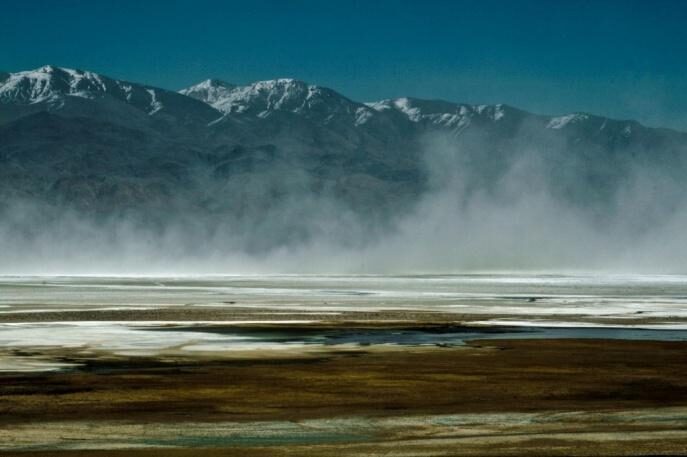
天空与蔚蓝色永别,挥之不去的是晦暗阴霾。当地居民纷纷逃离故土;美国海军在附近的一所武器试验基地也被迫关门。人去楼空,如今仅剩断壁残垣。
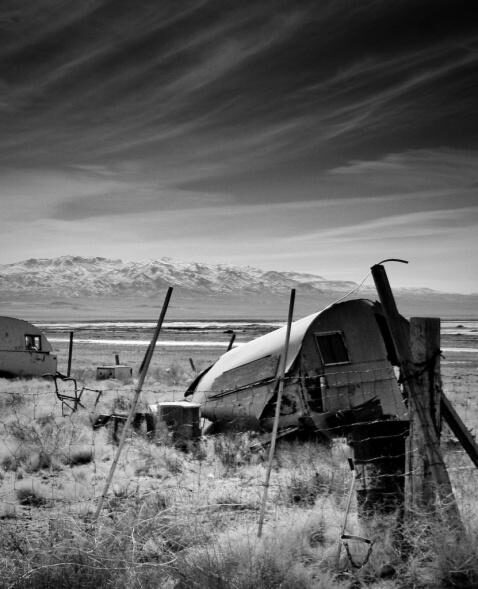
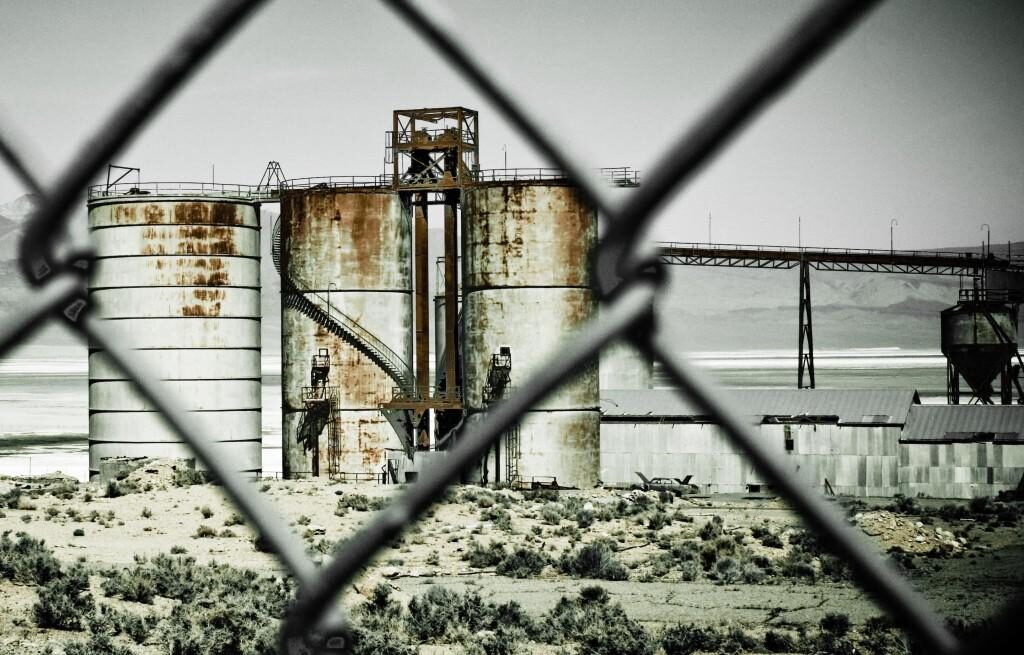
走不了的当地百姓怨声载道,洛杉矶备受指责。在舆论压力之下,加州最高法院判定:洛杉矶对于欧文丝湖区的“经济”损害,负有责任,必须赔偿。欧文丝的地方政府和老百姓获得了金钱补偿,风波得以平息。但是厄运却无法逆转,美丽的欧文丝湖从此消失。如今,那里是丑陋不堪的一片荒漠,不仅人烟绝迹,“连鸟儿飞过都不拉屎”。
这是欧文丝湖的悲惨命运!
再回来说梦娜湖。1941 年,引梦娜湖水南下洛杉矶的工程告竣。接受了欧文丝湖的教训,洛杉矶从梦娜湖上游河水的引水量较为节制,仅仅河水的一部分,分流出来,经由大渠流向南方。即使如此,梦娜湖一带的生态与环境依然遭受破坏,恶果逐渐显现出来。
1941 年,在引水南下洛杉矶的工程启动之前,梦娜湖面海拔 1956 米。十年后的1951 年,水面下降了一米,降为海拔 1955 米。以后湖面逐年下降。1982 年是湖面最低的时候,已经降至海拔 1942 米。与 1941 年相比,湖面水位下降 14 米;湖面萎缩了近三分之一;湖水量大约减少一半;湖水中盐碱浓度相对升高一倍。
前面提到塔垡的暴露,那正是洛杉矶北水南调,致使湖面水位下降的结果。常年暴露在空气中的塔垡,走向瓦解,走向消亡。更为严重的是,梦娜湖的生态系统遭受到空前的破坏。原本,不但加州水鸥常年栖息在梦娜湖,还有大约 300 万只来自远方的野鸭,野鹅之类的候鸟,每年来此过冬、产卵。各种鸟儿可以在湖心小岛安居,盐碱虾和盐碱蝇是它们食之不尽的美食。但是,湖水的盐碱浓度大幅升高后,盐碱虾和盐碱蝇由于生存条件骤然改变,而大量死亡。食物链断裂,鸟儿们遭了殃!还有更大的威胁:随着湖水的消退,湖心小岛和湖岸出现通道,于是附近山上的野狼,得以直奔湖心小岛,侵害鸟类和它们的后代。
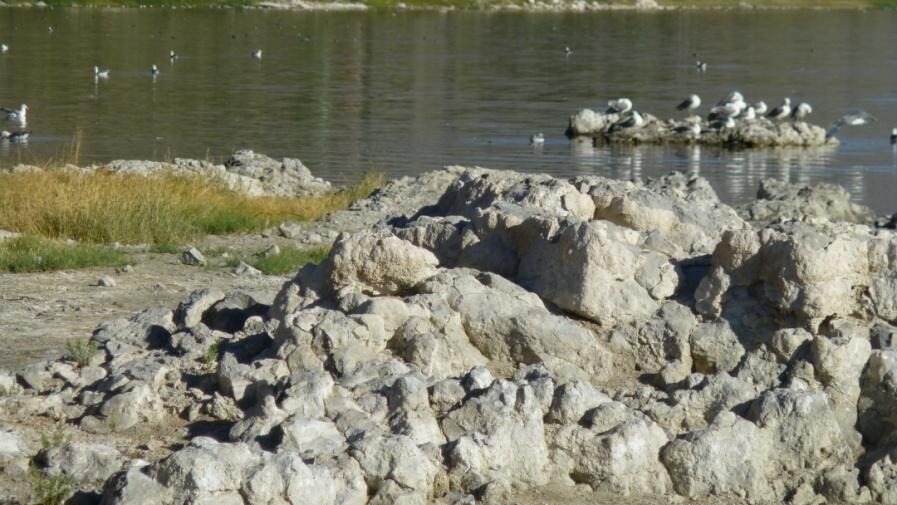
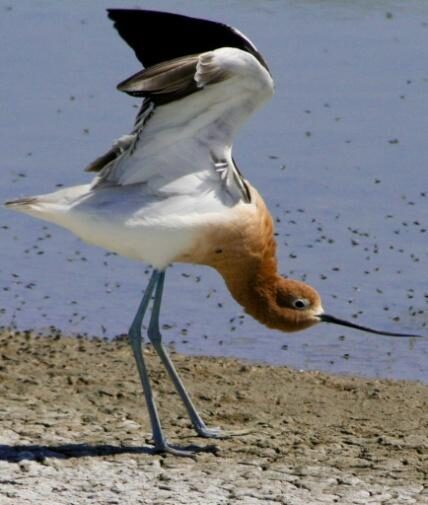
加州水鸥和外地候鸟,在梦娜湖几乎绝迹!
加利福尼亚的水
洛杉矶和梦娜湖的世纪纠葛(下)
民告官,环保首例;梦娜湖,终脱厄运
1974 年,斯坦福大学的研究生盖因思(David Gaines)来到梦娜湖。当地人至今都在说,盖因思的到来,是上帝送给梦娜湖的一个礼物。
盖因思,1947 年出生在洛杉矶,本性亲近大自然,尤其喜爱鸟类,从小就跟着父母观察、识别各色鸟儿。在十来岁的时候,盖因斯已经具备有关鸟类的丰富知识,并成为南加州爱鸟协会的会员。他跑遍了加州各地的沙漠绿洲,追踪那些四海为家的流浪鸟,探索它们的生活与飞行习性。这是一项难度很高的工作。
1969 年,盖因思进入加州大学圣塔克鲁斯分校(UCSC),大学毕业后,进入斯坦福大学(Stanford Universities)的研究生院,继续学习环境生物,真是如鱼得水。他聪明好学,努力上进,深得导师喜爱。在老师指导下,他完成了关于“塞克拉门托(Sacramento)峡谷中水鸟群的习性变化”这一研究课题。这篇颇有分量的论文发表那年,盖因思还没毕业,可算春风得意。
1974 年,盖因思的导师给他讲起,关于洛杉矶的北水南调工程以及这工程给欧文丝湖造成的危害。可是有关梦娜湖的状态至今不明,尤其缺乏最新的水文资料。那年有三个月之长的暑假快要到了,导师建议他去实地考察梦娜湖生态环境之现状,并且是独立作业。这一来是导师信得过盖因思的能力,知道他是个做事认真,十分靠得住的年轻人;二来,导师以为这个题目没有什么太大的困难,就是对爱徒的一次演练,牛刀小试吧。
梦娜湖闻名遐迩,那人间仙境令盖因思心驰神往。他摩拳擦掌,出发前做足了案头工作,除了从系里借来一应仪器外,还专门购买了帐篷、炊具等等露营用具,打算在梦诺畔安营扎寨,既可高效地完成任务,还能尽情地享受湖光山色。盖因思驱车到达梦娜湖时已近黄昏,月光下的梦娜湖显得神秘莫测,湖面平静如镜,塔垡在落日与月光双重照射下通体金黄。在这犹如梦幻的仙境里,盖因思做的第一件事,就是跃入水中,痛痛快快地畅游一番。梦娜湖的“三高”使湖水产生巨大的浮力,人人都可以轻轻松松地漂浮。盖因思领受到“失重”的味道。
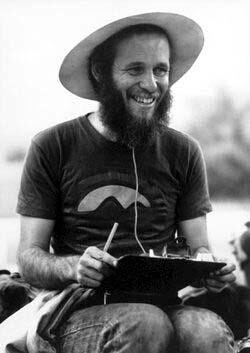
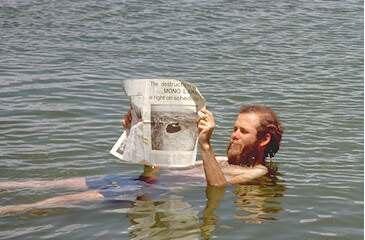
盖因思在考察中吃惊地发现,梦娜湖的水位正在逐年下降,并且近年来下降的速度十分惊人,几乎是每三年就下降一米。显然,梦娜湖在快速退化!毫无疑问,这里的生态环境也必定随之发生恶化!他还注意到,那些最令他心仪的鸟儿的数量和种类都明显地减少了,因为文献资料上记载的,栖息在梦娜湖的鸟群种类多数都不见了。那个湖心小岛本该是鸟类的天堂。他却在岛上看到了威胁鸟类的哺乳动物与爬行动物的足迹,这令他心惊肉跳。
盖因思报告导师:在未来的 20 年里,梦娜湖必将是一个没有生命的化学水坑。
盖因思还跑到梦娜湖当地的县政府,发出警报:60 年前,欧文斯湖的厄运即将临梦娜湖!
考察任务圆满完成,但是梦娜湖令盖因思魂牵梦绕,再也放不下。在以后的 14 年,直到他英年早逝,几乎所有的假日,他都是在梦娜湖度过的。从梦娜湖考察回来的第二年,盖因思联合了斯坦福大学的几位同学,向美国自然科学基金会(NSF)申请并获得一笔经费,首创关于“梦娜湖生态系统的综合性研究”。与此同时,他撰写相关的文章,发表在加州大学戴维斯(UC Davis)分校的学报和其它学术刊物上,还写了两本关于鸟类的书,着重论述梦娜湖生态环境恶化的问题。
盖因思的奋斗目标逐步清晰:保卫梦娜湖,恢复那儿的生态环境。
为达此目标,仅仅纸上谈兵是远远不够的。1978 年,盖因思发起成立了“梦娜湖委员会(Mono Lake Committee)”,这是个纯粹的草根组织。在此基础上,他开始在社会环保组织,学校与各种集会场合,频繁地发表演讲;委托律师策划法律诉讼;游说县、郡乃至加州的各级政府及其立法机构。盖因思乐意向一切希望了解梦娜湖存在价值的人们,解释梦娜湖委员会的诉求,争取社会与民众的支持。苍天不负有心人,在短短 3、4 年时间,梦娜湖委员会发展到两万会员,他们获得了社会的同情,争取到部分州议会议员的支持。盖因思还收获了爱情,与一位志同道合的姑娘喜结连理。
法律诉讼在 1979 年终于启动了。原告就是这群草民,被告则是那庞然大物洛杉矶市府,更具体地说就是洛杉矶市的水电局,那个北水南调工程的负责机构。在以后长达15 年的诉讼中,不仅是水力局,还有洛杉矶的其它政府机构,都先后被盖因思的委员会告上法庭。
1983 年,加利福尼亚最高法院判定:洛杉矶水电局必须减少每年从梦娜湖上游河流截取的水量。这是盖因思他们的一个初步胜利,但是远远没有达到他们的目标。于是原告不懈地控告,被告顽强地辩解,官司打得难解难分。
1989 年,加利福尼亚最高法院再次判定:在有关梦娜湖的生态保护问题与洛杉矶的水荒问题的全面评估完成之前,暂停所有、任何从梦娜湖上游河流的截水分流。这是加利福尼亚最高法院极为明智的判决。处理好这个事件,极为棘手。谁都知道,梦娜湖应当保护,但是洛杉矶的生存也不能置之不顾。洛杉矶在这段停水期间,不得不花费 3800 万美元,从其它地方购买用水。
1994 年,加利福尼亚州的政府机构“水资源控制委员会(California State Water Resources Control Board)”,发布关于恢复梦娜湖区生态环境的行政命令,那是一道强制性的命令:在梦娜湖水面回升1米之前,洛杉矶水电局必须停止从梦娜湖上游河流截水;在梦娜湖水面回升1米以后,洛杉矶才可以在规定的限额内截水分流;随着梦娜湖水面的上升,洛杉矶可以获得的水量也逐年增加。期待着在 20 年的时间内,即到2014 年的时候,梦娜湖的水位能够升高到海拔 1948 米,并且周边生态环境得以恢复。那时候,洛杉矶也将被允许从梦娜湖获得更多的水源。
1998 年,加利福尼亚州“水源控制委员会”再次发布行政命令,把生态系统保育范围扩大到整个梦诺盆地。
保卫梦娜湖,这是一场没有枪炮、没有硝烟的战斗。从 1974 年盖因思考察梦娜湖、为保卫她而奔走呼号开始,到 1998 年整个梦诺盆地的生态环境受到加州法令保护为止,梦娜湖委员会以小胜大,艰苦奋战了 24 年。这期间的法律诉讼,包括那一场又一场法庭上的唇枪舌剑,一次又一次庭外的谈判折冲,竟然用了 15 年,真是一场艰苦的持久战。
惋惜的是,盖因思在 1988 年的一场交通事故中不幸丧生,那车祸就发生在梦娜湖附近。盖因思生于洛杉矶,魂断梦娜湖,巧合还是命中注定?他的那些志同道合的朋友们,没有因为失去了领袖而停止他们的脚步。相反地,盖因思的突然离世,激起了更多的人,参加到梦娜湖的保卫战中来。
盖因思没有能够看到官司的胜诉,更没有等到那最后的成功。盖因思理想远大,生前说过,打赢一场官司不是成功,那不是他的抱负。他孜孜以求的乃是挽救梦娜湖,挽救那儿的生态环境,挽救居住在梦娜湖人类的朋友们,包括那令他心碎的鸟儿们。
梦娜湖,环保地标;盖因思,名垂千秋
盖因思成功了。梦娜湖水面自从 1994 年以来,逐年回升。2012 年9月我到那里凭吊与探查的时候,看到湖面已经上升到海拔 1946 米。可是当我 2016 年夏季,重访梦娜湖时,水位却反而下降了,只有海拔 1944 米。这与原定的 20 年目标相比,时间已经超过了两年,但水位高度还差 4 米。前景堪忧!即使天公作美,在以后的年份里不出现大旱,原定目标如愿得以实现的话,那也比梦娜湖在 1941 年湖面水位-即北水南调前的海拔 1956米,低 8 米之多!也就是说,梦娜湖可以摆脱“死亡”,但难以恢复“青春”。
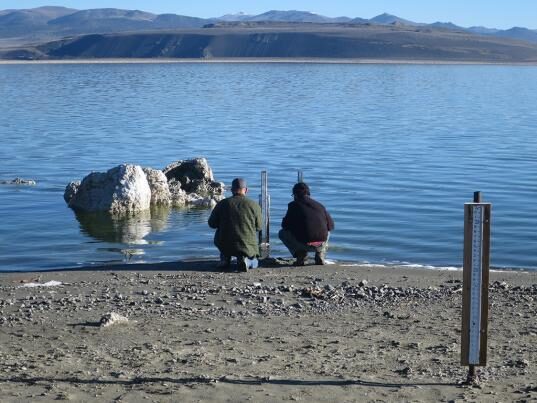
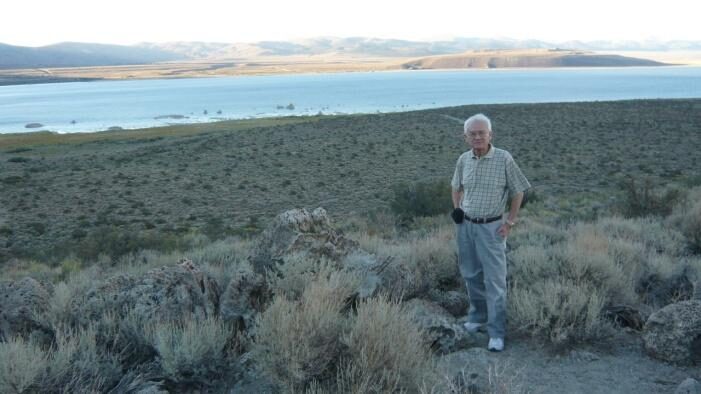
尽管水位恢复不尽人意,但是我见到的梦娜湖,还是美丽迷人,湖水清澈,湖岸谧静。千奇百怪的塔垡在皎洁的月光下、波光粼粼的湖面上,傲然挺立,熠熠生辉。水鸥或翱翔在湖面,或憩息在塔垡身旁。微风吹来,那月亮,远山和塔垡的倒影在湖面上随风摇曳,变得虚幻。微风过后,倒影再次变得清晰。五色晚霞在上,皑皑雪山在侧,好一处世外仙境,童话世界!令人感到非常欣慰的是,各色的鸟群有回来啦!下面摆上几幅照片,以飨读者。
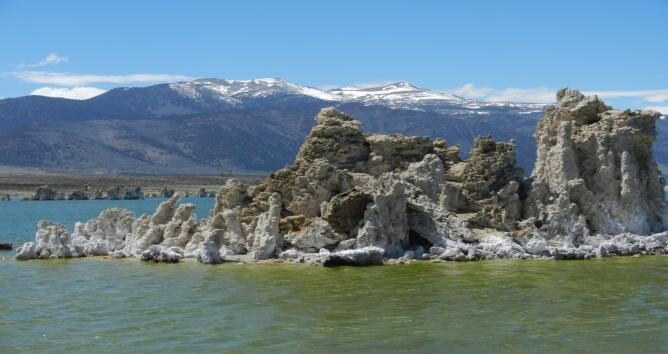
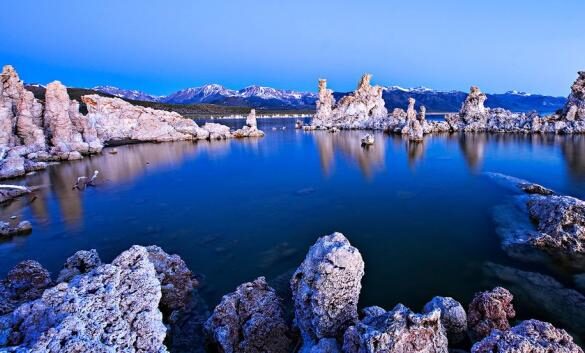
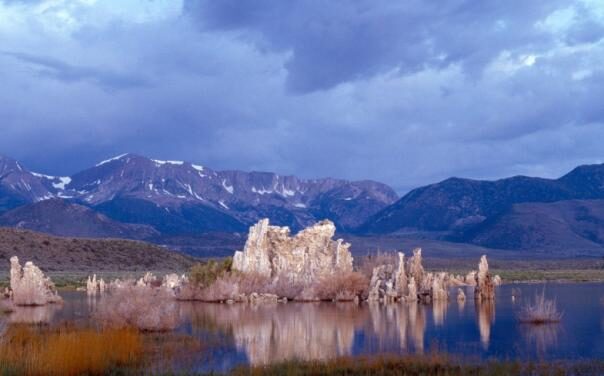
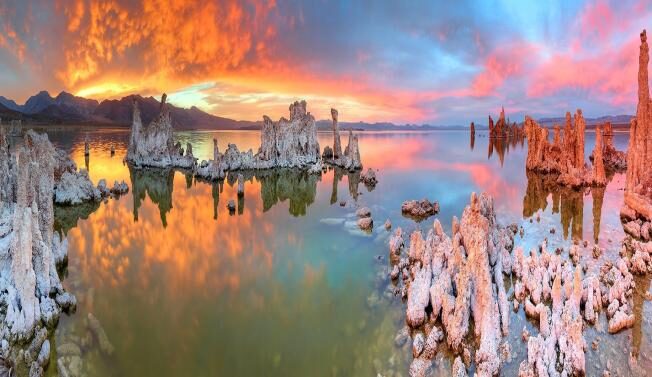
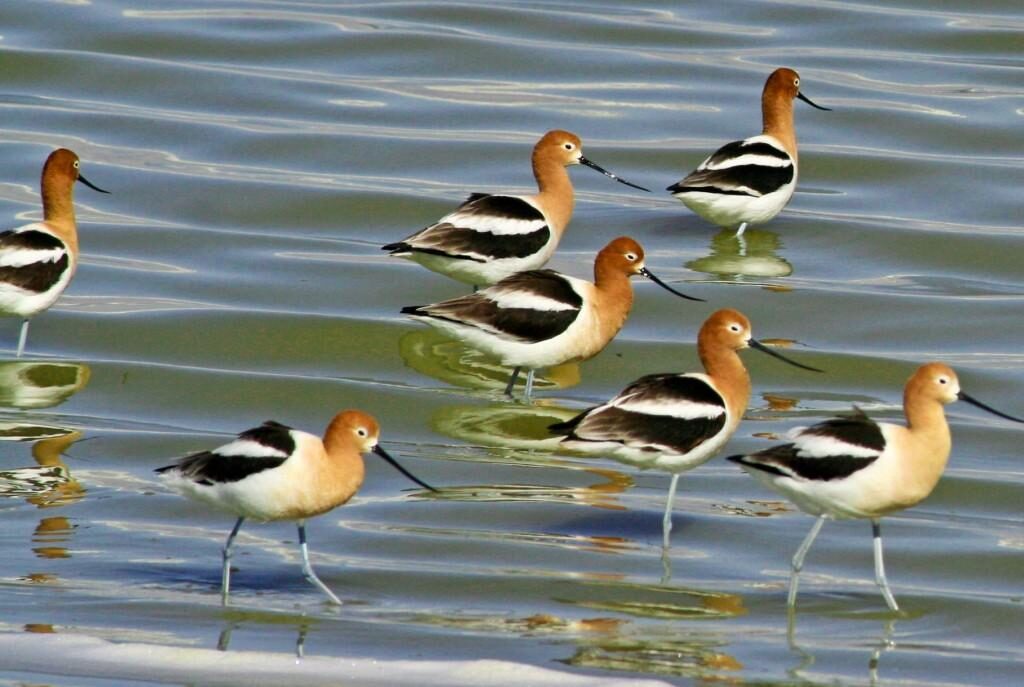
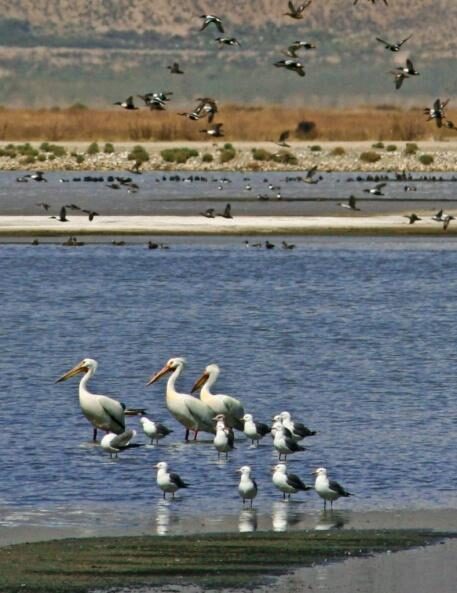
盖因思保卫梦娜湖的成功,为环保人士提供了一个极佳的案例。只要想一想,梦娜湖与欧文丝湖的不同命运,就知道盖因思是多么具有远见卓识。那远见来自于他的胸怀,它追求的不是因“经济损失”而获得金钱赔偿,他盼望的是梦娜湖生态环境的恢复。那卓识不仅来自于他的科学素养,更来自于他对大自然,对人类的朋友们的爱。
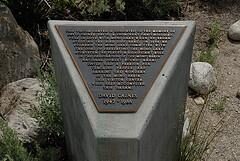
为纪念这位生态与环境保护的先驱,一个以盖因思命名的奖金设立了,专门奖励那些为生态保育,环境保护做出科学与实际贡献的大学生与研究生。一块“盖因思纪念碑”安放在梦娜湖畔,雕刻在一方采自梦娜湖附近山上的花岗岩。
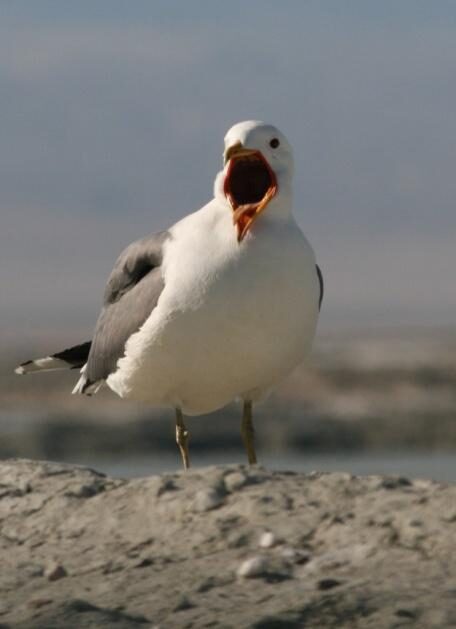
对于洛杉矶来说,输了官司,自是情理之中,也在意料之内。因应之道惟有节水一途,别无选择。洛杉矶开始大力宣传水资源的宝贵而有限,普及节水知识,改变市民习以为常的浪费习惯。与此同时,鼓励居民更换节水的浴室洁具和厨房用具,政府予以补贴。更为重要的是,洛杉矶实施了一系列的技术改造,设备更新,使得废水回收,循环利用,等等。从上个世纪 80 年代到现在,洛杉矶的人口又增加了一百万,但是城市的用水量却没有增加。洛杉矶的节水措施,卓有成效!
洛杉矶节水获得成功,成为典范。紧接着,加州政府开始在全州普及推广节水。在这个意义上看,盖因思和他的委员会的胜利,何止是挽救了一个梦娜湖,恢复了一个梦诺盆地的生态系统?盖因思教育了加利福尼亚,他给所有的加利福尼亚人,上致达官贵人,下致贩夫走卒,上了一课。这一课让所有人都明白了:对大自然的破坏一旦开始,结局就已经注定。当人们无所畏惧、战天斗地,自以为无所不能、人定胜天的时候,那恰恰是暴露自身的愚昧。不仅人类生活在地球上,各种其他的生物物种也以地球为家,人类应该对他们给予尊重与关爱。人类迟早明白,对大自然粗暴的掠夺,或许得利于一时、一地,但对于自然界的破坏却往往是永久的,难以修复,无法逆转。人类也必将遭受报应,自食恶果。
如今,梦娜湖还是加州的一个塔垡保护区;整个梦诺盆地成为国家森林风景区。这当然不仅仅是因为梦娜湖的美,或者塔垡的奇。人类正在生态保育,环境保护的道路上蹒跚学步,但举步维艰。梦娜湖无疑是人类进步的一个历史性地标。每个去梦娜湖游览、考察或者凭吊的人,都会在不同程度上有所领悟。地球是人类以及人类的朋友们共同的家园,人类必须对大自然心存敬畏,在为自己的生存与发展,欲对山川江河动手动脚之前,应该谨慎三思。这不是胆怯,不是畏缩,而是人类在告别野蛮、脱离愚昧,而走向更高的文明。
2012年12月9日初稿,2017年6月29日定稿于加州吉尔络邑
Written by Professor CK Yuan, who graduated from Beijing University and received a doctorate of Mathematics from the University of California, then taught for over 40 years both in California and in China’s Qing Hua University. He served as head of 3 research institutes at Qing Hua University, as well as President of the Zhonguancun Institue For Innovation. He also served as the Vice President of the International Technological University in California.
Note from the Editor
We truly appreciate Professor Yuan’s support for the BigBall Earth Caring Humanity Association in completing and sharing of these three marvelous articles for readers around the world to learn the background of the humongous grassroots efforts in saving and restoring the eco system of Mono Lake in California, which triggered the water conservation programs not only in Los Angeles, but also throughout the state of California! It’s so very prudent to protect the water resources for the sustainment of eco system on this great Earth!
Translated from the Chinese by AI (Claude) in November 2026. Not yet reviewed by the author.
Contents目錄目录 (8)
- Water in California Los Angeles and Mono Lake: A Century-Long Struggle (Part 1)
- Lovely California, Rich and Teeming; Scarce in Water, Weak from Birth
- Mono Lake, a Fairyland on Earth; Facing Doom, the Tufa Emerge
- Water in California Los Angeles and Mono Lake: A Century-Long Struggle (Part 2)
- Los Angeles, Digging the Well When Thirsty; Taking Northern Water, Leaving Endless Harm
- Water in California Los Angeles and Mono Lake: A Century-Long Struggle (Part 3)
- Citizens Sue the City, a First for Conservation; Mono Lake, Spared Its Doom at Last
- Mono Lake, a Landmark for Conservation; Gaines, a Name for the Ages
Water in California
Los Angeles and Mono Lake: A Century-Long Struggle (Part 1)
Lovely California, Rich and Teeming; Scarce in Water, Weak from Birth
California (see the map below), or Jiazhou (加州) as Chinese speakers call it for short, and China sit on opposite shores of the Pacific Ocean. To be more precise, the Pacific lies to the west of California and to the east of China. Most Chinese people know California well: they know it is home to the world-famous cities of San Francisco and Los Angeles, in the north and the south of the state, and they know even better the place called Silicon Valley, which today is the birthplace and the center of the world's high technology. Everyone who has been to California says it is beautiful and enchanting. I think that, besides the spring-like climate all year round along the coast, this is because of its rich and varied natural scenery: winding, rolling mountain ranges, magnificent canyons, high, graceful waterfalls, sparkling alpine lakes and hot, dry deserts. Yosemite National Park packs many of California's wonders into one place and draws millions of visitors from all over the world every year. In addition, along the eastern foot of the Sierra Nevada in northeastern California there is a haven for seabirds: Mono Lake, in the Owens Valley. This lake and her fate are closely bound up with the story I am about to tell.
California is not only beautiful but also rich. By area it ranks third among the 50 states of the United States, but in population and economy it is first in the nation. If California were counted as a country (and there really are quite a few people pushing for California to become independent! But that is another topic.), its GDP would rank sixth in the world, behind only the United States, China, Japan, Germany and the United Kingdom. This is based on one set of global economic statistics from 2015.
California, however, has a natural "weak spot": a severe shortage of water. The south, and especially the Los Angeles area, has no water source worth the name at all. Water for households, for industry and for irrigating farms and forests all depends on outside "aid". Silicon Valley, where I live, belongs administratively to Santa Clara County, in Northern California, where the water situation is a little better. Even so, local water, including groundwater and rain stored in reservoirs, covers only 30% of what local residents need for daily life and for irrigating farms and trees; the rest has to be bought from the mountains of Northern California and piped here.
To live in California you have to know how to save water, and one of the main jobs of California's governments at every level is to control water use. From 2012 to 2015 California was exceptionally dry, and the reservoirs were nearly empty. With California facing a crisis, Governor Jerry Brown issued a water conservation order requiring the whole state to cut its water use by 25%. County, local and city governments across California followed suit, each issuing its own orders. Our city government, for example, limited how much each household could water its front and back gardens: only twice a week, for 15 minutes each time. Under such limits, the lawns in front of people's houses were no longer green but withered and yellow, half dead. If a house still had a perfectly green lawn out front, it was sure to be a "fake": artificial turf needs no watering. Truly, heaven never closes every road: from the end of 2016 to the beginning of 2017 heavy rain fell all over California, and the reservoirs filled up so much that floodwater had to be released. No one expected that the spillway channels, unused for many years, had silted up in places. The result can be imagined: nearby neighborhoods were flooded, like the legendary "flooding of Gold Mountain" (水漫金山).
In the end, California's water saving succeeded, and the state came safely through four years of severe drought in a row. Now that heaven has sent the welcome rain, governments at every level have lifted their conservation orders, and people are rejoicing. But Californians' awareness of the need to save water was not something they were born with, and not every government official is a born administrator either. Taking faltering first steps, the public and officials alike learned to value the environment and the ecosystem through pain, and only slowly matured. That is the story I want to tell, a piece of history that not many Californians know.
Mono Lake, a Fairyland on Earth; Facing Doom, the Tufa Emerge
In northeastern California, at the eastern foot of the Sierra Nevada, lies a highland lake called Mono Lake. Geological research has confirmed that she is one of the oldest lakes in North America. Under blue sky and white clouds, the water of Mono Lake sparkles, tranquil and unfathomably deep. In the middle of the lake is a small island called Paoha, crowded with rocks; seen from afar, it looks like towers and palaces rising from the lake. Most striking of all are the oddly shaped, dark gray rocks scattered like stars across the surface of the lake. The tall, majestic ones look like towers; the huge, rounded ones look like beasts. This place is far from the noise of towns and seldom disturbed by tourists; only a few seekers of natural wonders and lovers of photography come here, lost in this fairyland of mountains and water and reluctant to leave. Most of them come drawn by the fame of Mono Lake's rocks, lake rocks seldom seen anywhere else in the world, which the local people call "tufa".
The original inhabitants of Mono Lake's shores were Native American Indians, belonging to two tribes, one in the east and one in the west. "Mono" is in fact an Indian word meaning "the people who come from the east and from the west". The Indians lived off what nature provided and lived in harmony with heaven and earth. The men went into the mountains to hunt and used naturally fallen trees to build shelters and carve canoes; the women gathered acorns and the pupae of the alkali fly (an insect found only in this area), dried them, ground them fine and made them into food.
As the amount of water coming from upstream changed, the level of Mono Lake rose and fell, and when the lake was low the tufa would now and then show their craggy heads. For hundreds and thousands of years the Native people grew used to the rising and falling of the lake and the sinking and surfacing of the tufa, but no one had ever seen a tufa's true face from top to bottom. Among the tribes there was a saying handed down as "an oracle from ancient times": When the tufa show themselves, disaster will fall from the sky!
To the dread and dismay of the tribes, the tufa did at last show themselves. That was in 1941.
Let me set the Indians' story aside for now and first explain, from a scientific point of view, how tufa forms. For that we have to start with how Mono Lake itself was formed.
According to geologists, the geological origins of the Mono Lake area go back to the ancient Ice Age, when this was a vast field of ice. Five million years of movement in the earth's crust made the ground here sink into a basin, called the Mono Basin, while the crust to its west rose up to form the majestic Sierra Nevada, its peaks soaring high and capped with snow. Amid frequent volcanic activity, the ice field in the original Mono Basin was buried under volcanic ash and sealed beneath the desert. In fact, the crust here has not stopped moving to this day. Mono Inyo is an active volcano, a close neighbor of Mono Lake, and it erupted only 350 years ago. All around the shores of Mono Lake lie the igneous rocks, scorched earth and yellow sand left behind by volcanic eruptions.
About 760,000 years ago, by which time the Mono Basin had formed, the earth's climate began to warm. With that, the ice and snow on the high plateau of Northern California began to melt, and glacial meltwater poured into the Mono Basin, creating this large and rare body of water, a beautiful lake on a high plateau in the middle of a desert: Mono Lake. Mono Lake is a "dead lake" with no outlet to the sea; apart from what evaporates and what the surrounding desert soaks up, water only flows in and never flows out. The salt, alkali and other chemicals carried in by the rivers upstream all settle or dissolve in the lake, so that Mono Lake is two and a half times as salty as ordinary seawater and 80 times as alkaline. In such "triple-high" water, high in salt, alkali and calcium, ordinary living things cannot survive at all; brine shrimp and alkali flies are the only two creatures native to Mono Lake. The "triple-high" water is hostile to life, but the particles of these substances that saturate it, through physical clumping and chemical reactions, create tufa, made mainly of limestone, or calcium carbonate, which forms quietly and grows slowly beneath the surface of the lake.
Tufa are a natural wonder of Mono Lake, and also a natural marker of the lake's water level, because tufa can only form and grow under water. Once they are above the surface, the fragile limestone bodies of the tufa, quite apart from being unable to withstand the blows of strong wind, waves and other natural forces that can destroy them in a moment, will crumble within a few decades from ordinary weathering alone.
What frightened the Indians was this: starting in 1941, over the next 40 years, the tufa, one after another and group after group, not only rose above the surface but showed their whole bodies. This was in fact the result of the lake's water level steadily falling and its surface steadily shrinking. By 1982, compared with Mono Lake in 1941, the surface of the lake had shrunk by nearly a third. In the parts of the lake that had dried up, the tufa stood fully revealed in all their strange, jagged, craggy shapes, most of them between 3 and 6 meters tall. The Indian "oracle" was not without reason: Mono Lake, where the Native people had once made their lives, faced the doom of drying up completely!
The geology and landforms of Mono Lake have also stirred the interest of life scientists. Scientists searching for signs of life on Mars and other planets have found that the physical structure and chemical makeup of tufa are very close to those of meteorites from Mars. Mono Lake's tufa and microbial fossils have become a model for scientists exploring whether life might exist beyond Earth. In addition, in the countless holes and pits in the bodies of the tufa, scientists have found fossils of ancient microbial species. This shows that these ancient microbes lived on the tufa hundreds of thousands of years ago and survived in the environment of the distant past. Scientists hope these specimens will help them explore the mystery of how life began. Does that sound a little far-fetched?
The changes in Mono Lake and the emergence of the tufa created a natural wonder and have scientific value, but they also warn humankind: doom has already come to Mono Lake! The warning of modern scientists turned out to match the ancient oracle of the Indians! Scientists went on to discover that what had brought this doom to Mono Lake was none other than Los Angeles, 500 kilometers away! How could that be? Let me tell it slowly.
Leaving Los Angeles aside for the moment, let me say a few more words about the Native people of Mono Lake's shores, who suffered in the gold rush of the American West! About 150 years ago, gold was discovered in the Sierra Nevada of California. The news had no legs, yet it ran faster than anyone! Adventurers from all over the world, dreaming of riches, came swarming in. Among them was a European named Lee Vining, who hurried to the mountains near the west side of Mono Lake. He was not lucky enough to find the gold he hoped for, but he saw the oaks, red pines and other trees of the virgin forest in the mountains. The trees truly towered to the sky, lush and dense, blotting out the sun. A thought struck him: why not cut down the trees and turn them into the building materials the gold mines needed? You see, the mines needed all kinds of timber, to build shafts, put up houses and make furniture, and even as fuel for the mining machines and for heating in winter! Sure enough, within 10 years Lee Vining had made a fortune by logging trees he never had to pay for, and had also "created jobs" for the area, and Mono Lake boomed as never before. A small town was founded here and named after him, and it survives to this day.
The Native people, however, suffered for it. The forests they lived on were badly damaged, and they could no longer hunt or gather acorns and other wild foods, so they had no choice but to be hired to work in the various mills that Lee Vining and others had opened. An even more serious problem was that the Indians had always lived beside the water, since fresh water was a necessity of life. The white settlers who came from outside competed with the Indians for the freshwater areas fit to live in, and conflict was inevitable. With an overwhelming advantage in weapons and numbers, the whites drove the Indians out of the tribal camps they had held for generations in one sweep. The guests had made themselves the masters, and the original inhabitants had only two choices: to work for the new masters to make a living, changing their traditional way of life and stepping into "modern times"; or to leave for distant places, to find and open up land suited to their way of life and build new homes there.
Lee Vining and the adventurers of his generation did contribute to the prosperity and progress of American society; to put it kindly, they were pioneers in opening up the West. But the damage they did to the virgin forests and the natural environment of the West was also unprecedented. Lee Vining grew immensely rich, yet he died a violent death. One day, as he was drinking in a saloon, the pistol in his trouser pocket somehow went off and shot through his own femoral artery, and that was the end of him. To die like that was bizarre beyond belief!
Today the US federal government has set up Indian reservations in many parts of the country and gives the Indian tribes special support in funding, taxes, education, employment and other areas, as a kind of repentance and compensation for the barbaric plunder and cruel killing of Indians by the white ancestors of the past. There is still no Indian reservation around Mono Lake, and Indians have become very rare here. Only on a few special days each year do they "come from the east and from the west" to gather in their old home, celebrating their traditional tribal festivals on the lakeshore, offering sacrifices and prayers, and wishing each other peace. They are the descendants of the Mono Lake natives who were driven from their land, and they are tirelessly lobbying the federal government for an Indian reservation at Mono Lake.
I hope they get their wish. Now let us get back to our story: it is time to talk about Los Angeles.
Water in California
Los Angeles and Mono Lake: A Century-Long Struggle (Part 2)
Los Angeles, Digging the Well When Thirsty; Taking Northern Water, Leaving Endless Harm
Los Angeles, a name taken from Spanish that originally means "the beautiful fairy", has long been a world-famous metropolis. This "beautiful fairy" nestles between the mountains and the sea: the mountains are the San Fernando and other ranges to the north, and the sea is the Pacific Ocean to the west. By area, Los Angeles is the largest city in the United States: vast, criss-crossed by roads, with both an airport and a seaport, connected in every direction. On top of that, it is spring-like all year round, sunny, neither humid nor dry, a place where people love to live. In 1900 the city had about 100,000 people. Then the population exploded, and today the city proper alone has grown to 4 million. Counting the suburbs, it is over ten million. A thriving population and a prosperous city are good things, of course, but Los Angeles lies in North America's "semi-arid" zone: little rain falls from the sky, and there is little water underground. The "beautiful fairy" could hardly bear being hurried so fast toward becoming a modern international metropolis. Los Angeles's location and geology simply were not up to the job!
When Los Angeles still had only a few hundred thousand people, most ordinary people thought water would never run out, however much was used. Residents felt entirely in the right: I have paid, so as long as I turn on the tap, the water should be right there at hand, flowing without end; that is simply how things should be. If the water was ever cut off by a breakdown, people were sure to be furious.
Back then, how many people in Los Angeles, or in all of California, realized that "water resources are limited"? Those who saw it coming were few, but they did exist.
140 years ago, a water expert in Los Angeles, the 20-year-old Eaton, became head of the Los Angeles water resources bureau, and he kept reminding the city government and the city council: water is a key factor in this city's prosperity, but local water sources are very limited. He warned again and again that a severe water shortage would be hard to avoid.
Eaton came from a distinguished family: his father was one of the founders of Pasadena, a small Southern California city known for its elegant surroundings and for a famous university. That university is Caltech, the California Institute of Technology, which Chinese students look up to greatly. Eaton taught himself water engineering, and he was even more skilled at real estate speculation. He had money and influence, was a deft operator and a smooth talker, and won election to serve a term as mayor of Los Angeles.
As head of the water resources bureau, Eaton led his colleagues in searching for groundwater in the Los Angeles area. After several years, the groundwater sources they had found were either too small or too poor in quality. Eaton gave up hope entirely. He also realized that if groundwater were pumped in large amounts, the ground would cave in at many places in Los Angeles, with consequences even more terrible to think of.
Eaton had to widen his search for water. He thought of the Colorado River, in the central and western United States. This great river has plenty of water in every season; it roars and surges along and finally flows into Mexico's Gulf of California and on into the sea. The middle and lower stretches of the Colorado happen to run along the border between California and Arizona, just east of Los Angeles. Bring part of this great river's water to Los Angeles! What a romantic and daring idea! Eaton and his colleagues tried to plan a route for the water, and only then found that the project would be a struggle at every step. The channel would have to cross not only mountain ranges standing in the way but also the harsh conditions of the great Mojave Desert. How could such a plan be easy to carry out? In the long run it might not be impossible, but the project would certainly need enormous investment and take a very long time; as the saying goes, distant water cannot put out a fire close at hand! The city government was not interested, and Eaton's plan never even had a chance to go to the city council for a vote. It died before it was born.
Eaton had to find another way, so he turned his eyes to Northern California. He noticed that in the northeast of the state, near the border with Nevada, the Sierra Nevada rises and falls, winding and coiling like a giant python, with many of its peaks above the snow line. That is, in winter the snowfall there is enormous and the snowpack on the mountains extremely deep; the summer heat melts only part of it and cannot melt it all. Where did the melted snow go? Eaton led his colleagues deep into the Sierra Nevada to survey, and they found two large rivers, one to the south and one to the north: the southern one flowed into Owens Lake, and the northern one into Mono Lake. Owens Lake is much like Mono Lake: it too was formed by mountain building and volcanic activity in ancient times, it too is a highland lake as beautiful as a fairyland, and it too is a "dead lake" with no outlet and very high salt and alkali content. Owens Lake is about 400 kilometers from Los Angeles, while Mono Lake, further north, is about 500 kilometers away.
The upper reaches of both rivers lie on the high plateau of northeastern California, more than 1,500 meters above sea level, while Los Angeles is a city by the sea whose downtown is less than a hundred meters above sea level. This meant that gravity alone would carry the river water steadily south to Los Angeles. All the project needed was to lay the channels, which was much easier than bringing water to Los Angeles from the Colorado River in the east! The only worry was that neither the rivers above Owens Lake nor those above Mono Lake were large; would there be enough water? Eaton's answer was to first bring the river water above Owens Lake, which was closer, to Los Angeles, and to keep Mono Lake as the "spare tire": if there was not enough water, more would be brought from the rivers above Mono Lake. This was Eaton's plan to "bring northern water south". The city council soon approved it, and the countdown to building it began.
Bringing northern water south was not all smooth sailing. The first obstacle was that the federal government's Reclamation Service had by then already cooked up a proposal to promote farming and forestry in the Owens Valley by building irrigation works there. The Reclamation Service's proposal was already on President Theodore Roosevelt's desk, waiting only for his signature before going to Congress for approval.
Eaton was shocked! It was plain that once the Reclamation Service's plan went ahead, Los Angeles's plan to bring in water would come to nothing! There was no time to lose; as mayor of Los Angeles, Eaton had to go in person to Washington to see the President. In President Roosevelt's office, Eaton laid out the stakes plainly, telling Roosevelt: the water that flows into Los Angeles comes back out of Los Angeles as real gold and silver! How could the income from the farms and orchards of the Owens Valley compare with Los Angeles? The taxes paid to the federal government were the proof. After weighing it up, President Roosevelt shelved the Reclamation Service's plan.
I would like to say something here. Both President Roosevelt and Mayor Eaton were officials who wanted to do good for the country and its people. But sometimes their decisions may have turned out the opposite of what they intended. They surely never imagined that such a seemingly perfect plan to bring in water would bring a tragedy to Owens Lake and Mono Lake that could hardly be undone. President Roosevelt in particular was a national leader with a strong sense of conservation. To honor his great contributions to protecting America's environment, ecology, soil and water, a national park in North Dakota is named after him. It is called Theodore Roosevelt National Park.
But back to the story. Once Eaton had settled things with the federal government, the Los Angeles city government began negotiating with the governments of the counties and towns along the route of the project, and what it bargained with was money. Los Angeles was rich and powerful and spent lavishly: besides paying the local governments large sums in compensation, which included buying the water rights, it also bought land from the landowners along the route of the channel.
Although Eaton was mayor, he never lost his true colors as a real estate speculator. Out of his own pocket, he had long since bought up large amounts of land along the stretches the future project might pass through. He expected that once the project got under way, the land would become a prize commodity, and he could then sell it to Los Angeles at a high price, all fair and proper. Buy low, sell high: whether in real estate or in stocks, isn't that how speculators make money? Eaton's calculation could hardly be faulted: he would give his heart and effort to solving Los Angeles's water shortage, and make a fortune for himself as well! In fact, anyone could join in the speculation: the Los Angeles government issued public bonds to attract investment. The water project had ample funding.
People today who do not know the story naturally wonder why Mono Lake belongs to Los Angeles, more than 500 kilometers away. It was bought in Eaton's day. But Los Angeles was too far away to manage it. After much wrangling, the California Supreme Court ruled that Mono Lake comes under the administration of the local government, and that Los Angeles counts as "renting" it. That too is a long story, beyond the scope of this essay.
To make a long story short, Eaton finally cleared away every obstacle. In the early 20th century, Los Angeles's mighty project to bring northern water south got under way. Building the channels and pipelines that ran from north to south through most of California was an earth-shaking undertaking. The project to bring water from Owens Lake was completed in 1913, and the channel opened the same year. Los Angeles's water shortage eased, the people there were overjoyed, and everyone praised Eaton: a feat for our own time, a blessing for a thousand years!
"A blessing for a thousand years" indeed! The good times did not last. Just 10 years after the water began flowing south, terrible news reached Los Angeles: Owens Lake had dried up! Along with the drying up of Owens Lake came ecological imbalance and a worsening environment across the whole area. Every time the wind rose, a dust storm was sure to follow! The dust from the dry lakebed, carrying all kinds of particles harmful to people along with the stinking remains of dead microbes, was swept into the sky by the wind and drifted everywhere.
The sky said farewell to its blue forever, and what hung there and would not leave was a dark, gloomy haze. The local people fled their homeland one after another; a US Navy weapons testing base nearby was also forced to close. The people are gone and the buildings stand empty; today only ruined walls remain.
The local people who could not leave were full of complaints, and Los Angeles came under heavy criticism. Under the pressure of public opinion, the California Supreme Court ruled that Los Angeles was responsible for the "economic" damage to the Owens Lake area and must pay compensation. The local government and people of the Owens area received money in compensation, and the storm died down. But the disaster could not be reversed, and beautiful Owens Lake was gone for good. Today it is an ugly stretch of wasteland, not only empty of people but a place where "not even a passing bird would leave its droppings".
That was the tragic fate of Owens Lake!
Now back to Mono Lake. In 1941 the project to bring Mono Lake's water south to Los Angeles was completed. Having learned its lesson from Owens Lake, Los Angeles took water from the rivers above Mono Lake with more restraint, diverting only part of the river flow to send it south through a large channel. Even so, the ecology and environment around Mono Lake were still damaged, and the bad effects gradually came to light.
In 1941, before water began to be sent south to Los Angeles, the surface of Mono Lake stood 1,956 meters above sea level. Ten years later, in 1951, it had dropped by one meter, to 1,955 meters above sea level. After that the lake fell year after year. In 1982, its lowest point, it had dropped to 1,942 meters above sea level. Compared with 1941, the water level had fallen by 14 meters; the surface of the lake had shrunk by nearly a third; the amount of water in the lake had fallen by about half; and the concentration of salt and alkali in the water had roughly doubled.
The exposure of the tufa mentioned earlier was exactly the result of the falling water level caused by Los Angeles's project to bring northern water south. Exposed to the air year after year, the tufa are crumbling away and heading toward extinction. More serious still, Mono Lake's ecosystem suffered unprecedented damage. Originally, not only did California gulls live at Mono Lake all year round, but about 3 million migratory birds such as wild ducks and wild geese came from far away every year to spend the winter and lay their eggs. Birds of every kind could live in safety on the island in the middle of the lake, with brine shrimp and alkali flies as an endless feast. But after the concentration of salt and alkali in the water rose sharply, the brine shrimp and alkali flies died in great numbers because their living conditions had suddenly changed. The food chain broke, and the birds suffered! There was an even greater threat: as the water receded, a passage opened between the island and the shore, so wolves from the nearby mountains could go straight out to the island and prey on the birds and their young.
California gulls and migratory birds from elsewhere all but vanished from Mono Lake!
Water in California
Los Angeles and Mono Lake: A Century-Long Struggle (Part 3)
Citizens Sue the City, a First for Conservation; Mono Lake, Spared Its Doom at Last
In 1974, David Gaines, a graduate student at Stanford University, came to Mono Lake. People there still say today that Gaines's arrival was a gift from God to Mono Lake.
Gaines was born in Los Angeles in 1947. He was drawn to nature by temperament and especially loved birds; from childhood he went out with his parents to watch and identify all kinds of birds. By the time he was about ten, Gaines already had a rich knowledge of birds and had become a member of a Southern California bird lovers' society. He traveled to desert oases all over California, tracking the wandering birds that make the whole world their home and studying how they live and fly. This was very demanding work.
In 1969 Gaines entered the University of California, Santa Cruz (UCSC), and after graduating he went on to graduate school at Stanford University to continue studying environmental biology, where he was truly in his element, like a fish in water. He was bright, eager to learn and hardworking, and his advisor was very fond of him. Under his advisor's guidance, he completed a research project on "changes in the behavior of waterbird flocks in the Sacramento Valley". When this weighty paper was published, Gaines had not even graduated yet; he was riding high.
In 1974, Gaines's advisor told him about Los Angeles's project to bring northern water south and the harm it had done to Owens Lake. But the state of Mono Lake was still unknown, and up-to-date hydrological data was especially lacking. The summer vacation, a full three months long, was coming, and his advisor suggested that he go and study the present state of Mono Lake's ecology on the spot, working on his own. For one thing, the advisor trusted Gaines's abilities, knowing him to be a conscientious and very dependable young man; for another, the advisor thought the topic held no great difficulties and would simply be a practice run for his favorite student, a small first test of his skills.
Mono Lake was famous far and wide, and Gaines longed to see this fairyland on earth. Eager to get going, he did all his homework before setting out. Besides borrowing all the instruments he needed from the department, he bought a tent, cooking gear and other camping equipment, planning to make camp on the shore of Mono Lake, so that he could finish his work efficiently and also enjoy the lake and mountains to the full. It was nearly dusk when Gaines drove up to Mono Lake. Under the moon, the lake looked mysterious; its surface was as calm as a mirror, and the tufa glowed golden all over in the light of the setting sun and the moon together. In this dreamlike fairyland, the first thing Gaines did was leap into the water for a good long swim. The "triple-high" water of Mono Lake is so buoyant that anyone can float with ease. Gaines got a taste of "weightlessness".
In the course of his study, Gaines was astonished to find that the water level of Mono Lake was dropping year after year, and in recent years at an alarming rate, nearly one meter every three years. Clearly Mono Lake was deteriorating fast! And there was no doubt that the ecology here was bound to deteriorate with it! He also noticed that the numbers and kinds of the birds he loved most had clearly declined: most of the kinds of birds that the literature recorded as living at Mono Lake were nowhere to be seen. The island in the middle of the lake should have been a paradise for birds. Instead he found there the tracks of mammals and reptiles that threatened the birds, and his heart pounded with alarm.
Gaines reported to his advisor: within the next 20 years, Mono Lake was bound to become a lifeless chemical puddle.
Gaines also went to the local county government at Mono Lake and sounded the alarm: the doom that befell Owens Lake 60 years ago was about to come to Mono Lake!
His study was completed with full success, but Mono Lake had captured Gaines's heart, and he could never let it go. For the next 14 years, until his untimely death, he spent almost every holiday at Mono Lake. The year after he came back from his study of Mono Lake, Gaines joined with several fellow students at Stanford to apply for, and win, a grant from the National Science Foundation (NSF) for the first "comprehensive study of the Mono Lake ecosystem". At the same time, he wrote articles on the subject that were published in the journal of the University of California, Davis (UC Davis) and in other academic journals, and he also wrote two books about birds, focusing on the deterioration of Mono Lake's ecology.
Gaines's goal gradually became clear: to defend Mono Lake and restore its ecology.
To reach this goal, theory on paper was far from enough. In 1978 Gaines founded the Mono Lake Committee, a purely grassroots organization. With that as his base, he began to give frequent talks at environmental groups, at schools and at gatherings of every kind; he engaged lawyers to plan lawsuits; and he lobbied the local, county and California state governments at every level and their legislatures. Gaines was glad to explain the Mono Lake Committee's aims to anyone who wanted to understand why Mono Lake was worth saving, and to win the support of society and the public. Heaven does not let down those who are determined: in just three or four years the Mono Lake Committee grew to twenty thousand members, won public sympathy and gained the support of some members of the state legislature. Gaines also found love, marrying a young woman who shared his ideals.
The lawsuit was finally launched in 1979. The plaintiffs were this group of ordinary people; the defendant was the giant Los Angeles city government, or more specifically the Los Angeles Department of Water and Power, the agency in charge of the project to bring northern water south. Over the 15 years of litigation that followed, not only the Department of Water and Power but other Los Angeles government agencies as well were taken to court by Gaines's committee, one after another.
In 1983, the California Supreme Court ruled that the Los Angeles Department of Water and Power must reduce the amount of water it took each year from the rivers above Mono Lake. This was a first victory for Gaines and his friends, but it fell far short of their goal. So the plaintiffs kept up their suit without letup, the defendant argued back stubbornly, and the legal battle was locked in a stalemate.
In 1989, the California Supreme Court ruled again: until a full assessment of the protection of Mono Lake's ecology and of Los Angeles's water shortage had been completed, all diversions of any kind from the rivers above Mono Lake were suspended. This was an extremely wise ruling by the California Supreme Court. Handling this matter well was extremely difficult. Everyone knew that Mono Lake should be protected, but the survival of Los Angeles could not be ignored either. During this period without that water, Los Angeles had to spend 38 million dollars buying water from elsewhere.
In 1994, the California State Water Resources Control Board, an agency of the California state government, issued an administrative order on restoring the ecology of the Mono Lake area, and it was a binding order: until the surface of Mono Lake had risen by 1 meter, the Los Angeles Department of Water and Power must stop taking water from the rivers above Mono Lake; once the lake had risen by 1 meter, Los Angeles could divert water within set limits; and as the lake rose further, the amount of water Los Angeles could take would increase year by year. The hope was that within 20 years, that is, by 2014, the water level of Mono Lake would rise to 1,948 meters above sea level and the surrounding ecology would be restored. At that point, Los Angeles would also be allowed to take more water from Mono Lake.
In 1998, the California State Water Resources Control Board issued another administrative order, extending the protection of the ecosystem to the whole Mono Basin.
Defending Mono Lake was a battle without guns and without gunsmoke. From 1974, when Gaines studied Mono Lake and began campaigning to defend her, until 1998, when the ecology of the whole Mono Basin came under the protection of California law, the Mono Lake Committee, the small taking on the great, fought hard for 24 years. The lawsuits of this period, with round after round of sparring in court and negotiation after negotiation outside it, took a full 15 years: truly a long and hard war of endurance.
Sadly, Gaines was killed in a traffic accident in 1988, and the crash happened near Mono Lake. Gaines was born in Los Angeles and lost his life at Mono Lake: coincidence, or fate? His friends who shared his ideals did not stop in their tracks because they had lost their leader. On the contrary, Gaines's sudden death inspired more people to join the battle to defend Mono Lake.
Gaines did not live to see the lawsuits won, let alone the final success. Gaines had great ideals; he once said that winning a lawsuit was not success, and that this was not his ambition. What he strove for tirelessly was to save Mono Lake, to save its ecology, and to save humankind's friends living at Mono Lake, including the birds that had broken his heart.
Mono Lake, a Landmark for Conservation; Gaines, a Name for the Ages
Gaines succeeded. Since 1994, the surface of Mono Lake has risen year by year. When I went there in September 2012 to pay my respects and look around, I saw that the lake had risen to 1,946 meters above sea level. But when I visited Mono Lake again in the summer of 2016, the water level had actually dropped, to only 1,944 meters above sea level. Compared with the original 20-year target, the deadline had passed by more than two years, yet the water level was still 4 meters short. The outlook is worrying! Even if the weather is kind and there is no severe drought in the years to come, and the original target is reached as hoped, the lake will still be a full 8 meters lower than its level in 1941, that is, 1,956 meters above sea level before the water was sent south! In other words, Mono Lake can escape "death", but it will be hard for her to regain her "youth".
Although the recovery of the water level falls short of hopes, the Mono Lake I saw was still beautiful and enchanting, its water clear and its shores quiet. The tufa, in a thousand strange shapes, stood proud and gleaming in the bright moonlight on the shimmering lake. Gulls soared over the water or rested beside the tufa. When a breeze blew, the reflections of the moon, the distant mountains and the tufa swayed on the water and became dreamlike. When the breeze passed, the reflections grew clear again. With the five-colored sunset glow above and white snowy mountains alongside, what a fairyland beyond the world, what a fairy-tale world! What was most gratifying was that flocks of birds of every kind have come back! Here are a few photos for my readers to enjoy.
Gaines's success in defending Mono Lake has given environmentalists an excellent example. Just think of the different fates of Mono Lake and Owens Lake, and you will see how far-sighted and wise Gaines was. That foresight came from the breadth of his heart: what he sought was not money paid in compensation for "economic losses"; what he hoped for was the restoration of Mono Lake's ecology. That wisdom came not only from his scientific training but, even more, from his love for nature and for humankind's friends.
To honor this pioneer of ecological and environmental protection, an award was set up in Gaines's name, especially for undergraduate and graduate students who make scientific and practical contributions to conservation and environmental protection. A "Gaines Memorial" stands on the shore of Mono Lake, carved in a block of granite taken from a mountain near the lake.
For Los Angeles, losing the lawsuit was only reasonable, and only to be expected. Its only response could be to save water; there was no other choice. Los Angeles began vigorously spreading the message that water is precious and limited, teaching people how to save water, and changing the wasteful habits that residents had always taken for granted. At the same time, it encouraged residents to switch to water-saving bathroom fixtures and kitchen appliances, with subsidies from the government. Even more important, Los Angeles carried out a series of technical improvements and equipment upgrades, so that wastewater could be reclaimed and recycled, and more. From the 1980s to the present, the population of Los Angeles has grown by another million, but the city's water use has not increased. Los Angeles's water-saving measures have been remarkably effective!
Los Angeles's success in saving water made it a model. Soon after, the California government began promoting water saving across the whole state. Seen in this light, did the victory of Gaines and his committee do no more than save one Mono Lake and restore the ecosystem of one Mono Basin? Gaines educated California; he taught a lesson to every Californian, from the high and mighty at the top to the peddlers and porters at the bottom. This lesson made everyone understand: once the destruction of nature begins, the ending is already decided. When people fear nothing and set out to battle heaven and earth, believing they can do anything and that man can conquer nature, that is exactly when they reveal their own ignorance. Humans are not the only ones living on Earth; all kinds of other living species also make the Earth their home, and humans should treat them with respect and care. Sooner or later humankind will understand that the rough plundering of nature may bring gain for a time and in one place, but the damage done to nature is often permanent, hard to repair and impossible to reverse. And humankind will surely suffer the consequences and reap what it has sown.
Today, Mono Lake is also a California tufa reserve, and the whole Mono Basin has become a National Forest Scenic Area. This is of course not only because of the beauty of Mono Lake or the wonder of its tufa. Humankind is taking faltering first steps on the road of conservation and environmental protection, and every step is hard. Mono Lake is without doubt a historic landmark of human progress. Everyone who goes to Mono Lake to sightsee, to study or to pay their respects will come away with some understanding, to a greater or lesser degree. The Earth is the shared home of humankind and of humankind's friends; humans must hold nature in awe, and before laying hands on mountains and rivers for the sake of their own survival and development, they should think three times, and with care. This is not cowardice or shrinking back; it is humankind leaving barbarism behind, breaking free of ignorance and moving toward a higher civilization.
First draft December 9, 2012; final version June 29, 2017, in Gilroy, California