Memoir回憶錄回忆录
中國神話人物選作Mythological Figures From Ancient China
Sculptures of figures from Chinese mythology, from Pangu to the Yellow Emperor, made by Yao Hong You with the painter Rue Hsu, who wrote each figure’s story. The book is printed in Chinese and in James Tang’s English translation.
中國神話人物的雕塑,從盤古到黃帝,由游曜鴻與畫家徐瑞合作創作,徐瑞並為每位人物撰文。全書中英對照,英文由唐宗英翻譯。
中国神话人物的雕塑,从盘古到黄帝,由游曜鸿与画家徐瑞合作创作,徐瑞并为每位人物撰文。全书中英对照,英文由唐宗英翻译。
本文保留原文的繁体字。
Contents目錄目录 (21)
策劃著作 徐瑞
雕塑 游曜鴻
英文翻譯 唐宗英
貓女傳奇
徐瑞的「中國神話人物」系列
蕭瓊瑞 國立成功大學美術史教授
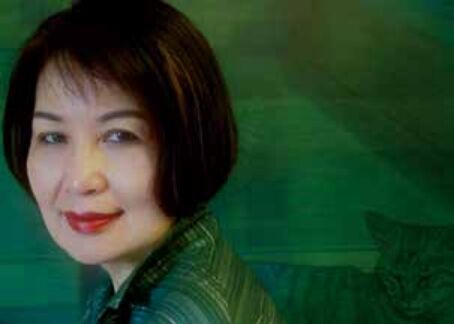
徐瑞畫貓,已經是藝壇公認的標誌;她的貓,具有詩人的敏思、哲學家的深沈、歷史學者的洞晰,卻也像慵懶無爭的貴婦,看盡世間繁華,絢爛終歸平淡。徐瑞的貓,就是徐瑞本人的化身。
這隻神秘又帶著浪漫的貓,至少在 2016 年的展出中,已經展現她對中國古代「造像」的高度關注;畫裡的貓,周旋在那些古老、無言的古造像中,成了跨越時空的凝視。徐瑞說:「中國的古造像如:石獅、陶馬、秦俑、翁仲、佛像……等長期流傳,承載著民族的共同記憶、集體願望與象徵意義,就像歷史長河湍湍地奔流,一路遺落的大石,它能夠激發流水說話。欽佩古人創造的藝術才華,但幾乎所有的石雕、陶塑與青銅器等,皆不見創作者留名。讓這些塑像在我的作品中重現,向佚名的古老藝術前輩致敬。」
自此,徐瑞的貓終於不再孤獨,她在歷史的長廊中,找到她的「桃花源」,揭開了許多「你不知道的事」( 徐瑞畫名 );終於,她掉入了古老中國的神話國度裡,成就了一批令人驚艷的「中國神話人物」系列。
神話,是遠古人類面對各種大自然的挑戰,所萌發的想像與勇氣,永不退卻、永不屈服,展現了人類一種無畏的精神力量。「神話」其實都是「人」說的「話」;人藉著這些神話,獲得智慧的傳承、勇氣的接力,重新鼓舞振作,面對自然永不停歇的挑戰,乃至無法逃避的命運。
從《山海經》到《封神榜》,乃至《西遊記》,先民以想像為動力、以藝術當武器,一代一代地創發著令人驚艷、令人奮發的神話人物與故事。每個時代都有每個時代的神話,每個地區都有每個地區的神話,就像電影中的〈美國超人〉,他們滿足了現代美國人對自我現實的面對,克服恐慌、迎向未來。
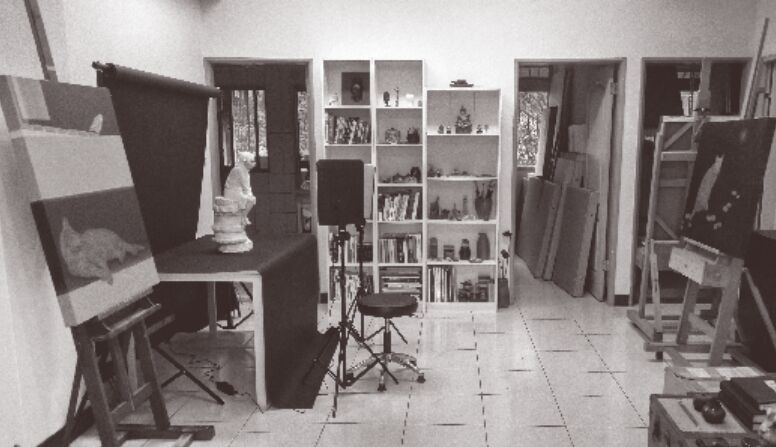
徐瑞因學習雕塑,認識了手藝精湛的民間匠師游曜鴻,在兩人的合作下,一個提供藝思,一個提供匠意,完成了一批現代版的中國古神話人物造型,其中包括:開天闢地的盤古、人文始祖的伏羲女媧、史學原型的巫祝 ( 史出於巫 ),以及對大自然想像形象化的火神閼伯、雷神、戰神蚩尤,直至中華始祖的黃帝、華夏之母的嫘祖,還有射日的后羿,乃至東海龍王、城隍神、西王母等。
生動的造型、精巧的手工、華美的色彩,再加上圖文的搭配,這是獻給當代童心未泯、人文仍存的人們最美好的禮物。
徐瑞曾說:
「昨日之事已然成為今天的歷史
曾經發生過的
無論消逝了一日百代或千年
有些沉入心的底層成為
我們的共同記憶 集體願望 與象徵意義
形成民族的文化基因」
台灣是一個保存中國傳統文明最為精華的地區,中國不只是一個政治的通稱,而是一個文化的概念。台灣之可貴,正是這些文化被妥善保存、發揚光大的寶地;徐瑞的「中國神話人物」系列,正是有力明證。
中國神話人物選作
雕塑的收藏與著作
徐瑞 2018
神話始於先民口耳相傳,後來隨文化發展而有文字記載。閱讀神話故事腦子裡就會出現各種夢想與異想的神秘圖像,深深感受到神話所散發的藝術魅力。有些神話人物兼有人性與獸性轉而提升為神性,如代表中國人的圖騰 - 龍,綜合了許多生物的特徵:蛇身、獸腿、鷹爪、馬頭、蛇尾、鹿角、魚鱗。每種獸都各有獨特的個性與能力,將這些不同巨力與人自身合為一體,先民將之營造為神。神話人物多有很高的道德標準與使命感,為無助的先民立下奮勇向前的標杆盡力求生。
身為現代藝術的創作者,不論處於如何的精神氣候中,傳統文化永遠是我們創作不可缺少的基因、底蘊與氣質。我與雕塑家游曜鴻老師都覺得神話是中華文化中最神秘與精采的一頁,傳統需要一代接一代傳承並創新。我們綜合既有的印象和自己的想像與創意為神話人物造型,游老師以藝術的爐火精雕細塑,完成此一系列中國神話人物雕塑,十分生動精彩,人物的表情、姿態、服飾、配件與色彩…等富含故事說明性,希望借由我的收藏解說與分享,吸引更多的中國人與國際人士了解我中華文化的豐富、神秘與瑰麗多彩。
以下解說摘自《中國神話研究》譚達先著,台灣商務印書館發行 -
中國神話比之印度、希臘、埃及的古代神話毫無遜色。中國是由五十多個不同民族組成,各族在古代都產生過許多優秀的神話,僅漢族而言就不少,無論就思想內容到藝術形式,許多神話極為積極、健康、精美。
神話是先民對自然現象一種大膽的探究和天真的解釋,也是在大自然中艱困求生的心歷折射,如 < 羿射九日 >、< 女媧補天 > 等。…後來出現了掠奪者與被掠奪者之間的鬥爭,於是產生了反映社會生活或社會集團之間鬥爭的神話如 < 黃帝與蚩尤之戰 >... 等。
遠古神話是中國遠古各族人民最好的藝術武器之一,它鼓舞著遠古人民對自然和種種敵人進行著艱巨、曲折、頑強的鬥爭,正是從這些神話中,他們吸取了生活、鬥爭和征服自然的信心、智慧、勇氣,並且磨勵了鬥志。
遠古神話記載了一些有益的知識,並以它來教育接受者。這些神話反映了原始人民對自然和社會現象的某種關心,因而啟發接受者去思索和找尋真理,或者培養人們的藝術性想像和聯想,以及健康、積極的幻想,並且給人們以審美的滿足。
盤古開天
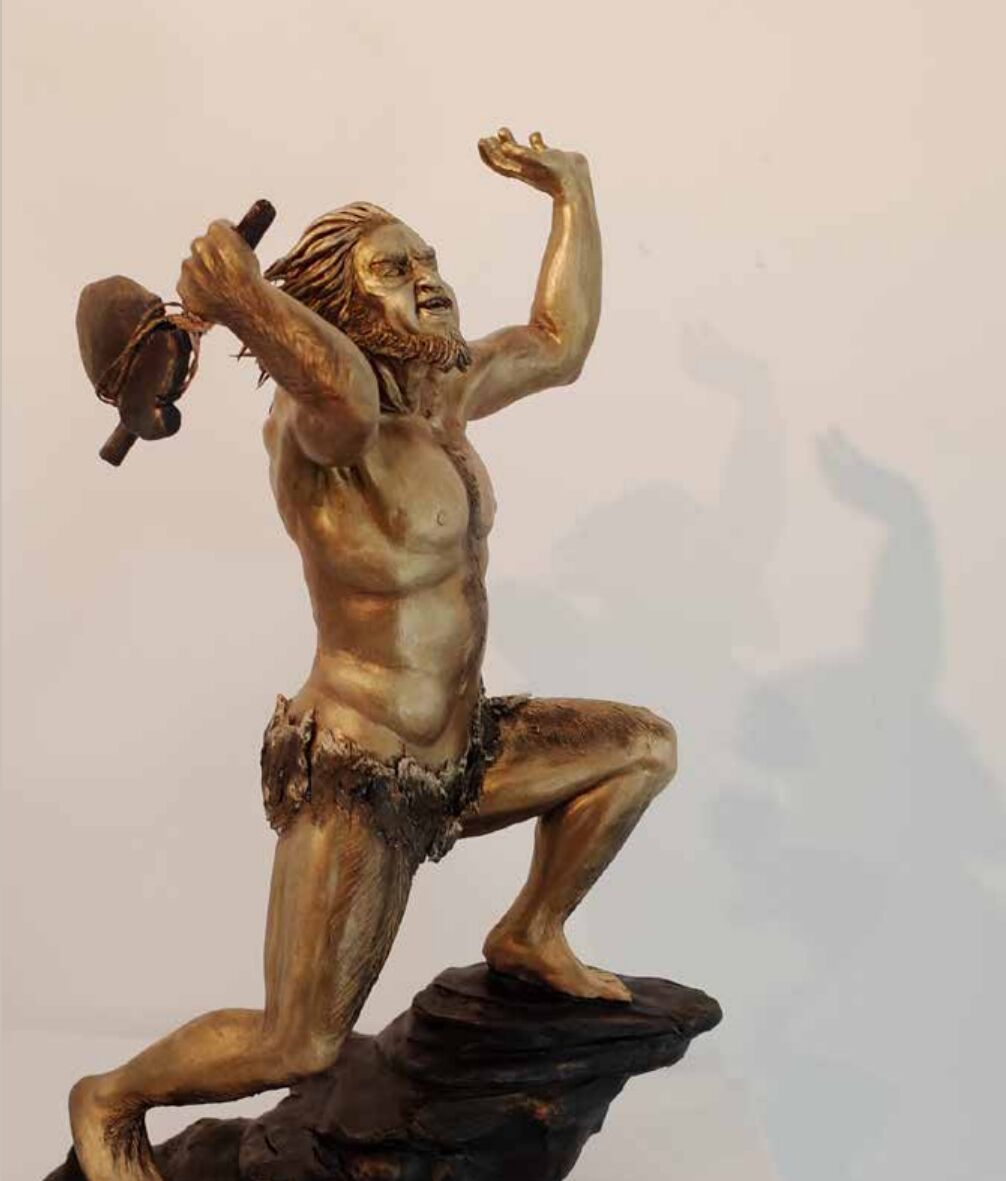
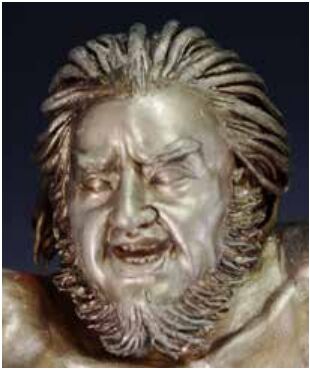
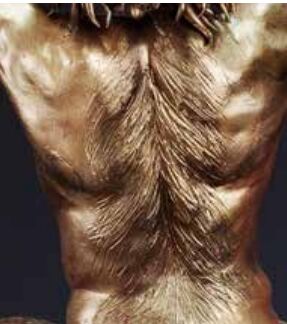
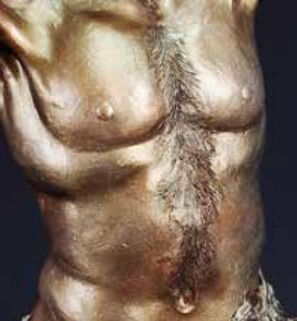
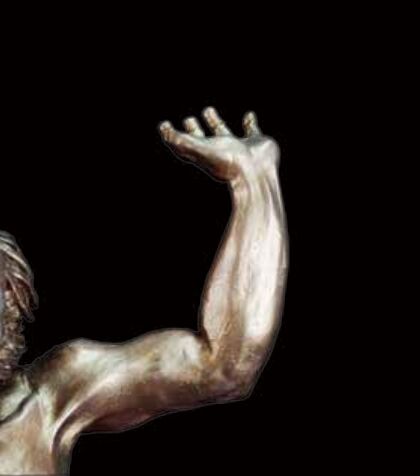
盤古是中國神話中開天闢地的神祇。太初之時無天無地亦無萬物,宇宙一片混沌,演生出一個原人叫「盤古」。盤古不願長期被籠罩於沉暮之中,於是手持斧鑿開天闢地,把清者歸天,濁者歸地。盤古夾在天空和大地之間撐著,經過萬年盤古的軀體已高達萬丈,而天地相距也愈來愈遠。盤古就這樣撐著天地終於有一天力竭而亡。
於是天地開始造化,盤古的身體也跟著起了變化。他的左眼變成太陽,右眼變成月亮。長髮變成銀河,鬍鬚化做星星。他的身體化作高山,血液成為江河,筋脈變成道路。他的雙手和雙腳成為東南西北方。
伏羲與女媧
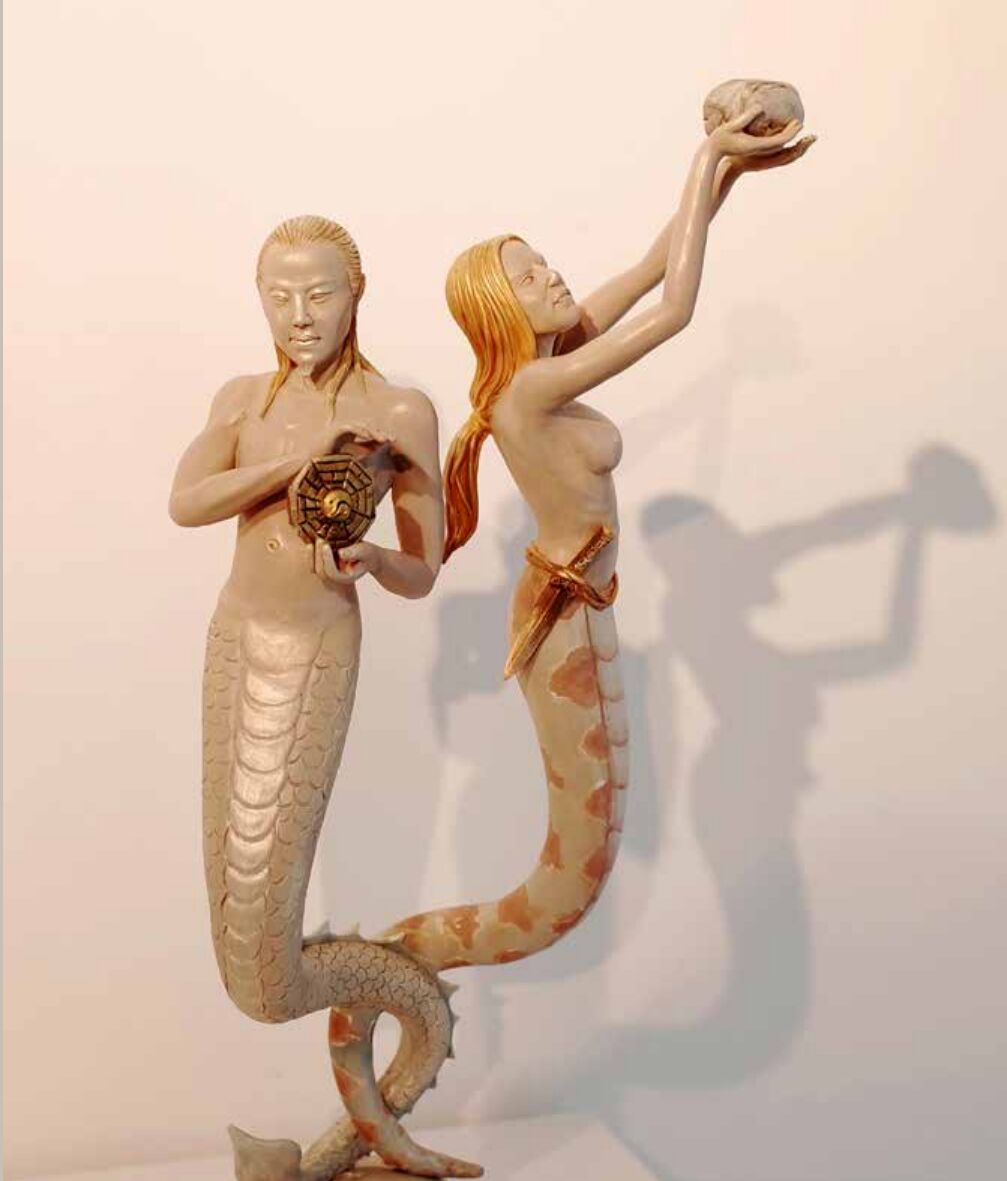
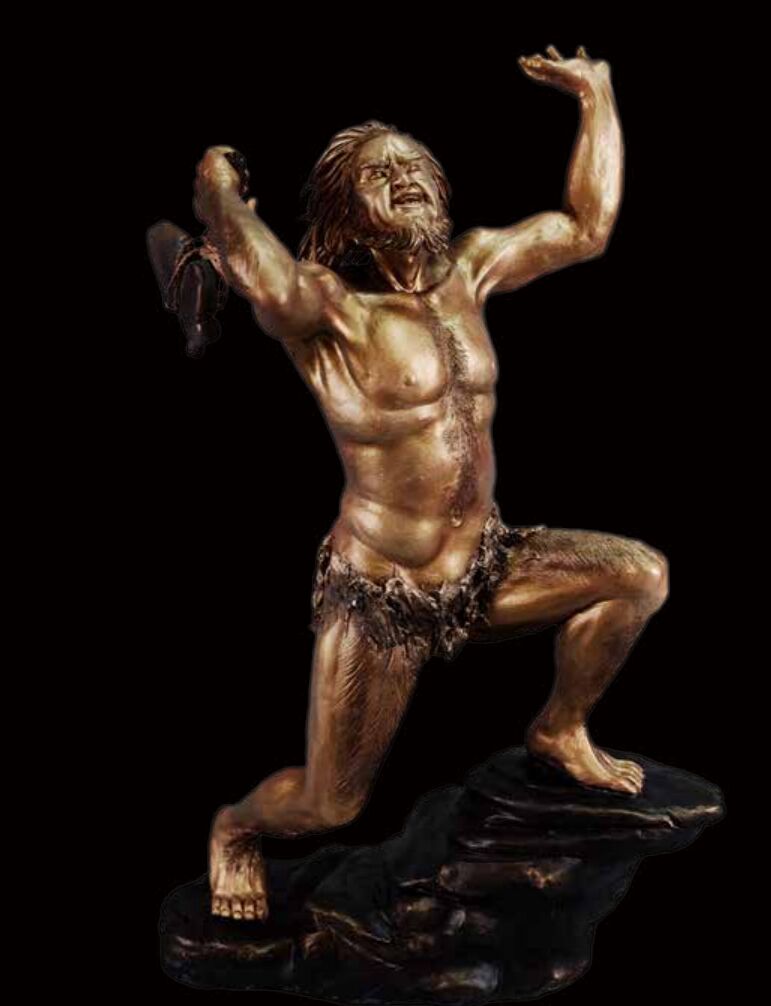
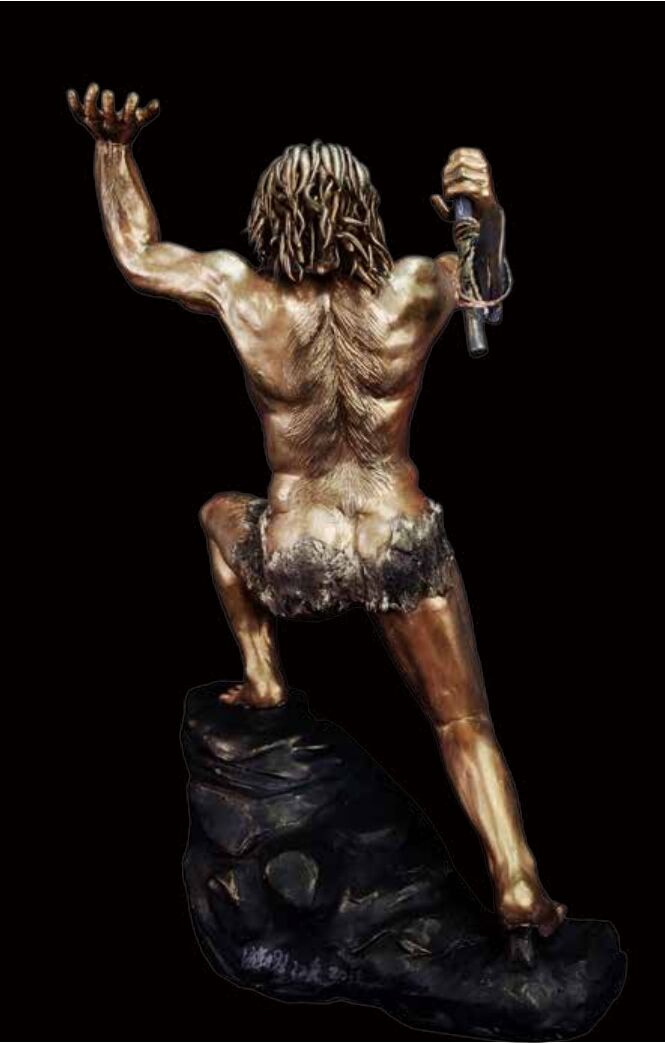
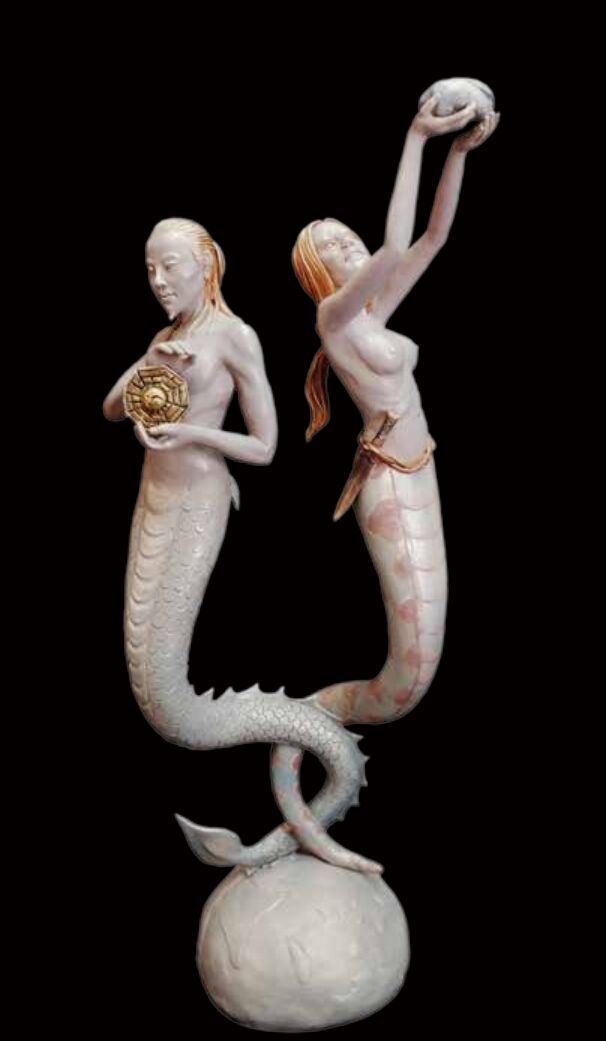
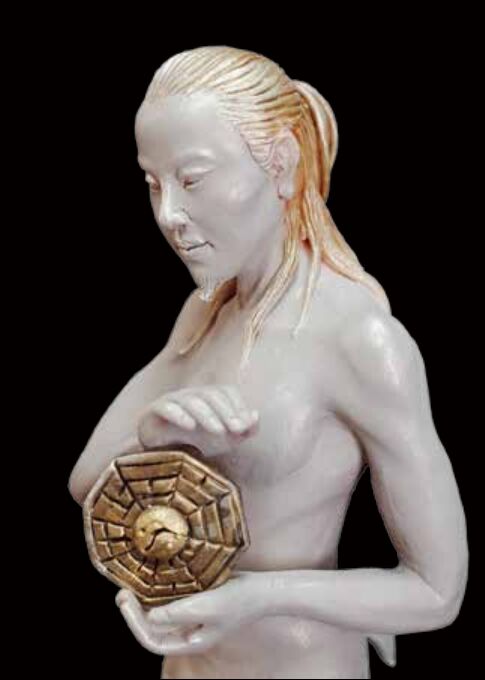
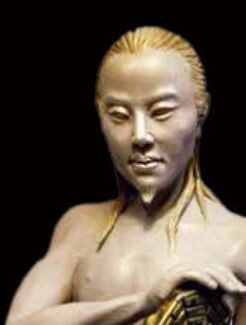
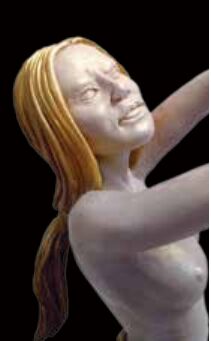
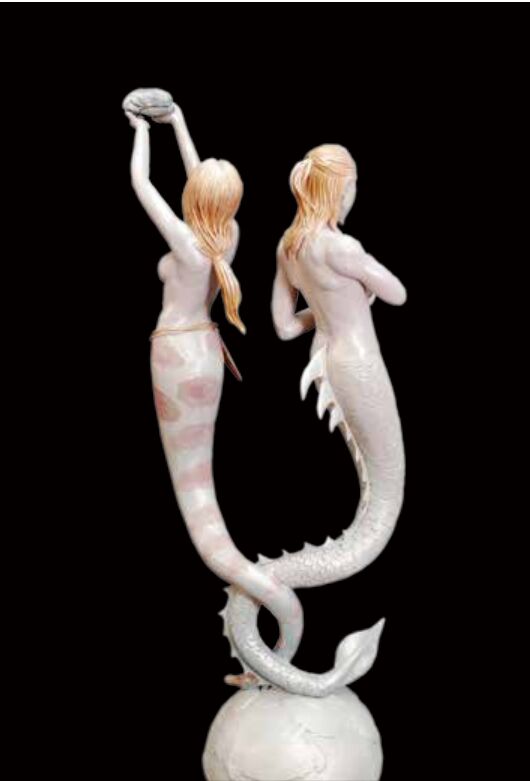
伏羲人首蛇身,與其妹女媧成婚,生兒育女,成為人類的始祖。是中華民族的人文始祖,居三皇之首。伏羲觀天相察四時,根據天地間陰陽變化之理創製八卦,觀蜘蛛結網捕食教導人民以網捕魚與狩獵,他是中醫學的創始人,創造文字結束「結繩記事」史,並發明「瑟」創作曲子,對中華民族的文明,具有奠基與啟蒙之功。女媧神勇愛民,斷巨鰲以立四極 ( 四方之天的樑柱 ),殺黑龍以濟冀州。
雷神
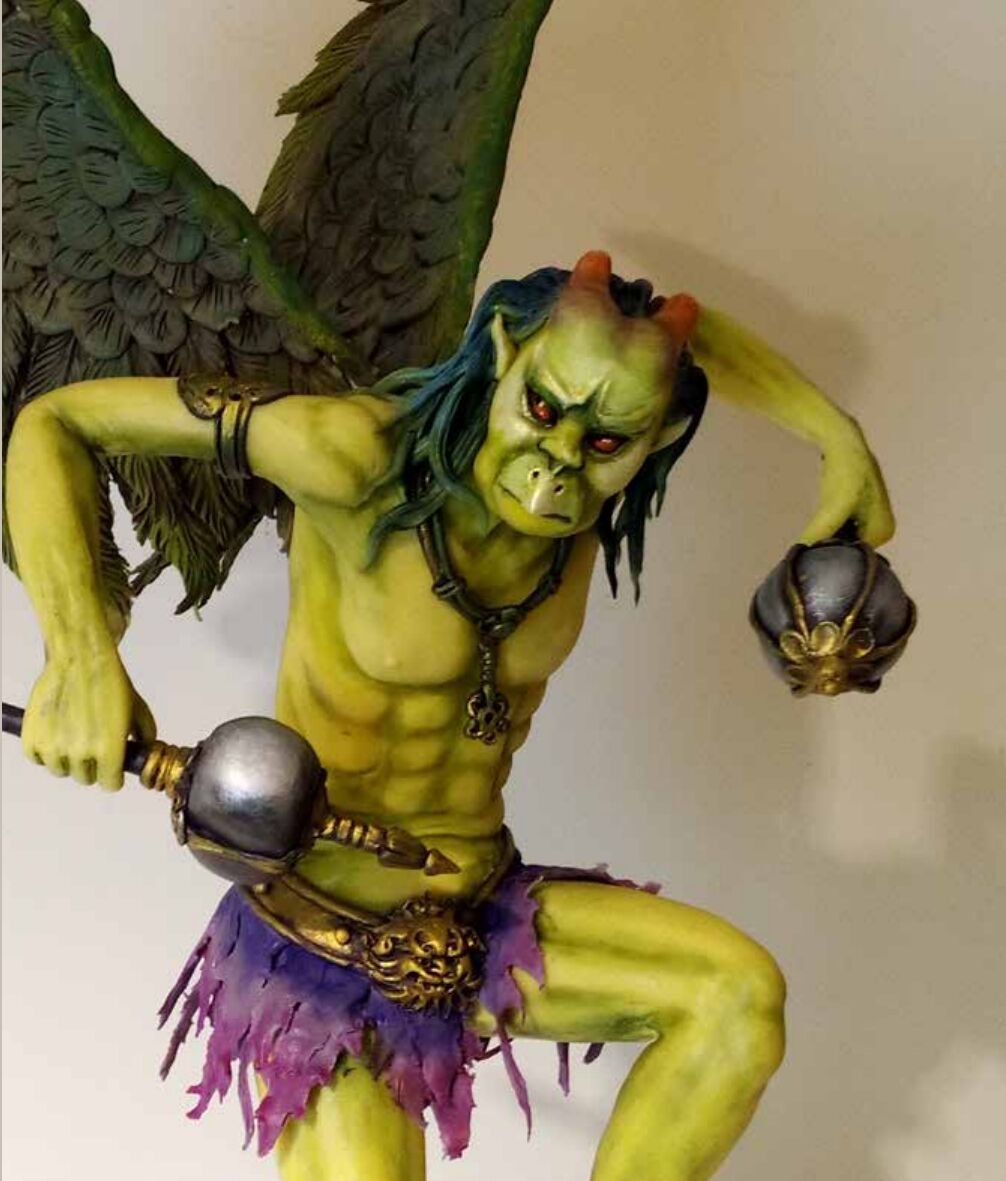
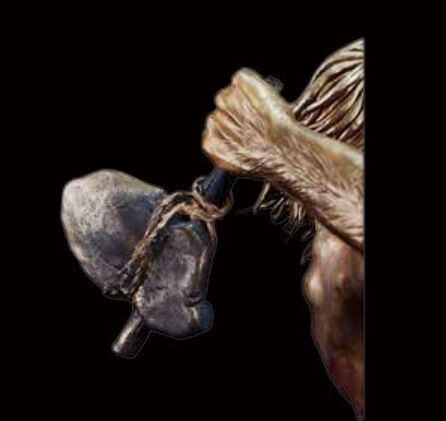
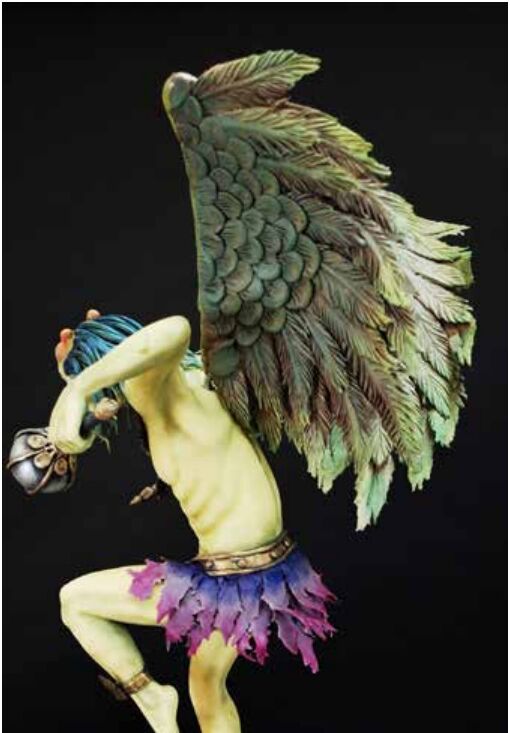
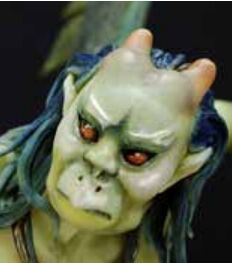
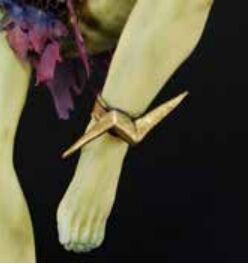
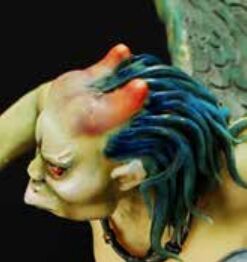
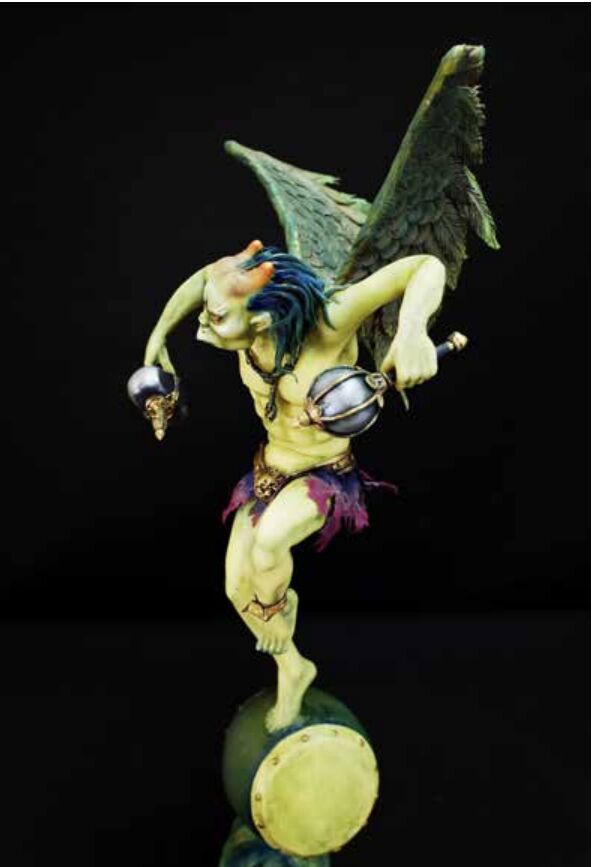
雷公又稱雷神或雷師,神話傳說中的司雷之神。雷公名始見《楚辭》,因雷為天庭陽氣,而稱「公」。坦胸露腹,背插羽翅,手執雙錘,呈連續欲擊狀,擊鼓轟雷,主持正義代天執法,擊罰有罪之人。
相傳雷公與電母是一對正義的夫妻,電母放電明視善惡,雷公擊鼓轟雷擊殺惡人,專打不孝之徒。
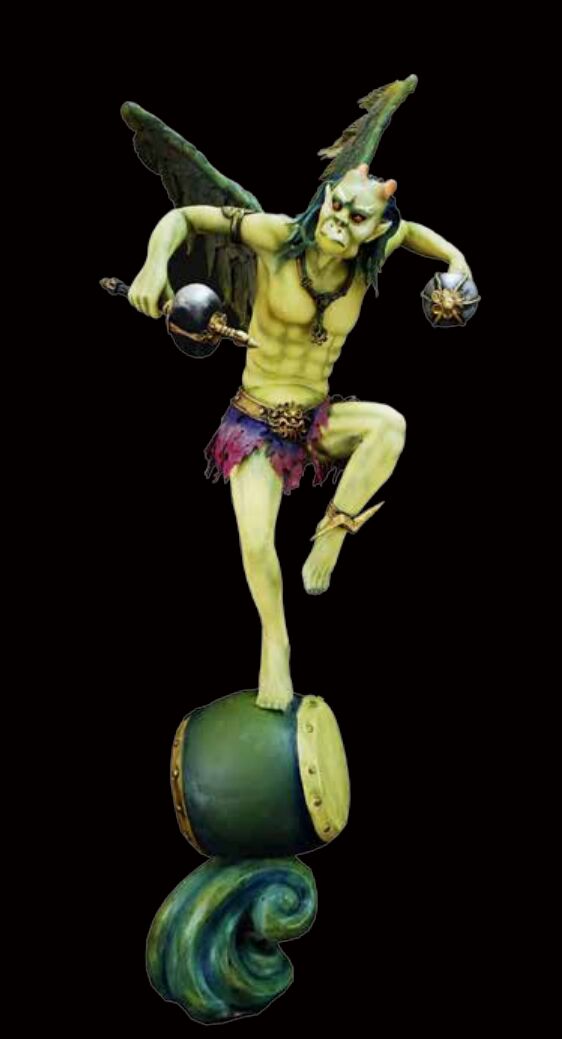
東海龍王
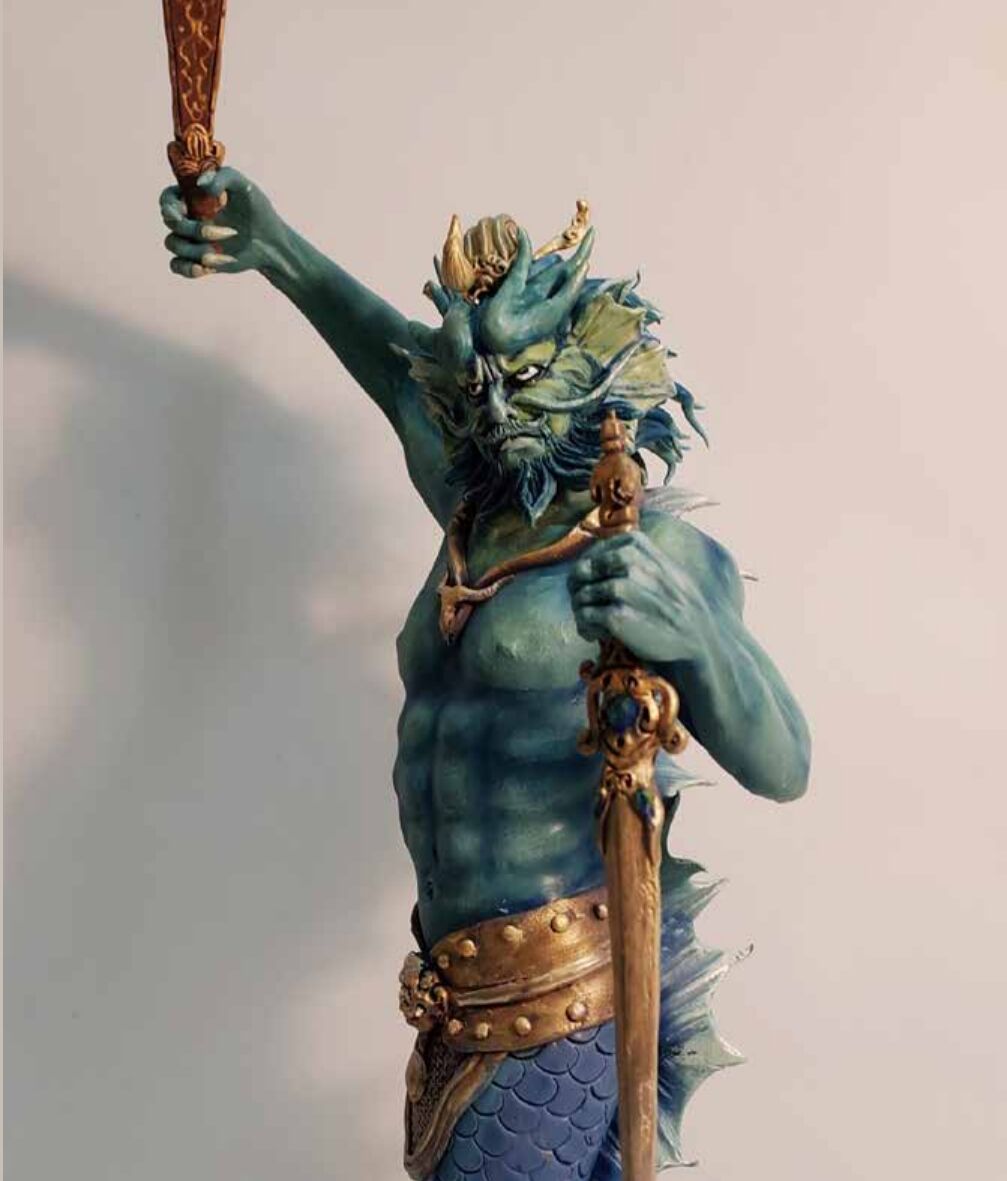
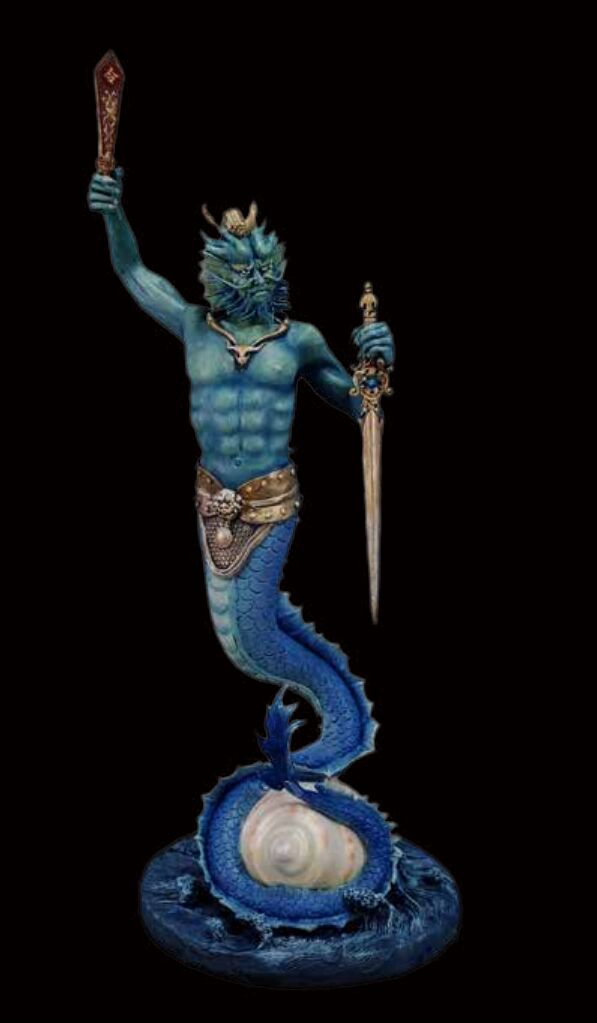
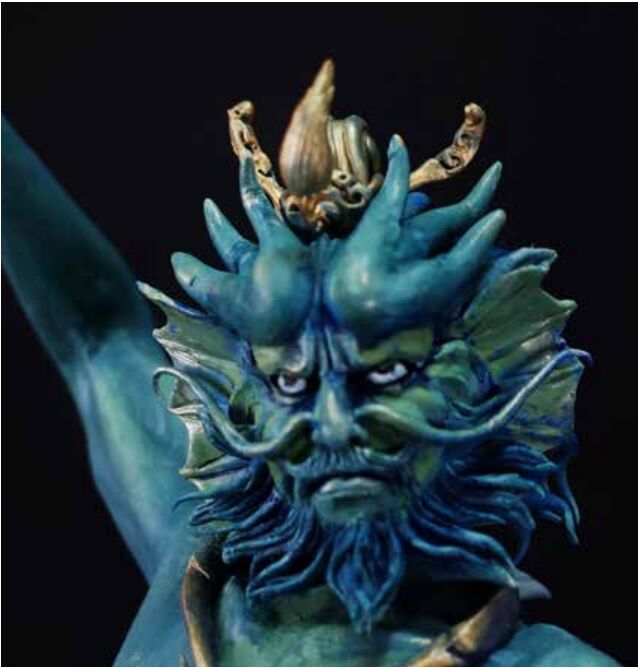
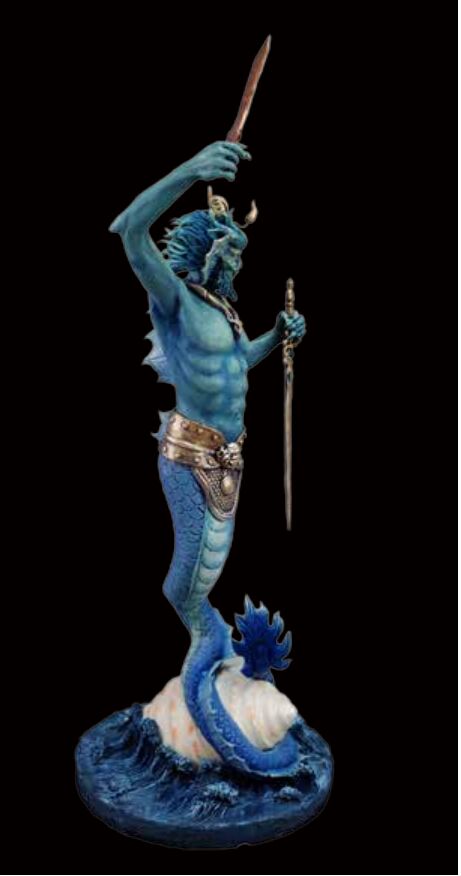
東海龍王敖廣是一位司雨治水之神也是航海的守護神。海龍王分為東海龍王、西海龍王、南海龍王和北海龍王,總稱為四大海龍王。東海龍王是四海龍王之首,因為東邊是太陽升起的地方,為陽。唐玄宗時詔祠龍池,設壇致祭,以祭雨師之儀祭龍王。
東海龍王神話中是統領水族的王,掌管興雲布雨,為人消熱解旱。龍王治水成了民間普遍的信仰。道教《太上洞淵神咒經》中的“龍王品”就稱,“國土炎旱,五榖不收,三三兩兩莫知何計時”,元始天尊乘五色雲來臨國土,與諸天龍王等宣揚正法,普救眾生,大雨洪流,應時甘潤。
龍在中國的歷史傳統與文化中扮演了十分重要的角色。相傳龍的起源來自伏羲氏,伏羲與女媧都是人首蛇身,而蛇就是龍的原型。龍是屬於中國人的圖騰,綜合了許多生物的特徵:蛇身、獸腿、鷹爪、馬頭、蛇尾、鹿角、魚鱗。 據考證,龍圖騰的由來是和原始部落不斷的征戰有關,在漫長的歷史中,部落與部落之間對抗、吞併、聯合,並把戰勝的部落圖騰上的一部分添加到自己的圖騰上。久而久之,經過不斷地吸收與充實,龍的特徵也越來越多,形像日益複雜和威武莊嚴,最後形成了完整的龍圖騰,並且成為華夏民族所信奉崇拜的標誌。古神話中龍為四靈 - 龍、鳳、麒麟、龜之首。
臺灣最早的一座龍王廟,初建於清康熙五十五年(公元一七一六年),位於台南市東安坊。後來在淡水、大甲、彰化、台南、鳳山、恒春、澎湖等沿海地區,建有祭祀四海龍王廟宇。部分的媽祖廟,水仙宮廟亦見配祀四海龍王,尊四海龍王為航海之守護神。
臺灣澎湖地區漁民,咸信農曆十月初十日是海龍王誕辰,魚蝦皆往龍宮祝壽,海裏撈不到漁獲,所以每當此日,漁民自動休息一天,且海中空蕩無魚,有如遭強風巨浪「洗港」,故又稱此日為「海龍王洗港日」。
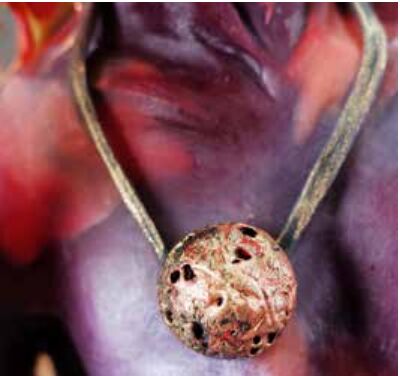
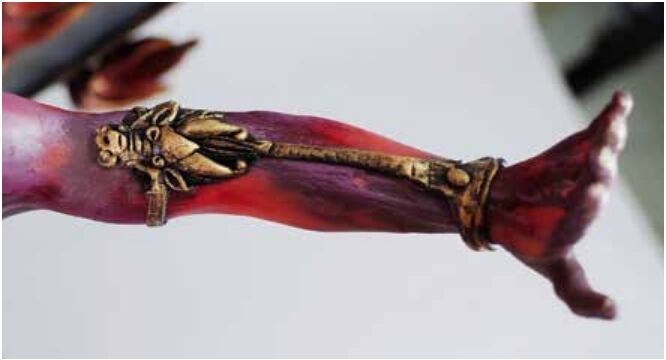
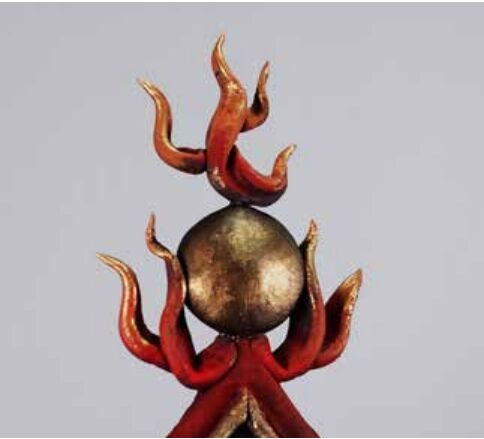
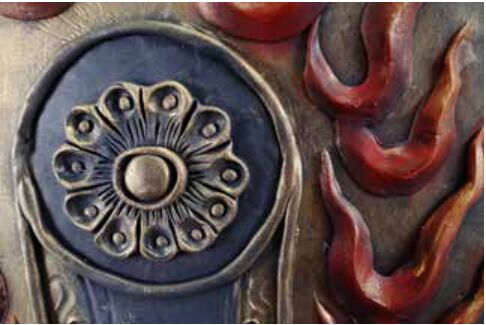
火神閼伯
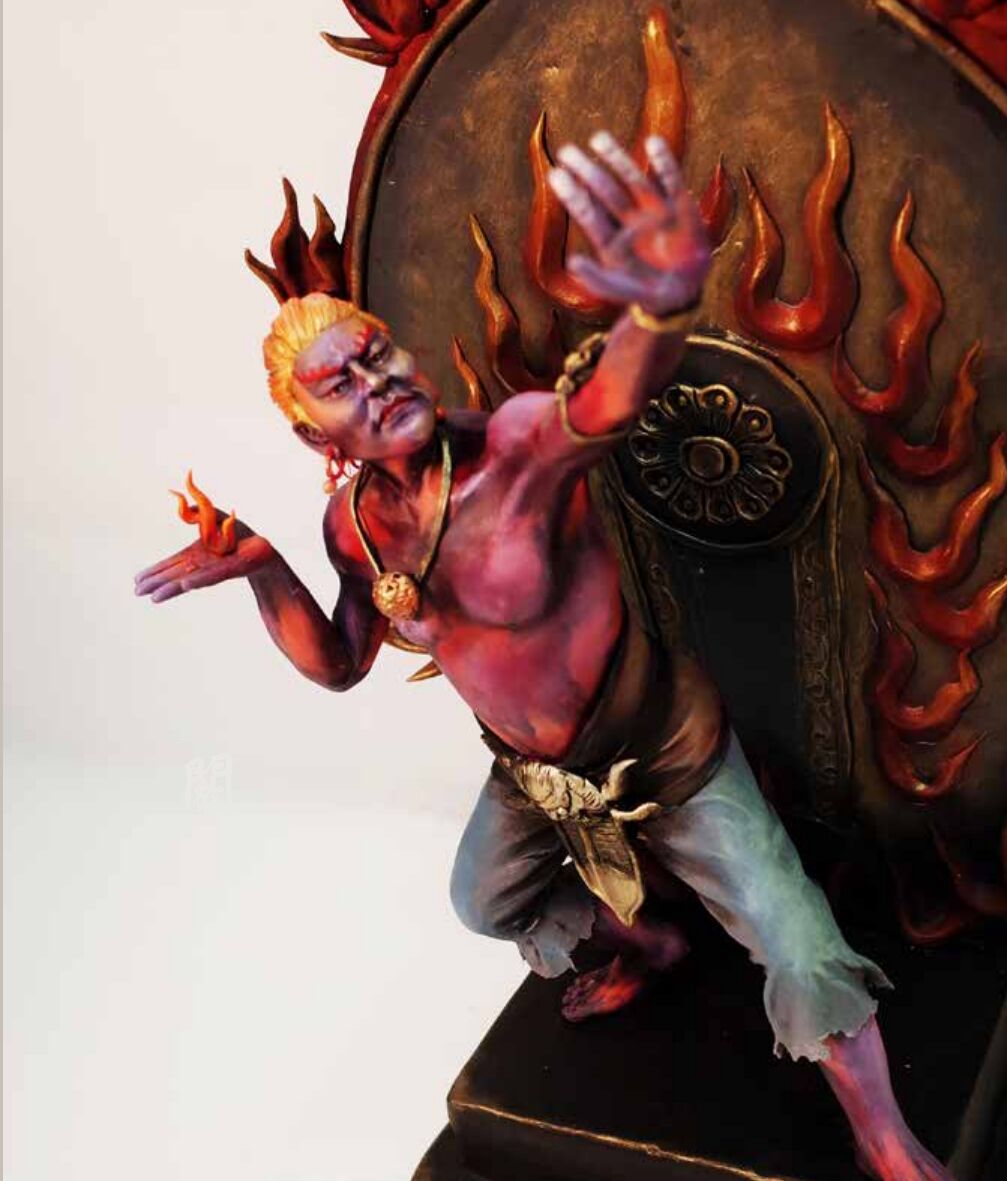
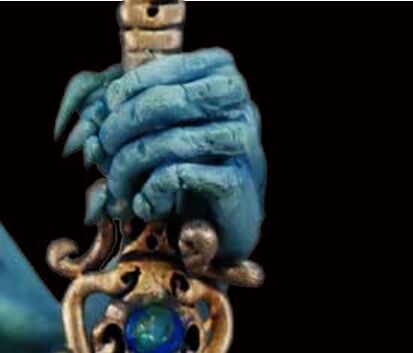
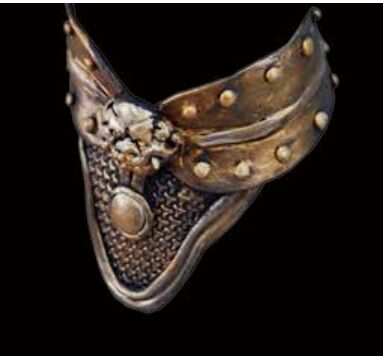
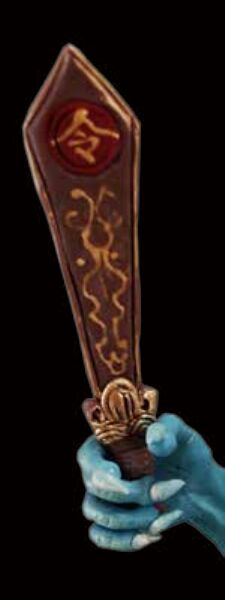
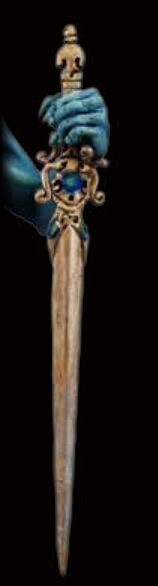
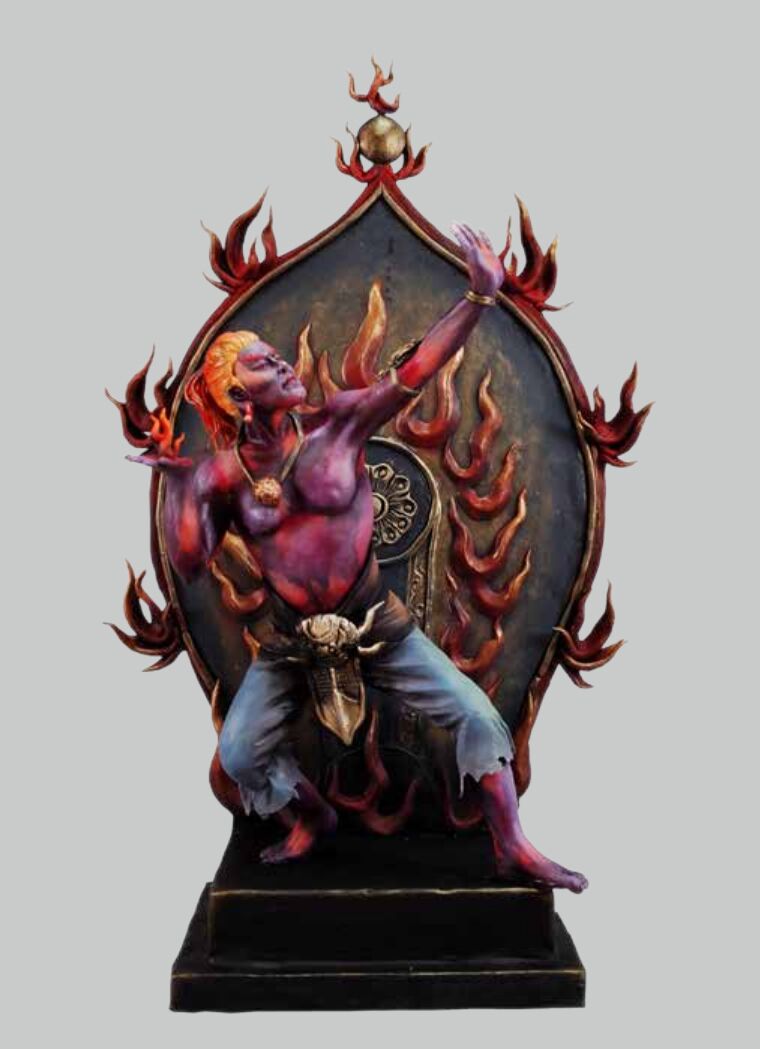
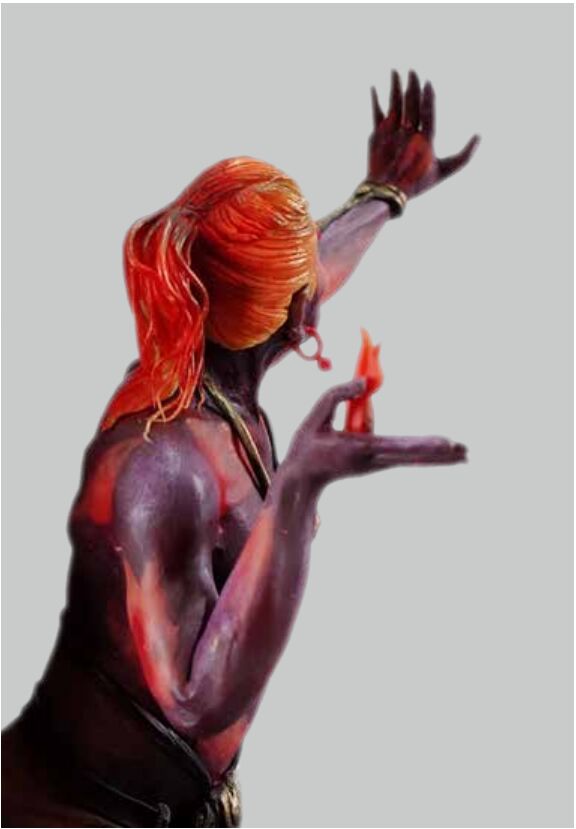
相傳閼伯是原始社會五帝中帝嚳的長子,帝嚳封兒子閼伯於商丘,任務一是管理火種延續,官名 < 火正 >; 二是建觀星臺,觀察火星的運行以指導農時,此為中國最早的觀星臺。
遠古時代生存條件惡劣,當時風沙蔽日洪水泛濫,百姓飲毛茹血時常生病。在如此環境中,保護火種很重要,閼伯盡忠職守將火種保存完好得以延續無誤。火可以烤煮食物、照明、驅逐野獸,並可燒製陶器,大利於民。閼伯死後便被尊為火神,建台築廟供閼伯像於商丘。自古當地百姓每年正月初七都到火神廟進香朝拜閼伯,形成祭祀火神的盛大古廟會。
古代人們為了觀測日、月、金、木、水、火、土等星座的運行,把天區分為二十八星宿做為標示,以之知曉日、月和五星運行所到達位置。其中東方蒼龍七宿有一星宿對著商丘,就是心宿,又叫火星、商星。這顆星有一定的運行規律,何時東出、南中、西落,每年出現的時間都極準確。閼伯以目觀天來區分季節安排農時,指導百姓何時播種耕作,何時收割。據說這種以火星運行指導農時的方法,一直延續到西周建國。
城隍神
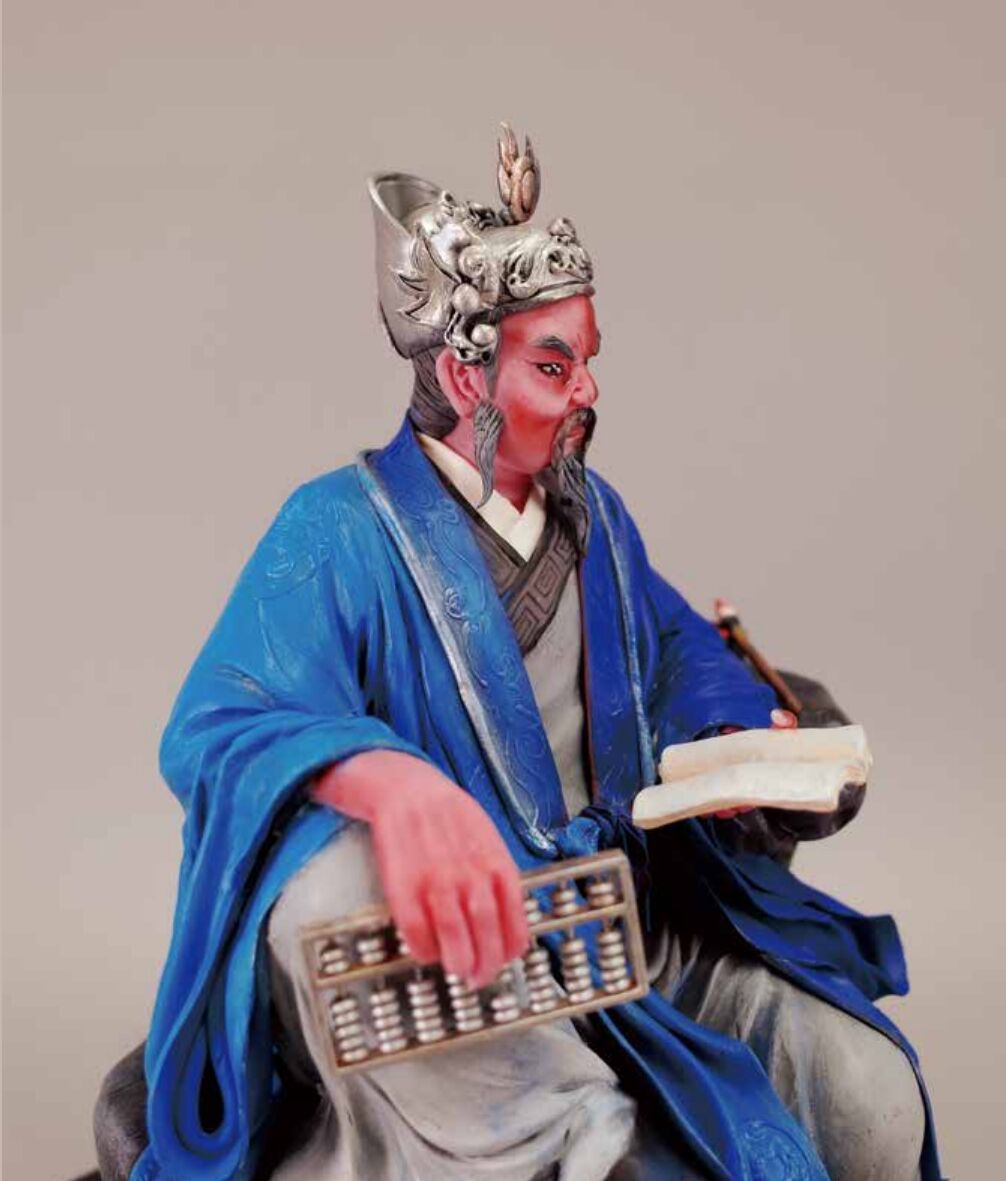
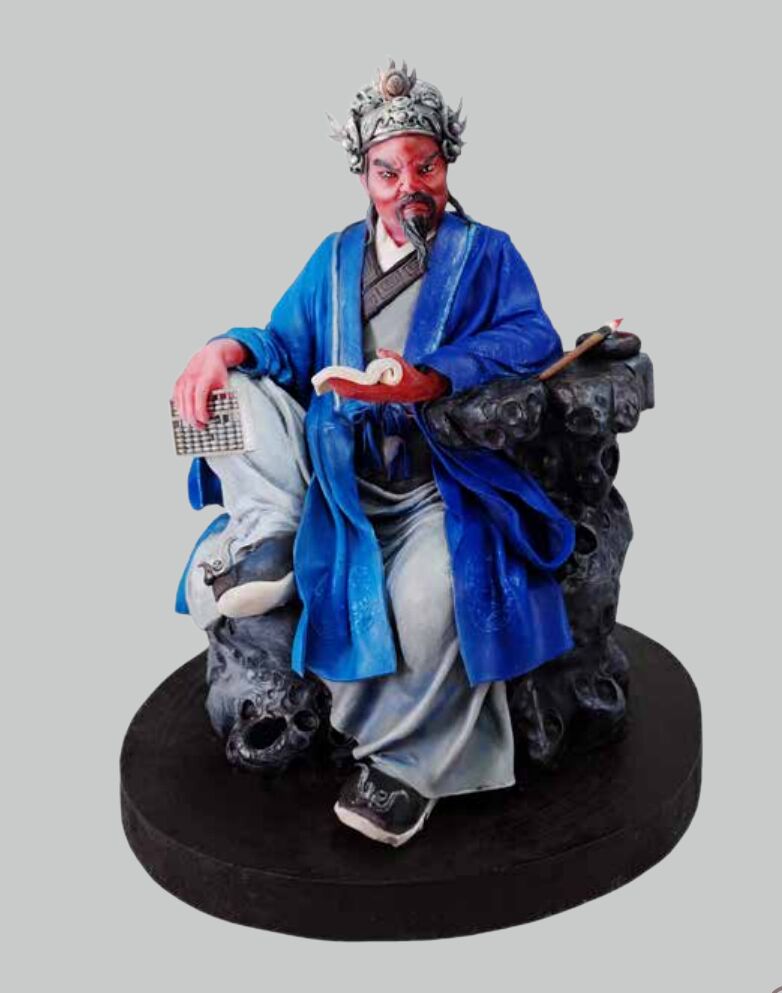
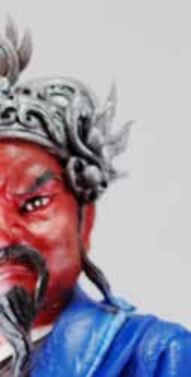
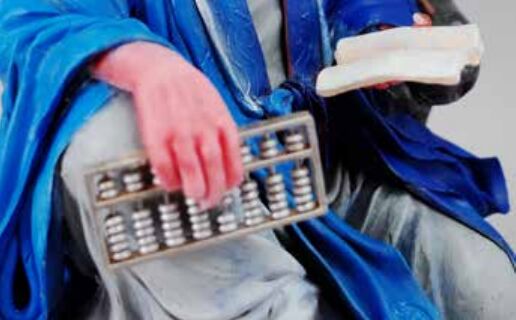
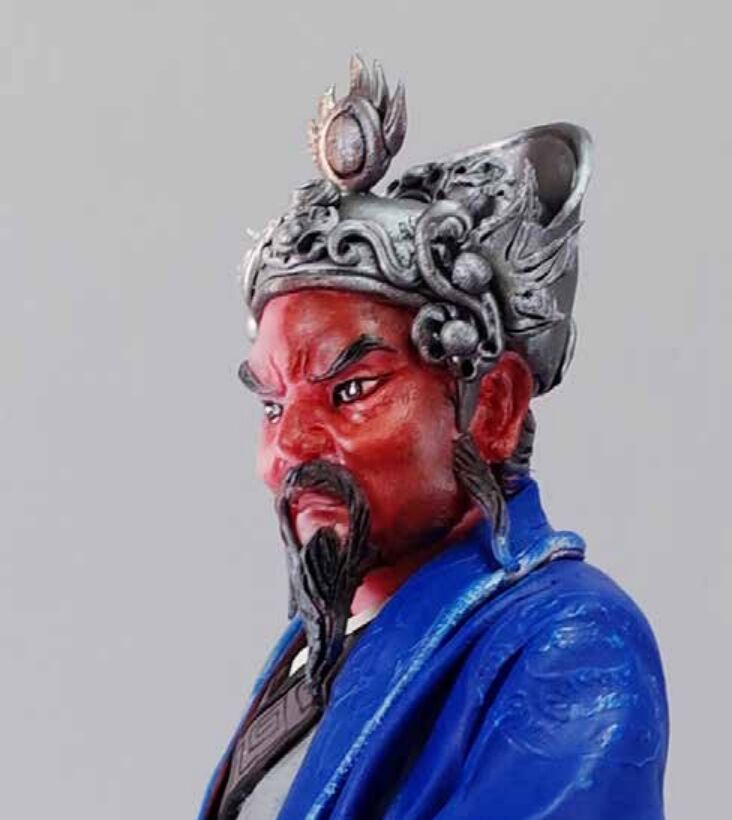
城隍神綜理陰陽兩界,日管陽,夜審陰。
「城隍」二字是指保護人民身家安全的城牆和護城河。城隍神是城池的守護神,在戰火不斷煙硝四起時,城池堅固方能禦敵衛民。
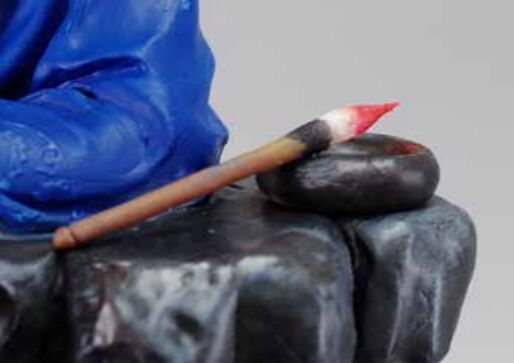
同時城隍神手掌生死簿,是陰間的司法官,若有人被惡鬼纏身,就到城隍廟請城隍爺晚上開堂審鬼,以解除厄運。或者有人客死異鄉,就需先到城隍廟去領路票,拿了路票才能引魂回籍,否則就會成為野鬼。城隍神還有一任務是鎮壓災疫,如發生瘟疫或其他流行病時,就要抬出城隍爺出遊,鎮壓鬼魅,以維護地方太平。
清代著名小說 < 閱微草堂筆記 >( 作者紀昀字曉嵐 ) 中有一則城隍神的故事:獻縣有位老儒生韓某,性情剛正凡事都遵循禮法,頗得鄉里尊敬。有一天得了風寒,恍惚間有鬼立於前說:「城隍神召喚你了 !」。韓生心想自己的氣數已盡反抗無用,便跟著小鬼來到陰曹地府,城隍神驗過名冊後判說:「姓相同但人弄錯了。」於是責罰小鬼二十大板,遣人將韓生送回陽間。韓生心有不平趨前問道:「人命關天,大神怎麼派了個頭腦不清的小鬼辦事而發生錯誤 ? 如果未查出真相,我豈不冤死 ? 還有什麼聰明正直可言!」城隍神笑說:「聽說你倔強,果不其然。老天運行哪能一點都沒差錯,更何況是鬼神呢 ? 有錯立刻發現,便是聰明 ; 發覺有錯而不袒護,便是正直。你怎懂得這道理呢 ? 姑念你言行單純,暫且饒了你,以後切莫急躁妄動。」瞬間韓生便醒了過來。這個故事說明神性具有人性。
巫祝
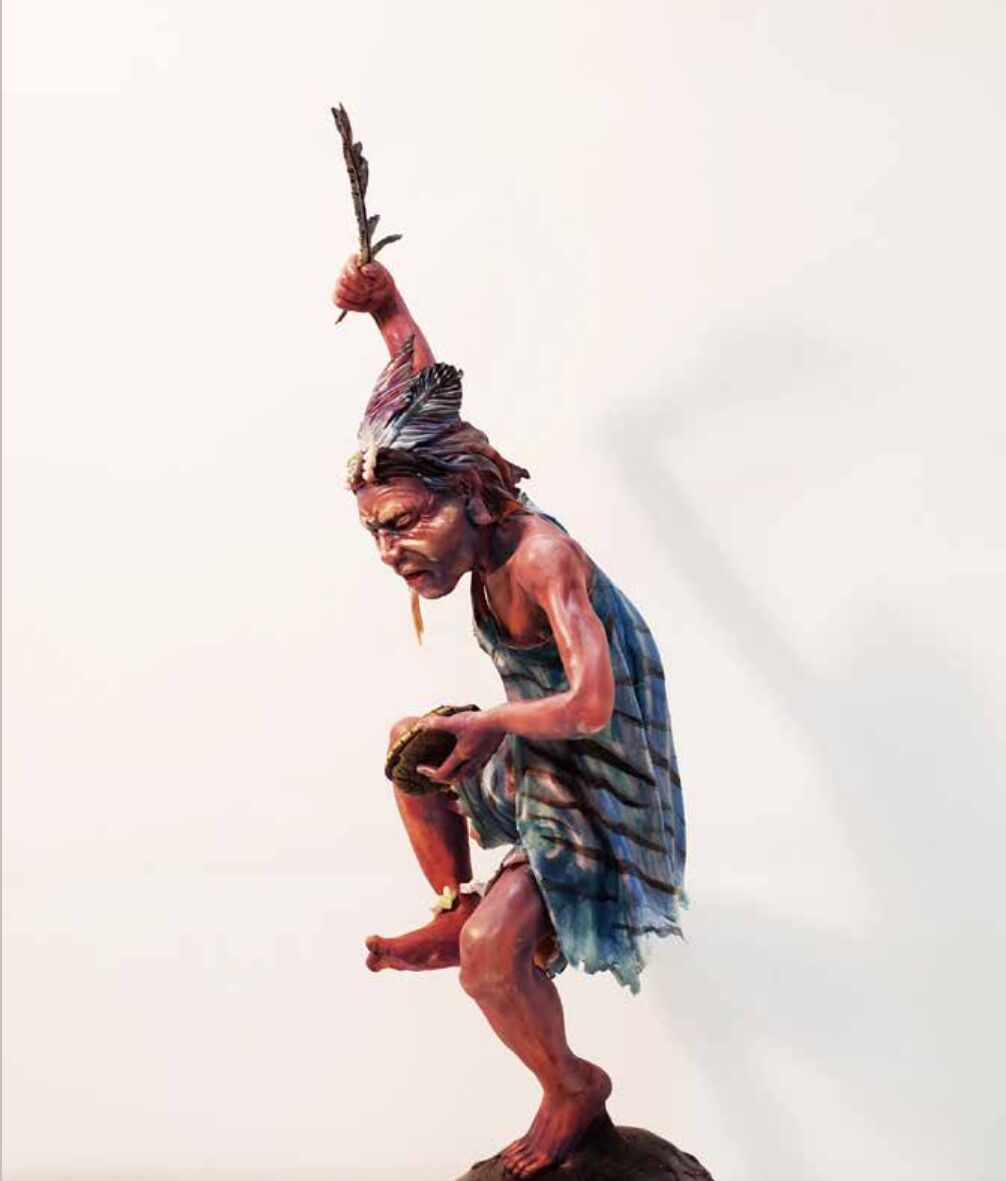
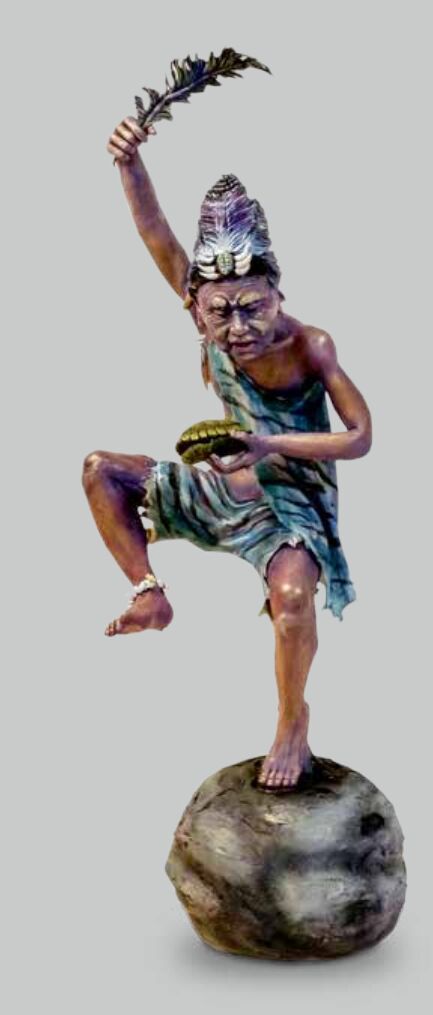
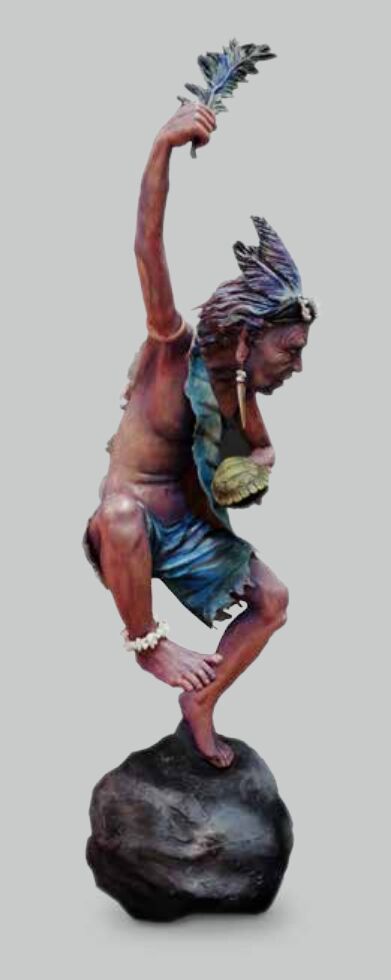
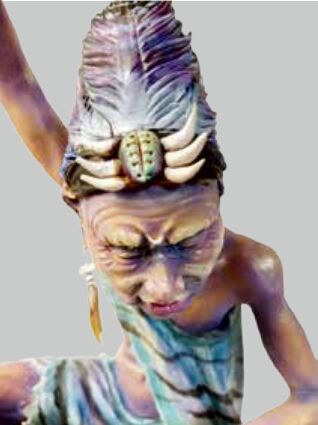
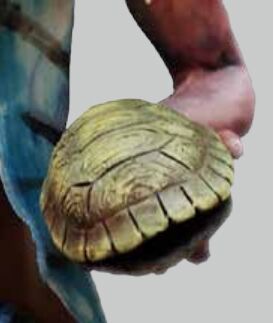
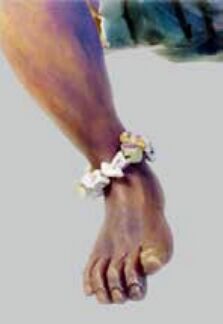
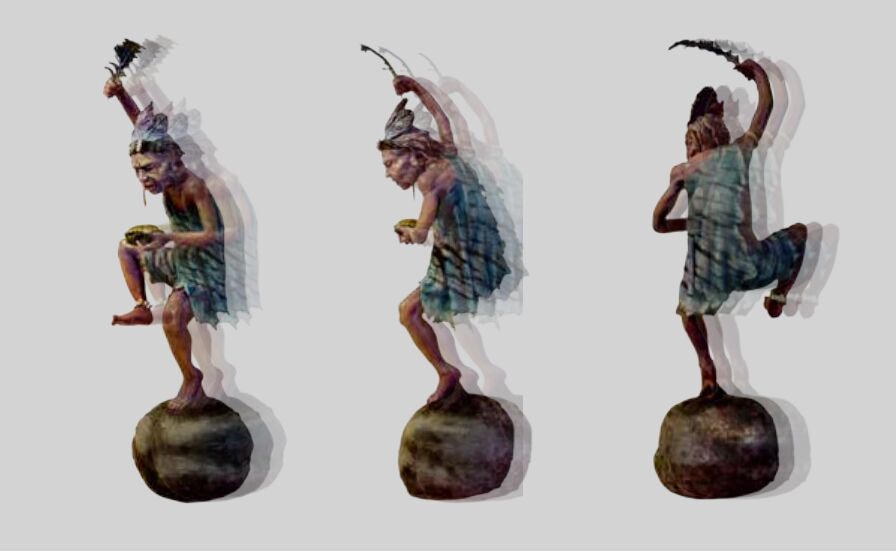
自有人類便有巫與巫舞,中國神秘的巫文化淵源流長,呈現中華文化的多采多姿。巫知人事曉天文能與鬼神相通,多才多藝主要是主持祭祀,在儀式進行中既歌又舞。「書經」有言 :「恆舞於宮,酣歌於室,時謂巫風。」在宮中與民間主持祭祀儀式時載歌載舞,充滿宗教色彩,呈現先民敬畏天地、討好鬼神、崇拜圖騰、思慕祖先的心聲,也表達對子孫綿延、耕耘豐收、征戰勝利與平安幸福的祈求。巫師能唱會跳驅鬼迎神以祈福袪災,又知曉天文、醫學、曆法,是族群中的智人與能人,因此常被推舉為部落或國家首領。據說夏朝的君王禹就是大巫,今日常見巫師做法事時踩著歪斜顛簸,彷彿神明附體的舞步稱禹步,就是禹發明的。巫舞有一定的步法,彎腰曲背走小踮步舞之不易,巫可以說是中國最早的職業舞者。
藝術家觀察敏銳感應力強,能覺察一般人容易忽略的天時變化與人際應對,以一顆悸動的心藉由各種形式的作品來傳達心聲,彷如巫師詠歌起舞,巫是浪漫的。
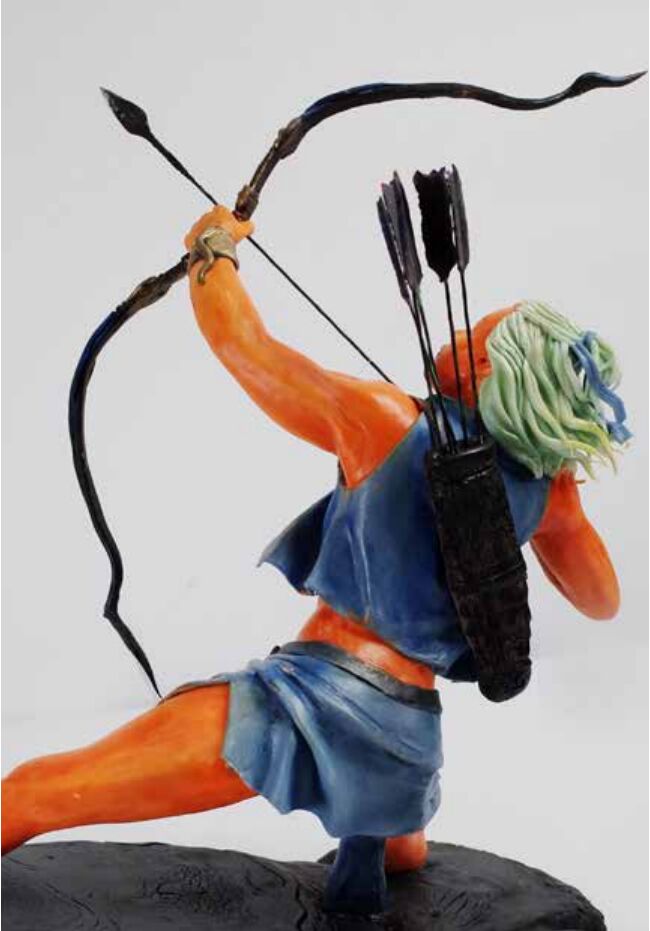
后羿射日
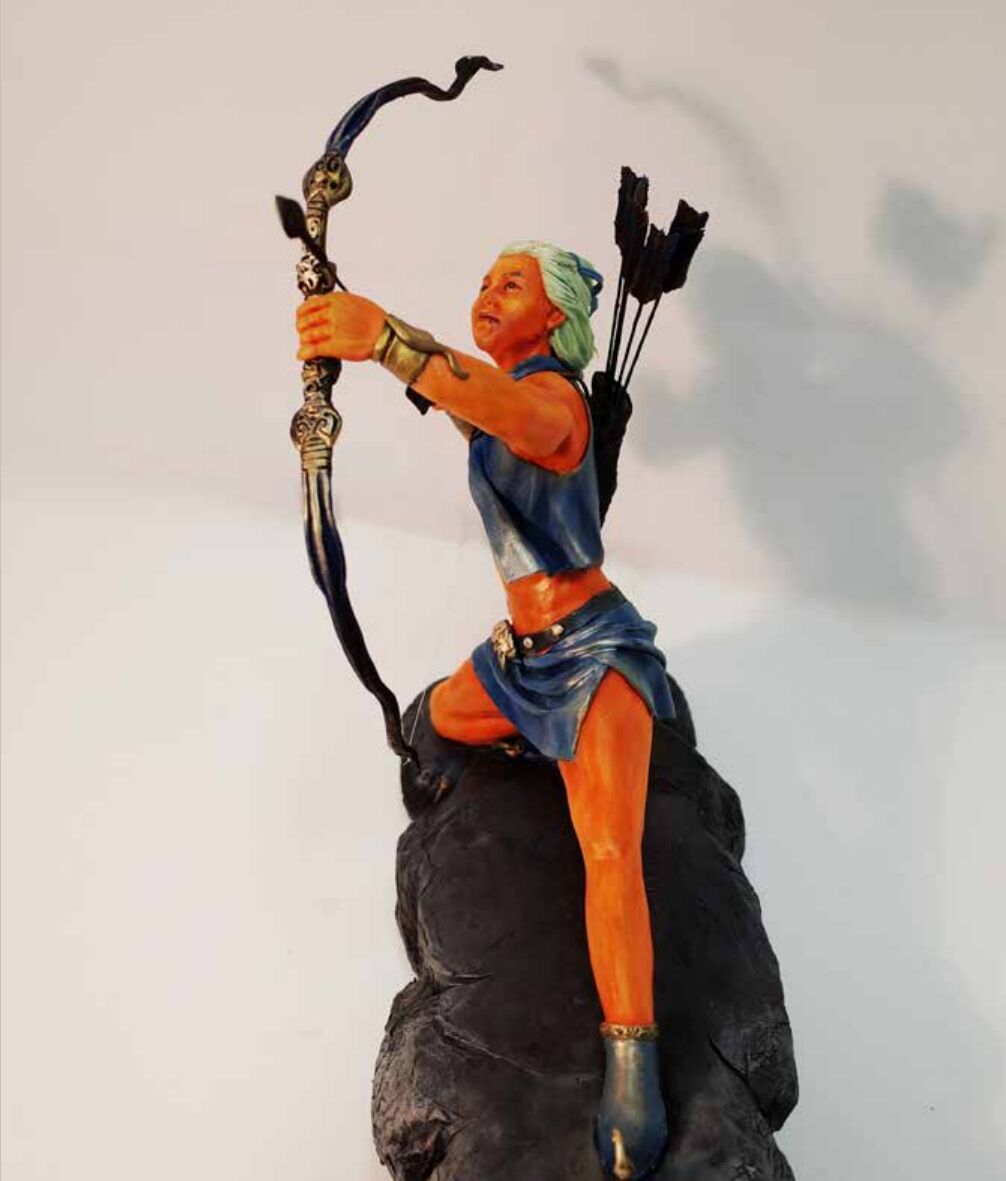
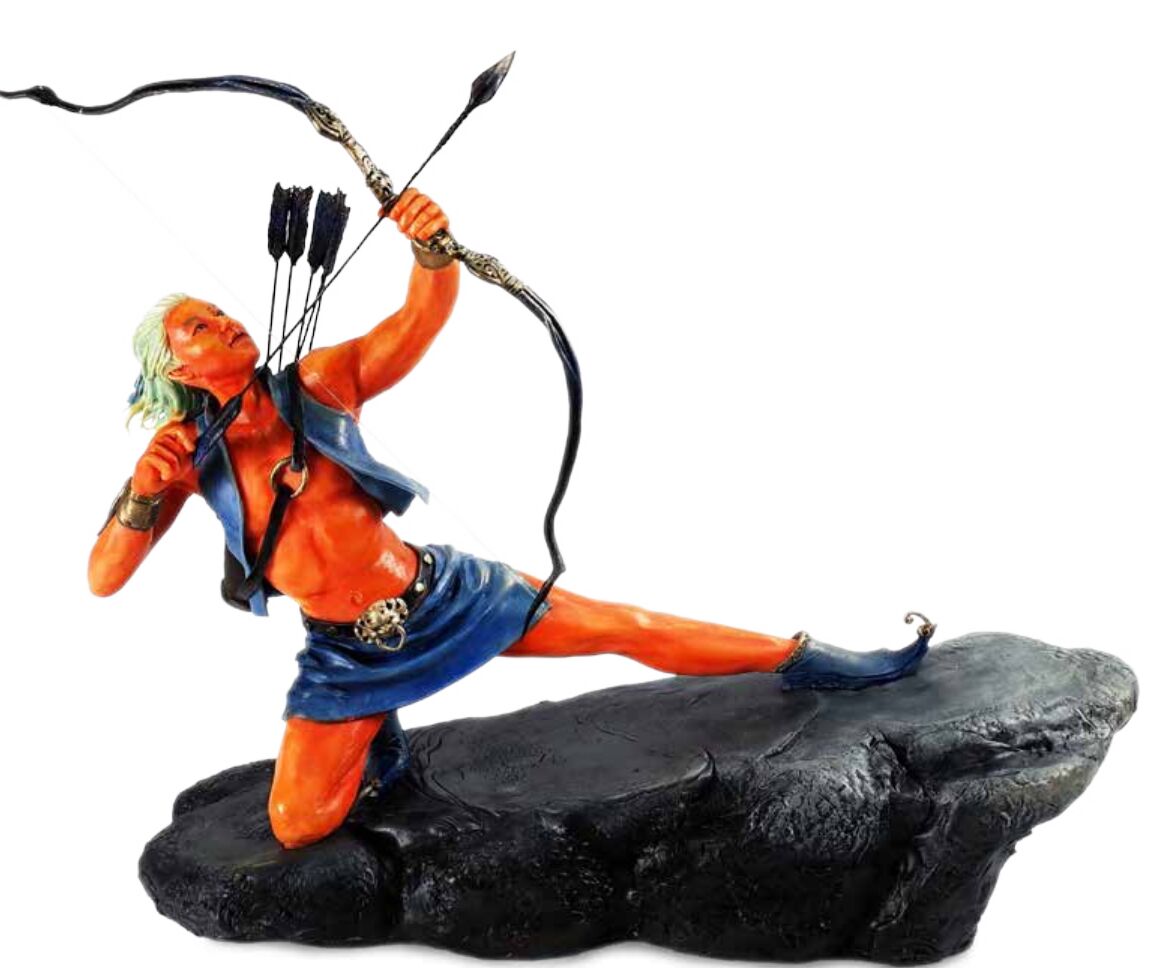
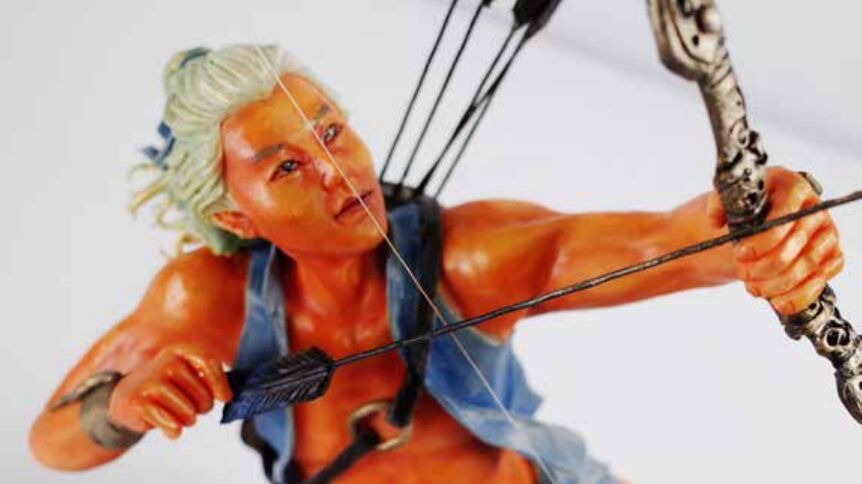
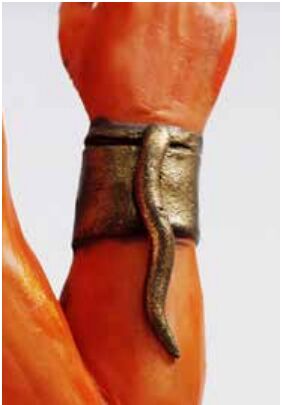
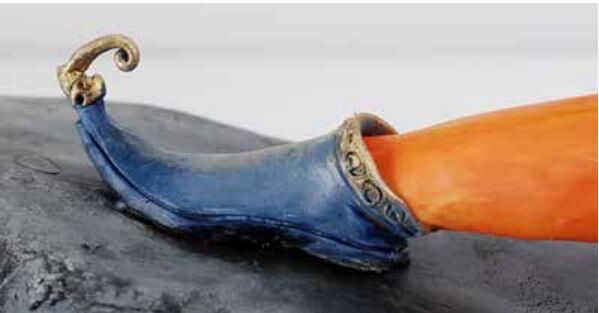
相傳天上原本有十個太陽,每天出來一個,輪流給大地帶來溫暖和光明,人們日出而作日落而息,生活幸福美滿。突然有一天十個太陽同時升起,就像一團炙熱的大火烤焦大地,森林失火家園被燒毀,莊稼也被焚盡,百姓流離失所,許多人被熱死受盡折磨。當時有一位年輕俊美的神射手名叫后羿,箭法精湛神準,人們就拜託他把多出的九個太陽射下來。於是后羿翻過九百九十九座山,渡過九百九十九條河,穿過九百九十九個峽谷,堅持不懈終於到達東海斷崖的最高點。立即拉起大弓裝上利箭,用盡力氣依續射下了九個太陽,只留一個。當第二天黎明到來時,天空中只有一個太陽冉冉升起,大地又恢復原來的面貌與秩序。
后羿為救百姓拚力射九日,神勇善良這種精神和儒家思想的「仁愛」不謀而合。此外當時的人對太陽都有一種崇敬的精神,因為是萬物之源,甚至有太陽神一說,依靠又敬畏,對他們來說是一種權威。后羿射日有挑戰權威性,這或許是後來為什麼中國朝代更替的時候多有農民起義,是一種反抗權威的勇氣。
傳說故事發生在江蘇省射陽縣,就是精衛填海的地方,後因后羿在此地射日從而得名。
西王母
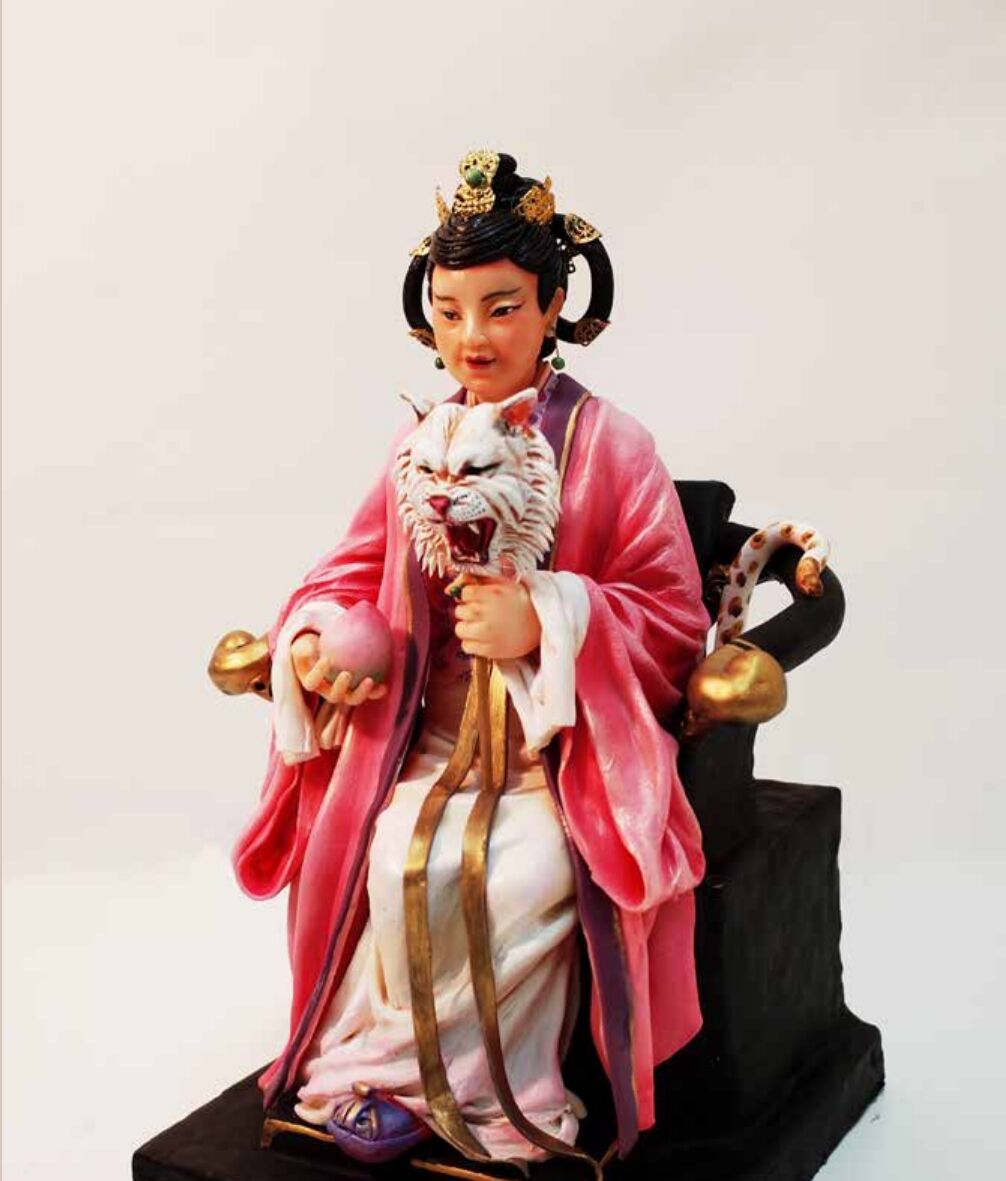
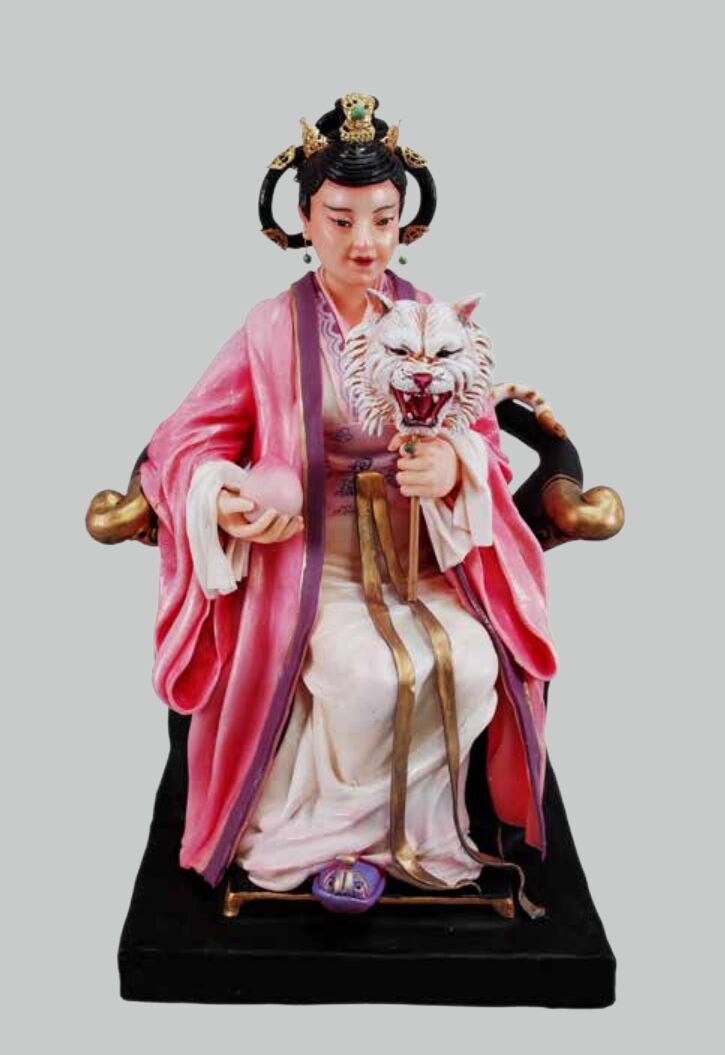
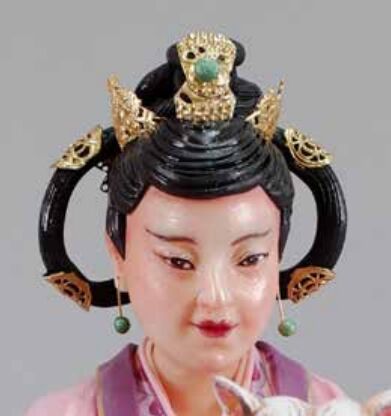
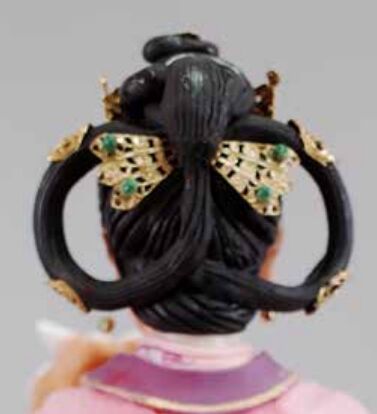
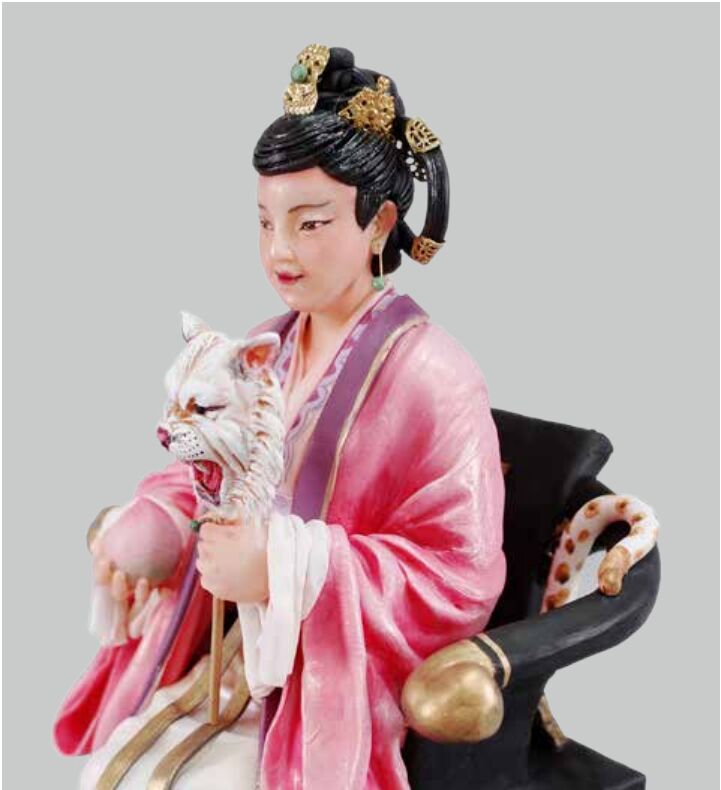
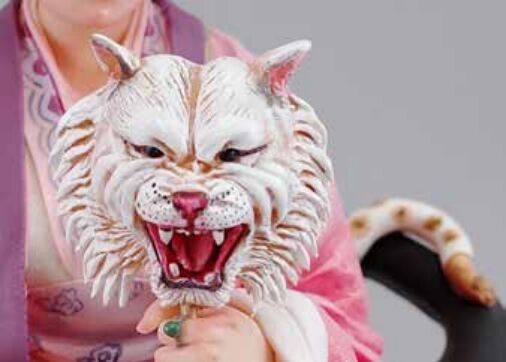
西王母是天界地位最高的女神仙,最早出現在神話著作《山海經》之中。西王母半人半獸,有豹的尾巴,老虎的牙齒,善於吼叫聲傳千里。形象為人則雍容高貴,髮飾衣著華美。
傳說西王母由西華至妙之氣所化生,為先天陰氣凝聚而成。掌管不死藥、懲兇罰惡、預警災患疫厲。她的配偶東王公由先天陽氣凝聚而成,西王母與東王公共理陰陽二氣,育養天地萬物。西王母還統理所有得道的女仙。凡成仙得道之人,男的先拜東王公,女的先拜西王母,然後才能去朝見三清。三清是道教最高之三位神衹 - 元始天尊、靈寶天尊、道德天尊。
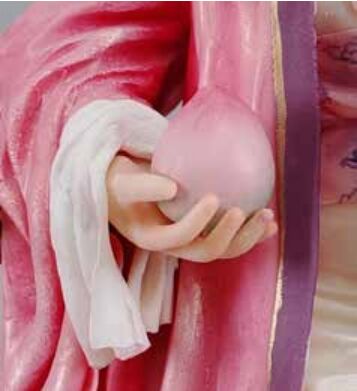
西王母居住在崑崙山,她在蟠桃園裡種植仙桃,三千年才結一次果實,擁有起死回生、長生不老的功效。蟠桃宴時群仙為西王母慶壽於瑤池。西王母又稱王母娘娘與瑤池金母。
《漢武故事》、《漢武帝內傳》及六朝小說中也有漢武帝與西王母的故事情節。漢武帝信仰仙道,他得知西王母即將降臨,立即慎重做好準備,到了七月七日深夜二更時,西王母乘著紫雲車降臨漢宮。漢武帝恭請西王母入宮,西王母則贈予漢武帝七顆仙桃享用。
王母娘娘廟遍布中國各地,有關王母的遺跡也不少,如王母洞、王母河、王母塘、王母瑤池等。台灣的王母娘娘廟有一百四十餘座,分兩大系統為勝安宮和慈惠堂,金母誕辰香火鼎盛,有治病靈驗和許多神蹟的說法。
戰神蚩尤
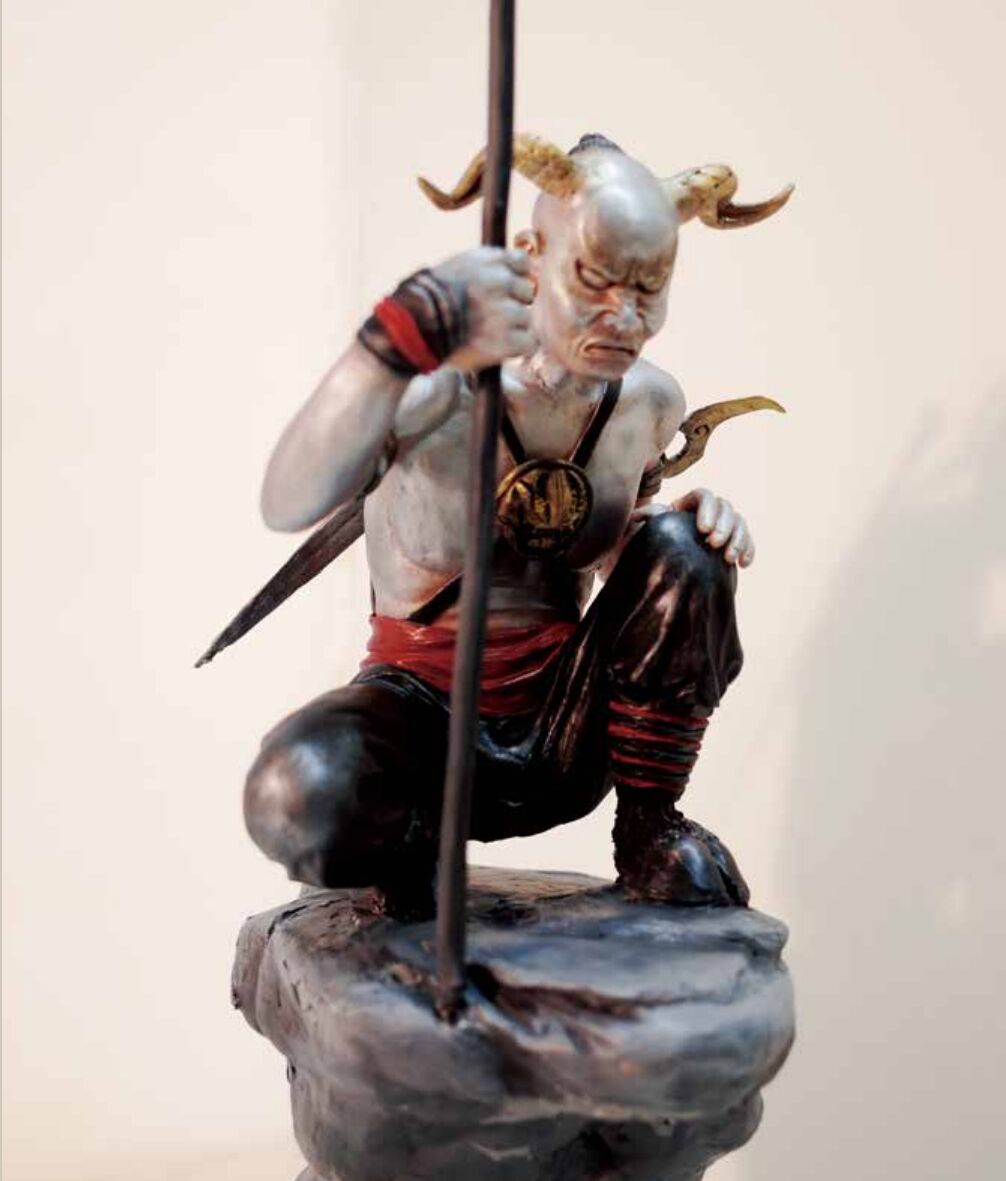
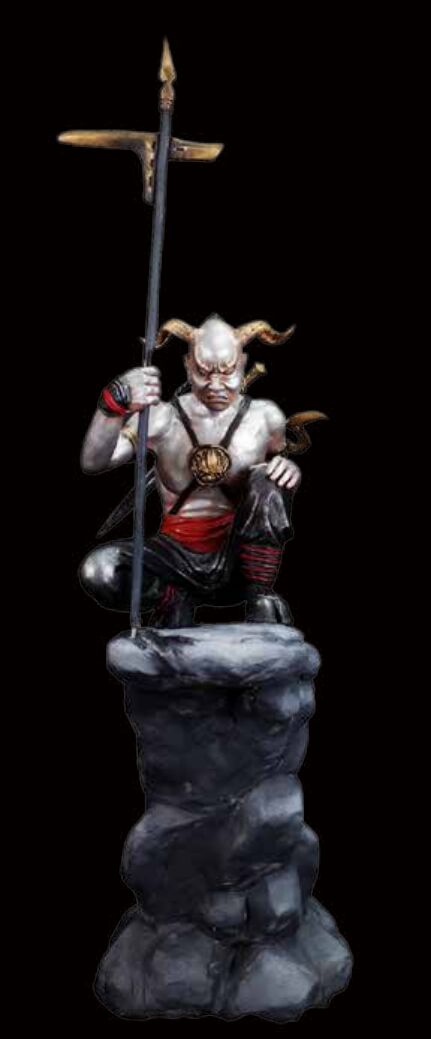
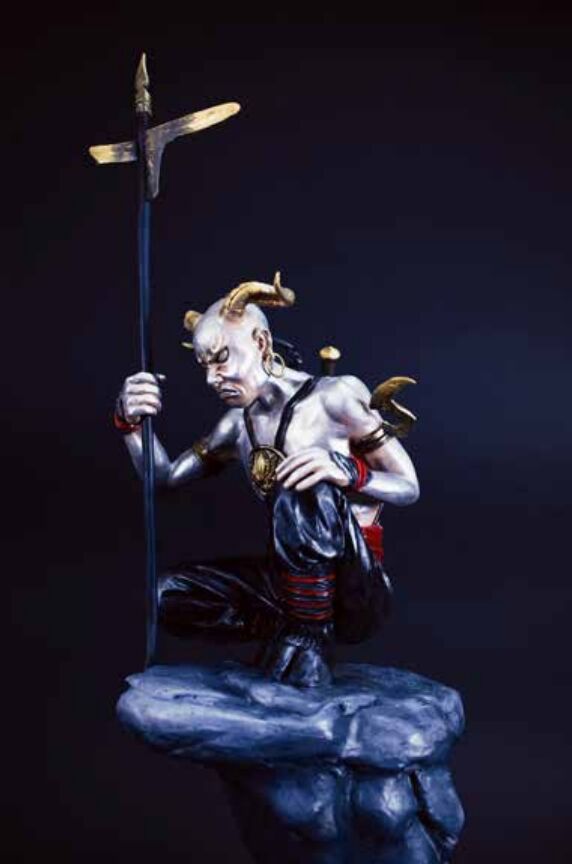
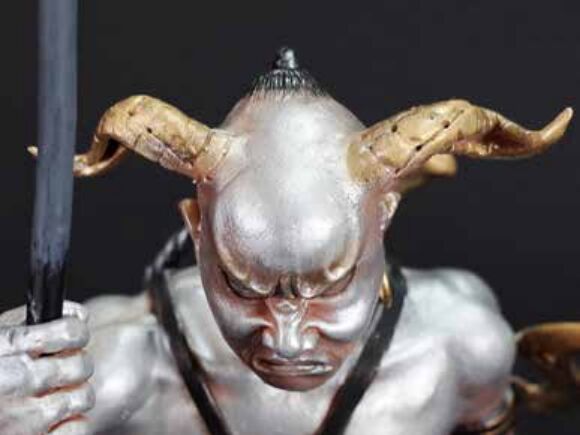
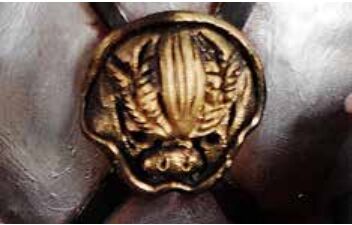
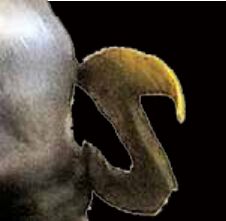
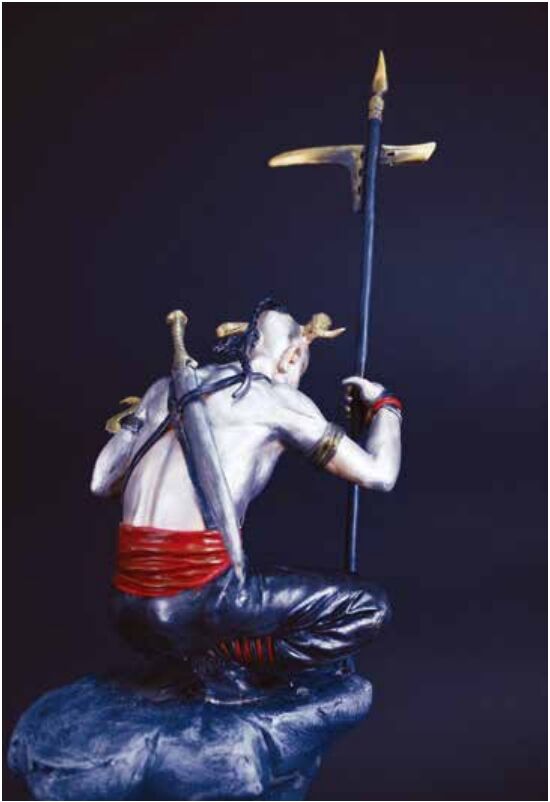
蚩尤是上古時代九黎部落大酋長,足智多謀、饒勇善戰、出擊快狠準,被奉為戰神。首次製造了金屬類兵器劍、戟、斧、戈 ... 等並且廣泛應用。
九黎在遠古時代居住在黃河流域中下游地區,也有人認為上古之時,長江、漢水之地皆是黎境。九黎有九個部落,每個部落有九個氏族,以蚩尤為首,共八十一個兄弟,都是酋長,蚩尤是大酋長。蚩尤性格兇猛好戰不斷侵犯其他部族,於是黃帝聯合炎帝部落向蚩尤宣戰,蚩尤率八十一個兄弟與黃帝和炎帝在涿鹿展開激戰,歷史上稱為「涿鹿之戰」。據說蚩尤作戰時能呼風喚雨製作大霧,令黃帝大軍迷失方向,黃帝九戰不勝三年攻城不下。後來黃帝發明了指南車,能在大霧中辨明方向,最後蚩尤兵敗被捕。黃帝斬其首級示眾,將他的身體埋喪,傳說後來化為血楓林。黃帝視蚩尤為最可敬的敵人尊為戰爭之神。他勇猛的形象使人畏懼,黃帝把他畫在軍旗上,諸侯見蚩尤像不戰而降。蚩尤死後升天為星宿。相傳部分九黎族在蚩尤被戰敗之後,南下與土著苗蠻所屬部落雜居融合在一起。因此又稱蚩尤是南方苗瑤民族的祖先。
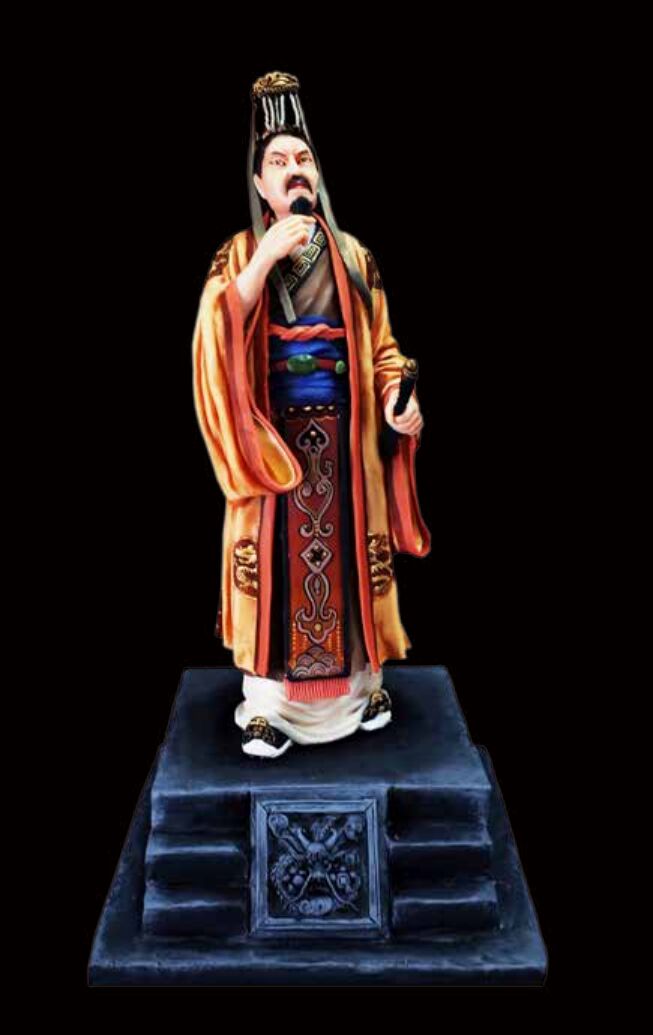
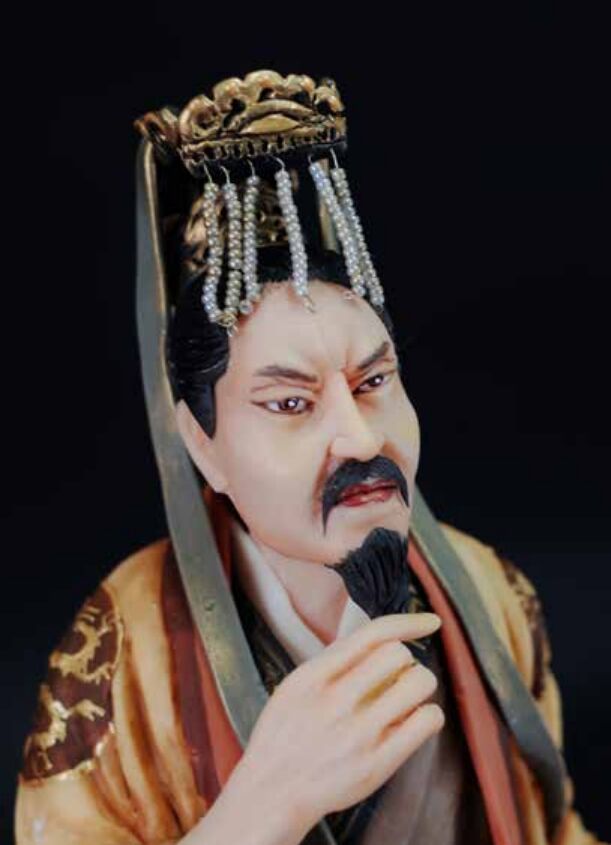
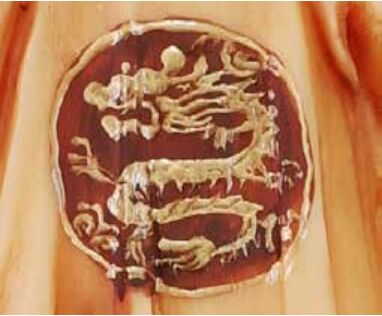
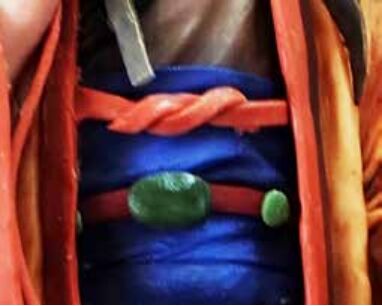
中華始祖黃帝
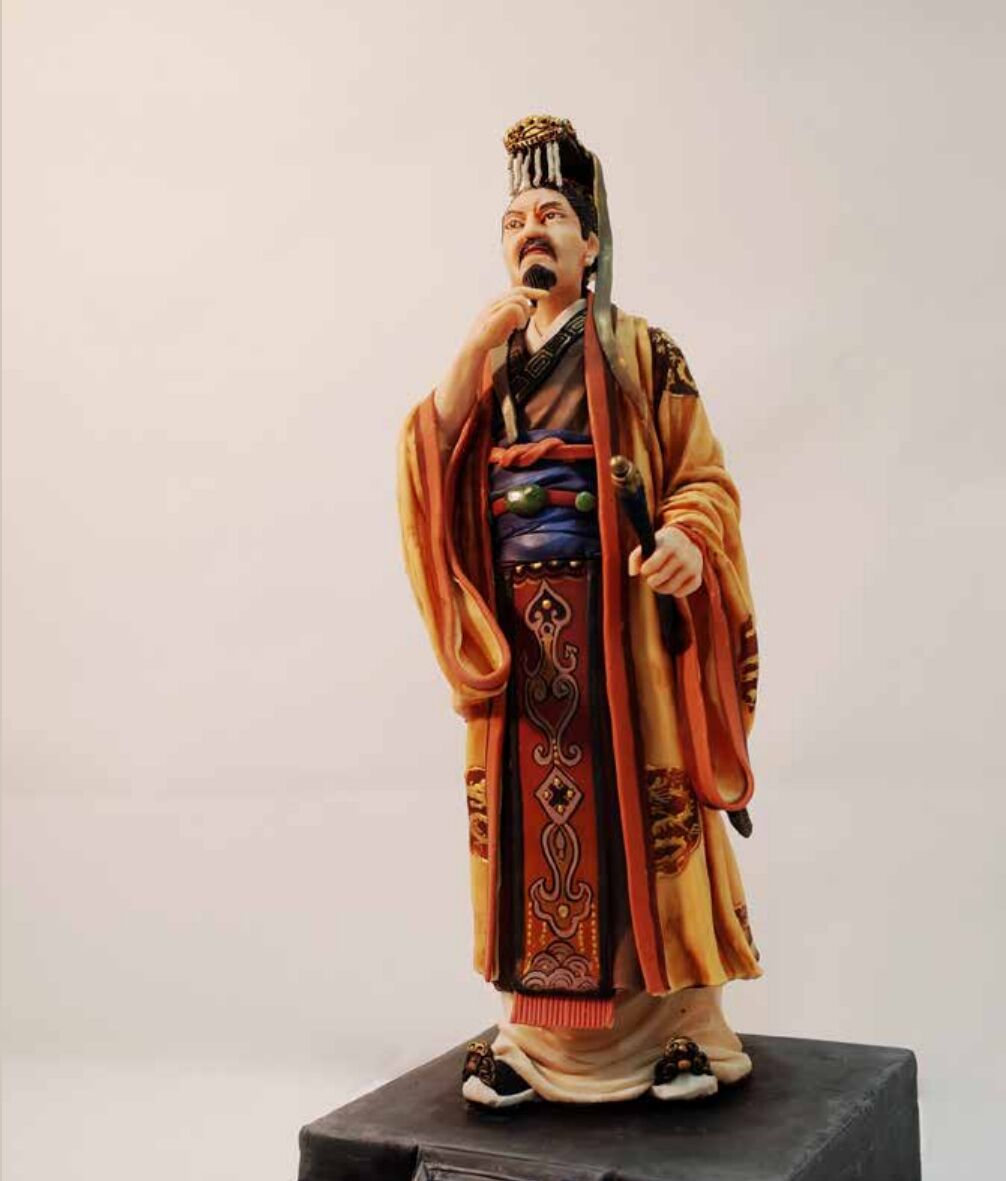
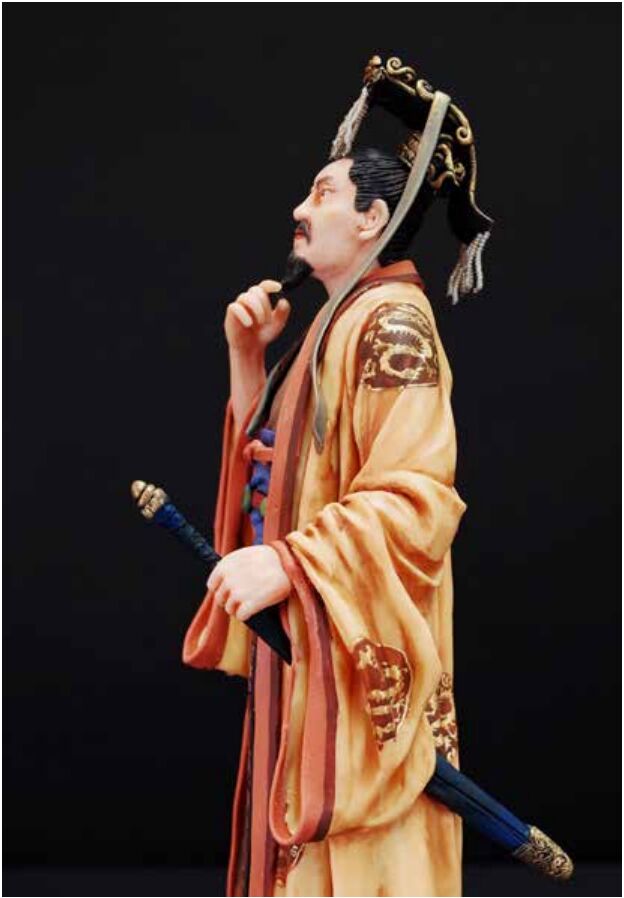
傳說黃帝是中國古代首領,也是漢族/華夏族的祖先,原姓公孫,名軒轅,號有熊氏,少典之子。黃帝為我國文化的創始者,指導兵器、舟車、弓箭、衣服等之製作。醫藥研發尤為重要貢獻。
當時中原各部族互相攻伐,戰亂不止,形成炎帝、黃帝、蚩尤三足鼎立的局面。黃帝居中原,炎帝在西方,蚩尤處東方。最後黃帝擊敗蚩尤與炎帝統一中原各部落,建都涿鹿。於泰山之頂會合天下諸部落,舉行封禪儀式,祭告天地。亦即為「炎黃子孫」之由來。
黃帝奠定天下後,制定國家的職官制度,設置左右大監,負責監督天下諸部落。任命風后、力牧、常先、大鴻為治民的大臣。他以神蓍推算並制定了曆法。黃帝封祭山川鬼神,定期巡視各地,了解民情,深得人民的愛戴。他命羲和與常儀分別負責觀測太陽和月亮,臾區觀測行星,伶倫創製律呂,大撓創立甲子,隸首發明算數,容成綜合以上六術,製作樂律和律歷。黃帝命伶倫和垂製造樂器磬和鍾,沮誦和倉頡造字,史皇作圖,雍父造舂和杵臼,夷牟造矢,臣揮造弓,共鼓和貨狄作舟。
據古醫書記載,黃帝曾與其臣子岐伯、伯高、少俞、桐君等醫家討論醫藥,而創造醫藥。因此,有《黃帝內經》、《黃帝外經》、《黃帝八十一難經》、《黃帝針經》、《黃帝明堂經》和《黃帝甲乙經》等,均託名黃帝之作。
相傳黃帝得道升天,後人為他設衣冠塚是為「黃帝陵」,是中國歷代帝王與重要人士祭祀黃帝與舉行國家祭祀大典的場所,位於陝西省黃陵縣。1961 年中國國務院發布為第一批全國重點文物保護單位,編為「古墓葬第一號」,號稱「天下第一陵」。
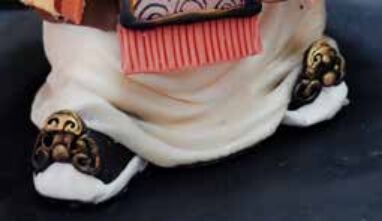
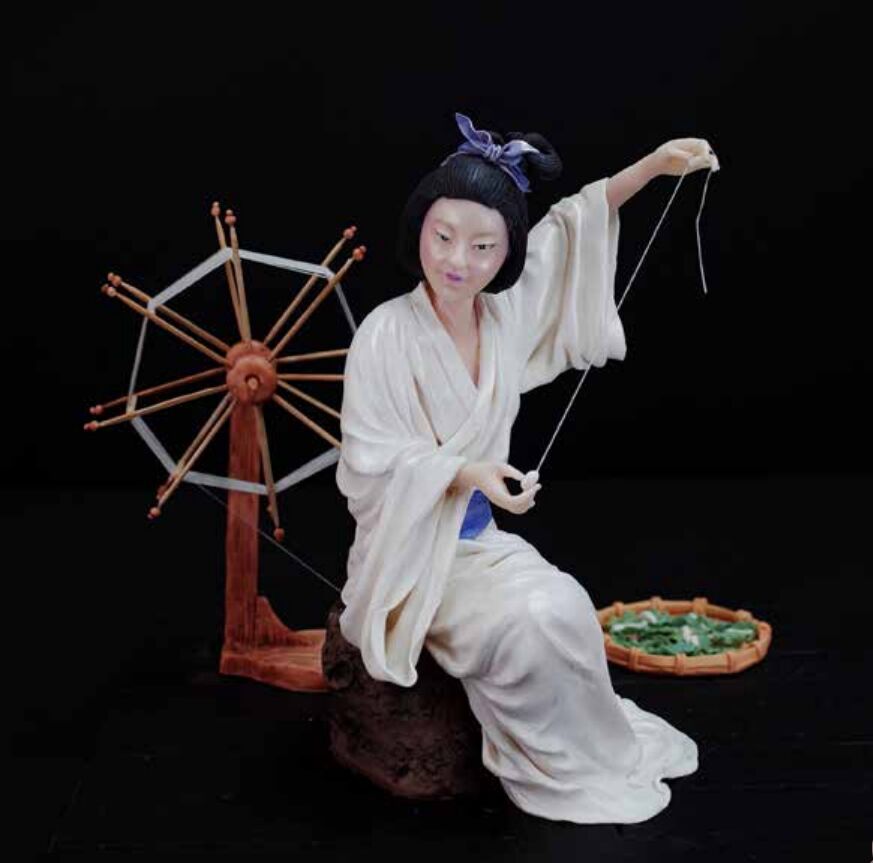
華夏的母親嫘祖
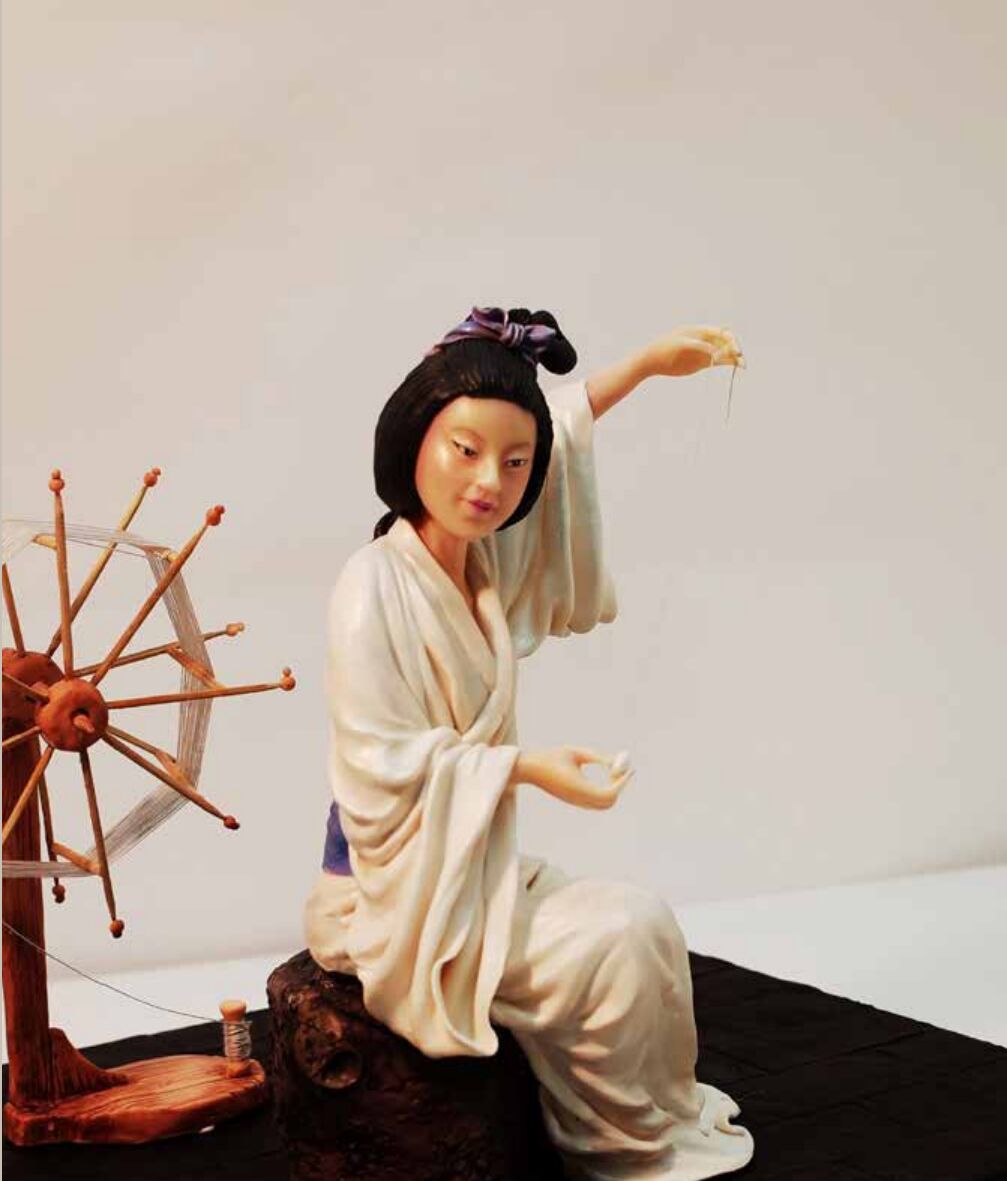
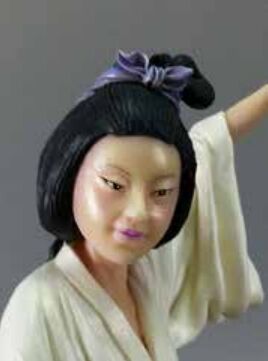
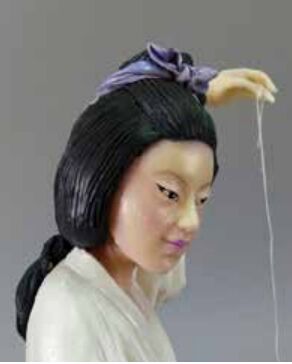
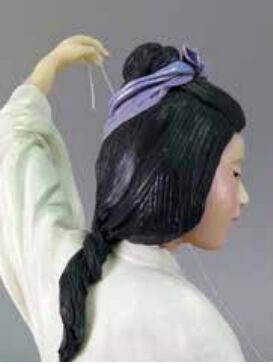
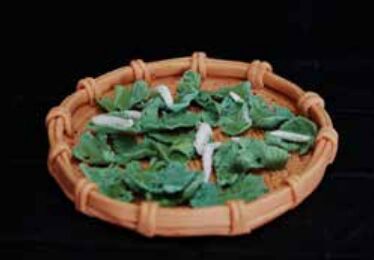
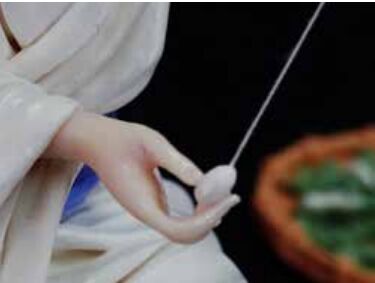
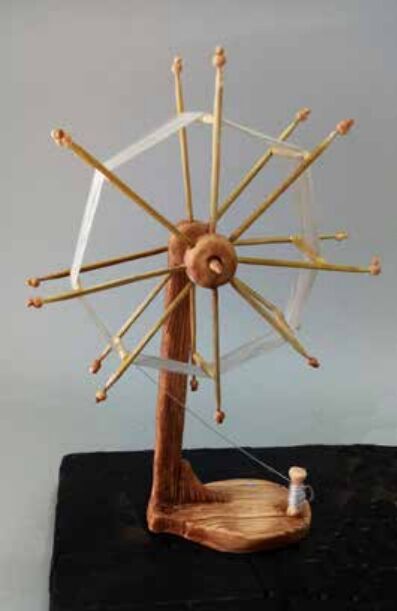
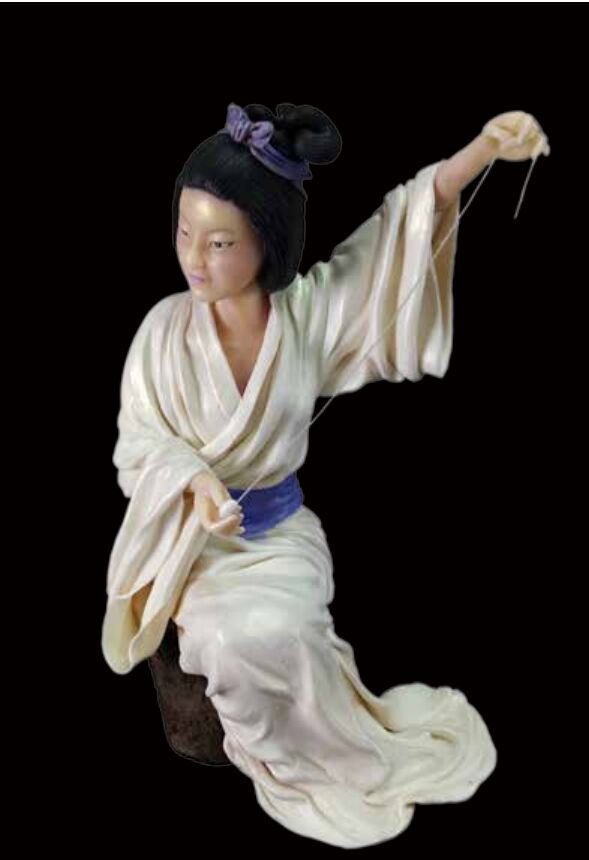
嫘祖是是北方部落首領黃帝軒轅氏的妻子,先祖女性中的典範,端莊嫻淑母儀天下,教民植桑、養蠶、抽絲、織絹、法製衣裳,崇尚禮儀使人民脫離粗野行止有禮,是為中國文明的開始。與炎黃二帝同被尊為人文始祖。
唐代著名韜略家《長短經》作者,大詩人李白的老師趙蕤曾寫《嫘祖聖地》碑文「嫘祖首創種桑養蠶之法,抽絲織絹之術,諫諍黃帝,旨定農桑,法制衣裳,興嫁娶,尚禮儀,架居室,奠國基,統一中原,弼政之功,歿世不忘。」是以尊為先蠶。
據《隋書 ‧ 禮儀志》記載,北周尊嫘祖為「先蠶」,即始蠶之神。北宋的《通鑒外紀》記載:「西陵氏勸蠶稼,親蠶始於此。」嫘祖由此被後人推崇為中國養蠶取絲的創始人。以後每到植桑養蠶時間,人們設祭壇祭祀先蠶,以求風調雨順,桑壯蠶肥,同時也用來祭奠嫘祖這一偉大的發明創造。至今在陝西祭奠黃帝陵的盛大典禮中,還有祭祀嫘祖的紀念活動。
現今在嫘祖的故里四川鹽亭一直維持進行民間祭祀嫘祖的活動。在每年農歷九月十五日,當地百姓祭祀先蠶嫘祖,祈求蠶桑豐收,並舉行獻三牲、點天燈、唱大戲、祭蠶神廟會等民間祭祀活動。祭祀嫘祖的民俗活動在鹽亭薪火相傳,“舞蠶龍”“桃子龍”“蠶姑廟會”等流傳廣泛,已被四川省認定為非物質文化遺產保護傳承。
徐瑞
經歷
銘傳大學畢業
中華畫院西畫院委員
亞洲國際美展台灣委員會會員
創世紀詩雜誌編輯委員
典藏
台北國立國父紀念館、天使美術館、築空間、廣東中山翠亨畫廊、中國泉州博物館、國家圖書館、私人收藏 等
出版
《行腳與沉澱》畫集 2003、《都市女郎》畫集 2007
《女心-溫柔與野性》畫詩集 2009、《貓女的哲思》畫集 2014
《貓語錄》畫詩集 2016
個展
2003 「行腳與沉澱」繪畫展 台北亞太環球藝術中心
2007 「都市女郎」繪畫展 台北時空藝術會場
2009 「女心 – 溫柔與野性」繪畫與詩展 台北國立國父紀念館
2016 「貓女的哲思」繪畫與詩展 台北國立國父紀念館
2018 「這個世代」繪畫與雕塑展 亞典藝術空間
重要聯展
2004 亞洲國際美展 日本福岡
2005 昆明當代藝術家邀請展 昆明藝術中心 中國
2005 亞洲國際美展 馬尼拉阿雅拉美術館 菲律賓
2009 台灣當代美術經典聯展 苗栗文化局
2010 台灣現代畫展 馬祖-福州石獅-泉州-金門
2011 建國百年名家創作聯展 國立台灣藝術教育館 台北
2011 海峽兩岸‘和在中國’書畫展 中國西安亮寶樓
2012 台韓現代繪畫交流展 淡江大學文錙藝術中心 台北
2012 第 27 屆亞洲國際美展 泰國曼谷
2013 現代.迭起 2013 台灣的當代藝術 台北國立國父紀念館
2014 2014 台北現代畫展 上海 上海美博藝術中心
2015 台灣當代名家展 福建師範大學美術學院
2017 美的交融台灣女畫家聯展 淡江大學文錙藝術中心 台北
雕塑作品資訊
雕塑名稱 媒材 尺寸/CM 創作年份
盤古 樹脂土 47.5x13.5x30 2017
伏羲與女媧 樹脂土 53 x 14 x 23 2017
雷神 樹脂土 65 x 15 x 21 2018
東海龍王 樹脂土 60 x 25 x 25 2018
火神閼伯 樹脂土 59 x20 x 30 2018
城隍神 樹脂土 38 x 28 x 29 2018
巫祝 樹脂土 51 x 13 x 17 2017
后羿 樹脂土 34 x 17 x 45 2018
西王母 樹脂土 33 x 18 x 18 2018
戰神蚩尤 樹脂土 62 x 31 x 23 2018
黃帝 樹脂土 50 x 24 x 21 2018
縲祖 樹脂土 29 x 30 x 35 2018
中國神話人物選作
策劃著作 徐瑞
雕塑 游曜鴻
英文翻譯 唐宗英
出版發行
美術設計
電話
出版日期
定價
有著作權 侵害必究
Contents目錄目录 (21)
- The Legend of the Cat Lady About Rue HSU’s "Ancient Chinese Mythological Figures "Series
- Collection and Writing of Sculptures on Ancient Chinese Mythology
- PANGU CREATOR OF UNIVERSE
- FUXI AND NÜWA
- LEI GONE THUNDER GOD
- EAST SEA DRAGON
- YAN BO THE GOD OF FIRE
- THE CITY GOD
- THE WIZARD
- HOU YI SHOOTING THE SUN
- XI WANG MU
- CHI YOU THE GOD OF WAR
- YELLOW EMPEROR COMMON ANCESTOR OF CHINESE
- FOUNDING MOTHER OF THE CHINESE PEOPLE
- Rue HSU
- Experience
- Collection
- Publish
- Solo Exhibitions
- Selected Joint Exhibition
- SCULPTURE CONTENTS
Curator and Author Rue HSU
Sculptor Yao Hong YOU
English Translation James TANG
The Legend of the Cat Lady
About Rue HSU’s "Ancient Chinese Mythological Figures "Series
Chong-Ray Hsiao
Professor of Art History
National Cheng Kung University
Rue HSU’s cat painting has been a well recognized symbol among artists. Her cats depicted the nimble thinking of a poet, profoundness of a philosopher, keenness of a historian; yet also resembled a leisurely peaceful noble lady. Having seen it all and returning to a placid life, Rue HSU’s cats are actually a reflection of herself.
This mysterious and romantic cat, through the 2016 exhibition, already showed her strong interest in the “images” of ancient China. Those cats in her paintings were surrounded by ancient and silent figures, staring at the transcending time and space. Said Rue HSU: “Ancient Chinese figures like stone lions, porcelain horses, Terra-cotta Warriors, stone images that line the graveyards, Buddha relics, etc. have been around for a long time, bearing common memories of the nation and their collective wishes with symbolic meanings. It’s like a rushing long river of history that casts stones along the way to strike conversations with the running water. I admire the talents of those ancient artists who were nameless in their works of stone images, pottery, and bronze objects. I included these images in my work as a way to show my respect for them”.
Since then, Rue HSU’s cats are no longer lonely. She found her paradise in the long corridor of history, as shown in her painting of "Things You Don’t Know". And then, she dropped into the kingdom of ancient Chinese mythological stories and created a series of "Chinese Mythological Figures".
Mythological stories are reflections of the imagination and courage of ancient people inspired by confrontations with natural challenges. They demonstrated the fearless spirit of never giving up a fighting chance. Of course all mythological stories were told by human beings. Using mythological stories, people are able to transcend wisdom and valor from the past; and be inspired to stand up against everlasting natural challenges and inescapable destiny.
From "The Classic of Mountains and Rivers"to"Canonization of the Gods", followed by"Pilgrimage to the West", earlier people used imaginations as drivers and arts as weapons to create fascinating mythological figures and stories throughout generations. Much like the <Superman> in American movies, they satisfied the needs of modern-day Americans to face the reality, to conquer their fears, and to look forward to the future.
Through learning sculpting, Rue HSU made acquaintance of the civilian master of sculpture Yao-Hong You. Collaboratively with one providing artistic insights and the other providing mastery skills, they completed some modern versions of ancient Chines mythological figures, including Pangu-the creator of universe, Fuxi and Nüwa-the founders of civilization, The Wizard who initiated documented history, followed by humanized natural beings Yan Bo, the God of Fire, Lei Gong, the Thunder God, and Chi You, the God of War. Then there are the Yellows Emperor-the common ancestor of Chinese people, his wife Lei Zu, and Hou Yi who shot down nine suns, as well as the East Sea Dragon King, the City God, and Xi Wang Mu.
Lively posing, skillful handicrafts, brilliant color, combined with pictures and descriptions to match, this is the most wonderful gift to people with children’s heart and humanity in mind.
Rue HSU has said:
What happened yesterday has become today’s history
What has happened
no matter it’s been a day, a hundred generations, or a thousand years
some will condense down into the bottom of people’s heart to become
our common memories, collective wishes, and symbolic meanings,
forming the cultural genes of the nation
Taiwan is the place where the best of the Chinese culture has been preserved. China is not only a concept of political entity, it’s also more of a cultural connection. Taiwan is a precious place, rightfully because it’s where these cultural heritages have been preserved and further developed. Rue HSU’s "Ancient Chinese Mythological Figures" series is a proof of that.
Collection and Writing of Sculptures on Ancient Chinese Mythology
Rue HSU 2018
Mythology started from verbal tales and evolved into written form along with cultural advancement. As I read these mythological tales, I became attracted by the artistic charms coming out of the mysterious images that inspired imaginations in my head. Some of these mythical figures combined both human and animal characteristics and were elevated to divinity. For example, “dragon”, the totem that symbolizes the Chinese people, is seen with many characteristics of other species, such as snake body, beats legs, eagle claws, horse head, snake tail, deer antlers, and fish scales. When all the power of these species combined into one form to represent human, it was then viewed as divinity by our ancestors. These mythical figures helped our ancestors survive in struggles against odds with their high moral standards and commitments.
As a modern art creator, cultural heritage is always part of the necessary genes, connotation and temperament. Mr. Yao-Hong You, the sculptor, and I both feel that mythology is the most mysterious and brilliant page of the Chinese culture. Such cultural heritage needs to be passed on with creative elements from generation to generation. We collaborated on the images of mythical figures based on the existing impression and our own imaginations. Mr. You’s master level sculpture work has made these mythical figures remarkably lively with rich expressions, postures, clothing, ornaments, and colors. My hope is that more people, both domestically and internationally, will be attracted to learn the rich, mysterious, and colorful Chinese culture through my collection, narratives, and exhibitions.
The following commentary was adopted from Study of Chinese Mythology written by Tan Da-Xian and published by the Commercial Press of Taiwan in 2004:
The Chinese mythology is fairly comparable to mythologies from India, Greece, and Egypt. There are more than 50 ethnic groups in China, each with many excellent mythological tales, particularly the Han people. Many of them are very positive, healthy, and beautiful based on their contents and artistic appearance.
Mythological tales reflected a brave exploration and naive explanation of natural phenomena by our ancestors, as well as their minds while struggling to survive against the hardships, such as <Shooting down nine suns by Hou Yi> and <Patching up the sky by Nüwa>........ When fighting began between predators and preys, mythological tales such as <Battles between the Yellow Emperor and Chi You> surfaced to reflect their communities and the struggles among them.
Ancient mythology was one of the best weapons of arts by the ancient Chinese ethnic groups. It provided inspiration and courage for them to endure tough and unpredictable struggles against natural hardships and enemies. From these mythological tales, they obtained confidence, wisdom, courage, as well as the fighting will to survive and overcome the odds.
Ancient mythology documented some useful knowledge and was used to educate others. They reflected the caring of natural and sociological phenomena by ancient people while inspiring them to search for the truth and to nurture the artistic, healthy, and positive imaginaions.
PANGU CREATOR OF UNIVERSE
Pangu is the creator of universe in Chinese mythology. In the beginning, there were no sky, earth, or anything. The universe was in a chaotic state. The first human being, called Pangu, was formed. Pangu was unwilling to be surrounded permanently by the endless haze and chaos, so he hatched out the sky and the earth with his stone axe by separating the clear sky from the dense earth. Pangu stood on earth and holding the sky with his other hand for support. Millions of years had passed as his body grew bigger and bigger, making the distance between the sky and the earth further apart. Eventually he tired to death. Then the universe began to evolve, so did Pangu’s body. Pangu’s left eye became the sun; his right eye became the moon; his long hair became Milky Way; his whiskers turned into stars. His body turned into mountains; his blood became rivers; his meridian passages became roads. His hands and feet marked the orientation of East, South, West, and North.
FUXI AND NÜWA
Fuxi, with human head and snake body, married his sister Nüwa to breed offsprings and became the ancestor of mankind. He is the first ancestor of the Chinese humanities and the first of the the legendary three emperors. Fuxi invented Bagua, the Eight Trigrams, based on his observations of the astronomical order and seasons, as well as the changes of Yin and Yang principles in the universe. He taught people net fishing and hunting skills inspired by spider webs. He is also the founder of the Chinese medicine, creator of record keeping by tying knots, and the inventor of Se, a string instrument to make music. He is credited as the founding father and initiator of the Chinese culture. Nüwa was kind and loving, yet strong as a mother. She patched the sky with refined rocks and killed the black dragon and stopped the giant sea turtle….
LEI GONE THUNDER GOD
Lei Gong in the legend is the god that controls thunder. The first appearance of the name Lei Gong was in ‘Chu Ci (Songs of Chu)’. ‘Gong (male elder)’is in the name since thunder represents the Yang (masculine) energy in the heavenly court. His appearance is bare-chested with wings on his back, holding a hammer in each hand to strike the drum continuously in making thunderous sounds. He strikes sinners in upholding the justice and the heavenly law.
The legend has it that Lei Gong and Lei Mu are righteous husband and wife. Lei Mu releases lightening to see good and evil clearly, while Lei Gong strikes thunder to punish villains, especially the unfilial sons and daughters.
EAST SEA DRAGON
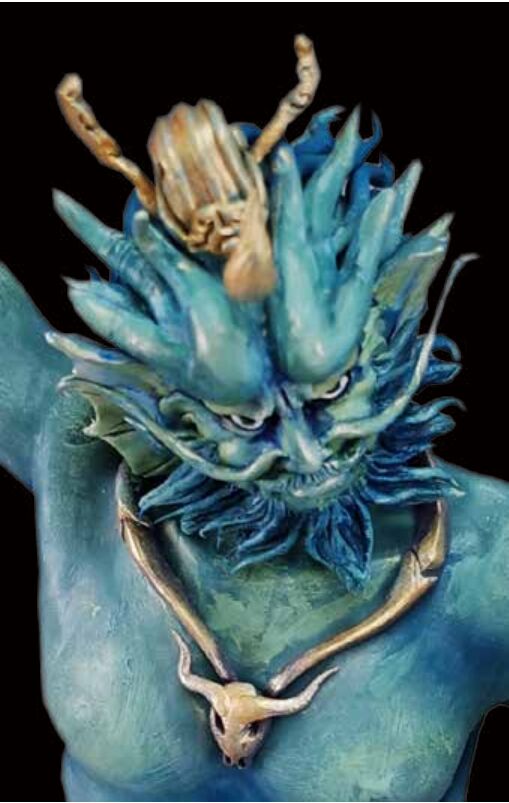
Ao Guang, the East Sea Dragon King, is the god of rain and guardian of sea ships. There are four Dragon Kings, namely East Sea, West Sea, South Sea, and North Sea. The East Sea Dragon King is the head of Dragon Kings, since the sun rises in the east. Emperor Xuanzong of Tang Dynasty built a temple of dragon pond to worship the East Sea Dragon King as the rain god.
The mythical East Sea Dragon King is the king of all species in the sea. He controls the rain and cloud to cool off the hot weather. A common folk believe is that he reagulates the watercourses. It was written in the Dragon King part of the Taoism "The Mantra of the Cave Abyss" :“When the land was scorched in drought without crops and people didn’t know what to do, the Lord of Heaven arrived in five color clouds with Dragon Kings to proclaim the right rules and save the people with rain storms to provide timely sweet relief.”
Dragon played a very important role in the Chinese history and culture. It was said to be originated from the mythical Fuxi and Nüwa, both with human head and snake body, whilst snake is the original form of the dragon. Dragon is the totem that is associated with the Chinese people and is characterized with a combination of many species, including the snake body, animal legs, eagle claws, horse head, snake tail, deer antlers, and fish scales. According to studies, the origin of dragon totem came from endless battles among the ancient tribes. By adopting part of the winning tribe totems over long years, the dragon totem added more characteristics and became more sophisticated, majestic and solemn. The completed dragon totem then became the symbol faithfully respected by the Chinese people. In the Chinese mythology, dragon is the first of the four spirit: dragon, phoenix, kylin (Chinese unicorn), and turtle.
The earliest Dragon King temple in Taiwan was first built in year 1716 and located in Dongan Fang of Tainan City. Later on, more Dragon King temples were built at other area near the sea, such as Tamsui, Dajia, Changhua, Tainan, Fengshan, Hengchun, Penguins, etc. Dragon Kings are also seen at some of the Mazu temples and Narcissus Palace temples. Dragon Kings are worshipped as the guardian angels of the sea navigation.
The fishermen in Penghu island of Taiwan believe that the tenth day of lunar October is the birthday of Dragon King, as such that all fish and shrimps would go to the palace of Dragon King to pay respect. Since no fish could be caught on that day, it became a day of rest for fishermen. That day is also called the [Harbor Washing Day of Dragon King] to explain the sea without fish as if it has been “washed” by storms.
YAN BO THE GOD OF FIRE
It was said that Yan Bo was the eldest son of Emperor Ku, one of the five emperors in ancient China, and was bestowed in Shangqiu as the Officer of Fire with duties of maintaining the fire source and to observe the movement of Mars for guiding the farm work. This was the earliest known observatory in China.
The circumstances for survival in ancient times were harsh. Windstorms and flooding were common, causing people to eat raw meat and proneness to illness. It was undoubtedly an important job to maintain the fire source and Yan Bo did it flawlessly. Having fire was very important for the people in cooking, illumination, scaring away dangerous animals, as well as pottery; hence Yan Bo was elevated to deity as the Fire God after his death. His temple was built in Shangqiu and local people have been flocking to this temple since ancient days to pay respect every year on the seventh day of lunar January, which became a large festival in his honor.
The ancient Chinese people divided the sky into 28 cosmo positions in order to observe the movements of Sun, Moon, Venus, Jupiter, Mercury, Mars, and Saturn as they reached certain positions. There are seven stars in the East forming the shape of a dragon. The star in the heart position is Mars, which faces Shangqiu and was called the Heart Star or Shang Star. The planetary orbit of Mars follows a precise pattern each year on the timing of rising from the East, reaching the South in the middle, and setting in the West. Yang Bo guided people on when to plow, when to sow, and when to harvest based on his observations of the Mars movements. This method of guiding farm work was said to have lasted till the Xi Zhou dynasty.
THE CITY GOD
The City God governs both territories of Yin and Yang in days and at nights, respectively.
"Cheng Huang" means the city wall and city moat that protects the safety of people in the city. The City God is the guardian angel of the city to defend against the enemy during the war.
The City God also holds the Book of Life and Death and serves as the judge of the underworld. Some people possessed by demons would go to the City God temple and pray for the justice against demons for the relief. In other circumstances, people who died while away from home would need to ask the City God for the pass to allow their souls to return home versus being a ghost in wilderness. Another duty of the City God is to suppress the plague in the area. A parade of the City God would be performed to suppress the evils that caused the plague and to restore the peace.
There was a story about the City God in the famous Qing dynasty novel <Fantastic Tales By Ji Xiaolan>: A well respected old scholar Mr. Han in the Xianxian County who was righteous but with a strong temperament had a bad cold. While in a trance, he saw a ghost approaching and said, “ You’re being called by the City God”. Mr. Han thought his time was up so he followed the ghost to the underworld to face the City God. The City God look over the namelist and said, “It’s the wrong person with the same last name.” So he punished the little ghost with flogging 20 times and ordered the old man be sent back. Mr. Han felt he was unfairly treated so he approached the City God and said, “How could you send such an idiot to do such an important task that ended in error? I could’ve died by mistake! How would anyone say you are wise and upright?” The City God laughed and said, “You’re indeed stubborn as they say! Even the universe cannot move without a hitch let alone fairies and gods? The wisdom is demonstrated when a mistake is immediately discovered. Not to cover up the mistake is the uprightness. How could you understand this as a simple minded man? I’ll forgive your rudeness this time but don’t be so impatient in the future!” At this moment, Mr. Han woke up. This story shows that deities do have human temperament.
THE WIZARD
Wizards and wizard dance have existed since the beginning of human races. The mysterious Chinese wizard culture has a long history and is part of the colorful Chinese culture. Wizards knew the astrological influence on people and were able to communicate with the spiritual world. They were talented in performing rituals and dances during ceremonies. According to Shu Jing (Book of History): “The constant dance in the palace, singing in the room, is called the art of wizard.”The performance of dancing and singing during the ceremonial rituals in the palace and among commoners were religious in nature to reflect the admiration of ancestors by pleasing the spiritual beings and worshipping totems. It also expressed the good wishes toward future generations, bumper harvests, war victories, peace, and happiness. Wizards were regarded as superior leaders in their tribes due to their knowledge on astronomy, medicine, and calendars in addition to their ability to perform rituals to bring blessings and good fortunes. It was said that Yu, the king of Xia dynasty, was a grand wizard himself. Even the unique dance steps and forms practiced by modern day wizards during rituals are called the ‘Yu Steps’, since it was originated from Yu. The wizard dance is difficult to perform since it uses small steps on toes with back hunched. You might say that those ancient wizards were the earliest professional dancers in China.
Artists have keen observations and sharp senses to detect changes in climate and social relationships. They express their thoughts and trembling feelings via various forms of art works, much like wizards performing singing and dancing. In that respect, the art of wizard is quite romantic.
HOU YI SHOOTING THE SUN
It was said that there were ten suns in the sky in ancient time. They take turns to come out each day to provide warmth and light to the land. People lived happily while working during the daylight and resting at night. Suddenly one day, all ten suns rose at the same time. The land was scorched by the heat that was so intense like a fireball. The forest and homes were burned and crops destroyed. People became homeless and many died from the heat. A handsome young man named Hou Yi was known for his skills in using bow and arrows. People begged him to shoot down nine of the suns. So he climbed over 999 mountains, crossed 999 rivers, passed 999 valleys and finally reached the highest point on the cliff of the eastern seaboard. He loaded sharp arrows on his big bow and, with all his strength, was able to shoot down nine suns in a roll. The next morning, only one sun was up in the sky and the land returned to its normal look and order.
Hou Yi’s brave and kind deed of shooting down nine suns in order to save people is consistent with the spirit of [benevolence] in Confucianism. Since the sun was regarded as god due to its energy that powers all living beings, Hou Yi’s act was also considered a courage to challenge the authorities. This courage of resistance to authority is perhaps why peasants uprising often occurred during the changeover of dynasties.
This legendary event occurred in Sheyang County of Jiangsu Province, also known as the place where the mythical bird Jingwei filled the sea. The county’s name Sheyang means shooting the sun, which came from Hou Yi’s legend.
XI WANG MU
Xi Wang Mu is the highest ranked female deity who first appeared in the fairytale "Classic of Mountains and Rivers"with an half-human and half- animal look, including a jaguar tail and tiger teeth. Her roar can be heard hundreds of kilometers away. In human form, her appearance is noble and dignified with beautiful clothing and hair ornaments.
The legend has that Xi Wang Mu was formed by agglomeration of the congenital feminine spirits (yin qi) in western China. She is in charge of the immortality medicine. She punishes the bad and the evil while providing alerts for natural disasters and epidemic diseases. Her spouse is Dong Wang Gong (King Father of the East) who was formed by agglomeration of the congenital masculine spirits (yang qi). Together, they control the femininity and masculinity on earth from which all lives are produced and nurtured. Xi Wang Mu also oversees all female deities. According to Taoist’s believes, all male and female deities must first pay respect to Dong Wang Gong and Xi Wang Mu, respectively, before visiting the three highest lordships (San Qing or Three Pristine Ones), namely, the Primeval Lord of Heaven, the Heavenly Loard of Numinous Treasure, and the Heavenly Lord of Tao and Virtue.
Xi Wang Mu resides in Mt. Khunlun. In her peach garden, she plants peaches of immortality which can bring life from death for immortality and it takes three thousand years before each harvest. A banquet with peaches of immortality is held on her birthday at Yao Chi (Abode of Immortals) for all deities. She is also called by the names of Wang Mu Niang Niang or Yao Chi Jin Mu (Golden Mother of Yao Chi).
In "Story of Emperor Han Wu", "Emperor Wudi of Han Dynasty"and novels of Six Dynasties, there were stories of Emperor Han Wudi greeting Xi Wang Mu with elaborate preparations and was given seven peaches of immortality when Xi Wang Mu landed her purple cloud chariot in the Han Palace on the seventh night of lunar July.
Temples of Wang Mu Niang Niang are wide spread in China. There are also many relics attributed to her, such as Wang Mu Cave, Wang Mu River, Wang Mu Pond, Wang Mu Yao Chi, etc. There are over 140 temples in Taiwan worshiping Wang Mu Niang Niang in two systems of followers, namely the Sheng An Gong and the Ci Hui Tang. Mang followers flock into these temples to celebrate her birthday. There are also many tales of miracle cures among believers.
CHI YOU THE GOD OF WAR
Chi You was the grand chief of the ancient tribal union Jiu Li. He was smart and witty. He was called the God of War after demonstrating his bravery in battles with fast, ruthless, and accurate attacks. He was the first to fabricate and widely use metal weapons, including sword, halberd, axe, dagger axe, etc.
The ancient Jiu Li tribes were living in the middle and lower reaches of the Yellow River basin. Some people even believe that the Li territory covered areas further south and reached the Yangtze River and the Han River. There were nine tribes in Jiu Li and each with nine clans. Chi You was the grand chief of those eighty one clan chiefs. He was a fierce fighter, constantly attacking other tribes. Which caused the tribes under Yellow Emperor and Yan Emperor to join force to fight against Chi You in the historical battle of Zhuolu. According to the legend, Chi You was able to call in wind and rain to make battlefield foggy to confuse the Yellow Emperor’s Army and endured nine battles in three years. Finally, the Yellow Emperor won the battle and captured Chi You after he invented the Compass Chariot to point out the direction of the south. Chi You was executed and buried at a place that was said to have turned into a blood maple forest. The Yellow Emperor viewed Chi You as the most formidable enemy and named him God of War. The frightening image of Chi You was painted on Yellow Emperor’s Army flags which caused other warlords to surrender without a fight. The legend also said that Chi You’s soul rose to heaven and became a constellation. Part of the Jiu Li clans fled to the south and commingled with the aboriginal Miao tribes. Therefore, Chi You could be called the ancestor of the ethnic Miao and Yao people in the south.
YELLOW EMPEROR COMMON ANCESTOR OF CHINESE
The Yellow Emperor was a legendary ruler of ancient China and the common ancestor of the Han/Chinese people. Surnamed Gongsun, Xuanyuan was his name with a call name Youxion clan as son of the tribal leader Shao Dian. He laid the foundation of the Chinese culture including crafting of weapons, carts, clothing, bows and arrows, as well as the discovery of herb medicine.
In the ancient middle territories of China, tribal wars were common, resulting in prominence of three leaders, namely Yellow Emperor in the middle, Yan Emperor in the West, and Chi You in the east. Allied with Yan Emperor, Yellow Emperor defeated Chi You and united all tribes to form a nation with a capital in Zhuolu. All tribes met at the top of the Mount Tai Shan to conduct a ceremonial ritual to inform the gods. This is the origin of the term “descendants of Yan-Huang” for the Chinese people.
After he united the nation, Yellow Emperor established the governmental system and positions, including the Left and Right Supreme Governors to supervise all tribes and the appointments of Feng Hou, Li Mu, Chang Xian, and Da Hong as senior administrators. He used Shen Shi(alpine sticks) to calculate and establish the calendar. He conducted rituals to worship the gods and visited people in all corners and was well respected by the people. He appointed three officials to observe the movements of sun, moon, and stars; and ordered other officials to create bamboo pitch-pipes, the sixty-year cycle principles, and arithmetic counting methods. These skills and knowledge enabled the establishment of temperament in music and seasonal order in calendar. Under the order of Yellow Emperor, musical instruments such as the chime stones and bells were made. Also made by his officials were text characters, maps, pestles, mortars, arrows, bows, and boats.
As recorded in ancient medical scripts, the Chinese medicine was invented as a result of discussions between Yellow Emperor and his subordinates who were skilled in treating illness. The following famous medical books, although written by people hundreds of years later, were all credited to the Yellow Emperor, including Inner Canon and External Canon of Medicine, Canon of Eighty One Difficult Questions, Canon of Acupuncture, Map of Pressure Points, A-B Classic of Acupuncture and Moxibustion, etc.
According to the legend, Yellow Emperor was raised to heaven when he died. His descendants buried his hat and clothes in the tomb of Yellow Emperor in Huangling County of Shaanxi Province, which became a place of worshiping rituals for emperors and dignitaries throughput history. In 1961, the State Council of the PRC named it in the first group of key cultural relic protection units as [Ancient Burial Site No. 1], also called [The First Mausoleum of the Nation].
FOUNDING MOTHER OF THE CHINESE PEOPLE
Lei Zu was the queen of the Yellow Emperor, was a role model of the ancient Chinese women. She was dignified and virtuous as the mother of the nation. She taught people how to plant mulberries for feeding the silkworms, to extract silk from the silkworm cocoons, to weave, to make clothes, and to behave in civilized manners. Thus started the Chinese civilization. She is regarded along with Yellow Emperor and Yan Emperor as founders of the Chinese civilization.
Zhao Yu, the author of [Long and Short Scripture] in Tang Dynasty, who was also the teacher of the great poet Li Bai, wrote the following epigraph: “Lei Zu started the method of raising silkworms and the techniques of silk extraction, weaving, and cloth making. She advised the Yellow Emperor to order the planting of mulberries, setting rules of proper attires and etiquette, promoting marriage, building houses, and laid the foundation of a unified nation. Her contributions will not be forgotten and should be regarded as Goddess of Silkworms.
According to "Sui Book - About Etiquette" , Lei Zu was worshipped as [Goddess of Silkworms] since the North Zhou Dynasty. Also written in the "History as a Mirror-Extra" in North Song Dynasty "Lei Zu of Xilinx encouraged planting of mulberries and started to raise silkworms." From then on, Lei Zu was respected as the founder of silk making techniques and was worshipped in ceremonial rituals as Goddess of Silkworms during the mulberries planting season for her great inventions. Even in nowadays, the annual ceremonial ritual for Lei Zu is held alongside the grand ceremony for the Yellow Emperor at his mausoleum in Shaanxi Province.
At Lei Zu’s birth place in Yanting, Sichuan, people have been conducting ceremonial rituals every year on the 15th day of lunar September to pray for a good harvest of silkworms. The rituals include offering of meat, releasing the kongming lanterns into the sky, watching street opera, and carnival festivities. These Lei Zu silkworm dragon dance festivals have been wide spread and passed on from generation to generation, also recognized by the Sichuan provincial government as intangible cultural heritage for protection and sustainment.
Rue HSU
Experience
Graduated from Ming Chuan University
Taiwan Committee Member of Asian International Art Exhibition
Member of Chinese Academy of Fine Arts
Collection
National Sun Yat-Sen Memorial,Angel Art Gallery,ARKI Gallery,Guangdong Cui Heng Gallery,Quanzhou Museum of China, National Library, and private collection.
Publish
"Voyage and Ponder" Artworks 2003
"The Urban Girl" Artworks 2007
"A Woman's Heart-Tender and Wild" Painting and Poem Collection 2009
"The Musing of the Cat-woman" Painting and Poem Collection 2014
"The Quotations of A Cat" Painting and Sculpture Artworks 2016
Solo Exhibitions
2003 “Voyage and Ponder”Asia Global Art Center, Taipei, Taiwan
2007 “The Urban Girl”Stars Arts, Taipei, Taiwan
2009 “A Woman’s Heart-Tender and Wild" National Sun Yat-Sen Memorial, Taipei
2016 "The Musing of the Cat-woman”National Sun Yat-Sen Memorial, Taipei
2018 "This Generation" Artland Art Space
Selected Joint Exhibition
2004 The 19th Asian Internatioal Art Exhibition, Fu Gang, Japan
2005 Contemporary Art Exhibition, Kun Ming City Museum, China
2005 The 20th Asian International Art Exhibition, Malina, Philippine
2009 Taiwan Contemporary Art Exhibition, Miaoli Cultural Bureau, Taiwan
2010 Taiwan Contemporary Art Exhibition,Mazu-Fuzhou-Quan Zhou-Jin Men
2011 Founds a Nation Centennial Joint Exhibition National Taiwan Art Education Hall
2011 “Peace in China”Culture Exchange Exhibition, Xi An, China
2012 Taiwan and Korea Modern Art Exchange Exhibition Tam Kang University Art Center, Dan Suei, Taiwan
2012 The 27th Asian Internatioal Art Exhibition,Seoul,Korea
2013 Modernity, the Ever-rising New Wave-Taiwan Contermprary Art 2013 National Sun Yat-Sen Memorial, Taipei
2014 2014 Taipei Contemporary Art Exhibition, Shanghai,China
2015 Taiwan Contemporary Art Exhibition,Fujian Normal Univeryity, China
2017 "The Blend of Beauty"Taiwan Female Artist Joint Exhibitions TamKang University Art Center, Dan Suei, Taiwan
SCULPTURE CONTENTS
SCULPTURE NAME MEDIA SIZE / CM YEAR
PANGU Resin Soil 47.5 x 13.5 x 30 2017
FUXI AND NUWA Resin Soil 53 x 14 x 23 2017
LEI GONE Resin Soil 65 x 15 x 21 2018
EAST SEA DRAGAM KING Resin Soil 60 x 25 x 25 2018
YAN BO Resin Soil 59 x 20 x 30 2018
THE CITY GOD Resin Soil 38 x 28 x 29 2018
THE WIZARD Resin Soil 51 x 13 x 17 2017
HOU YI Resin Soil 34 x 17 x 45 2018
XI WANG MU Resin Soil 33 x1 8 x 18 2018
CHI YOU Resin Soil 62 x 31 x 23 2018
YELLOW EMPEROR Resin Soil 50 x 24 x 21 2018
LEI ZU Resin Soil 29 x 30 x 35 2018
Mythological Figures From Ancient China
Curator and Author Rue HSU
Sculptor Yao-Hong YOU
English Translation James TANG
Publisher
Graphic Design
Phone
Publishing Date
Price
ISBN
©2018 All right reserved.